Step into the gripping world of Caravaggio, the trailblazing artist who shook Roman art to its core at the dawn of the Baroque.
 Highlights

 Baroque Masterpieces

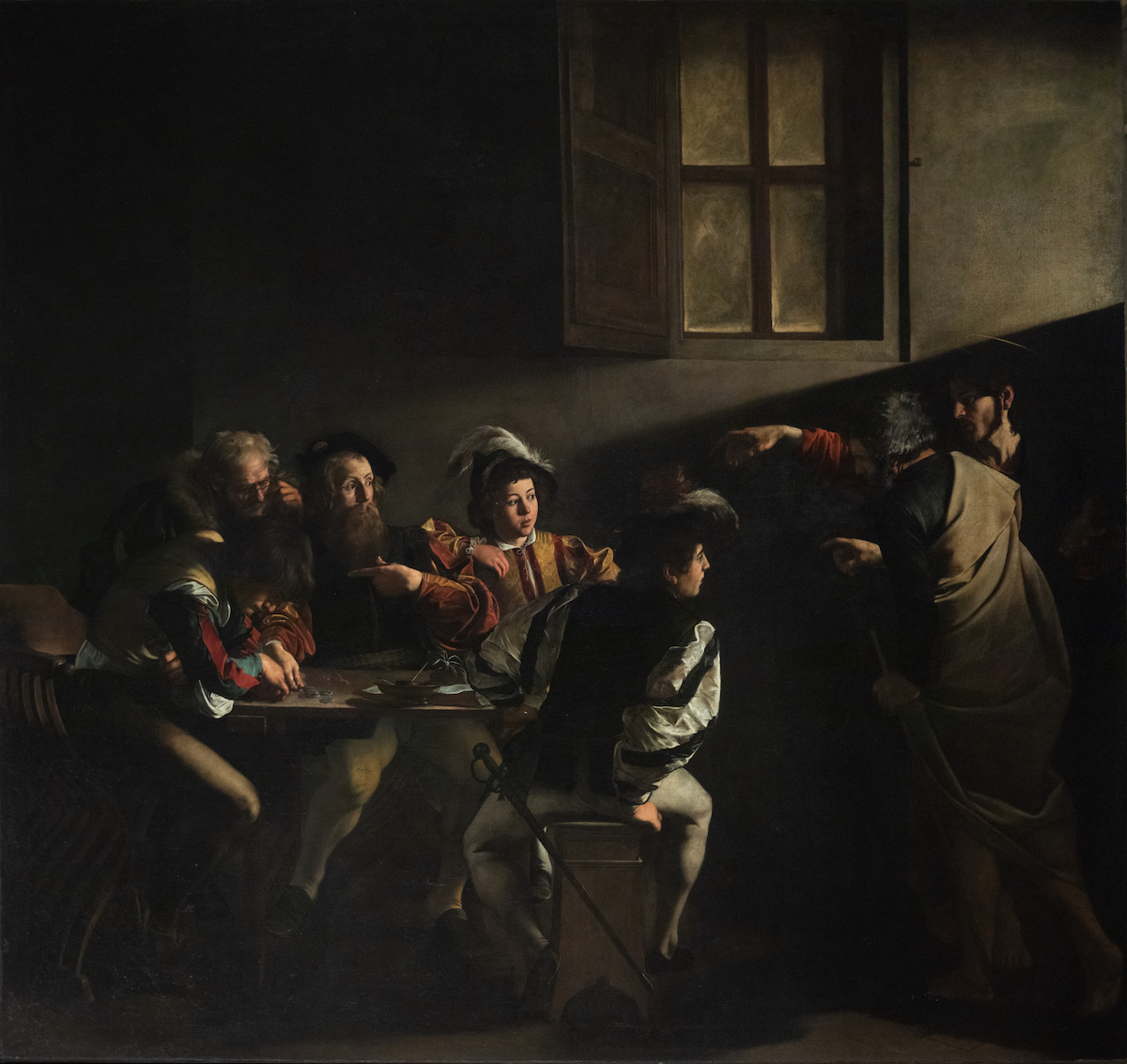
- The Calling of Saint Matthew
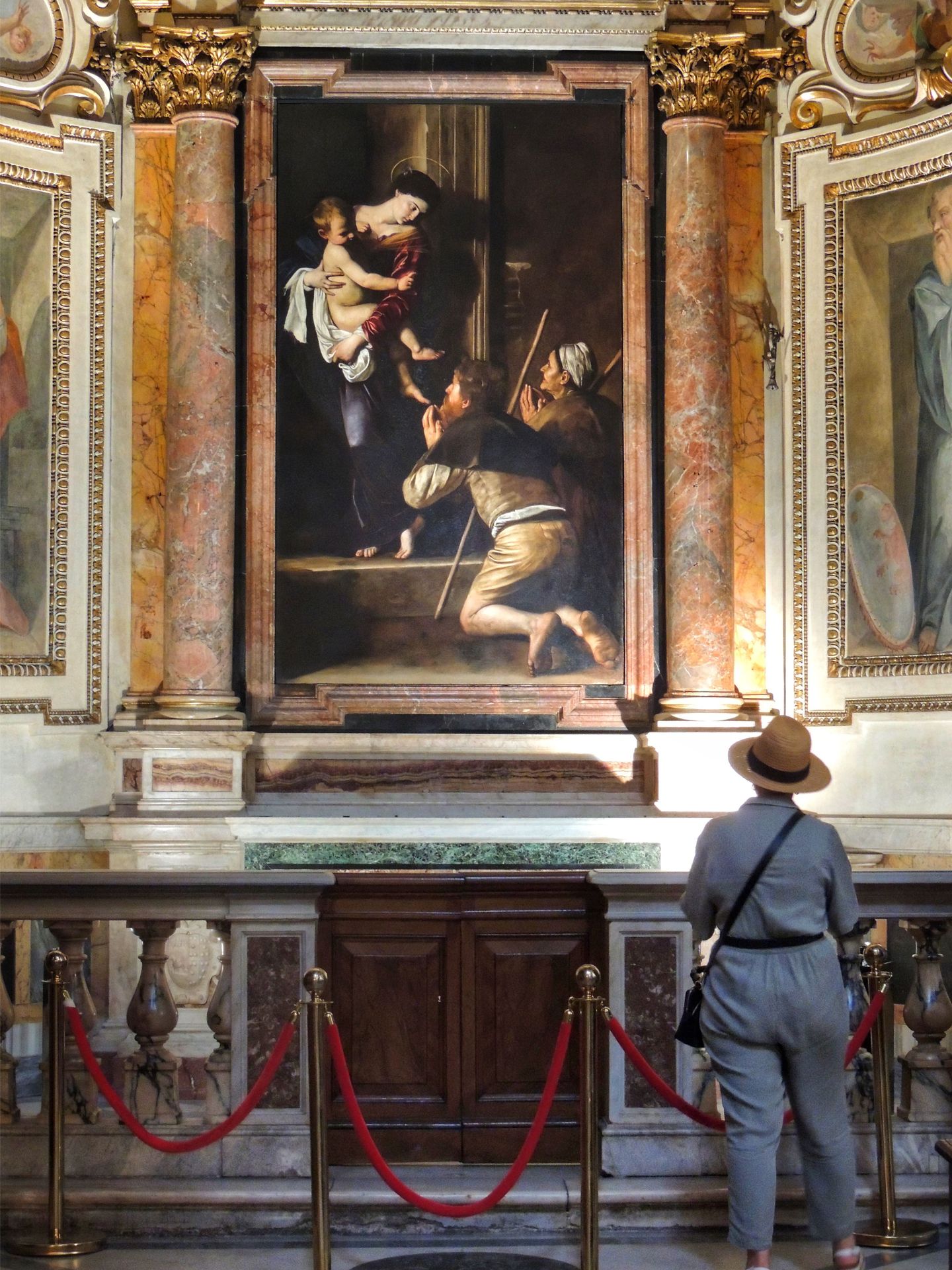
- The Madonna of Loreto
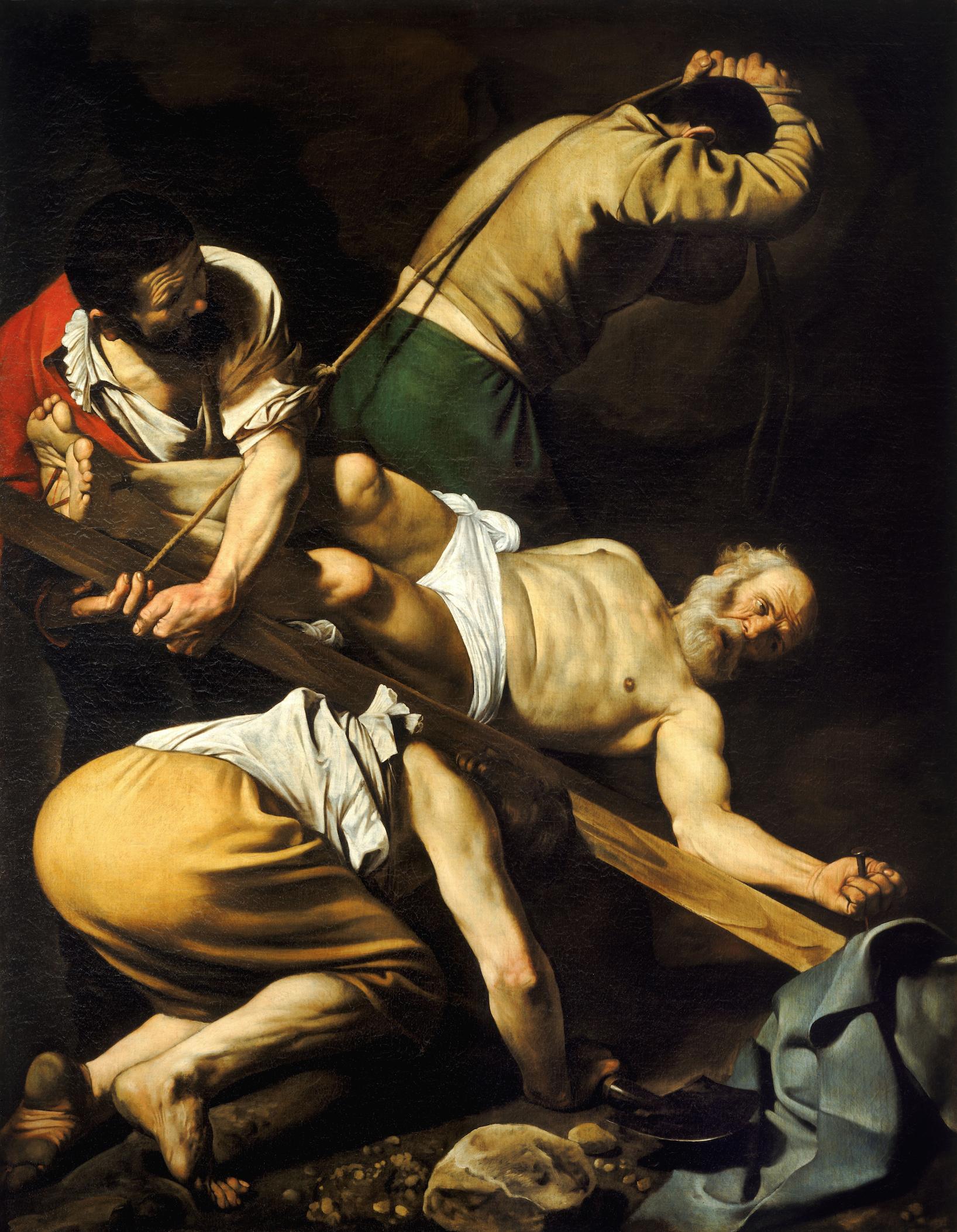
- The Crucifixion of Saint Peter
 Tour Includes

- Expert Art Historian Guide
- Skip the Line Tickets
- In-Depth Exploration of Caravaggio's Art
 Create Your Custom Journey

Our dedicated team is here to help you design the perfect trip. We’re happy to assist every step of the way.
We’ve Got You Covered!

Can’t make your trip? Cancel up to 24 hours in advance for a full refund, minus any ticket costs.
ITINERARY
What To Expect On Your Tour
Caravaggio
The Turbulent Genius Who Changed Art Forever
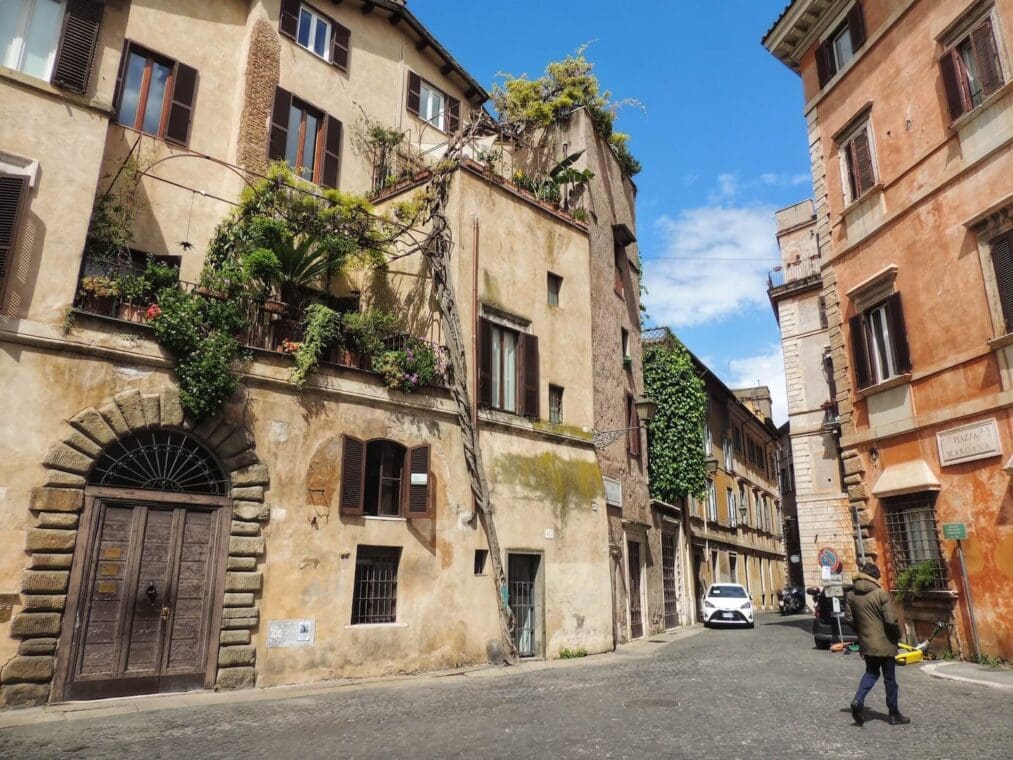
Rome has never been short on wild personalities or artistic geniuses, but few burned as brightly and as destructively as Caravaggio. A painter of extraordinary vision and volatility, he left an indelible mark on the Eternal City before scandal and violence forced him into exile. Though his life was cut short, his impact was seismic: no other artist blended high drama and gritty realism with such unsettling power. On this Caravaggio in Rome Tour, we delve into the life and legend of art’s most notorious rebel, visiting churches, palaces, and backstreets to uncover how his chaotic story is written into the very fabric of Rome.


Santa Maria del Popolo
Visions in the Gloom
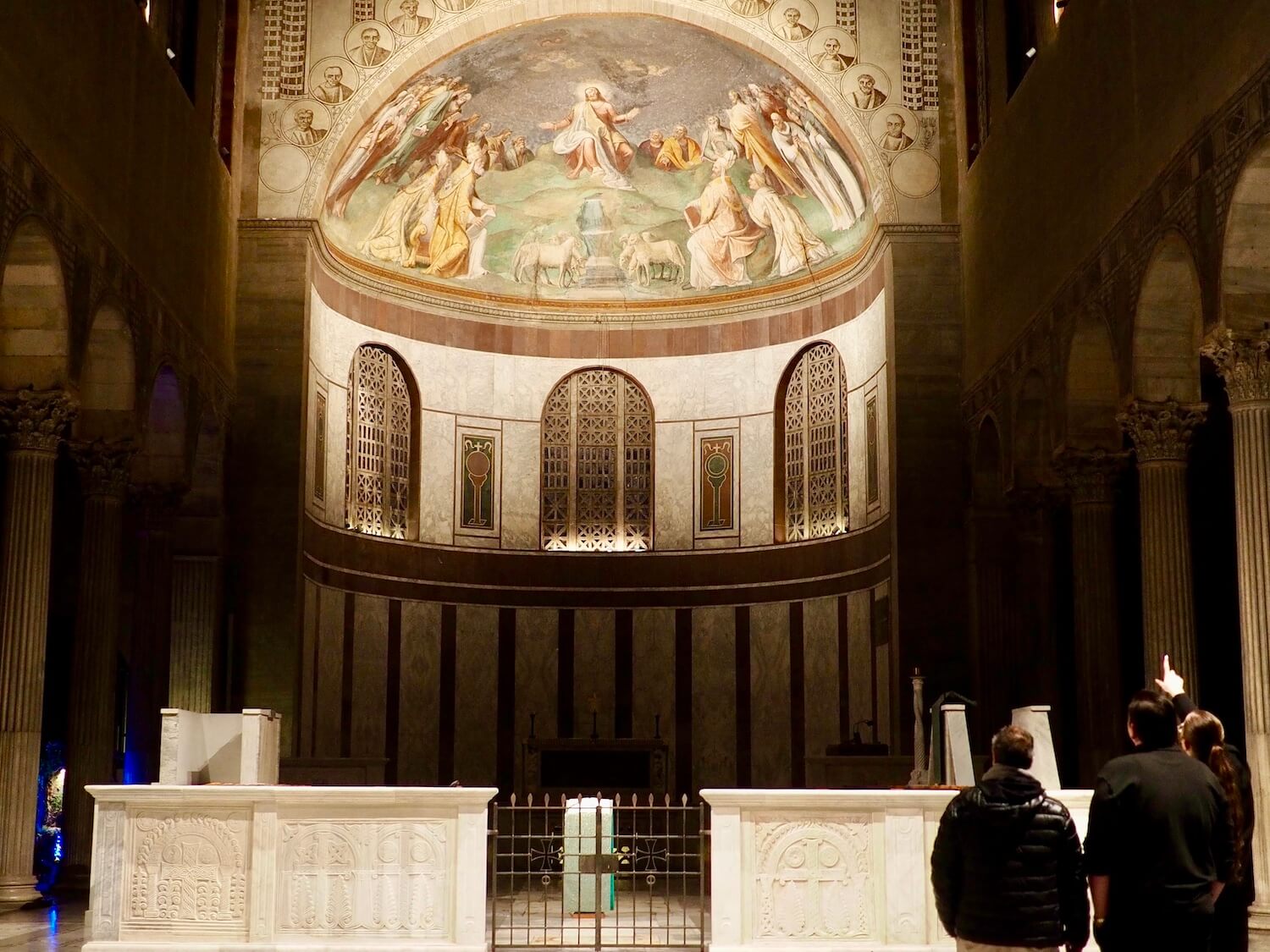
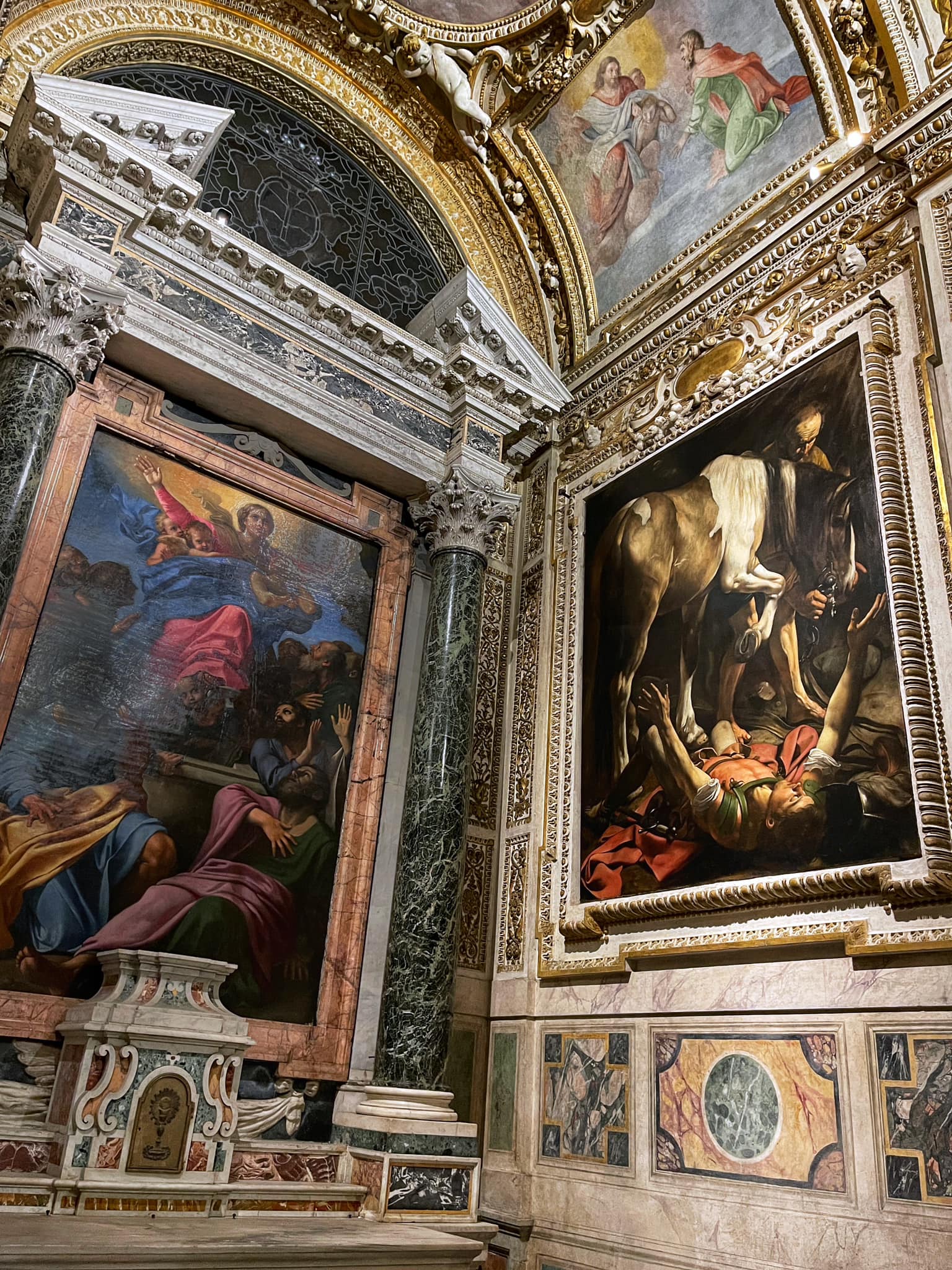
Tucked away in a corner of the church of Santa Maria del Popolo are two of Caravaggio’s most haunting works – The Conversion of Saint Paul and The Crucifixion of Saint Peter. In both, figures slowly but hauntingly emerge from the shadows, unidealized and startlingly real. In The Crucifixion of Saint Peter, the men tasked with dragging the first pope to his martyrdom don’t seem particularly evil – they are humble laborers with calloused hands and dirty feet, going about their grim task with seeming indifference. In The Conversion of Saint Paul, meanwhile, it’s a horse rather than the titular saint that dominates the frame, its bulky form obscuring any traditional sense of balance or symmetry. Set beside the harmony of Annibale Carracci’s nearby altarpiece, Caravaggio’s canvases feel like a declaration of war. This was a new kind of religious art: gritty, immediate, and revolutionary.

Sant’Agostino
Holiness in the Dirt
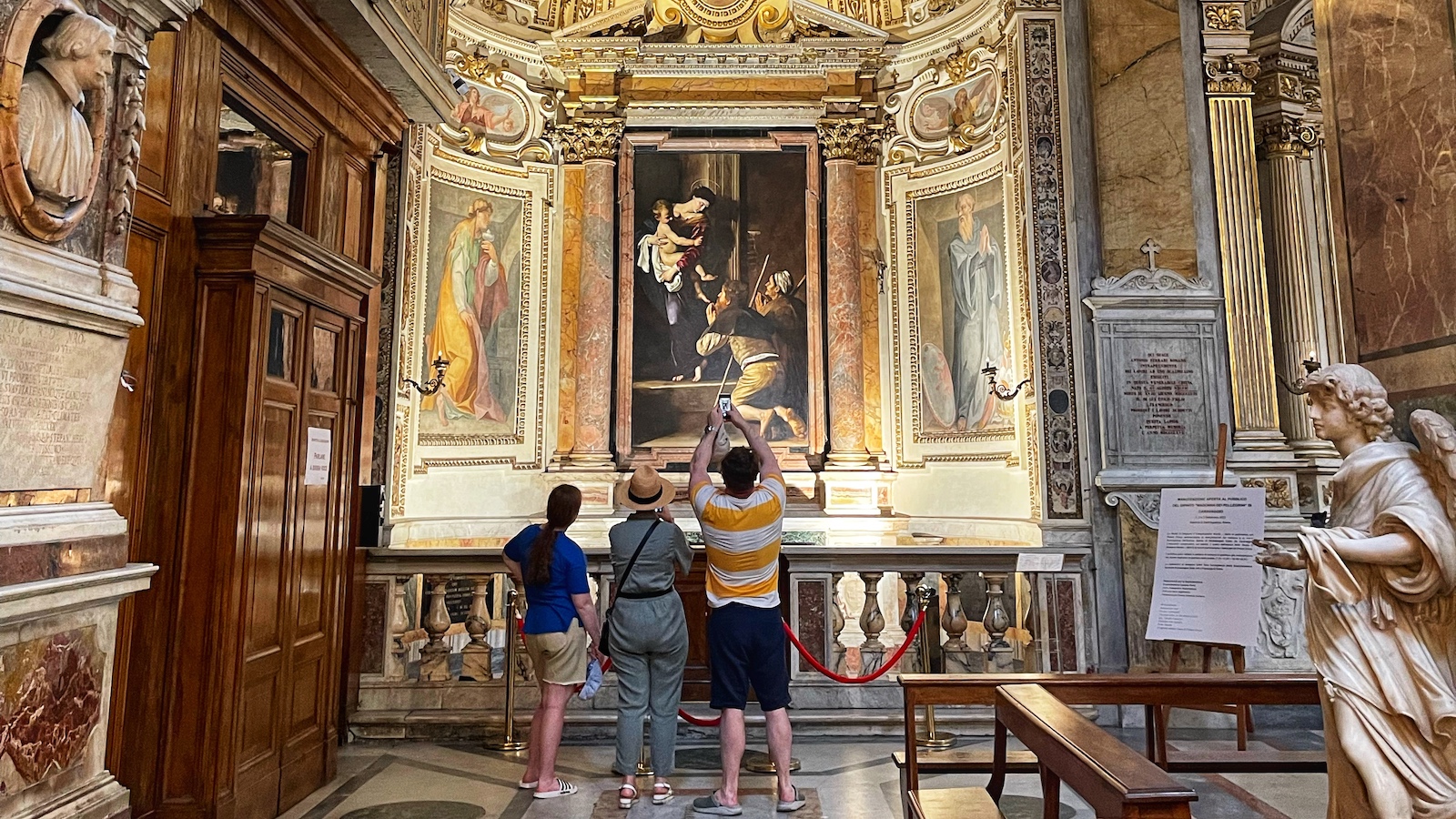
Near the elegant Piazza Navona stands the church of Sant’Agostino, home to Caravaggio’s striking Madonna of Loreto. At first glance, it’s a quiet devotional scene, but look again. The Virgin appears barefoot in a crumbling doorway, blessing two humble pilgrims with feet caked in mud. Here, Caravaggio’s ability to collapse the divide between the sacred and the everyday showcases him at his most brilliant and scandalous. Was he bringing religion closer to the people, or dragging divine mysteries down to the gutter? Our expert guide will help you unpack the layers of meaning – and controversy – lurking in this unforgettable work.

San Luigi dei Francesi
: Divine Callings and Assassinations
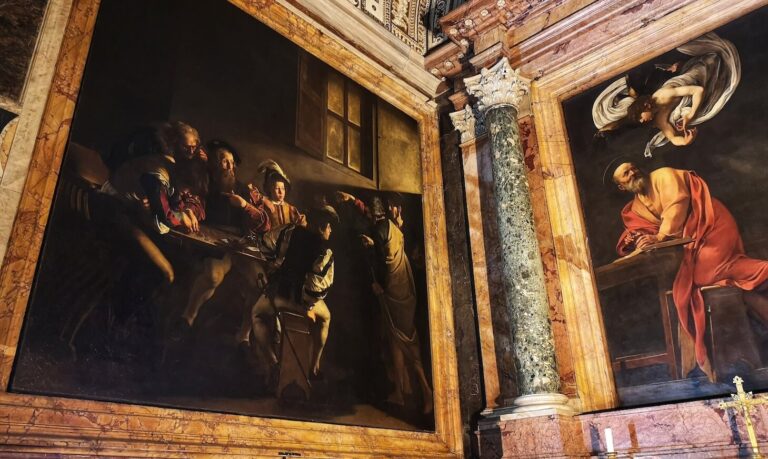
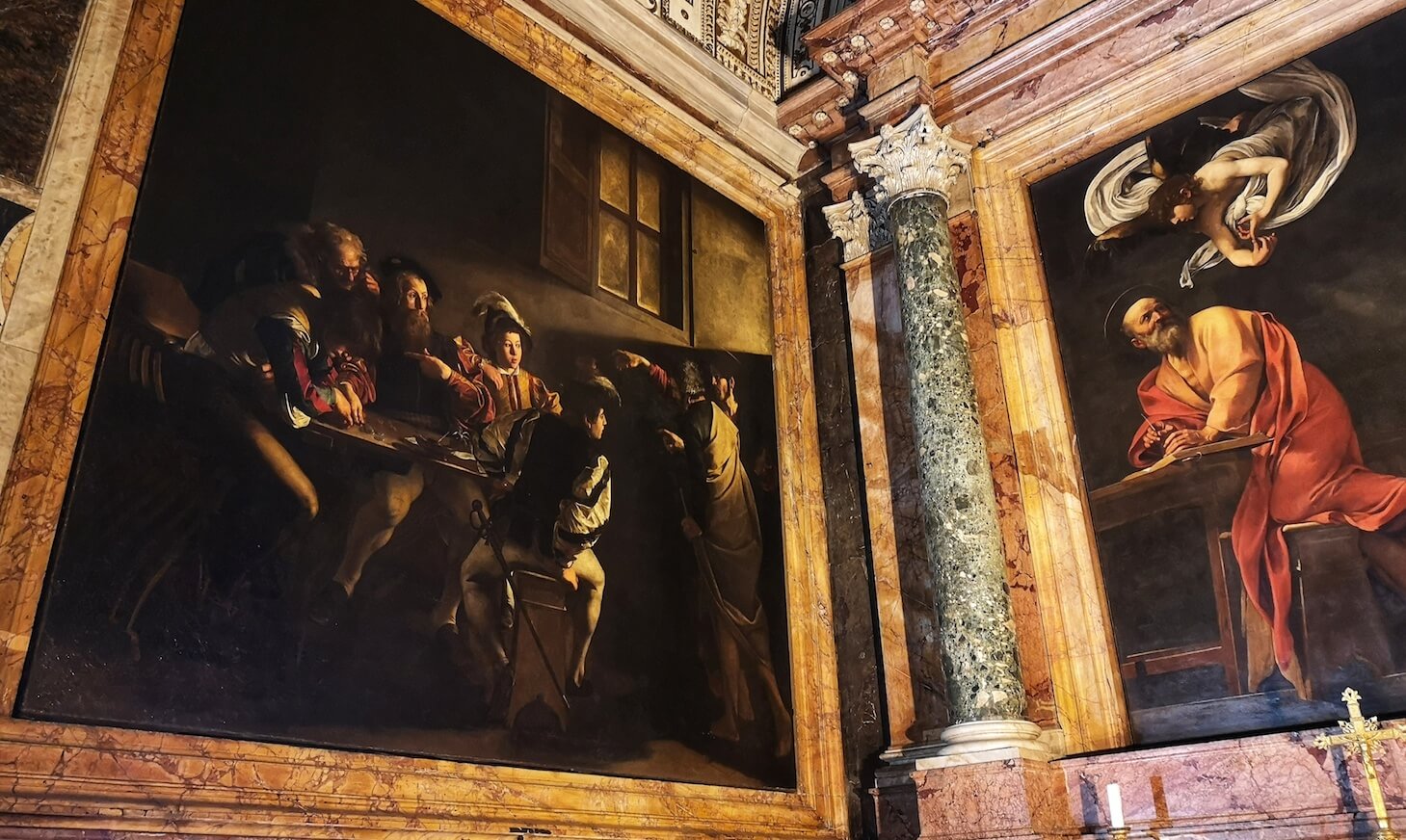
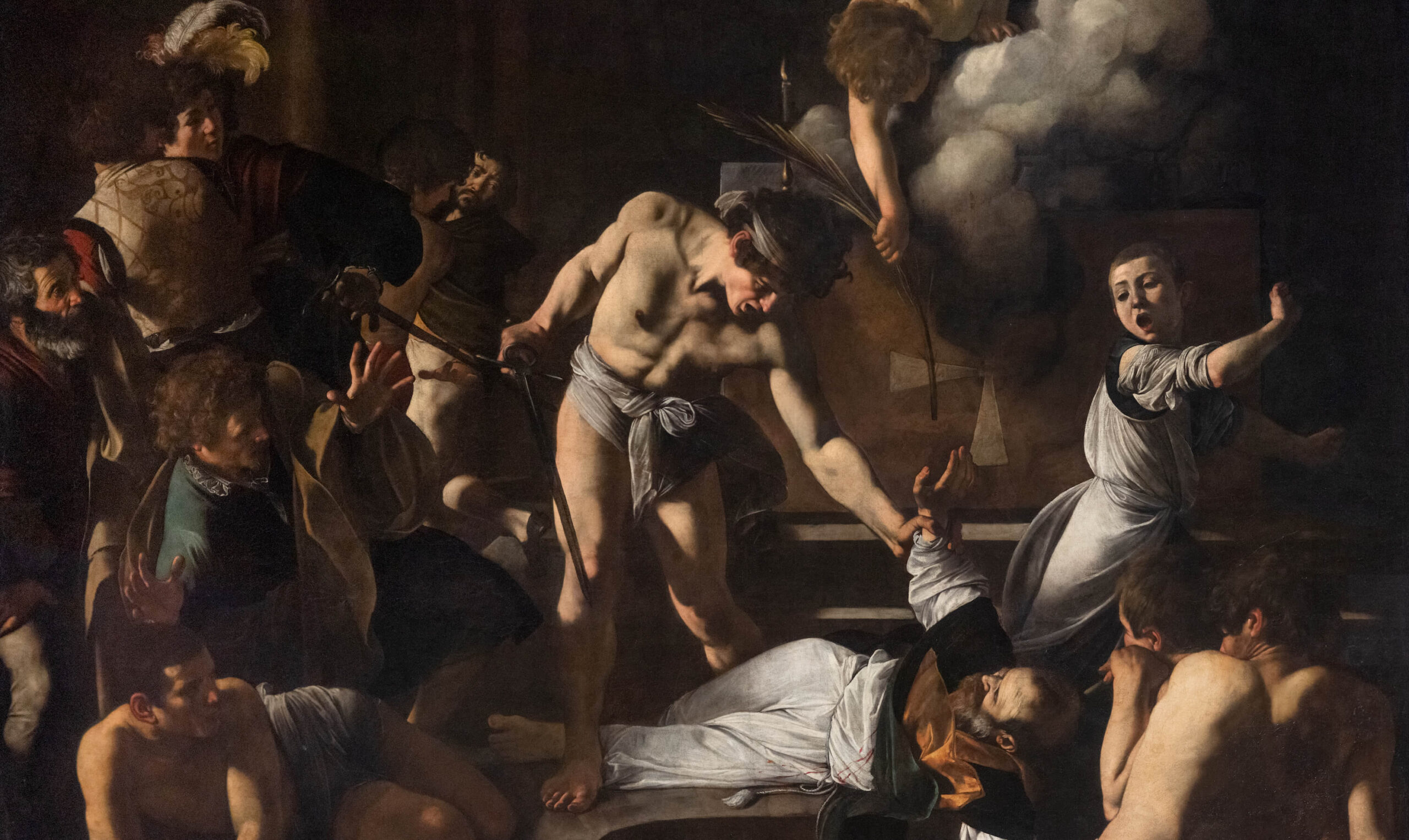
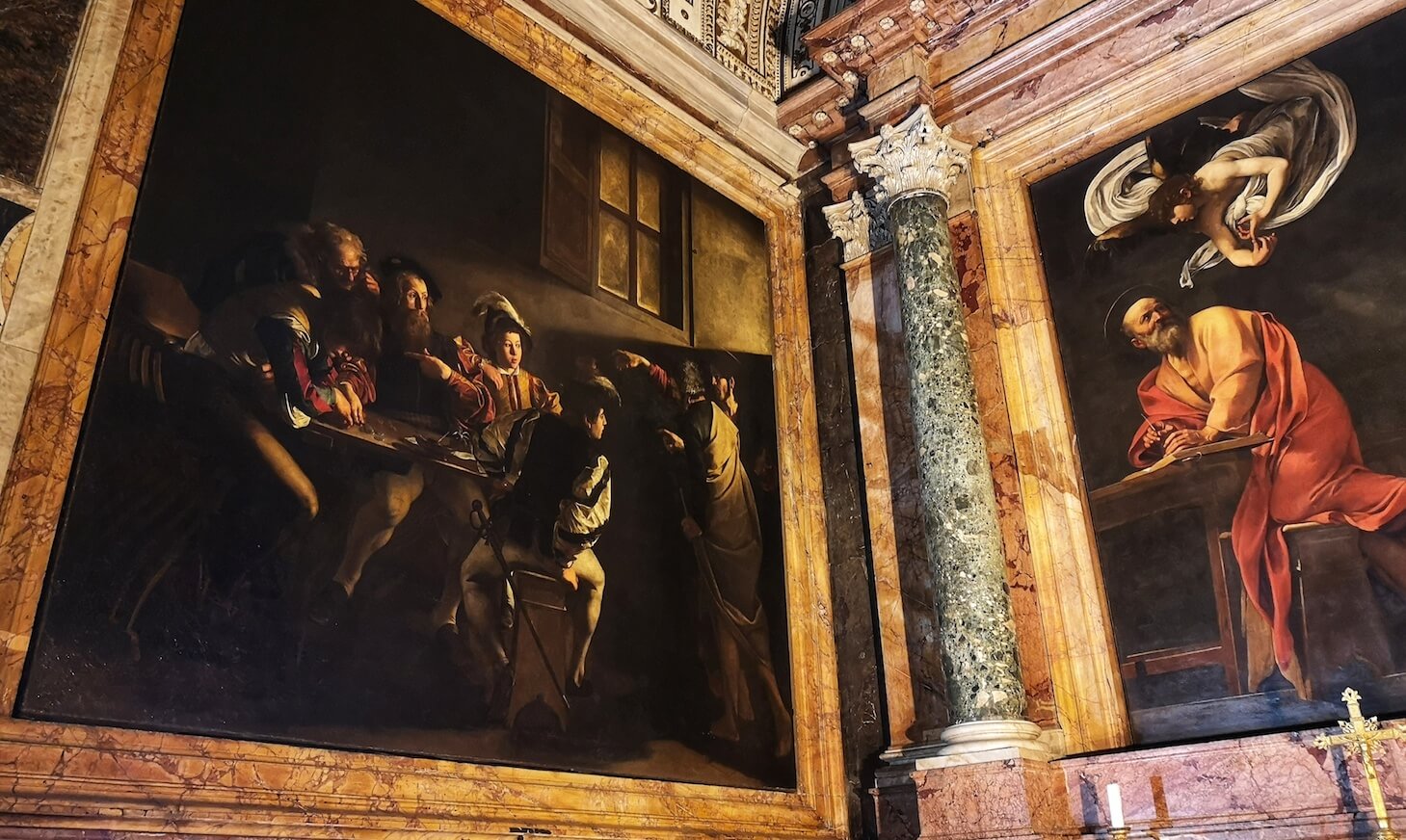
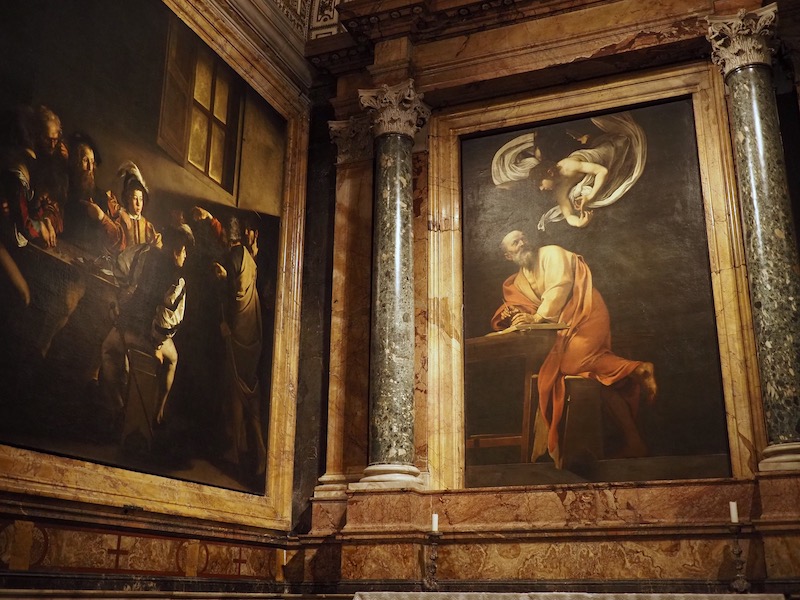
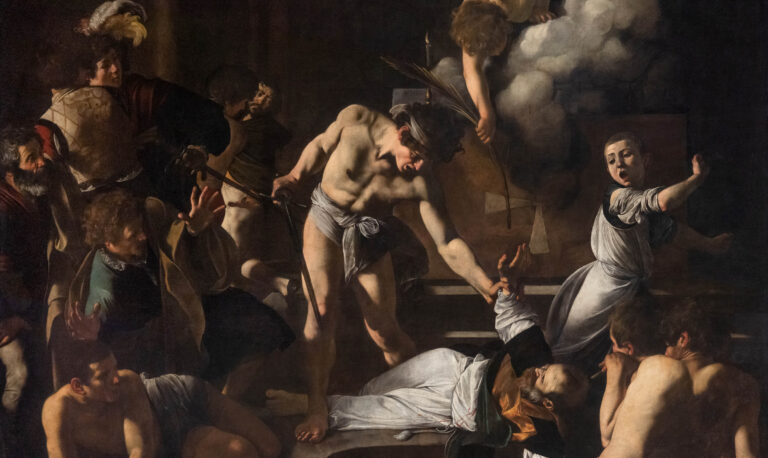
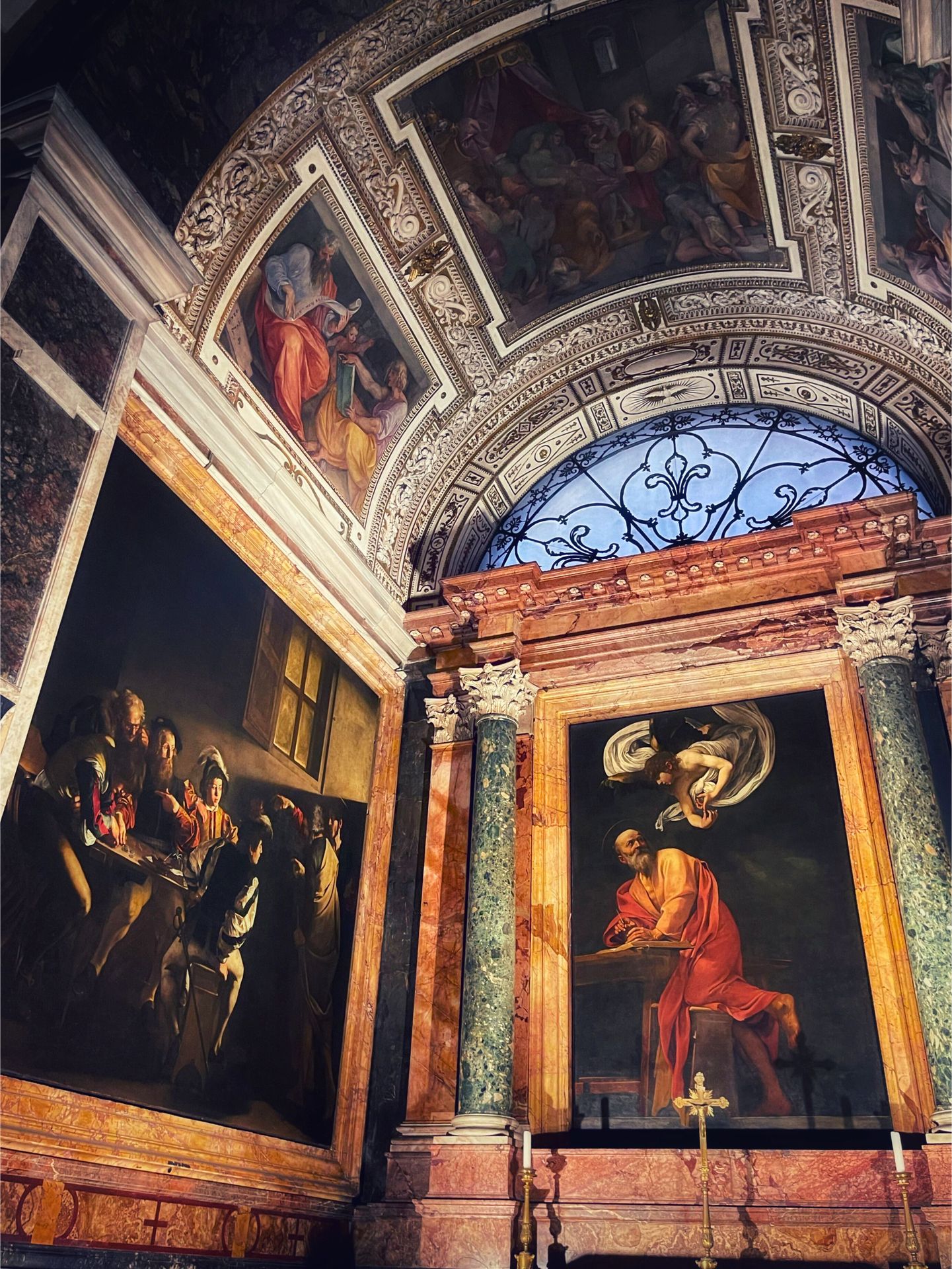
In the Contarelli Chapel of San Luigi dei Francesi, Caravaggio’s violent vision reaches a fever pitch. The Martyrdom of Saint Matthew crackles with tension: a nearly nude assassin lunges forward, sword in hand, as chaos erupts around him. A candle flares, an altar boy flees, and in the shadows, the artist himself watches the murder going down. Is he a witness or accomplice? Across the chapel, in The Calling of Saint Matthew, a shaft of divine light slices through darkness, illuminating a stunned tax collector chosen by Christ. Nowhere else are Caravaggio’s signature techniques – chiaroscuro, emotional realism, theatrical staging – so vividly on display. As we gaze on these masterpieces, you’ll learn exactly how Caravaggio went about painting them, and why they amazed his contemporaries.

Crime and Consequence
The Duel That Changed Everything
In 1606, at the height of his fame, Caravaggio crossed a line he could never return from. A violent clash on a Roman tennis court ended in blood, with the artist fatally wounding a man named Ranuccio Tomassoni. Whether it was over gambling, insults, or jealousy, the result was the same: Caravaggio was declared a murderer. The brooding menace that simmered in his paintings had spilled into real life. Overnight, he went from court favorite to outlaw, fleeing the city with a bounty on his head. His once-glorious Roman career shattered, he entered a final chapter marked by exile, paranoia, and desperation.

A Tragic Finale
Death on the Beach
Caravaggio’s final years were a blur of flight and fever, commissions and conspiracies. He was desperate to return to Rome, hoping for a pardon that never quite materialized. In 1610, under mysterious circumstances, he died on a sunlit beach near Porto Ercole – sick, alone, and just 38 years old. But his legacy was already sealed. Caravaggio had redefined what painting could be, turning sacred subjects into raw human dramas. On our Caravaggio tour through Rome, you’ll trace the echoes of his turbulent life and witness firsthand how this flawed, fiery genius reshaped the art of the Eternal City forever.

Create Your Custom Journey
Our dedicated team is here to help you design the perfect trip. We’re happy to assist every step of the way.
Meet Your Guide
Where to Meet
Your guide will meet you in front of the church of Santa Maria del Popolo.

Your guide will meet you in front of the church of Santa Maria del Popolo.