Italians, as we’re sure you know, know how to eat well. Every region on the peninsula (and the islands too, for that matter) boasts its own distinctive and delicious cuisine; from the rich, meat-heavy gastronomy of the north close to the French border to the light, Mediterranean diet focusing on fish, wholegrains and vegetables found in southern regions like Puglia, wherever you find yourself in Italy your taste-buds are in for a treat.
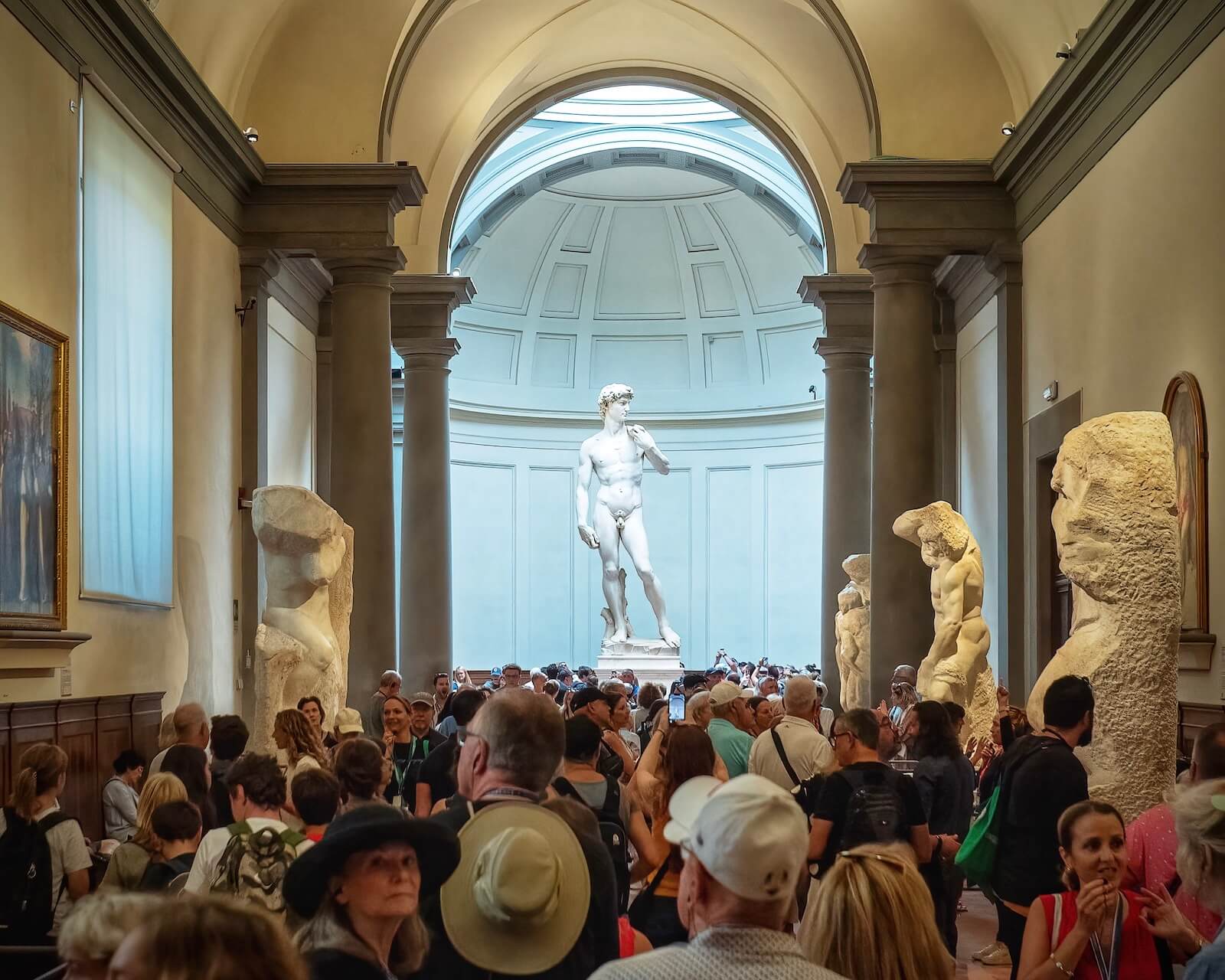
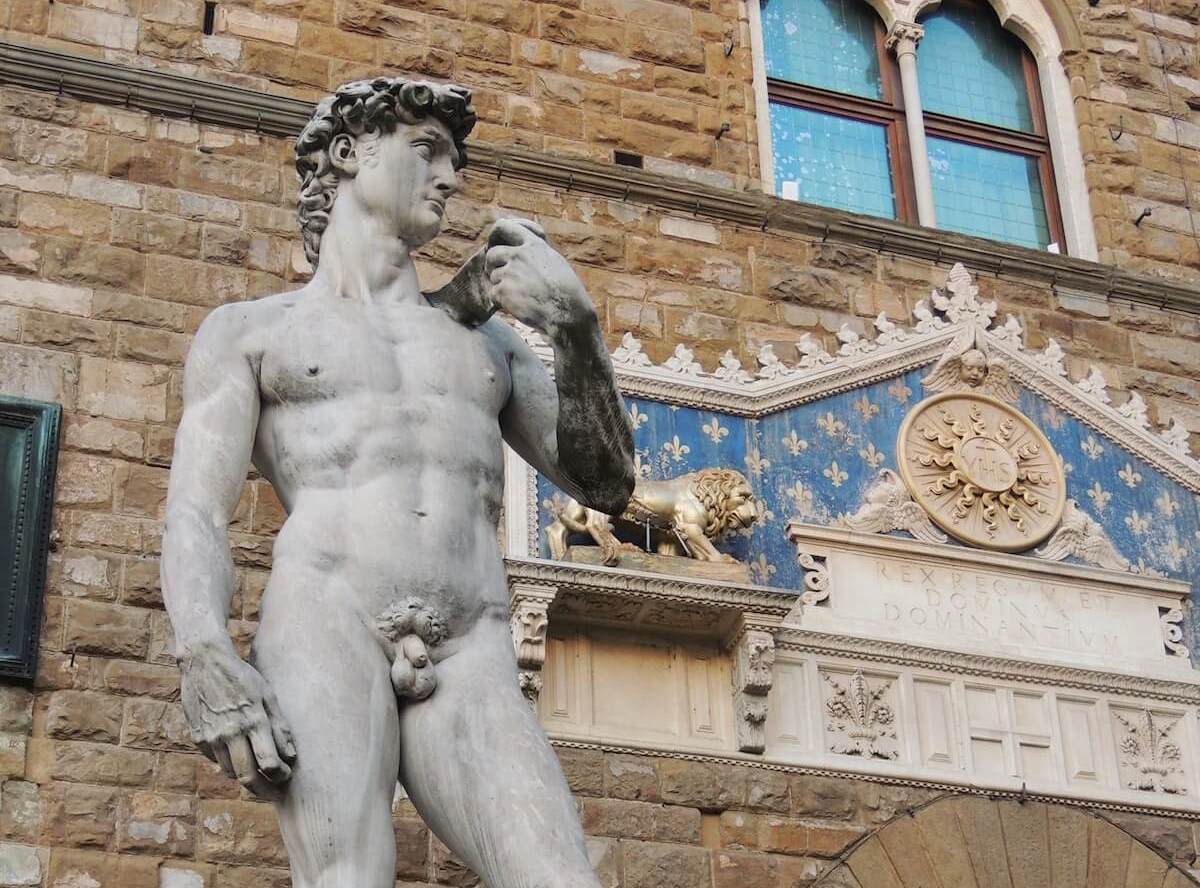
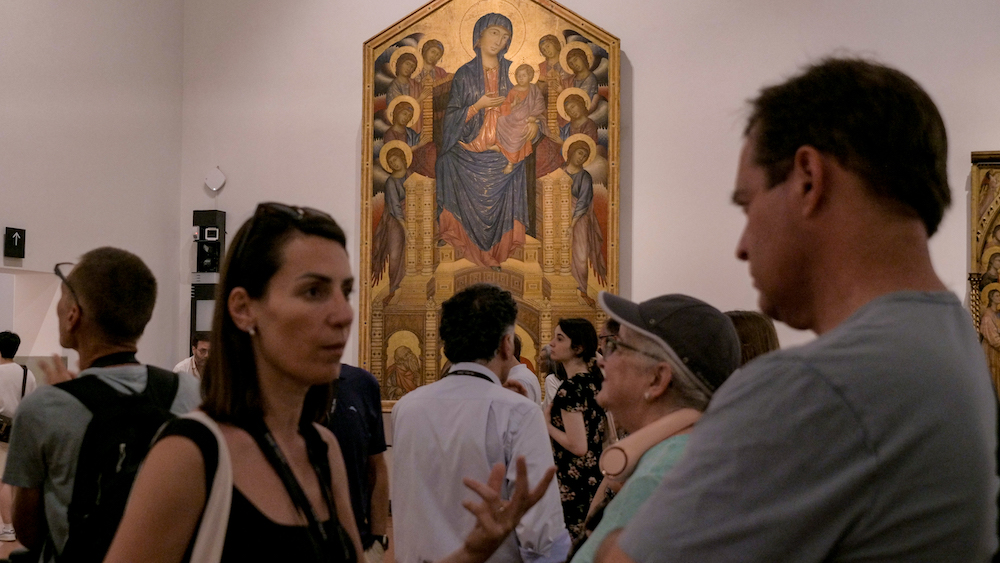
But if we were forced to choose one regional cuisine over all others in Italy, we would be hard pressed to look beyond Tuscany. And where better to sample the delightful dishes of the beautiful central Italian region than its capital, Florence? The city sits near the top of most visitors’ Italian itineraries for its extraordinary cultural highlights: from Michelangelo’s David to the Uffizi Gallery, the artistic treasures on show are endless. In Florence food is just as important a part of the story, however.
Running the gamut from traditional cucina povera dishes like the seemingly basic yet indescribably delicious ribollita and pappa al pomodoro to barnstorming showstoppers like the world-renowned bistecca alla fiorentina, the variety and quality of food on offer in Florence means that the city has few culinary rivals. Read on for our guide to 10 traditional Tuscan dishes that you need to try when in Florence!
Florence Tours
Experience the Magic of Florence

A disarmingly simple thick stew made from stale bread and tomatoes, pappa al pomodoro is a classic example of what’s known in Italian cuisine as cucina povera – that is ‘poor food,’ or traditional peasant dishes made with very economical ingredients that nonetheless pack a big flavor punch. Lashings of olive oil, garlic and herbs help infuse the bread and tomato mix with a rich aromatic profile. Pappa is often served chilled or at room temperature.


Another iconic Tuscan soup based on stale bread, ribollita literally means ‘reboiled’ in Italian – and the dish’s name gives you a clue as to its origins. Ribollita also comes from the cucina povera tradition, and was historically made with the leftovers of the previous day’s soup; stale bread was added to thicken the remains the following day, making them go further. These days the delicious soup is typically made from scratch in its own right.
There are many variations, but ribollita will always include a good variety of cruciferous greens – cavolo nero, cabbage and kale – alongside cannellini beans and other veg like carrots, onions and sometimes potatoes. After the soup is made and left to cool, stale bread is added before a second cooking, giving the dish its distinctive texture.

For our money this is the tastiest salami you’ll find in Italy. Finocchio is Italian for fennel, and that is the predominant seasoning used in this classic Tuscan cured meat. The salami is a combination of pork meat, fennel seeds, red wine, salt and pepper which is then fermented and cured for at least five months to ensure its rich flavor profile. Finocchiona has a history that goes back centuries; wild fennel grows abundantly in the Tuscan countryside, and thanks to its powerful aniseed flavor offered an excellent alternative to the more expensive and exotic black pepper typically used in the production of cured meats.

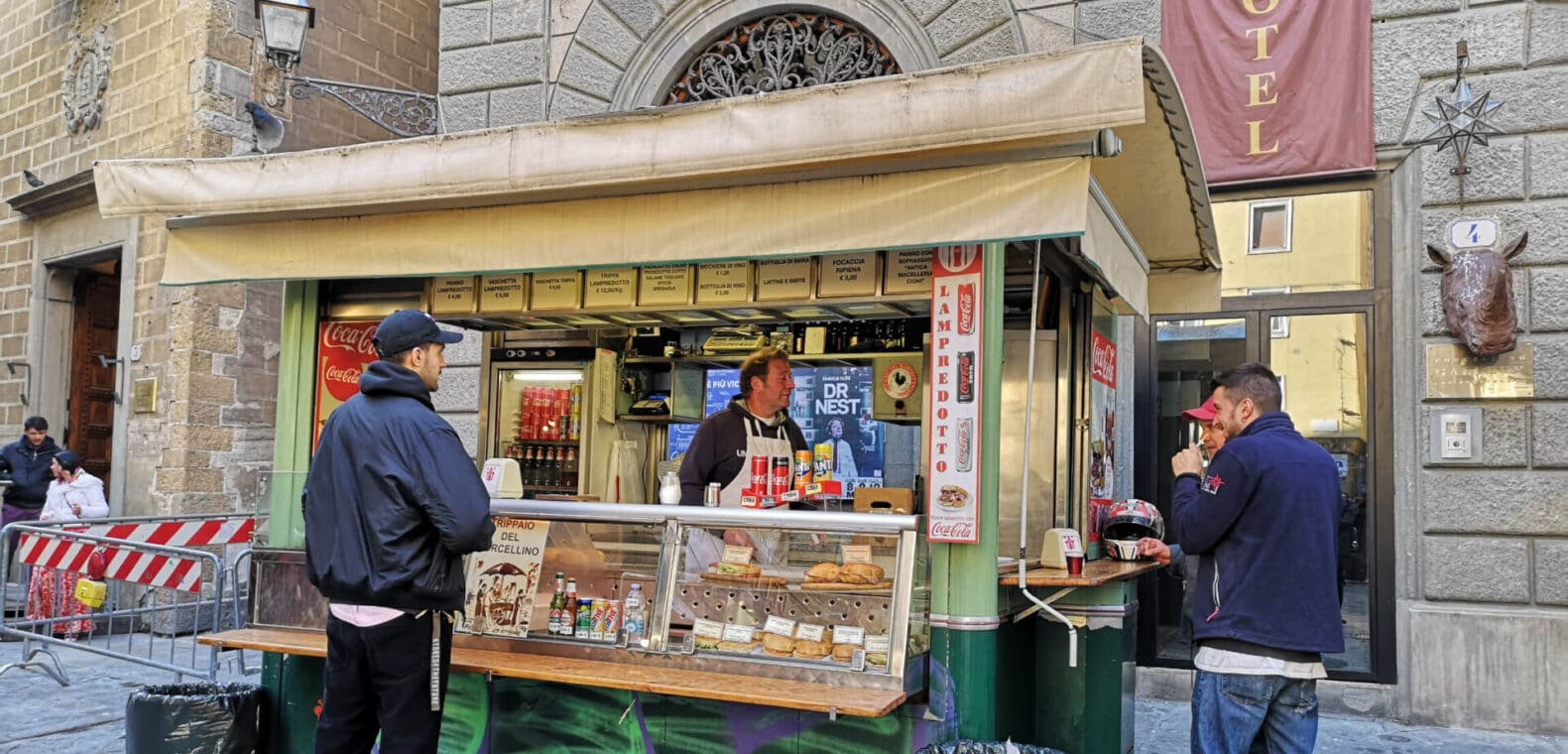
Florentines, like most Italian city dwellers, tend to have a fondness for offal. And when you think that the nutritious innards of animals tended to be sold at a fraction of a price of meat at butcher’s stalls and markets, it makes sense that ingredients like tripe came to form a staple part of working-class urban cuisine. Lampredotto is a distinctively Florentine variation of tripe, made from the abomasum, or a cow’s fourth and final stomach, simmered for hours in broth with tomatoes, onions, celery and parsley until meltingly tender.
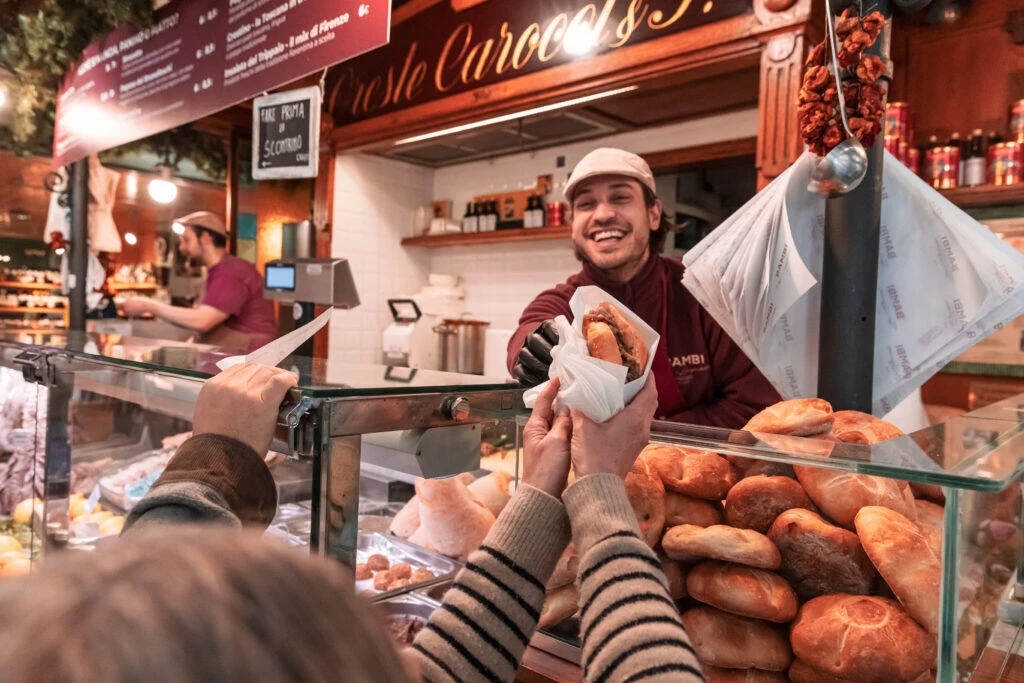
The classic way to eat lampredotto is in a golden-baked roll known as a semella, made lusciously soft and savory by swiftly dipping the top half into the cooking broth. Many visitors to Florence instinctively avoid this classic street food staple, but we think they’re missing out! You can find it at the many trippai stalls dotted across the city, where it makes for a cheap and tasty on-the-go lunch.

If the thought of lampredotto just isn’t for you, there is another delicious hot sandwich that will surely fit the bill. This is the panino con bollito, made up of beef brisket simmered until it’s falling apart before being sliced and crammed into a roll dipped in the cooking juices and topped with lashings of salsa verde and chili. Like lampredotto, you’ll find this king of sandwiches available at street-food stands all across the city.

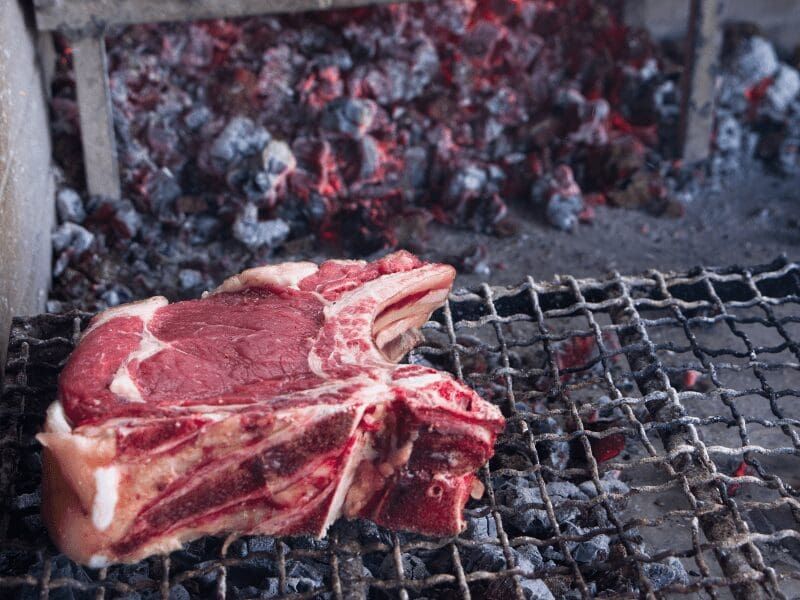
One for the meat lovers. Perhaps the most famous Florentine dish of all is the mighty bistecca alla Fiorentina, a well-hung T-Bone behemoth that typically weighs in at a minimum of 1.5 kilos (this is a dish you’ll want to share) and is charred to perfection on a charcoal-fired open grill.

When you visit Florence, you’ll soon learn that Tuscans really love their beans. A simple dish of white cannellini beans dressed with oil is the classic accompaniment to a Florentine bistecca, but our favorite bean-based side dish is this one. Fagioli all’uccelletto is made by slow-cooking cannellini beans in a sauce of tomato, garlic and sage enlivened by lashings of olive oil. Simple, healthy and delicious, it’s perfect served up with some typical Tuscan sciapo bread – that is, without salt – to mop up the juices.

One of the oldest known recipes of Tuscan cuisine, this delicious slow-cooked veal stew takes its name from the copious amounts of black pepper (pepe) used to season the dish. The deep, dark blood color of peposo, meanwhile, is down to the red wine in which the meat is braised. This is a recipe of few ingredients, and comes from a time long before tomatoes were known in Italy, so might taste quite different to what most of us typically think of as Italian cuisine.
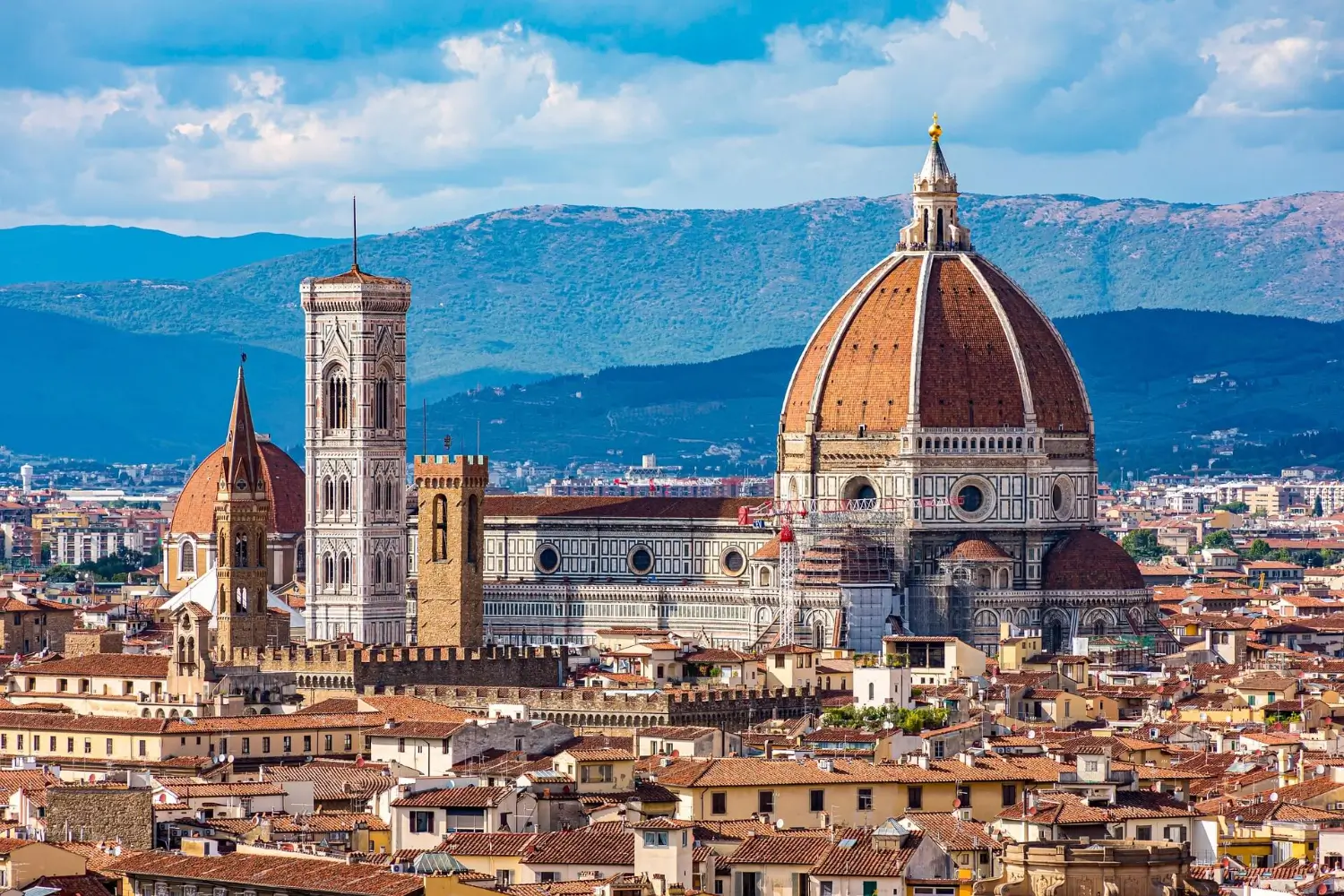
According to tradition, the brickmakers who worked on the construction of Brunelleschi’s dome for Florence cathedral in the 15th century used to make this dish by placing earthenware pots of meat, wine and pepper into their furnaces whilst they worked. You’ll also see a less pepper-heavy version of this dish, often cooked with wild boar instead of veal, on menus, described as stracotto.

Traditional Florentine and Tuscan cuisine isn’t as big on pasta as some other regions in Italy are, but there are some great exceptions. Pappardelle is a wide, ribbon-shaped egg pasta that is the perfect accompaniment to rich meat sauces like ragu al cinghiale (wild boar ragu) and ragu al lepre (wild hare ragu). Once it used to be a dish reserved for special occasions, but these days it’s a much-loved restaurant staple.

This time-honored combination of biscuits and dessert wine is the perfect way to end a meal in Florence. Vin santo means holy wine in Italian, and the legend goes that during the darkest days of the Black Death in 1348 a Sienese friar resorted to administering the consecrated wine used in Mass to the populace in a desperate attempt to save lives. Whilst it probably didn’t do much to stave off the plague, the locals got a taste for the holy hooch.
When a new type of crunchy biscuit enriched with nuts and dried fruit called cantucci was developed in Florence a few centuries later, it was quickly realized that they were even better softened after being dunked in the local sweet wine. A must try dessert when in Florence!
What food is Florence famous for?
Florence is best known for its hearty, rustic Tuscan cuisine, with standout dishes like bistecca alla fiorentina, ribollita, pappa al pomodoro, and the city’s famous street food, lampredotto. The cuisine is built on exalting the quality of simple ingredients rather than elaborate cheffy constructions.
What is the traditional dish of Florence?
If there’s one dish that defines Florence, it’s bistecca alla fiorentina – a thick, bone-in steak grilled rare to highlight the quality of the meat. That said, many of the city’s most traditional foods come from cucina povera, including ribollita and pappa al pomodoro, which reflect Florence’s history of making the most of humble ingredients.
What street food is Florence known for?
Florence’s most iconic street food is the lampredotto sandwich, made from slow-cooked beef stomach and served in a bread roll with salsa verde. It’s a true local specialty that you’ll find at stalls across the city and remains one of the most authentic—and affordable—things to eat in Florence.
Where can you eat cheap in Florence?
Eating well in Florence doesn’t have to be expensive. Some of the best budget options are found around the markets of San Lorenzo and Sant’Ambrogio, where you can find street food and simple, traditional dishes at reasonable prices. Da Nerbone in the Mercato Centrale is a great option. Moving a little away from the main tourist areas also helps – try the San Ferdiano neighborhood south of the Arno. Another trick is to visit lunch-only trattorie, which are often better value and extremely high quality. Our favorites are Trattoria Sergio Gozzi and Da Mario.
What desserts should you try in Florence?
Florence has plenty to offer beyond savory dishes. Local favorites include cantucci (almond biscuits typically paired with vin santo) and sweet treats like bomboloni – soft, filled doughnuts enjoyed as a snack or dessert.
Florence Tours
Plan Your Visit!