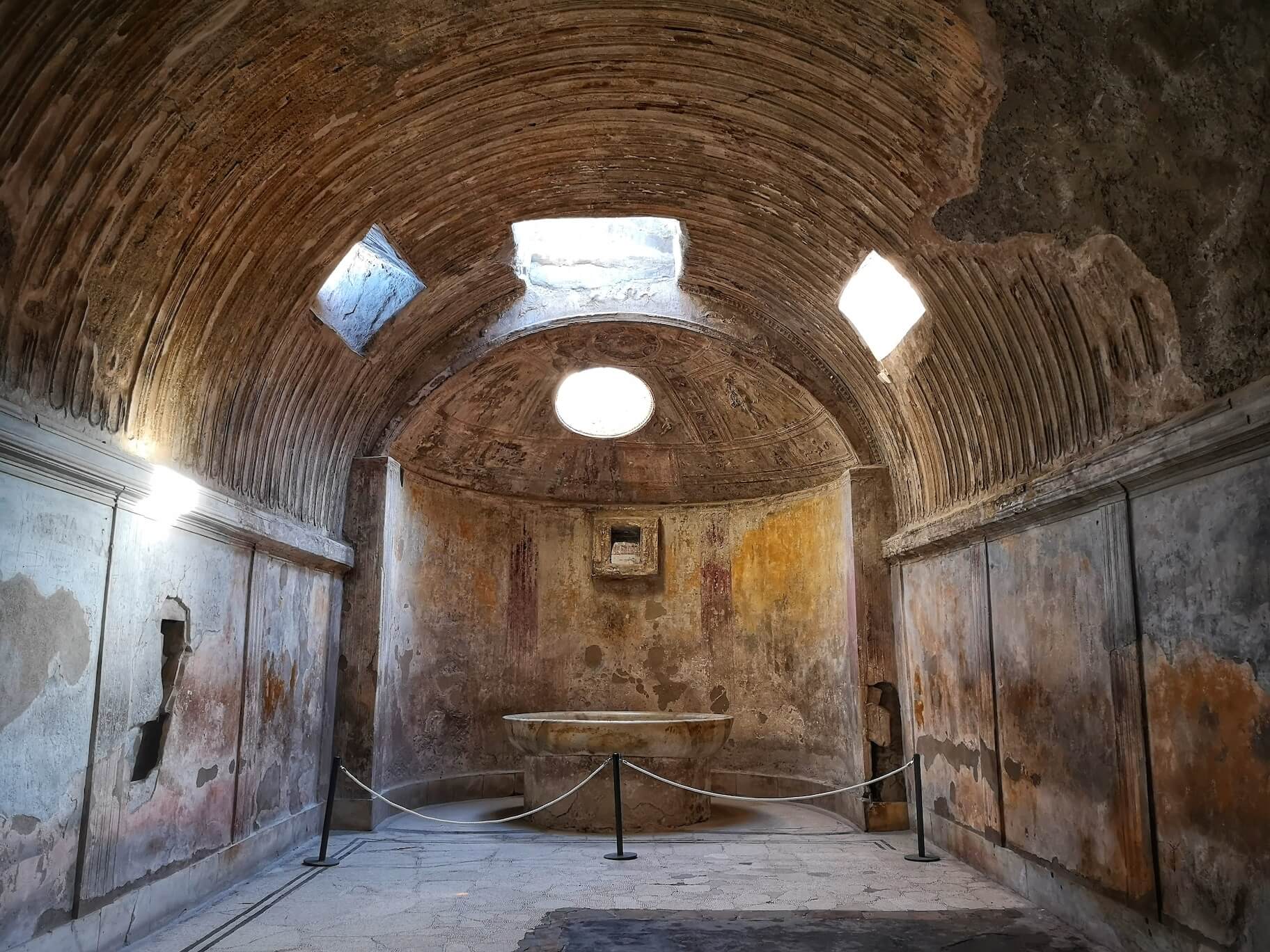
Discover Pompeii’s streets, temples, and houses before viewing its finest finds in the Naples Archaeological Museum. This full-day tour pairs an in-depth exploration of the excavated city with a guided look at extraordinary mosaics, sculptures, and the once-hidden Secret Cabinet that formed the core of the Farnese collection.
 Highlights

 Hidden Gems

- The Secret Cabinet
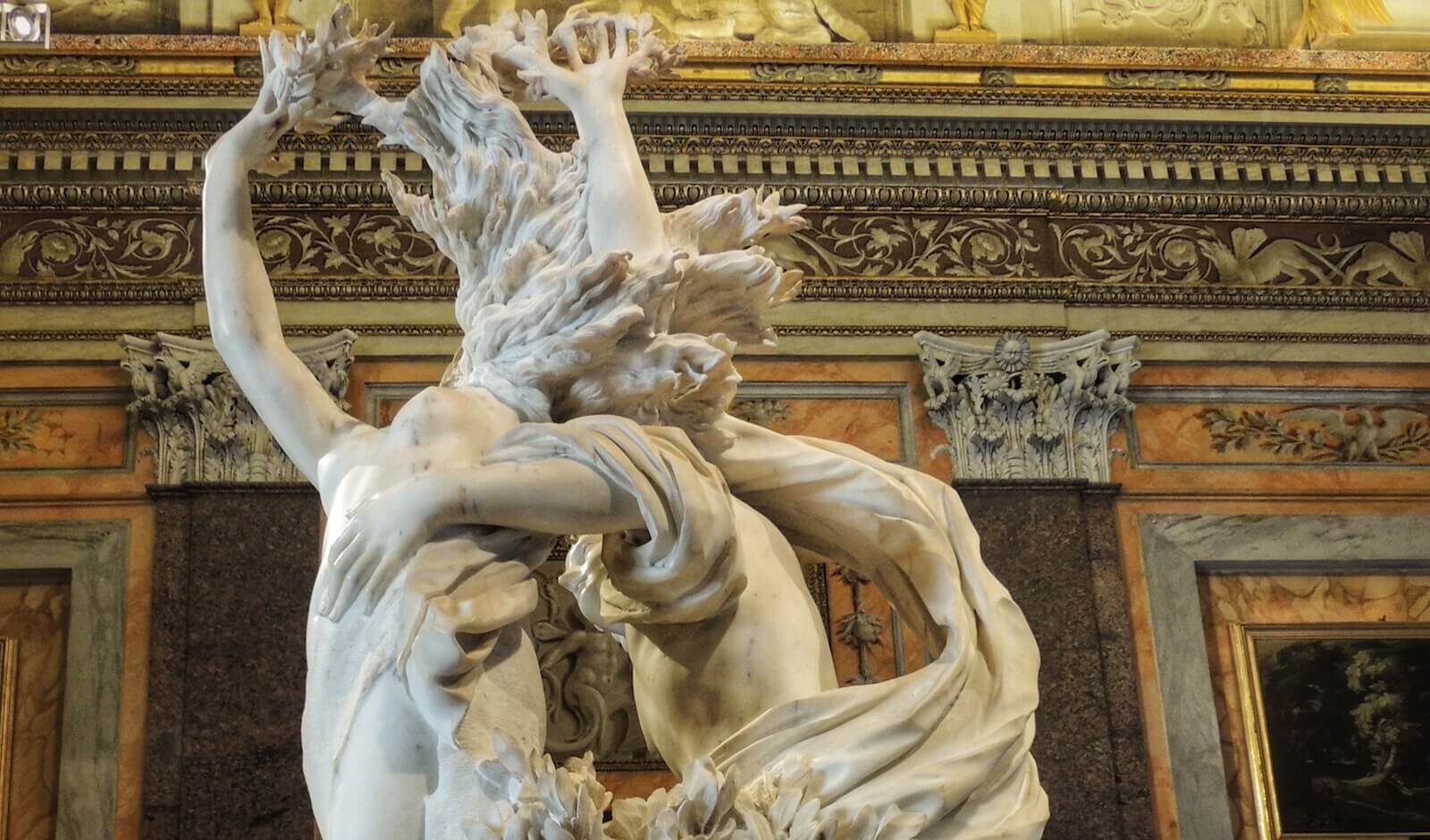
- The Farnese Bull
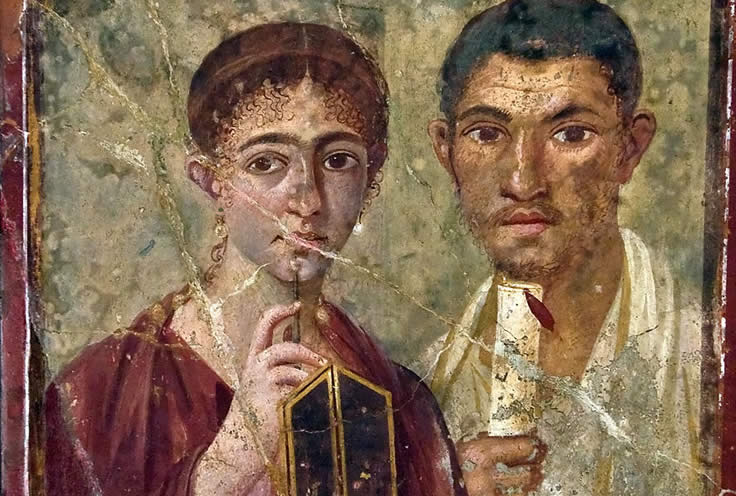
- The Portrait of Terentius Neo
- The Amphitheater
 Tour Includes

- Expert English-speaking private guide
- Skip-the-line tickets to Pompeii
- Private car and driver for the full day in Naples
 Create Your Custom Journey

Our dedicated team is here to help you design the perfect trip. We’re happy to assist every step of the way.
We’ve Got You Covered!

Can’t make your trip? Cancel up to 24 hours in advance for a full refund, minus any ticket costs.
ITINERARY
What To Expect On Your Tour
Your Day Begins
From Rome to the Shadow of Vesuvius
Your adventure begins when you depart from Rome on a high speed train. Upon arrival in Naples, you’ll meet your driver who will bring you to Pompeii Scavi. Once at Pompeii, you will meet your guide and set out together on one of antiquity’s most compelling journeys. Today unfolds in two parts: first, the haunting streets of Pompeii itself; then, the extraordinary collections of the Archaeological Museum of Naples, where the city’s most remarkable discoveries are preserved.


The Day the World Ended
Pompeii and Vesuvius in AD 79
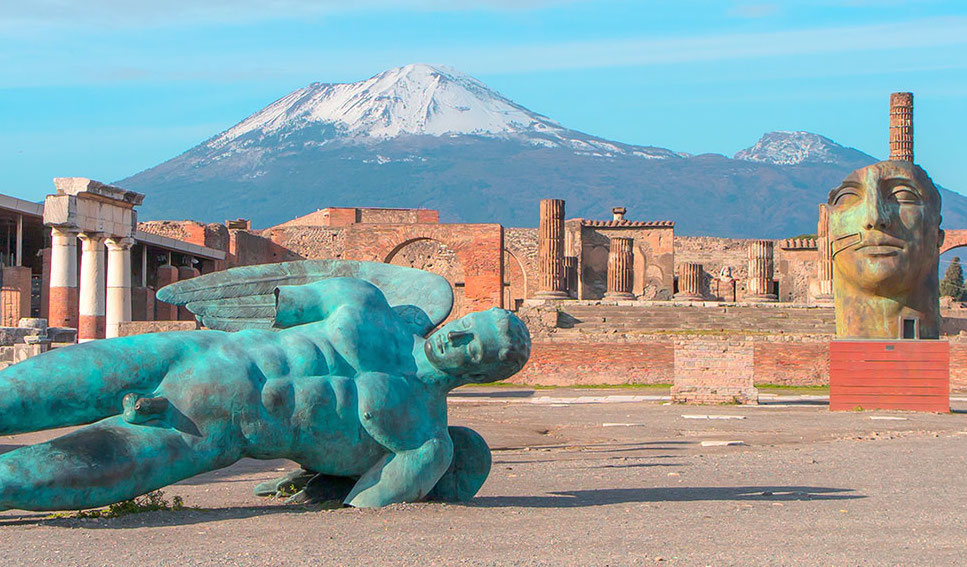
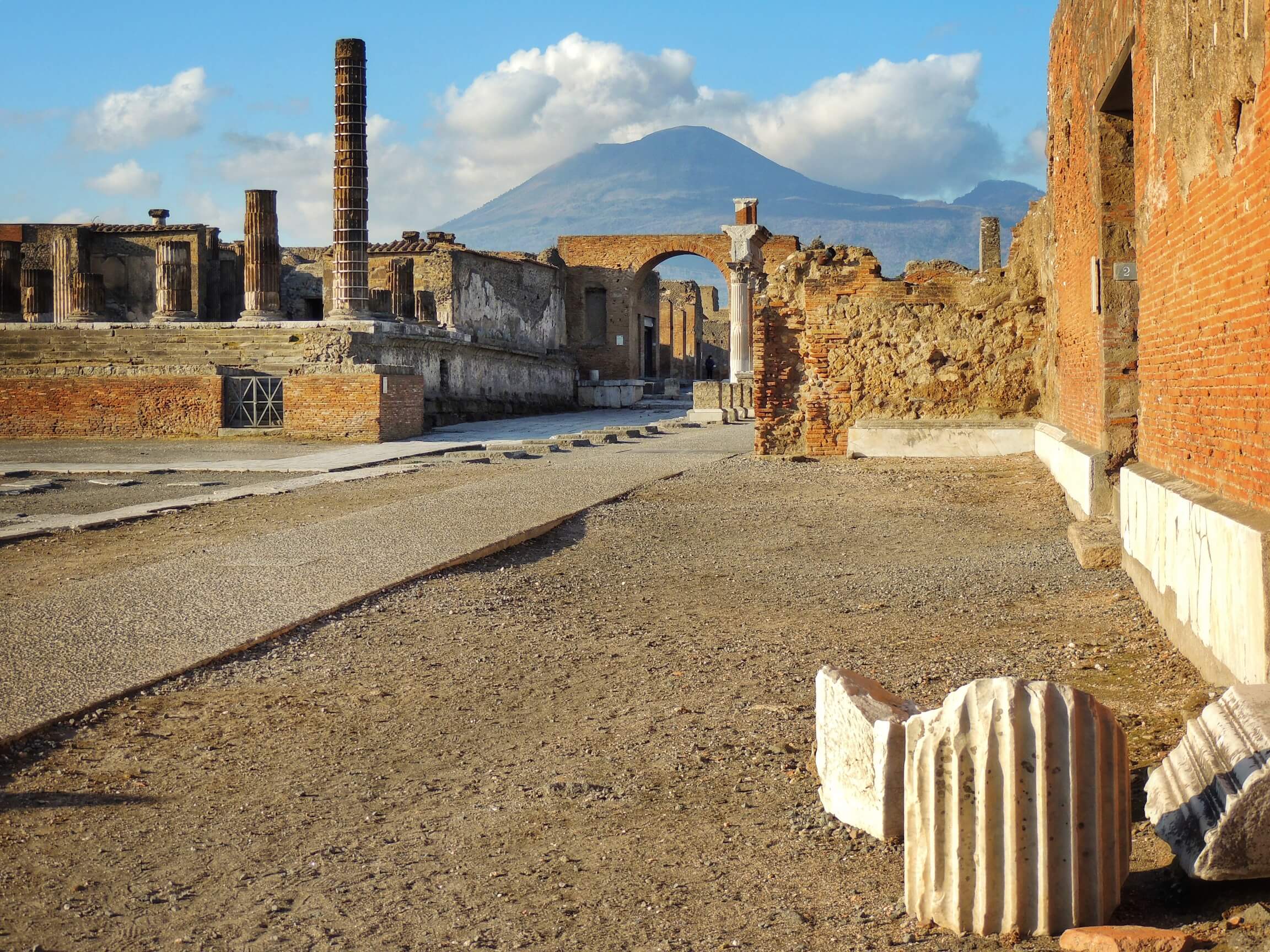
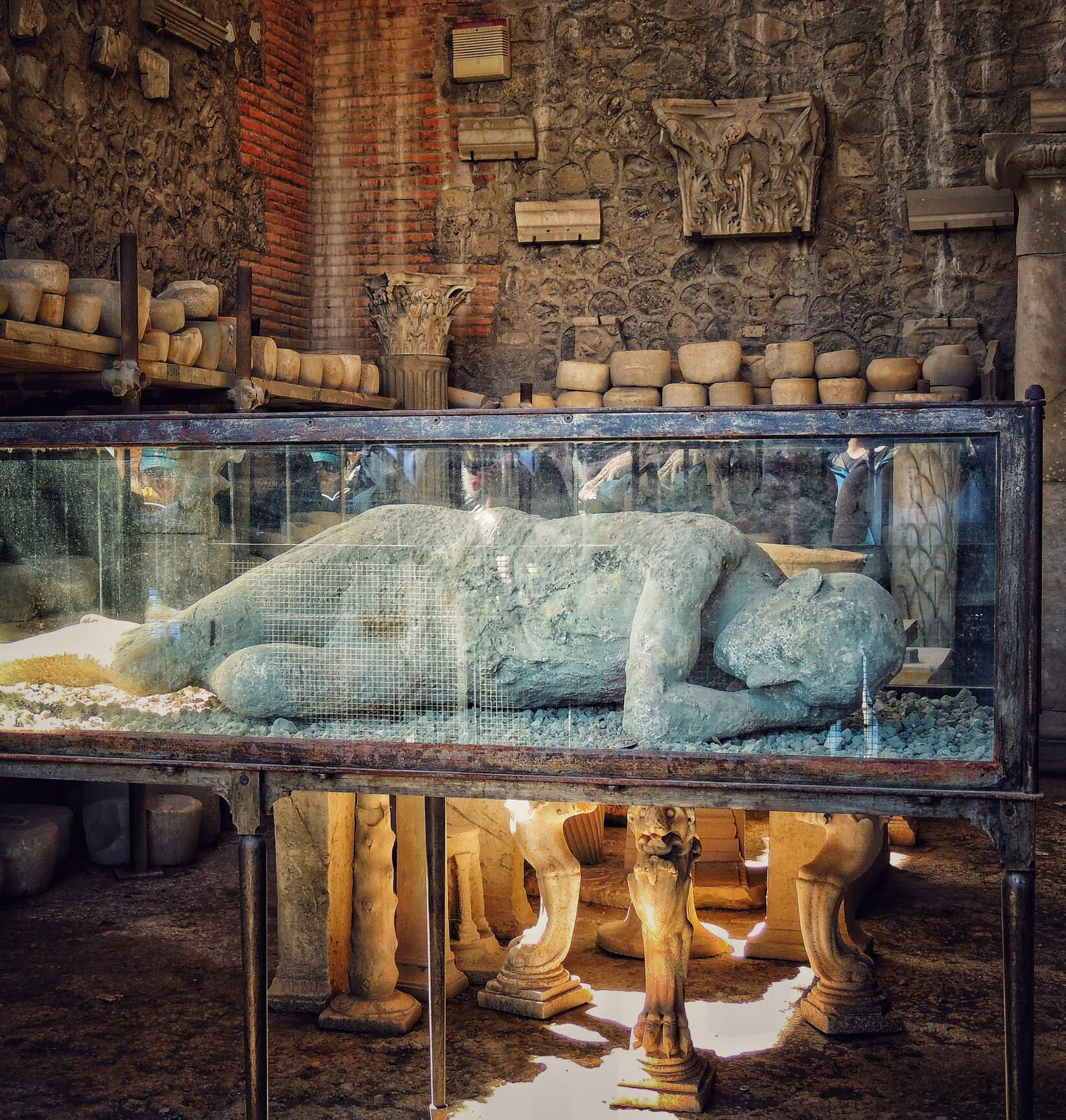
It is late morning on 24 August AD 79 when a towering black plume billows from Vesuvius, rising like a giant pine tree into the summer sky. Within hours the sun is blotted out. Flaming stones rain down; tremors shake the earth; darkness falls at midday. At dawn the next day, a deadly cascade of ash and superheated gas rushes down the mountain, swallowing everything in its path. Those who fled clutched pillows or blankets above their heads; others sought refuge in their homes. Time stopped in an instant, and the city froze exactly as it had been.

Walking the Streets of Pompeii
Life Frozen in Time
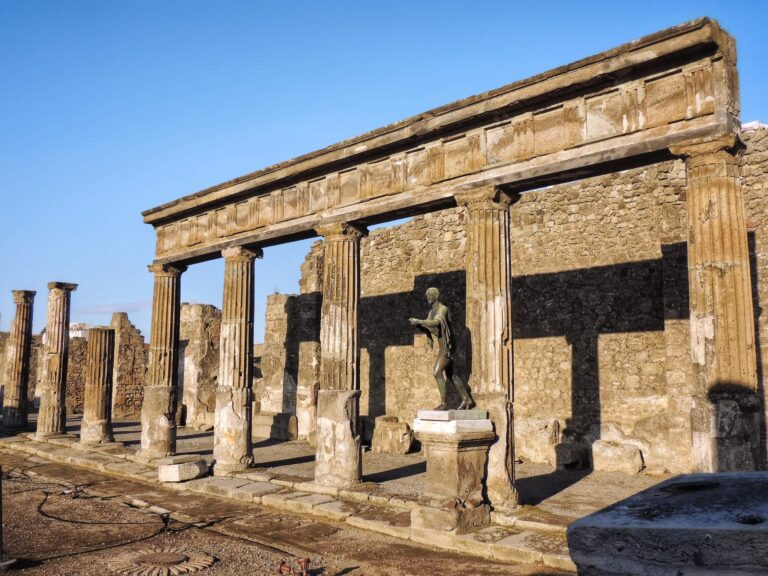
Exploring Pompeii today means stepping into a city caught mid‑breath. On our private tour, your guide will bring to life every corner of this ancient world: how families lived, how politics operated, how slaves worked, and how men and women navigated their complex social hierarchies.
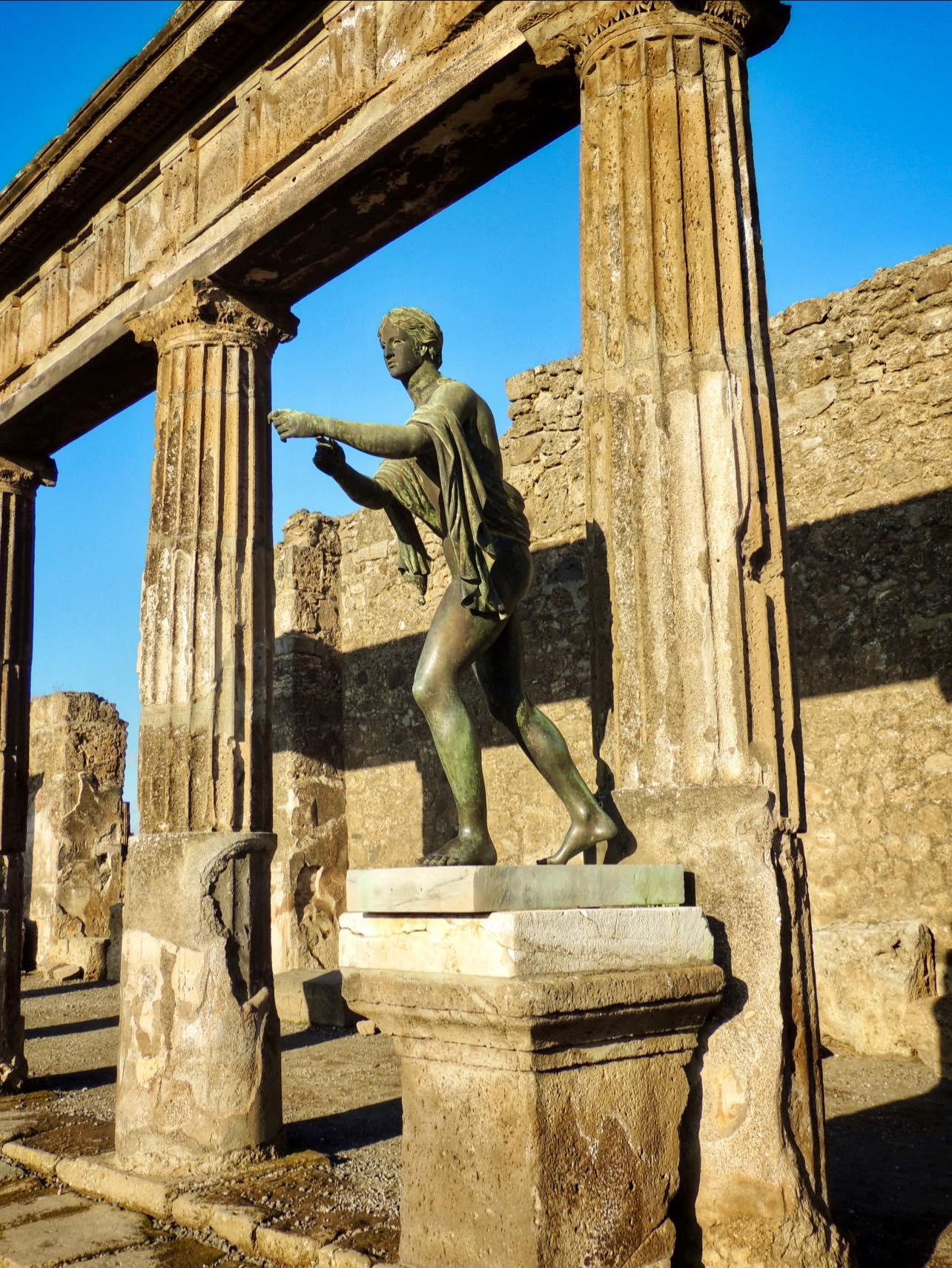
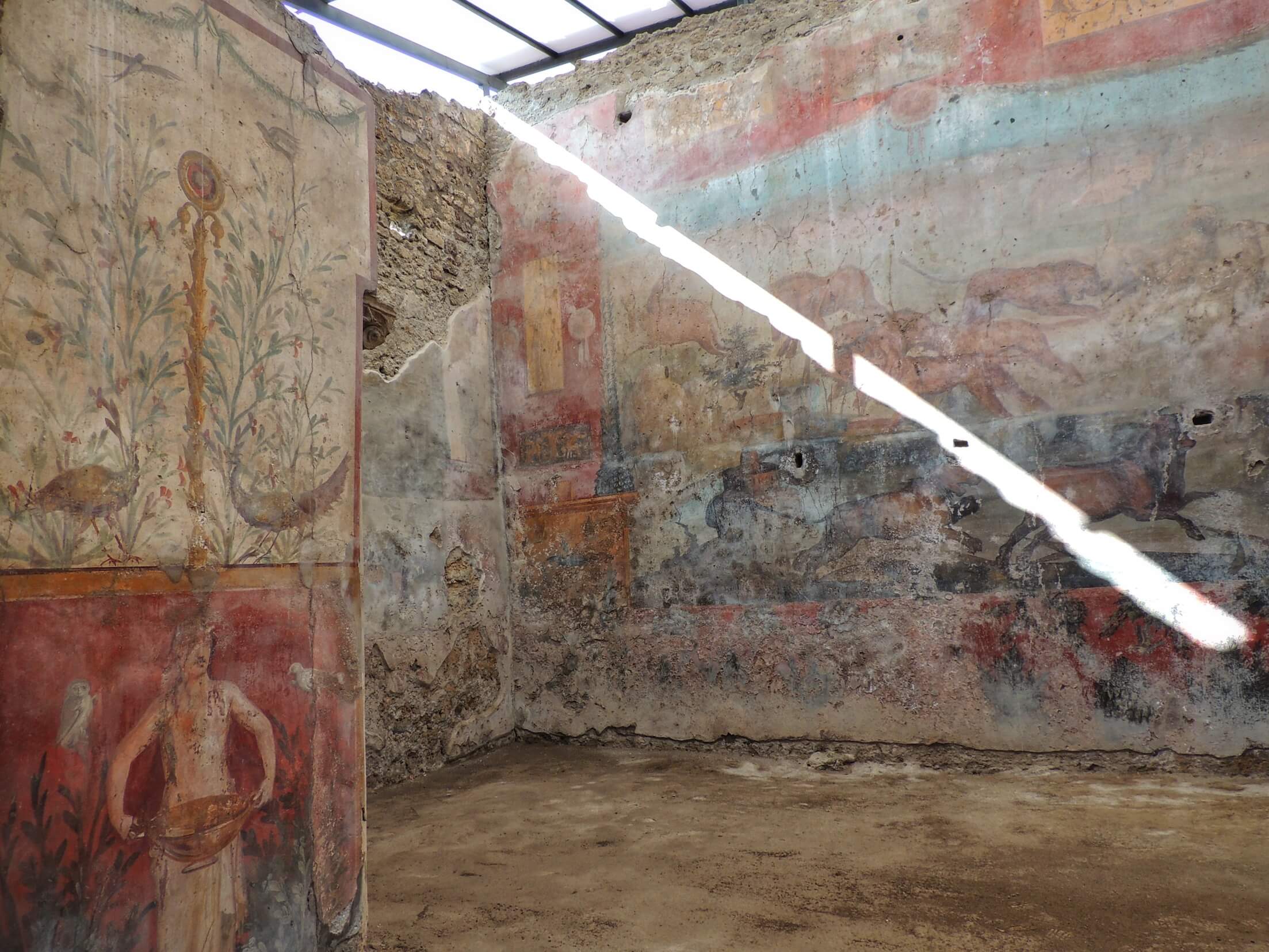
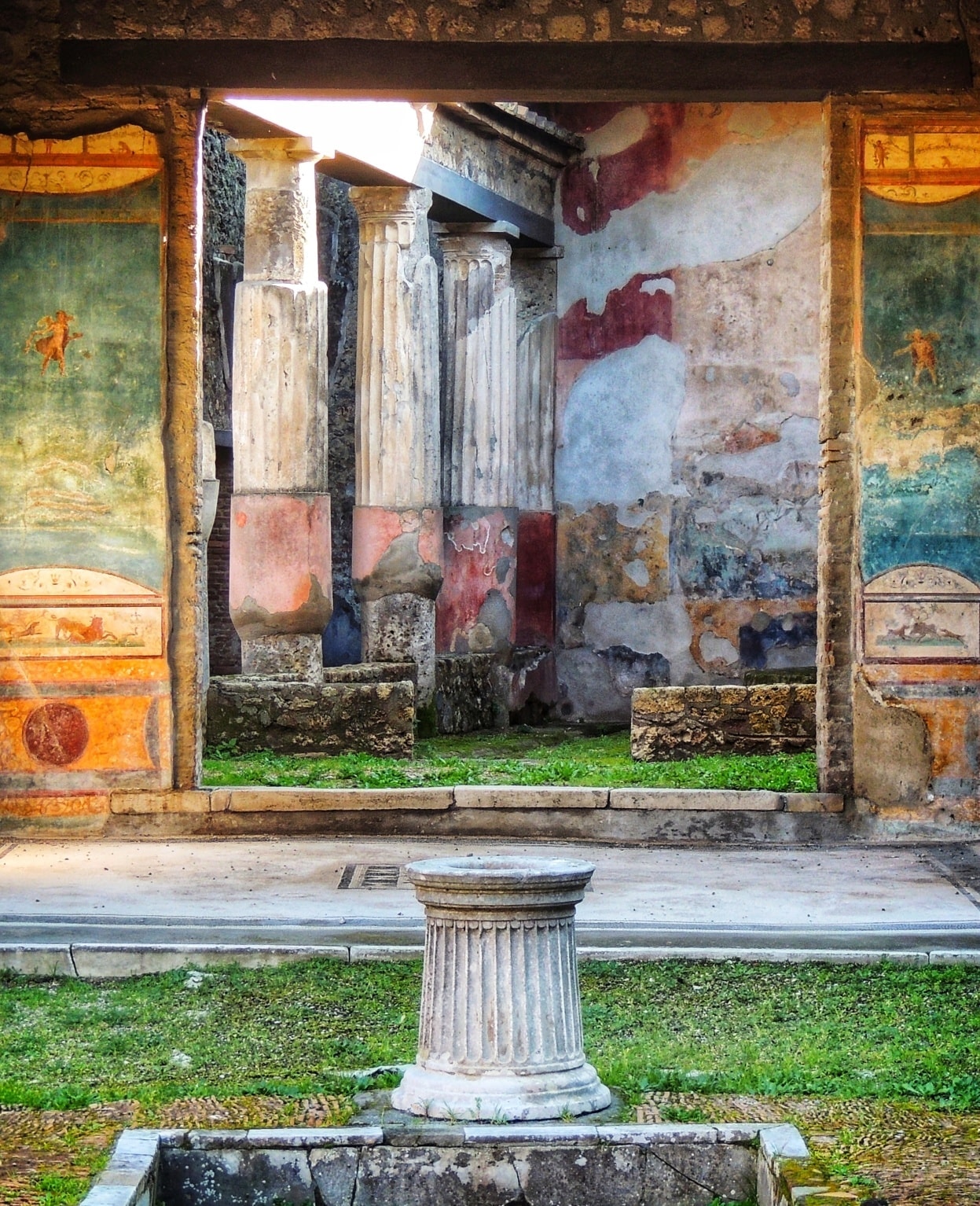
We visit temples and shrines that reveal a blend of Roman, Egyptian, and local religious traditions. We trace the engineering brilliance of the aqueduct system and the drainage channels that kept the city running. We wander through peaceful gardens recreated from ancient botanical evidence, and into houses whose frescoes showcase a dazzling progression of artistic styles—mythological scenes, delicate architectural illusions, still lifes, and erotic panels.
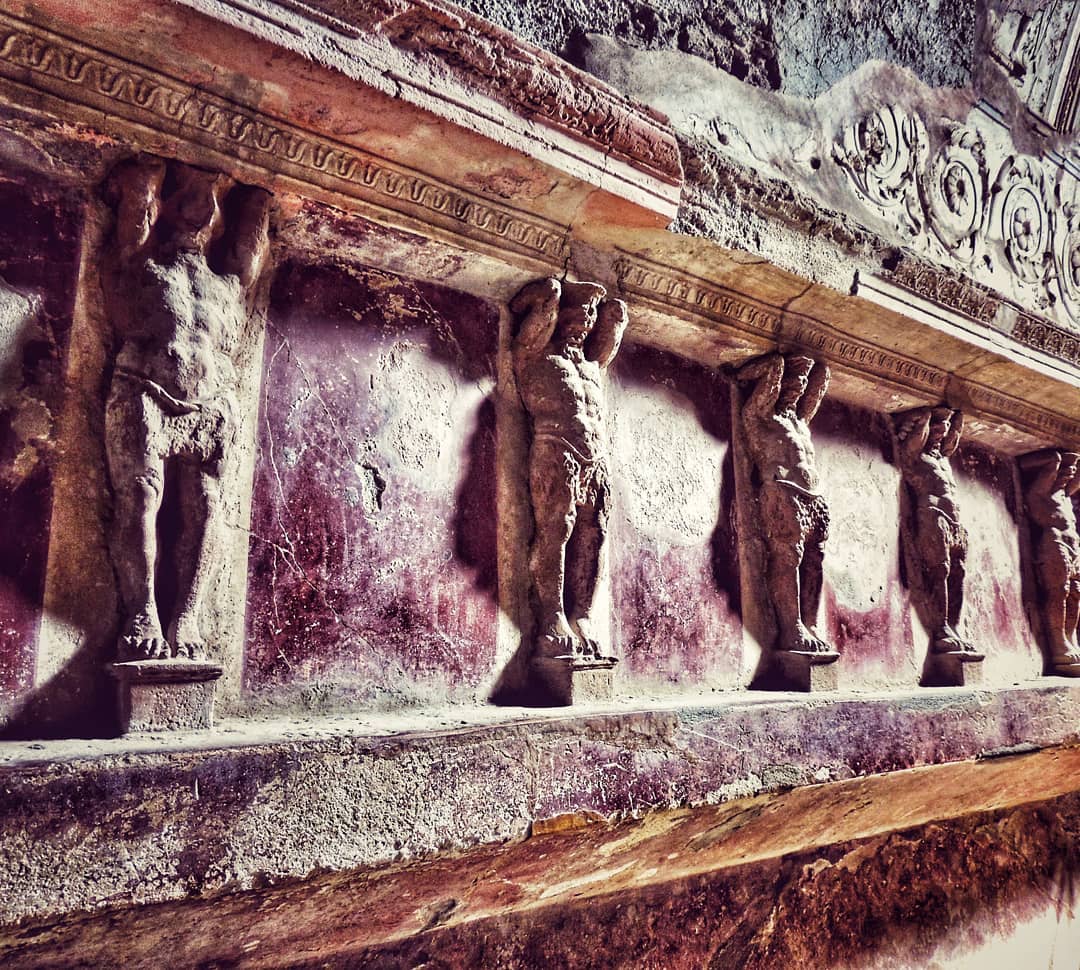
From the bakeries with their stone mills to the dye workshops, public baths, taverns, and brothels, Pompeii offers a uniquely complete picture of Roman daily life. Even the graffiti—election slogans, declarations of love, jokes, and rivalries between gladiator factions—adds to the vivid sense of a bustling, noisy, opinionated Mediterranean city.

Homes, Luxuries, and Daily Rituals
From Aristocrats to Shopkeepers
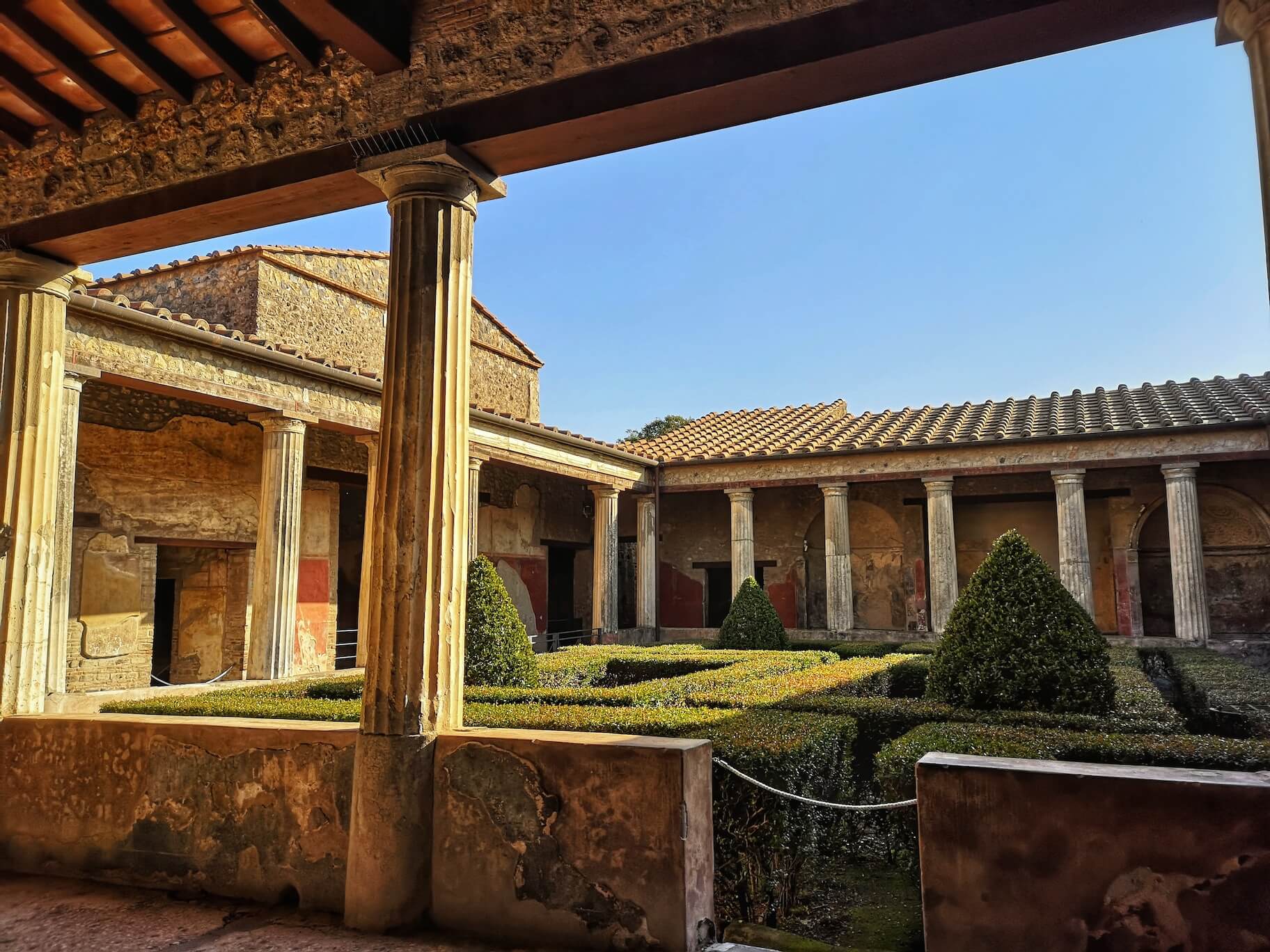
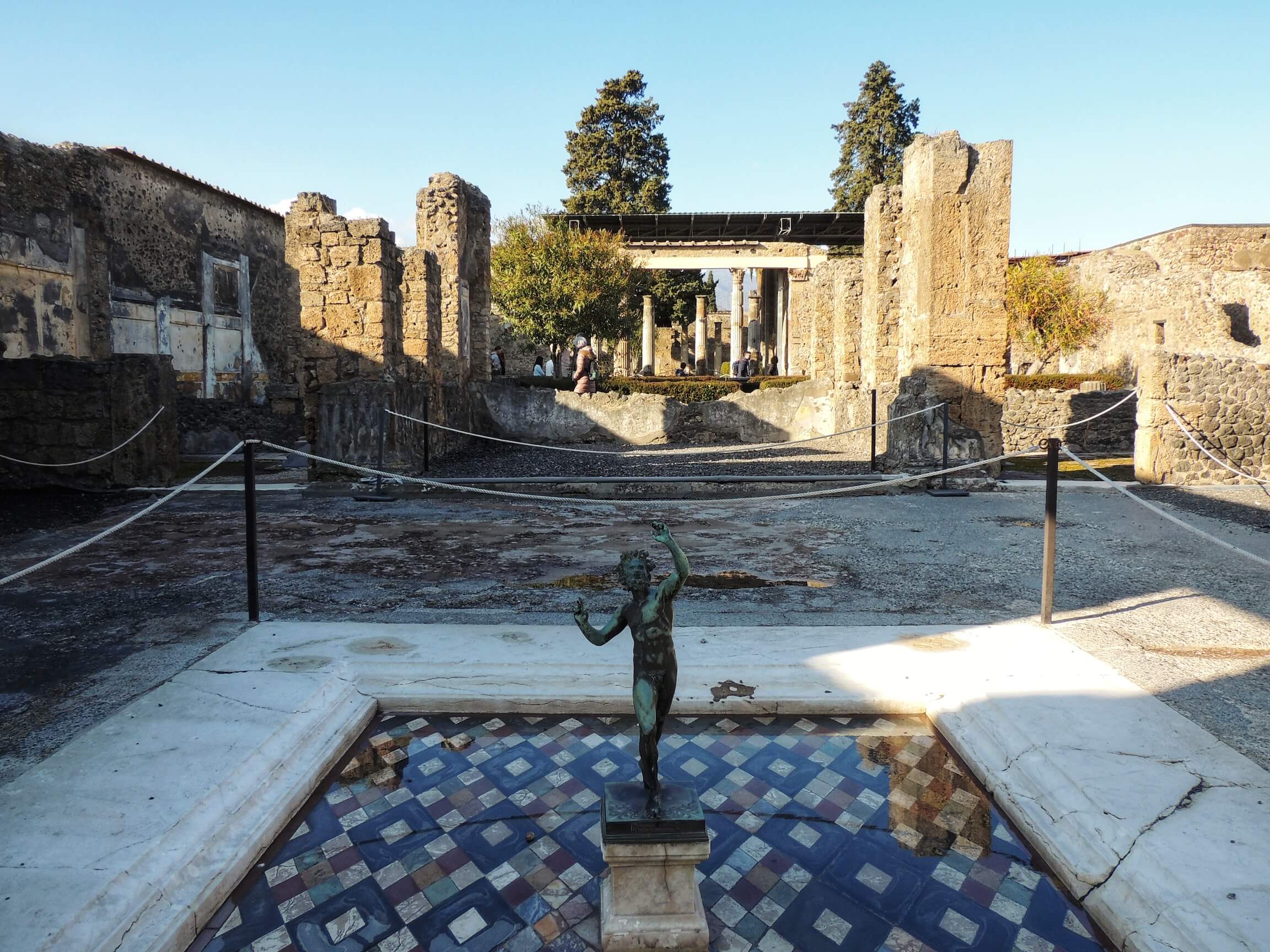
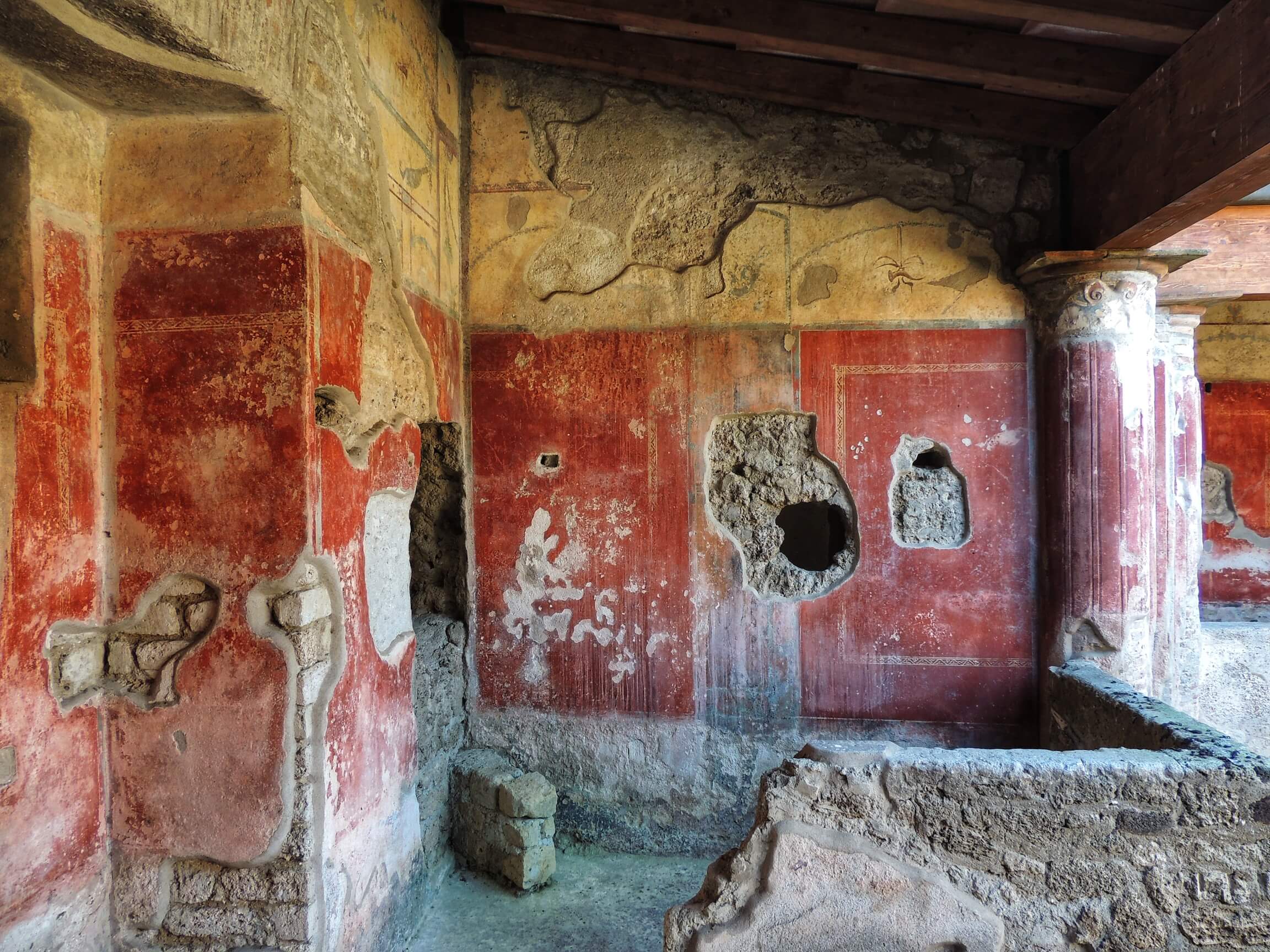
Roman domestic architecture comes alive here. You’ll see grand aristocratic residences with their elegant atriums, private dining rooms, marble fountains, and shaded peristyle gardens. The decoration of these spaces—gleaming mosaics, bright wall paintings, bronze statues—speaks to a refined aesthetic world and a desire for harmony, beauty, and social display.
But we’ll also explore more modest homes: the lodgings of shopkeepers, small rented rooms, simple courtyards where families cooked over portable braziers. These contrasts reveal the full social spectrum of Pompeii. Through objects preserved from the eruption—oil lamps, jewelry, kitchen utensils, children’s toys, religious figurines—you’ll gain insight into the intimate rhythms of ancient domestic life.

Public Life
Markets, Temples, and Entertainment
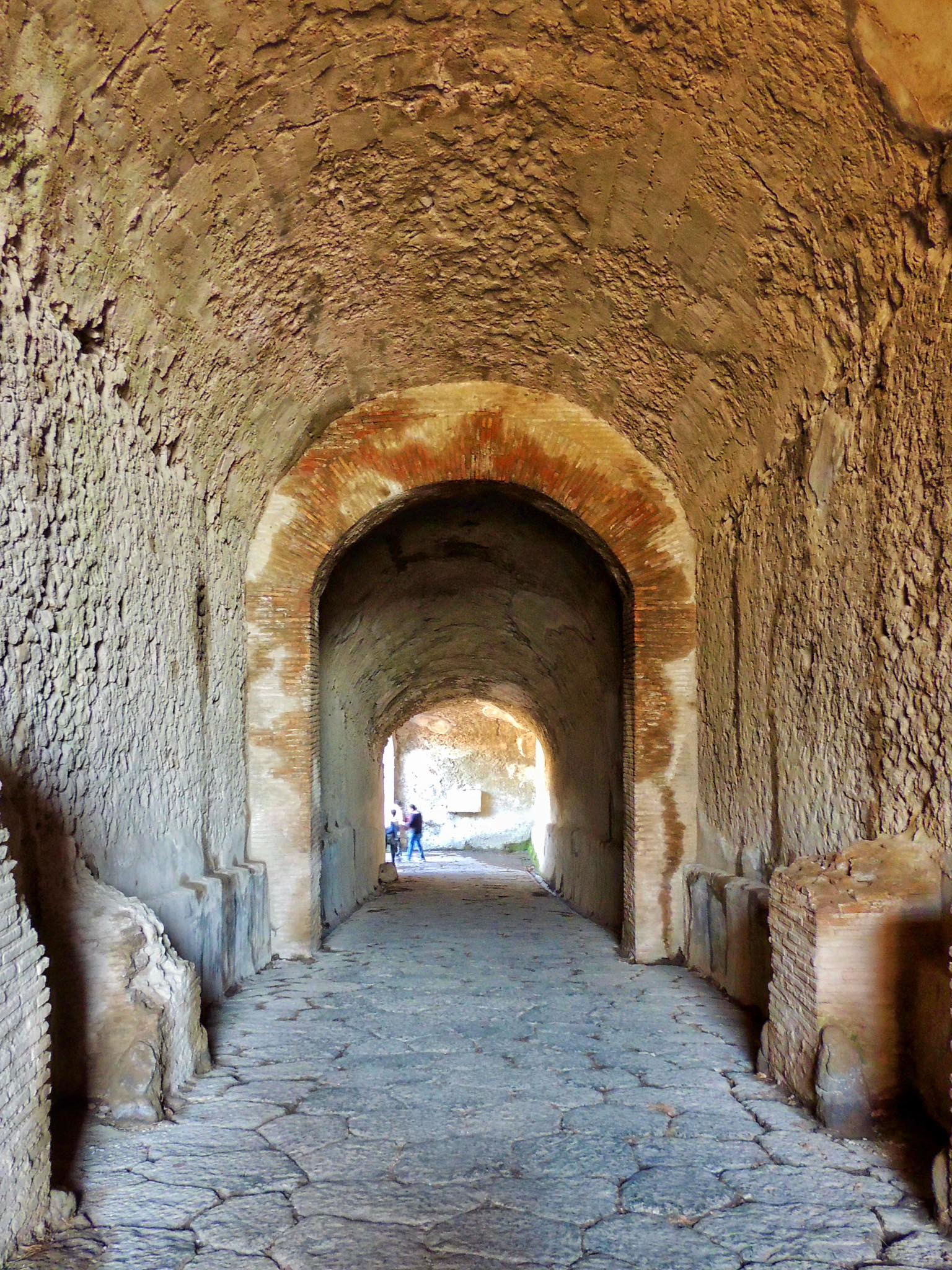
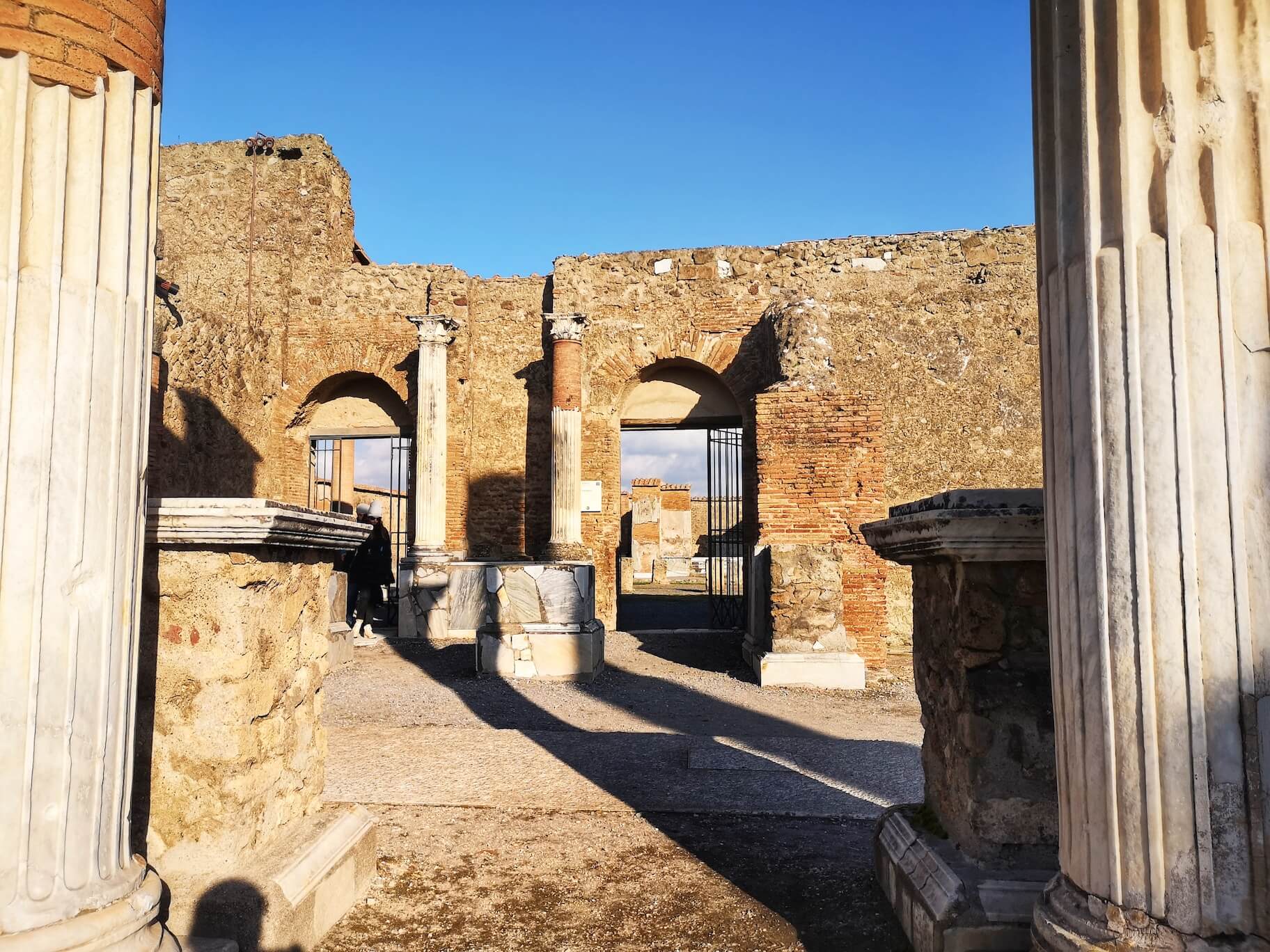
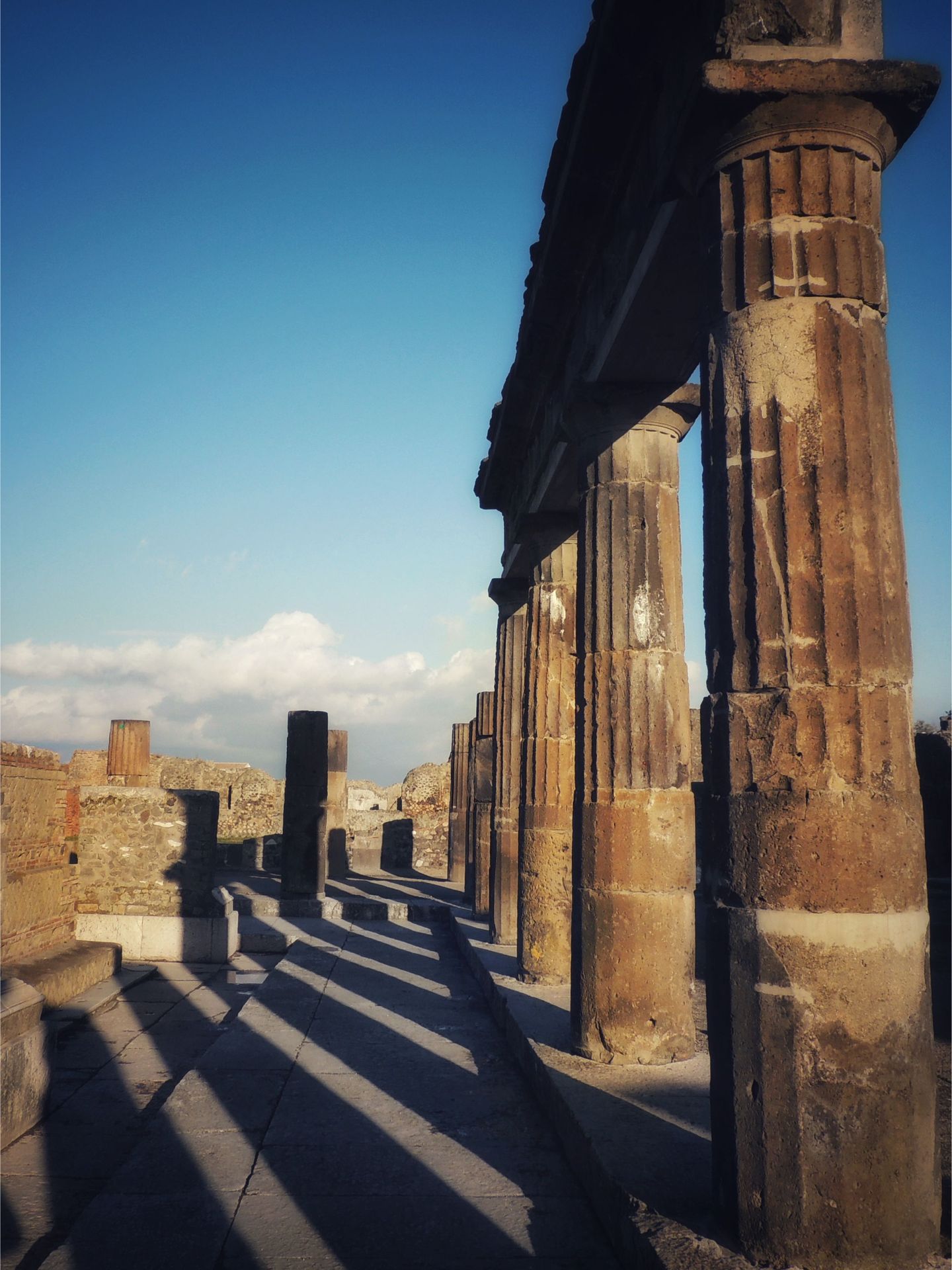
The beating heart of the city was the Forum, which we will explore in detail. Here stood the basilica where legal cases were heard, the temple of Jupiter, the macellum (food market), and administrative buildings decorated with statues of local benefactors. Nearby, the city’s major entertainment venues—its amphitheatre and theatres—tell the story of a community passionately invested in spectacle, from gladiatorial combat to comic plays and musical performances. Rivalries sometimes turned violent, and Pompeii’s notorious gladiator gangs were once involved in a riot so serious that the Roman Senate briefly banned games in the city. Religious life played a central role too. We visit temples dedicated to Isis, Venus, Fortuna, and other deities whose worship shaped the city’s civic identity and private devotion.

The Treasures of Naples
Restoring Colour to a Silent City
After exploring the ruined city, we continue by car to the Archaeological Museum of Naples—home to the world’s greatest collection of Pompeiian and Herculaneum artefacts. Here, the vibrant world you’ve just walked through regains its colour, texture, and human presence.
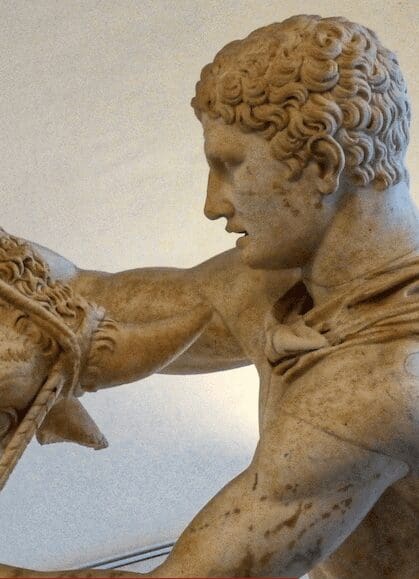
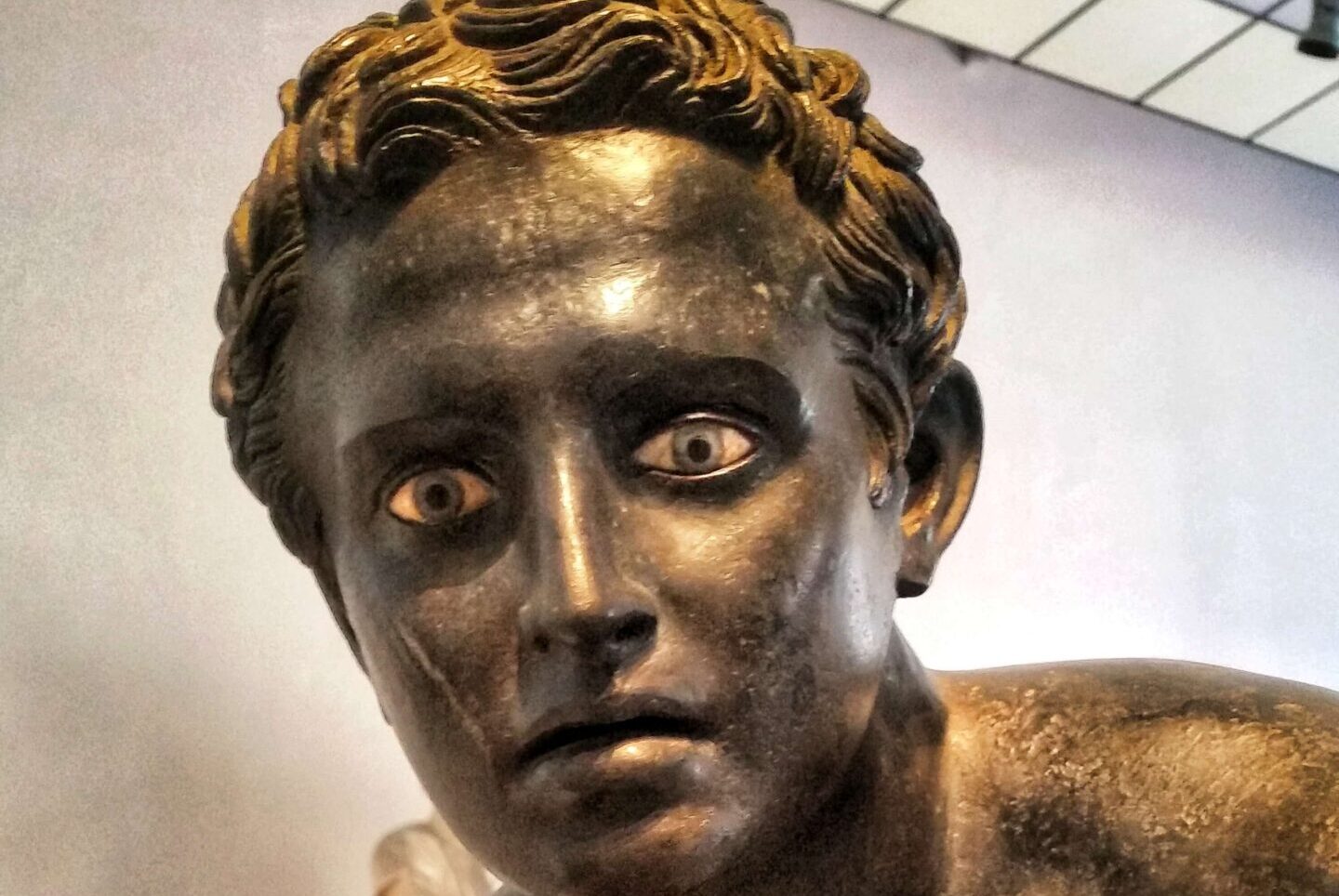
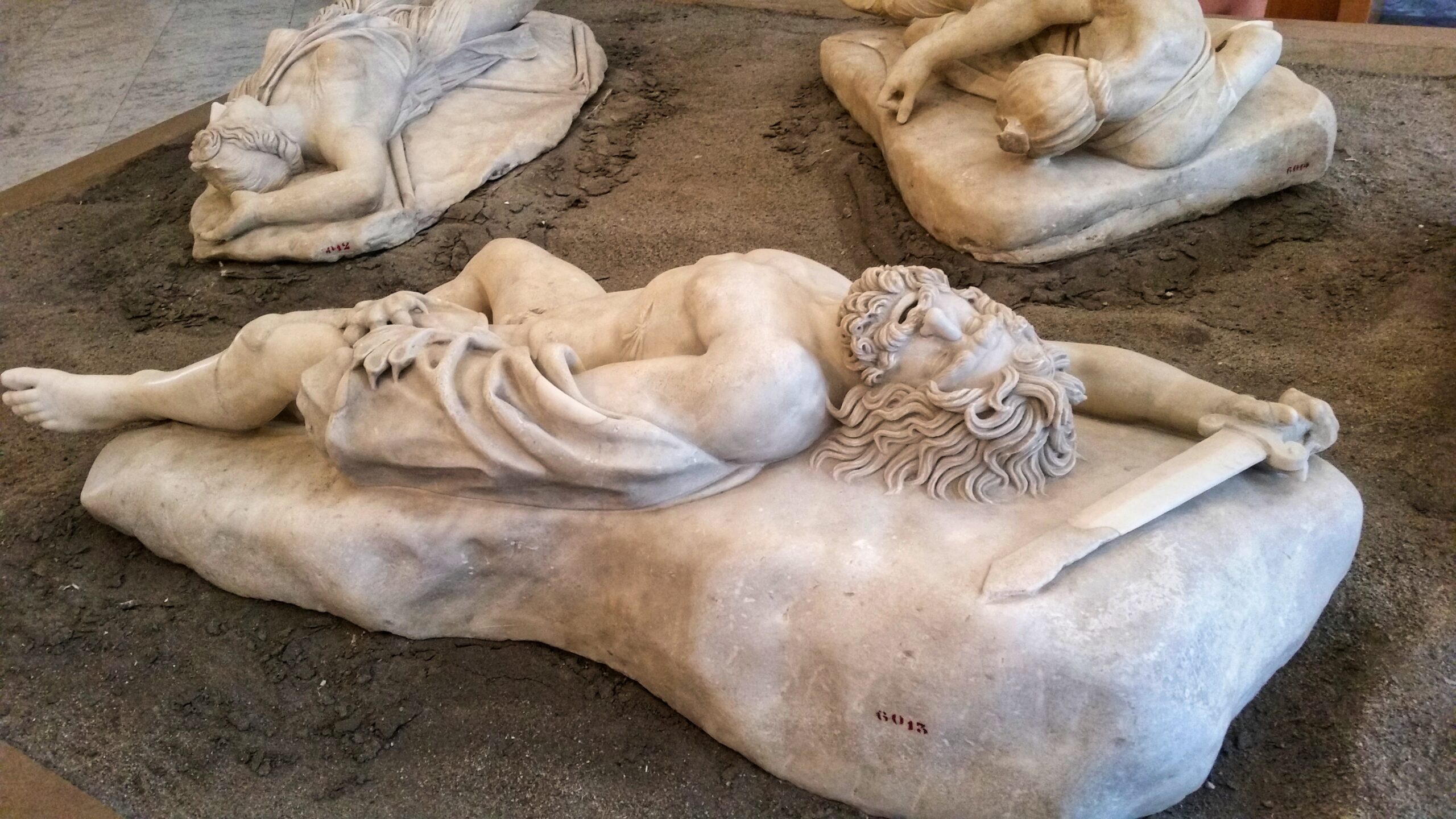
Founded in the 18th century by Charles III of Bourbon, the museum combines the Bourbon‑era excavations with the vast Farnese Collection, inherited from the powerful Roman family. The sculptures alone are astonishing: the muscular Farnese Hercules, the dramatic Farnese Bull, towering statues of Roman magistrates, and expressive bronzes from the Villa dei Papiri at Herculaneum—whose glass‑paste eyes still glitter with lifelike intensity.
Equally compelling are the intimate treasures: gold earrings, necklaces, and emerald‑studded brooches; silver tableware; lamps, braziers, weights, tripods, and cooking vessels—items that once filled the homes we saw in Pompeii.
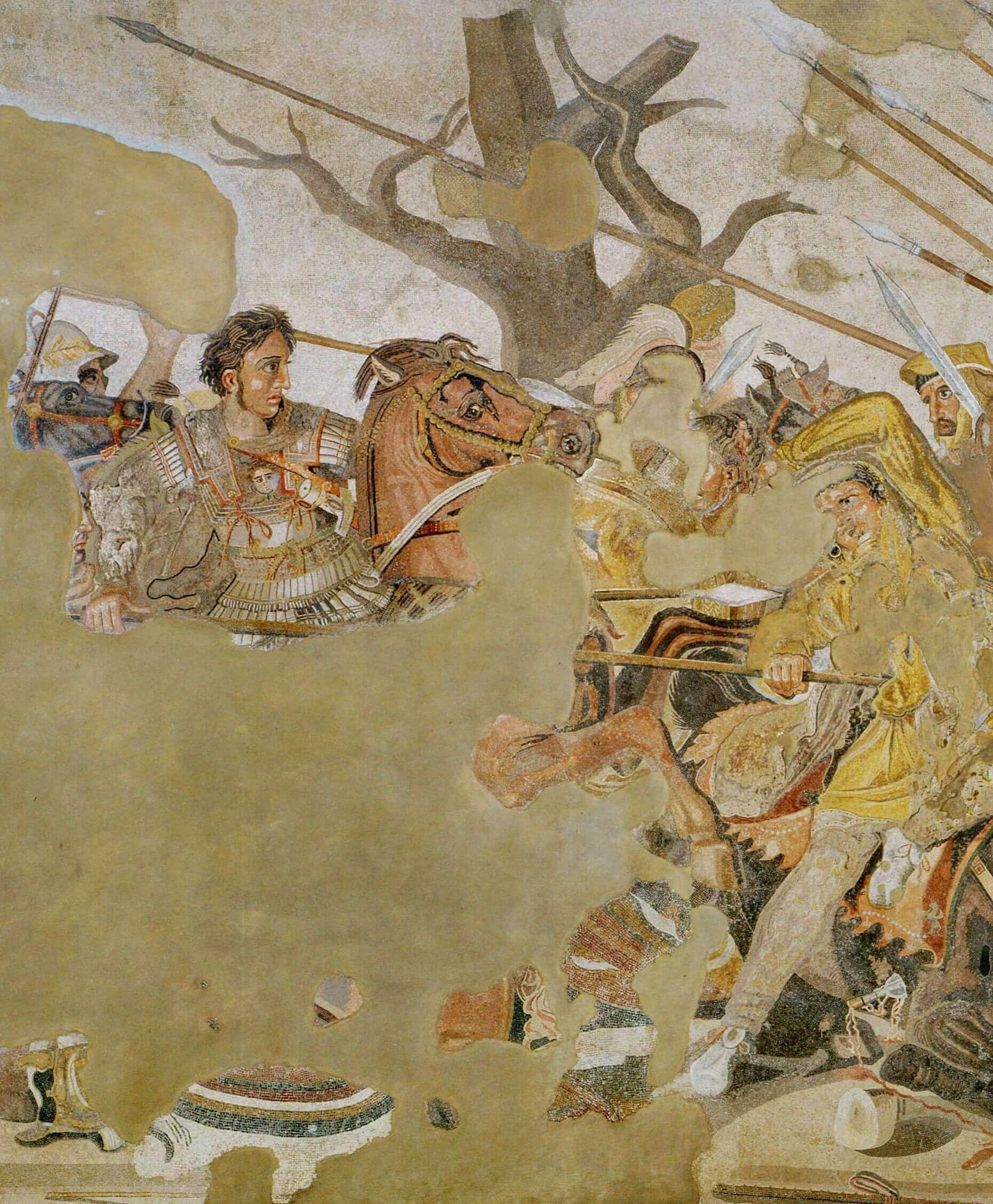
The museum also preserves exquisite mosaics such as the famous Alexander the Great in Battle, playful scenes of musicians and philosophers, and intricate still lifes of food and animals. Frescoes rescued from villa walls—portraits, landscapes, myths—capture the faces and fantasies of a world lost in a single day.

The Gabinetto Segreto
The World of Ancient Desire
We conclude in the museum’s Secret Cabinet, the once-forbidden collection of erotic art uncovered in Pompeii. Involving gods and mortals in acrobatic tableaux, these works were locked away for nearly 200 years in Bourbon Naples, viewed only with special permission. Today they reveal a society far less prudish than the one that tried to suppress them. Their humour, boldness, and mythological imagination provide an unexpected—and very human—window into Roman attitudes toward sexuality.

Create Your Custom Journey
Our dedicated team is here to help you design the perfect trip. We’re happy to assist every step of the way.