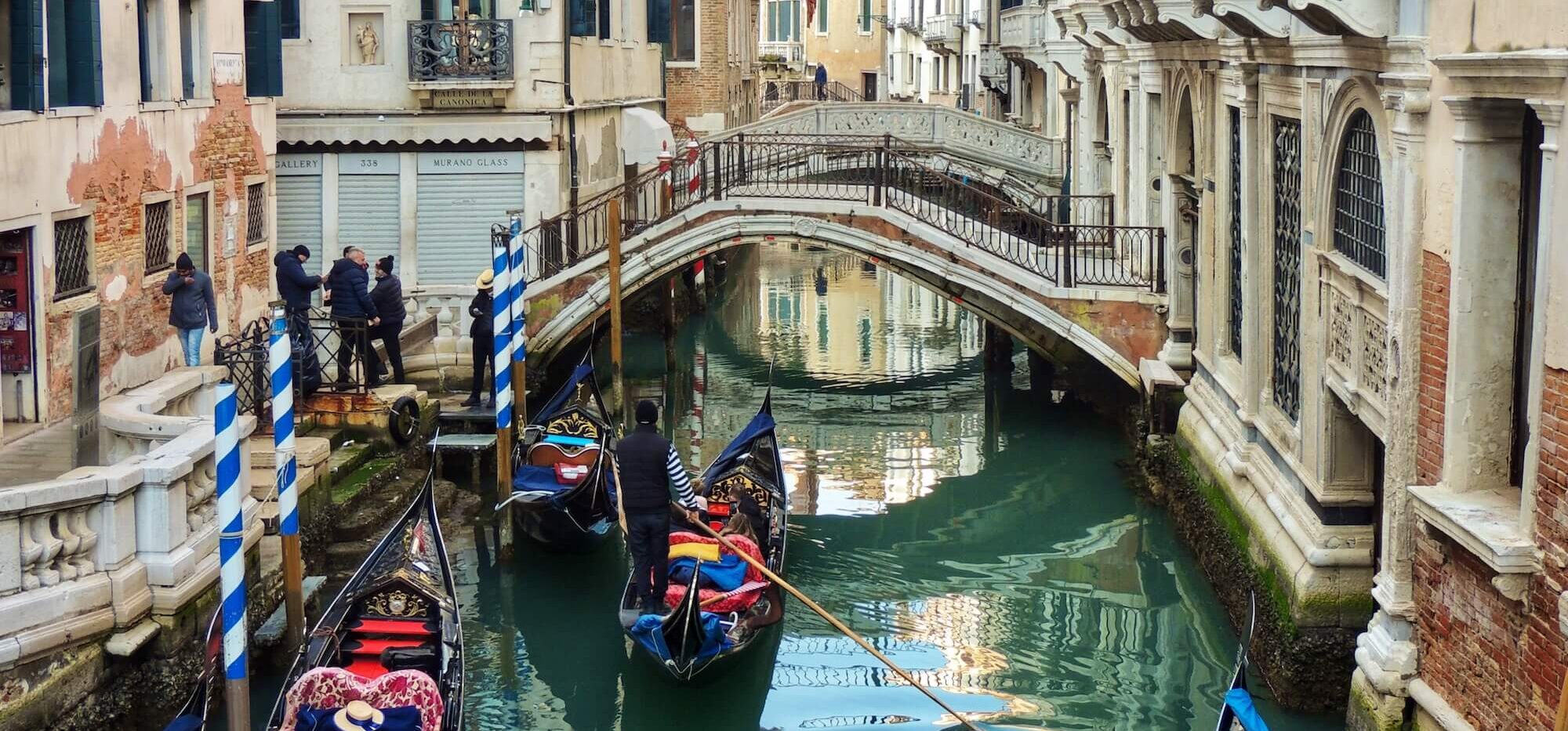
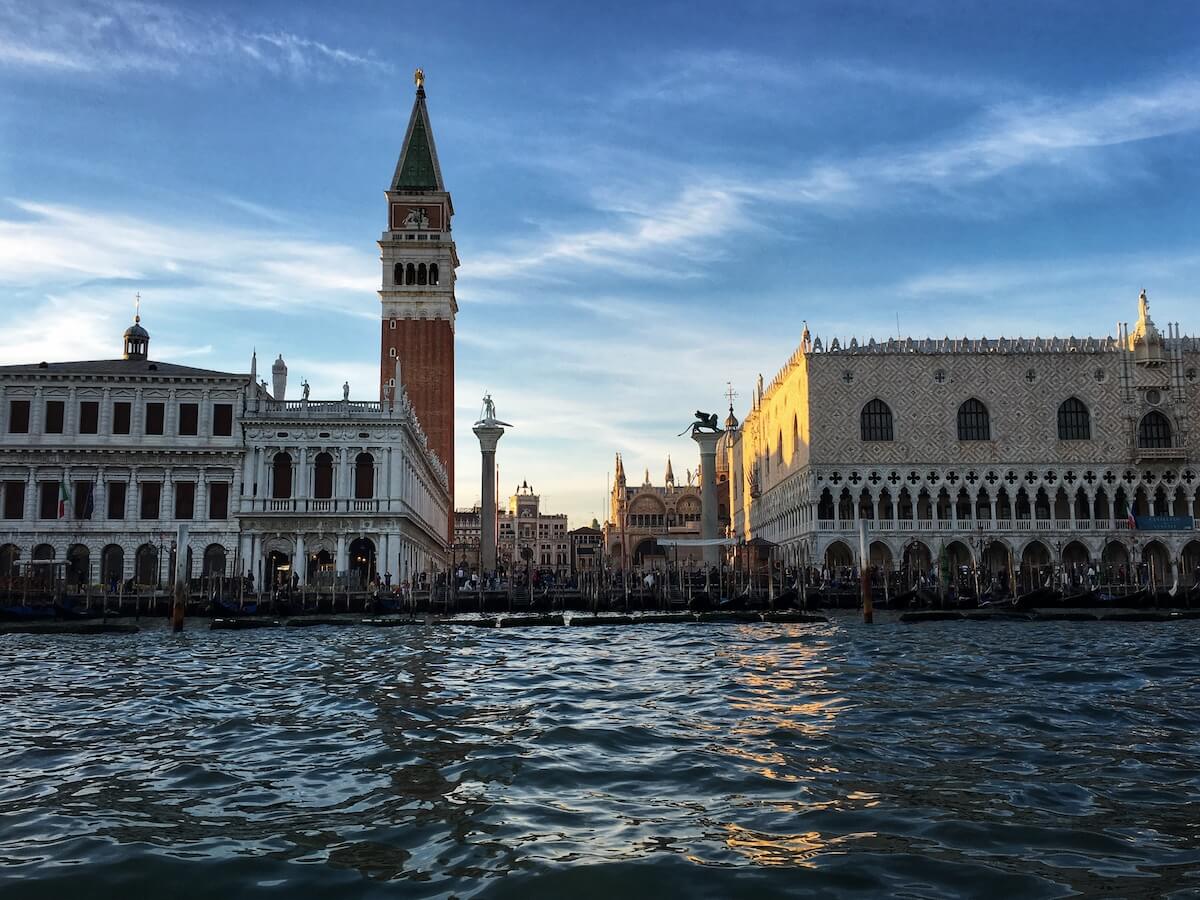
In the glare of the day, there is little poetry about Venice, but under the charitable moon, her stained palaces are white again.
– Mark Twain
In 1204, the fleet of the Serene Republic of Venice sacked the greatest city in the Western World. Constantinople, the Christian capital of the mighty Byzantine Empire and heir to the legacy of Augustus Caesar and Constantine the Great, was looted and burned by fellow Christians.
As a souvenir, the Venetian sailors triumphantly returned with four bronze horses and placed them atop the Basilica of Saint Mark, the city’s patron saint. These horses, in turn, date back to the peak of the Roman Empire and perhaps even further. They can still be seen proudly inside the Basilica (for protection from modern pollution).
If you want to stand in front of History, then Saint Mark’s Basilica is the place to be.
I have been guiding and working in Italy and France for over a decade, and this article will hopefully give you some insight into what makes St. Mark’s Basilica so unique, the top things to see in St. Mark’s Basilica, and the best way to visit to make the most of your experience.
Venice Tours
Visit St. Mark's Basilica!
The Top Things to See in St Mark's Basilica
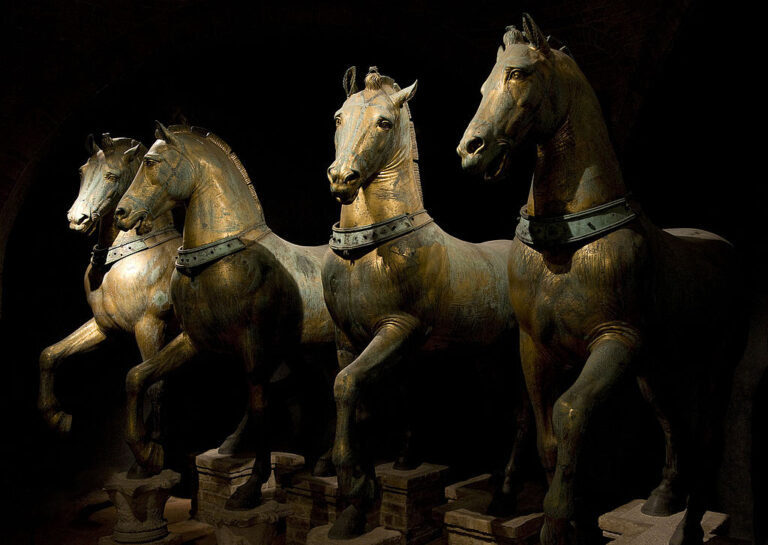
The Triumphal Quadriga, as it is known, probably dates from between the 4th and 5th Centuries CE. If you have had the luck to visit Rome, you will see similarities between it and the famous statue of Marcus Aurelius in the Capitoline Museum.
That one is a bit earlier, but these bronzes date from the Roman period and are pretty astounding. They are now indoors to protect them from pollution, and the ones on the top of the church are modern copies. Head inside on a tour, and you can see the originals that dazzled Napoleon Bonaparte and centuries of visitors to Venice and Constantinople!

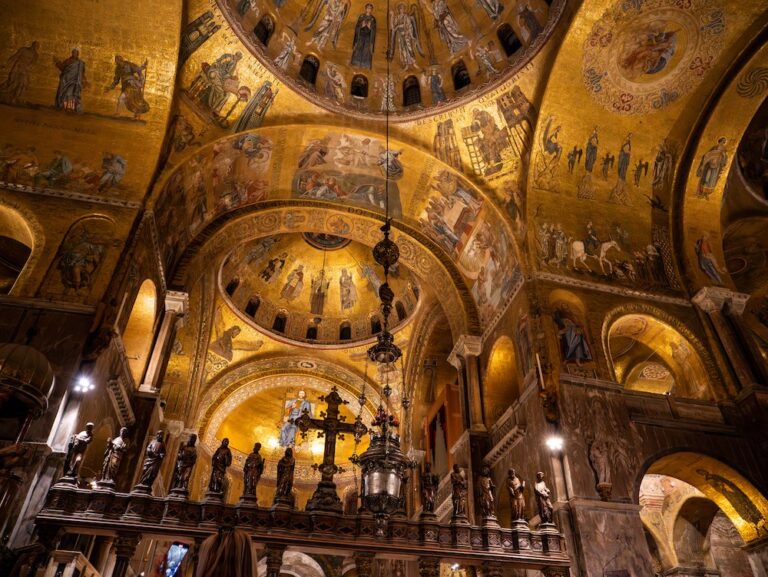
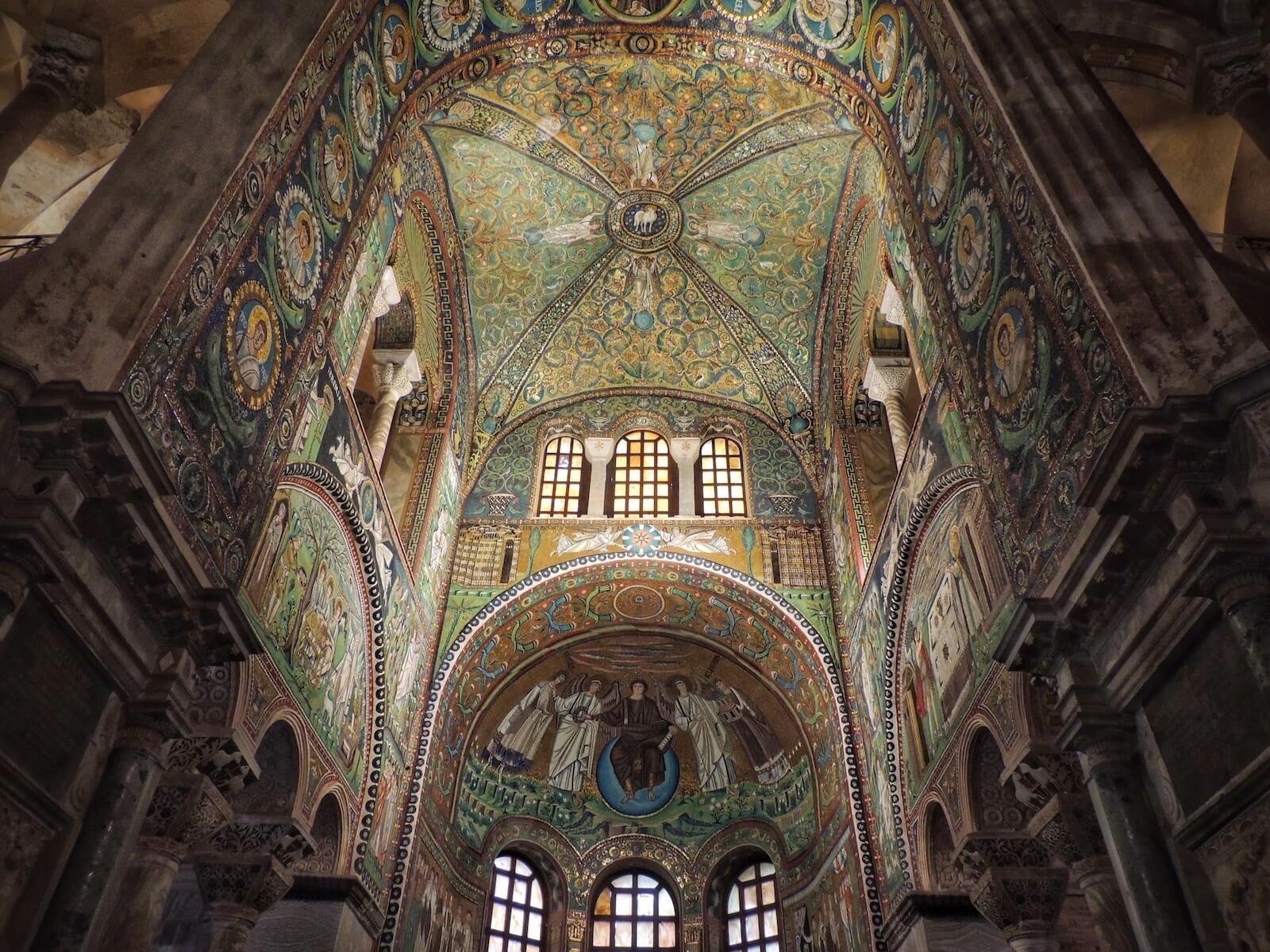
The Basilica of Saint Mark would have been extremely familiar to a visitor from the Byzantine Empire and the city of Constantinople. Its mosaics are also reflective of that influence and for any visitors who have been to the mighty Hagia Sophia in modern day Istanbul you will recognise the similarities!
Forty thousand square feet of mosaics decorate the inside. Keep an eye out for the mosaic of the Harrowing of Hell from the late 12th century. Christ heading down into Hell, saving souls and in the process stomping on the Devil is an image that will stick with you. Take my advice, take a tour in order to understand this imagery and get the most of your nighttime visit to the church!
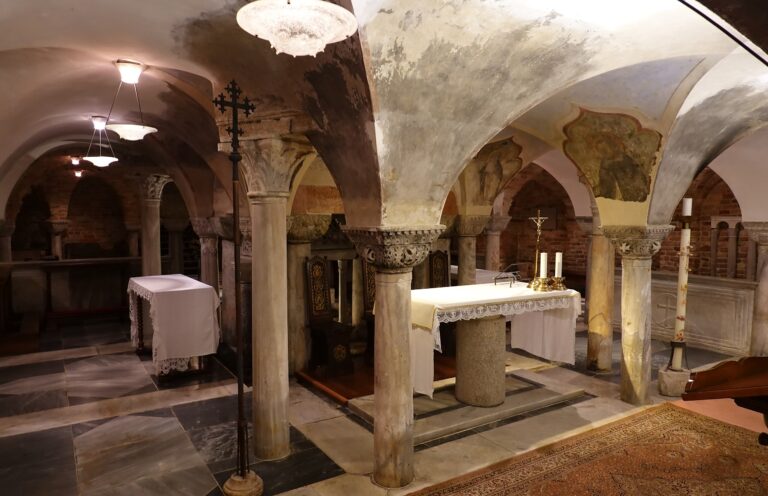
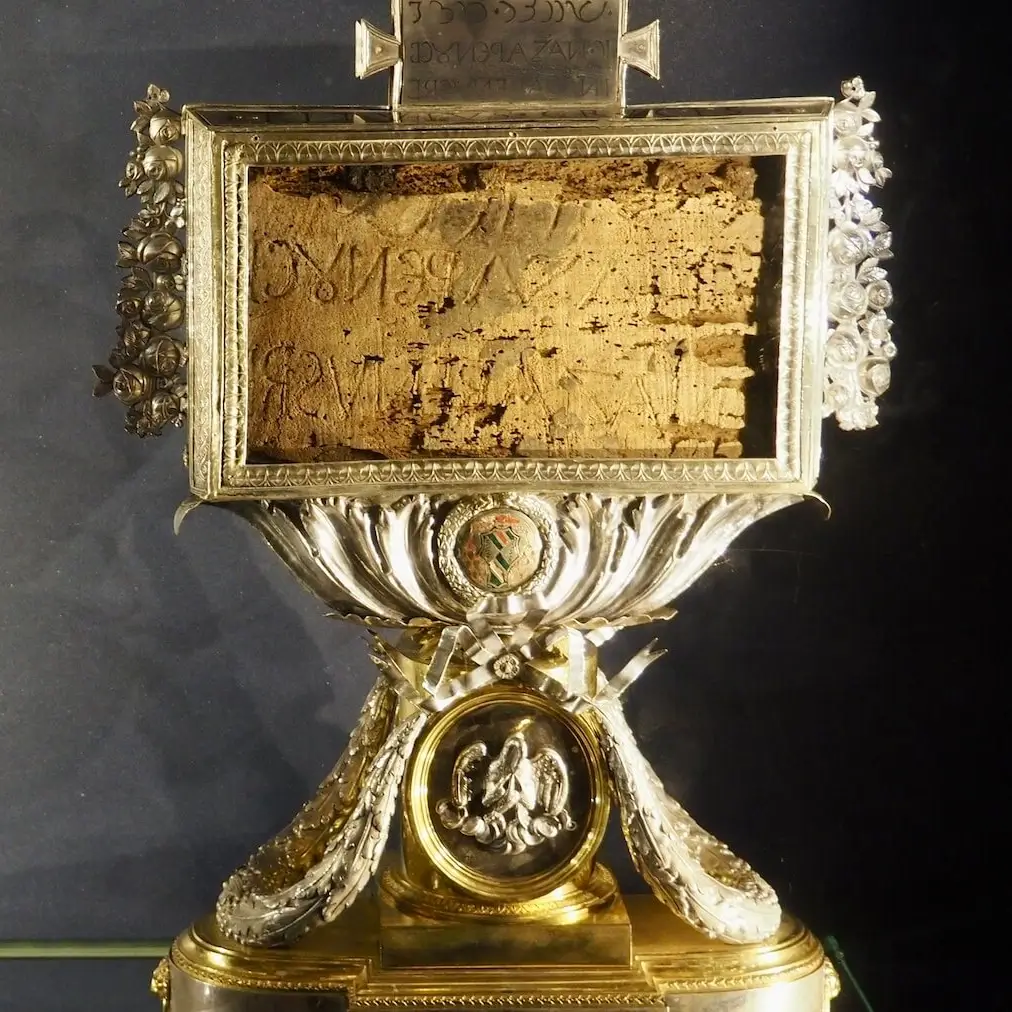
The relics of one of the writers of the New Testament have been in Venice since 828 CE, when they were stolen from Alexandria (are we noticing a pattern?). Two Venetian traders apparently hid the relics in a basket of pork to deflect the interest of Muslim customs officials in Egypt and shipped them to Venice. Since then, they have been a central part of the spiritual life of the city, drawing pilgrims and visitors from all corners of the world.
Not only are the stories of the saints themselves fascinating but the many movements and escapades of those involved in the relics trade of the middle ages show the importance these items have had over the centuries. The lion of Saint Mark is still the official symbol of Venice and you will see it everywhere you go! So it is important on your visit to go and see the man whose name adorns the Basilica and learn about his story.
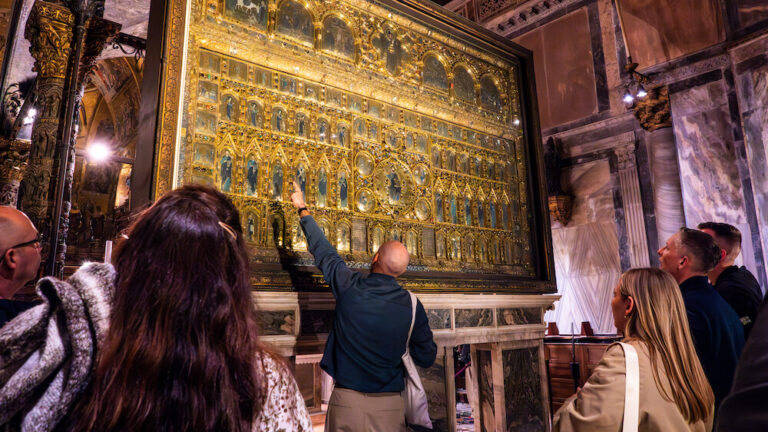
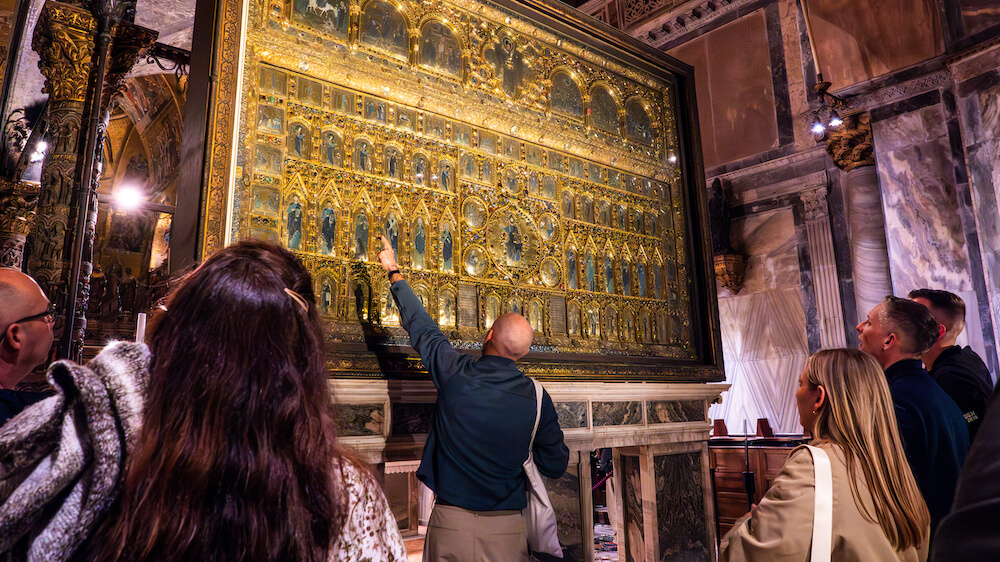
Designed and adapted over a period of centuries beginning in the tenth century, the Pala D’Oro altarpiece is one of the most beautiful things to see in all of Venice, and for me, one of the most beautiful things to see in any church anywhere in Europe. One of the peaks of the Byzantine artistic style, it is decorated with gold and precious gems. Almost thirteen hundred gems, decorate it. Gold Leaf, Sapphires, Emeralds, Pearls and Rubies.
This sounds like it might combine to be the gaudiest item imaginable, however, it comes together to form a beautiful whole and is really one of the highlights of the Basilica. Find it behind the main altar and ask your guide to elaborate on some of the over 250 enamel plates and cameos, all of which tell a story.
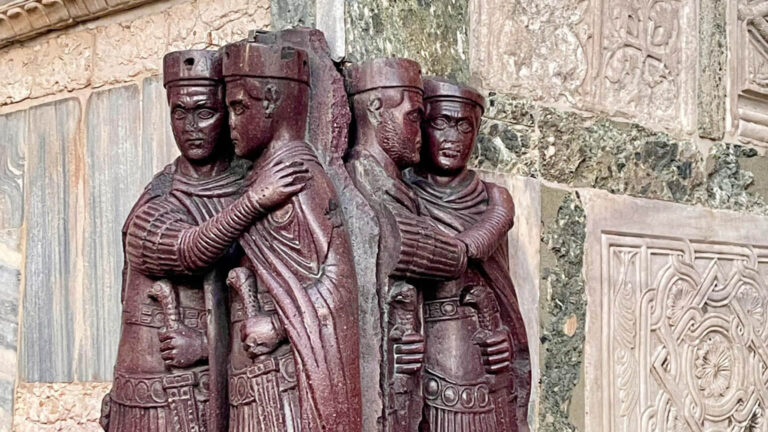
As Mark Twain observed, Venice is most beautiful at night, and he lived before the age of mass tourism. So that observation is probably doubly true these days. Any visit to the inside of the Basilica should be combined with a wander around the facades which have treasures all over. One of the highlights must be the porphyry (one of the most valuable stones of the ancient world) portrait of the four tetrarchs.
It depicts most likely the reign of Diocletian when a group of emperors controlled the vast cosmopolitan Roman Empire and ruled together. Also plundered by the Venetians in 1204, it shows the rulers of most of Europe at a time when Venice was merely a few wet islands in a lagoon. If you’re looking for history, then Venice at night will not only give it to you but light it up in a way that is for me, unforgettable.
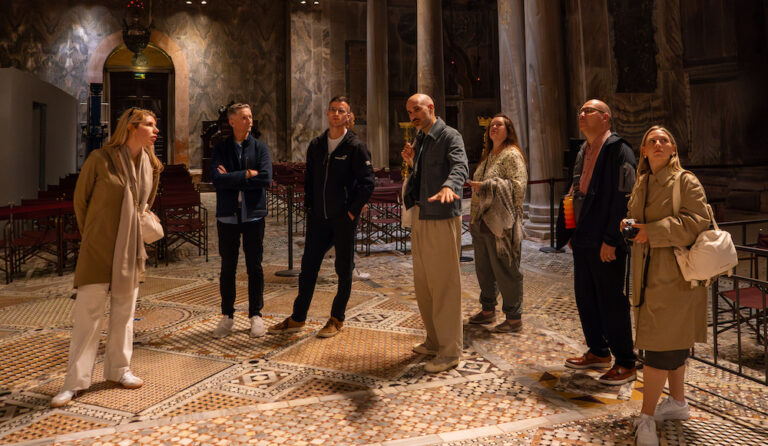
Here comes the inevitable recommendation from a professional tour guide, but a tour is indeed the best way to go. To get the most out of your experience, an expert is available to help you out, and help you gain access to areas close to the general public.
Of course, visiting by yourself without a guide is going to be a wonderful experience. However, with a thousand years plus of history in the building, unless you feel confident in your knowledge, there will definitely be things to learn from a guided tour.
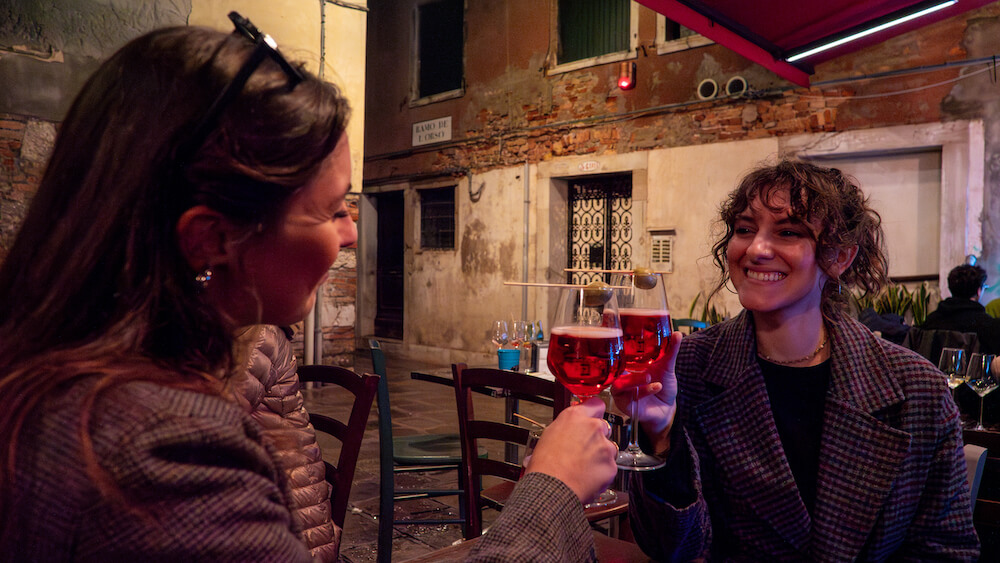
Secondly, as Mark Twain knew, visiting at night is just a magical experience. There are fewer crowds, soft light, and a calm that allows you to really enjoy your experience. Watch our brief video below to see why a nighttime guided visit to St. Mark’s Basilica is worth it.
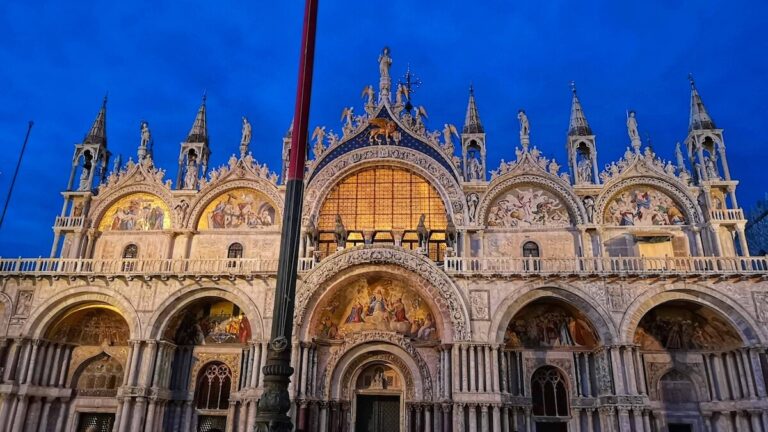
Saint Mark’s Basilica, in its current form, was completed all the way back in 1063. Ninety years before the first stone was laid at Notre Dame in Paris, a whopping four hundred and forty-three years before the current Saint Peter’s Basilica in Rome began. In the ninth century, Saint Mark became the patron saint of the city of Venice (or the Serene Republic as I like to call it, which makes me many friends when I visit. At least I think so…)
Since then, it has overlooked the most important square in a city with trading tentacles stretching across continents. Marco Polo would have seen it before heading off to meet Kublai Khan, a great image to keep before leaving Venice again on your travels.
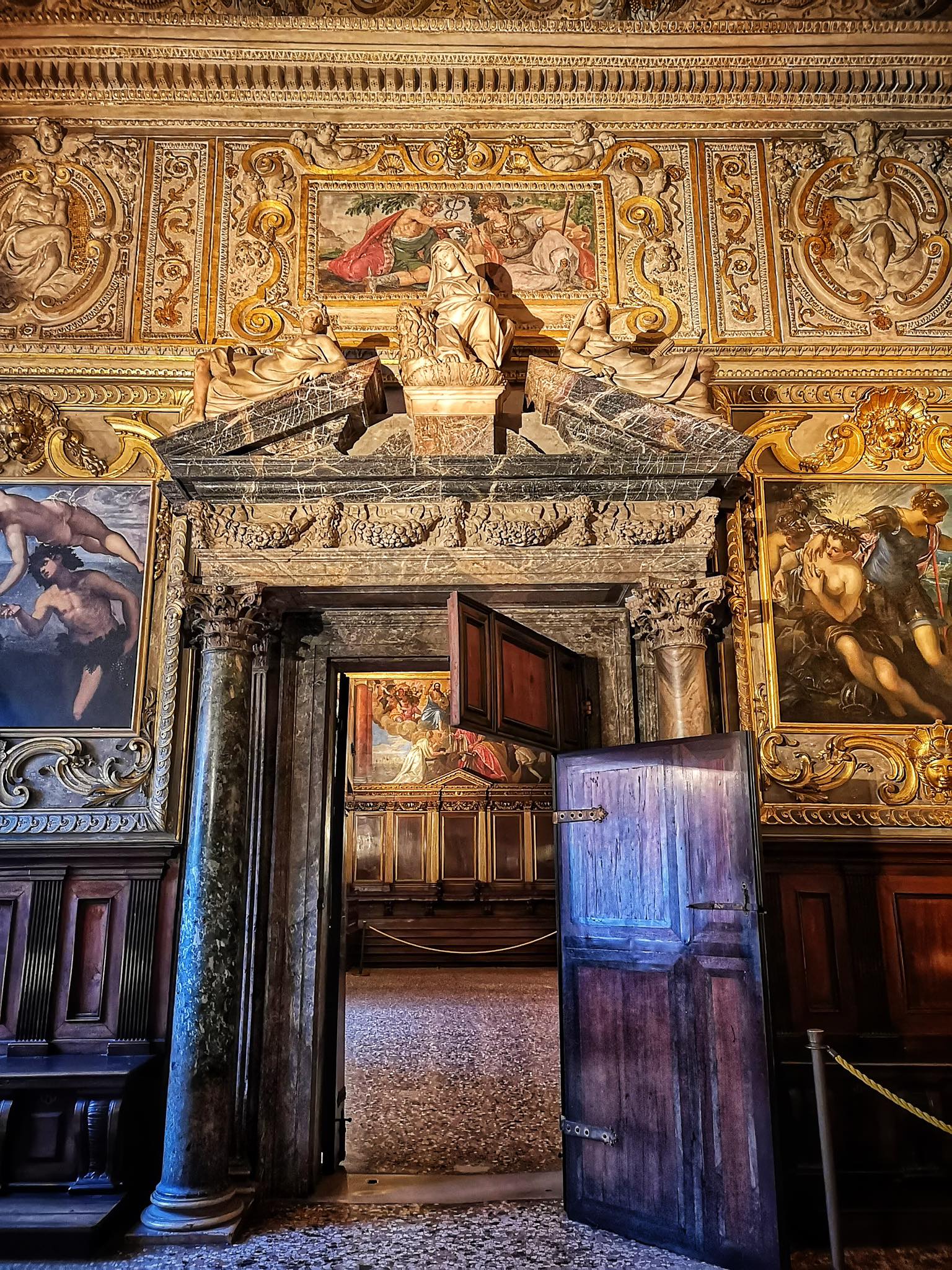
Over the centuries, Venetian trading wealth decorated the church elaborately with mosaics and artwork that still astounds to this day. Some of the highlights are listed down below!
Officially it was administered as the private chapel of the Doge of Venice all the way up until the city fell to the forces of Revolutionary France and one Napoleon Bonaparte. He stole the famous horses to decorate his Arc du Triomphe du Carrousel (just outside the Louvre); these were returned in 1815 to the city of Venice (who, as we know, originally stole them from Constantinople).
Since then, it has served as the seat of the Bishop of Venice, who also holds the title of Patriarch. Three Patriarchs of Venice have been elected Pope, and the church is consistently used for Mass and Services.
Nowhere speaks to the rich history of Venice as evocatively as St. Mark’s Basilica, and experiencing the magic of its glittering interior is an absolute must on any visit to the Serenissima. To check availability and book your place on an exclusive after hours small-group tour of St. Mark’s for just €129, check out our tour page today. If you’d like to reserve a private night tour of St. Mark’s then we’ve got you covered as well! Get in touch to find out more.
Venice Tours
Explore Our Wonderful Venice Tours
Dive Into Our Venice Travel Guide