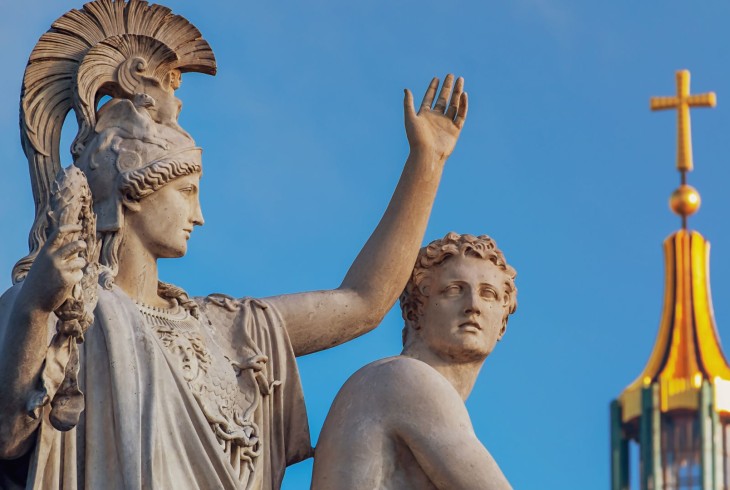
Greek mythology, a vast and intricate tapestry of gods, heroes, and mythical creatures, continues to weave its influence throughout modern-day Greece. Dating back to antiquity, these captivating tales have left an indelible mark on the cultural, social, and artistic fabric of the nation. Despite the passage of millennia, Greek mythology remains a constant source of inspiration, guiding and shaping the values, traditions, and identity of contemporary Greece.
Check out our Athens tours
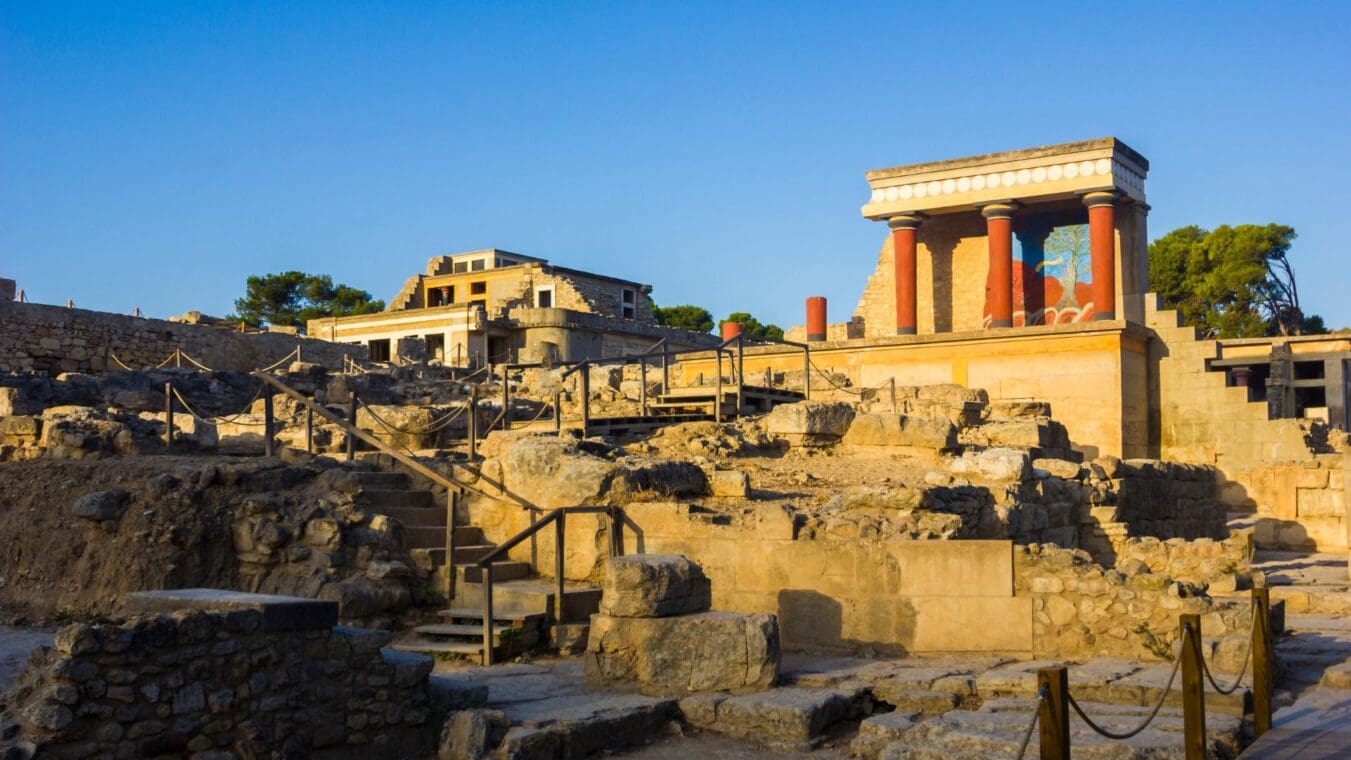
The top attraction on the island is the archaeological site of Knossos, the epicentre of the Minoan civilisation who lived on Crete around 1800 BC. Accomplished boat builders and sailors, this ancient people produced high quality pottery, wine, oil, and beautiful bronze objects and jewellery which they traded across the Mediterranean.
The huge sprawling palace with over 1300 rooms may have spawned the legend of King Minos, the minotaur, and the labyrinth. Knossos is one of the most important bronze age sites in Europe and to get the best your visit we recommend a guided tour. The palace complex was an administrative centre and produced and stored goods for trade.
The attractions of the site are the architectural remains including the throne room and royal apartments with colourful frescoes of marine life, bulls and bull jumping a favourite pastime of the ancient Minoans.

The Homeric epics, the “Iliad” and the “Odyssey,” composed by the poet Homer in the 8th century BCE, played a significant role in solidifying and popularizing Greek mythology. These epic poems immortalized the deeds of heroes and gods and became a central part of Greek literary and cultural heritage.
Greek mythology continued to evolve and adapt throughout the centuries, influenced by contact with other cultures, such as the Egyptians and Persians, as well as philosophical and intellectual developments within Greece itself. Despite the passage of time, the enduring appeal of Greek mythology lies in its profound exploration of human nature, the divine, and the mysteries of existence, making it a timeless and captivating body of stories that continues to captivate audiences to this day.
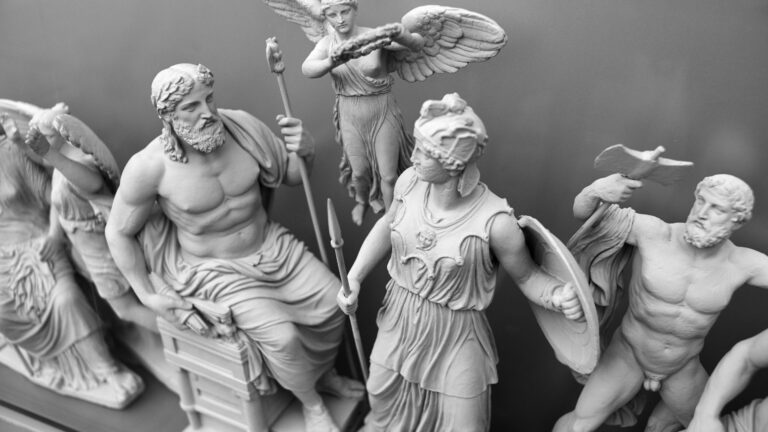
At the heart of Greek mythology stands an intricate pantheon of gods and goddesses, each possessing unique characteristics and powers. The Olympian deities, led by Zeus, ruled over various aspects of life and nature, from wisdom (Athena) to war (Ares) and love (Aphrodite). The tales of their triumphs, conflicts, and relationships with mortals have been a wellspring of creative expression in art, literature, and theater.

The Homeric epics, the “Iliad” and the “Odyssey,” composed by the poet Homer in the 8th century BCE, played a significant role in solidifying and popularizing Greek mythology. These epic poems immortalized the deeds of heroes and gods and became a central part of Greek literary and cultural heritage.
Greek mythology continued to evolve and adapt throughout the centuries, influenced by contact with other cultures, such as the Egyptians and Persians, as well as philosophical and intellectual developments within Greece itself. Despite the passage of time, the enduring appeal of Greek mythology lies in its profound exploration of human nature, the divine, and the mysteries of existence, making it a timeless and captivating body of stories that continues to captivate audiences to this day.
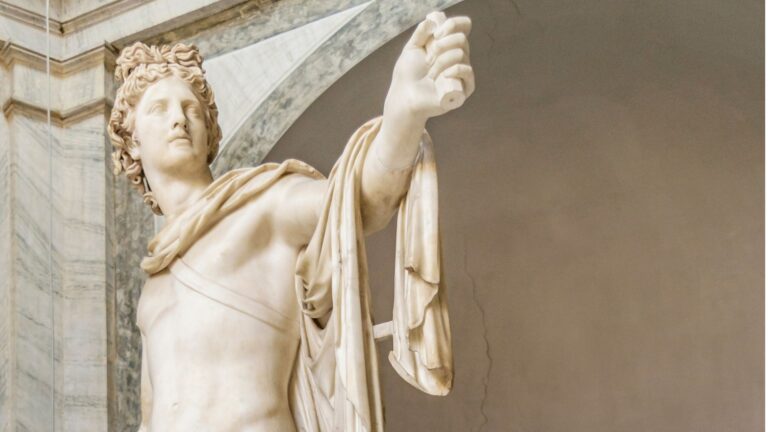
At the heart of Greek mythology stands an intricate pantheon of gods and goddesses, each possessing unique characteristics and powers. The Olympian deities, led by Zeus, ruled over various aspects of life and nature, from wisdom (Athena) to war (Ares) and love (Aphrodite). The tales of their triumphs, conflicts, and relationships with mortals have been a wellspring of creative expression in art, literature, and theater.
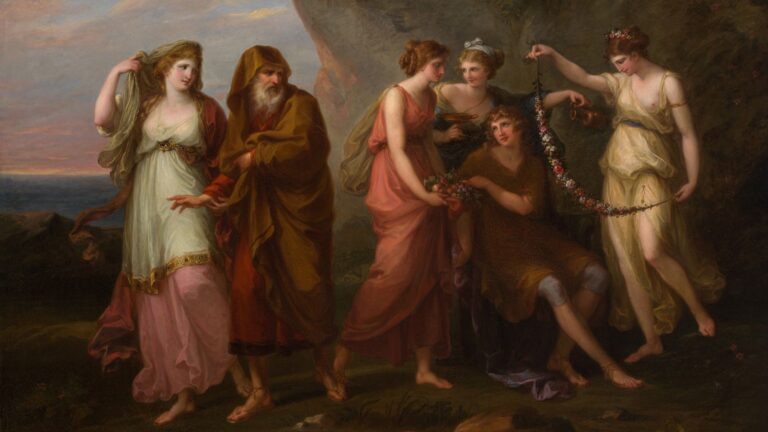
The heroes of Greek mythology, such as Hercules, Achilles, and Odysseus, have become legendary figures, embodying bravery, virtue, and the eternal struggle between good and evil. These heroic narratives have endured through the ages and are revered as symbols of resilience and determination in modern Greek culture.
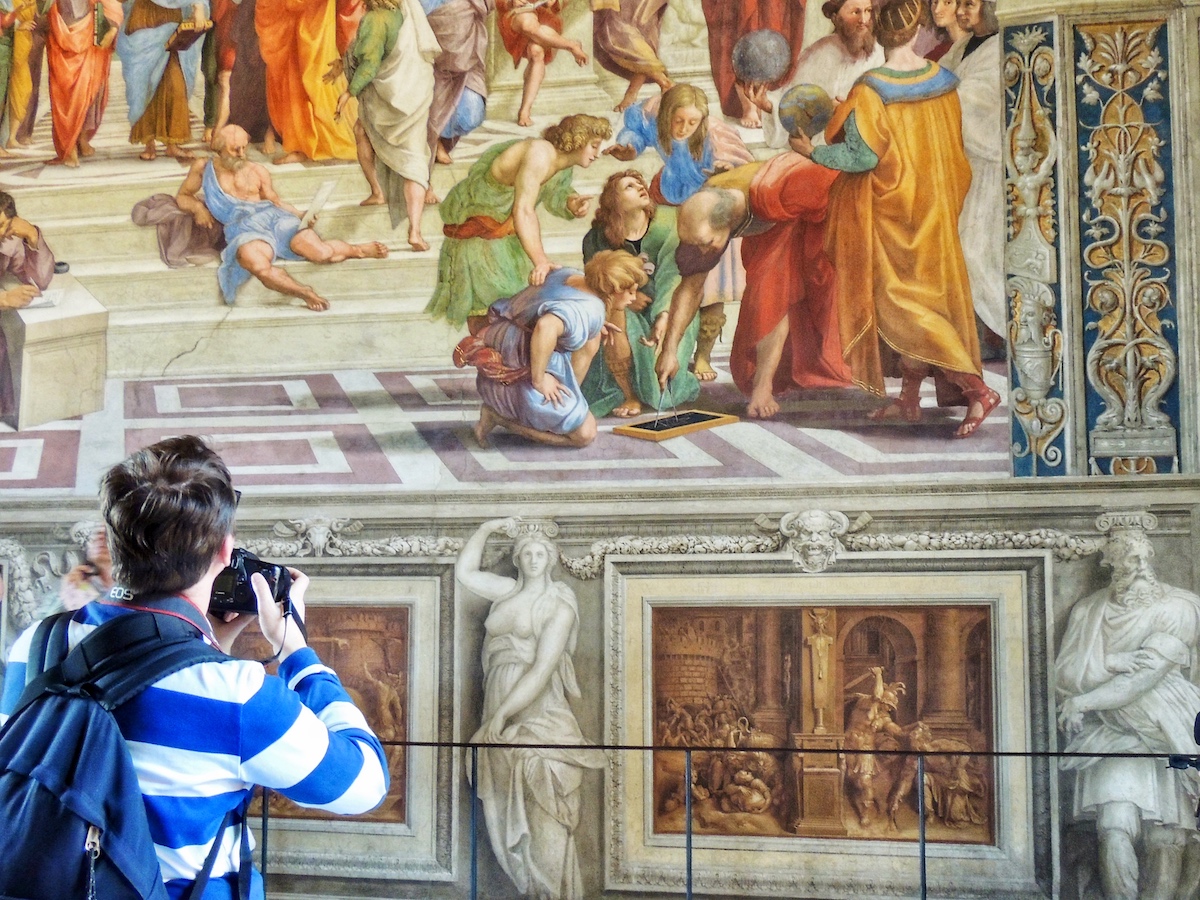
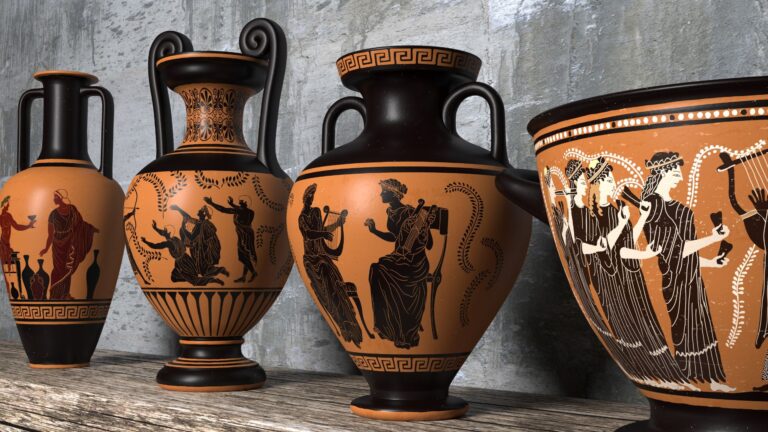
Greek mythology has also been a profound source of inspiration for artists and writers throughout history. Ancient Greek sculptures, pottery, and frescoes often depicted mythological scenes, immortalizing the exploits of gods and heroes. The enduring beauty of these artworks can be seen today in museums and archaeological sites across Greece.
Classical Greek literature, including epic poems like Homer’s “Iliad” and “Odyssey,” played a pivotal role in shaping Western literature as we know it. The themes of these epics, with their exploration of human nature, morality, and fate, continue to resonate with contemporary audiences.
Modern Greece has embraced its mythological heritage, incorporating ancient traditions and rituals into everyday life. Numerous festivals and ceremonies, like the Panathenaic Games and the Eleusinian Mysteries, echo the spirit of ancient Greek celebrations, connecting the present with the past.
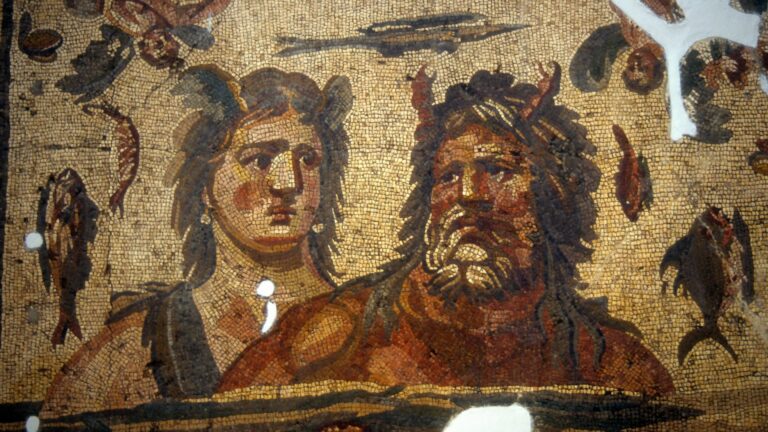
Moreover, Greek names are often derived from mythological figures, keeping the stories of heroes and gods alive in the language and daily interactions of the Greek people. This tradition also extends to the names of towns, cities, and geographical landmarks, preserving the mythological connections to the landscape.
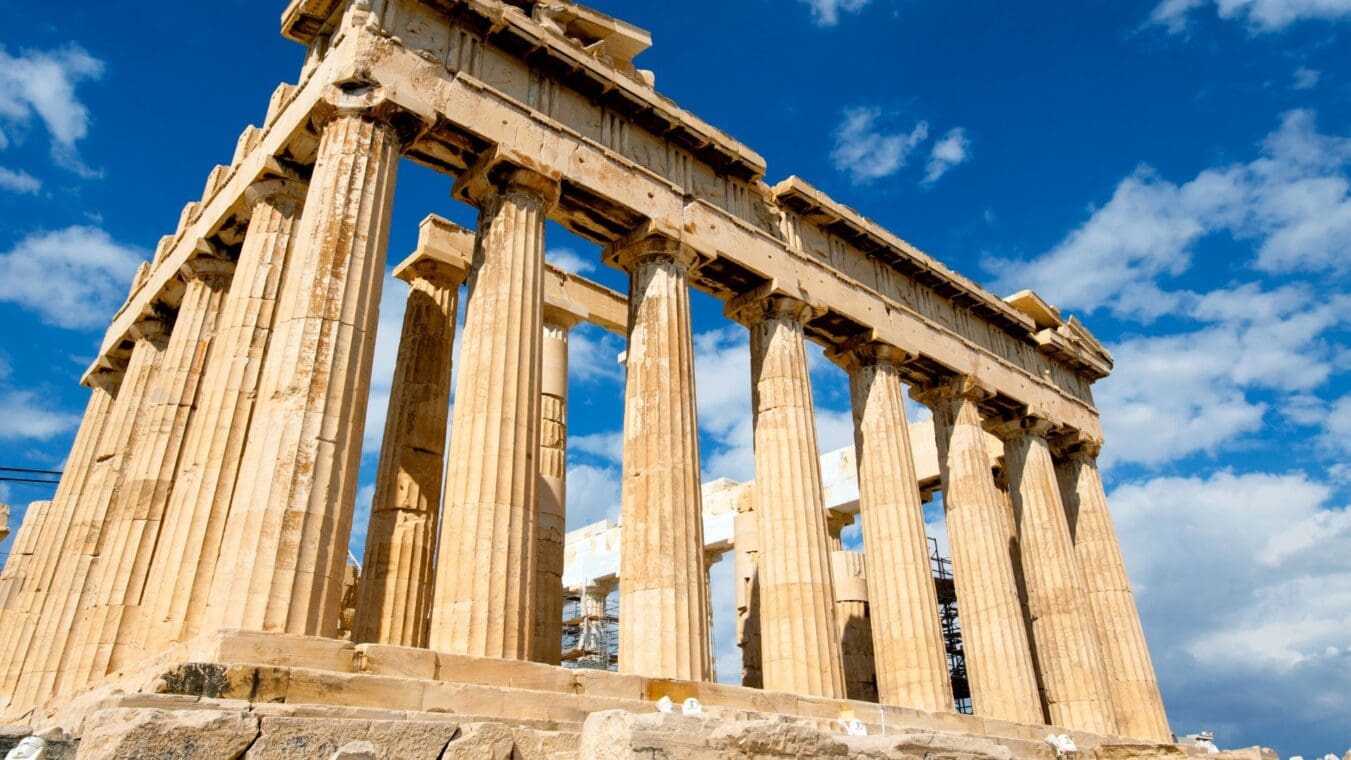
Greek mythology acts as a magnetic force that attracts tourists from around the world. Travelers embark on journeys to iconic sites such as the Acropolis, Delphi, and Olympia, where remnants of ancient temples and statues evoke the presence of the gods and the heroes they once worshipped.
These archaeological wonders not only showcase Greece’s rich history but also underline the enduring impact of mythological tales on the collective memory of the nation.
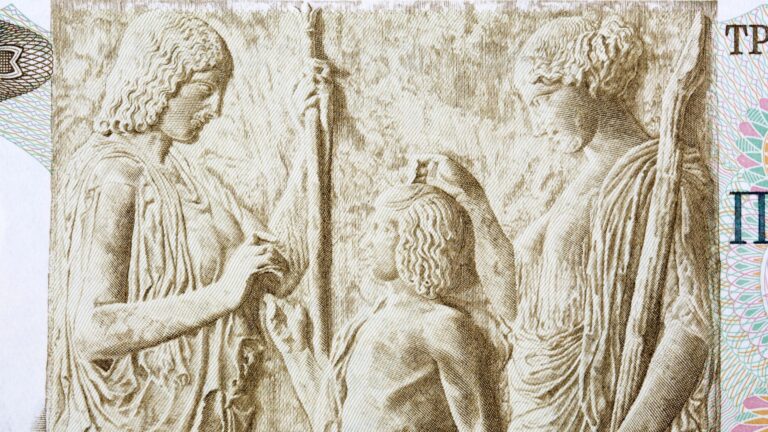
Greek mythology stands as a timeless testament to the human imagination, serving as a bridge that connects Greece’s ancient past with its vibrant present. Its influence on modern-day Greece is woven into the very fabric of the nation, from its arts and literature to its cultural traditions and landmarks.
As Greece continues to evolve, its mythology remains an invaluable reservoir of wisdom, shaping its identity and guiding its people. The legacy of these captivating tales reminds us of the enduring power of storytelling and the profound impact it can have on shaping the values and culture of a society.
Book Your Athens Experience