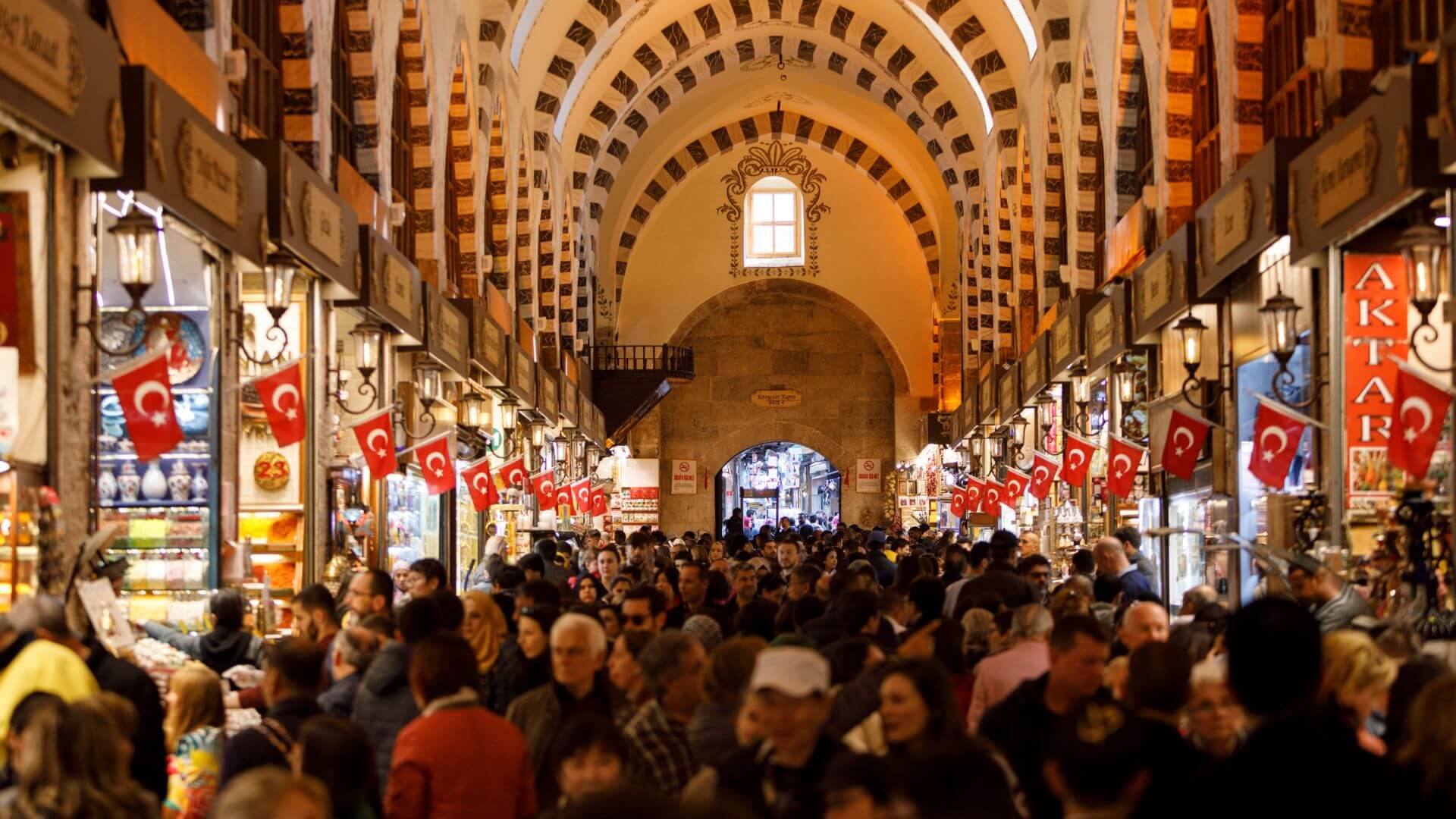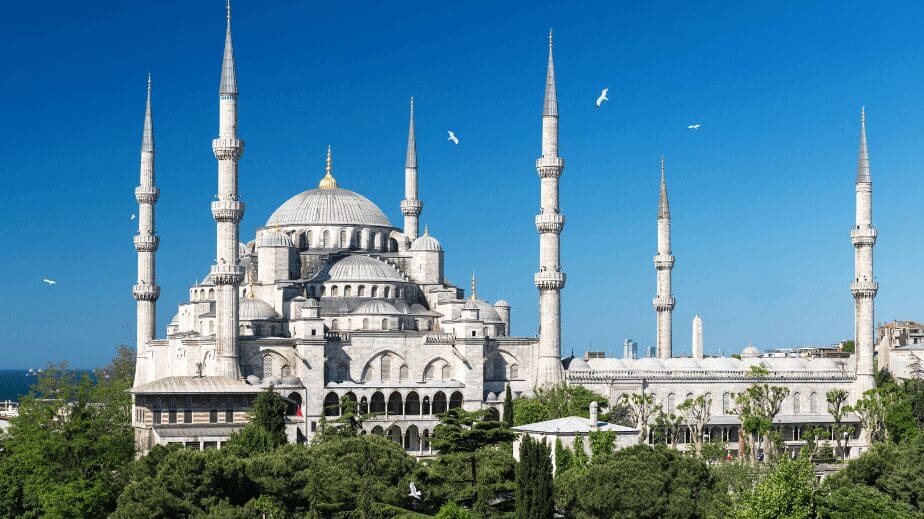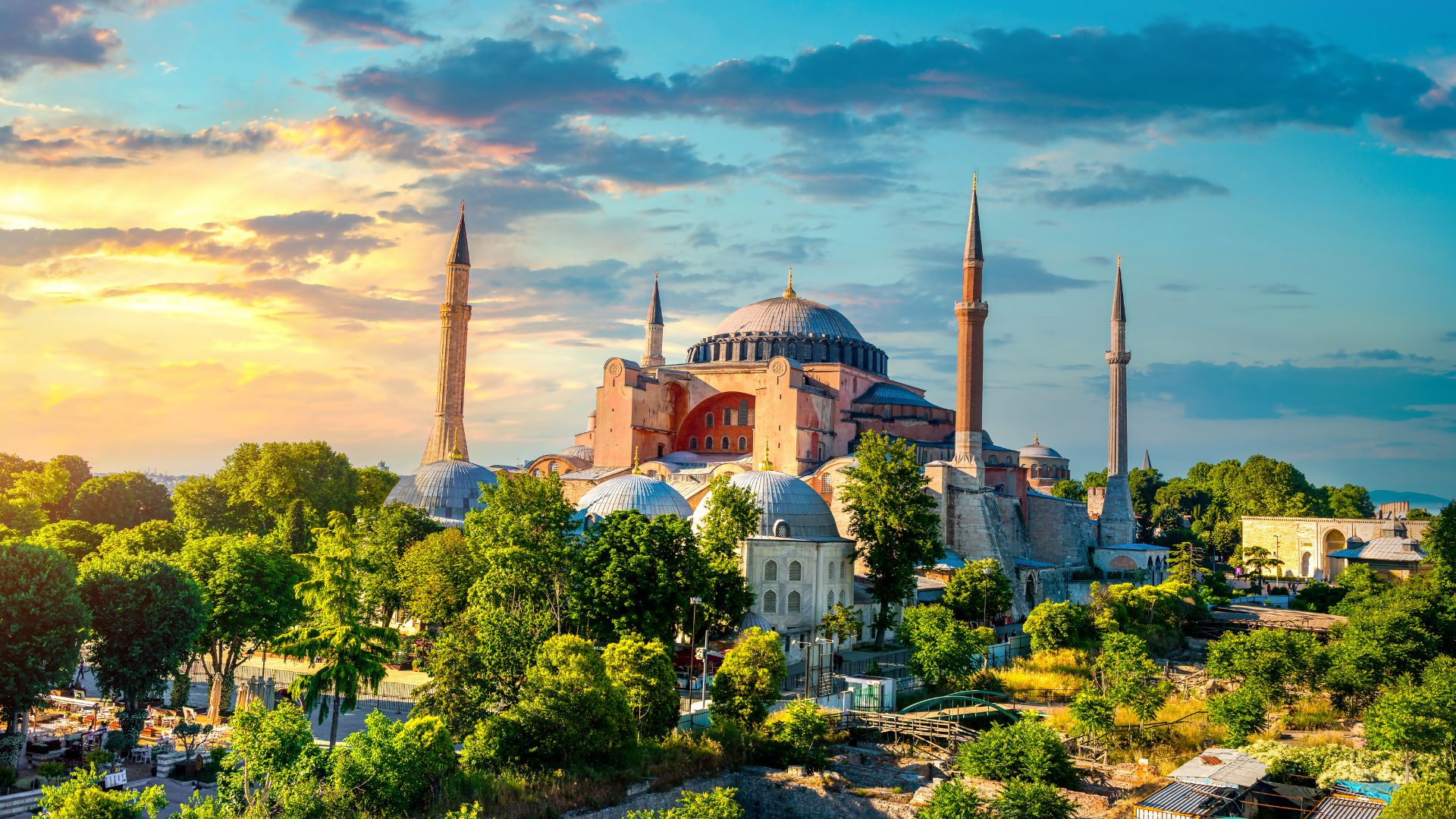
With so much to see in Istanbul and its surroundings, it becomes difficult to plan your itinerary and fit in all the city has to offer into one trip. Even more so if that one trip is just a few days. There is so much that is iconic for the city and not to be missed, like the Blue Mosque, Hagia Sofia and the the famous bazaars. Missing them would be like visiting Rome and not taking a look at the Colosseum, visiting Paris and skipping the Eiffel Tower or visiting London and avoiding Big Ben!
But should you have that extra day or two or maybe you’re a return visitor to the city, you have that wonderful opportunity dive in deeper. Take a stroll in some less frequented neighborhoods of the city where locals both live and enjoy their free time. Visit smaller museums or a lesser known but exquisite palaces. Although there are so many, we’ve narrowed down short list of lessor visited gems of Istanbul compiled to give you a peek at both city life and historical places covering both the European and the Asian sides of city.
Best Istanbul Tours
Explore the Delights of Turkey
On the European Side
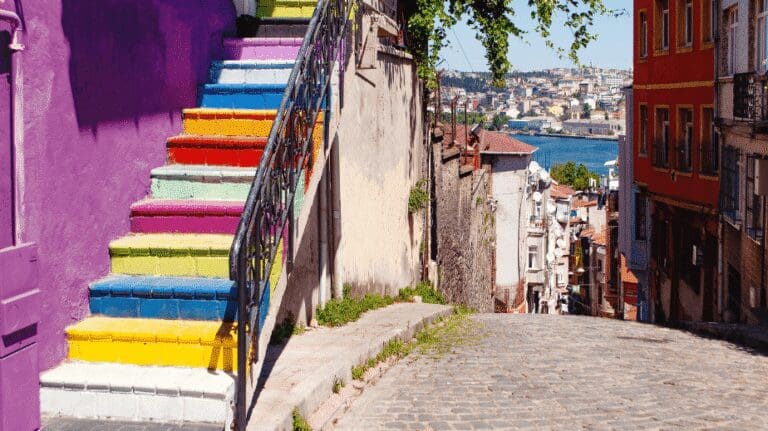
The colorful and lively neighborhoods of Fener and Balat are fun to stroll, great for photos, and truly have a unique atmosphere compared to other zones of the city. They are in the old section of the city on the Golden Horn. Areas which have been populated for many centuries. Colorful and unique the 2 back to back zones have very different histories.
Fener was the Greek neighborhood of the city. After Constantinople falls to the Ottomans in 1453, with the beginning of declaration of religious tolerance by the Sultan Mehmed the Conquerer, Greek wealthy merchants settled in the area. Some went on to important positions in the court as interpreters and dignitaries. In fact, even today Fener holds the seat of the Greek Orthodox Patriarch of Constantinople, which can be found in the Monastery of St. George.
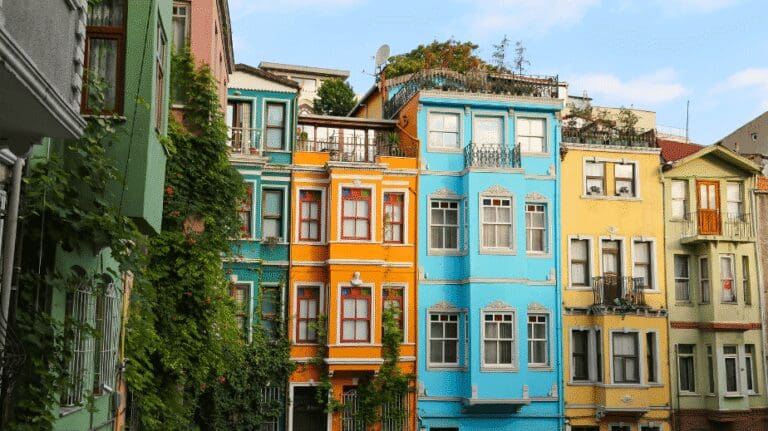
Balat on the other hand became the neighborhood for the Jews. Although it may have been quite an ancient area for Jews in the zone, later in the 15th century many came to Istanbul from Spain, Italy, and other countries after the persecutions in the inquisition of the age. It was a thriving area for merchants and artisans and in its hight boasted 18 synagogues, only a few of which are still in use today.
Today these neighborhoods are wonderful to spend time seeing some truly beautiful churches, synagogues, wonderful shops, coffee houses and cafes. It is also a neighborhood with great photo ops of some of the areas refurbished old buildings that are now some of the most colorful in the city.

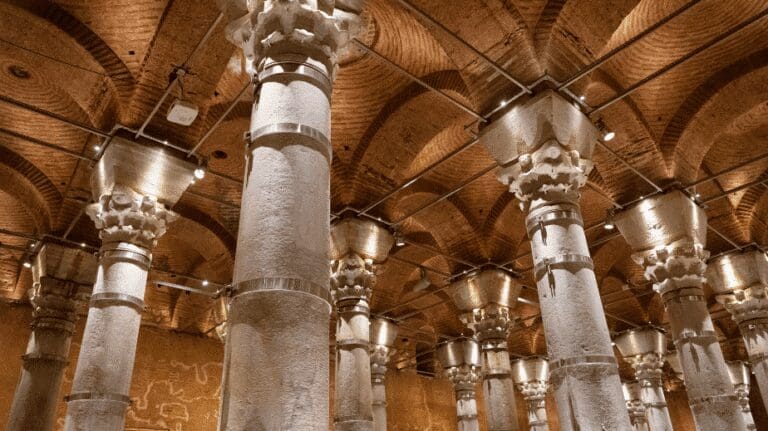
In 2010 during the demolition of the Eminonu Municipal Building, a quite unexpected surprise revealed itself. A cistern. One of the many cisterns that kept the massive water supply needed for the ancient city of Constantinople. The cistern was believed to be built by the Roman Emperor Theodosius II in the mid 5th century. This incredible find that was brought to light was immediately restored and by April of 2018 it was open to the public. The space boasts gorgeous brick sail vaults and 32 massive columns with Corinthian capitols that stand about 9 meters (30 feet) high.
The Theodosius Cistern or Serefiye Cistern in Turkish, may not be as large as the famous Basilica Cistern, but it is lovely indeed. Also being so much less frequented than the Basilica Cistern, it makes for a quieter visit giving you a nice opportunity to enjoy one piece of the subterranean part of the city.
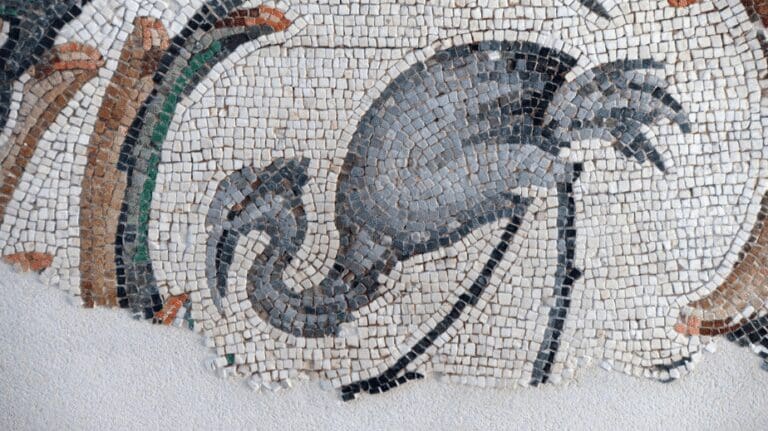
When visiting the Blue Mosque complex take time to stop and visit the Great Palace Mosaic Museum. The mosaics which date between 450 – 550 c.e. were discovered in 1935. After a long restoration beginning in 1982, and finishing in 1997 the museum was open as we see it today.
The beautifully restored mosaics show scenes from everyday life and other mythological scenes. The most famous being the griffin eating a lizard, the goat milking man, girl carrying jug and hunter and a tiger. The colorful tiles coming from a variety of stones add to the beauty of the floors. The mosaics once belonged to a large peristyle court dating to the emperors of Byzantium.
You can find the museum in Sultanahmet Square, by the Blue Mosque Complex, inside the Arasta Market.
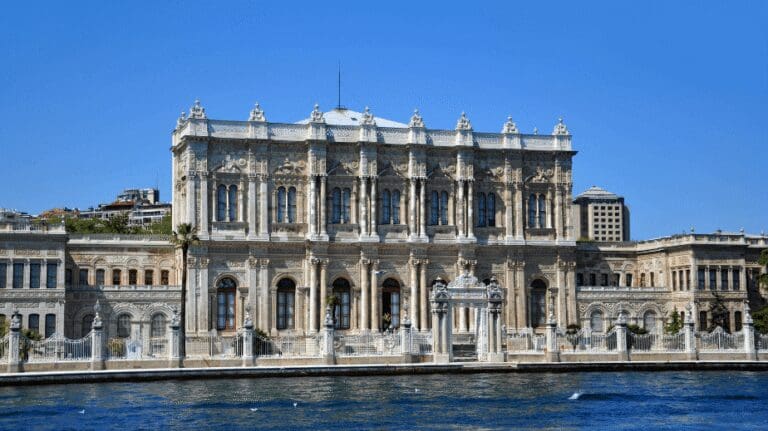
Where the Topaki Palace is synonymous with the palace of the Sultans, and is top on the list of sites to visit on your first visit to Istanbul, not many realize that the seat of the Sultans moved to the Dolmabahce Palace in the middle of the 19th century. Sultan Abdülmecid I, found the old palace insufficient as the seat of the more modern 19th century empire and had the new, more luxurious, contemporary and European palace built between 1843 and 1856.
The price of this new and opulent palace would by today’s estimates be approximately $1.9 billion dollars. It would not be much long after the completion of the palace that the Ottoman Empire would default on its debt in 1875. The palace would be the home of 6 Sultans up to the end of the empire and beginning of the new Turkish Republic in 1924. It was also here that Mustafa Kemal Atatürk, first president of the Turkish Republic, would spend time and also die. His room is preserved including clocks stopped at the hour of his death.
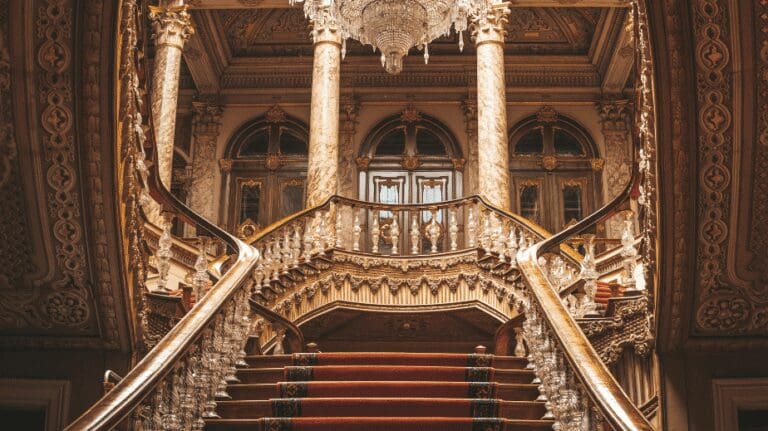
The palace is worth the visit for its rich history, architectural beauty and amazing furnishings. Its main Ceremonial Hall is home to an incredible chandelier and gift to the Sultan by Queen Victoria of England. It is the largest chandelier of its kind in the world! Exploring this wonder on the Bosphorus is time well spent.
Don’t forget Asia! Visiting the Anatolian side of the city…
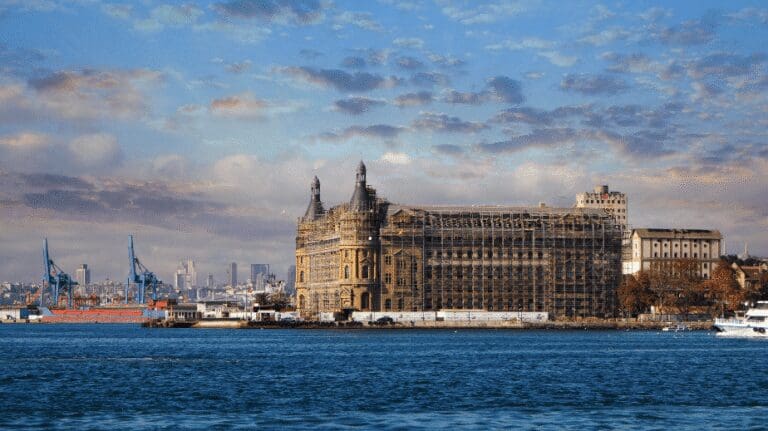
What other city in the world can you hop over so easily to another continent like you can in Istanbul? Why not explore a few gems on the Asian side?
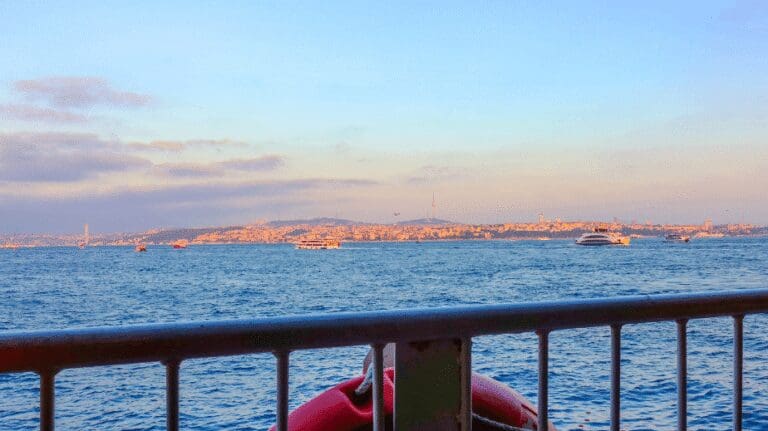
Since making the crossing anyway why not hop a ferry and enjoy a cheap way to cruise the Bosphorus? There are a variety of Ferries and Sea Buses leaving from a few different ports. Some going back and forth between the European and Asian side some leaving for the Princes’ Islands and others can be a wonderful excuse and another way to view both sides of the city,
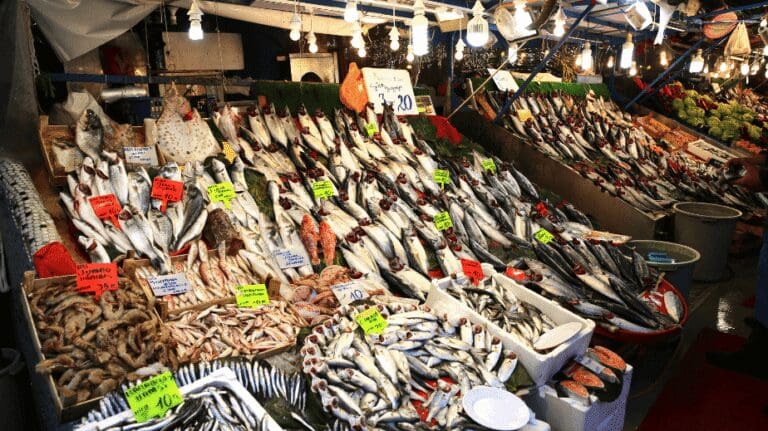
Kadiköy is an ancient part Istanbul that faces the European side. It once was known by Greek settlers as Chalcedon, and has changed hands many times throughout its long history, lastly falling to the Ottomans in 1353, a whole 100 years before the fall of Constantinople’s European side. It is lively, artsy and very cosmopolitan. Whether you are searching for markets, shopping, food or great live music, Kadistöy is the perfect place for all of it.
The market literally has everything but its many fish vendors really reminds you of the culture of a city situated between the Marmara and Black Sea. Its all about the water and all about the fish. Not only can you shop or just visit the lively fish vendors but there are great places all around for sampling famous fish sandwiches and stuffed mussels.
The colorful stands filled with fresh fruit and vegetables abound as do stands for colorful sweets and treats. You can find gifts, and souvenirs too. In and around the market you can also make your way through some pretty wonderful street food.
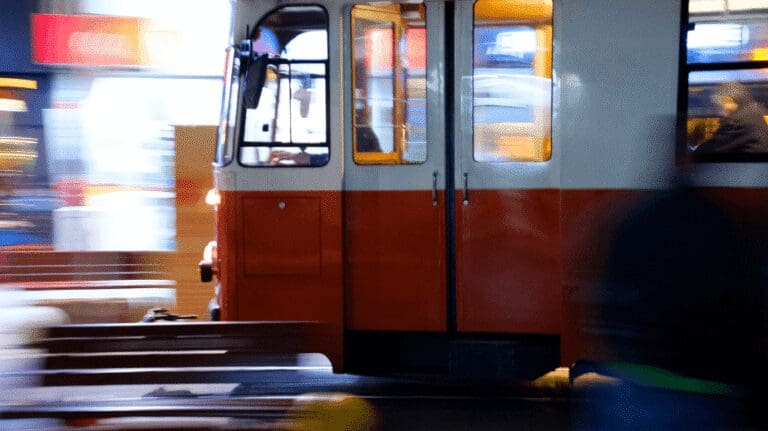
Just a short walk from the ferry in Kadiköy, you can pick up a tram to get a lovely overall view of the neighborhoods of both Kadiköy and Moda. The antique red cars still serve the natives as public transport but can double for the tourists as a nice loop to people watch. These cute little cars pass about every ten minutes for a nice slow ride so sit back and enjoy. Its a great way to relax and take in the neighborhoods on its 20 minute loop.
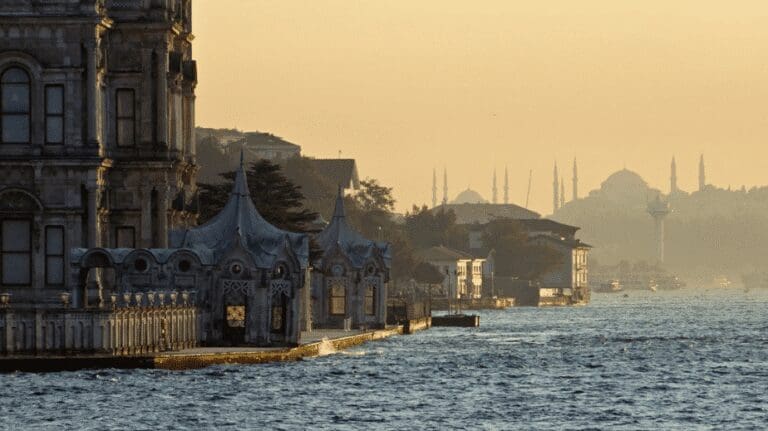
In the zone of Üsküdar on the waters edge you can find one of Istanbul’s most beautiful palaces. Not as large as the more famous Dolmabahce Palace, but in every sense a gorgeous gem. This summer palace of the Sultans was in the 19th century home to the most important visitors of its day. From the Shah of Persia and King Edward VIII to Empress Eugenié of France, who loved the beautiful palace so much that she had a window copied in the Tuileries in Paris.
Beylerbeyi Palace, was commissioned by the Sultan Abdülaziz and built between 1861 – 1865 in the Second Empire style. The palace is flanked by two elegant bathing pavilions one for the men separated from the other for the harem. You can enjoy the lovely gardens with views of the the Bosphorus and a bridge connecting the two continents. Inside the palace you can experience the opulence of the decorations and furniture both Ottoman and European. Another treasure of the city less visited making for an even more authentic experience.
Book Your Istanbul Experience