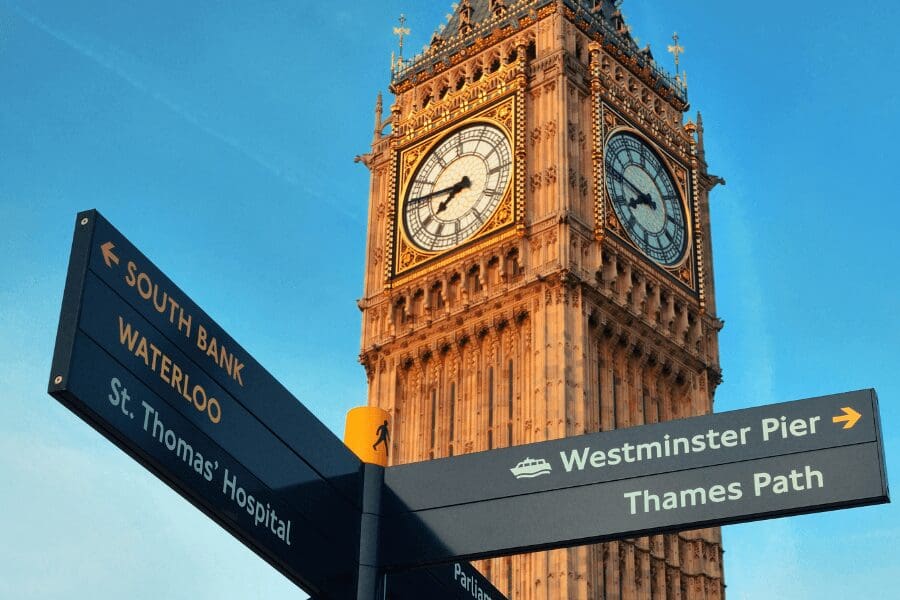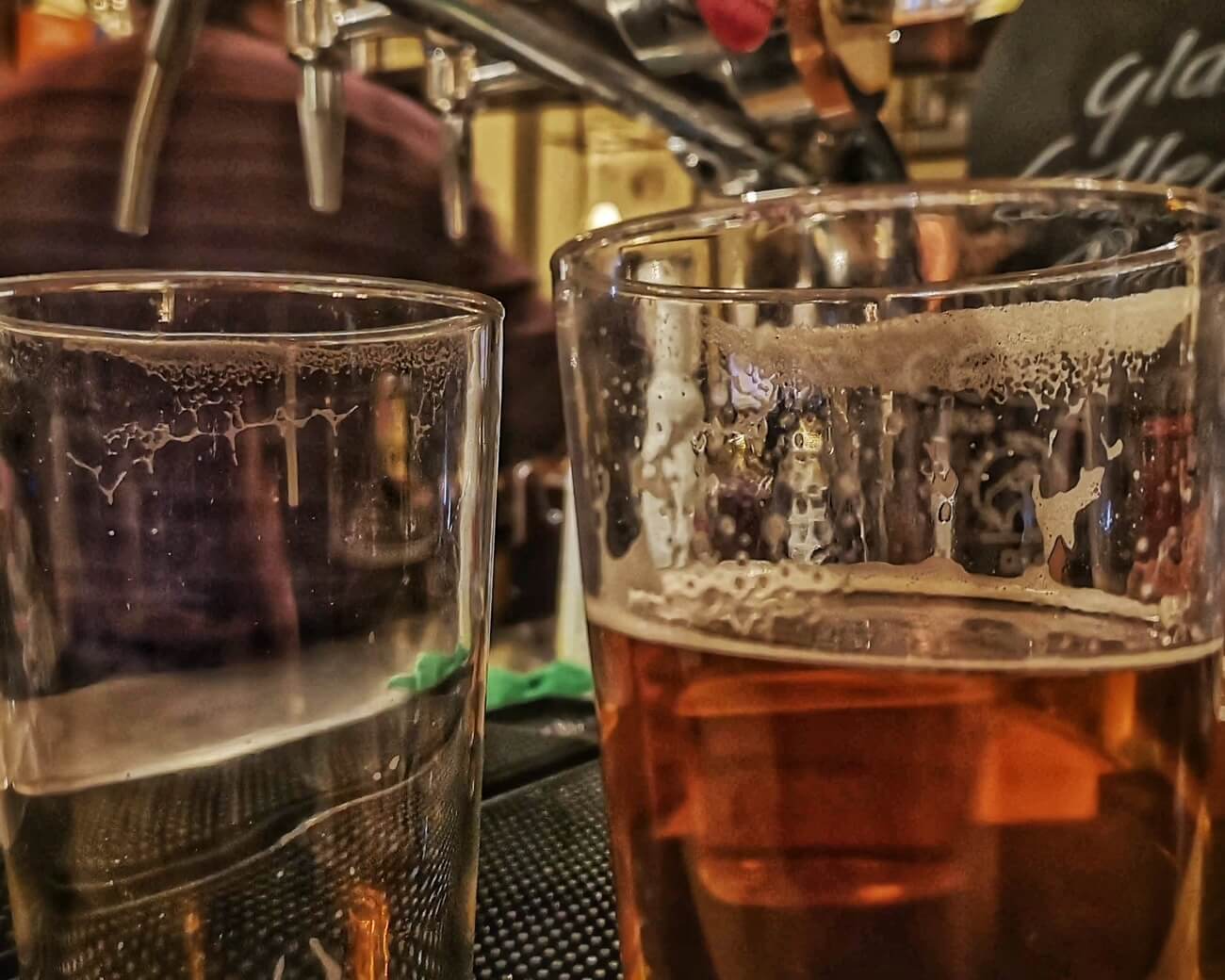
So you’ve finally touched down in the English capital.
Union jacks flutter proudly atop stuffy royal palaces; ravens menacingly circle the Tower of London, and fleets of red double decker busses zoom endlessly past cap-tipping old gents out for a constitutional along Regent’s Street or Pall Mall. It’s all so very…British.
It’s a once-in-a-lifetime trip, so no doubt you’ll want to hit the ground running. What’s the first port of call? A trip to the magnificent National Gallery, one of the world’s finest museums? A spin to see the priceless Crown Jewels, glittering symbols of the Empire on which the sun never sets? Or perhaps a visit to the jaw-dropping collections of the British Museum?
Pull the other one. We know that after checking into your hotel you’ll be making a bee-line for the nearest pub. After all, alcohol has been shown to be an immediate and fool-proof cure for jet lag, right? Right?
Ok, so we might not know much about medical science, but we do know a lot about ale. It’s impossible to throw a stone in London without breaking the window of a top-level pub, so wherever you are you won’t have far to walk. But before you belly up to the bar, you should know the Brits do beer a little bit differently.
Whilst it’s not true that you’ll be served up pints and pints of nauseatingly warm and queasily flat slop as some fairly outdated American stereotypes might have it, the tipples on tap at a proper London boozer might nonetheless differ from what you’re used to.
So have a quick look at our cheat sheet whilst on the way to the pub to discover five main types of brews you’re likely to encounter!
Check out our London tours
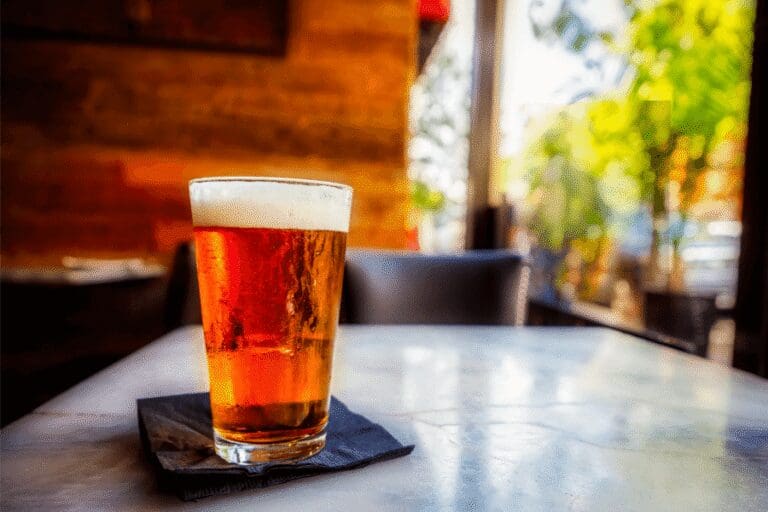
Although lager isn’t a beer indigenous to these shores, you’ll see plenty of punters opting for a pint of the crisp, typically inoffensive tipple in London. The clear and highly carbonated beverage is by far the most popular variety of beer in the world, and traces a history all the way back to 15th-century Bavaria; lager, meaning ‘storage’ in German, was brewed in the winter using a cold-fermentation technique and stored in cool caves during the warmer months to stop it from going off – hence the name.
It took an awfully long time for the style to reach the British Isles, however, and the first lager to be made in Britain only came into being in the wake of a visit from a Munich brewer to Scotland in 1835. The German export finally made it to the capital in the 1860s when its refreshing character made it much appreciated during one of the hottest summers on record. Since then it’s slowly gained in popularity, and outsold ale in Britain for the first time in 1989.
Almost all pubs in London will have a few international commercial lagers on tap, but you probably don’t want to be wasting your time on Heineken or Carlsberg with so many better options on offer. If lager is your thing, almost all boozers will have a couple of craft lagers or pilsner imports from mainland Europe to keep you happy. Widely available offerings worth looking out for include Camden Hells and Fourpure Pils.

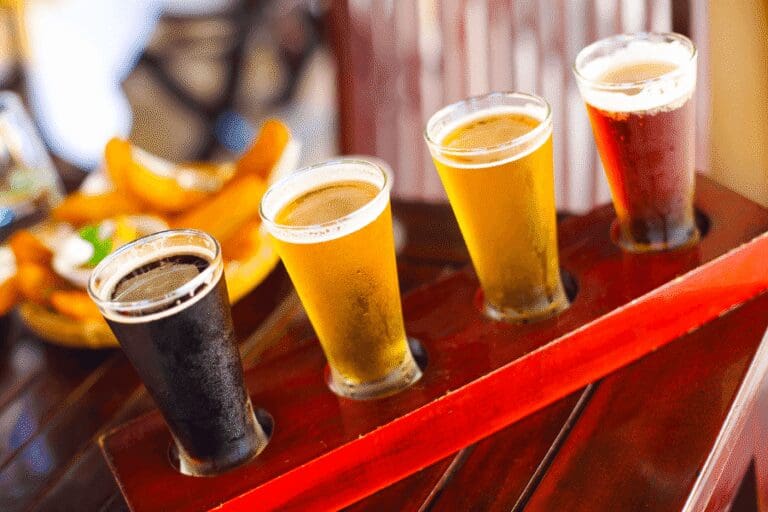
Traditionally the most popular choice for barflies in English pubs, and the British ale par excellence, these days ‘bitter’ is something of a misnomer. It’s actually far from the sharpest offering on the menu: bitter is a golden or amber ale (the difference between lager and ale being that the latter is fermented at higher temperatures) with a foamy, quick to dissipate head and a very balanced profile – not too bitter or sweet, with a noticeably hoppy flavour rounded out by some fruity notes deriving from the yeast.
So why the name? Simply put, bitter came to define a type of punchier beer that challenged the general hegemony of ‘mild’ in the 19th century. Within the bitter family, you’ll find three main types: standard bitter, which is a real session beer thanks to its low alcohol content (typically between 3-4%), best bitter, which is a bit stronger, and extra special bitter (aka ESB), which is a more potent 5-6% and typically stronger in flavour. The classic London bitter remains London Pride, a city institution.
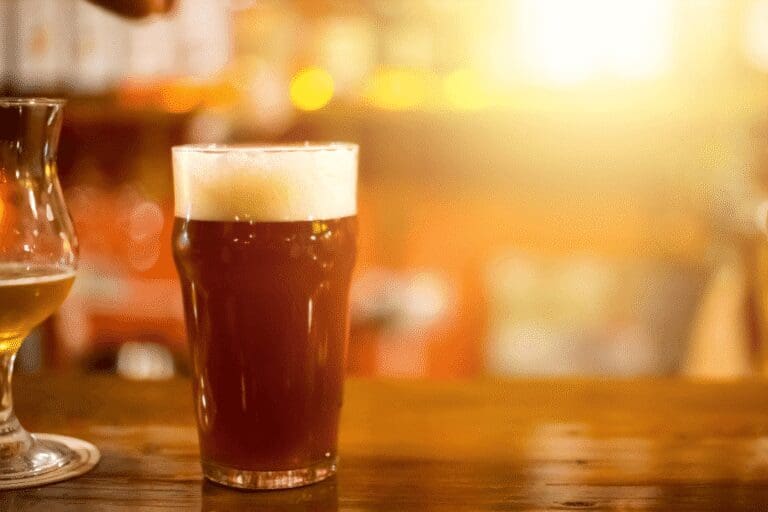
And so to ‘mild’. For modern palates at least it’s not a particularly promising name for a style of beer, and indeed mild tends to be a rather unfashionable, ‘old man’ choice in London pubs. Historically, mild referred to the age of the ale – these beers were consumed shortly after brewing, rather than being ‘conditioned,’ and hence tended to have a lighter, fresher flavour profile than some of the more burly aged ales out there. It’s a pretty loose definition, though, and so mild doesn’t really have a generally accepted or historically consistent profile. These days milds tend to be dark in colour with a malty profile and very moderate alcohol content of between 3-4%. Brown ales are a close cousin of milds, but a little bit stronger.
Mild’s popularity really fell of a cliff in the 1960s, and until recently you’d be hard pressed to find many pubs in London offering any on tap, but the typology has benefited from the influence of the Real Ale movement and the rise in craft breweries such that you’ll likely see a few options out there in well-stocked watering holes.
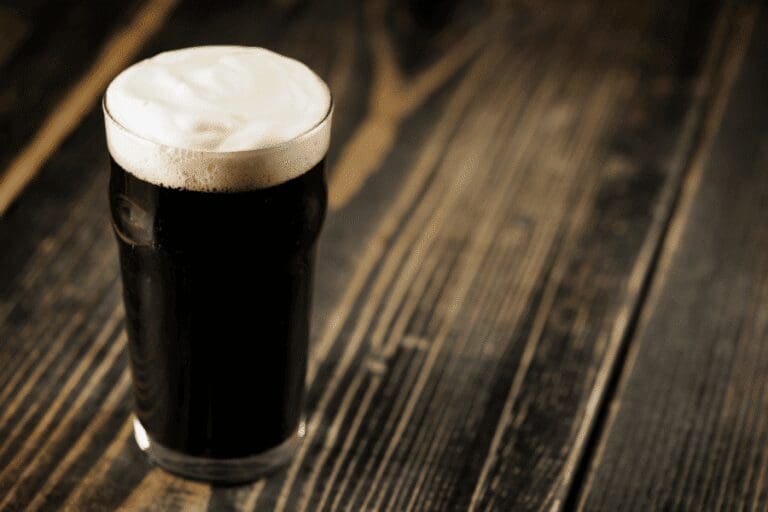
The world’s most famous stout is known by all and sundry simply as ‘the black stuff,’ and for good reason. But whilst the iconic Irish tipple Guinness is the best-known (and best) commercial stout out there, the black-as-night beer style has a history that even predates Arthur Guinness’ 1778 Dublin triumph. Although these days stout and porter are more or less interchangeable terms, the heavily-hopped dark beer became known as ‘porter’ shortly after it was invented in early 18th-century London thanks to its popularity with market porters in the city. ‘Stout porter,’ and subsequently ‘stout,’ simply referred to porters that were stouter, or stronger, than the norm.
So what makes it so dark? Stout and porter have a reasonably high hop content, and deploy brown or black malt instead of paler varieties – meaning that the malt has been roasted more thoroughly and at a higher temperature. This not only provides a deeper colour to the resulting brew, but also unleashes more complex flavours and aromas that range from coffee to chocolate.
If you really want to get down into the weeds, you’re also going to need to acquaint yourself with some variants of the classic stout which you might see on tap. Oatmeal stoat sees the addition of (you guessed it) oats to the brewing process, whilst the somewhat alarmingly named milk stout offers a sweeter, smoother profile thanks to the addition of lactose – the lactose can’t be fermented, so residual sweetness remains in the final brew. Thanks to its dairy content, in more innocent times milk stout used to be recommended for nursing mothers as a nourishing tipple. Imperial stout and baltic porter meanwhile, are high-alcohol (often upwards of 10%) offerings big on chocolate, coffee and dark fruit flavours best drunk in smaller measures (otherwise things can get very messy very fast!).
You still can’t go wrong with a Guinness, but when in London look out too for Samuel Smith’s Extra Stout or the Kernel brewery’s excellent range of stouts and porters.
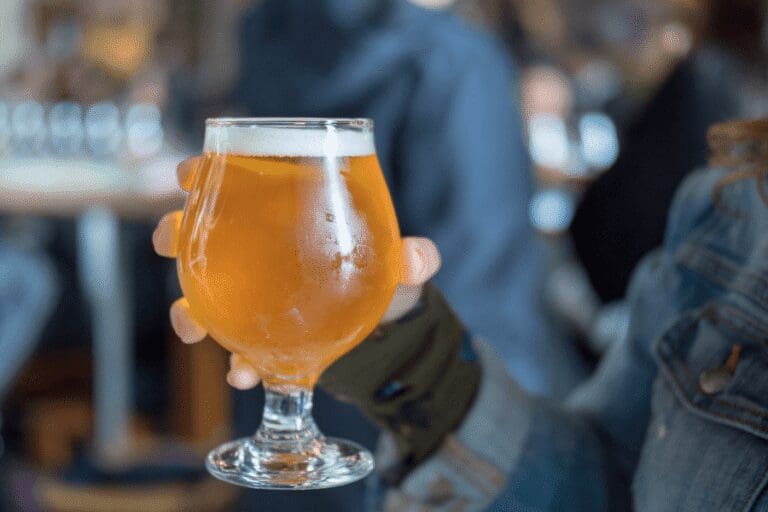
Every hipster’s go-to beer, this super-hoppy pale ale first gained popularity in the 19th century thanks to the massive global reach of the British Empire. The characteristics of the beer meant that it kept well on long overseas voyages, and thirsty British soldiers and bureaucrats merrily guzzled the vast quantities shipped across the seas by the East India Company.
IPAs gained in popularity back in the homeland as the century wore on, and after the craft-beer revolution in the United States at the end of the last century the British artisan beer market has been flooded by a bewildering variety of Pale Ales inspired by experimentation across the Atlantic. Typically light in colour and often a little hazy in appearance, beers in the Pale Ale stable tend to have much more pronounced flavours than most other beer styles thanks to the high hop content, ranging from citrus fruits to floral notes and a pronounced bitterness.
The offerings here are too numerous to mention, but Meantime’s London Pale Ale and Beavertown’s Gamma Ray remain firm city favourites.
If you’re planning a visit to London and want to get the best out of your time in the city, then be sure to check out Through Eternity’s range of private, expert-led London tours. From visits to the Tower of London to Westminster Abbey, the British Museum and much more, we’ve got something for every interest – and we’ll be able to point you towards the best pubs in the capital!
Book Your London Experience