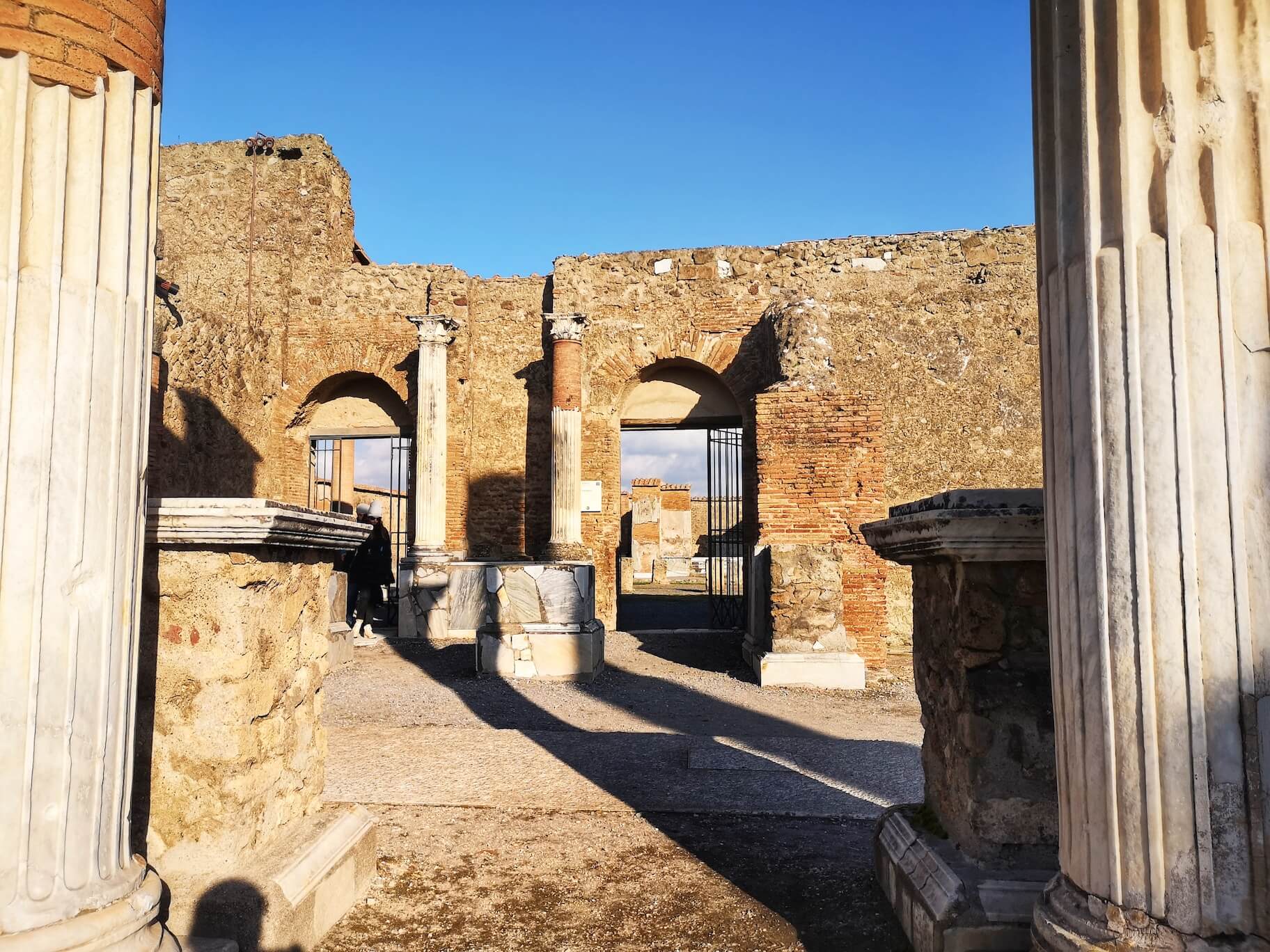
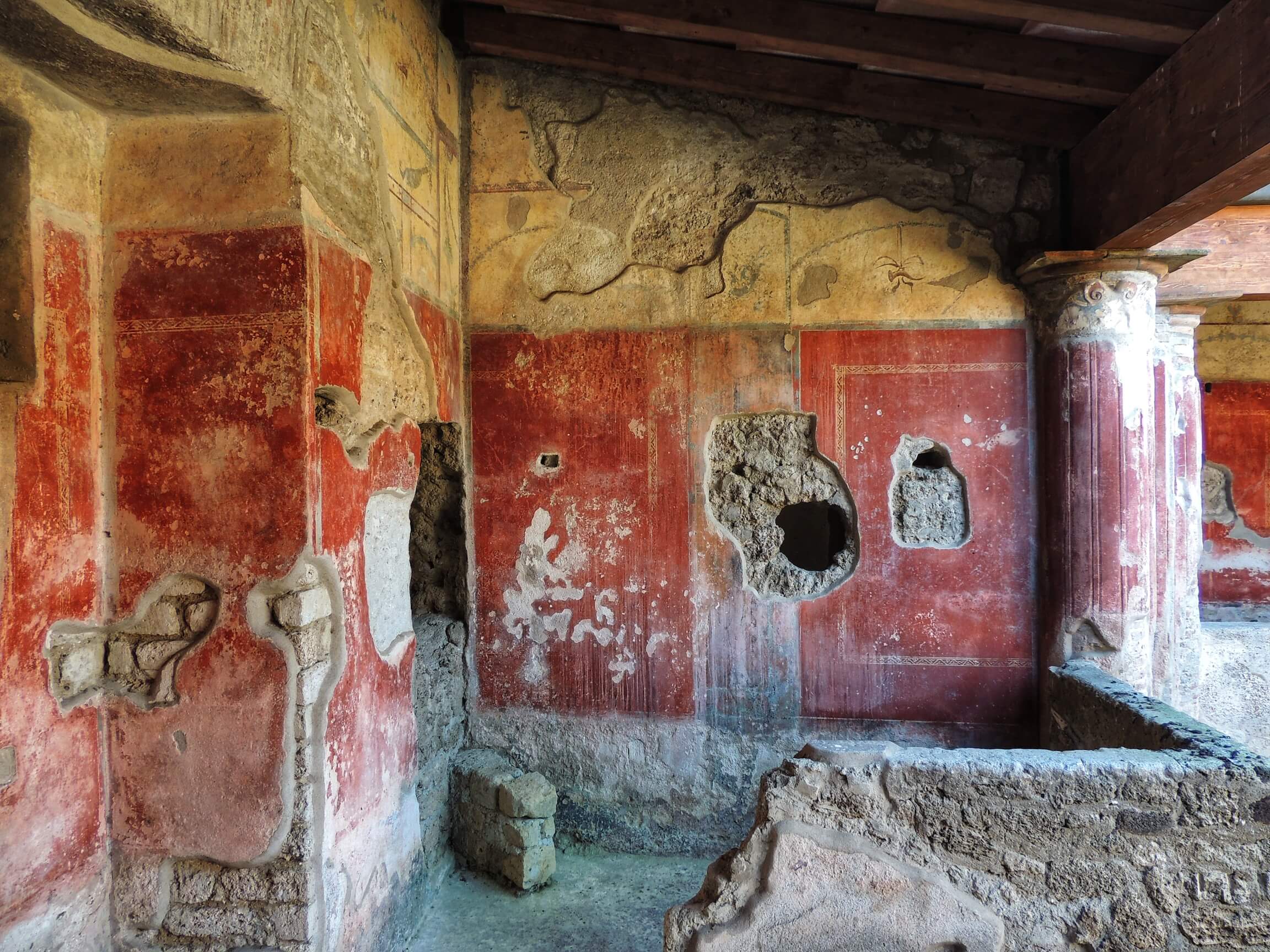
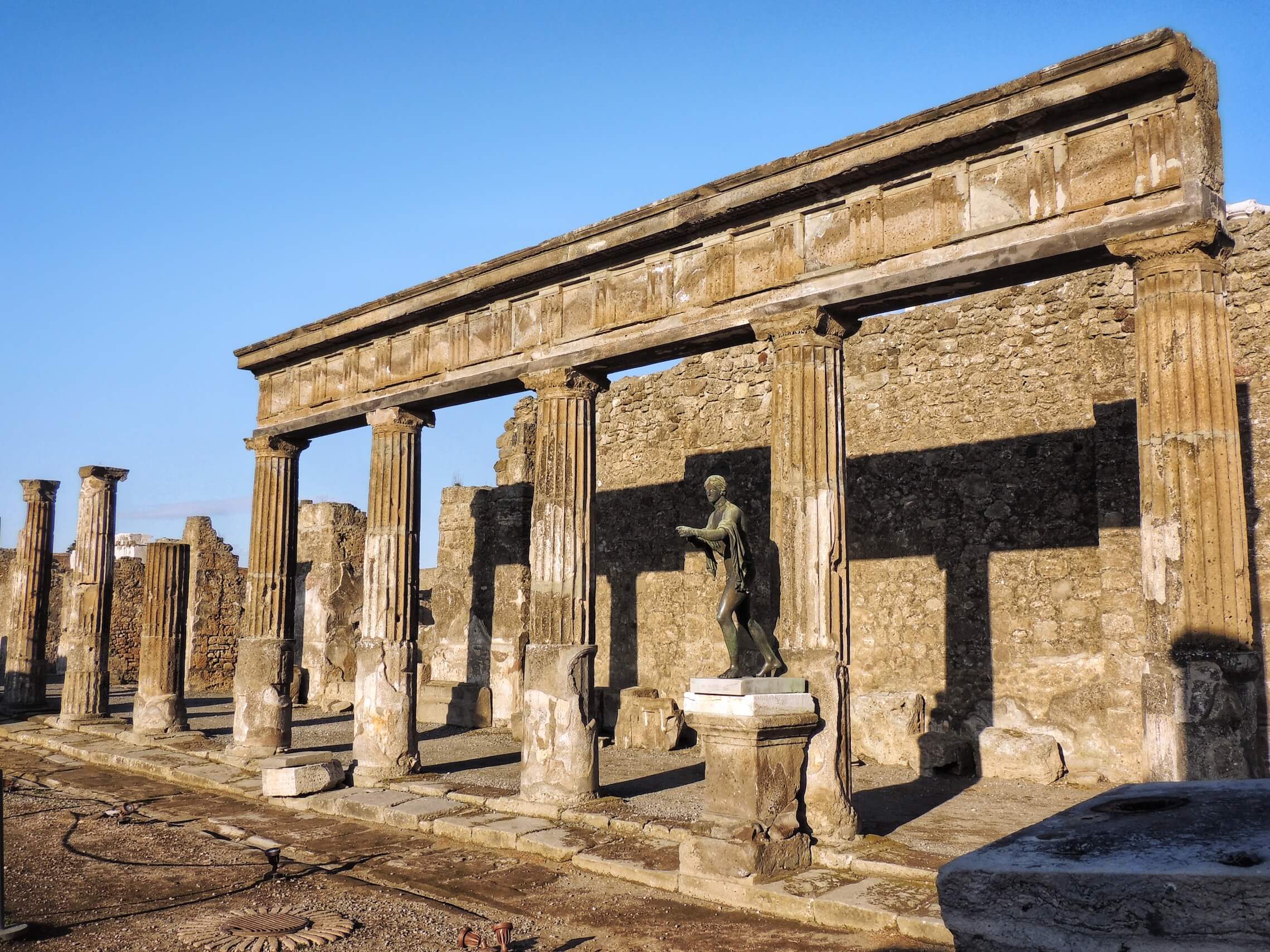
Wander through Pompeii’s ancient neighbourhoods and public spaces, then follow the story of its greatest treasures to the Naples Archaeological Museum. Your day includes a thorough tour of the archaeological site and a curated visit to the museum’s standout works.
 Highlights

 Hidden Gems

- The Secret Cabinet
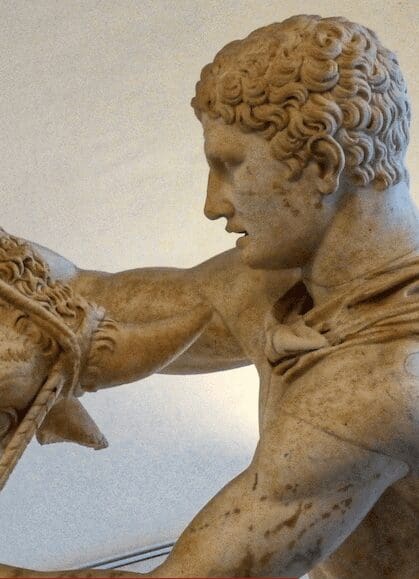
- The Farnese Bull
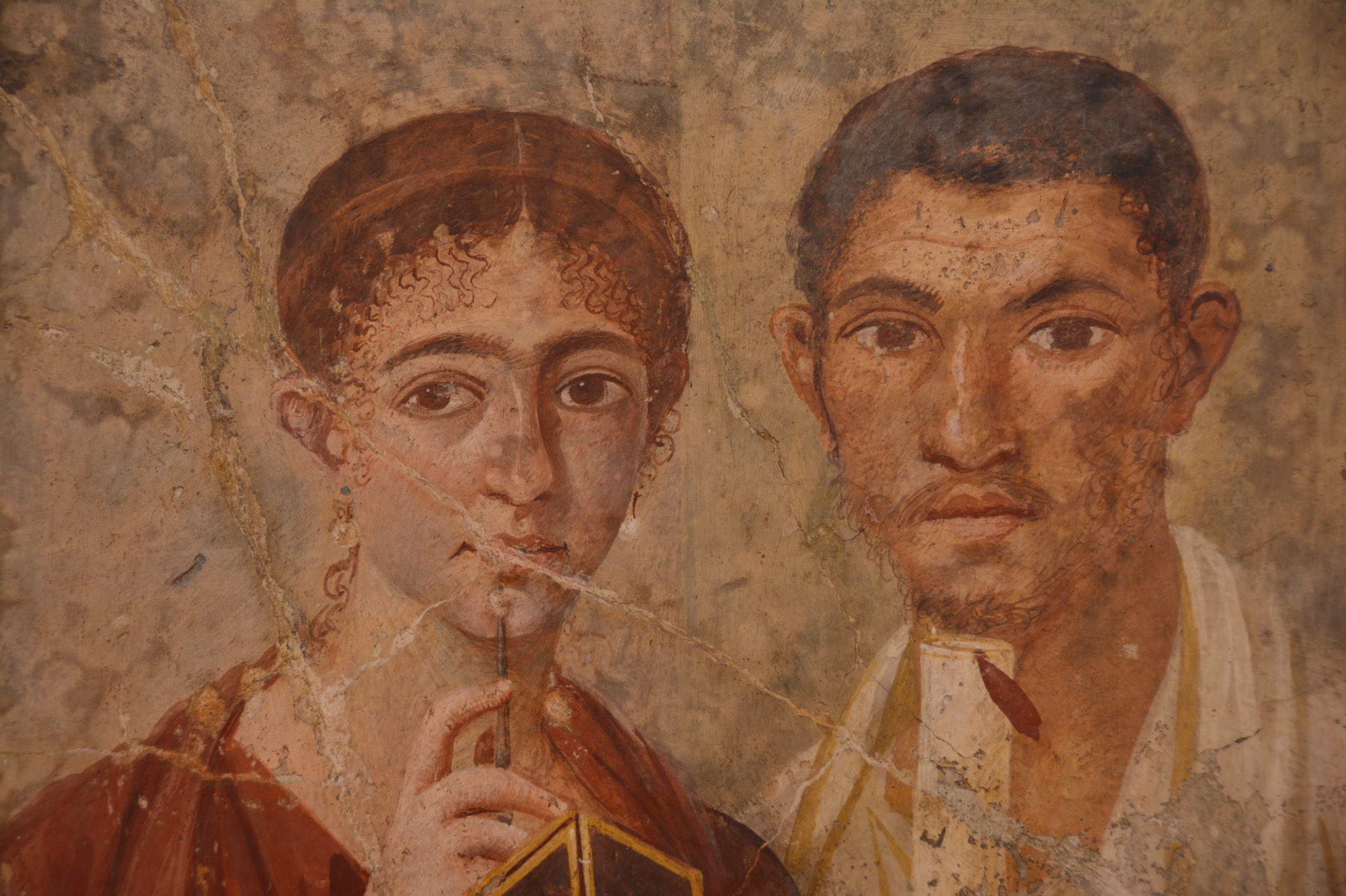
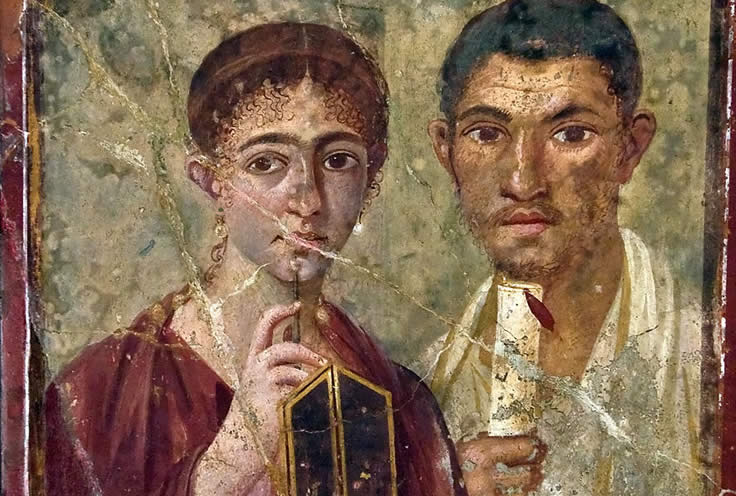
- The Portrait of Terentius Neo
- The Pompeii Lupanar
 Tour Includes

- Expert English-speaking private guide
- Skip-the-line tickets to Pompeii
- Private car and driver for the full day
- Entrance to the Naples Archaeological Museum
 Please Note

- The tour will end at the MANN museum. Transfers to the Naples train station, port or hotel are not included.
 Create Your Custom Journey

Our dedicated team is here to help you design the perfect trip. We’re happy to assist every step of the way.
ITINERARY
What To Expect On Your Tour
Embark on an exciting journey into the past to discover the culture and daily life of the Ancient Romans
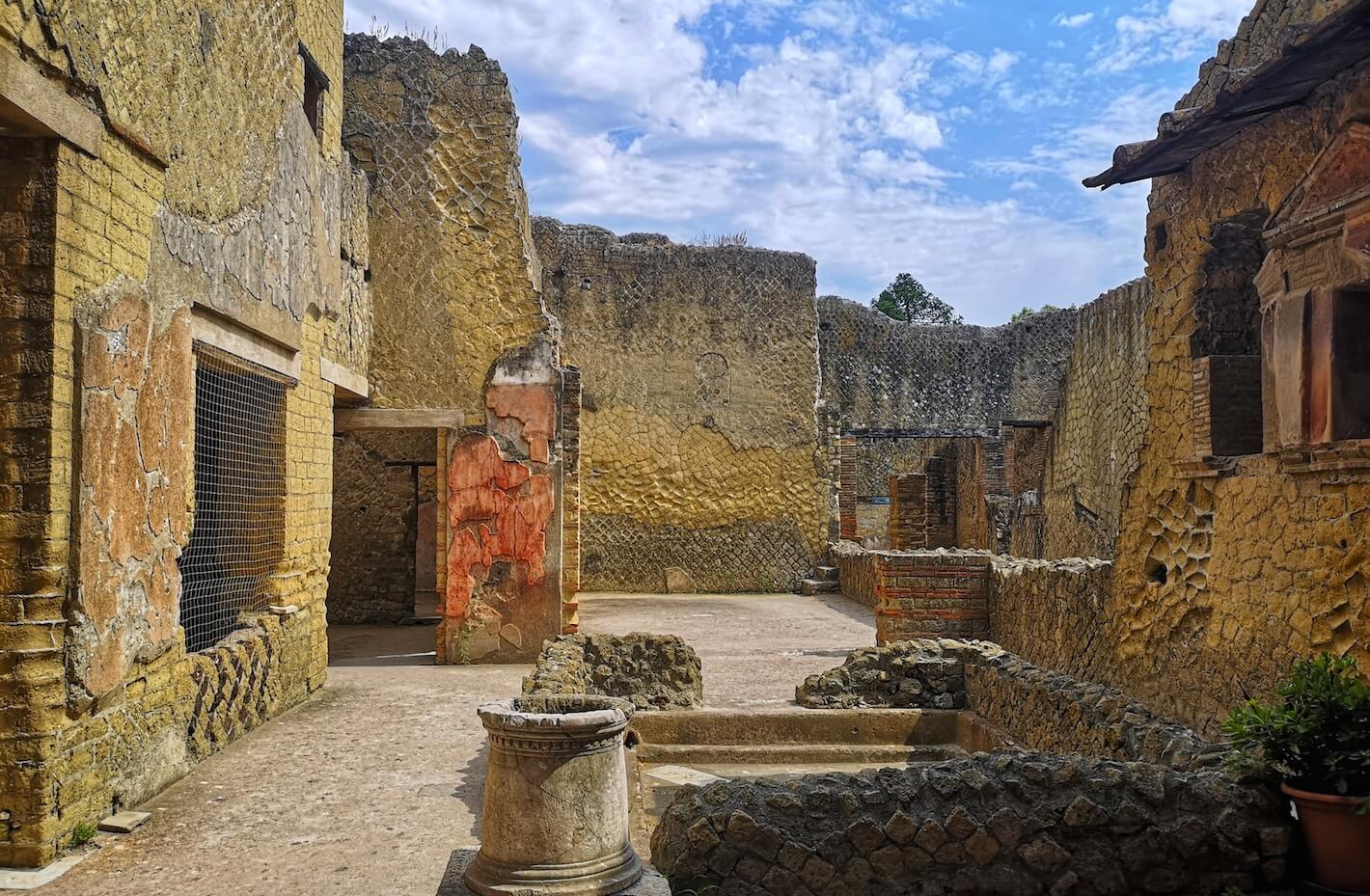
This tour unfolds in two parts: the first takes place at Pompeii where we will fully explore the excavated city in its entirety and, almost like phantoms we will sneak in and observe the lives of the inhabitants in the days just before the catastrophe. The second part of the tour will take place in the galleries of the Archeological Museum of Naples. The frescoes, statues, handcrafts, and jewels that had remained for centuries under the lava and then brought to light during the excavations were slowly collected and brought together to form the nucleus of the Musuem’s collections.


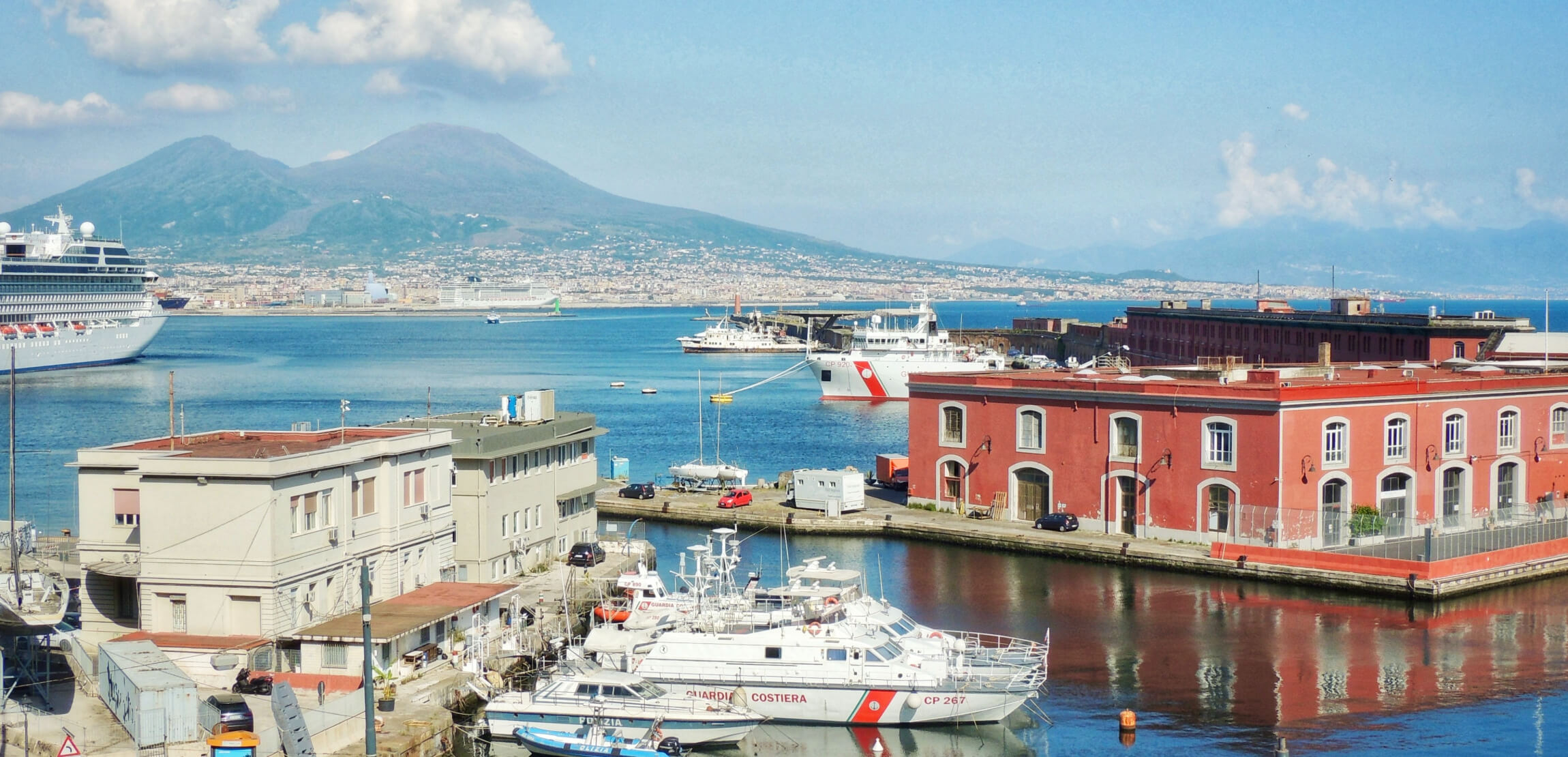
Pompeii and Vesuvius in AD 79
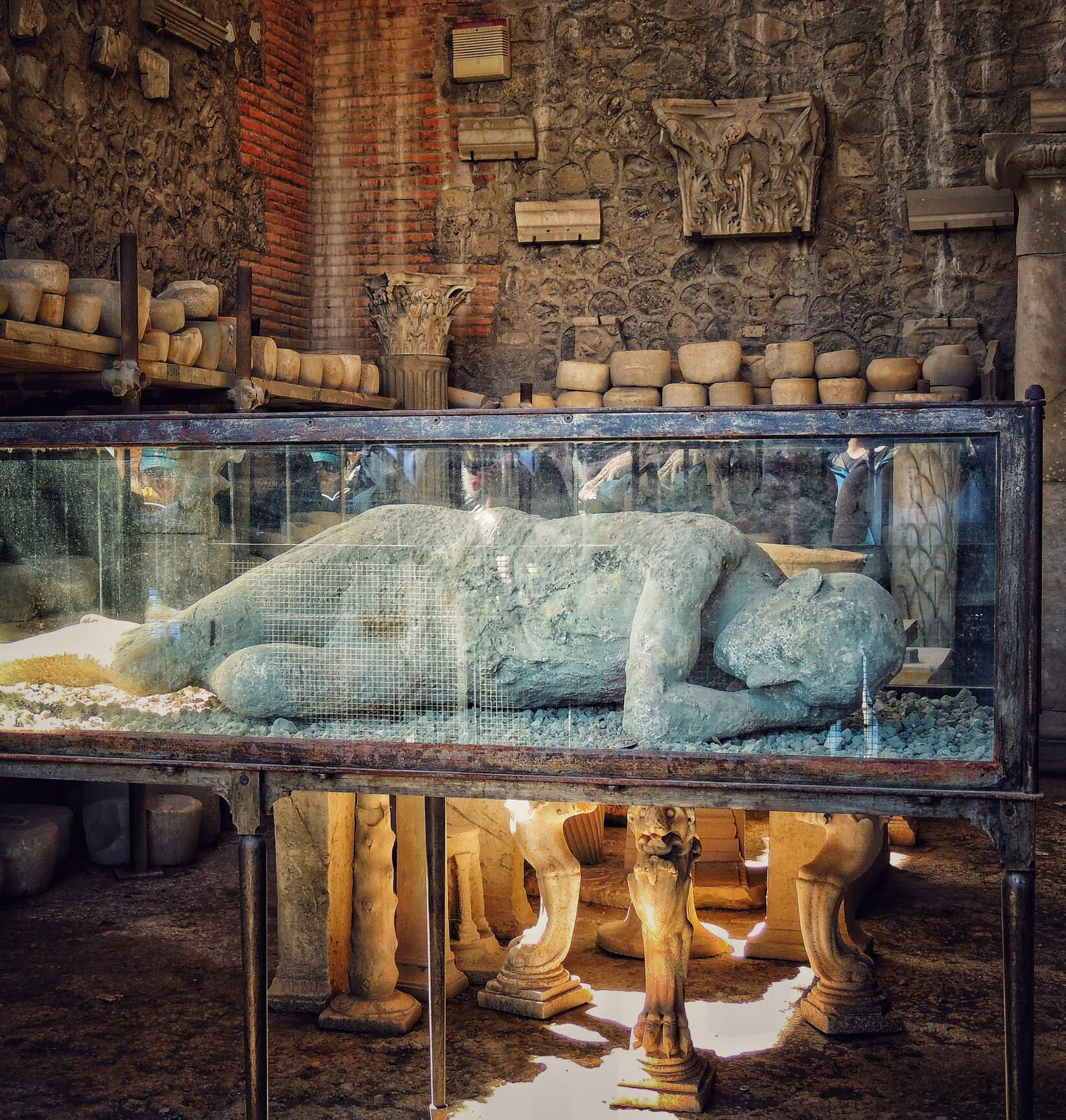
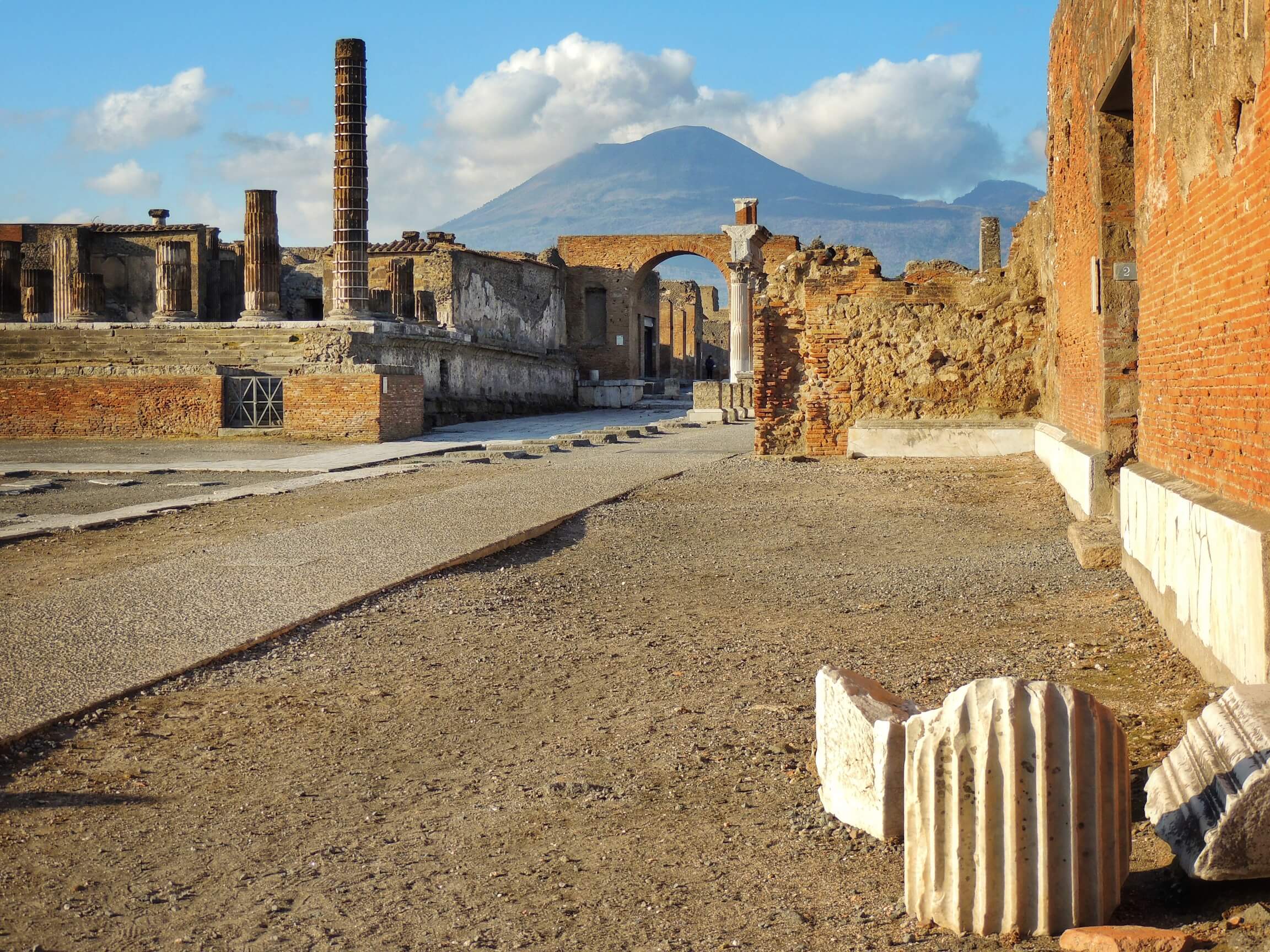
It is late morning on August 24th in the year 79AD. A dense black cloud rises from Mount Vesuvius, taking the form of an enormous pine tree. It grows larger by the minute and within a few hours it completely covers the sky. Burning rocks rain down on the city. The Earth trembles and though it is broad daylight, night falls on Pompeii and its surroundings. The most deadly and disastrous phase of the eruption will occur a short time later, at sunrise on August 25th. The sea withdraws and explosions of molten ash and steam burst from the mountain, advancing at hurricane speed, burying trees, people, and everything in its path. The people of Pompeii are terrified and try to flee the city, protecting themselves with pillows and blankets from the falling rocks.
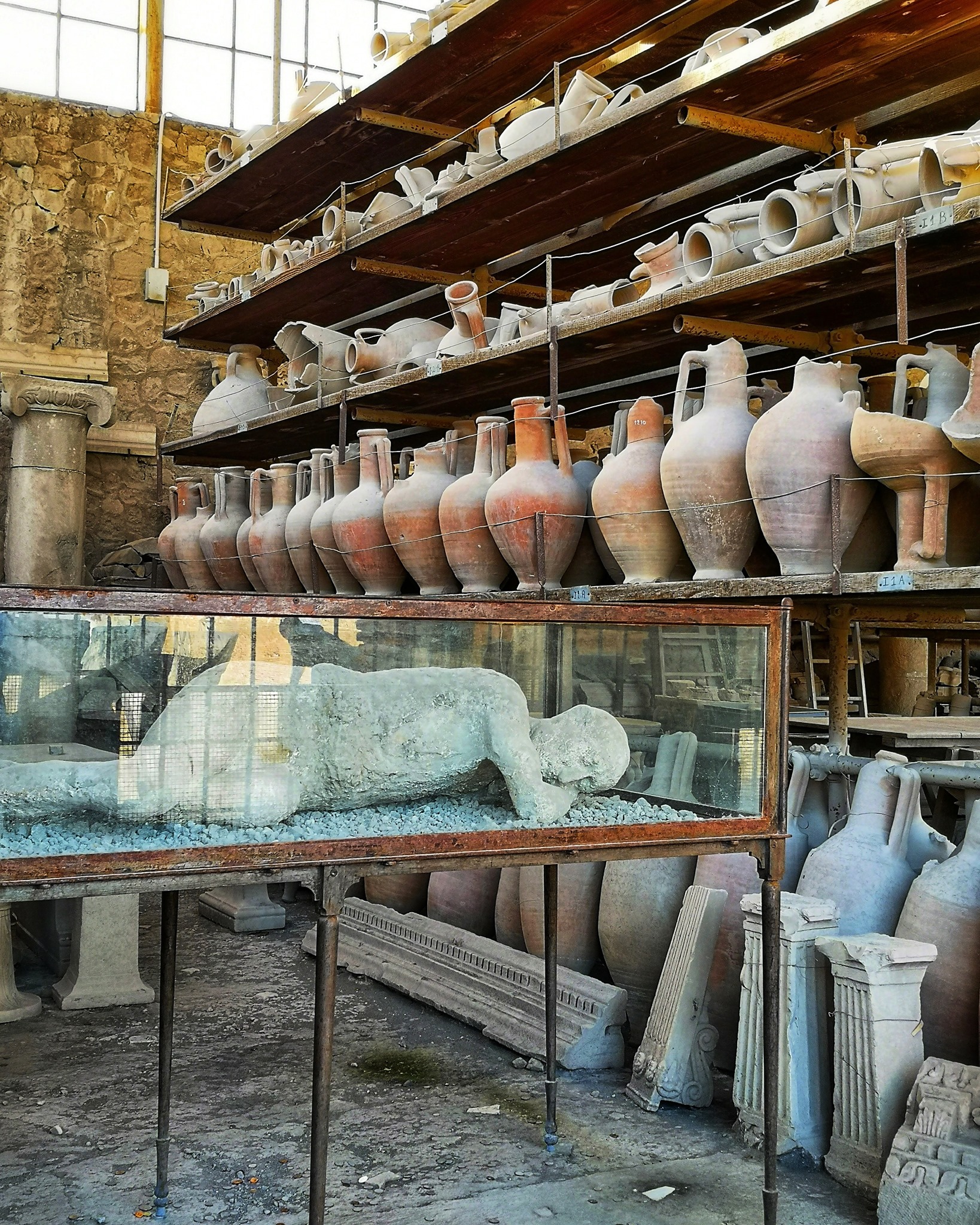
The city is buried in an instant, stopping time and capturing forever a moment of life in ancient Pompeii. Fragments of everyday life–oil lamps, weights, necklaces of precious stones, gladiator helmets, acquaduct and drainage pipes, beds, engravings over the door of the grocers’ shops, bronze and iron kitchen utensils, statues of gods, even a lovers’ last kiss–are petrified forever in their final moment which is destined to be repeated infinitely. We have found first-hand accounts not too far from Pompeii: two extraordinary and touching letters by Pliny the Younger exist. He was a historian of the era and found himself in the region at the time of the volcanic eruption. His letters narrate what he saw and heard from the few survivors who fled Pompeii in time.

Let our expert guide bring the ruins of Pompeii dramatically back to life
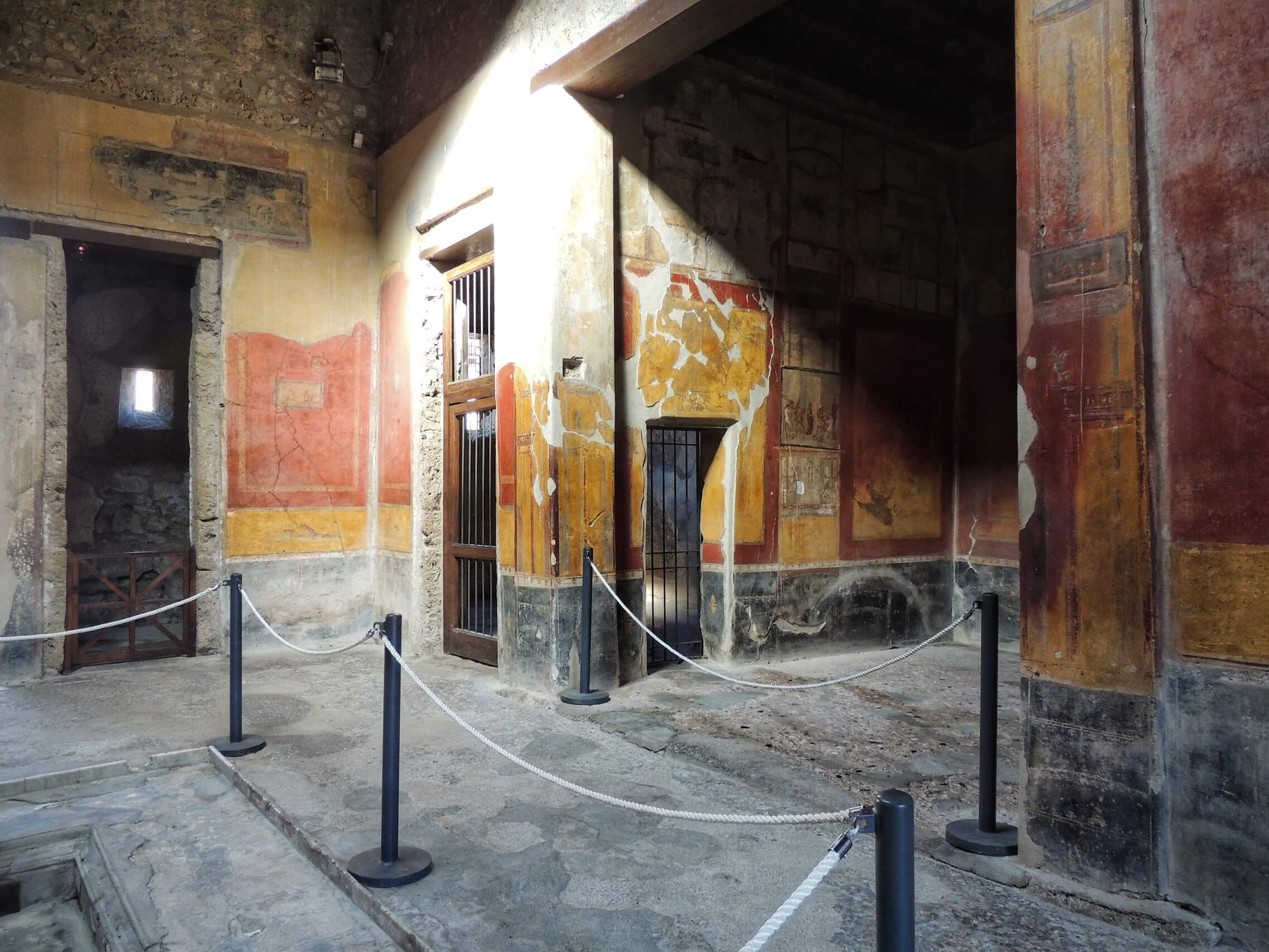
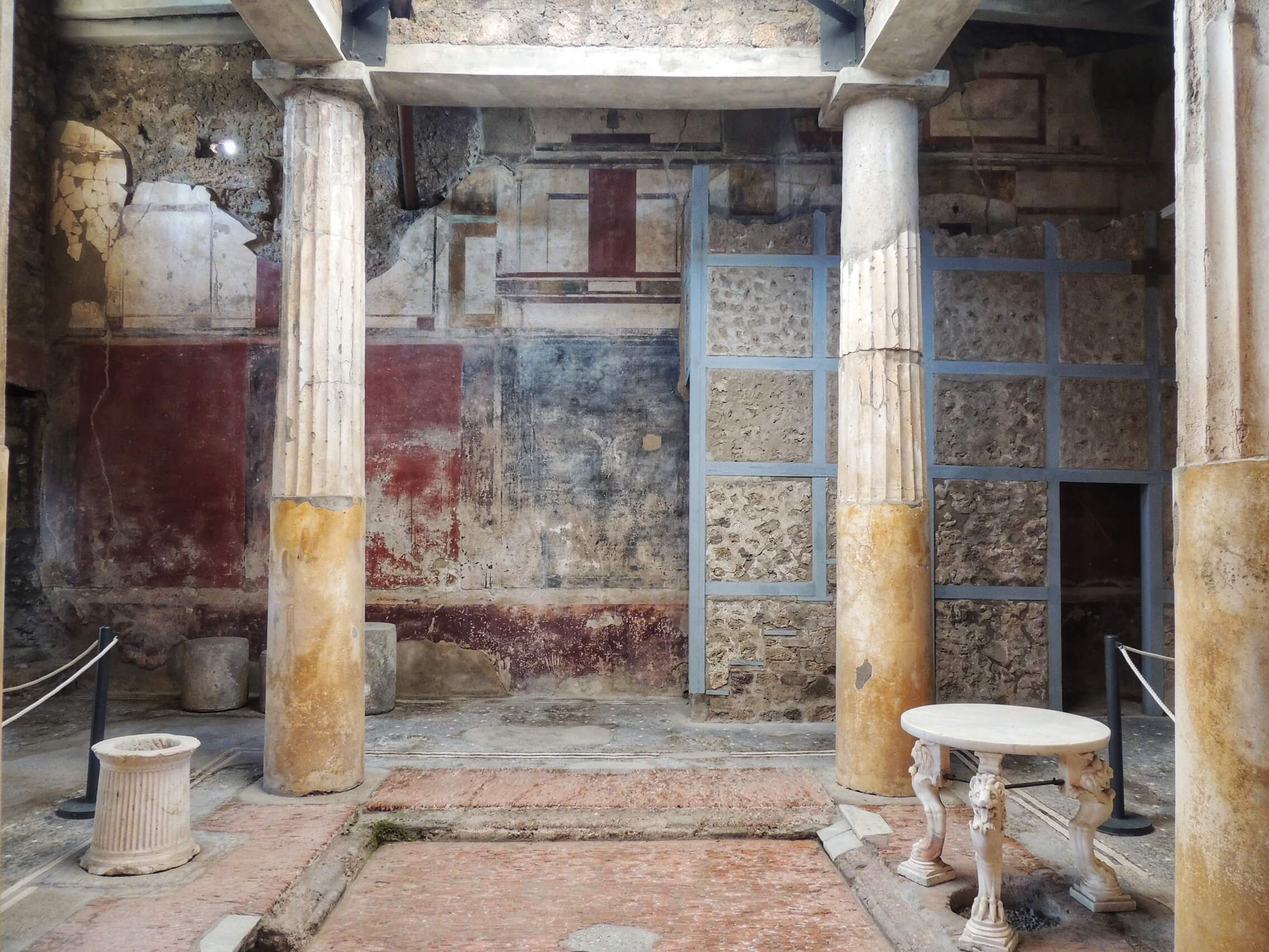
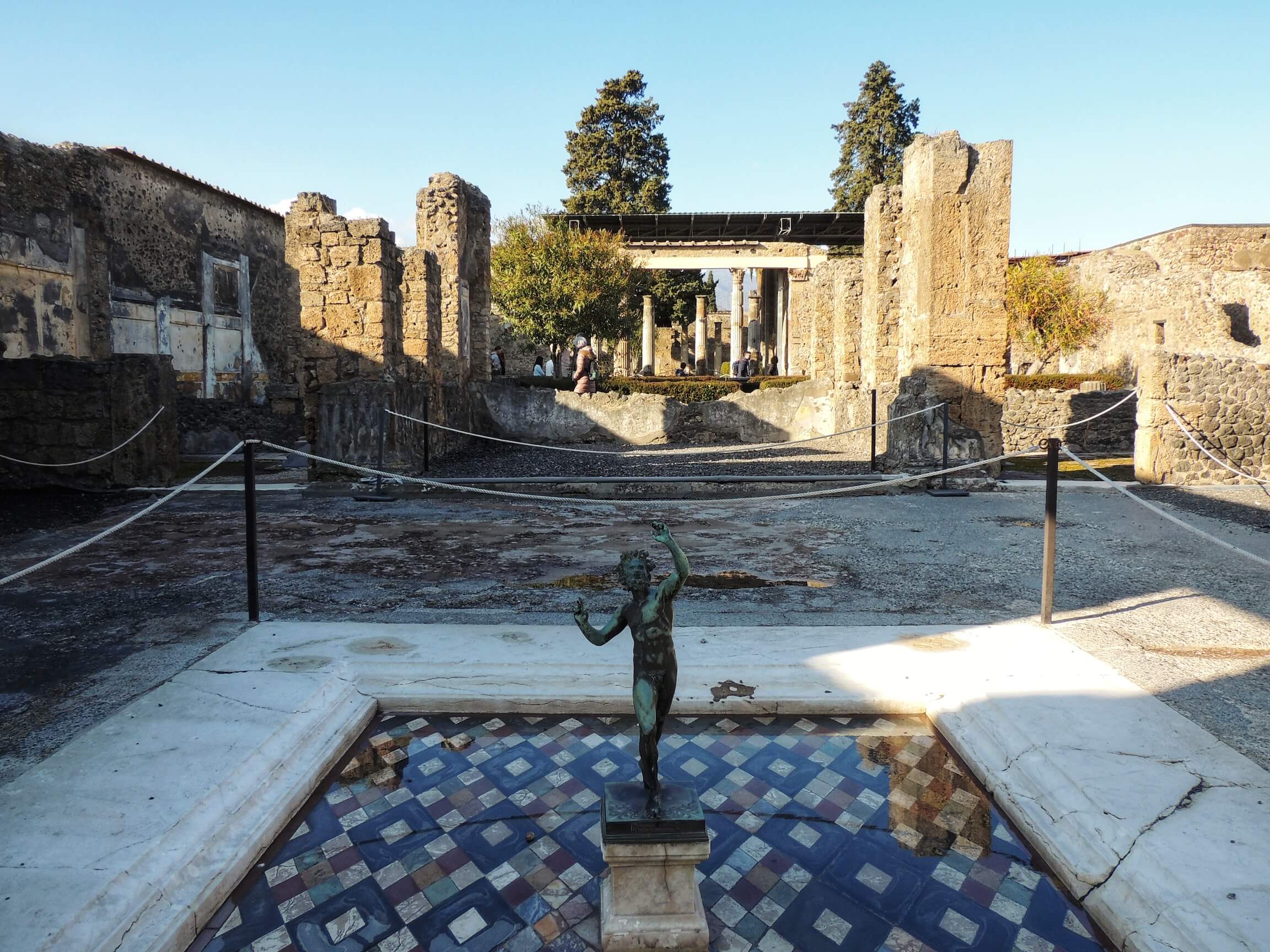
Our guided visit of Pompeii will bring the city back to life for you. We will describe the culture of the time and such things as the role of the family, the relationship between generations, the condition of women, marriage, the role of slaves, the politics and government of the city, the methods of electoral propaganda, even the clothing of the different social classes. We will tell you about trade and commerce, the production of bread, cloth dyeing, and the precious oil produced in Pompeii. We will see various temples and have a glimpse into religious life, its traditions, beliefs, superstitions, and funeral rites. We will see the typology of the Roman houses, its various rooms and their uses, the systems for heating them.
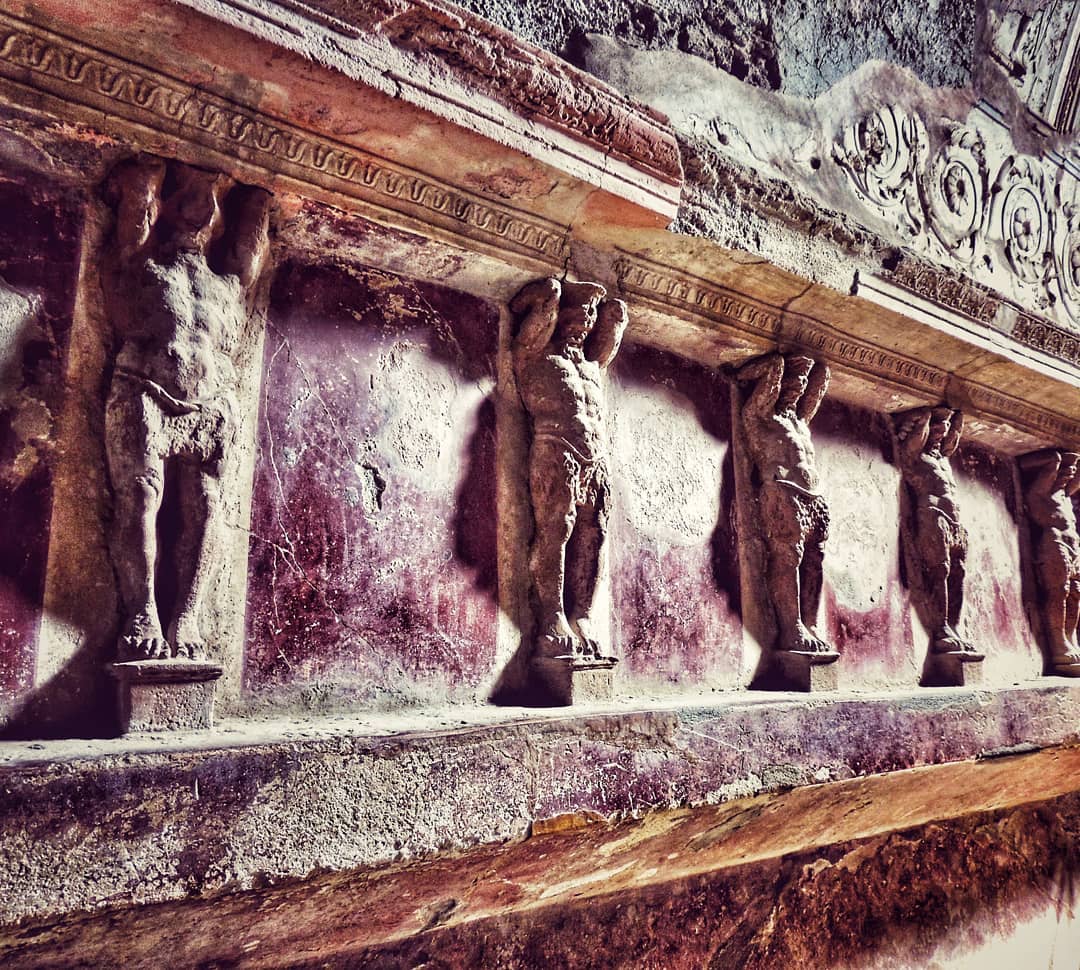
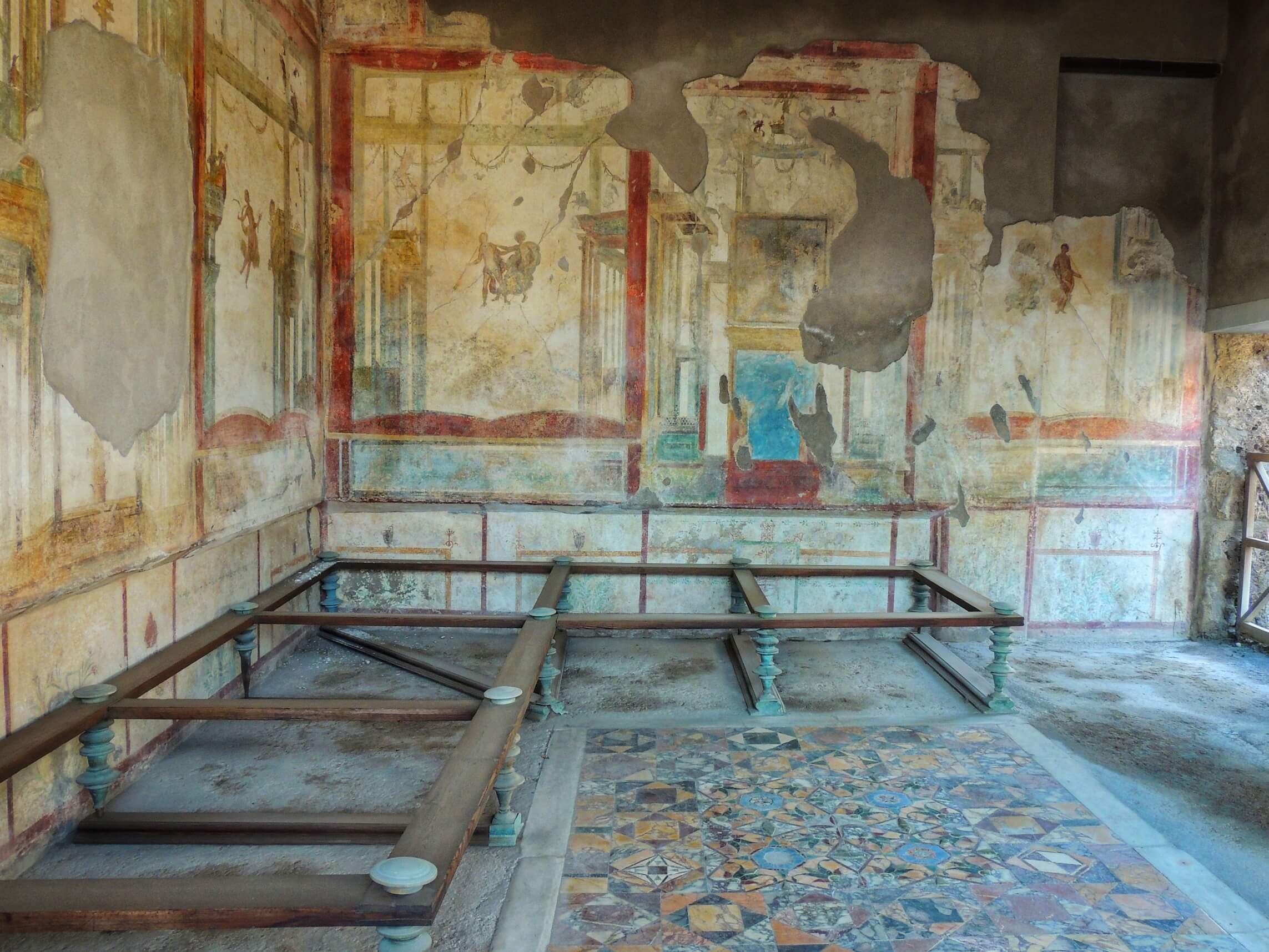
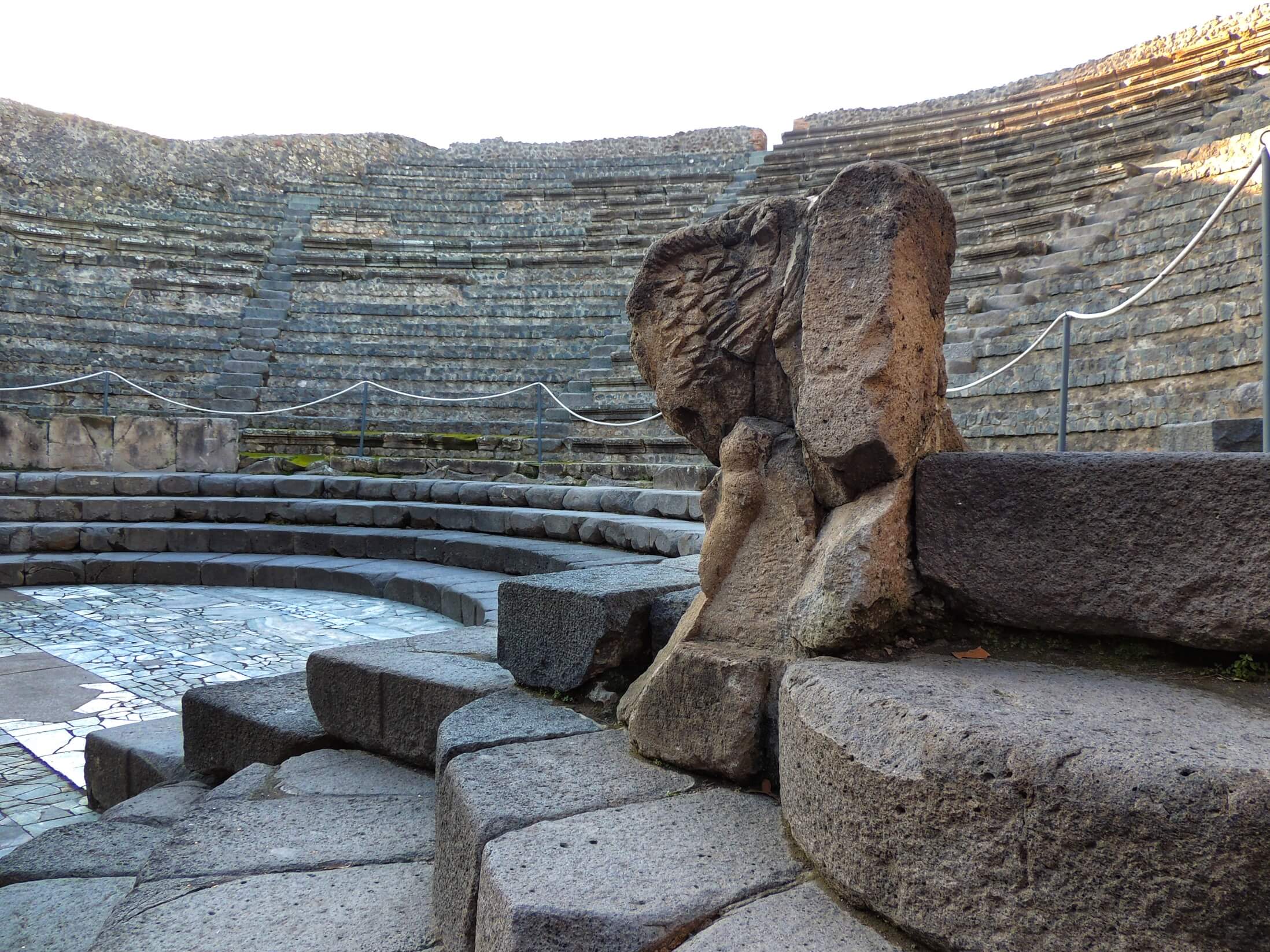
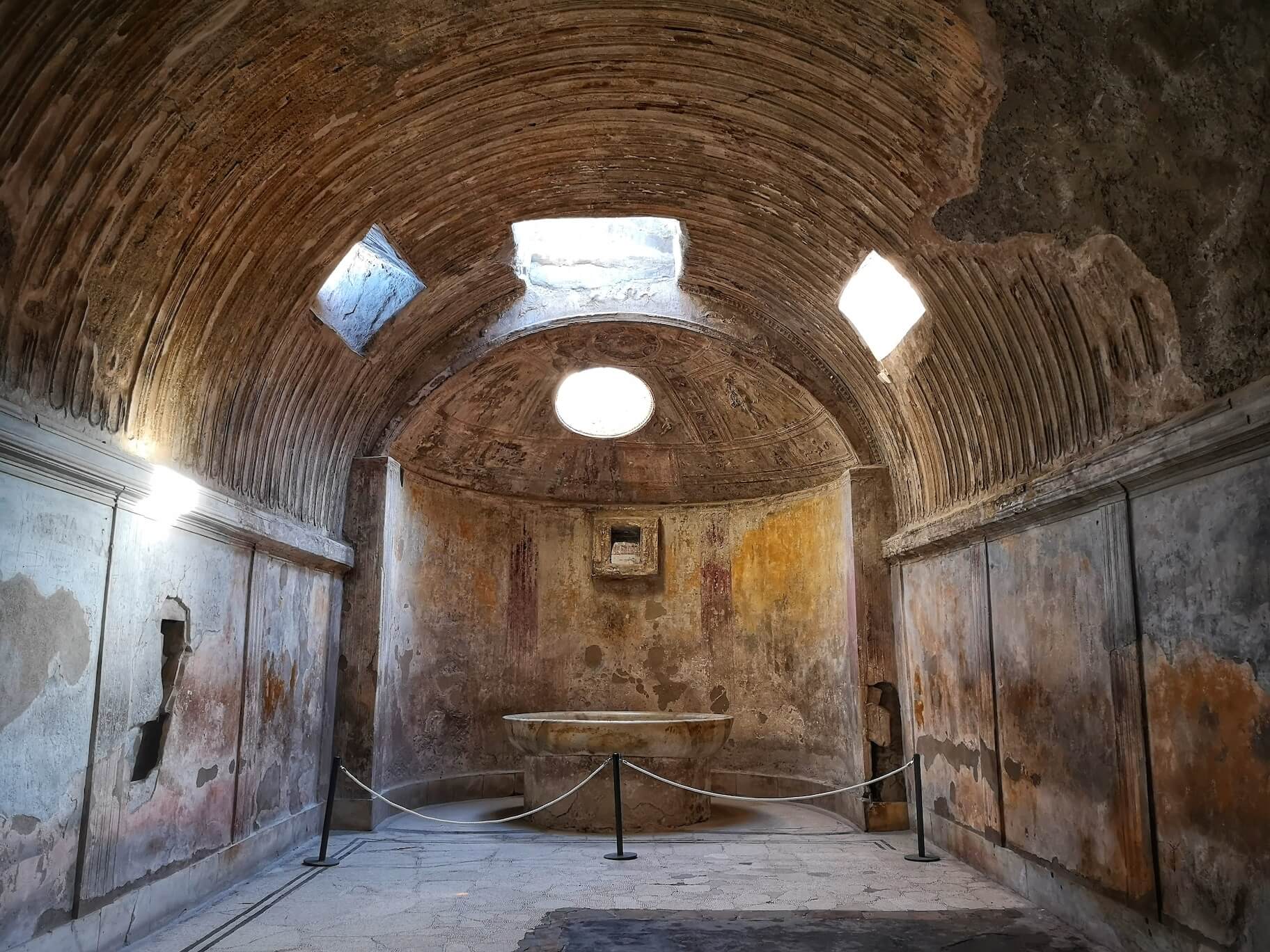
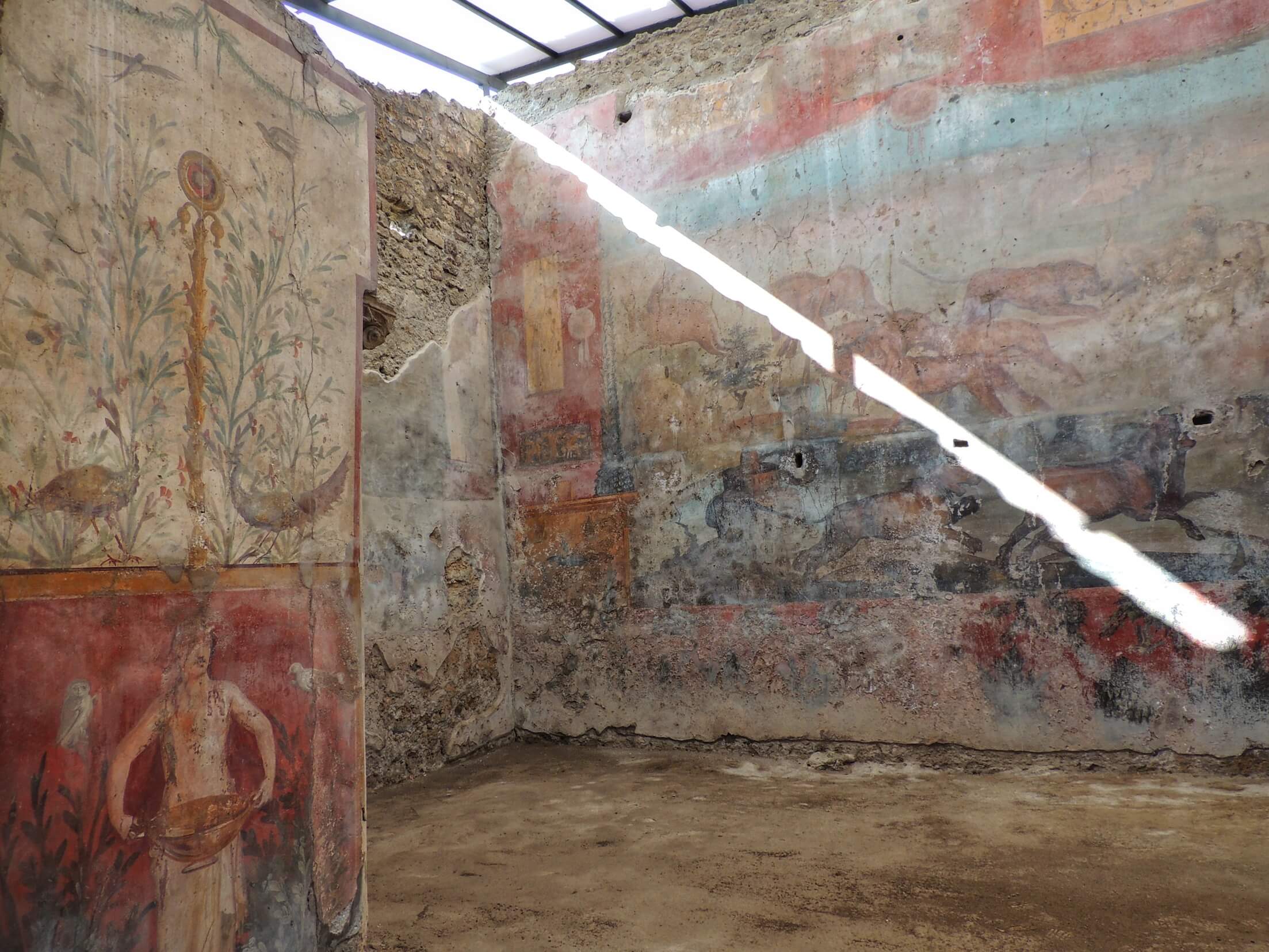
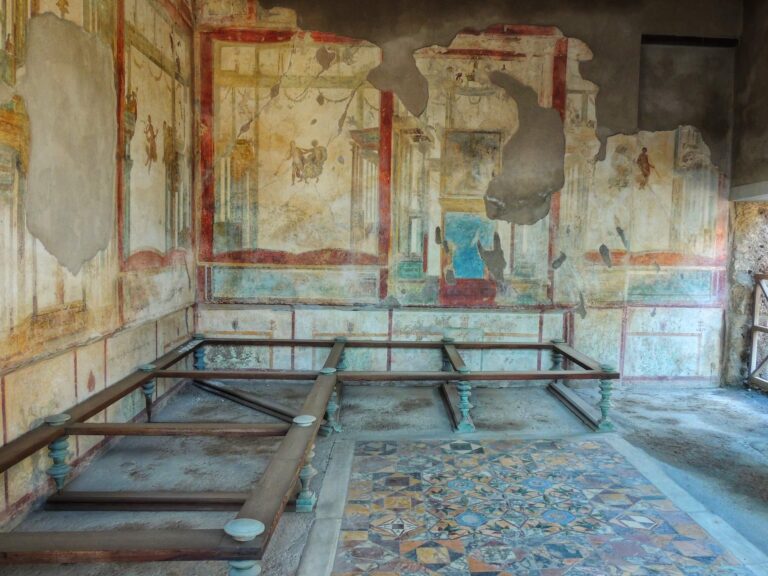
The decoration of the houses will teach us about the evolution of different fresco styles and the use of mosaics. We will encounter other aspects of daily life such as dining habits, the foods that were eaten, the famous garum sauce; we will see gardens and acquaducts; we will show you how the lighting systems and the latrines functioned in both public and private spaces. Our skilled guide will explain you the public entertainment and recount the fights that broke out between rival fans of opposing gladiator teams. You will discover the traces of life in the thermal baths, the taverns and the gambling, the brothels where both men and women prostitutes worked.

Life, Leisure, and Society in Ancient Pompeii
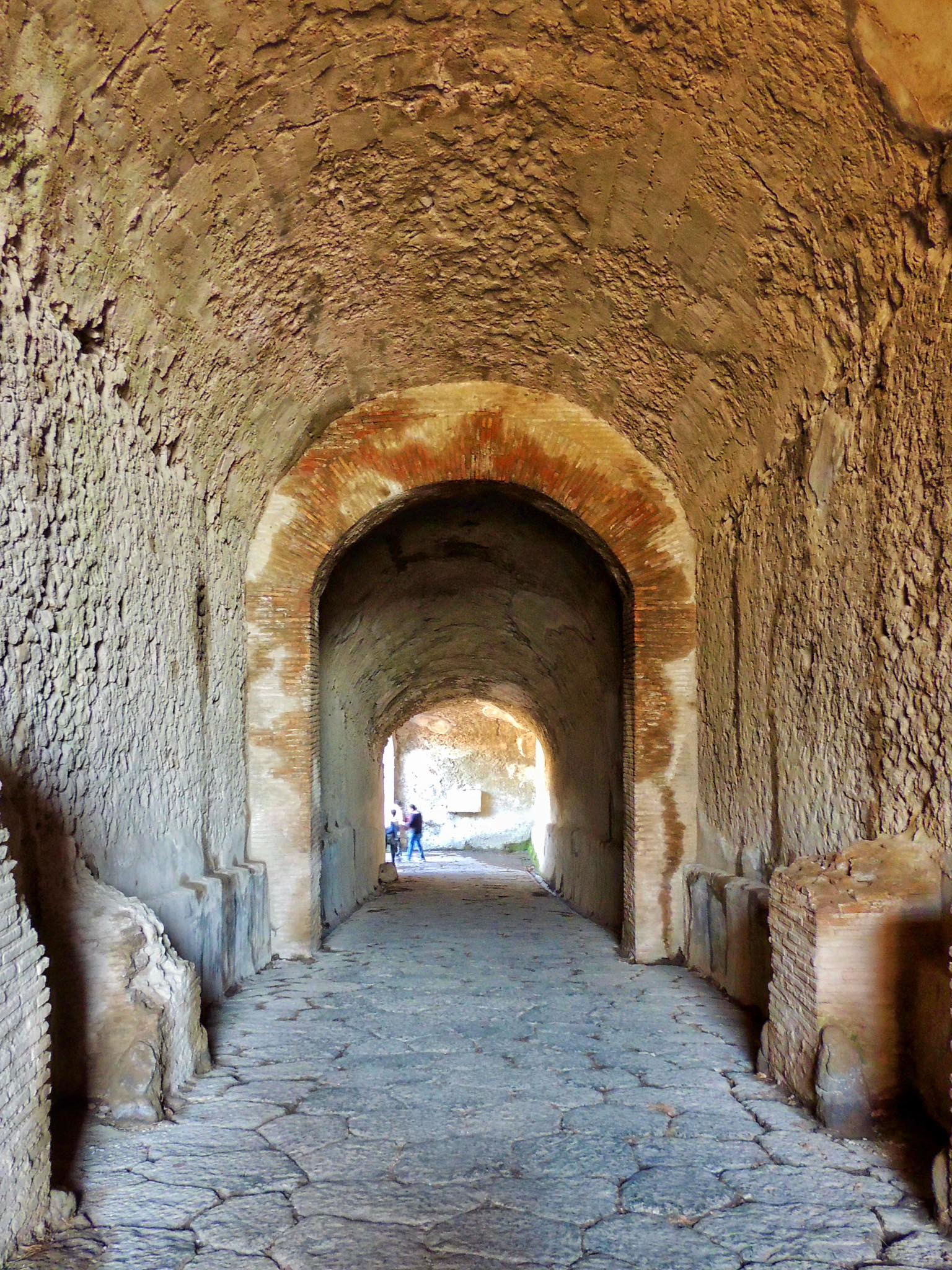
As you explore Pompeii with your expert guide, the city’s vibrant public life comes sharply into focus. You’ll learn how spectacles in the amphitheatre united—and sometimes divided—the population, including the notorious brawls sparked by rival supporter groups. In the bath complexes, taverns, gambling rooms, and brothels, your guide will reveal the traces of everyday habits and the social spaces where Romans relaxed, worked, and sought pleasure. These glimpses behind the scenes offer a richly textured view of a community once buzzing with activity.
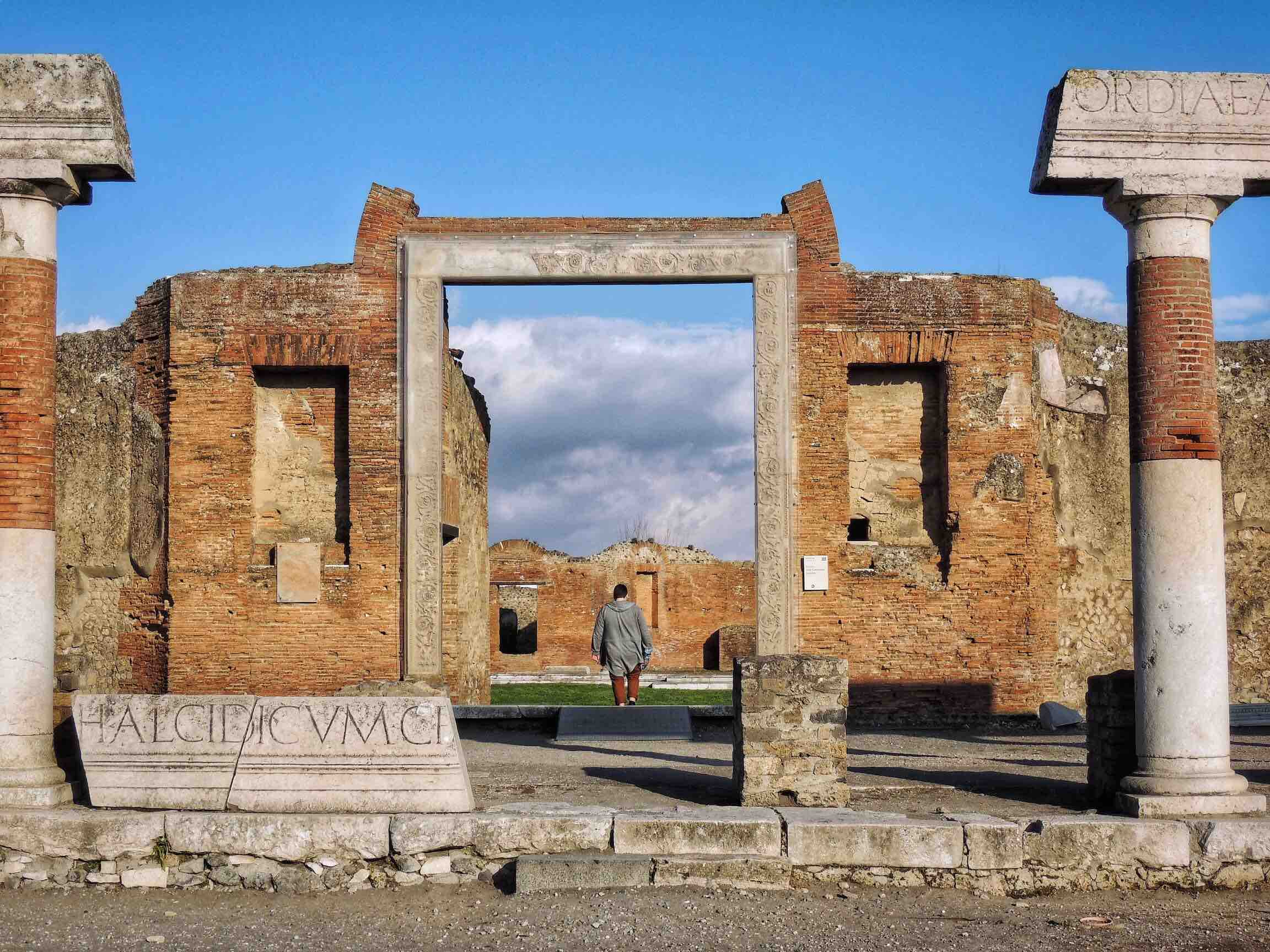
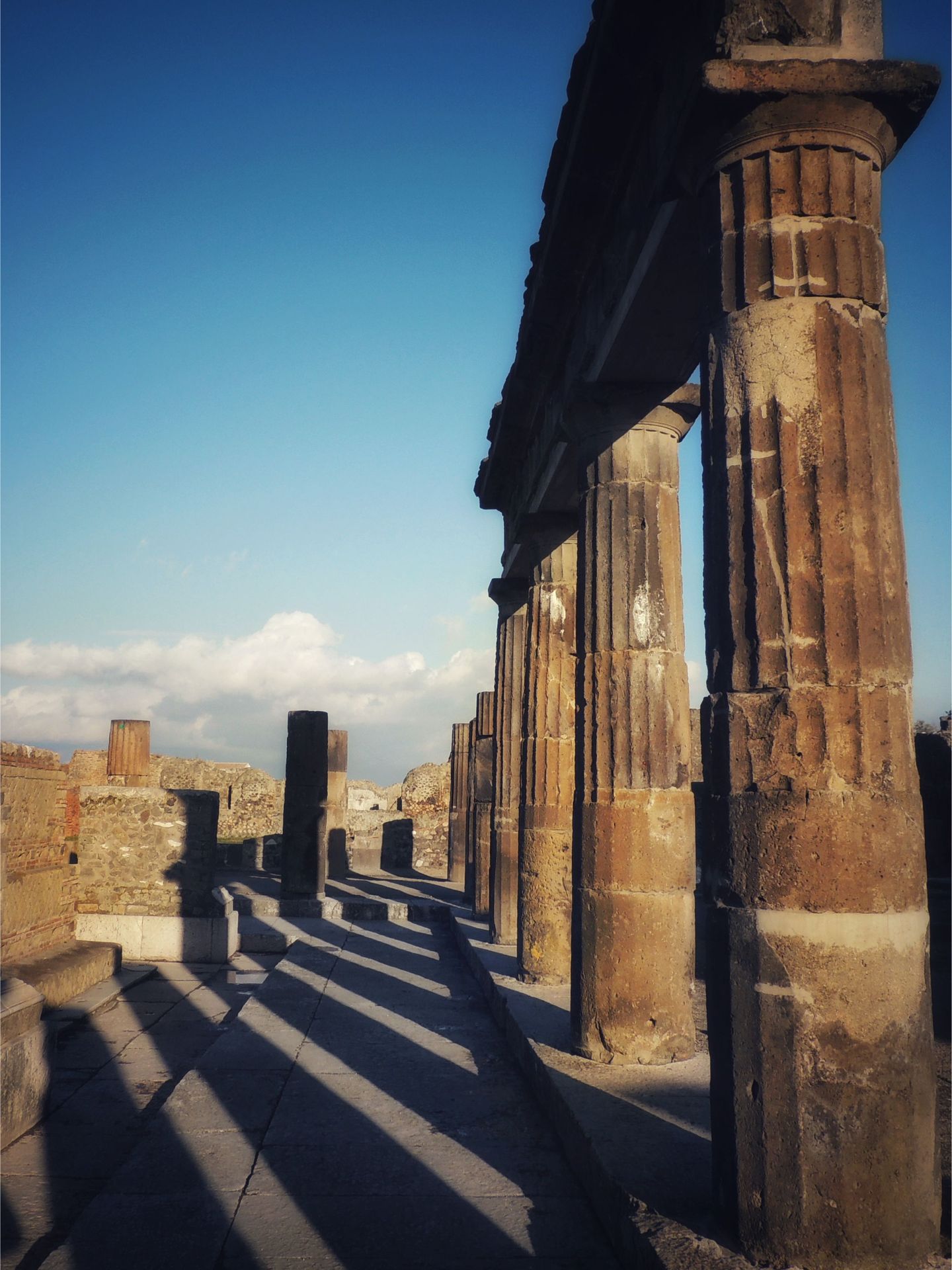
Your visit continues through the political and civic heart of the city, from the bustling Forum and the Basilica of Pompeii to remarkably preserved private houses, shops, and temples. Each stop becomes more meaningful as your guide shares stories, customs, and insights that illuminate how Roman society functioned—from public authority to domestic life. Expect an experience that is both engaging and rewarding, deepening your understanding of Pompeii while keeping the journey lively, accessible, and genuinely fun.

Discover the wonders of ancient art in The Archeological Museum of Naples
The origins of the Archeological Museum of Naples are very old, beginning in 1738 when Charles III of Spain, the founder of the new Kingdom of Naples, initiated a series of excavations in the area of Herculaneum. Thanks to the huge quantity of finds, the excavations were extended to Pompeii in 1748 and to Stabiae in 1749 where still today they continue to excavate to bring pieces of buried history back to life. But since Charles III was the son of Elisabetta Farnese, descendent of the powerful family of the Farnese, he was the legitimate heir of their vast Roman collection of antiquities, subsequently transferred to the Museum of Naples. The collections that the museum houses today are truly extraordinary and to prove it we need only recall that just a small part of these collections in 1750 were in the royal villa of Portici-Herculaneum that had already made Naples an obligatory destination on the Grand Tour—the lengthy and culturally sophisticated tour of the birthplaces of classical art and literature taken by young European aristocrats to complete their education.

Gaze on Superb Ancient Sculptures
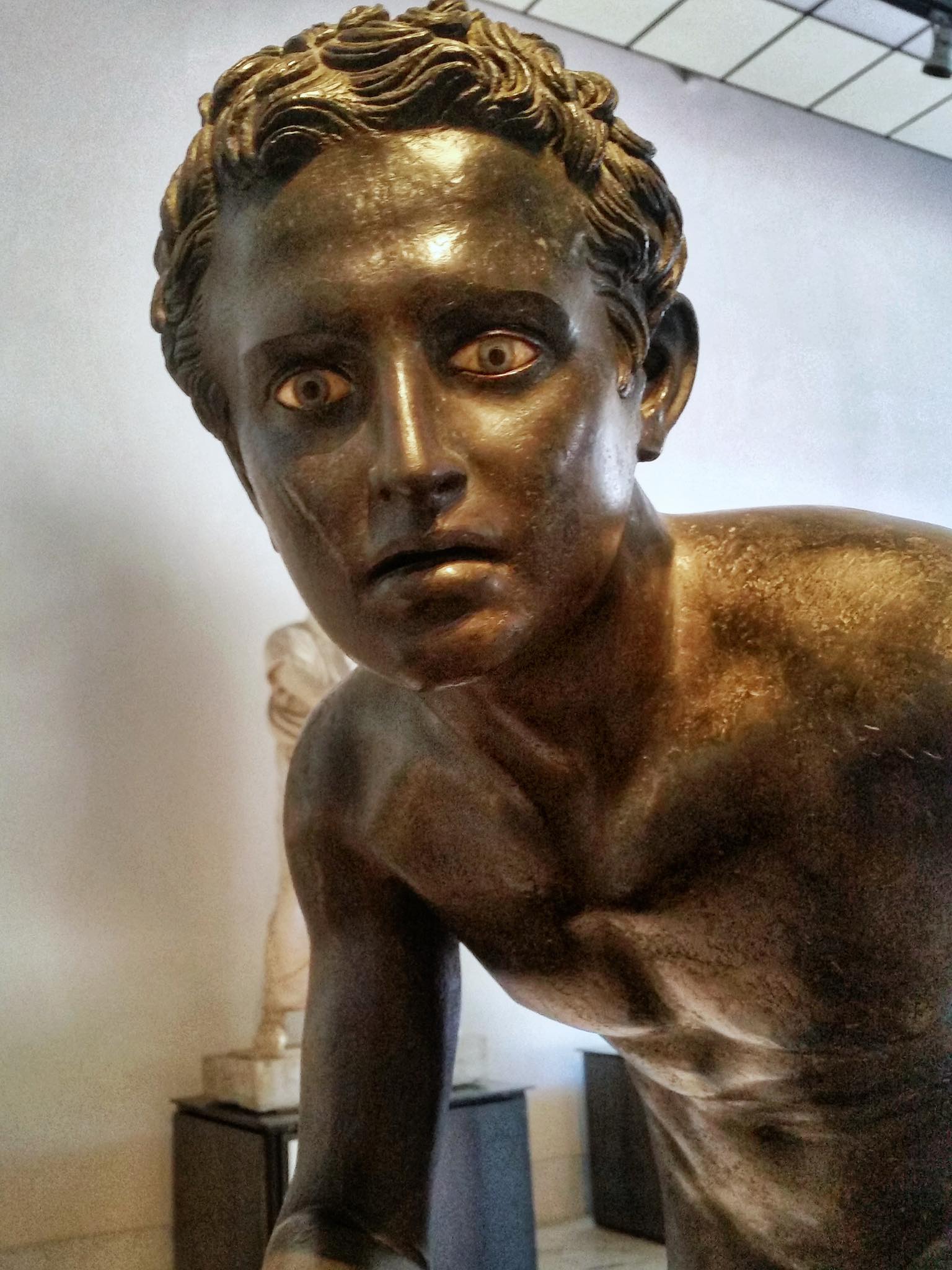
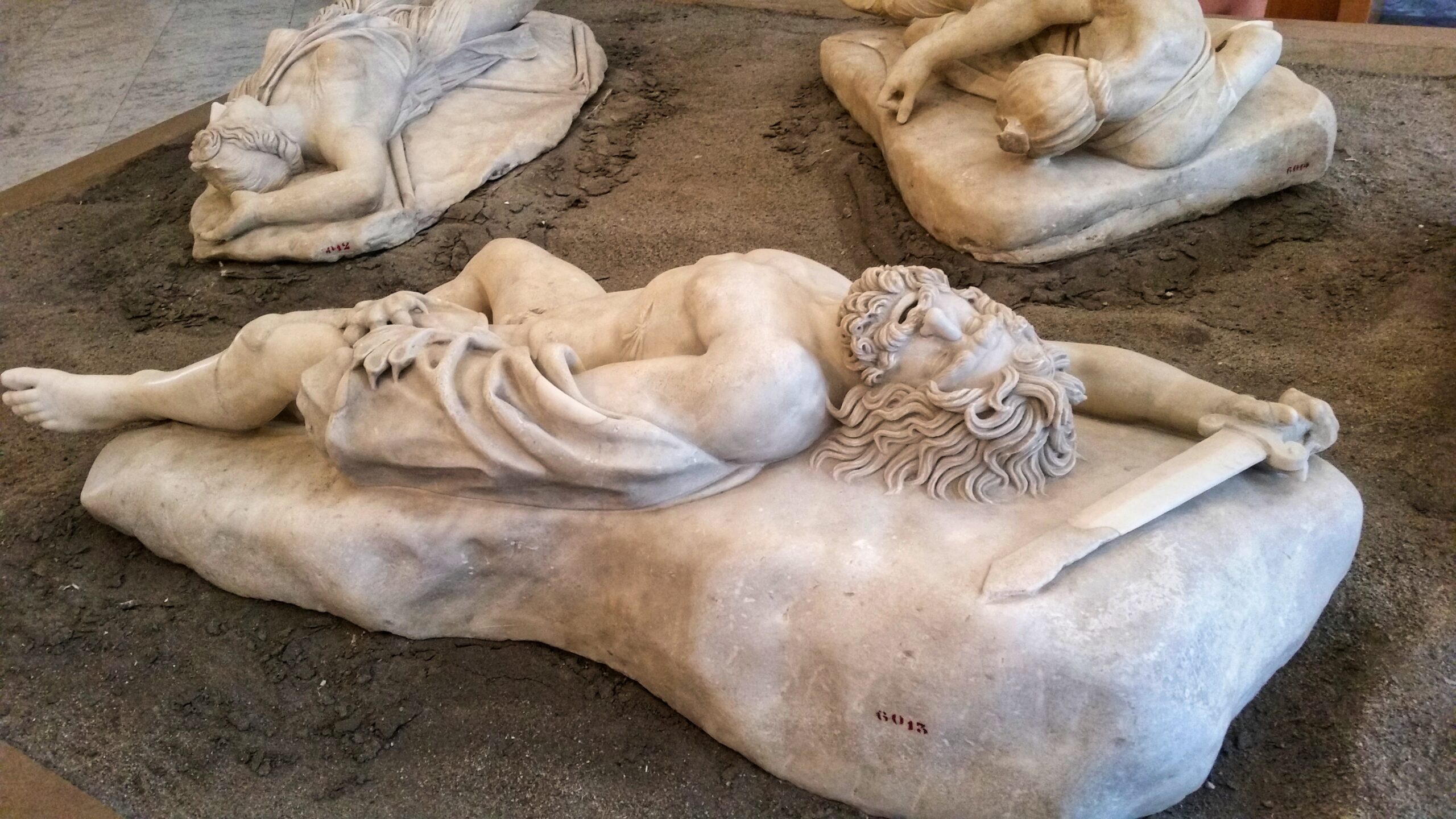
In addition to a revealing series of inscriptions, finely carved sarcophagi, and vases from various regions of southern Italy, the Museum holds many sculptures. For example there is the marble statue of Marcus Holconius Rufus, the most important citizen of the Pompeii of the Augustan era, shown in military dress. The statue originally stood in the center of the city. There are also the beautiful statues of Dacian barbarian prisoners, worked in two different qualities of marble, originally in the possession of the Roman family of the Colonna; two marble equestrian statues of Marcus Nonius Balbus, father and son, from Herculaneum; and the colossal statues of the Greek gods Castor and Pollux from Baia. Last but not least are a series of bronze running figures also from Herculaneum, portrayed in marvellously dynamic and athletic poses.

Gaze on masterpieces like the Farnese Hercules and the Farnese Bull
We conclude in the museum’s Secret Cabinet, the once-forbidden collection of erotic art uncovered in Pompeii. Involving gods and mortals in acrobatic tableaux, these works were locked away for nearly 200 years in Bourbon Naples, viewed only with special permission. Today they reveal a society far less prudish than the one that tried to suppress them. Their humour, boldness, and mythological imagination provide an unexpected—and very human—window into Roman attitudes toward sexuality.

Come face-to-face with the most precious artefacts exacavated in Pompeii
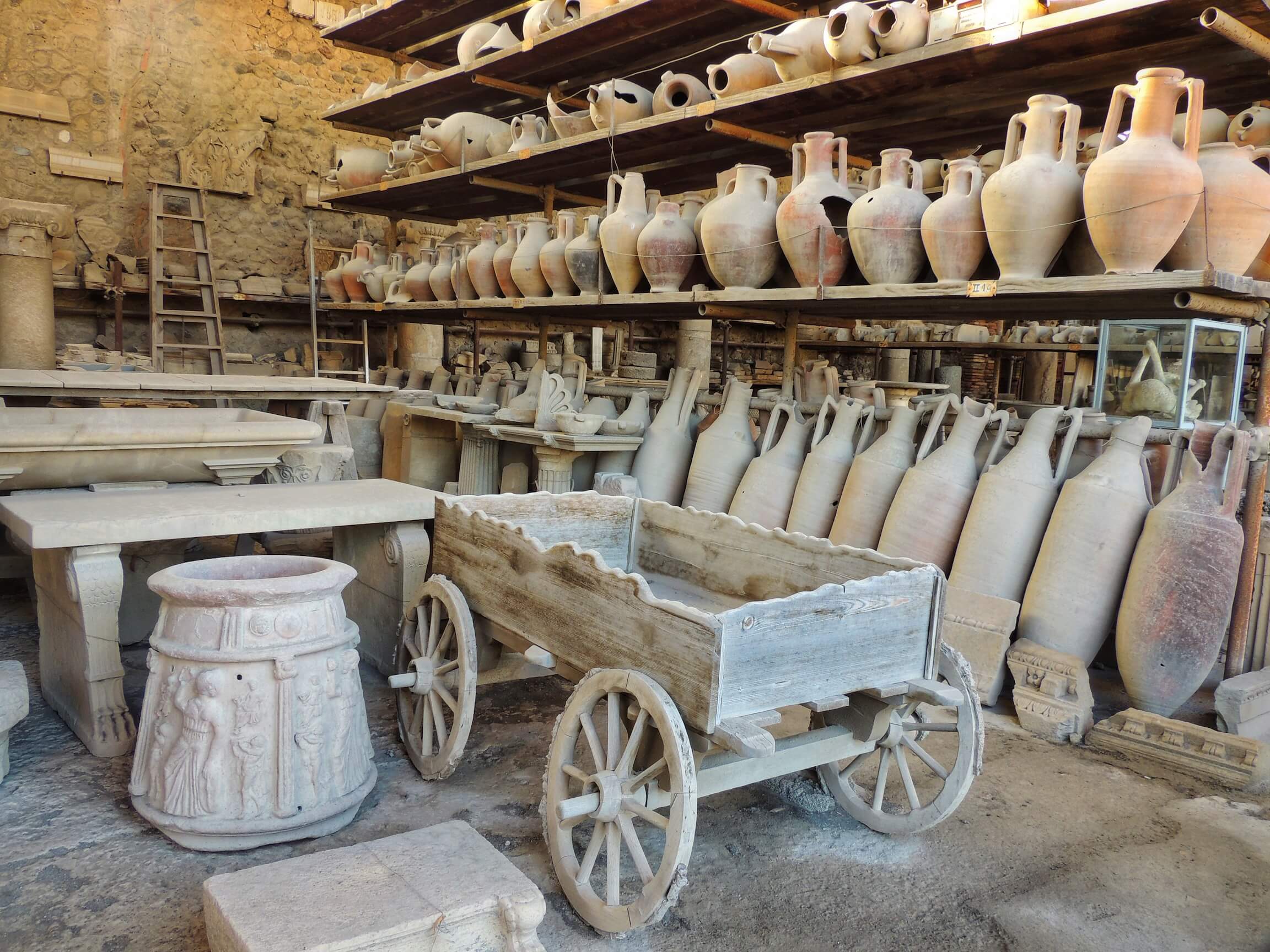
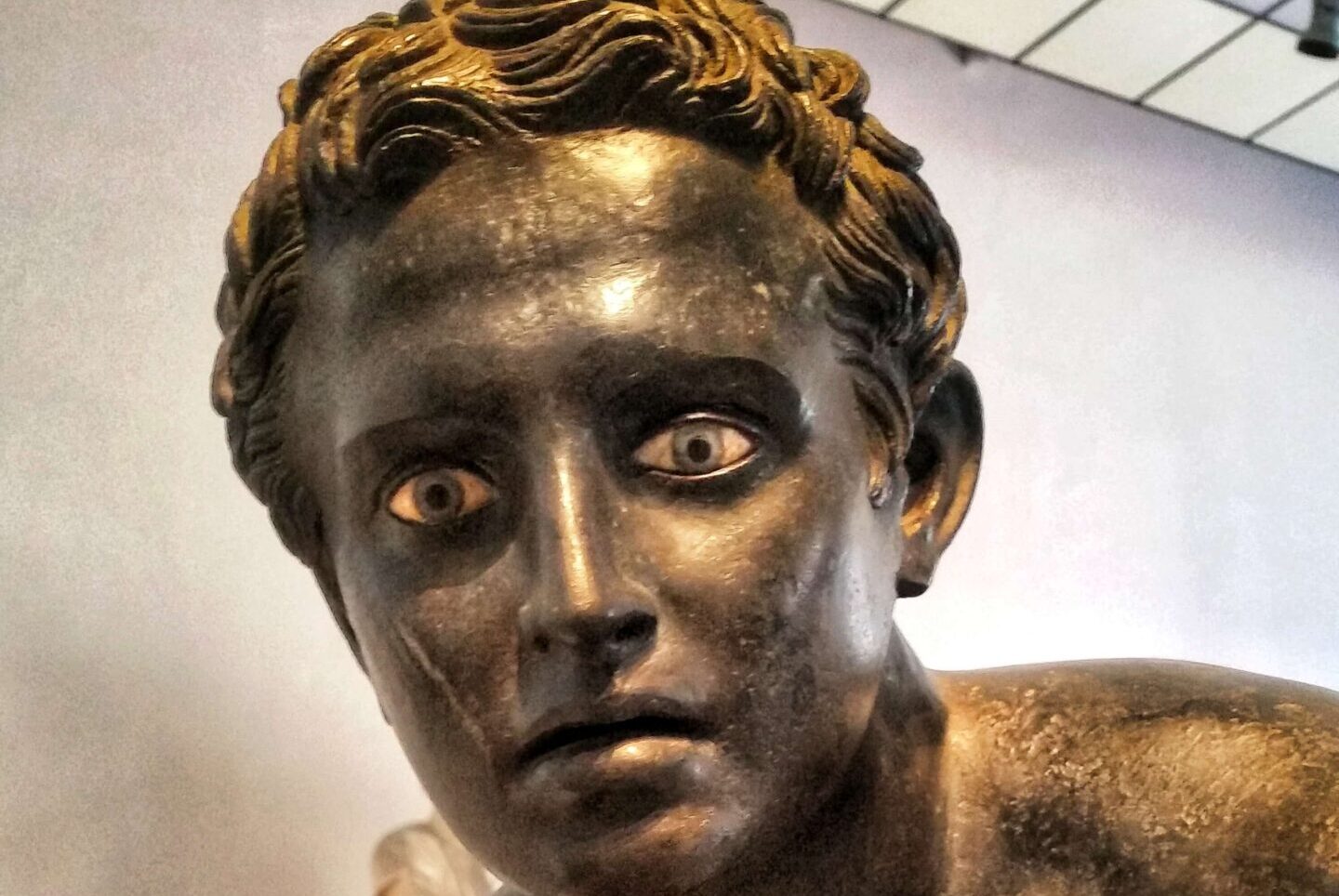
The central and largest part of the collection however consists of the objects that reemerged from the excavations of Pompeii, Herculaneum, Stabiae, and the other Vesuvian centers buried under the eruption of 79 AD. Gold and emerald pins, earrings, bracelets, and necklaces are perhaps the most intimate objects capable of accompanying us in the discovery of the private lives of the women and men of Pompeii. There are also all the furnishings of daily life, the ancestors of our own pots and glasses, mostly in silver, as well as braziers, tripods, scales, lanterns, and harness bells, mostly in bronze, and many other little curiosities. Other masterpieces that warrant comprehension and admiration include the bronze statues from the Corridors of the Villa dei Papiri of Herculaneum, whose eyes of glass paste still shine with the spark of life that had filled them, as well as the bronze statue of the Drunken Satyr who revels in a state of divine abandon.
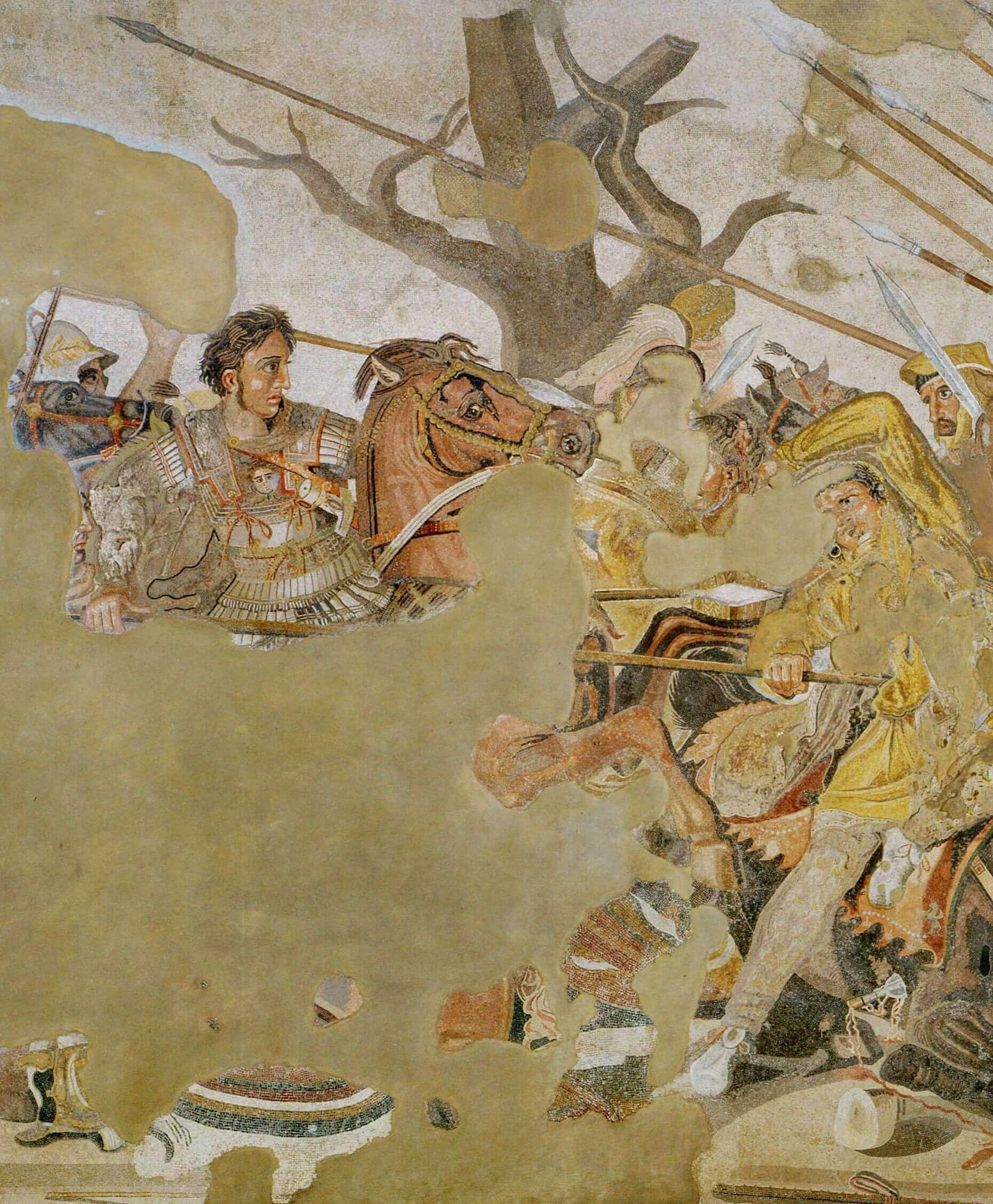
We will also show you a dozen perfectly preserved mosaics with refined and cultivated subjects as well as with quotidian and comic subjects. They were removed from walls or floors, hidden under the lava that had preserved them for centuries. They have no equivalent in any other museum in the world. Mosaics such as the Battle of Alexander the Great, the Traveling Musicians, and the Academy of Plato are surprising to say the least, and we will engage with the stories they recount, the places where they were found, and the political and social significance they had in the context of Roman culture.
Likewise for the frescoes that you have certainly seen in school text books but in person they will move you because they present us with the faces of far distant women and men, the myths and stories that populated their lives, their gods and their religion, and the day after day spending of their forgotten lives.
In passing through these galleries you will slowly be able to restore to the deserted spaces we visited in Pompeii the features of the statues, the form and color of the furnishings, the mosaic and fresco decoration that enlivened the spaces and gave sense to the lives of the rich as well as to the less well-off, to the merchants, and military functionaries that lived and were Pompeii – the lively and noisy city of the Roman empire before that fatal August day of 79 AD.

See what the ancients got up to in private on a visit to the Gabinetto Segreto
We will conclude with the Secret Cabinet, which contains all the objects with erotic subject matter, often decisively unhindered with explicit representations of truly acrobatic love. These too were found at Pompeii. Unfortunately at the time of their discovery, Bourbon Naples of the mid-1700s was conventional and retrograde and the images were considered offensive and scandalous and thus gathered in a separate collection, reserved for the few scholars who managed to see them only with official permission from the authorities. Fortunately today we can visit freely and be surprised by the audacity that our predecessors knew how to show, even in this area.
Our day in Pompeii will be a fascinating and comprehensive journey into one of the greatest pages of history, with everything that archeology can give us, from art to everyday life.

Create Your Custom Journey
Our dedicated team is here to help you design the perfect trip. We’re happy to assist every step of the way.