Palermo is one of Europe’s most captivating - and least understood - cities.
This vibrant Sicilian capital sits at a crossroads of cultures where Arab domes meet Norman cloisters, Baroque palaces rise beside bustling street markets, and the air is thick with citrus, incense, and sizzling street food. After centuries of invasion, exchange, and reinvention, the city is finally getting the attention it deserves. From magnificent medieval churches to Renaissance fountains, eerie catacombs and showcases of contemporary art, the extraordinary story of Palermo is written in fascinating layers – each one revealing a different side of its complex soul.
We think the Sicilian capital is going to be on a lot of travel itineraries in 2026 – here are the top things you need to see in Palermo this year!
Best Italy Tours
Visit Palermo!
ONE
Palatine Chapel
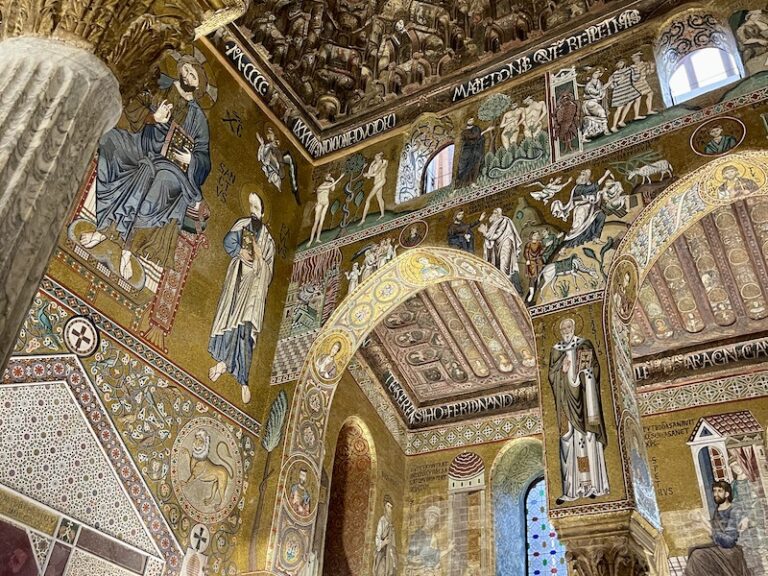
A glittering symbol of the splendor of medieval Norman culture in Sicily, the Palatine chapel is Palermo’s most unmissable sight. Designed at the behest of Roger II in the 12th century as part of the Norman Palace, a crack team of Byzantine-Greek mosaicists and Arabic craftsmen joined forces to create one of the greatest works of cultural fusion in the history of art.
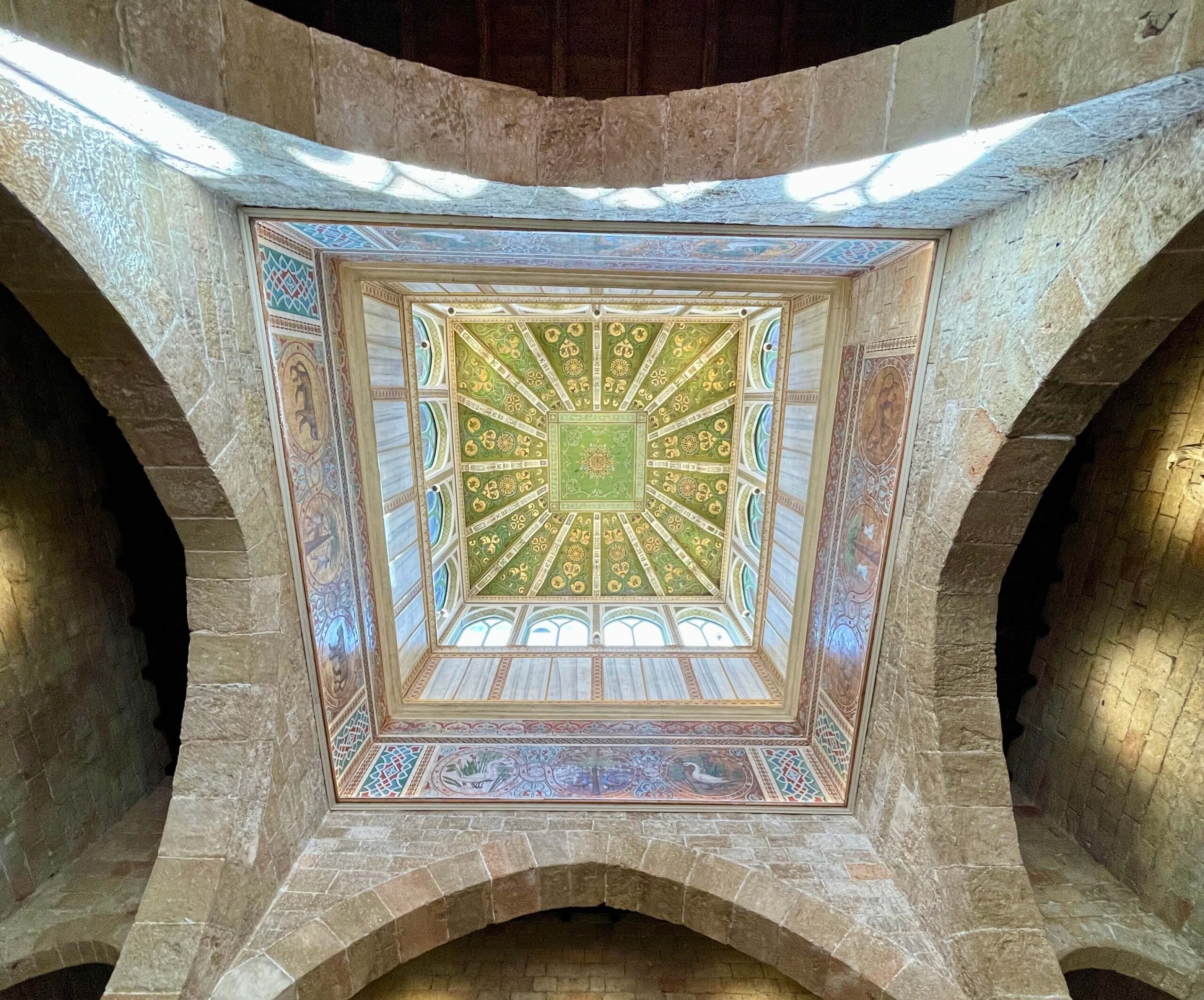
Every inch of the walls are covered by truly jaw-dropping mosaics depicting the lives of Saints Peter and Paul as well as scenes from the Old Testament, crowned by a massive figure of Christ in the apse. The dizzying roof, meanwhile, a complex painted wooden ceiling featuring muqarnas (intricate stalactite-shaped ornaments typical of Islamic art), showcases the rich cultural exchange that existed in medieval Palermo between Christian and Muslim communities.
two
Palermo Cathedral
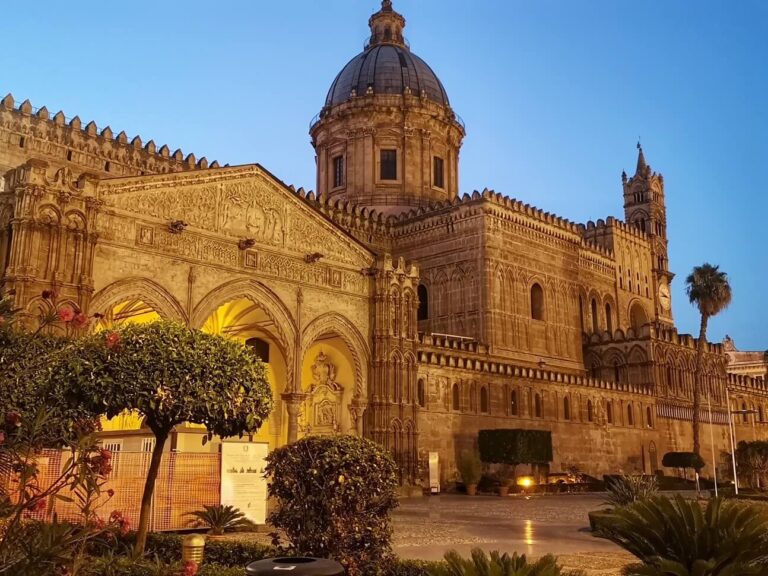
Palermo’s extraordinary cathedral was built in 1185 by the city’s Norman rulers over the site of a former mosque that had in its turn been converted from an earlier Christian church. It comes as little surprise, then, that the cathedral offers up a confection of architectural styles and periods that almost tells the story of the island in miniature. Lavish arcades, turrets and colonnades span the Gothic to the Renaissance and Baroque, whilst an inscription from the Quran reminds us that Palermo’s history boasts a powerful Islamic legacy too. The cathedral constitutes one of the landmark monuments of Arab-Norman Palermo, a vivid window into the city’s complex past.
three
Teatro Massimo
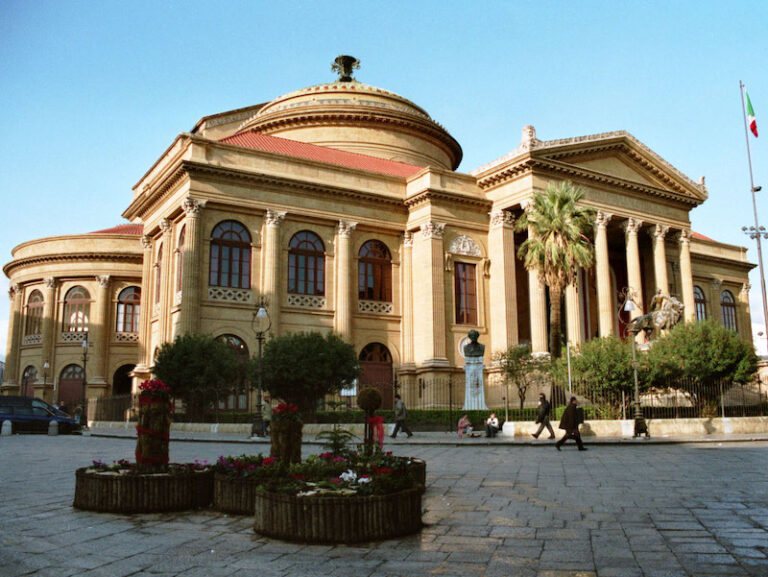
Operatically grand in every sense, Teatro Massimo is the largest opera house in Italy and one of the largest in Europe. Its Neoclassical architecture is imposing and iconic, made famous around the world by the finale of The Godfather Part III. A spectacular interior of gold and plush velvet dazzles the eye, but it’s the ear that is the real winner here: the theater’s perfect acoustics make it one of the world’s finest venues to savor the drama and bombast of Italian opera at its best. Even if you don’t catch a show here, it’s worth joining a guided tour that will take you backstage and even up to the rooftop for sweeping views over the city.
FOUR
Quattro Canti
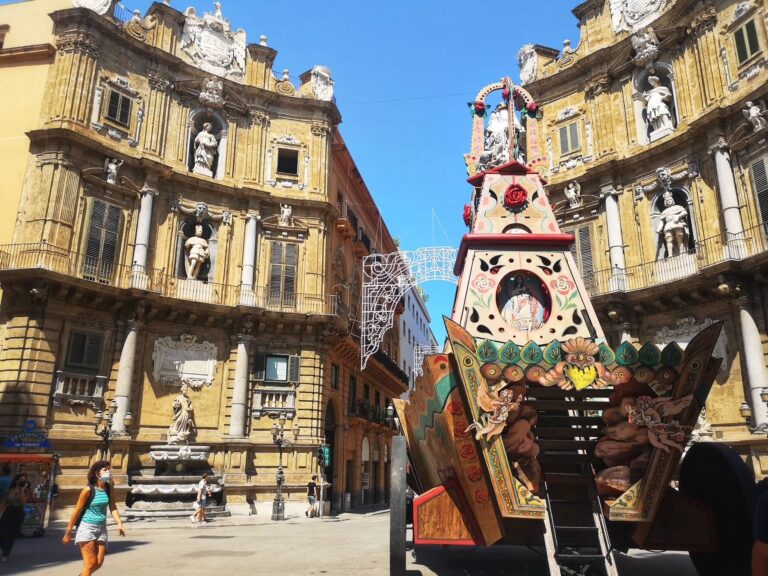
Palermo’s theatrical heart beats loudest at this spectacular crossroads. Officially called the Piazza Vigliena, it’s known to all as the Quattro Canti (Four Corners). Here the city’s two great streets – Via Maqueda and Corso Vittorio Emanuele – meet in an explosion of Baroque bombast. Each corner is adorned with a concave façade stacked with fountains, allegorical figures, and statues of Palermo’s four Spanish kings. Above them sit the city’s four patronesses, watching over the nonstop bustle of the Sicilian capital. Sunlight slants in to illuminate the stonework in almost granular detail, and everything feels choreographed – as if the city itself were performing.
five
Mondello
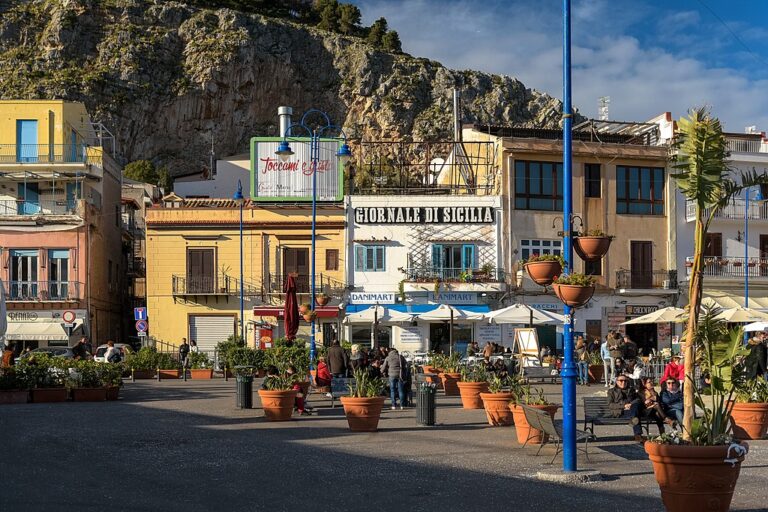
If the chaotic streets of the Sicilian capital start to feel too much, then hop on a bus to the beach at Mondello – in just 20 minutes you’ll swap the city for a spectacular curve of white sand descending into turquoise seas. Once a mosquito-infested marsh, the area was transformed in the early 20th century into an Art Nouveau seaside resort, where Liberty-style villas still peer out from palm-shaded streets. At its center stands the impressive Stabilimento Balneare, a whimsical 1913 bath house perched on stilts over the water. In summer, Mondello becomes Palermo’s open-air living room – a destination not just for sun and sea, but also for the timeless ritual of leisurely fish lunches and sunset passeggiate.
SIX
San Cataldo
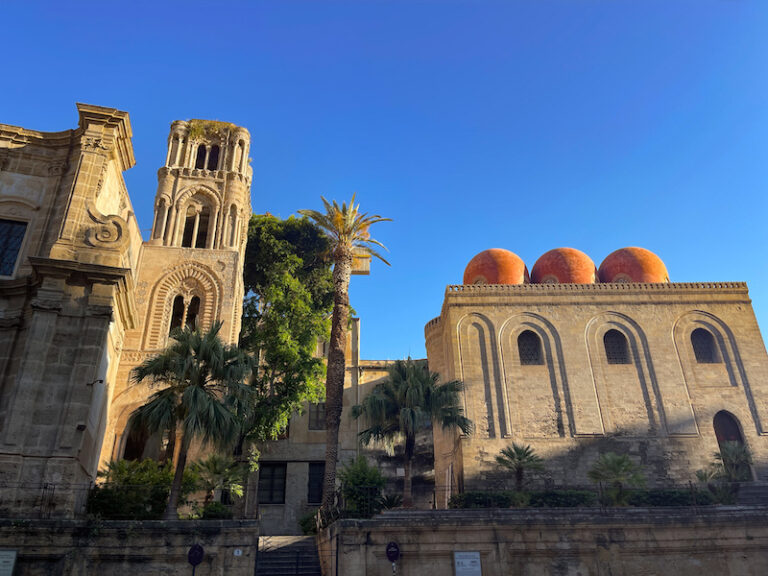
Perhaps nowhere better exemplifies the city’s uniquely hybrid character than beautiful San Cataldo, a stunning example of the Norman-Arabic architectural style that characterised Palermo in the early middle ages. Red domes like pomegranates cap this austere little church; built in the 12th century for Norman officials, San Cataldo’s architecture is stark and harmonious. Step inside and you’ll find bare stone walls, a geometric floor, and soft natural light filtering through narrow windows – no ornament, just pure architectural rhythm. It’s a meditative space, like a desert hermitage in the middle of the city.
seven
Capuchin Catacombs
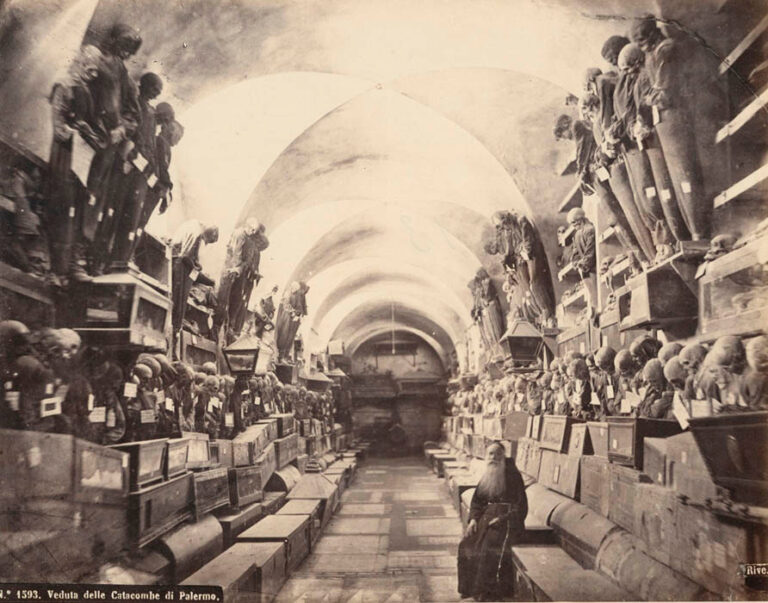
Not for the faint-hearted, but unforgettable. Palermo’s Capuchin Catacombs hold some 8,000 mummified bodies – monks, nobles, children, professionals – all eerily preserved in seemingly endless niches set into the walls. Some are desiccated skeletons in dusty robes; others still seem almost lifelike thanks to the advanced preservation techniques pioneered here by the Capuchins: the disquietingly alive-looking little Rosalia Lombardo, a two-year-old girl whose peaceful face lies beneath a glass coffin, is a source of particular reverence for locals. More than a macabre curiosity, the catacombs reflect the Capuchin conviction that death is not something to flee from; instead it’s just one step along the long road of the soul.
eight
Ballarò Market
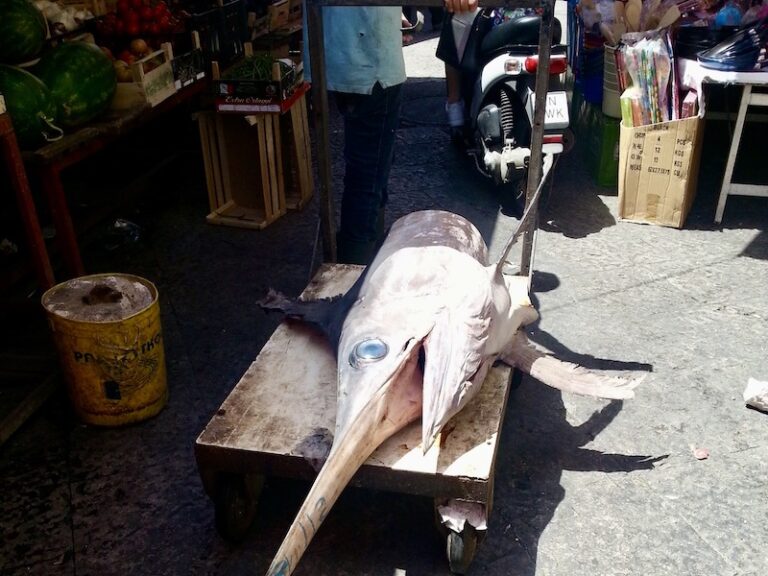
The city’s oldest and liveliest market, Ballarò is a feast for the senses—and a window into Palermo’s soul. Stalls overflow with glistening fish, scarlet chilies, fresh cheeses, and golden panelle, while vendors sing out their prices in rapid-fire dialect. But Ballarò is more than street food and color: its name may trace back to Arabic Bahlara, a village near Monreale, hinting at its medieval Islamic roots. Today, it reflects Palermo’s ongoing blend of cultures, where North African spices and Sicilian tomatoes share the same stall. Amid the clamor, Ballarò pulses with the same energy that has animated this island for centuries: loud, layered, and gloriously alive. Visit Ballaro market on a tour of Palermo.
nine
Santa Maria dello Spasimo
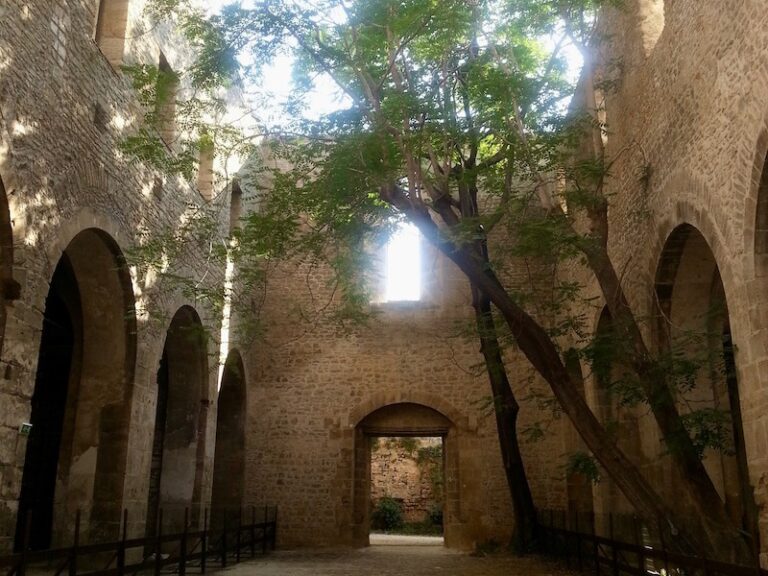
A church with no roof and a soul full of silence. Lo Spasimo was begun in the early 1500s but never completed – as was so often the case in the bellicose 16th century, war diverted funds earmarked for the church to essential fortifications. The would-be church is now an open-air shell, where Gothic arches rise into the sky and grass grows between the stones. Why spasimo? The Olivetan fathers who commissioned the church were to the swoon of the Virgin Mary, spasimo in Italian, that she suffered on seeing her son’s crucified body.
After doing stints as a grain store, quarantine station, hospital and old folks home over the centuries, these days Lo Spasimo is used for concerts and events and remains a deeply atmospheric monument to beautiful incompletion. Note that the space will be closed until the end of 2025 for restoration works.
ten
Piazza Pretoria
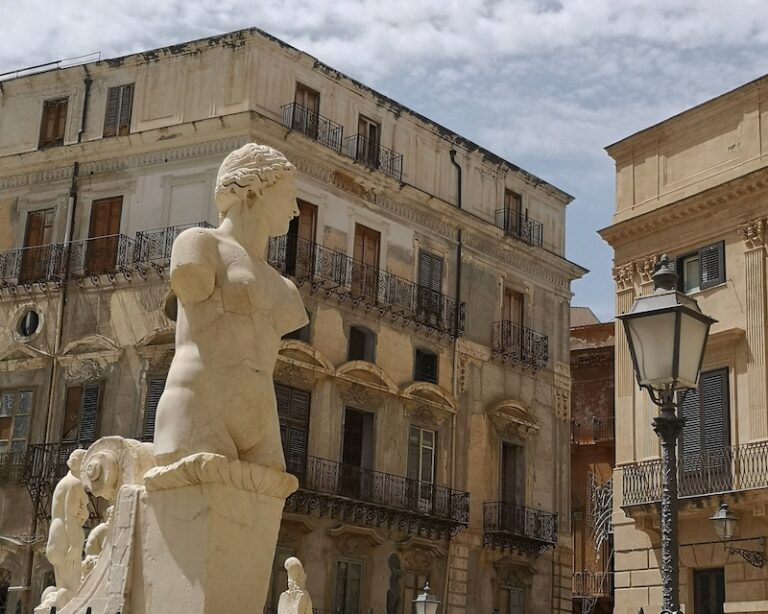
Nicknamed the Fountain of Shame for its abundance of nude figures, the monumental centerpiece of Piazza Pretoria was originally made for the gardens of a Tuscan villa before being dismantled, shipped to Palermo in the 1570s, and reassembled like a giant marble jigsaw. Twisting nymphs, snorting river gods, and mythological creatures crowd its basins, encircled by grand palazzi and the domes of nearby churches. Locals were apparently scandalized by all that imported Florentine flesh, and rumours swirled that the waters of the fountain were even infected with syphilis. These days it’s one of the city’s most beloved landmarks, simultaneously elegant and eccentric – just like Palermo itself.
eleven
Palazzo Abatellis (Galleria Regionale della Sicilia)
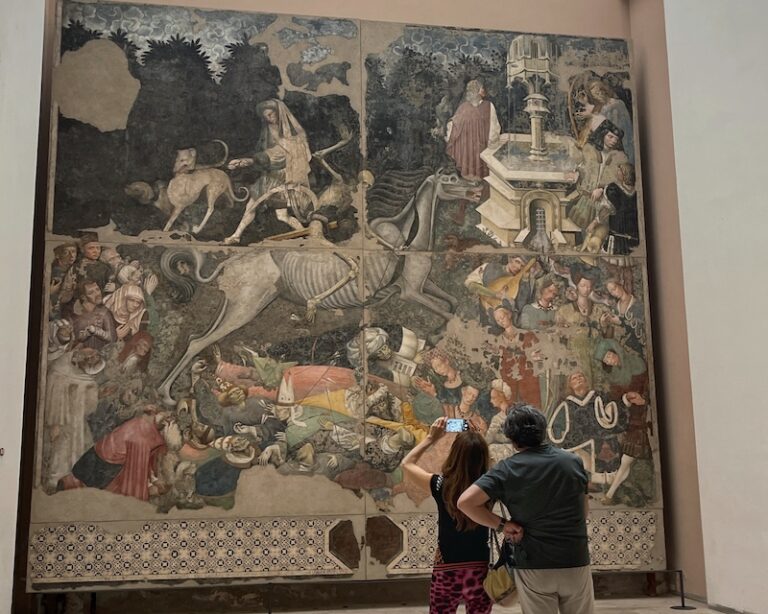
Palermo’s finest art gallery lives inside a superb Gothic-Catalan palace that might be the city’s best kept secret. Palazzo Abatellis is worth visiting for the space alone – high vaulted halls, cloisters, and cool shadows – but the collection stuns too. Antonello da Messina’s ethereal Annunciation of the Virgin is a particular highlight: a young woman caught mid-thought, eyes wary, gesture suspended – a perfect example of Antonello’s art, which helped to bring Netherlandish ideals of realism and oil technique to Italy.
The real star, though, is the enormous Triumph of Death that occupies an entire room on the ground floor. Macabre and unforgettable, the fresco sees a terrifying Grim Reaper scything his way through the pleasure-seeking denizens of a beautiful garden. Death, we are reminded, comes to us all.
twelve
San Giovanni degli Eremiti
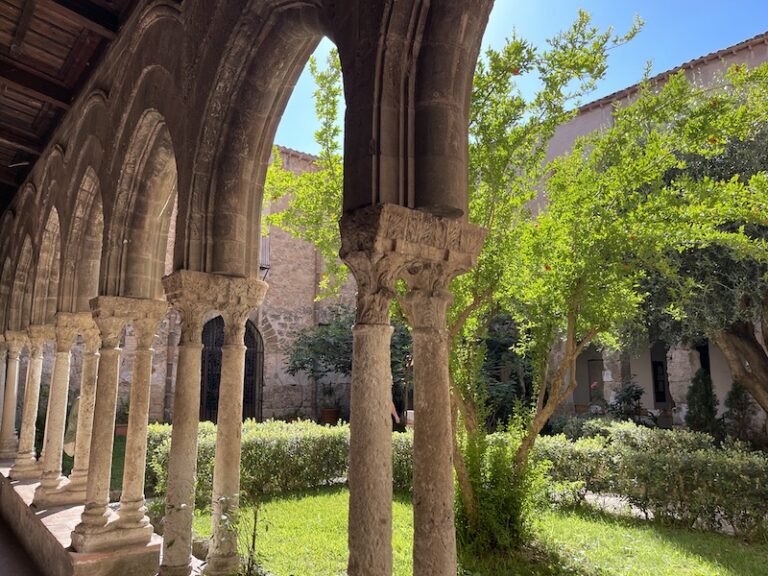
San Giovanni degli Eremiti is a poetic fusion of worlds – Arab, Norman, Christian, and Islamic all rolled into one. This 12th-century church, with its striking red domes shaped like beehives and lush cloister garden, stands on ground once home to a pagan temple, a Byzantine chapel, and later a mosque.
Commissioned under Norman king Roger II, the church’s Latin cross plan and ogival arches are pure Romanesque, while the floating domes are a nod to Arab influences absorbed into Sicilian architecture. Inside, silence lingers amongst the orange trees of a stunning cloister, where roses, rosemary, and palm trees echo the scent of East and West. A square minaret-like bell tower hints at the mosque that once stood here – a sacred palimpsest in Palermo’s cultural heart.
thirteen
Casa Professa (Chiesa del Gesù)
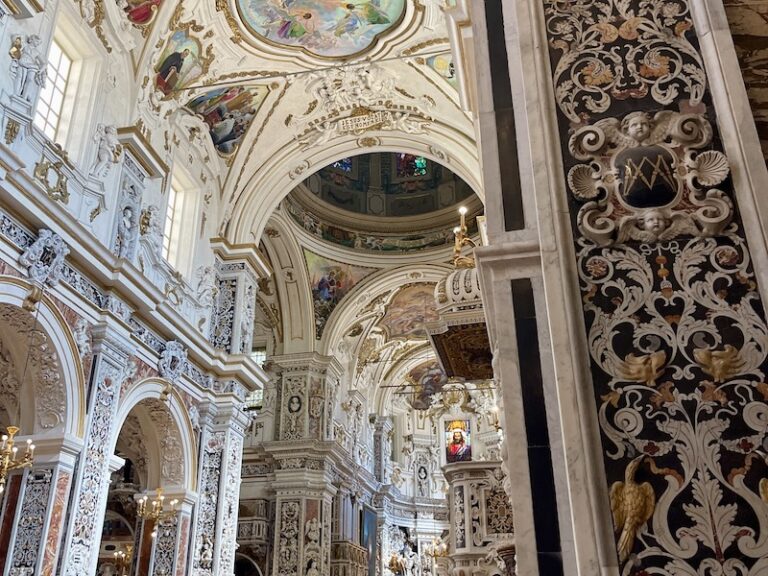
Baroque excess meets spiritual spectacle in the Jesuit headquarters in Palermo. Known locally as the Casa Professa, the church’s somewhat plain facade belies a truly extraordinary interior. Every surface bursts with marble inlay, twisted columns and jaw-dropping sculptures. Angels erupt from altars; coloured stone whirls into vegetal patterns; the ceiling vault opens into a frescoed sky. If you’ve been to Gesù in Rome, you’ll know the drill. As with the order’s mother church in Rome, this was the Jesuits at full rhetorical power: spiritual conversion ensured through an appeal to beauty. It’s hard to overstate how ornate it is!
thirteen
RISO – Museo d’Arte Contemporanea della Sicilia
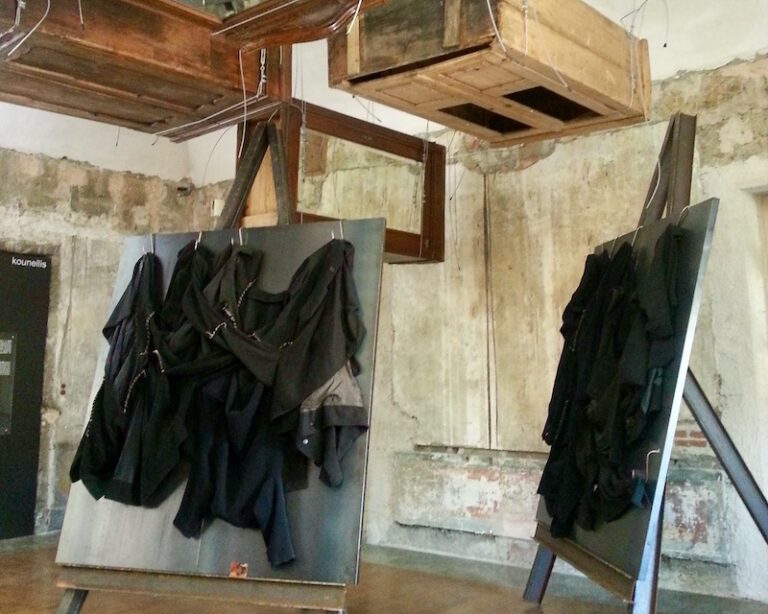
Contemporary energy in an 18th-century palazzo. RISO – the Regional Museum of Modern and Contemporary Art – occupies the elegant Palazzo Belmonte Riso on Via Vittorio Emanuele. Inside, works by Sicilian and international artists explore themes of memory, migration, identity, and unrest. A fascinating Jannis Kounellis installation sets the tone: His Teoria di armadi sospesi a soffitto fills an entire salon with wardrobes suspended overhead, their ajar doors distorting perspective and gravity and evoking Baroque spatial illusions. Come here to see where Sicily’s past and present talk to each other—and occasionally argue.
fourteen
Castello della Zisa
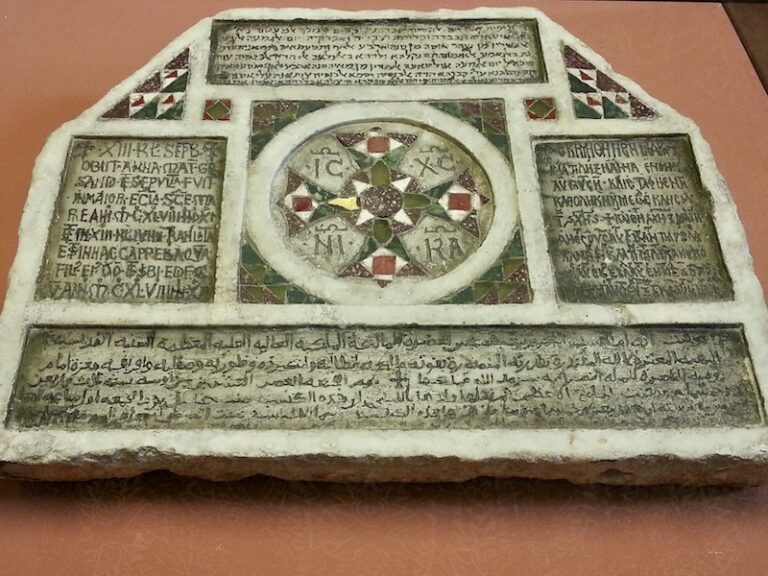
This amazing building, located somewhat inauspiciously in a dusty suburb, offers up a haunting echo of a vanished kingdom. Built by the Norman kings in the 12th century as a summer retreat, the Zisa (its name derived from the Arabic al-ʿAzīza, “The Splendid”) channels the spirit of Islamic pleasure palaces. Its geometric decoration, engineered water channels, and airy, vaulted halls evoke an age when art and architecture flowed freely between cultures. Today, it houses a museum of Islamic art, but one of its most profound treasures is a marble tombstone that speaks – literally – four languages.
The memorial slab commemorates Anna, mother of a priest in King Roger’s court. A mosaic cross anchors the centre, flanked by epitaphs in Latin, Greek, Arabic, and Hebrew. Each inscription records the date of Anna’s death according to the different norms of each culture’s calendar – 1148, 543, 6658, 4904 – transforming a single life into a cosmopolitan chronicle. It’s an extraordinary testament to Palermo’s golden age of cultural fusion, inscribed together in stone.

We hope you enjoyed our guide to the many wonders of Palermo! Whether you’re planning your first visit or returning to uncover even more of the city’s hidden layers, there’s never been a better time to explore Sicily’s captivating capital. Join us on a guided tour led by expert locals who bring Palermo’s rich history and vibrant culture to life – one piazza, market, and mosaic at a time!
Book Your Palermo Experience