One extraordinary day in one of the world’s great cities — from a hilltop fortress to a unique marble masterpiece, from the darkest Caravaggio ever painted to the blood of a saint that still liquefies on demand.
 Highlights

 Hidden Gems

- The Sansevero anatomical machines
- The Baroque treasure of the Chapel of San Gennaro
- The ancient basilica of Santa Restituta
 Tour Includes

- Expert local guide
- Entry tickets for Cappella Sansevero
- Private, personalised experience
 Create Your Custom Journey

Our dedicated team is here to help you design the perfect trip. We’re happy to assist every step of the way.
We’ve Got You Covered!

Can’t make your trip? Cancel up to 24 hours in advance for a full refund, minus any ticket costs.
ITINERARY
What To Expect On Your Tour
Castel Sant'Elmo
Naples from Above
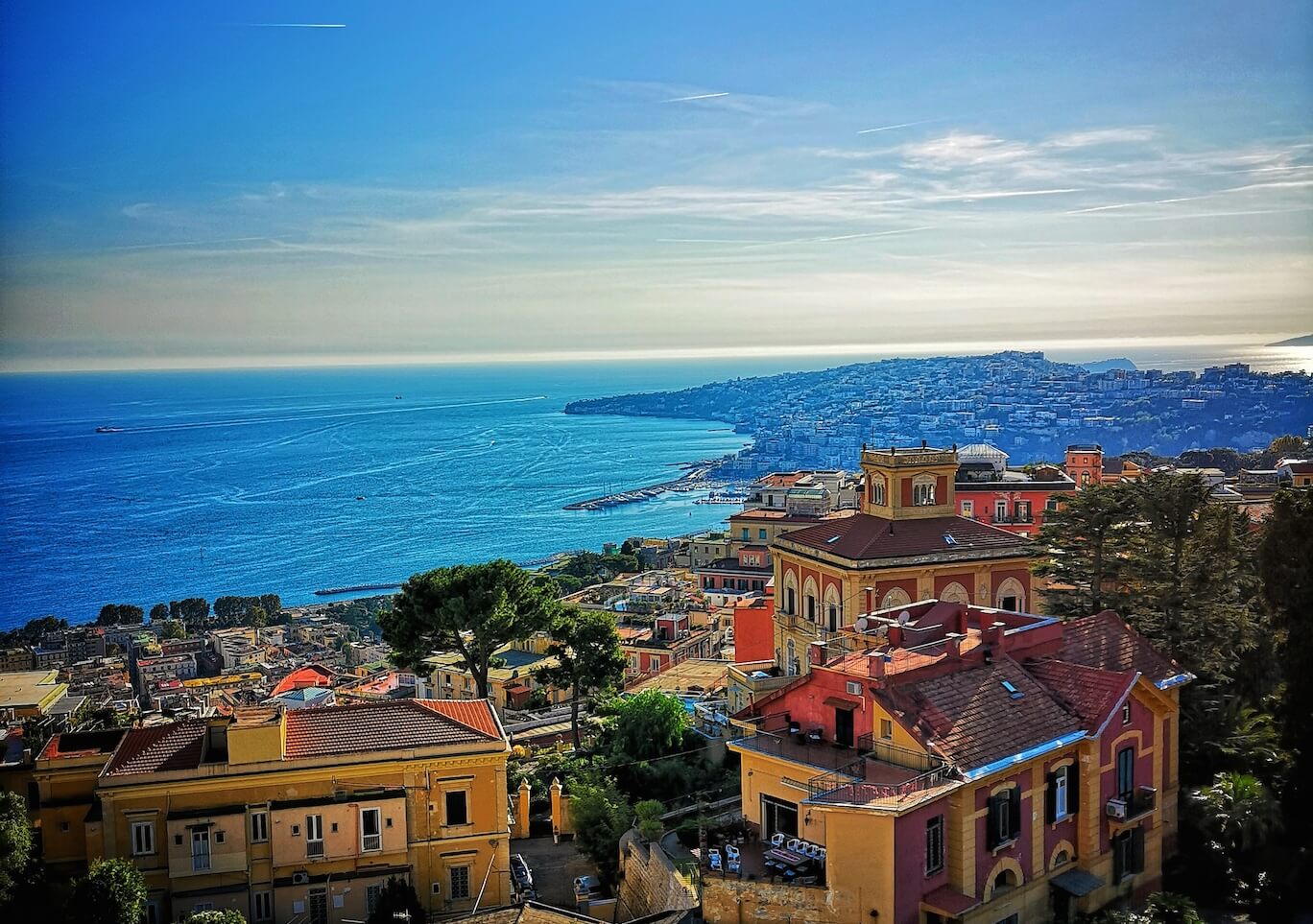
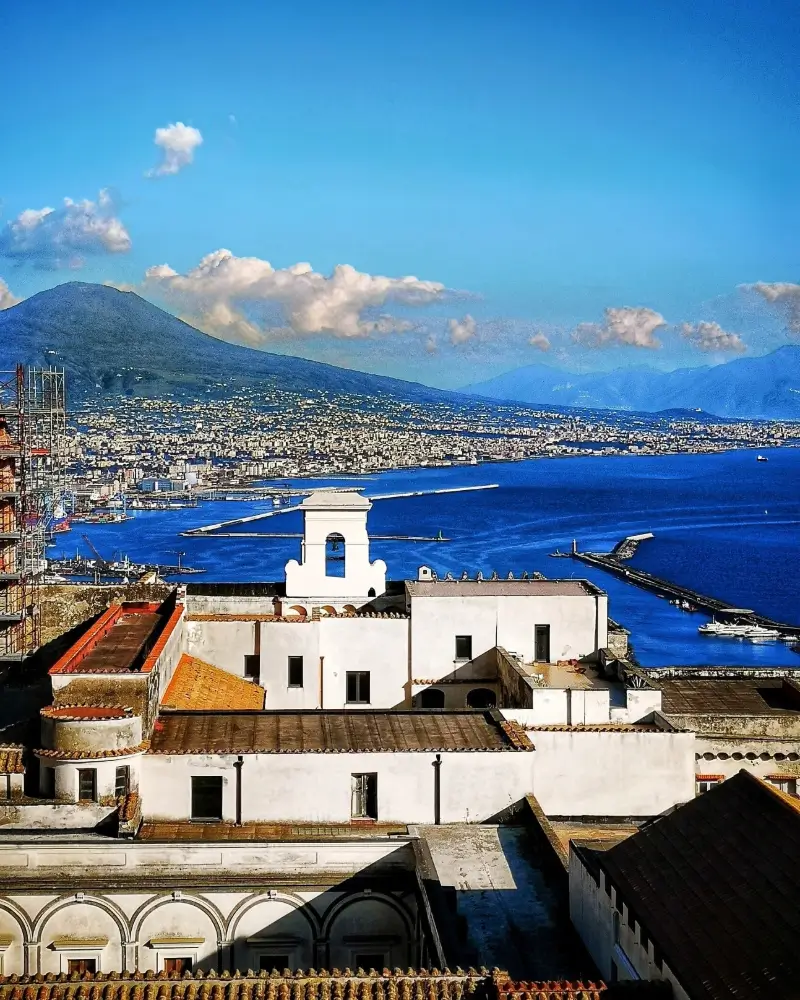
There is no better introduction to Naples than from the heights of Castel Sant’Elmo, the great star-shaped fortress that dominates the Vomero Hill. First constructed in the fourteenth century and remodelled under the Spanish viceroys in the sixteenth, the castle long served as both military stronghold and prison for heretics, revolutionaries, and political dissidents. Built from dark volcanic tufa, it remains one of the city’s most imposing landmarks.
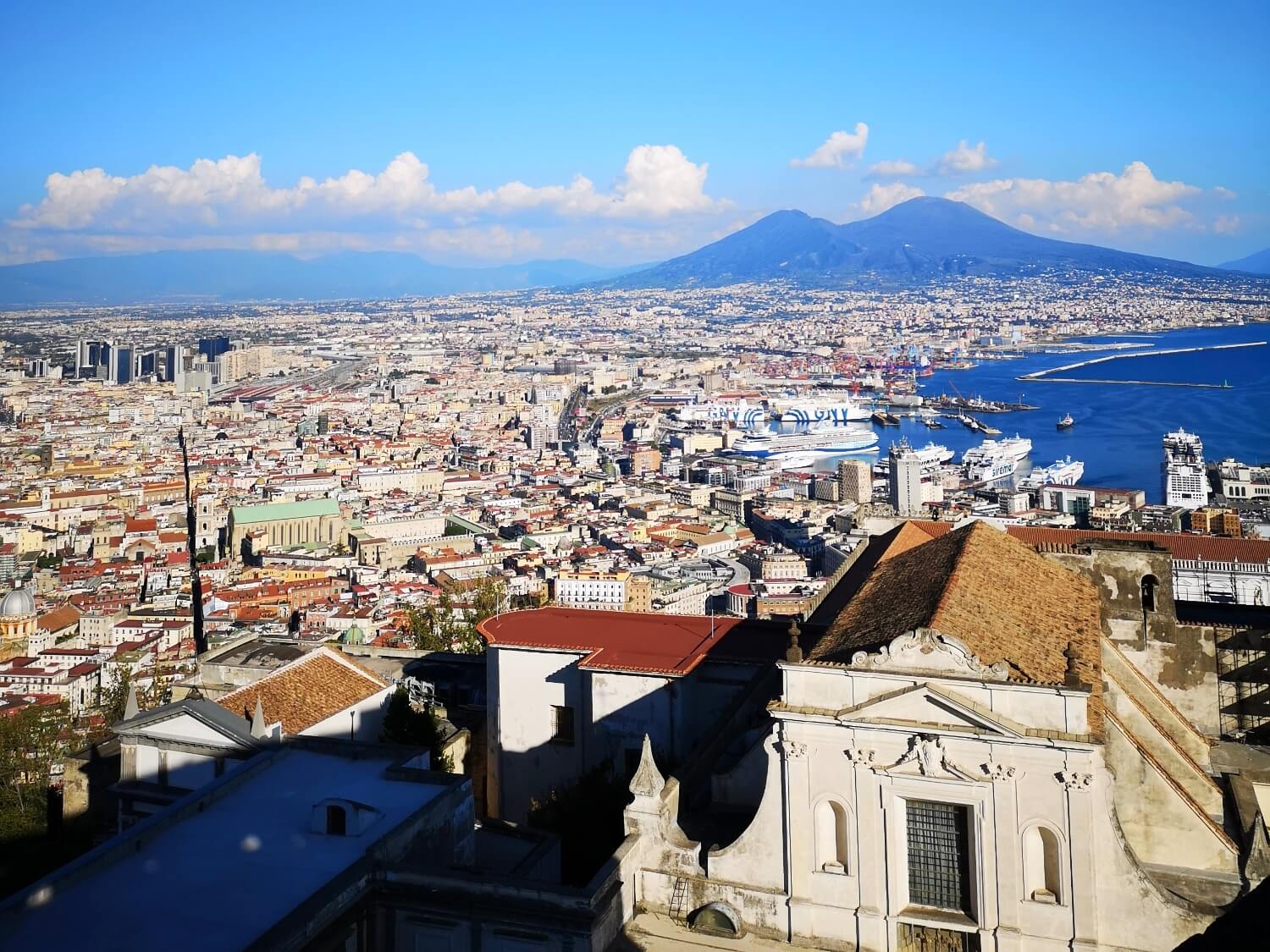
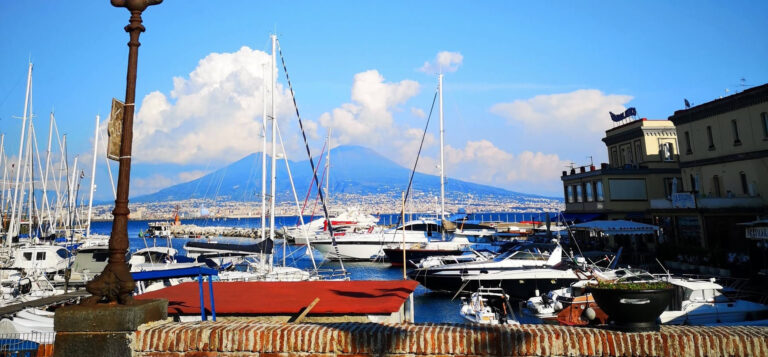
The real reward, however, is the panorama. From the ramparts, Naples unfolds beneath you in spectacular detail: the dense historic centre, the curve of the bay, Vesuvius looming beyond, and on clear days even Capri on the horizon. It is a view that immediately reveals the city’s contradictions — beautiful and chaotic, magnificent and precarious — and helps explain why Naples has always inspired such fierce devotion in those who know it best.
Please note that funicular tickets need to be purchased directly on the day of the tour, so have some small change ready.


Spaccanapoli and Piazza San Domenico
The spine of the ancient city
Descending from the Vomero into the historic centre is one of the great transitions in urban experience. The streets narrow, the density increases, the decibels rise, and the air takes on the complex aromatic signature of a city that has been continuously inhabited, at this exact spot, for nearly three thousand years.
Spaccanapoli — literally “Naples-splitter” — is the long, arrow-straight street that bisects the old city from east to west along the line of the ancient Greek and Roman decumanus, the main east-west axis of the original Neapolis founded in the fifth century BC. Walking it, your guide will bring the layers of the city’s history alive around you: the medieval churches, the street-food traditions, the Baroque palaces jostling with laundry and motorbikes. Naples resists every attempt at tidy categorisation, and Spaccanapoli is where that resistance is most vivid.
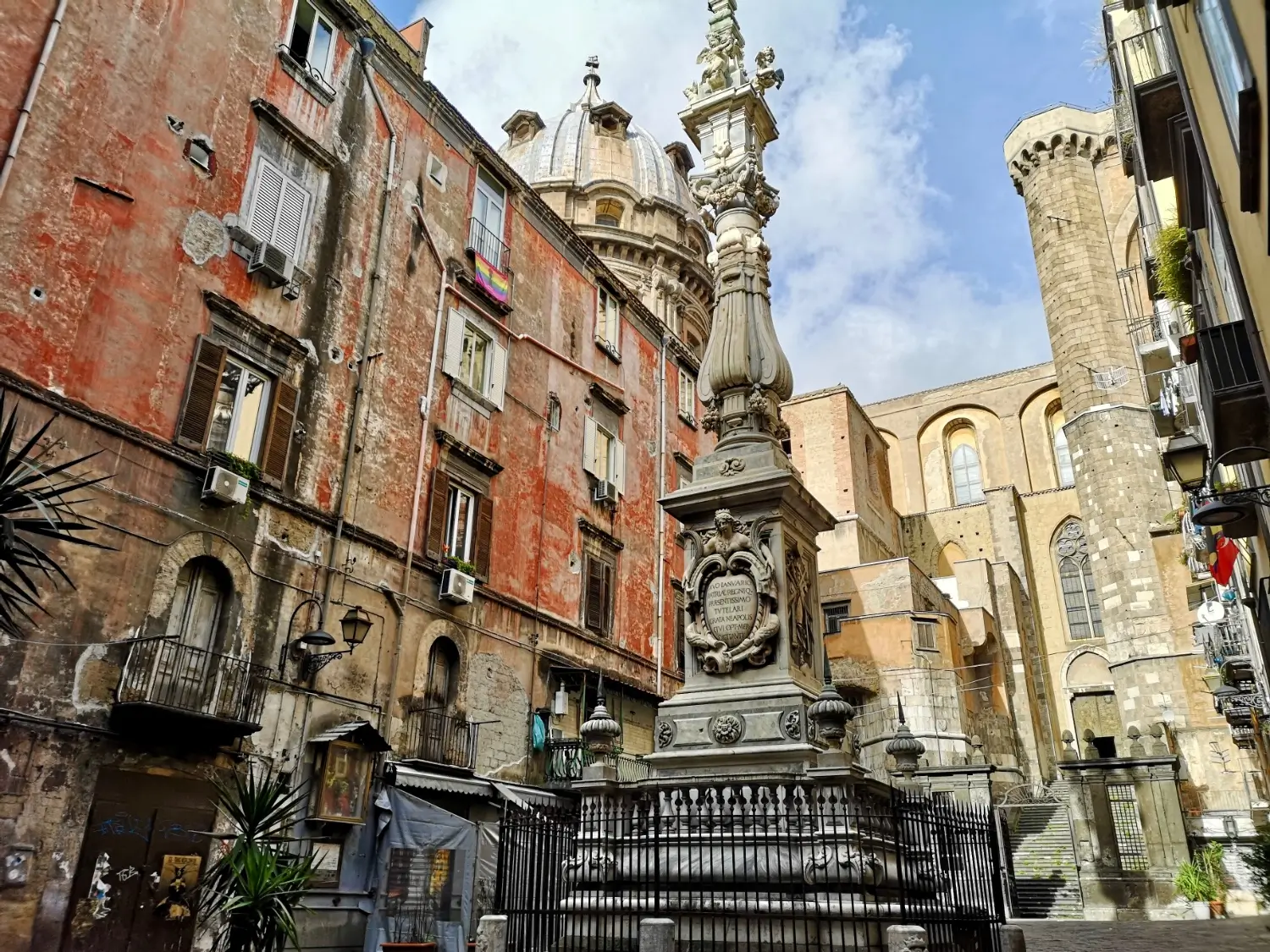
At the heart of this neighbourhood lies Piazza San Domenico Maggiore, one of the great gathering points of the centro storico, flanked by the fourteenth-century Gothic church of San Domenico — where Thomas Aquinas taught theology, and where the church’s collection of Baroque paintings rewards a brief visit — and marked by an elaborate Baroque obelisk erected in thanksgiving after the plague of 1656. The piazza serves as a natural pause point before one of the most extraordinary rooms in Naples, a few steps around the corner.

The Cappella Sansevero
Where art, science, and esoteric symbolism converge
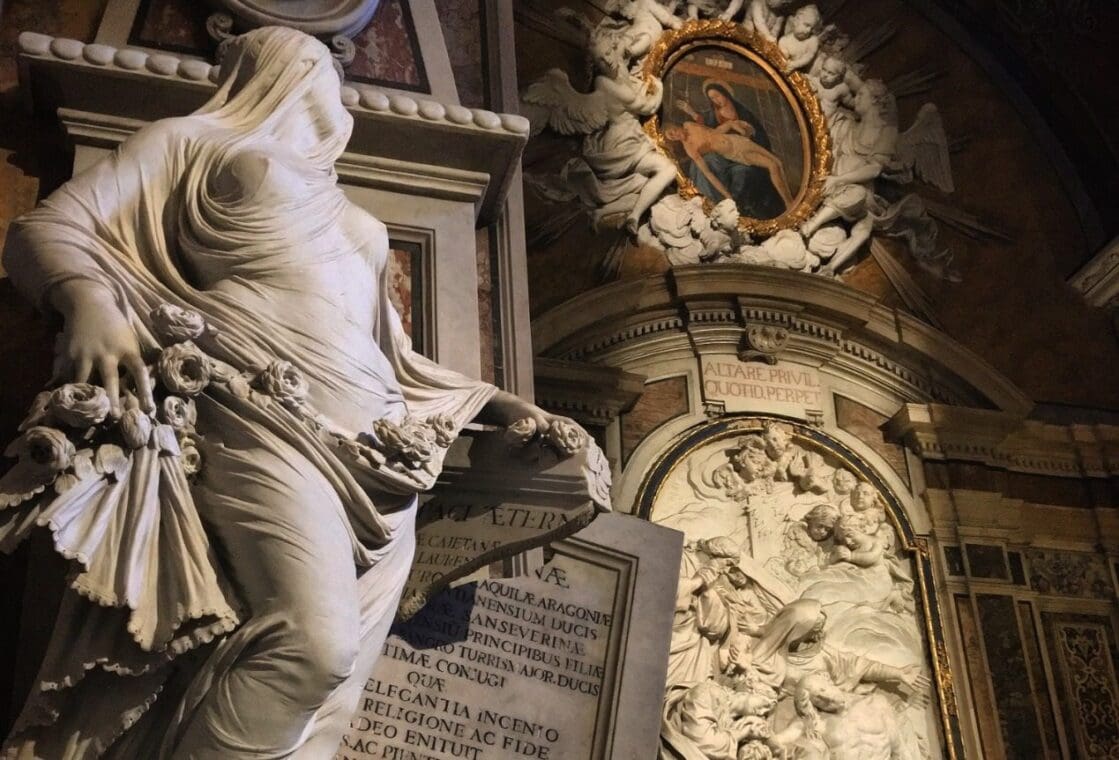
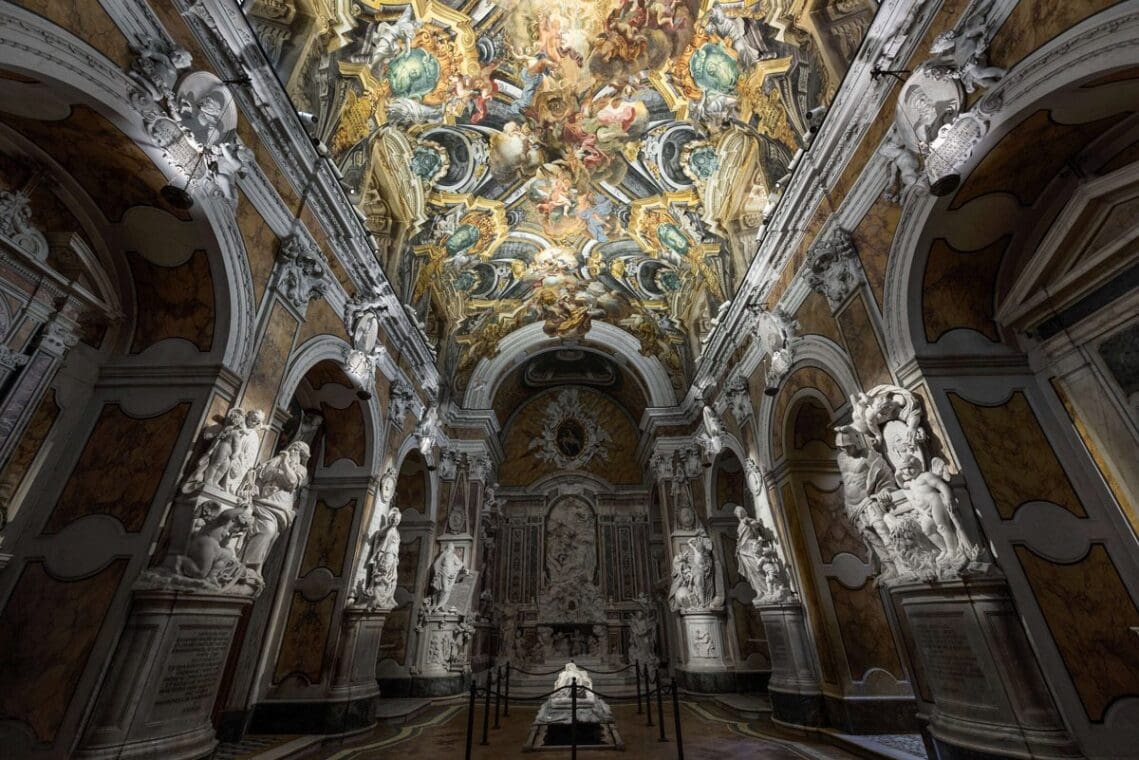
Few places in Europe create such immediate astonishment as Cappella Sansevero. Remodelled in the eighteenth century by the eccentric nobleman Raimondo di Sangro — inventor, alchemist, Freemason, and patron of the arts — this tiny private chapel was conceived as a space where artistic virtuosity, science, and esoteric symbolism would merge into a single overwhelming experience.
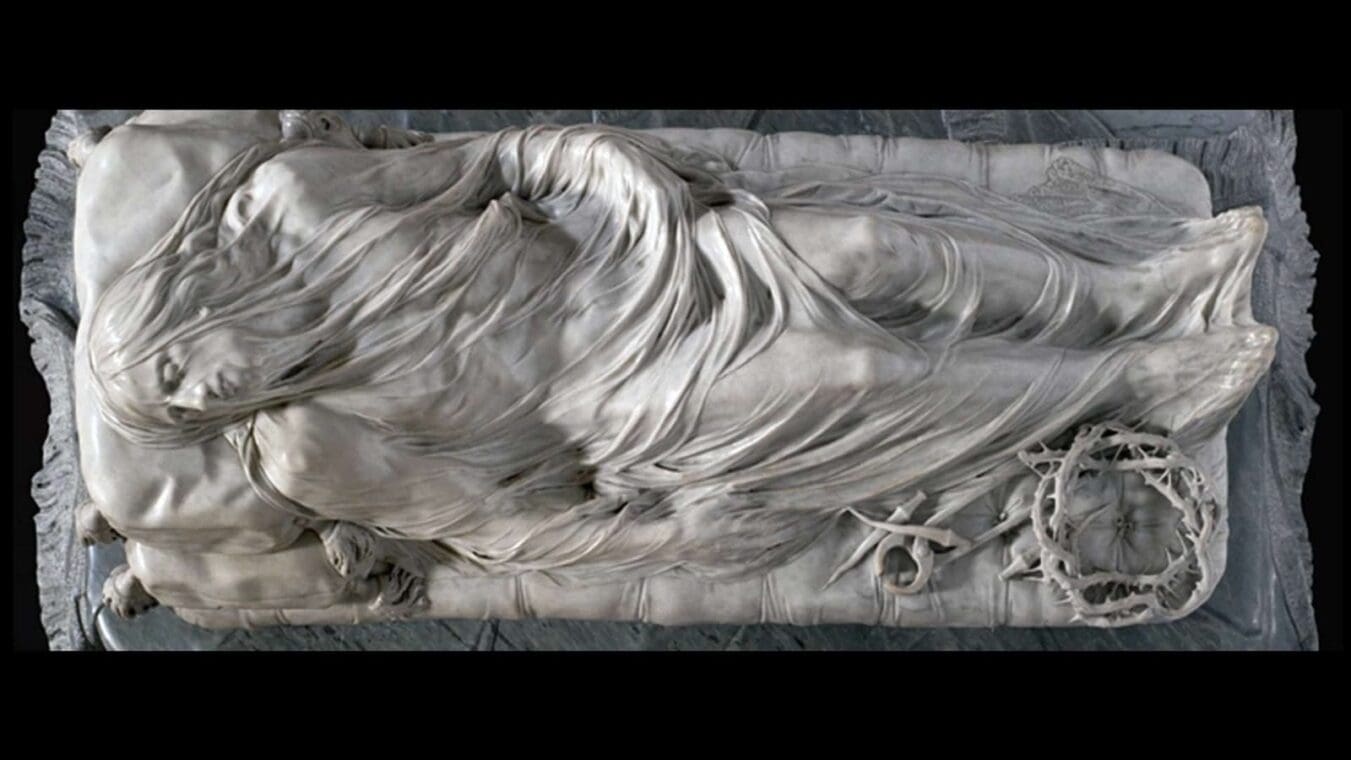
At its centre lies the Veiled Christ, sculpted by Giuseppe Sanmartino in 1753 and widely considered one of the greatest marble sculptures ever created. The dead body of Christ lies beneath a transparent shroud carved from the same block of stone, its folds revealing every contour beneath with impossible delicacy. The technical brilliance is so extraordinary that legends soon emerged claiming the veil was real fabric transformed into marble through alchemical means — rumours Raimondo di Sangro seems to have encouraged.
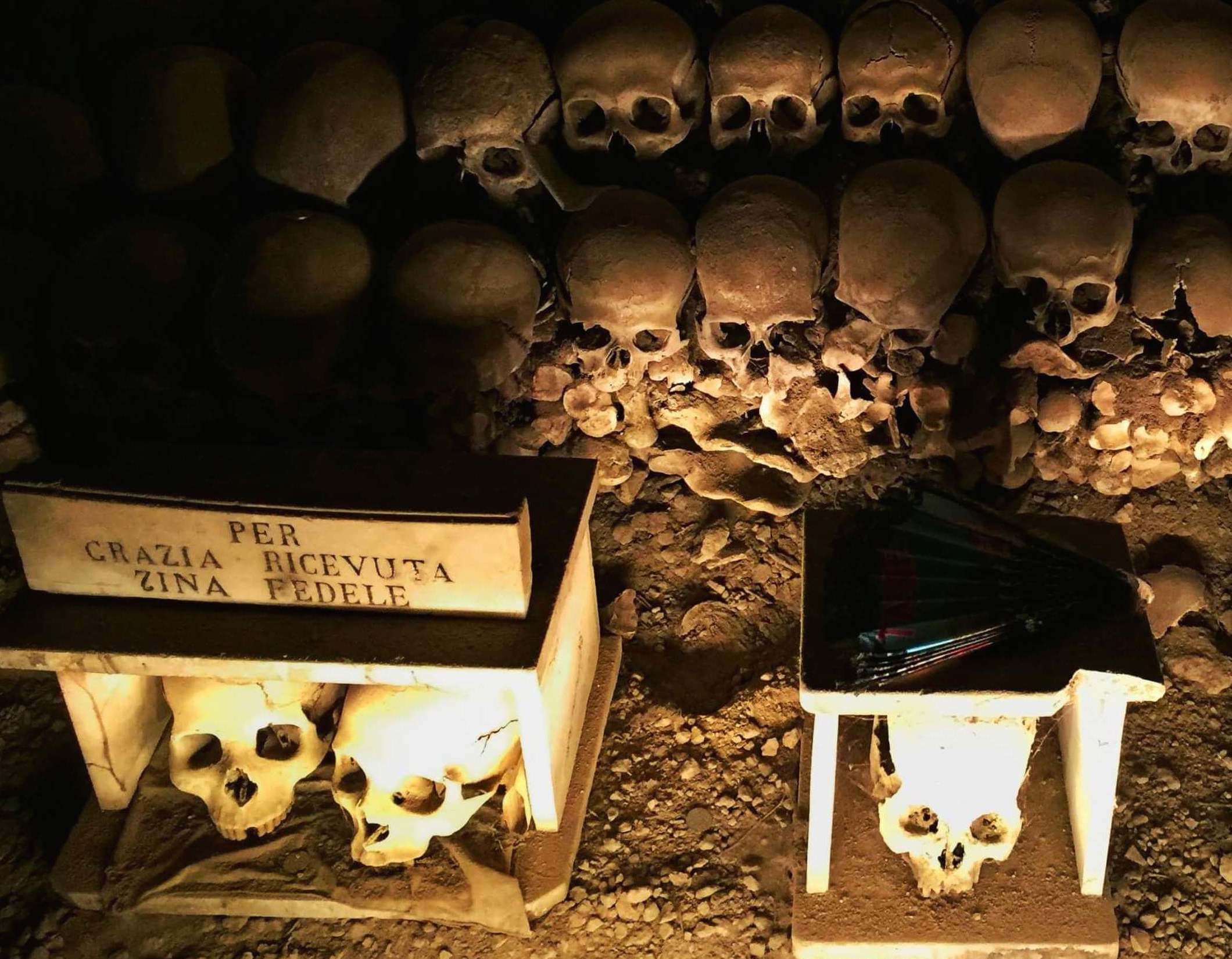
We’ll also descend beneath the chapel to examine two macabre “anatomical machines” — human skeletons whose arterial and venous systems have been preserved intact by methods Raimondo took to the grave with him — which add a final note of gothic strangeness to an already thoroughly unusual experience.

Caravaggio at the Pio Monte della Misericordia
The greatest fugitive painting in history
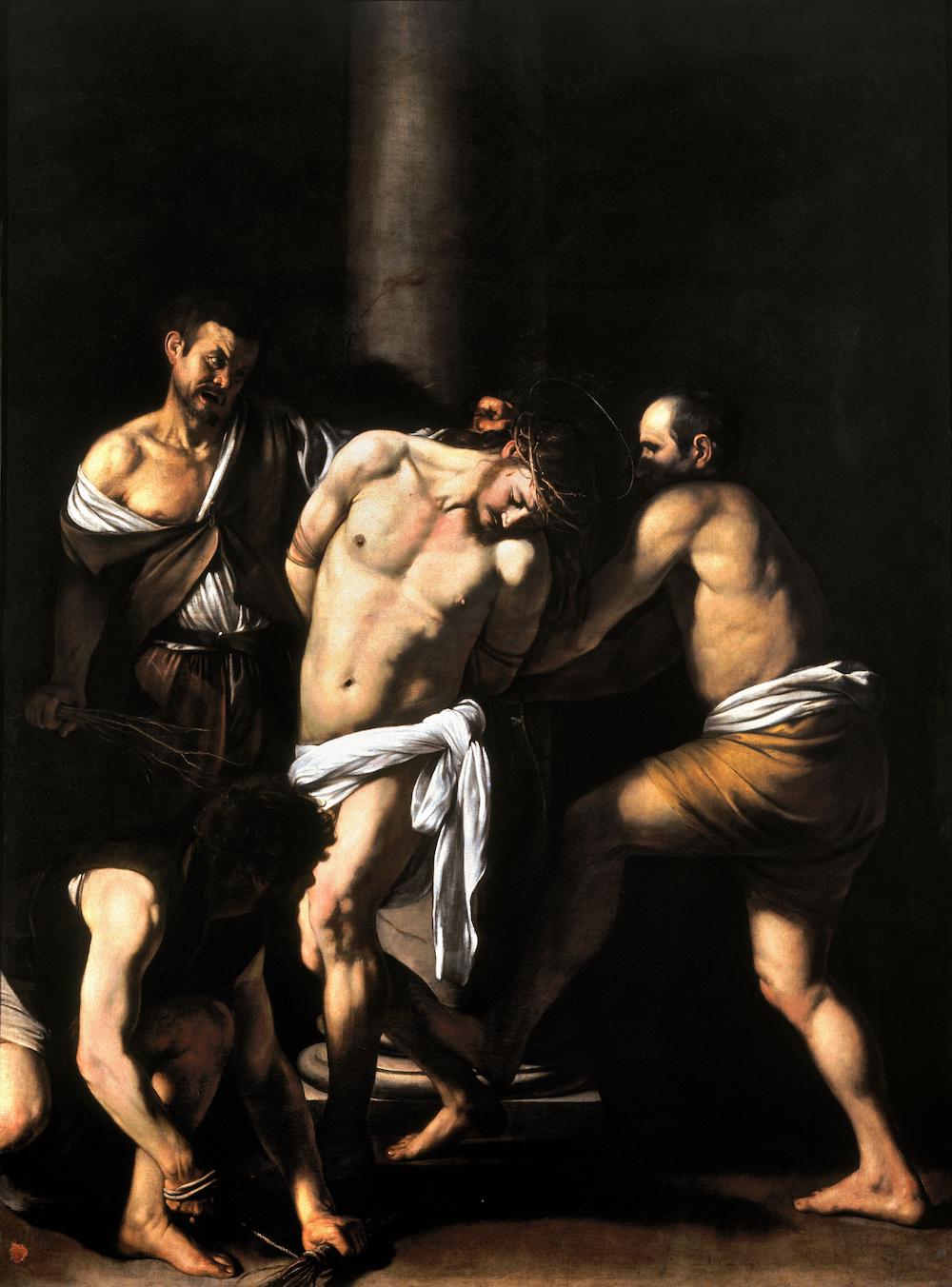
In the autumn of 1606, Caravaggio arrived in Naples a wanted man. He had fled Rome after killing a man in a tennis-court brawl, and was travelling south under the protection of the powerful Colonna family. Naples was then the largest city in the Italian peninsula and the capital of a Spanish viceroyalty: a place large enough and noisy enough to absorb a famous fugitive artist, and with enough wealthy patrons to keep him in work while he figured out his next move.
Within months of arriving, Caravaggio received one of the most ambitious commissions of his career: a single large altarpiece for the church of the Pio Monte della Misericordia, a charitable confraternity founded in 1601 by seven young Neapolitan noblemen whose mission was to practise the seven Corporal Works of Mercy among the city’s poor.
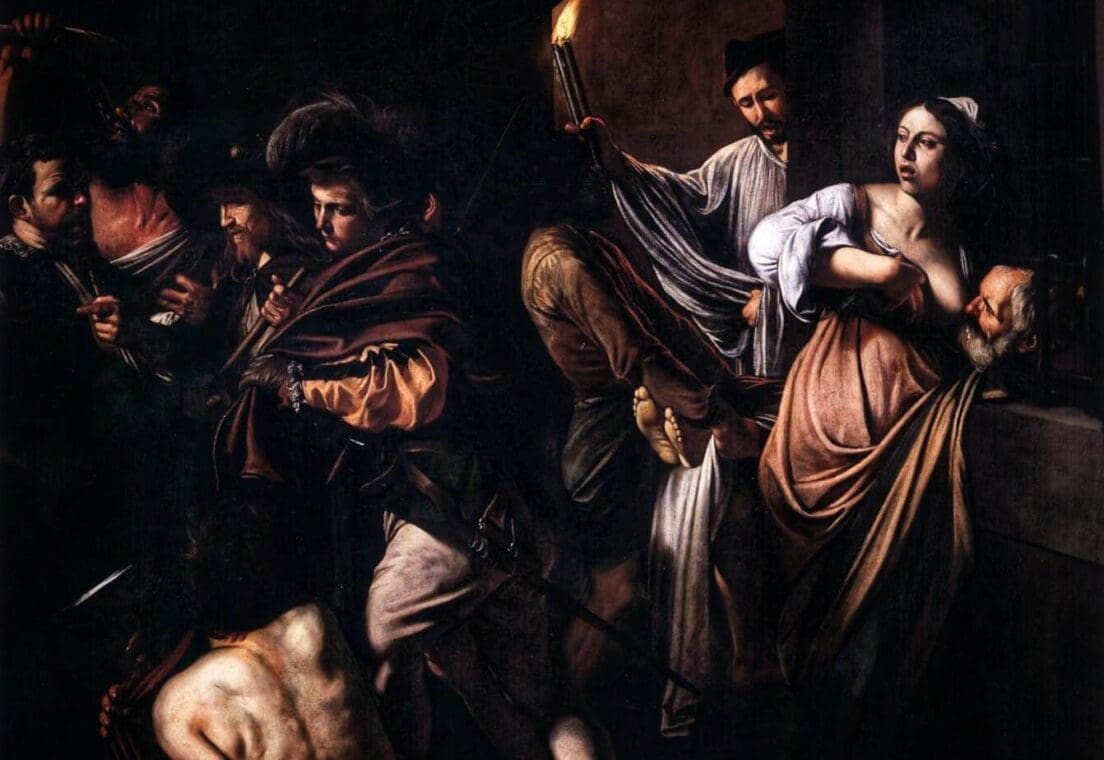
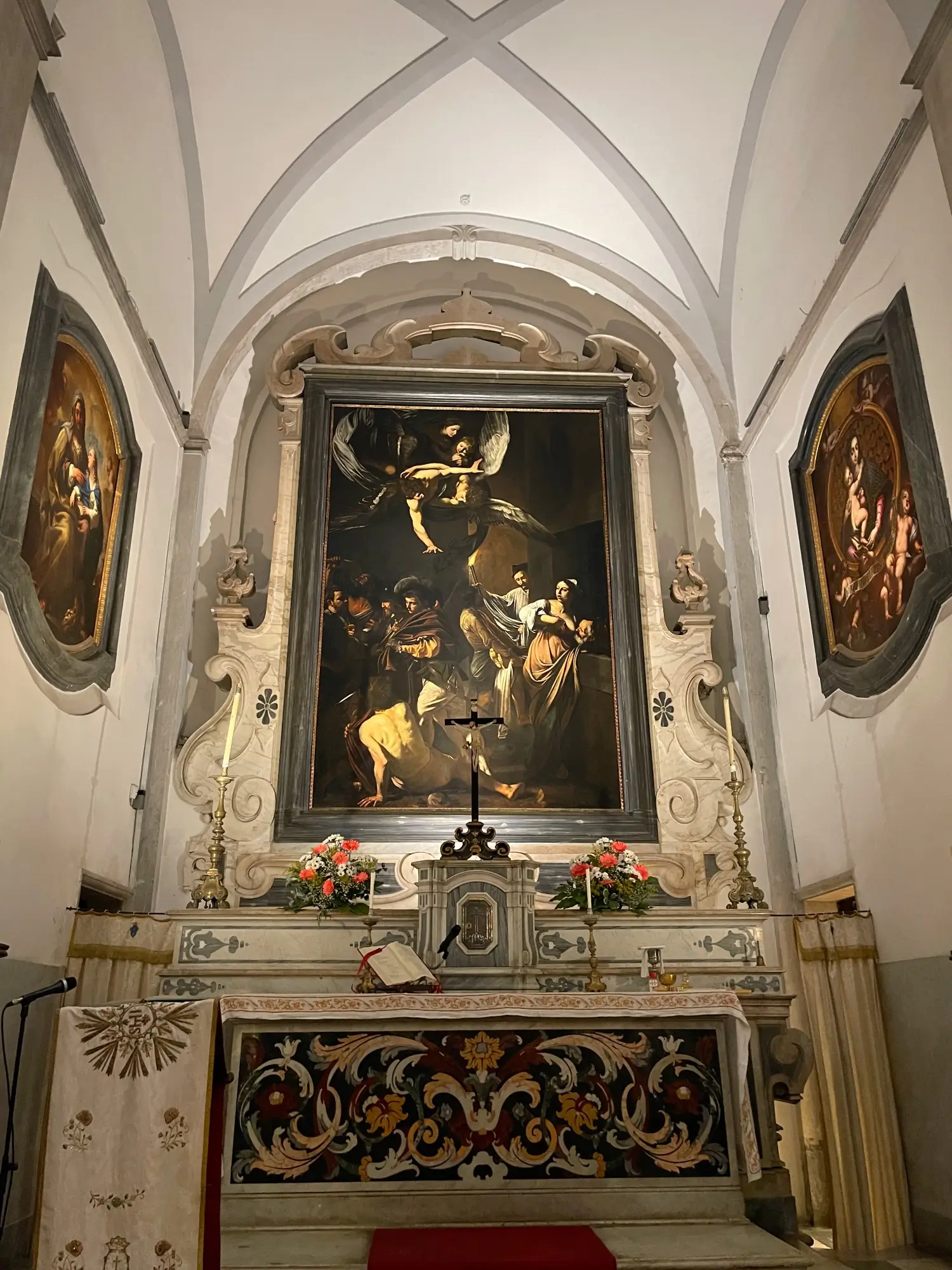
The painting, completed by January 1607, had to represent all seven acts in a single composition: feeding the hungry, giving drink to the thirsty, welcoming strangers, clothing the naked, caring for the sick, visiting prisoners, and burying the dead. Caravaggio responded with a tour de force of nocturnal crowd painting: a dark Neapolitan street, a press of humanity from all walks of life engaged in acts of compassion, and above it all the Madonna and Child borne aloft by two enormous angels — one of them turning to look out at the viewer with an expression of piercing directness.
Amazingly, the painting is still, exactly where Caravaggio left it, at the high altar of the small octagonal church on Via dei Tribunali. This is not a work you view through a museum’s glass and velvet ropes. You stand before it in the building for which it was made, in the exact conditions in which it was intended to be seen.

The Duomo and the Chapel of San Gennaro
The heart of Neapolitan faith
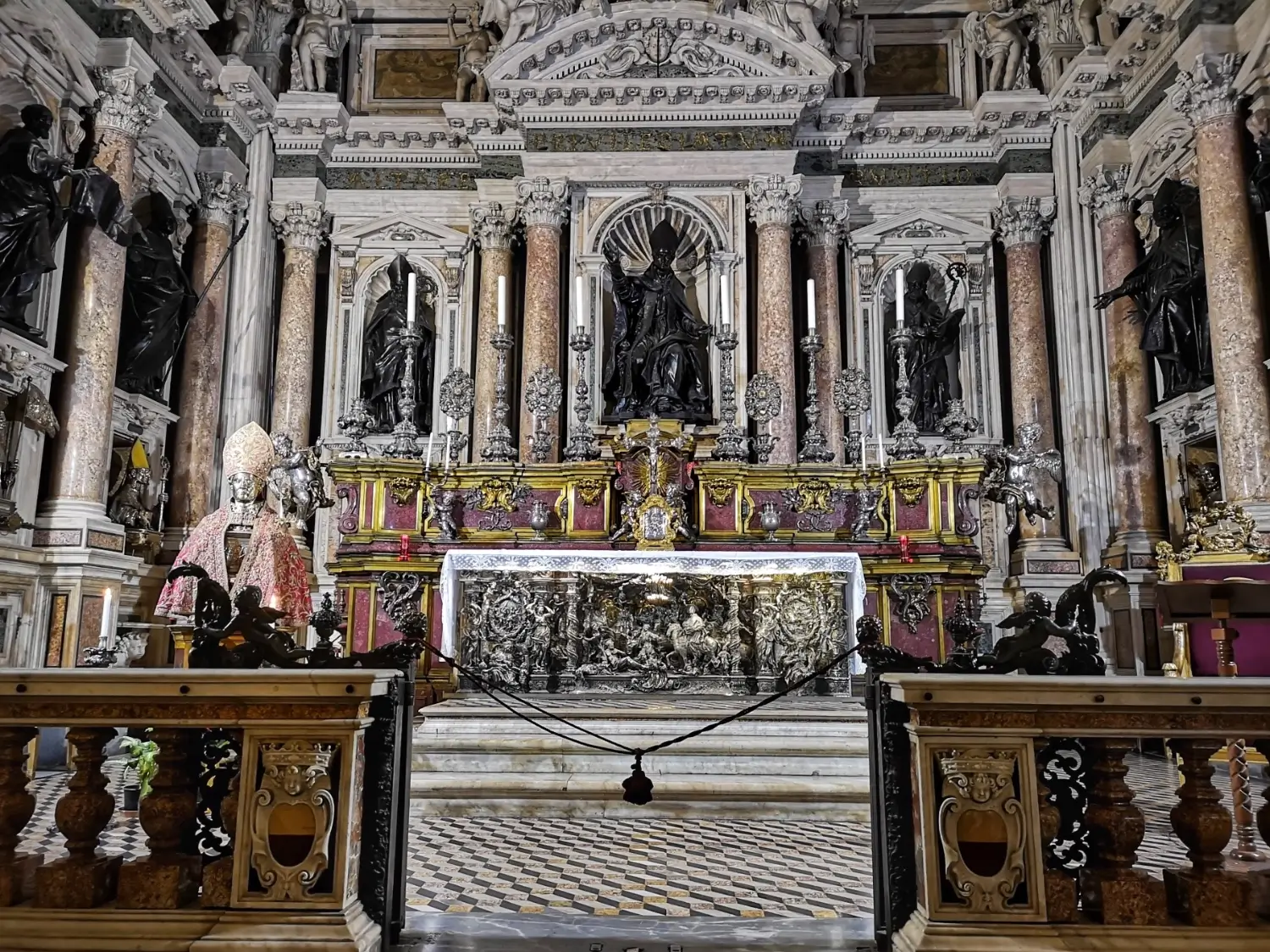
No day in Naples is complete without a visit to its great cathedral, the Duomo di Napoli, and the extraordinary chapel that lies within it. The Duomo has a complex history stretching back to the fourth century. Within its Gothic Angevin nave are embedded two earlier structures: the ancient basilica of Santa Restituta, which houses what may be the oldest baptistery in the Western world, and the Cappella del Tesoro di San Gennaro, where the city’s deepest devotional life has centred for centuries.
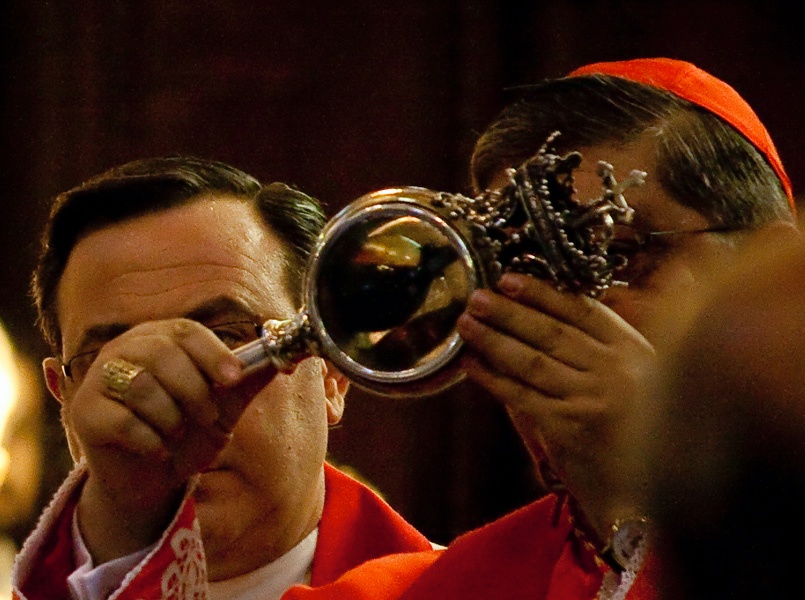
San Gennaro (Saint Januarius) was the Bishop of Benevento, martyred around 305 AD during the Diocletianic persecution. A woman named Eusebia is said to have collected his blood after his decapitation; preserved in two sealed glass ampoules, this ancient dark substance is now kept in a silver reliquary in the chapel. Three times a year the dried blood is brought before the faithful and, in a ceremony that has been recorded since at least 1389, liquefies. When it does, Naples erupts in relief. When it does not, the city takes it as a very bad omen indeed.
The Chapel of San Gennaro itself is a Baroque masterpiece, its walls covered with paintings by some of the greatest Neapolitan artists of the seventeenth century — including Domenichino and Giovanni Lanfranco — and its treasury among the most spectacular collections of devotional art in the world. Standing in it, whatever your own convictions about miracles, it is impossible not to feel the weight of that collective belief pressing in from all sides.

Create Your Custom Journey
Our dedicated team is here to help you design the perfect trip. We’re happy to assist every step of the way.