
Greek cuisine holds a rich and flavorful history that dates back thousands of years. From its traditional use of fresh ingredients to its emphasis on communal dining, Greek food offers a delightful experience that combines history, culture, and taste. In this guide, we will take a culinary journey through some of the most iconic dishes of Greek cuisine, exploring the ingredients, preparation methods, and cultural significance that make these dishes beloved worldwide.
Check out our Athens tours
The Essence of Greek Cuisine
Greek cuisine is characterized by its use of simple yet high-quality ingredients that celebrate the flavors of the Mediterranean region. Olive oil, olives, cheese, yogurt, and an array of fresh vegetables are staples in Greek cooking, contributing to the distinct taste and nutritional value of the dishes.
At the heart of Greek cuisine lies the concept of “meze,” a variety of small dishes shared among friends and family. This tradition fosters a sense of togetherness and community, reflecting the importance of social connections in Greek culture.
Iconic Greek Dishes

Moussaka, a classic Greek dish, is often considered the epitome of comfort food. Layered with eggplant, ground meat (usually lamb), and a rich béchamel sauce, moussaka is a flavorful combination that brings together textures and tastes in perfect harmony. This dish is a testament to the influence of Mediterranean flavors on Greek cuisine, with each layer contributing its own unique contribution to the overall taste.


Souvlaki, a popular street food, consists of skewered and grilled pieces of meat, often served with pita bread and garnished with tomatoes, onions, and a dollop of creamy tzatziki sauce. The meat can range from lamb and chicken to pork, and its marination in olive oil, lemon juice, and a blend of aromatic herbs ensures a mouthwatering result.


Tzatziki, a refreshing yogurt-based sauce, is a staple in Greek cuisine. Made with thick Greek yogurt, grated cucumber, garlic, and dill, this sauce offers a cool and tangy contrast to the richer flavors of other dishes. It can be served with pita bread, used as a dip for vegetables, or as a condiment for meats.

Greek salad, also known as “Horiatiki,” is a colorful and vibrant dish that exemplifies the freshness of Greek ingredients. A mix of tomatoes, cucumbers, red onions, olives, and feta cheese is dressed with olive oil and oregano, creating a simple yet intensely flavorful combination. The addition of olives and feta adds a briny and salty dimension to the dish.
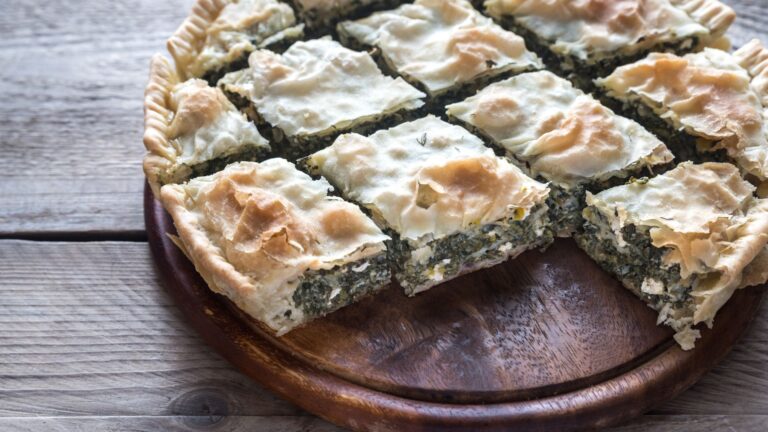
Spanakopita, a savory pie, is made with layers of phyllo pastry filled with a mixture of spinach, feta cheese, onions, and herbs. This dish beautifully showcases the Greek preference for using fresh greens and cheeses in their cuisine, and the flaky phyllo pastry adds a delightful crunch to every bite.

No exploration of Greek cuisine would be complete without mentioning baklava. This sweet dessert is a masterpiece of layers of phyllo pastry, chopped nuts (often walnuts or pistachios), and a sweet syrup made from honey, sugar, and spices. The crispy layers combined with the sticky sweetness of the syrup create a harmonious balance of textures and flavors.
Cultural Significance
Greek cuisine is more than just food—it is an expression of culture, tradition, and history. The emphasis on communal dining and sharing of meze reflects the importance of social bonds in Greek society. Meals are often leisurely affairs, with friends and family gathering around the table to enjoy not only the food but also each other’s company.
Moreover, Greek cuisine is closely tied to the country’s geography and climate. The abundance of olive trees, grapevines, and a mild Mediterranean climate have shaped the ingredients and flavors that are so central to Greek cooking.
Embracing the Greek Culinary Experience
To truly appreciate Greek cuisine, it’s important to embrace its philosophy of using fresh, high-quality ingredients and savoring the flavors of the Mediterranean. Whether you’re indulging in the rich layers of moussaka, savoring the tangy notes of tzatziki, or enjoying the communal spirit of meze, each dish offers a glimpse into the heart of Greek culture.
As you embark on your journey through Greek cuisine, consider trying your hand at preparing these iconic dishes at home. The process of chopping fresh vegetables, marinating meats, and assembling the layers of phyllo pastry can be a rewarding culinary adventure that allows you to connect with the history and flavors of Greece.
In conclusion, Greek cuisine is a tapestry of flavors, history, and tradition that continues to captivate food enthusiasts around the world. From the comforting layers of moussaka to the refreshing tang of tzatziki, each dish tells a story of a rich culinary heritage that celebrates both community and the bounties of the Mediterranean landscape. So, next time you savor a bite of Greek cuisine, remember that you’re not just eating food—you’re experiencing a piece of Greece’s vibrant culture.
Book Your Athens Experience