Choosing where to stay on the Amalfi Coast comes down to what kind of experience you’re after.
Positano offers iconic views and lively energy, Amalfi is central and well-connected, while Ravello provides a quieter, more refined escape above the sea. Each town has its own rhythm – and finding the right base can completely shape your trip.
Wherever you choose, though, you will be surrounded by beauty. An enchanted land of picturesque towns perched on rugged cliffs, the jaw-dropping Amalfi coast is easily one of the most spectacular stretches of coastline anywhere in the world. Nestled between the soaring Lattari mountains and the azure waters of the Tyrrhenian Sea, the Amalfi coast unfolds along terraces and vineyards cut into the mountainside, with narrow coves and thin stretches of sand providing access to the sea below.
There is something for everyone on the Amalfi Coast. From the boutiques and plush hotels of Positano to the stunning Byzantine architecture of Amalfi, from the paradise villas of Ravello to some of the world’s most dramatic hiking trails, you simply won’t be able to resist the charms of a region that UNESCO has recognized as an outstanding example of the Mediterranean landscape.
In this article, I will guide you through my favorite towns on the Amalfi Coast and the best hotels in each of them.
Check Out Our Amalfi Experiences
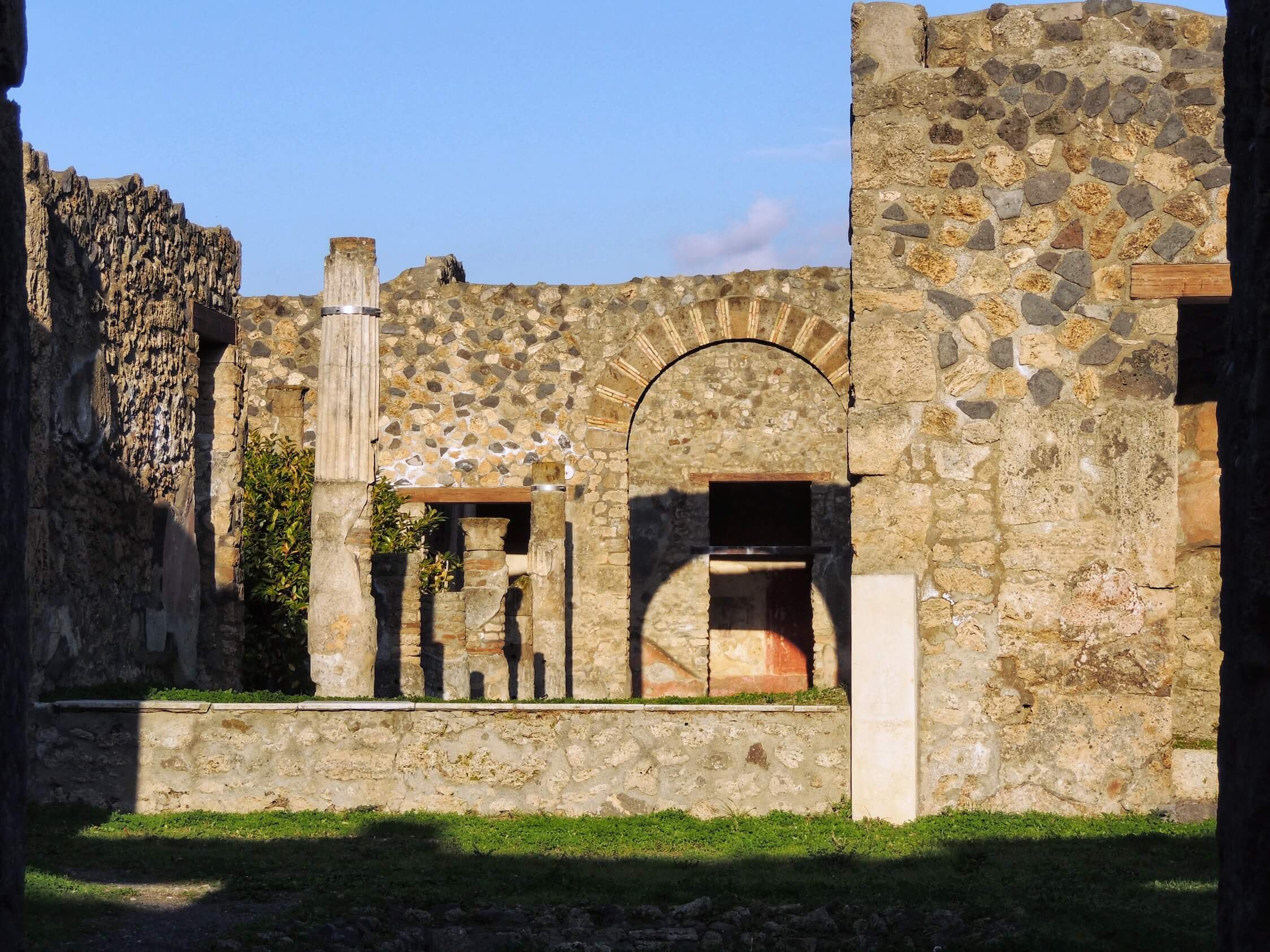
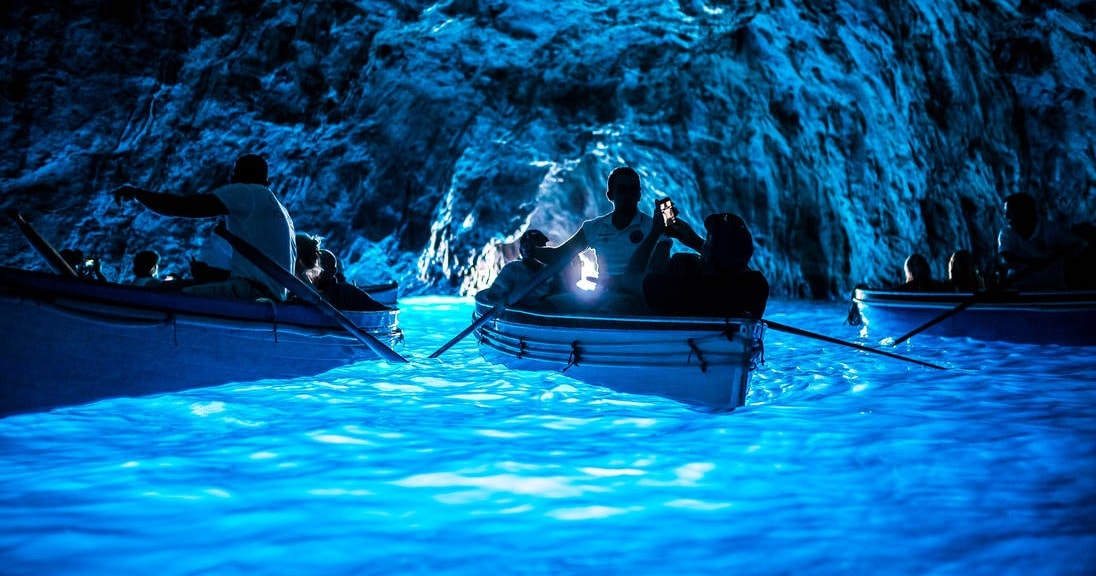
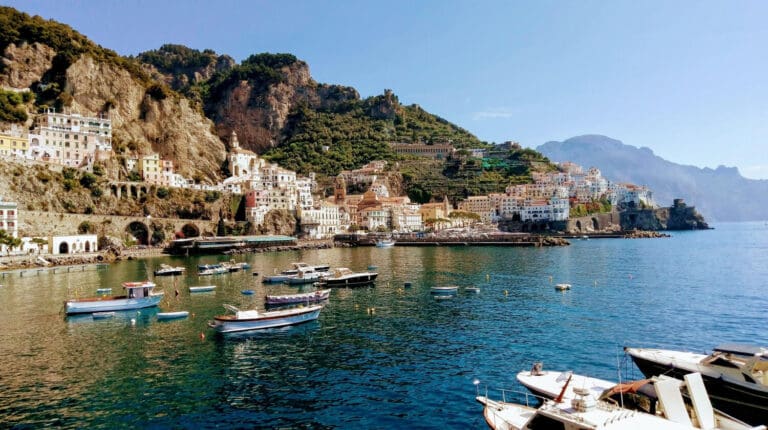
Few places combine landscape, history, and atmosphere quite like the Amalfi Coast. Recognized by UNESCO as a World Heritage Site, it’s celebrated as an outstanding example of the Mediterranean landscape—where human settlement and nature exist in striking harmony.
What makes it truly special is the variety packed into a relatively small stretch of coastline. In the space of a single trip, you can wander medieval streets in Amalfi, soak in the glamour of Positano, and take in sweeping views from the gardens of Ravello. Add to that some of Italy’s most dramatic coastal drives, world-class hiking trails, and a cuisine shaped by sea and land, and it’s easy to see why the Amalfi Coast has captivated travelers for generations.
Amalfi Coast Towns at a Glance
| Town | Best For | Price Range | Vibe |
|---|---|---|---|
| Positano | First-time visitors, iconic views, luxury stays | €€€–€€€€ | Glamorous, photogenic, lively |
| Amalfi | Convenience, transport links, history | €€–€€€ | Bustling, historic, central |
| Ravello | Peace, views, romantic stays | €€€–€€€€ | Quiet, elegant, elevated |
| Praiano | Value, fewer crowds, local feel | €€–€€€ | Relaxed, scenic, low-key |
| Atrani/Vietri | Budget stays, beach access | €–€€ | Authentic, laid-back, practical |
Not sure which one is right for you? Below, we break down each town in detail, along with our favorite places to stay.

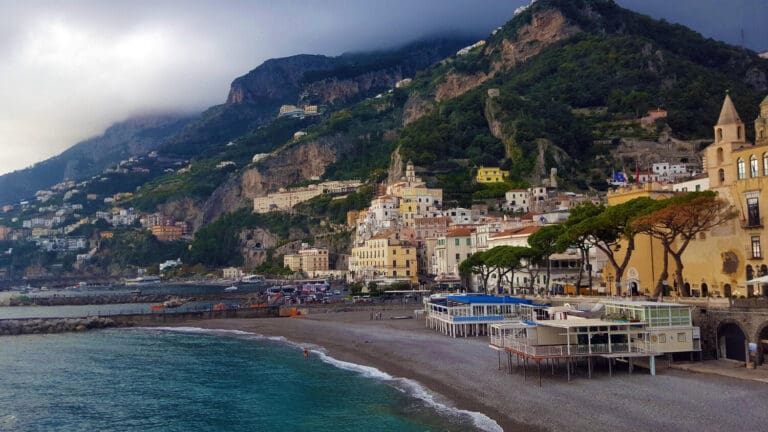
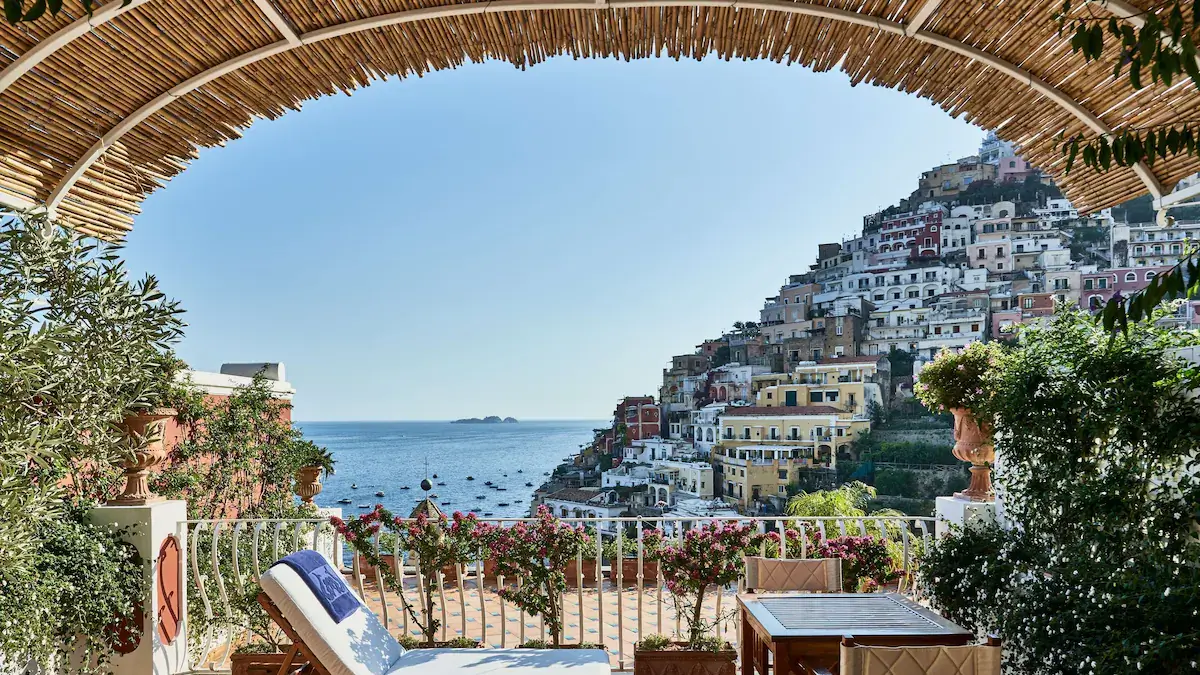
For a good reason Positano is popular with the jet-setting rich and famous: this postcard-perfect destination has been a resort town since antiquity when ancient Romans retreated here to take advantage of the restorative sea breezes.
The town is startlingly beautiful – think row after row of pastel-colored houses dramatically tumbling down the cliffs towards the Mediterranean below, narrow laneways wreathed in wisteria, and a lovely church at the heart of it all with a spectacular majolica-tiled roof.
Positano is known for its shopping: pretty little boutiques line the streets, selling everything from designer fashion to handmade sandals. Be sure to pack your walking shoes: the different levels of Positano are linked by a seemingly endless series of steep stairways that will eventually lead you down to the waterfront at the town’s two beaches: Spiaggia Grande and Spiaggia del Fornillo.
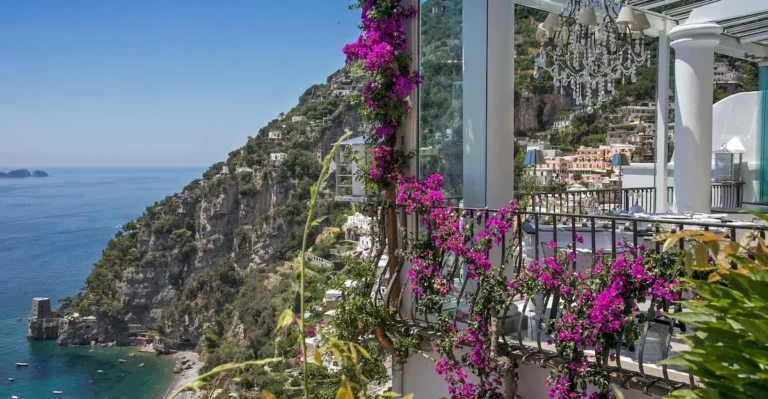
| Luxury | Adults Only |
Price range: €700–€1,500+ per night
Best for: Couples, luxury travelers, special occasions
Why book it: A high-design hilltop retreat with panoramic views and a standout rooftop experience.
“A dream amid sea and sky,” reads the hotel’s tagline. It is hard to disagree. In a town full of exceptional properties, this one still manages to stand out, with immaculate interiors, a Michelin-starred restaurant, and a rooftop bar that delivers some of the best views in Positano. It’s the kind of place you come to slow down, switch off, and fully absorb the magic of the coast. Sure it’s very, very pricey, but it’s one of the most beautiful hotels in the world, located in one of the most beautiful towns in the world. What more could you want?
| Budget-Friendly Apartments |
Price range: €250–€400 per night
Best for: Budget-conscious travelers, longer stays
Why book it: One of Positano’s rare good-value stays with stylish, modern apartments.
Budget doesn’t really exist in Positano, but Casa Caprile comes close. These bright, modern apartments in the upper part of town offer a clean, comfortable base at a fraction of the usual cost. The trade-off is the climb—but if you don’t mind the stairs, it’s one of the best-value options in town.
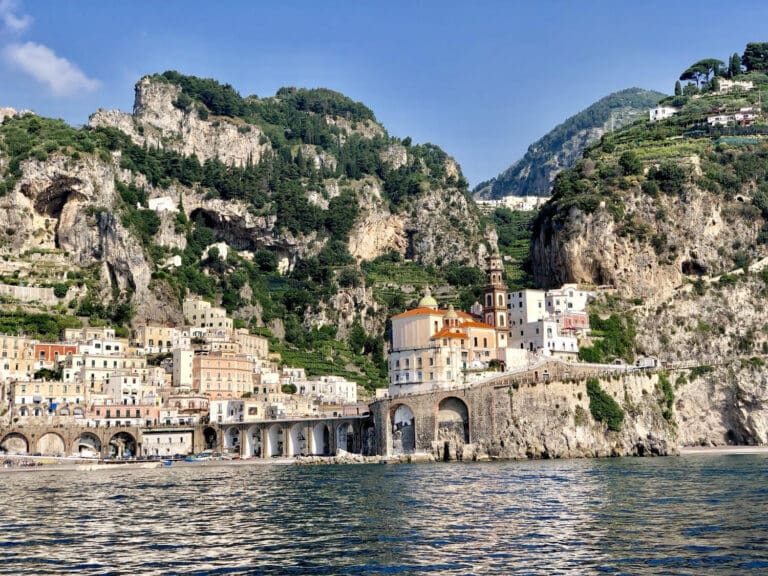
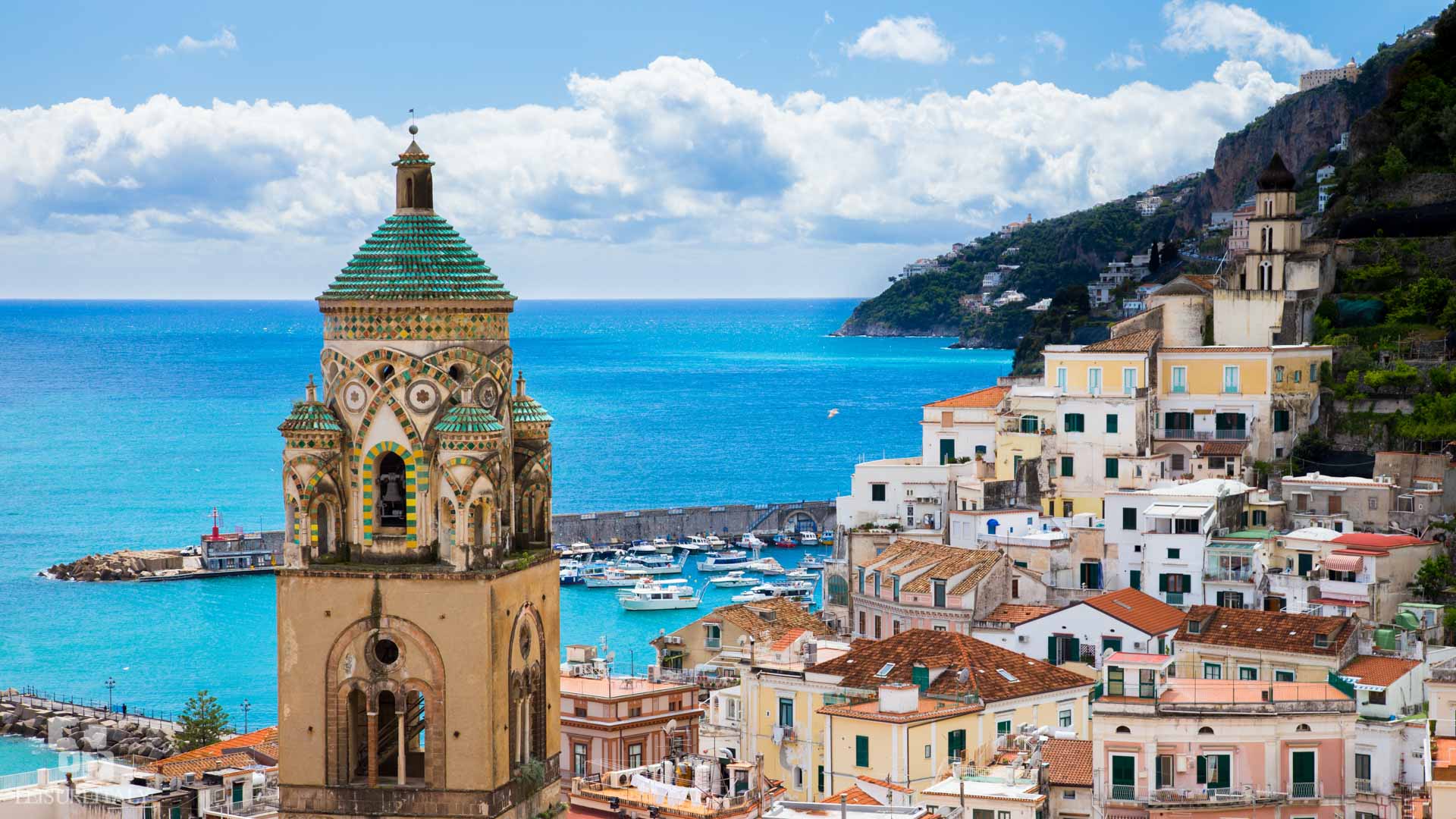
These days, the city that gives the coastline its name is a charming but out-of-the-way town of just 5,000 inhabitants, but it wasn’t always this way. It might be hard to believe, but for a period during the Middle Ages Amalfi counted itself amongst Italy’s maritime superpowers. A thriving population of 70,000 people and a fleet of ships that was the envy of the Mediterranean brought untold wealth to this isolated corner of the Campania coast before a devastating earthquake sent most of the town tumbling into the sea in 1343.
The most impressive reminder of Amalfi’s glorious past is the city’s magnificent Byzantine cathedral, built to house the relics of Saint Andrew – brought here by the empire’s ships way back in 1208. Next door, the 13th-century Chiostro del Paradiso (cloister of Paradise) lives up to its name: delicate Arabic arches surround a leafy garden, final resting place of the town’s most important citizens. If you’d like to visit Amalfi’s cathedral on a tour of the Amalfi Coast, then be sure to check out our private Amalfi coast itineraries.
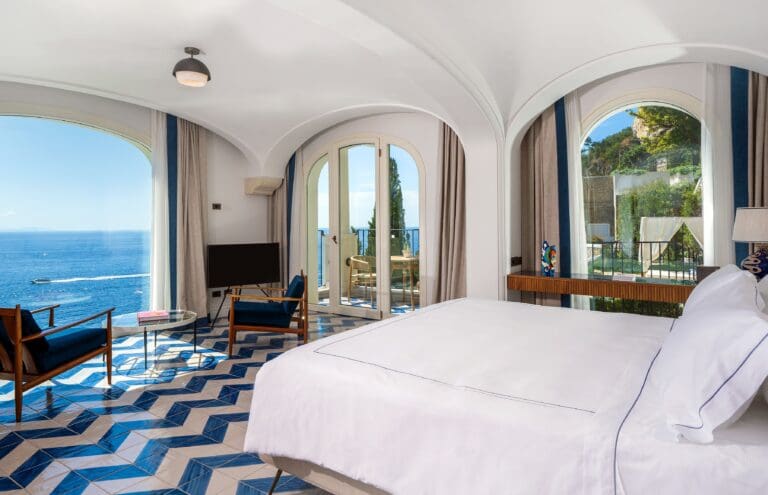
| Ultra-Luxury | Private Beach |
Price range: €800–€2,000+ per night
Best for: Luxury travelers, honeymooners
Why book it: A design-forward luxury hotel with rare private beach access in Amalfi.
I find myself mesmerized by the tiles in this incredible architectural space, but when I can drag my eyes away, I am greeted by spectacular views from every room. The sea and sky seem endless. The upper suites have private pools, but all guests are free to use the private beach (one of the few in Amalfi) that is reserved exclusively for the hotel’s guests.
| Mid-Range | Private Villa Stay |
Price range: €400–€700 per night
Best for: Families, groups, relaxed stays
Why book it: A peaceful countryside escape with space, privacy, and authentic charm.
Located in a patiently restored old mill, with a babbling brook beside for good measure, the Lemon Garden Villa is a perfect option for families or groups. With 3 bedrooms, this idyllic spot is an oasis of calm. There may be no pool, but the private 200m terrace with views of the surrounding countryside is a perfect place to unwind. The prices shouldn’t offend either, with peak summer rates starting at $450 a night.
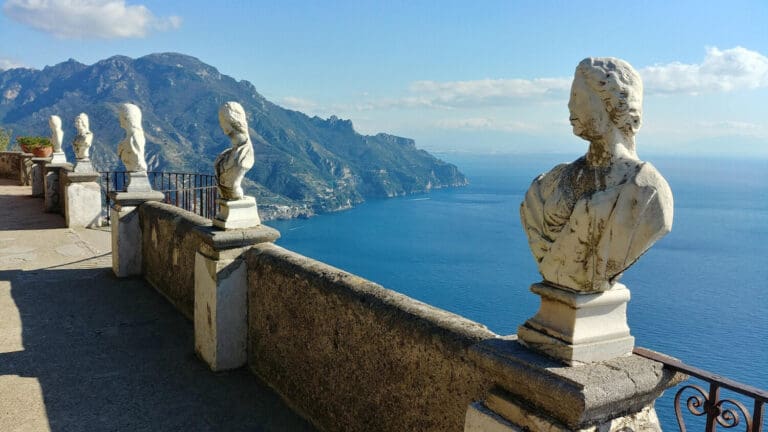
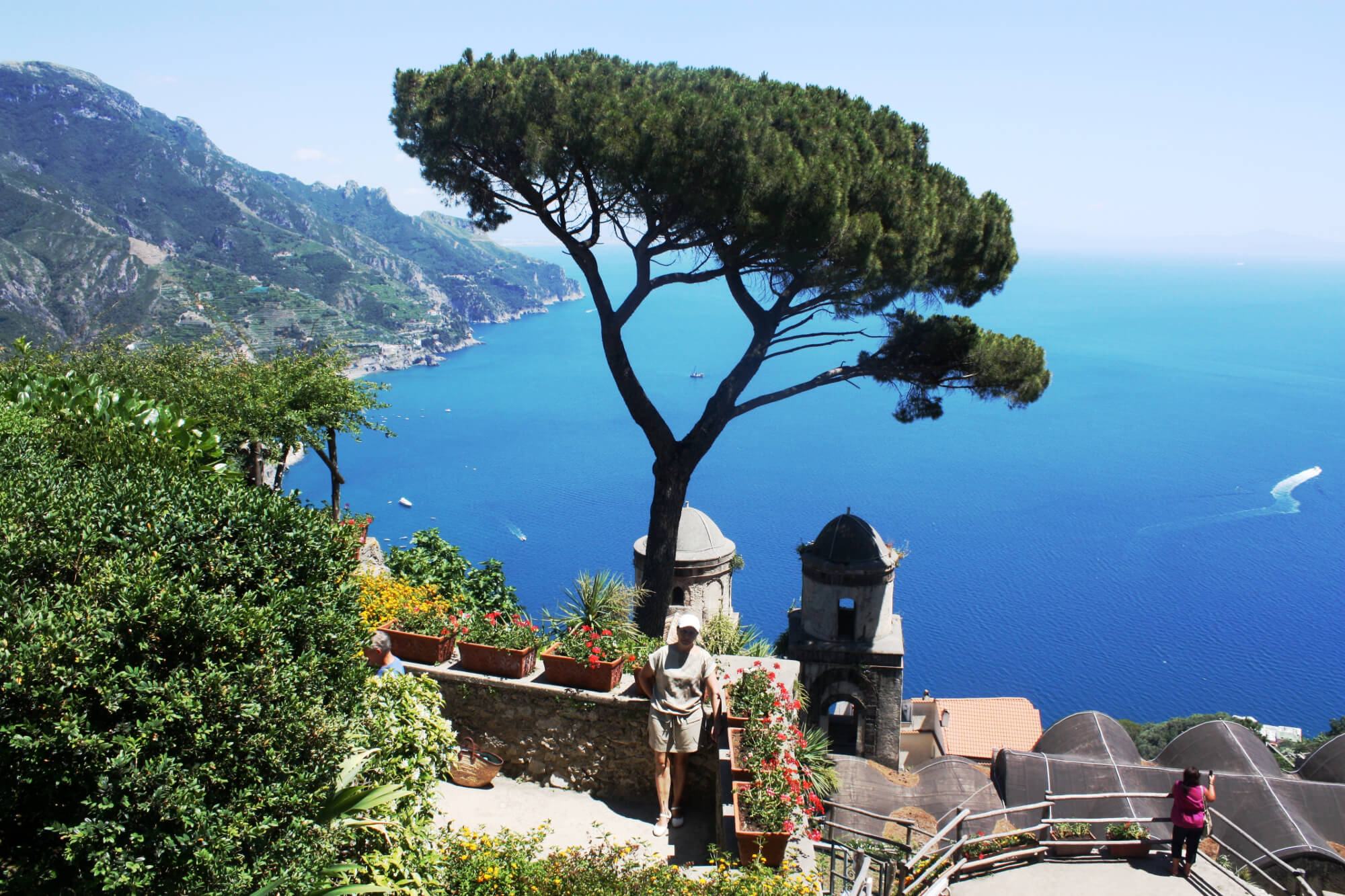
Long a favorite amongst writers, the extraordinary views across the Tyrrhenian sea from the hilltop Ravello have to be seen to be believed. Perched 350 meters above sea level, rarefied Ravello was founded in the 5th century as a safe haven from Barbarian raiders, and even today, the town still feels removed from the chaotic bustle of life down on the coast. Just wandering its calm streets is a real pleasure: stop off at an open-air cafe in the central piazza or breathe in the fresh lemon-scented air in the town’s innumerable gardens.
The town is most famous for its two magnificent villas – Villa Rufolo and Villa Cimbroneri. Beloved by German composer Richard Wagner (who was inspired by the villa for the staging of his opera Parsifal), the garden of Villa Rufolo is the fabulous setting for a series of world-class classical concerts that take place in Ravello each summer.
Over the years, Villa Cimbrone, meanwhile, has played host to everyone from Greta Garbo to Winston Churchill and Salvador Dali, and its Terrazza dell’Infinito (Terrace of Infinity) is a breathtaking encapsulation of everything that makes the Amalfi coast so special: classical statues and blooming flowers frame a panoramic view of the entire coastline, while the blue waters of the sea look impossibly inviting far below.
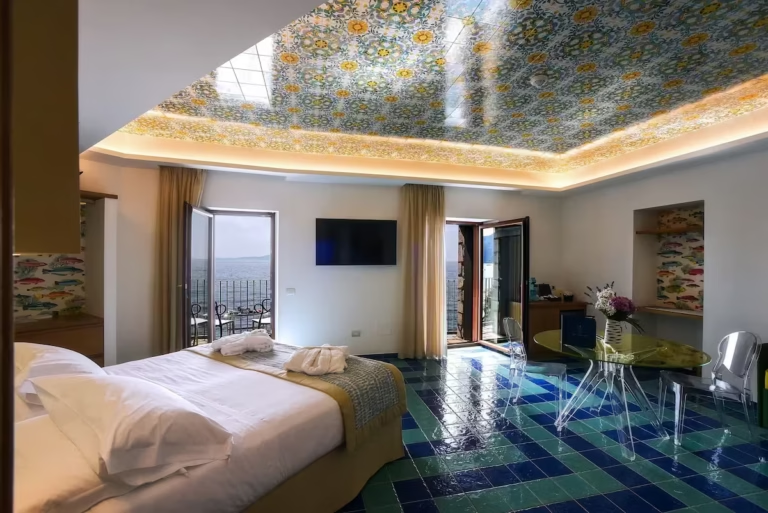
| Mid-to-Luxury | Hotel & Apartments |
Price range: €350–€900 per night
Best for: Families, couples, longer stays
Why book it: Combines hotel comfort with apartment flexibility—plus direct sea access.
When I was just out of university, a good hotel meant cheap. In my thirties, it meant at least as nice as my own house, if not better. Now, with a young family, I like the luxury of a hotel, with cleaning, a pool, and amenities, but I also like a kitchen, where I can cook if we are all too tired to head out.The Ravello Art Hotel meets all of this. If it was any closer to the sea, it would fall in. It has a private pool, private access to the sea via a dock, hotel rooms, and a small block of beautiful apartments right next door. All of this makes the Ravello Art Hotel a perfect base for any traveler through Ravello.
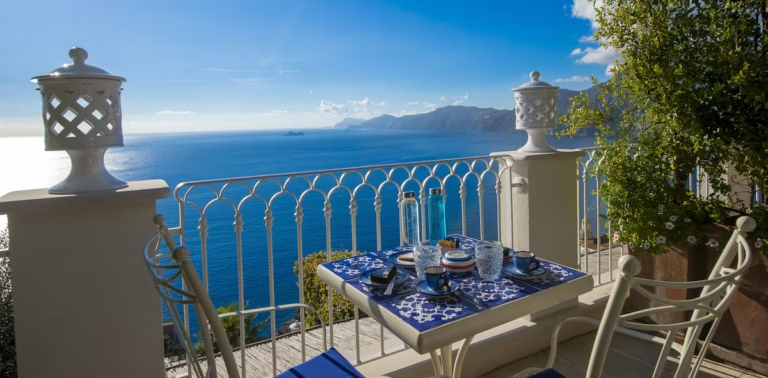
Sleepy Praiano is the perfect antidote for anyone looking to escape the crowded centers of Positano and Amalfi during the height of the summer months. With no tourist attractions or town centre as such, Praiano is still passed over on most itineraries. But this little fishing village and a one-time important center of the silk trade is a lovely surprise for those who do stop here. Whitewashed houses speckle the hillside of Monte Sant’Angelo as it runs down to a small sandy beach enclosed in a lovely little cove, flanked by restaurants housed in former fishermen’s dwellings – try Da Armandino for excellent fresh fish.
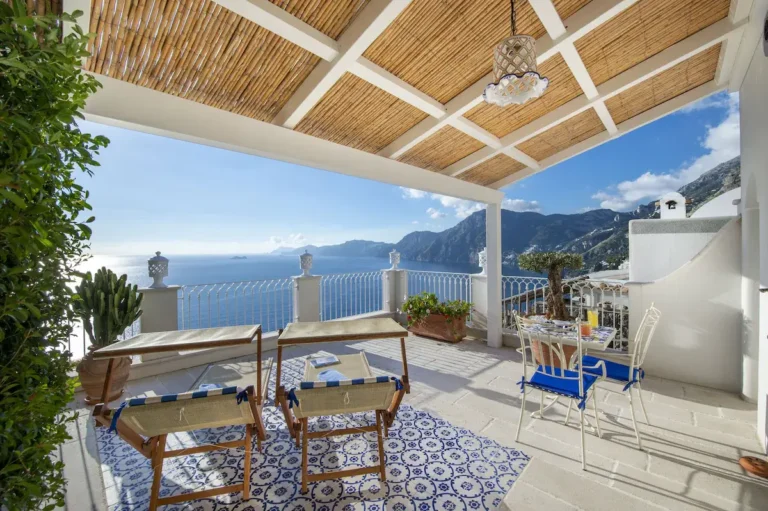
| Budget / Mid-Range | Scenic Stay |
Price range: €150–€300 per night
Best for: Couples, quiet escapes, value seekers
Why book it: Incredible views at a fraction of Positano prices in a much quieter setting.
If the B&B La Barbera was in Ravello, Amalfi, or Positano, you could add an extra $500 a night onto her price, and no one would bat an eye-lid. But if you did, you would lose half the charm. What makes B&B La Barbera so special is its location in the quiet town of Praiano.If exploring by day but relaxing by night is your aim, then it is very hard to do better than this. I could sit on that balcony for weeks on end, admiring the view and never stepping foot out the door, and every single minute would feel well spent. Rates|Photos|Reviews
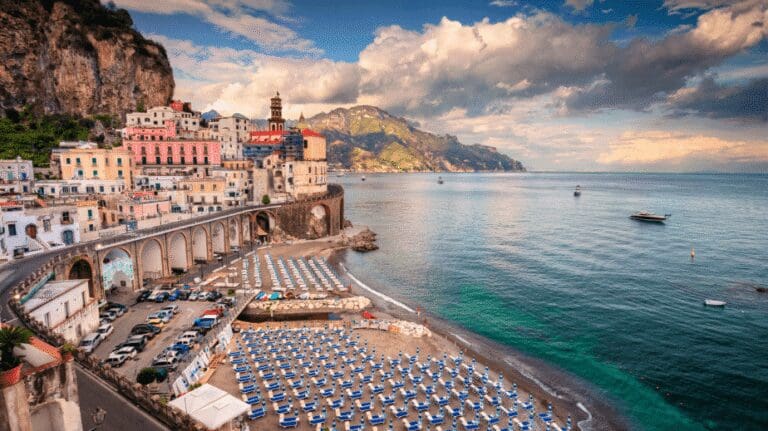
Tiny Atrani is just a mile down the road from Amalfi, but it seems a world away from its often crowded big brother. A fishing village nestled between the Monte Civita and Monte Aureo, Atrani covers an area of just 0.1206 km2, making it officially Italy’s smallest town. Atrani’s tightly packed whitewashed centro storico is about as Mediterranean as you can get, a tangle of lanes and houses snaking up the hillside via vertiginous stairways. Keep climbing, and you’ll eventually emerge blinking into the sunlight at the Piazzetta, Atrani’s main square, where sunset views over the sea are hard to match.
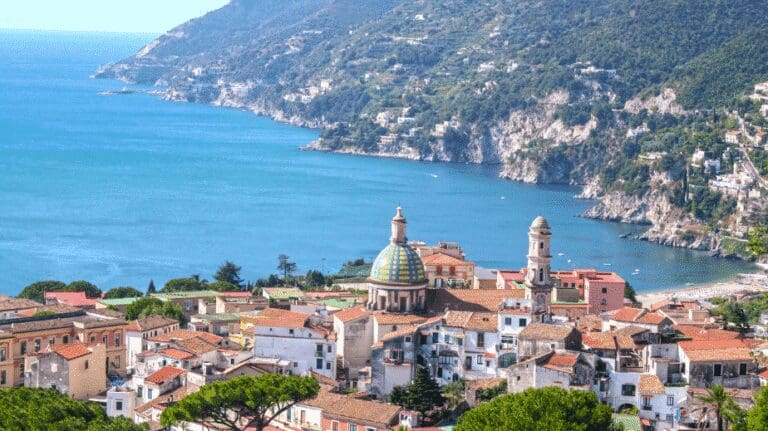
Standing at the far southern end of the Amalfi coast, Vietri sul Mare is the place to go if you’re interested in ceramics. Locals have been firing up their kilns here since ancient times, but production really took off in the 17th- century when the Bourbon court in Naples took a fancy to the town’s distinctive Mediterranean-inspired ware. Today the town is packed with shops selling Vietri majolica, so if you’re looking to bring back a memory of the Amalfi-coast be sure to stop off here.
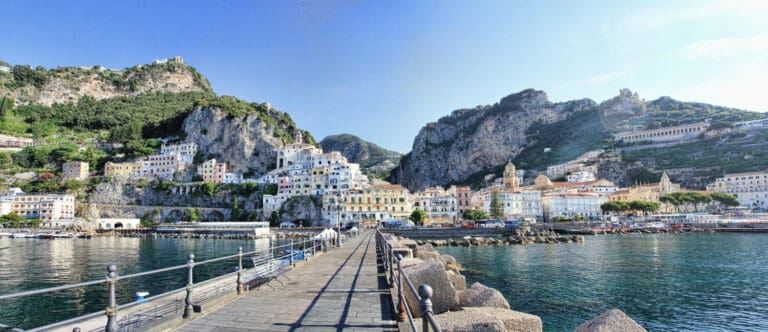
Getting around the Amalfi Coast is part of the adventure – but it does require a bit of planning. The coastline is dramatic, beautiful, and famously winding, which means travel times can be longer than they look on a map.
- Ferries are one of the easiest and most enjoyable ways to move between towns like Positano, Amalfi, and Salerno. They run frequently in the warmer months and offer spectacular views of the coastline, often making them the most relaxing option.
- Buses, operated by SITA, connect all the main towns along the coast. They’re affordable and reliable, but can get very crowded—especially in peak season—so expect queues and limited seating during the summer months.
- Car hire gives you flexibility, but it’s not always the easiest choice. The coastal road is narrow, winding, and busy, with limited parking in most towns. For many visitors, it’s more stressful than it’s worth unless you’re traveling outside peak season or staying somewhere more remote.
For most travelers, a mix of ferries and buses offers the best balance between convenience, cost, and experience.
Which town on the Amalfi Coast is best to stay in?
It depends on your travel style. Positano is the most iconic and atmospheric, Amalfi is central and well-connected, while Ravello offers a quieter, more elevated escape. Each has its own character, so the “best” choice comes down to whether you prioritize views, convenience, or tranquility.
Is Positano or Ravello better?
They offer very different experiences. Positano is all about dramatic coastal scenery, beach access, and lively energy, while Ravello sits high above the sea, known for its peaceful atmosphere and sweeping views. Positano suits those wanting to be in the heart of the action; Ravello is better for a slower, more relaxed stay.
Is the Amalfi Coast expensive?
Yes – the Amalfi Coast is one of Italy’s more expensive destinations, especially in peak season. Accommodation, dining, and transport costs can add up quickly, particularly in hotspots like Positano. That said, staying in towns like Maiori or Minori, traveling in shoulder season, and using public transport can help keep costs more manageable.
When is the best time to visit the Amalfi Coast?
The best time to visit is late spring (May–June) and early autumn (September–October), when the weather is warm but crowds are more manageable. July and August offer peak summer energy but come with higher prices and heavier crowds, while the off-season is quieter but with reduced ferry services and some hotels closed.

Check Out Our Amalfi Experiences