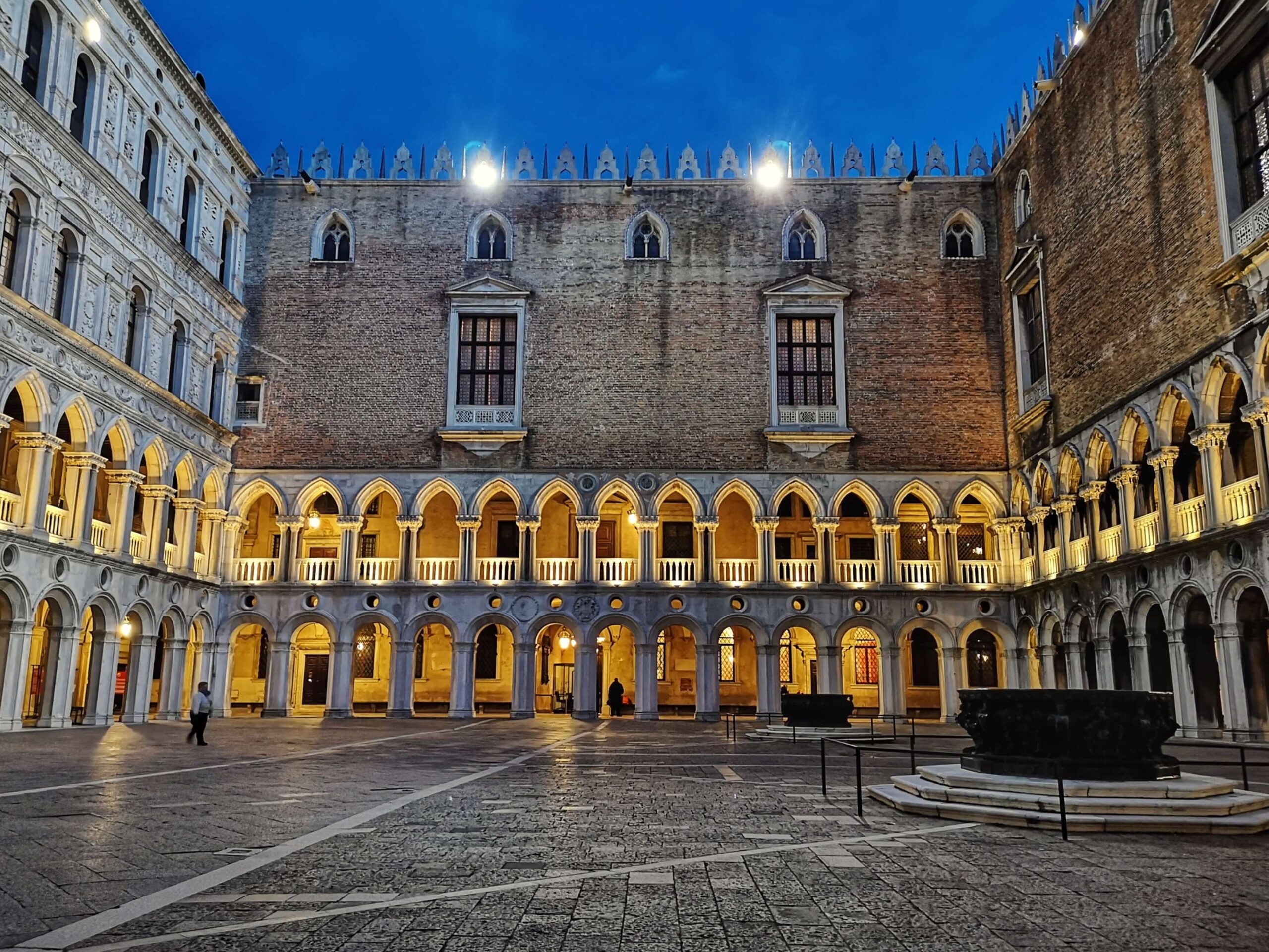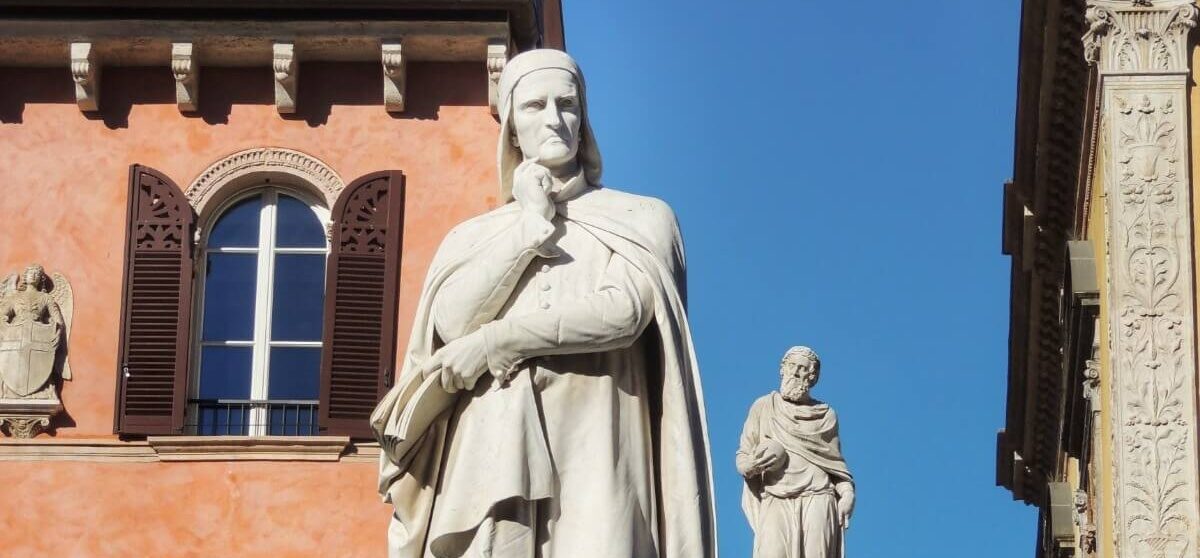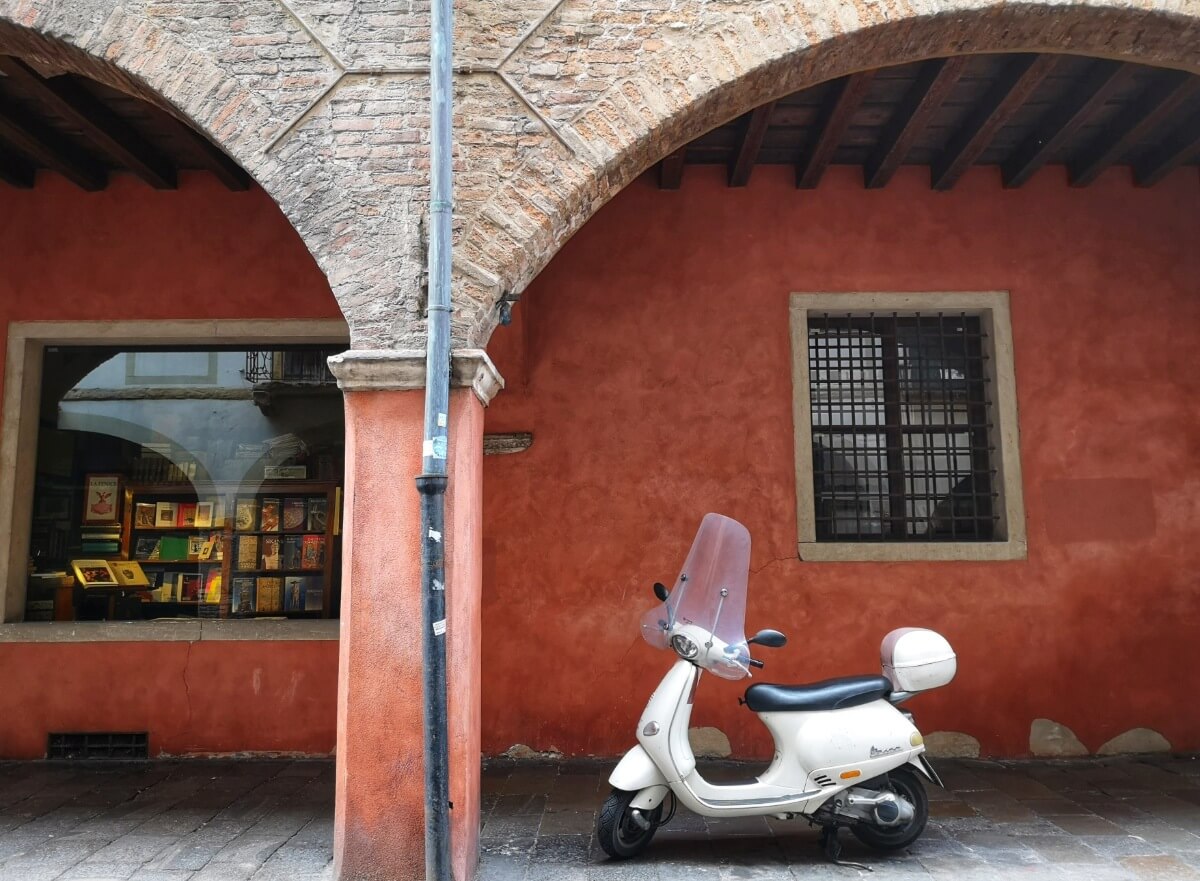
Historic Padua is one of the most appealing cities in Italy.
Chock-full of fabulous art, culture and history just half an hour from Venice, Padua doesn’t feature on most tourist itineraries, and is never overrun with visitors. But what treasures await those who do make the trip from Venice! Home to one of the world’s oldest universities, the city boasts a vibrant social scene unfolding around magnificent medieval landmarks.
From artistic masterpieces like Giotto’s Scrovegni Chapel, Giusto de’ Menabuoi’s mind-bending medieval cosmography in the Baptistery, Mantegna’s Ovetari chapel and Titian’s first masterpieces in the Scoletta, Padua is an art-lovers paradise. The tangled alleys of the historic centre meanwhile boast an 800-year old market, an array of characterful bars, restaurants and more. To celebrate the launch of our Best of Padua tour, this week on our blog we’re counting down the places you need to see in this beautiful city!
Best Veneto Tours
Explore Padua!
one
The Basilica of Saint Anthony
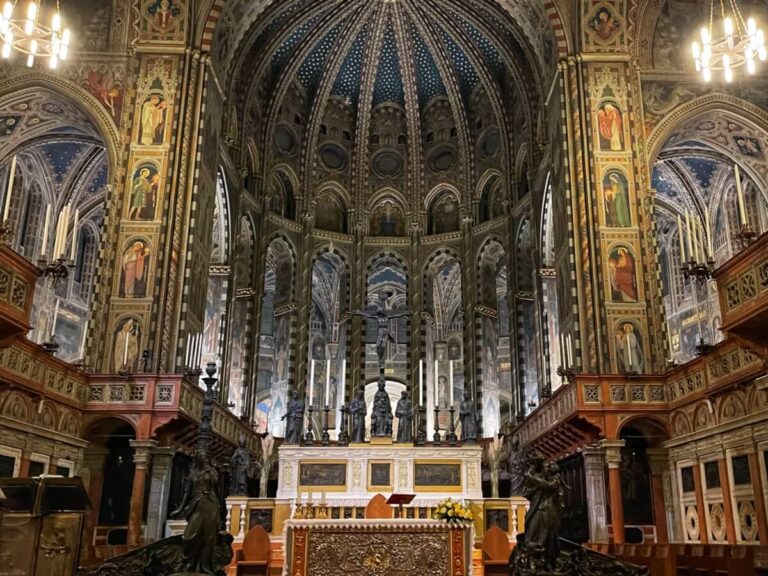
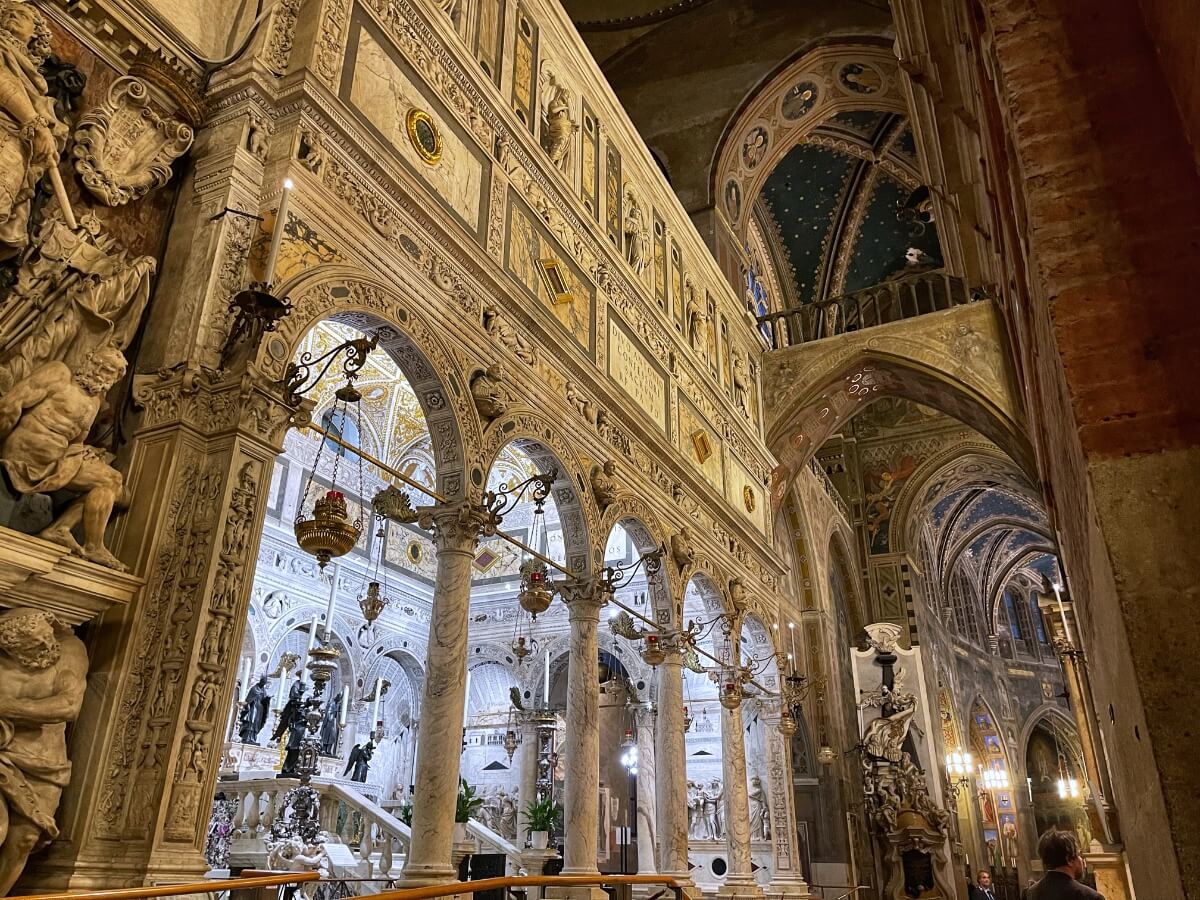
Without question one of the world’s greatest churches, this imposing gothic edifice was constructed shortly after the death of the city’s patron saint in 1232 to provide an appropriate setting for his tomb. The church’s series of domes and spires are visible from across the city, and legions of pilgrims flock here every day to pay homage to the mendicant friar. The interior is a maze of chapels and corridors where masterpieces lie in wait around every corner: look out for Donatello’s refined reliefs on the high altar and the stunningly expressive sculptural narratives of Saint Anthony’s life by the Lombardi brothers in the Cappella del Santo, where the faithful jostle to supplicate at the saint’s final resting place.
two
Donatello’s Statue of Gattamelata
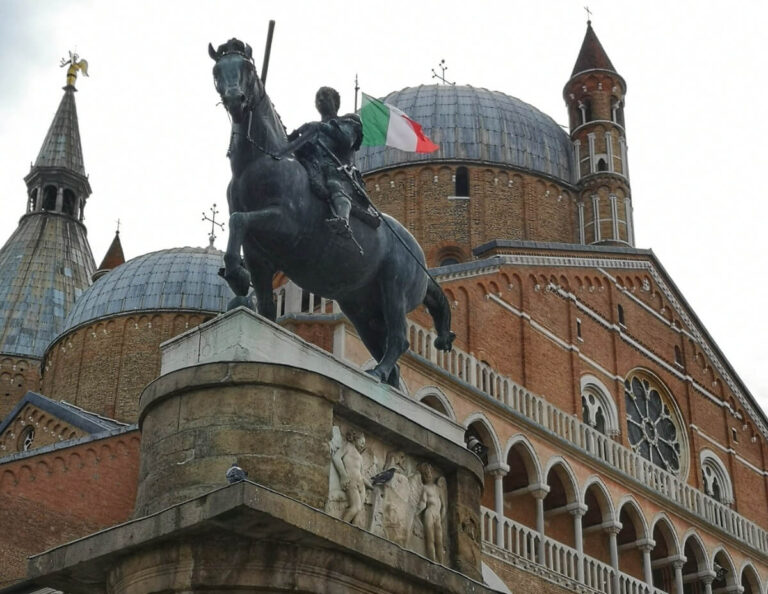
Before heading into the basilica di San Antonio, make sure to look upwards: towering over the piazza is Donatello’s equestrian monument to the Renaissance soldier-for-hire Erasmo da Narni, popularly known as Gattamelata, who spent his long career doing battle for the Republic of Venice. After his death in 1443 the state determined to honour Gattamelata with a monument, and turned to Italy’s most eminent contemporary sculptor to realise their vision: Donatello.
The grizzled warrior gazes off into the distance from his trusty steed, ready for battle. The first monumental bronze equestrian statue to be cast since antiquity, Donatello’s Gattamalata forcefully recalls the iconic Roman sculpture of Marcus Aurelius on horseback – at the time posted outside Rome’s church of San Giovanni in Laterano and a powerful symbol of the virtuoso skill of ancient artists to Donatello’s generation, who were determined to revive the lost splendours of classical art in their own time.
three
The Scuola del Santo, or Scoletta
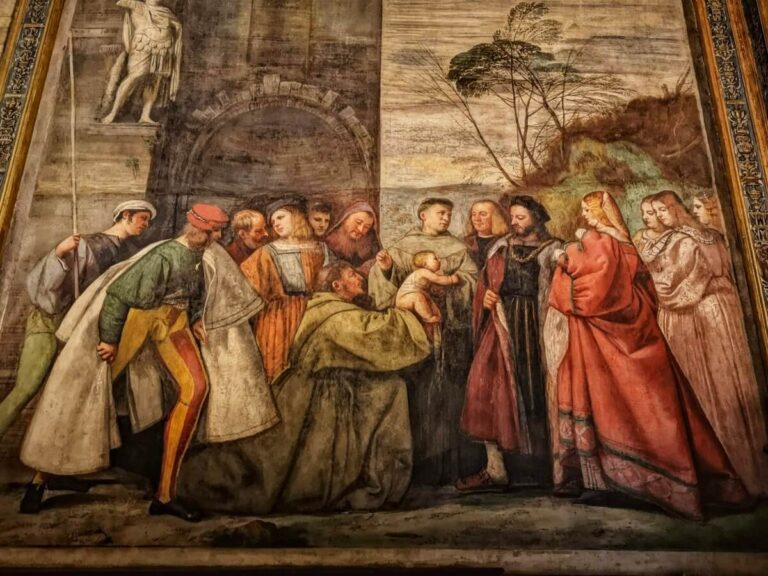
Before leaving the complex of San Antonio, make sure to have a look in to the Scuola del Santo adjacent to the basilica. This beautifully proportioned little building was erected in the opening years of the 16th century by a lay confraternity whose members were devoted to following in the footsteps of the charitable Saint Anthony. The upper hall is decorated with a cycle of paintings depicting the various miracles the saint performed in his lifetime, and amongst the contributors was a young Venetian by the name of Tiziano Vecellio.
The three canvasses that the 20-year-old Titian produced for the Scoletta are amongst the earliest to come down to us by the master’s hand, and illustrate The Miracle of the Newborn Child, The Miracle of the Wrathful Son and The Miracle of the Jealous Husband – this last scene in particular points towards Titian’s burgeoning skill, a dramatic and vibrant portrayal of a jealous spouse whose murder of his innocent wife is miraculously reversed by Anthony’s timely intervention.
four
The Oratory of Saint George
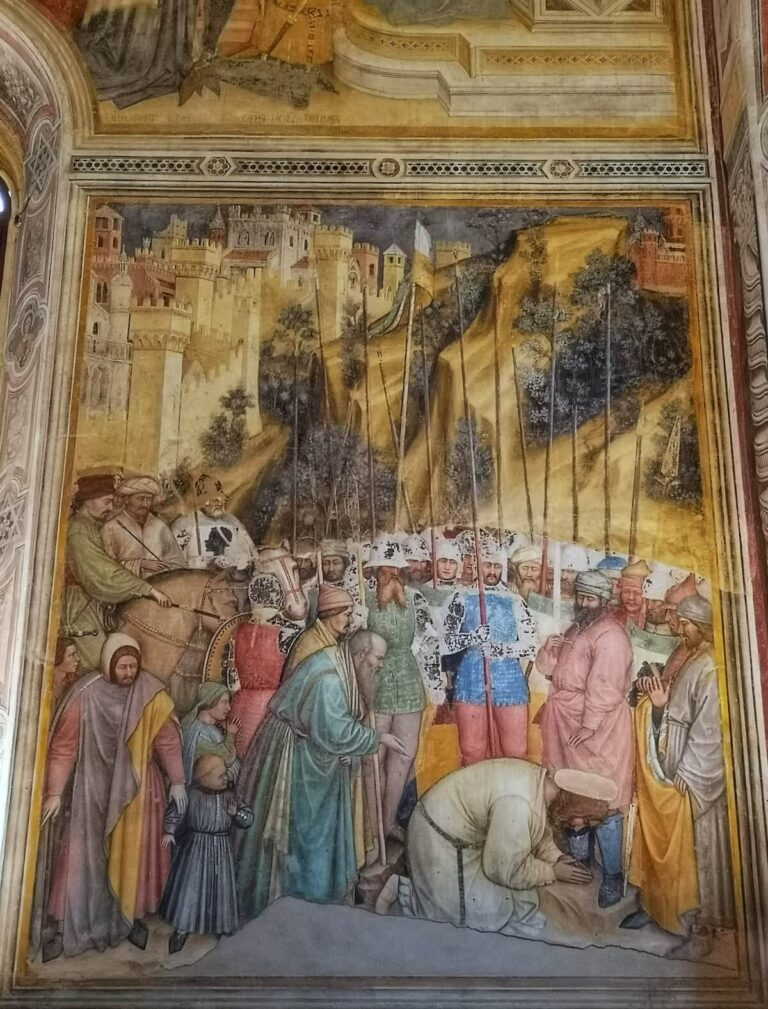
Of the great painters to have made their mark on Padua, perhaps none is more characteristic of the city’s unique artistic heritage than Altichieri da Zevio, whose late-medieval frescoes in the Oratory of Saint George bring the world of 14th-century Padua vividly to life. Violence is the order of the day here as portrayals of the lives, torture and martyrdoms of Saints Catherine of Alexandria and St. George play out across the walls. A bewildering array of torments are on full display as the early-Christian saints suffer miserably for their faith, but Altichieri’s paintings are not just for the sadists. Each sacred narrative is populated with a cast of obviously contemporary characters, bringing the distant sacred narratives right up to date for a 14th-century audience. Look out for a wonderful detail in the Martyrdom of Saint George, where a young boy seems caught between horror and curiosity at the scene of capital punishment unfolding before his eyes.
five
The Scrovegni Chapel
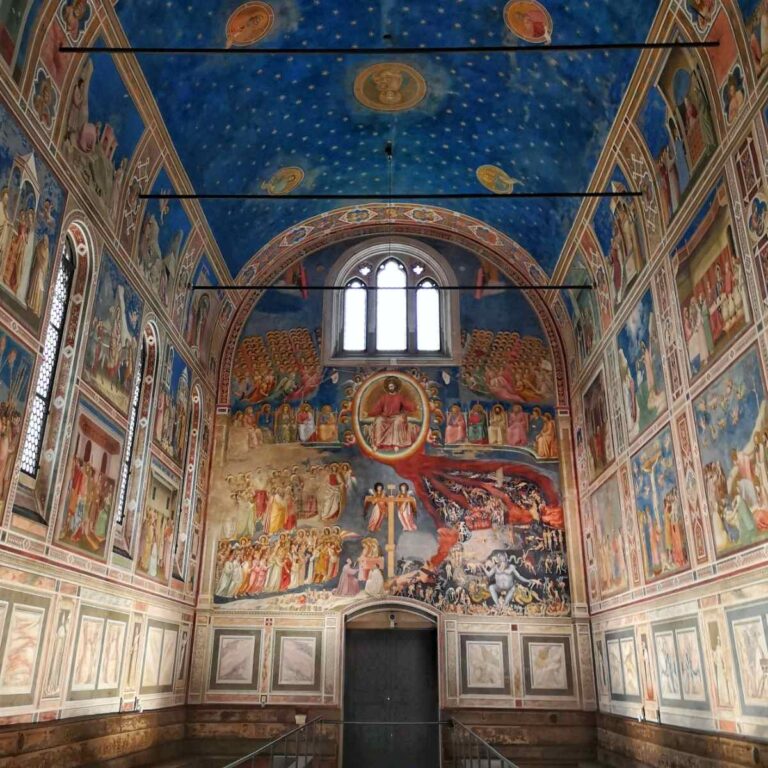
If Altichieri da Zevio’s paintings in the Oratory of Saint George offer a tantalising hint of a new focus on human emotion in the visual arts, the groundwork was laid 70 years earlier by Giotto di Bondone in the Scrovegni chapel. Known also as the Arena chapel due to the one-time presence of an ancient amphitheatre on the site, the sumptuous chapel was commissioned by the eye-wateringly rich local banker and loanshark Enrico Scrovegni in an attempt to buy his way out of purgatory in the next life – usury was a sin grimly looked down upon by medieval theologians, and Dante had consigned Enrico’s father to hell in his Divine Comedy for the crime.
Intended as the Scrovegni family’s private chapel and Enrico’s final resting place, the Arena chapel occupies a crucial position in the story of western art thanks to the vibrant frescoes Giotto would paint here between 1303 and 1305. A complex iconographic scheme revolves around two pictorial cycles, one devoted to the life of the Virgin Mary and one to the life of Christ, each of which provide an unparalled insight into the mysterious mystical world of late-medieval spirituality. Overlooking everything is the mighty apocalyptic Last Judgement on the end wall, where a terrifying Satan devours damned souls with gory glee.
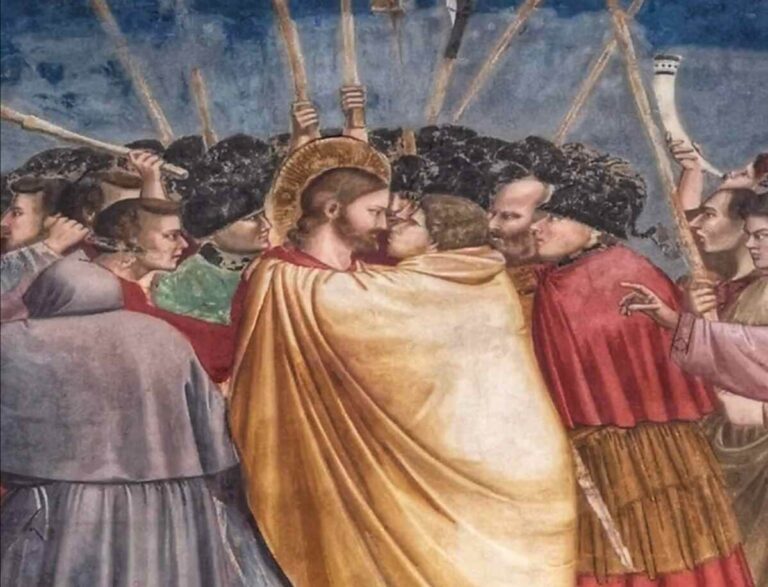
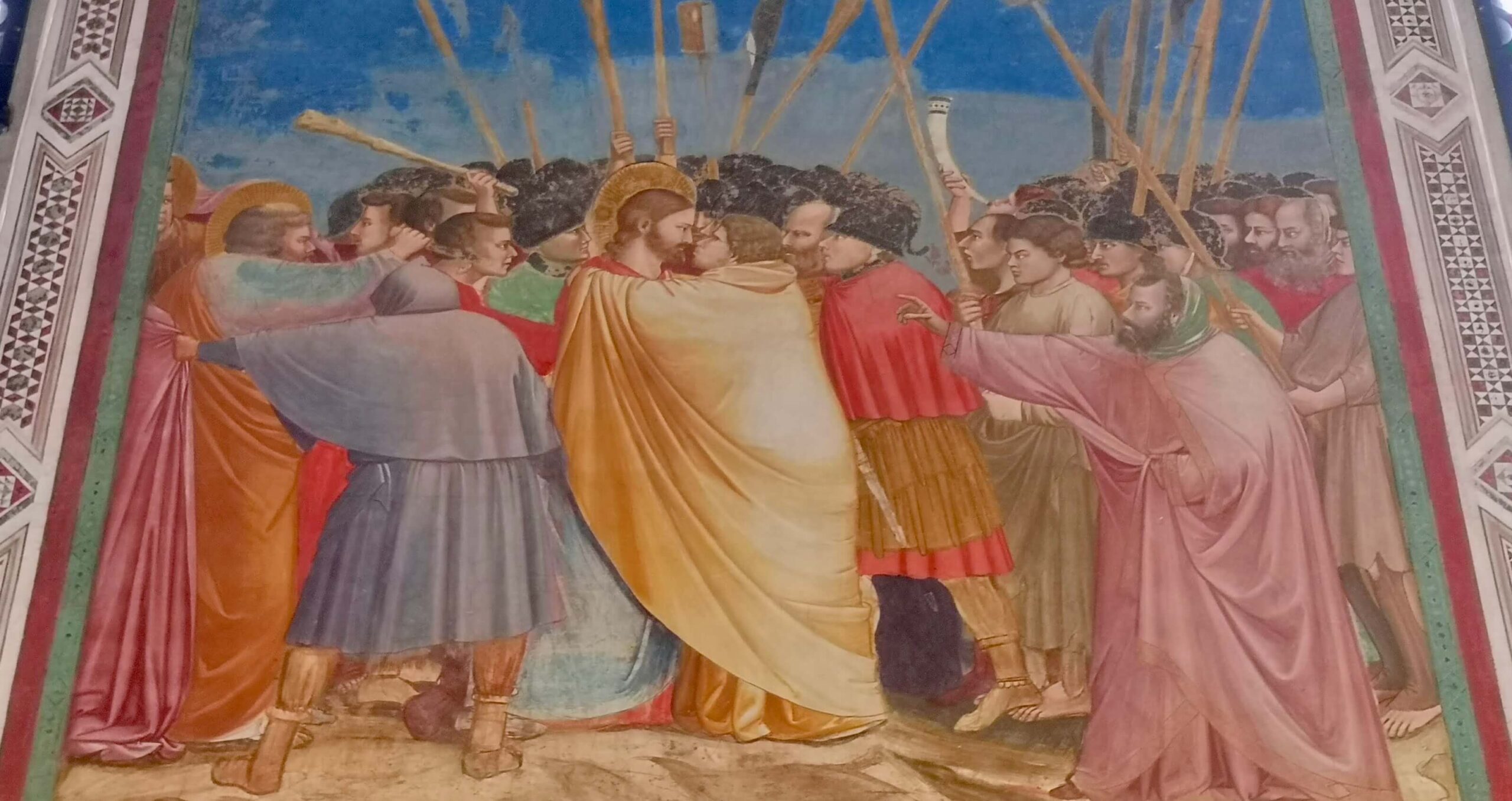
The highlights of the programme, though, must be those moments where Giotto’s capacity to render the full gamut of human emotion shines through with an authenticity matched by few artists before or since – the soul-crushing sadness of the mourners grieving over Christ’s lifeless body, for example, or the unforgettable exchange of gazes between Christ and Judas as the son of god is betrayed by a kiss.
The Scrovegni chapel is perhaps the greatest monument of early-Renaissance art, and worth a visit to Padua all on its own.
six
Piazza delle Erbe and Piazza della Frutta
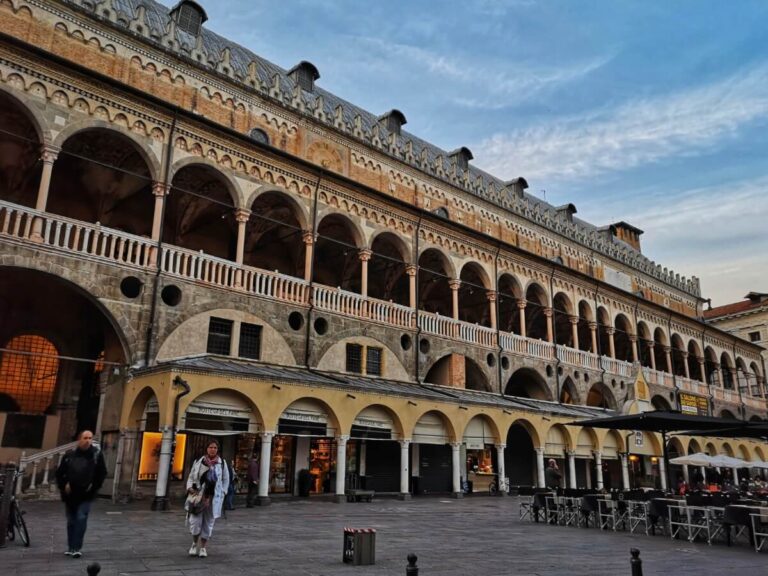
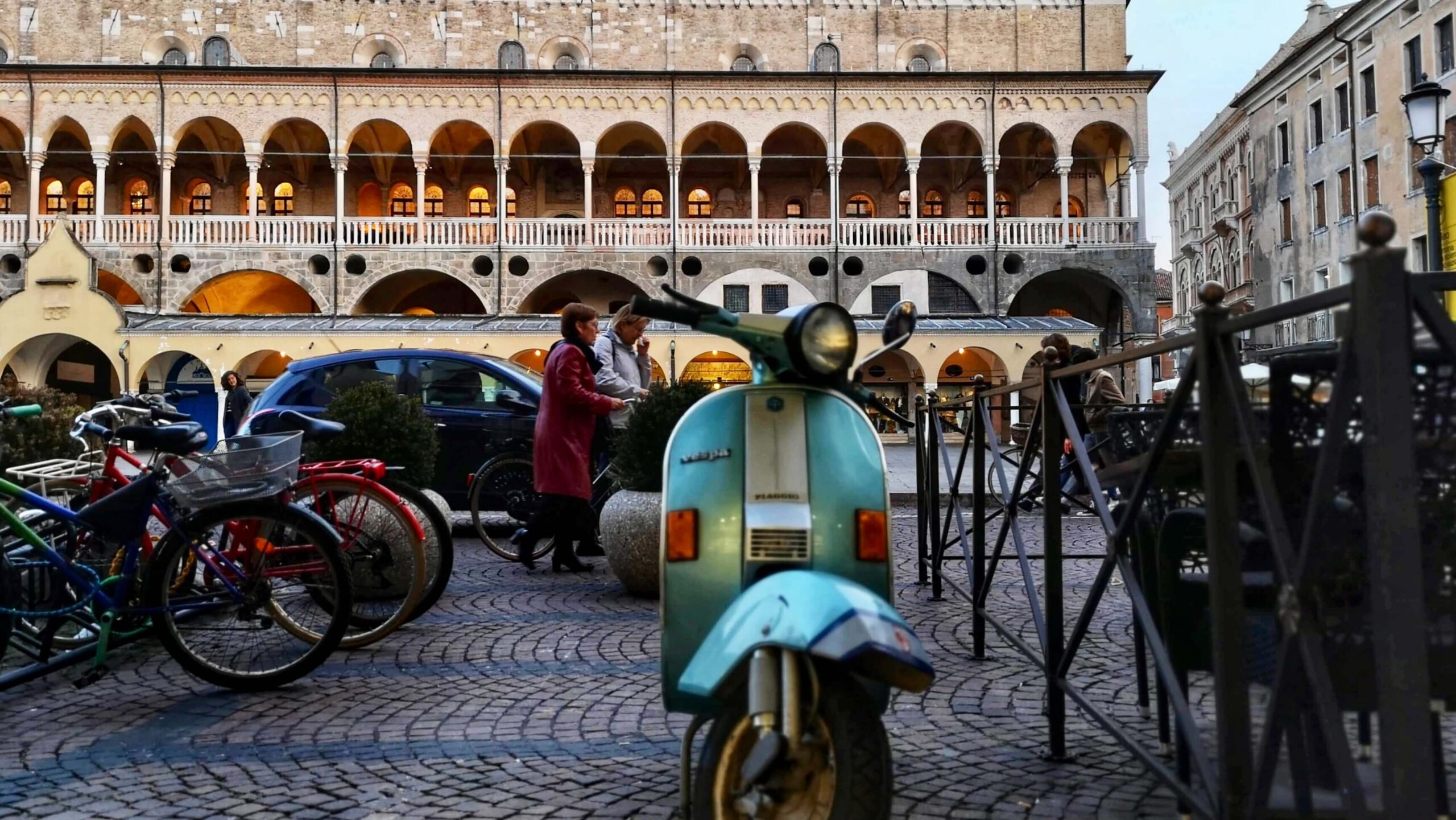
In downtown Padua, all the action happens around the twin squares of Piazza delle Erbe and Piazza della Frutta. The piazzas are separated by the hulking bulk of the beautiful gothic Palazzo della Ragione (known to locals as Il Salone, or the Great Hall), where a series of early-modern frescoes recount the civic story of the city. Each day a bustling market occupies the ground floor of the palazzo as well as both of the adjoining squares. The so-called Mercato del Sottosalone has been operational for over 800 years, making it one of Europe’s oldest markets.
Stop off at the vendors selling local delicacies from their shops in the arches of the palazzo and buy yourself the makings of a feast – cheeses, salami and prosciutto predominate, but make sure to sample the Veneto specialty baccala mantecato from Gastronomia Marcolin, whose creamed cod is the best in the city. At aperitivo hour grab yourself a seat at one of the many cafes lining the squares for a mean spritz and some grade A people watching.
seven
Prato della Valle
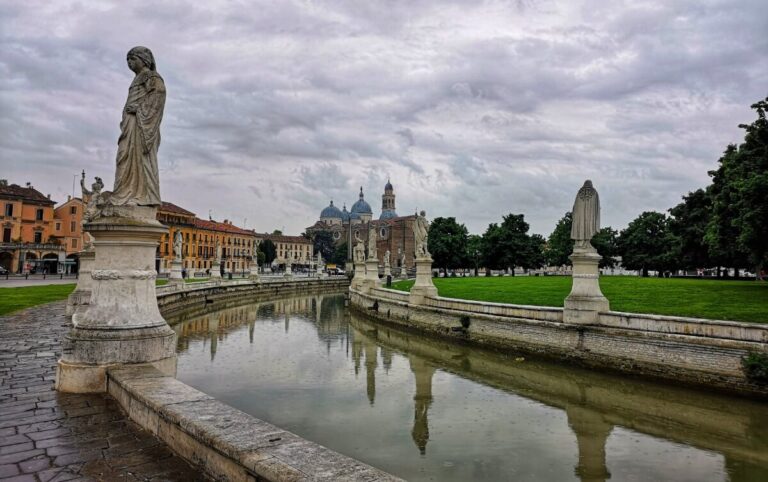
Extending over 90,000 square metres, elliptical Prato della Valle is Italy’s largest square. A swampy wasteland on the edge of town until the mid-seventeenth century, today the Prato is constituted by a central island (l’Isola Memmia) circumscribed by a man-made canal ringed with statues. The highly regimented landscaped design was the brainchild of Venetian politician and diplomat Andrea Memmo, whose sculptured likeness presides over the Prato. In fact no fewer than 78 statues adorn the square in two rings either side of the canal, chiselled by a variety of local artisans between 1775 and 1883. These days the Prato is the perfect place for a morning jog or stroll in the imposing shadow of the nearby Abbey of Santa Giustina.
eight
The Ovetari Chapel
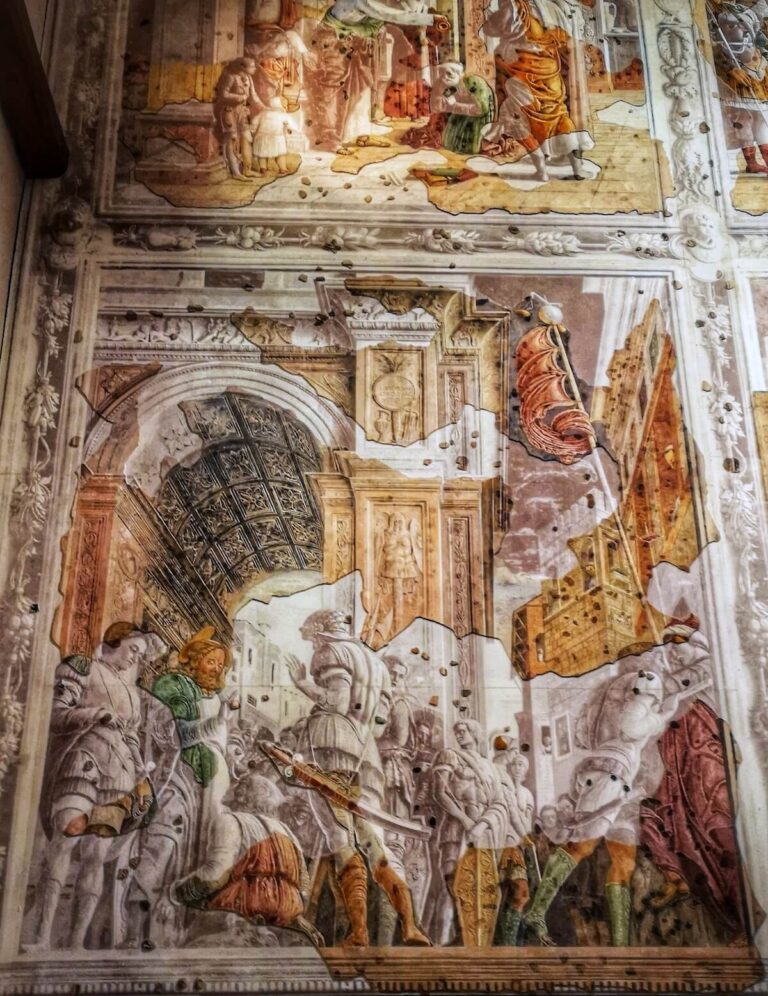
Andrea Mantegna is probably the finest artist Padua has ever produced; famed for his bold experiments in perspective, Mantegna played a crucial role in developing understandings of pictorial space in the mid-fifteenth century. Although he was to leave his hometown to pursue his fortune as a young man after just a few years in the workshop of local master Francesco Squarcione, the extraordinarily precocious Mantegna had already left behind an indelible demonstration of his talent in the Padua church of the Eremitani.
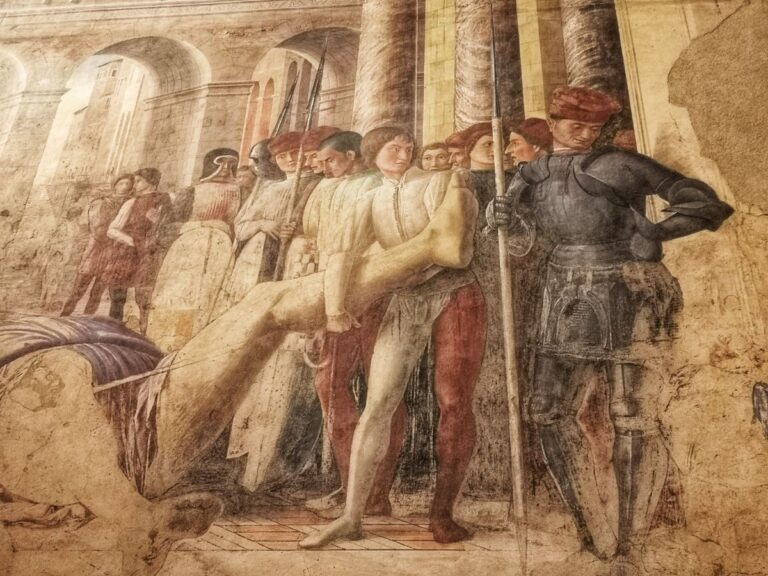
Commissioned from the will of the wealthy notary Antonio Ovetari, the Ovetari chapel features frescoes depicting the life of St. James and St. Christopher. The striking 3-dimensionality and inventive perspectives characteristic of these paintings would become the painter’s hallmark, most obvious in the worm’s-eye view Mantegna employed in St. James led to Execution. The frescoes were largely destroyed by an Allied bomb in 1944, but the salvaged fragments of the paintings have been painstakingly restored, and today once again give a vivid insight into Mantegna’s original genius.
nine
The Baptistery
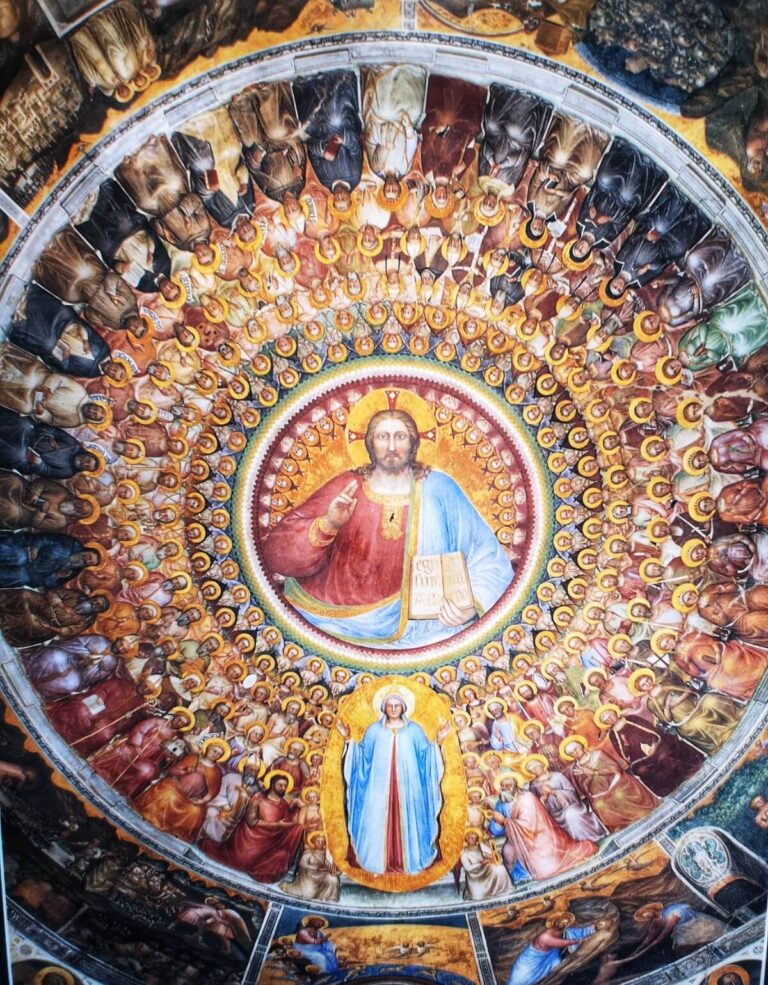
Padua’s spectacular baptistery is a triumph of medieval artistry. Begun in the 12th century and completed in 1281, outside the baptistery is a complex confection of Romanesque architecture, whilst one of the great pictorial schemes of the Middle Ages lurks within.
Giusto de’Menabuoi was hired by Fina Buzzicarini, wife of a powerful local official and an important figure in her own right, to fresco the interior with a bewildering array of religious themes in the 1370s. At the centre a Christ Pantocrator is surrounded by row after row of saints and angels, like some great heavenly wheel. Scenes from the Lives of Saint John the Baptist, Mary and Jesus, Scenes from Genesis, a massive Crucifixion, the Descent of the Holy Spirit and fantastical beasts and monsters drawn from the Book of Revelations complete the dizzying decorations, all painted with immeasurable skill by the incomparable Giusto.
ten
Palazzo del Bo
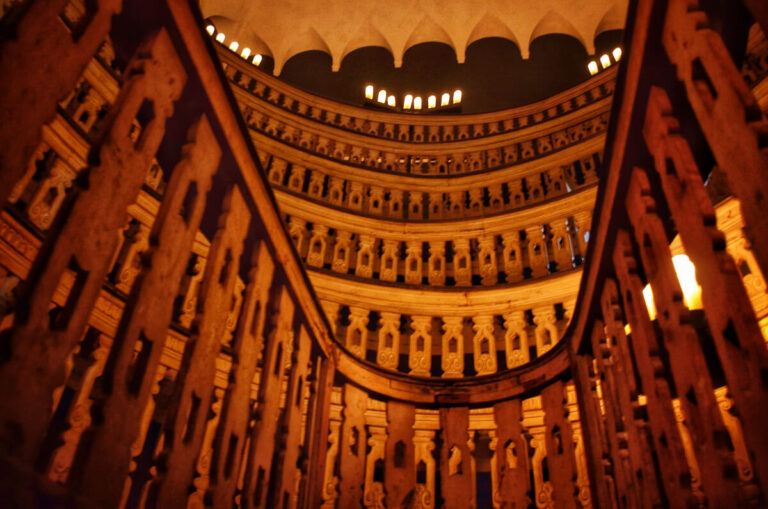
Padova boasts Italy’s second oldest university (founded by exiled academics from Bologna in 1222), and no visit to the city would be complete without dipping into this august academic heritage. Beautiful Palazzo Bo has been the seat of the university’s law school since 1493, and the elegant Renaissance edifice is also home to the world’s oldest anatomical theatre. Built in 1594 and perfectly preserved even today, at the centre of the stunning wooden theatre is a dissection table surrounded by rows of seating from which students would watch the bloody anatomical displays. Sources recount that in order to lighten the mood, dissections were frequently carried out to the accompaniment of live musical performances.
The palace is also host to the Sala dei Quaranta, where the wooden chair of Galileo is a reminder that the great astronomer taught here between 1592 and 1610. You can visit the Palazzo and the anatomical theatre on free guided tours – buy your ticket in the palace courtyard.
Through Eternity offer customised tours of Padua led by expert local guides – if you’re planning a visit to this fascinating medieval city or would like to organise a day-trip from Venice, then be sure to check out our Best of Padua tour or get in touch with our travel experts to arrange a bespoke itinerary!
Through Eternity offer customised tours of Padua led by expert local guides – if you’re planning a visit to this fascinating medieval city or would like to organise a day-trip from Venice, then be sure to check out our Best of Padua tour or get in touch with our travel experts to arrange a bespoke itinerary!
Book Your Venice Experience