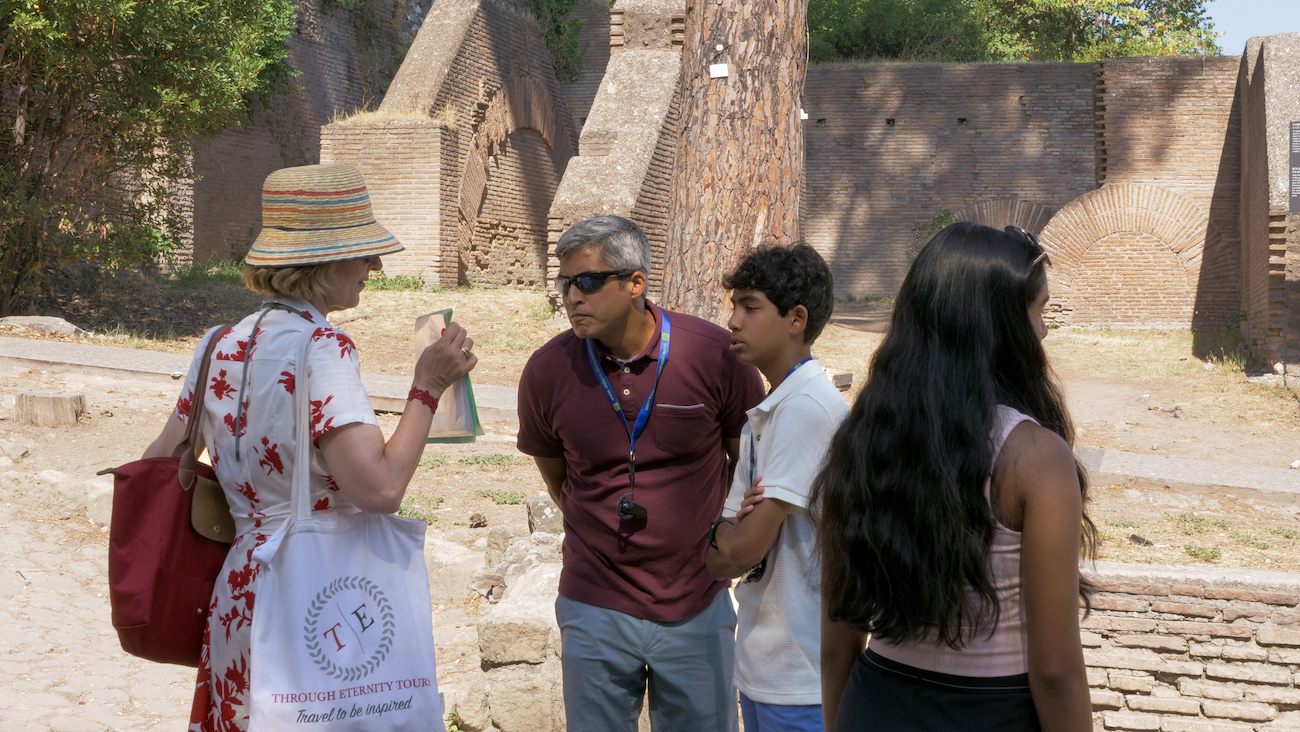

The approximately five-hour private tour includes your own expert English-speaking guide, skip-the-line tickets to the Colosseum and Roman Forum, and a guided walking tour through Rome’s historic center. The itinerary combines Ancient Rome with the Trevi Fountain, Piazza Navona, Spanish Steps and other sights along the way.
Explore the Colosseum and Roman Forum with your own expert guide, then discover the Trevi Fountain, Piazza Navona, Spanish Steps and historic streets of central Rome.
 What to Look For

- The Colosseum's ingenious crowd control
- Temples in the Roman Forum
- Bernini's Four Rivers Fountain
 Tour Includes

- Expert English-speaking private guide
- Skip the Line tickets to the Colosseum and Roman Forum
- Guided walk through Rome's historic centre
 Please Note

- All participants 18 and over must book as adults, there is no older student discount available for this itinerary.
- Due to new regulations for Colosseum tickets, all participants must provide full names immediately upon booking.
Create Your Custom Journey
Our dedicated team is here to help you design the perfect trip. We’re happy to assist every step of the way.
We’ve Got You Covered!

Can’t make your trip? Cancel up to 24 hours in advance for a full refund, minus any ticket costs.
Tour Itinerary
What To Expect On Your Tour
Your tour follows the story of Rome from its ancient foundations into the city we know today. Begin at the Colosseum and Roman Forum, where imperial spectacle, politics and religion shaped the ancient world, then continue on foot into the historic center, where Renaissance and Baroque Rome transformed the city without ever erasing what came before.
The Colosseum
Enter the amphitheater that made imperial power a spectacle
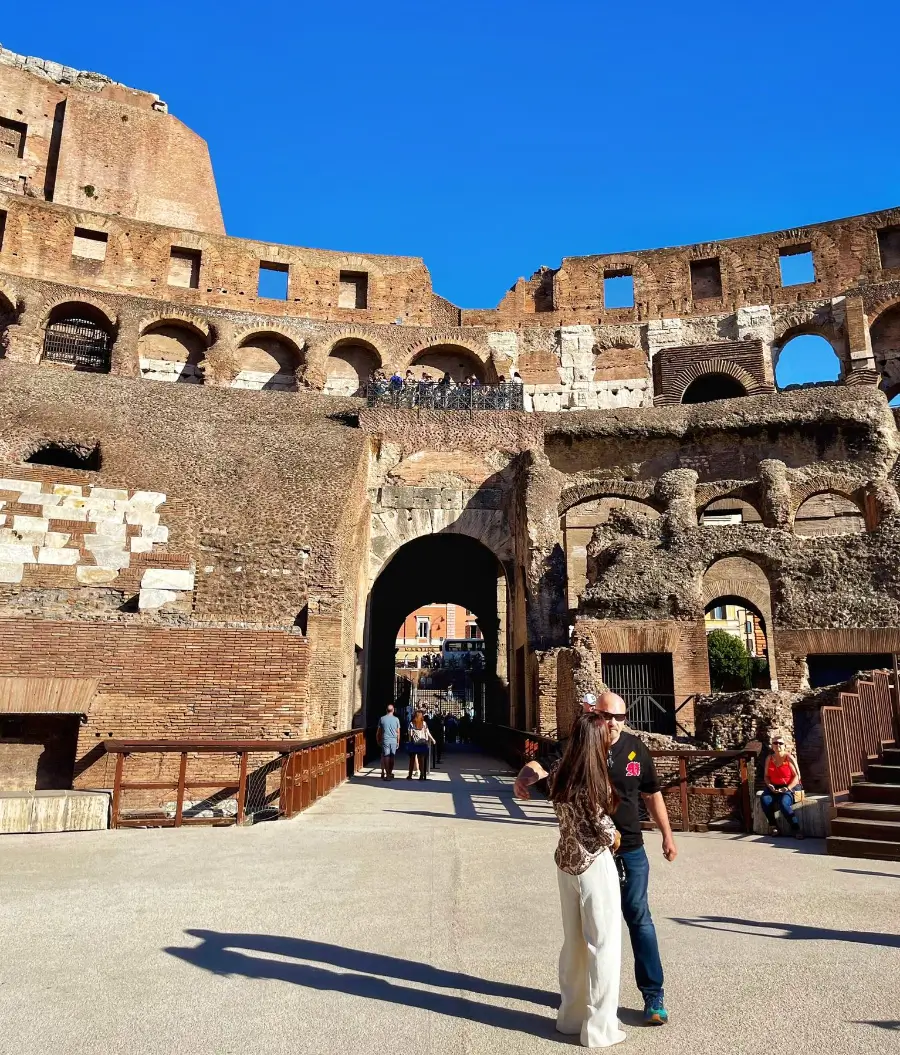
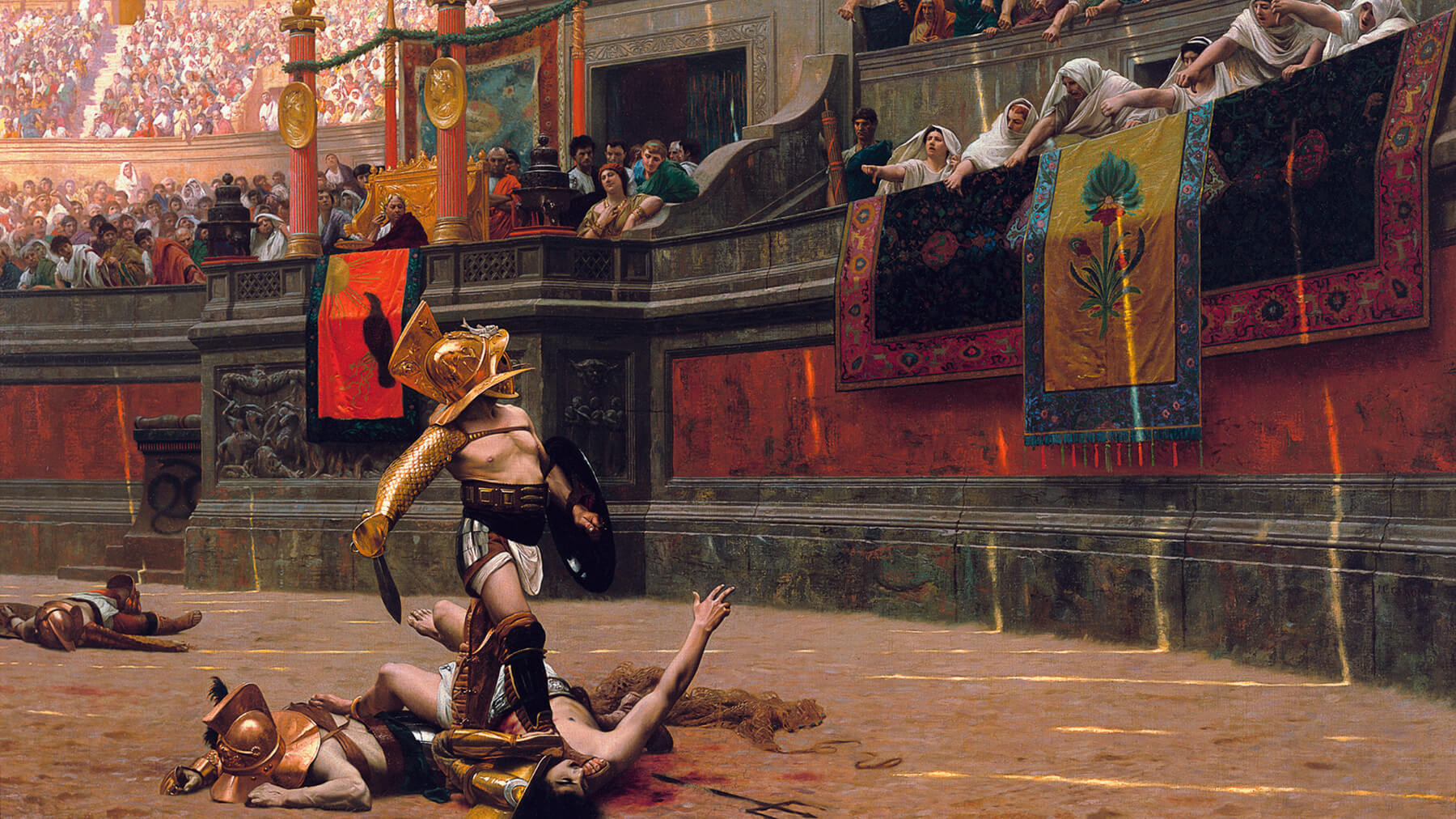
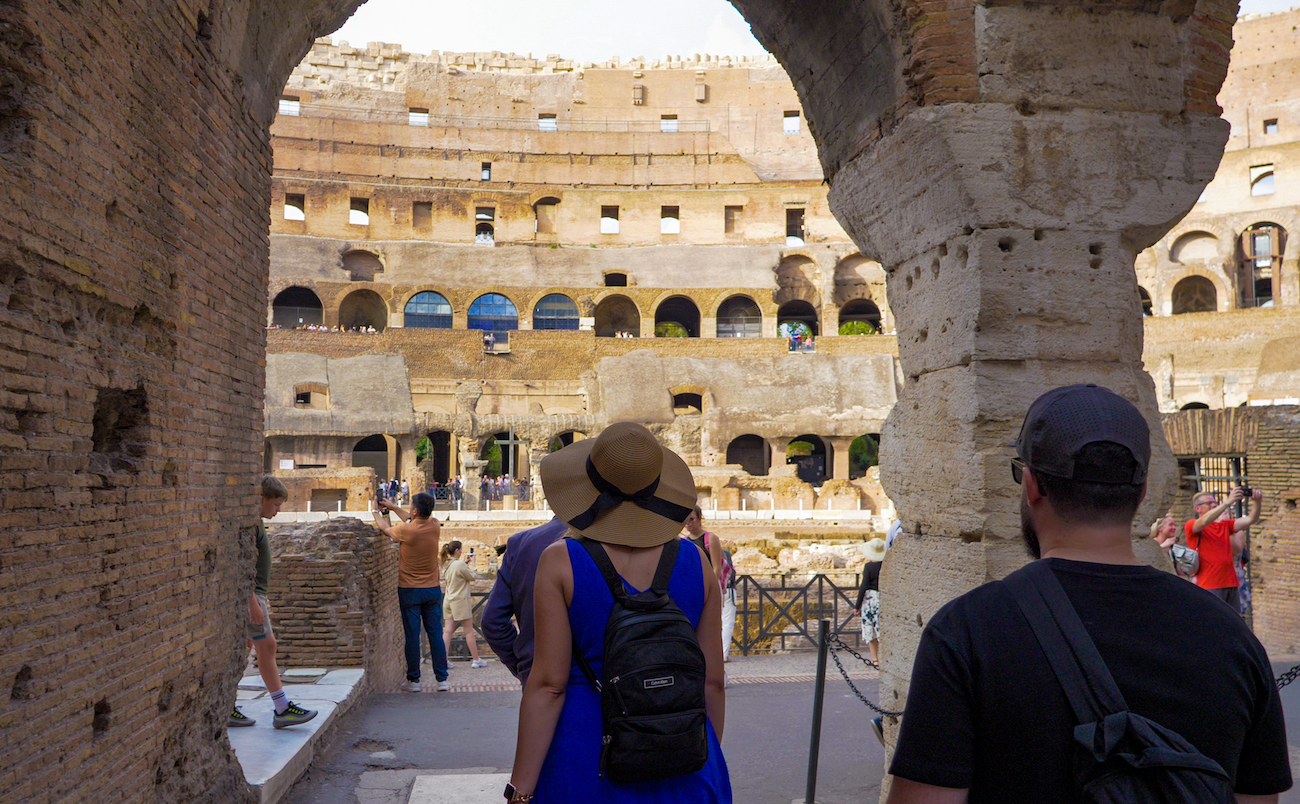
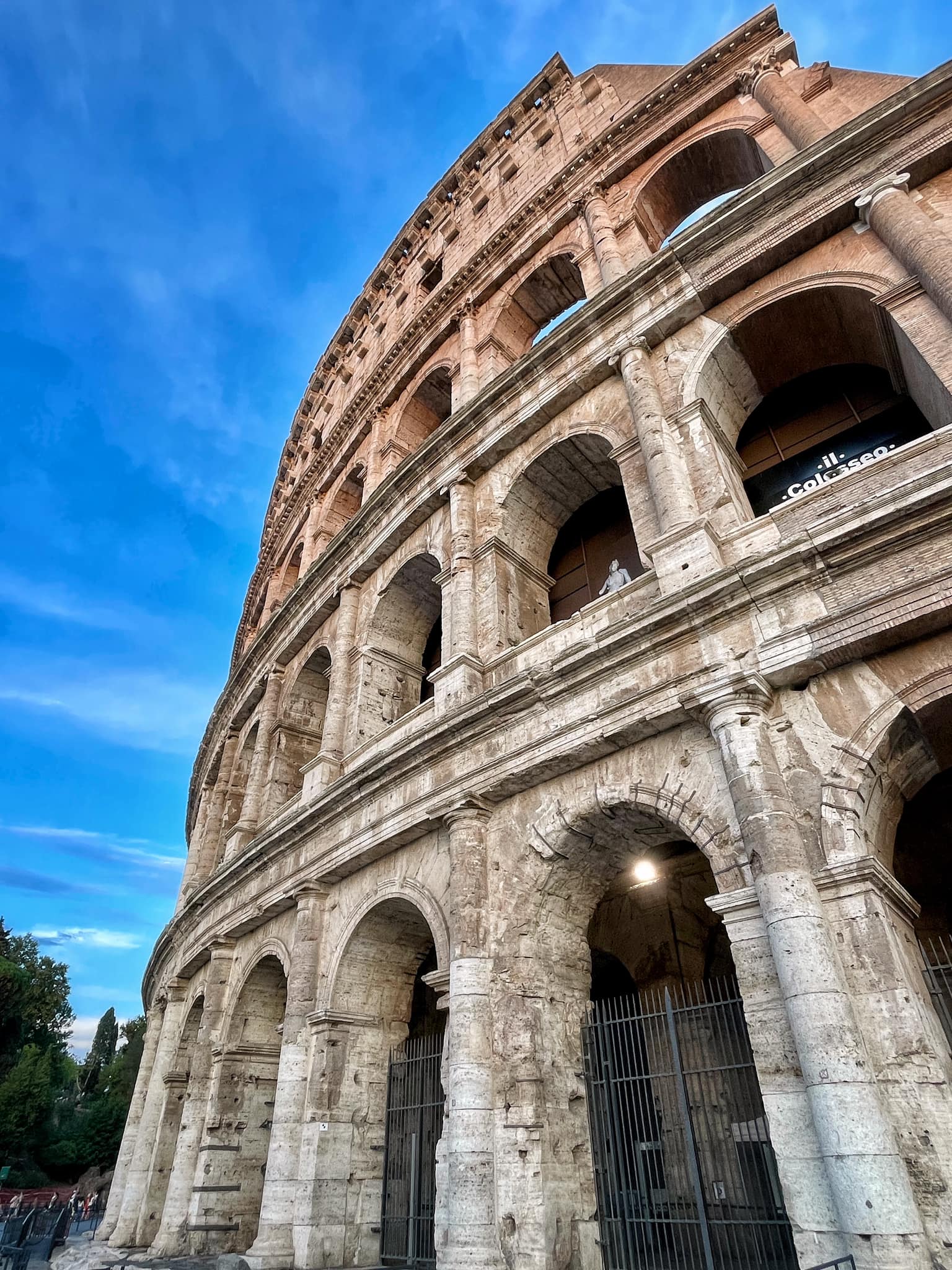
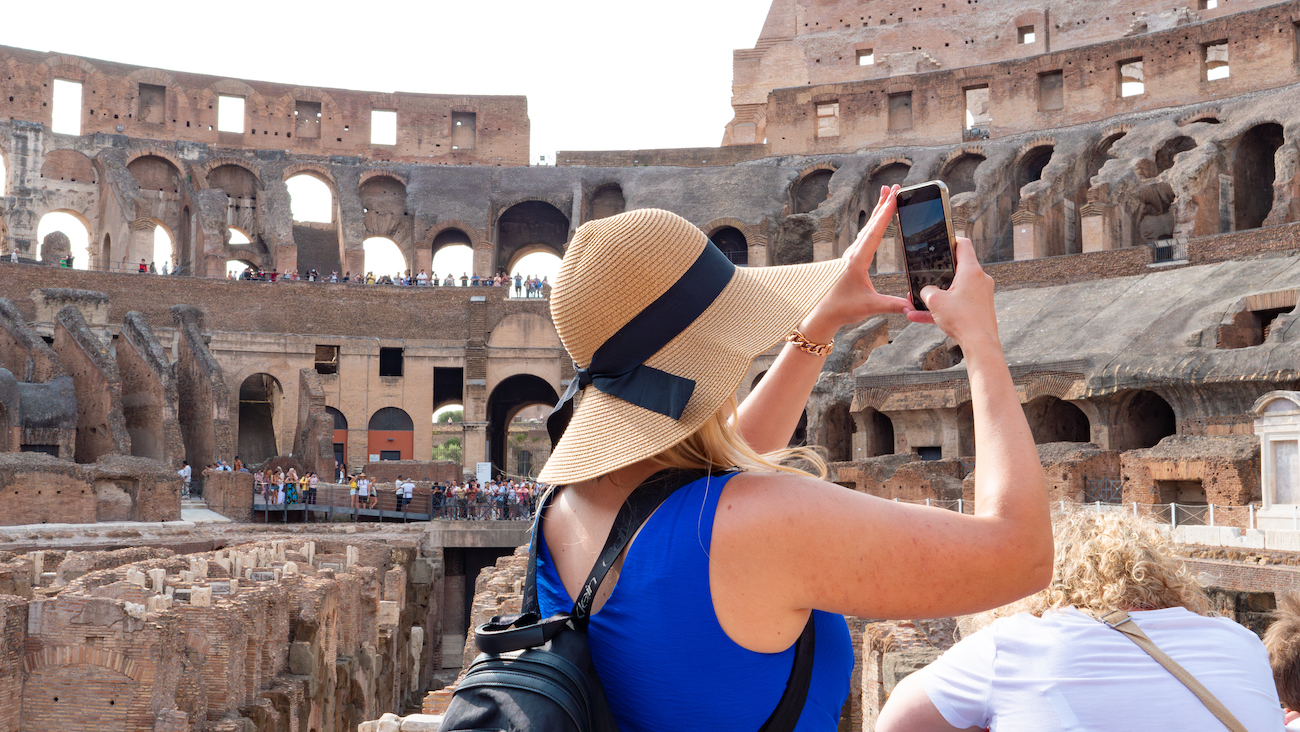
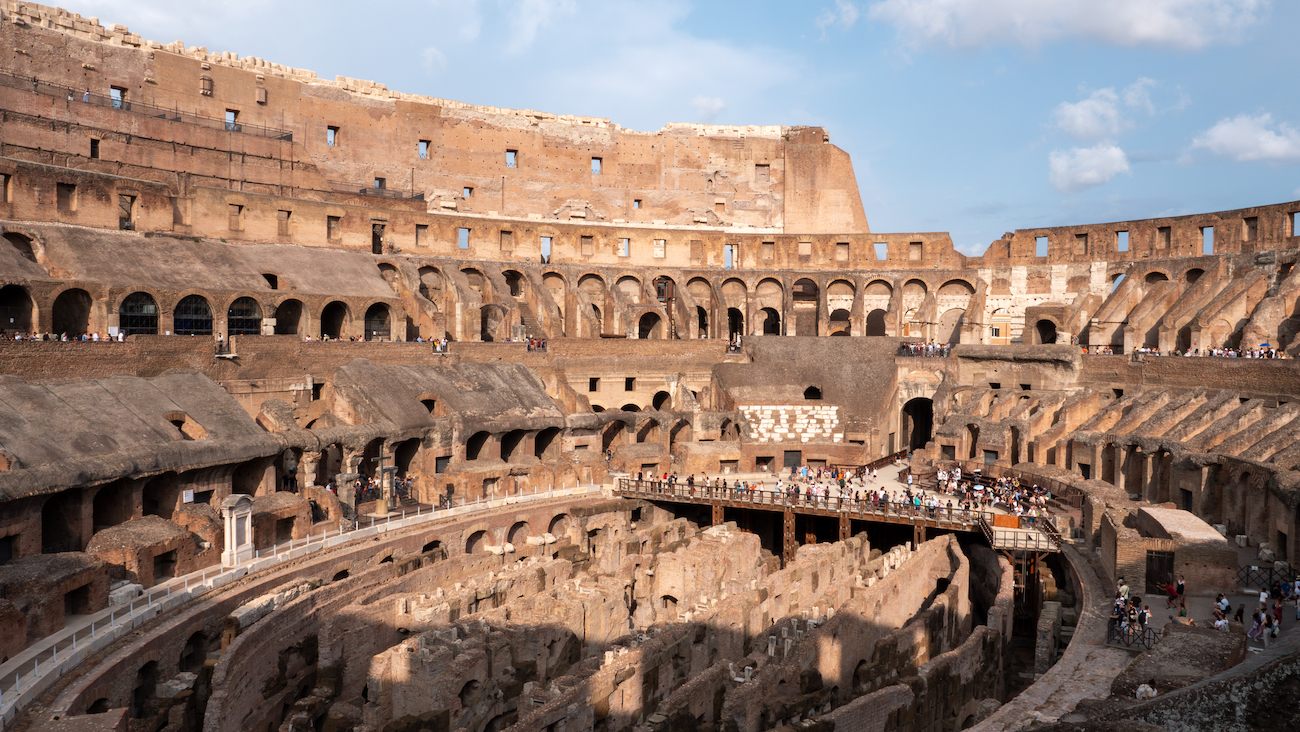
Begin at the Colosseum, known as the Flavian Amphitheatre in antiquity and perhaps the clearest surviving expression of Rome’s appetite for spectacle. Your guide will take you inside the monument and explain how its architecture was designed to move enormous crowds efficiently while directing their attention toward the arena below. The games were a central part of ancient Roman public life, combining entertainment with an elaborate display of imperial power. Gladiatorial combats shared the arena with animal hunts, executions and other spectacles, while a vast network of workers, equipment and service spaces operated behind the scenes.
Rather than relying on the familiar myths about gladiators, your guide will introduce you to the people and machinery that made the games possible and show how the building itself was engineered for a very specific purpose. The structure’s tiers, corridors and surviving fragments of its arena infrastructure reveal an amphitheater designed on a remarkable scale. The Colosseum has become Rome’s universal symbol, but the visit becomes much more interesting when you understand what made it work and what it meant to the people who came here.


The Roman Forum
Walk through the center of Roman political and religious life
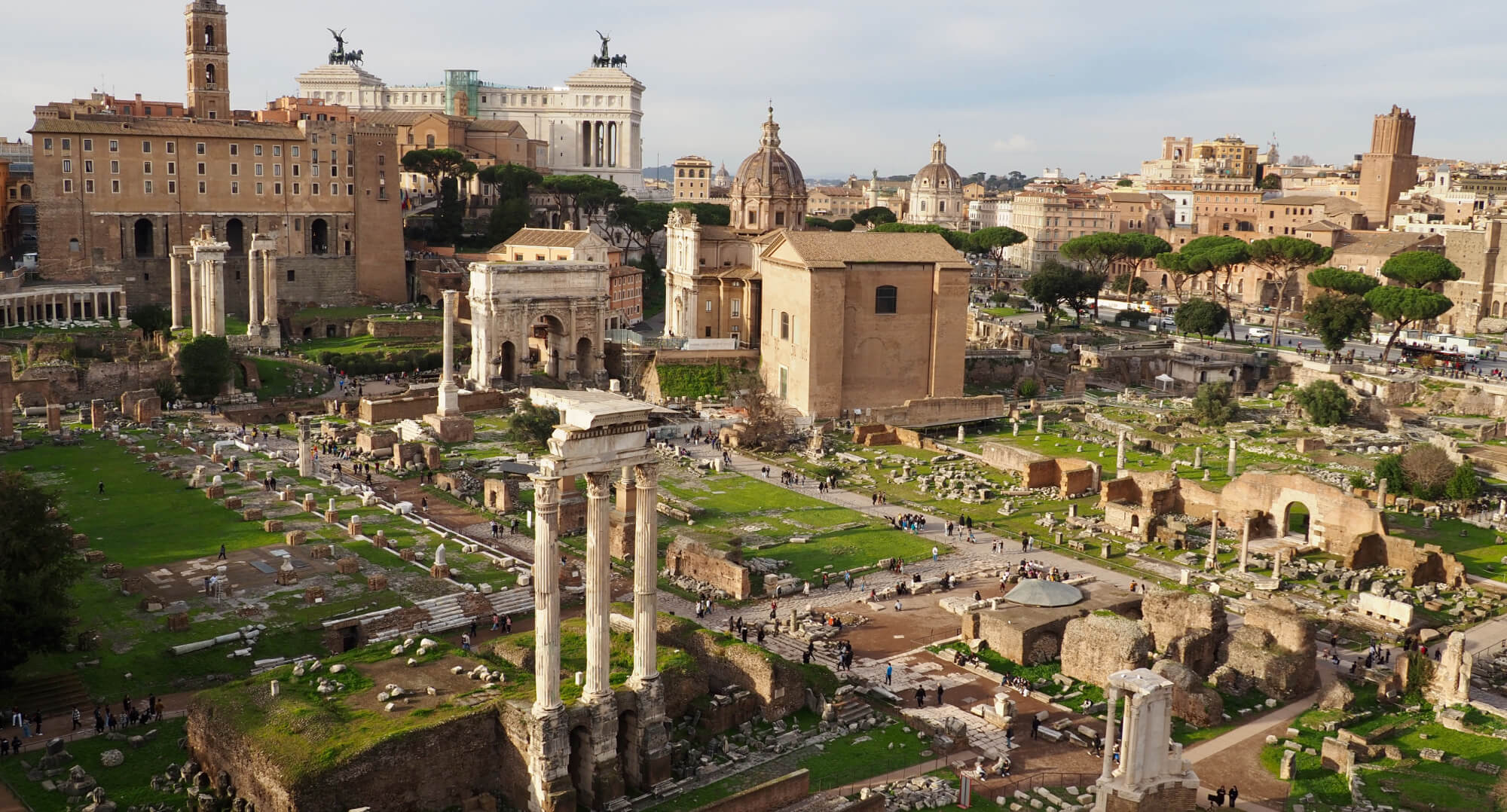
Continue into the Roman Forum, where the story of Rome shifts from public spectacle to the institutions that governed the ancient city. For centuries this valley was the center of Rome’s public life, crowded with temples, basilicas, monuments and gathering places.
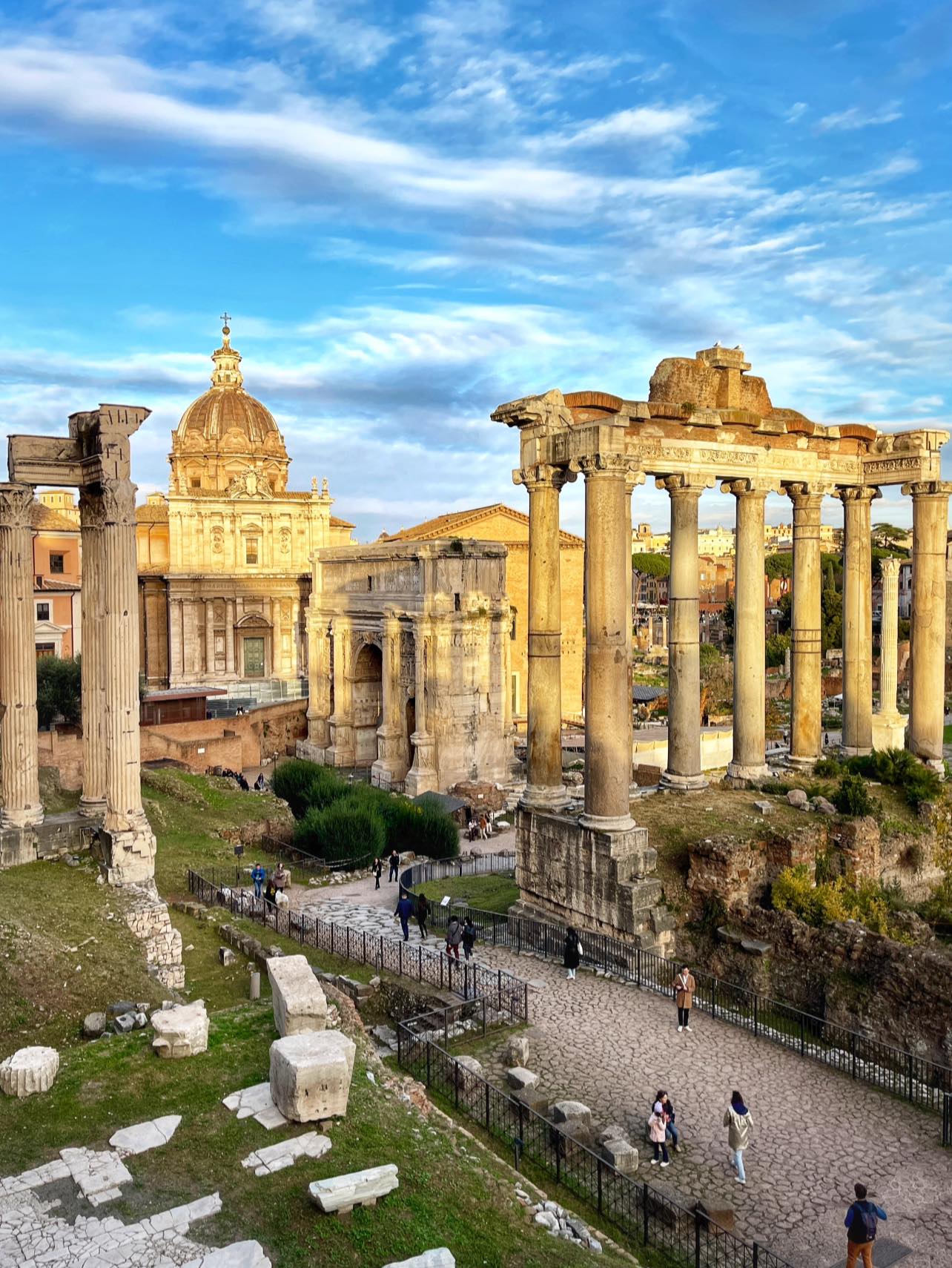
Your guide will help you reconstruct that vanished city as you move along the Via Sacra and past monuments such as the Temple of Saturn and the Temple of Vesta. At the House of the Vestal Virgins, discover the extraordinary religious role played by the priestesses who maintained the sacred fire and occupied a privileged but tightly regulated position in Roman society. The Forum is also where some of the most familiar names of Roman history become part of the landscape. At the Temple of Caesar, hear how Julius Caesar’s assassination and public funeral helped propel Rome into a period of political upheaval that ultimately transformed the Republic into an empire.
Instead of simply listing temples and ruins, your guide shows you how the Forum functioned as a city: where religion intersected with politics, where triumphal processions passed through, and where the decisions that shaped Rome could be made only a few steps from its most sacred spaces.

The Historic Center of Rome
Leave the ruins behind and discover the city that grew around them
The ancient city doesn’t end at the gates of the archaeological park. Its monuments, roads and ideas continued to shape Rome long after the emperors were gone, and nowhere is that continuity more vivid than in the historic center.
As you walk through the city, the change is immediate: archaeological ruins give way to Baroque fountains, elegant palaces, crowded piazzas and narrow streets. Yet the ancient world remains close at hand, often buried beneath the pavement or preserved in the shape and orientation of the modern city.

The Trevi Fountain
Discover the Baroque spectacle behind Rome's most famous fountain
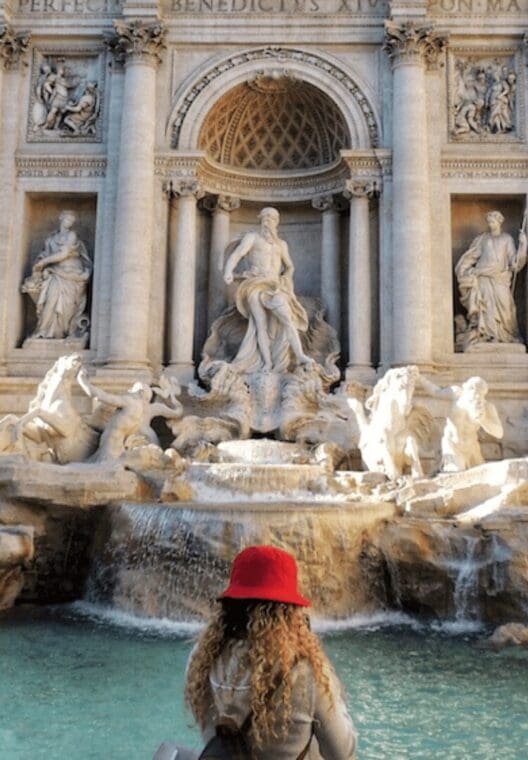
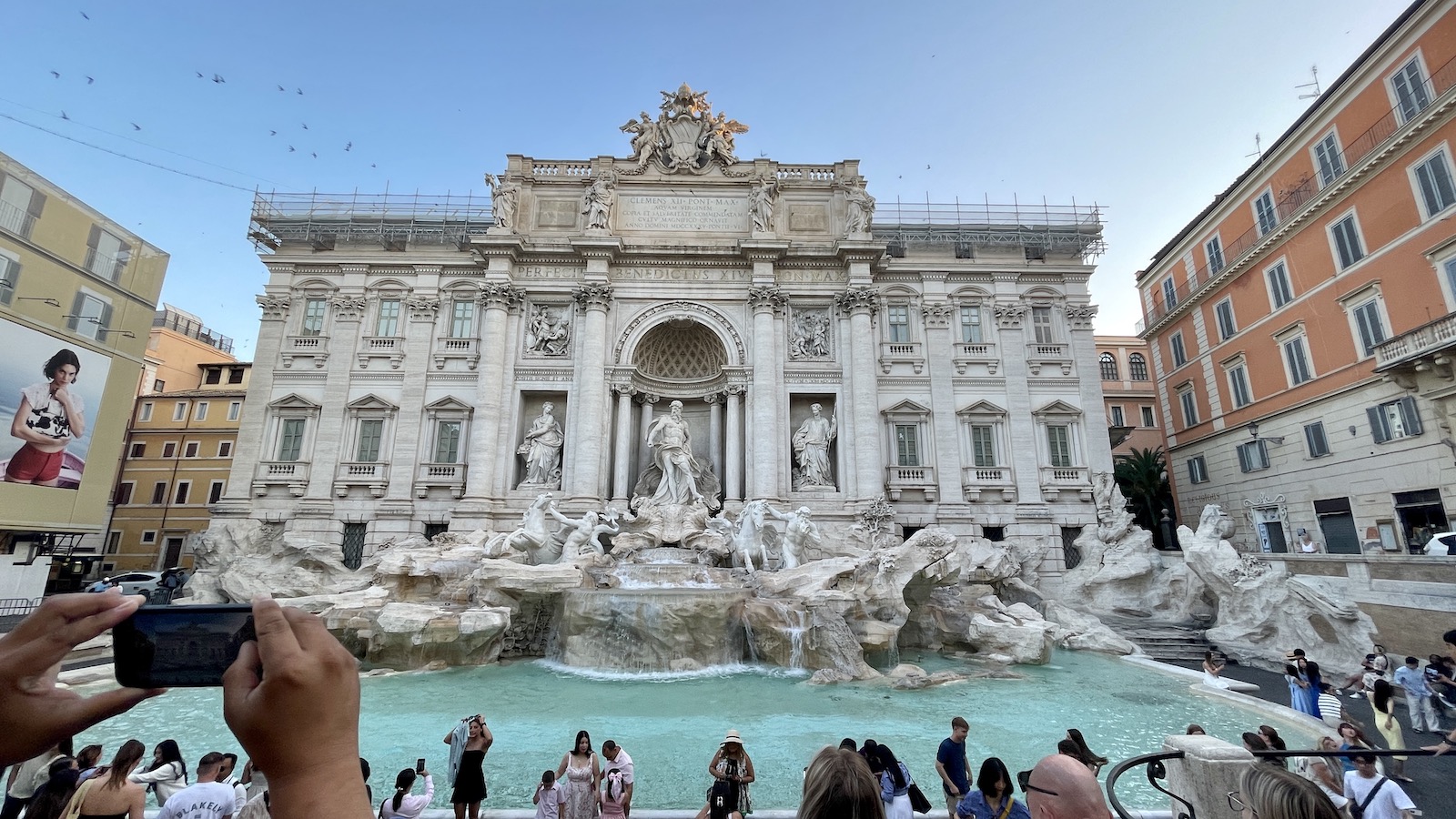
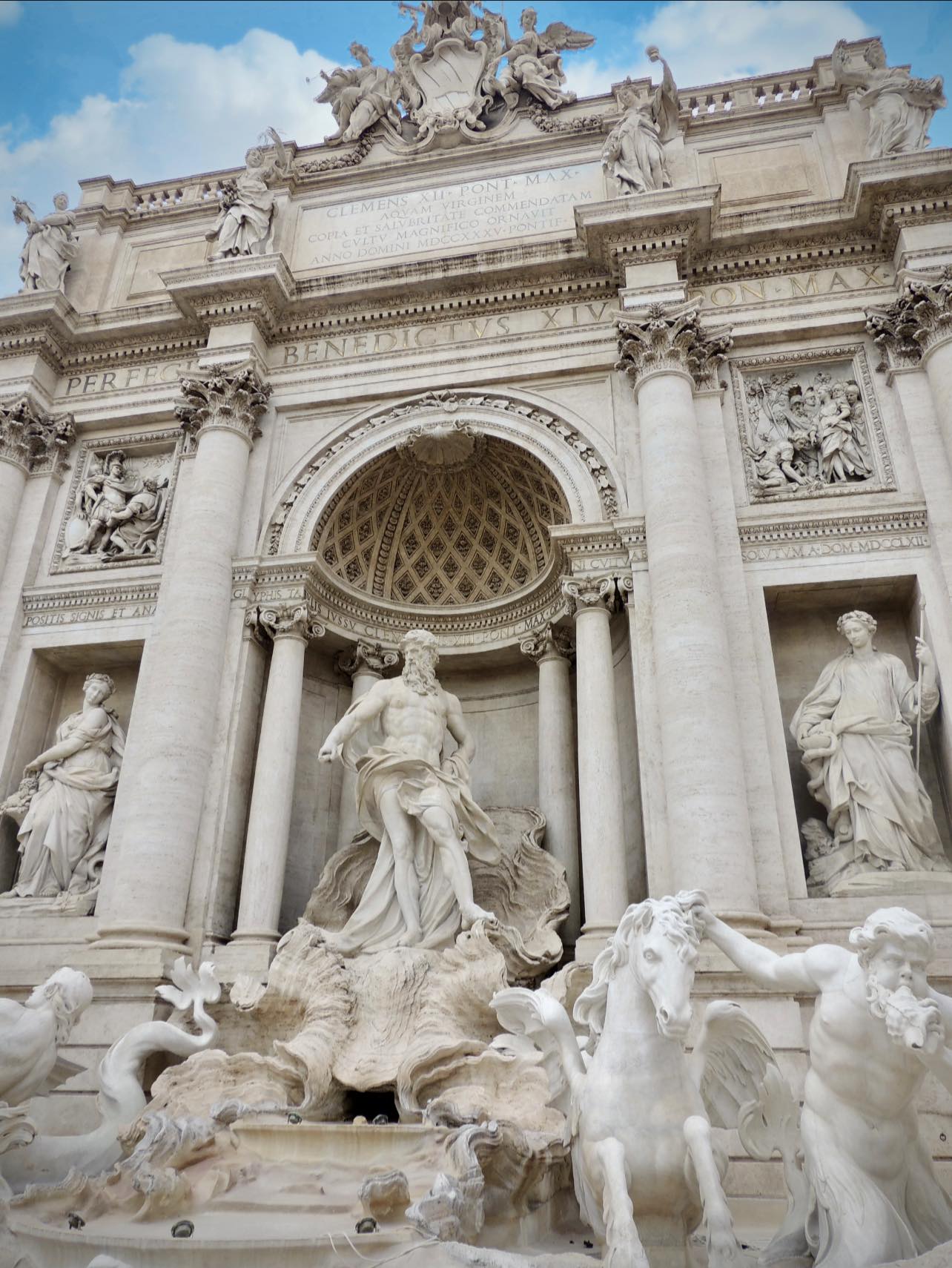
At the Trevi Fountain, discover how one of Rome’s most practical ancient legacies – the Aqua Virgo aqueduct – was transformed into one of the most theatrical monuments of the eighteenth-century city. Nicola Salvi’s fountain turns water into spectacle, combining architecture, sculpture and movement beneath the façade of Palazzo Poli. Your guide will explain the fountain’s imagery and the long relationship between Rome and its water supply, giving context to a monument that can otherwise be reduced to a photograph and a coin toss.

Piazza Navona
See how an ancient stadium became one of Rome's great piazzas
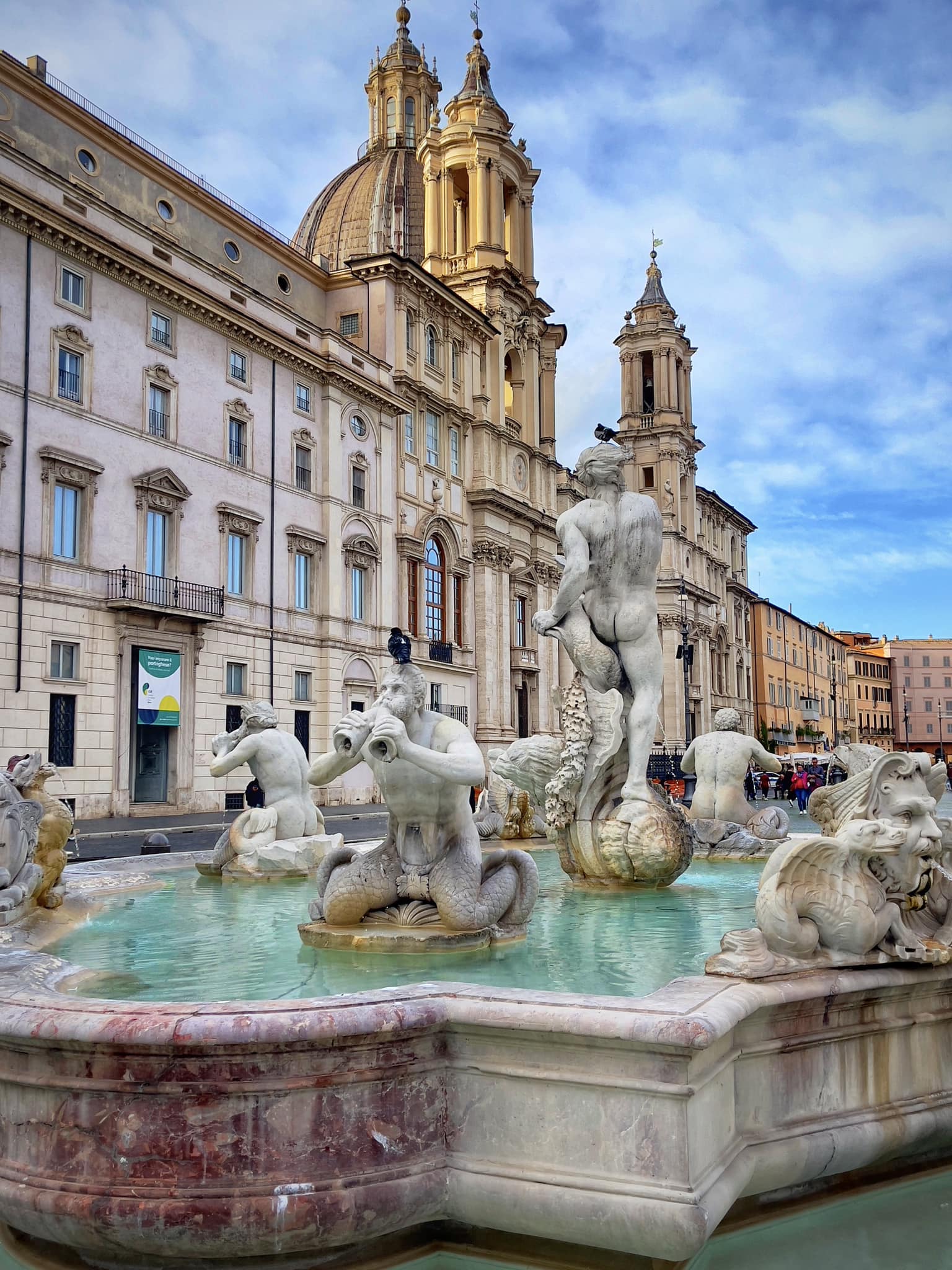
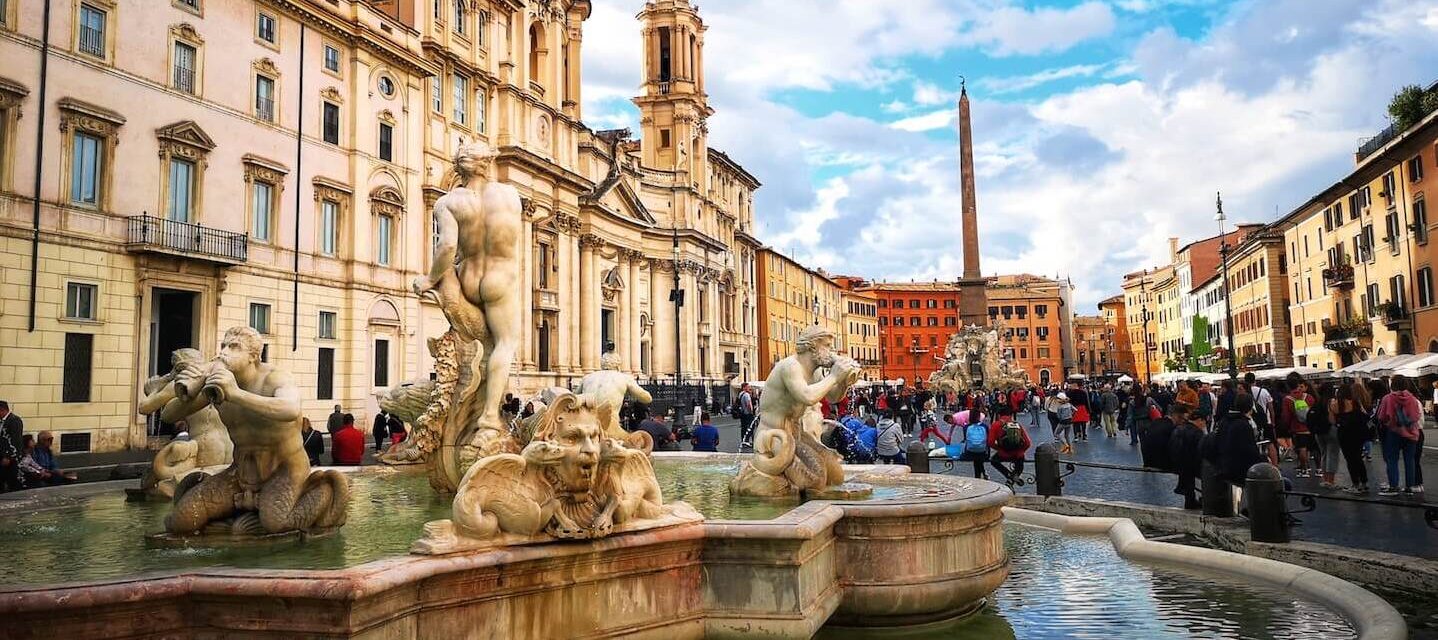
Continue to Piazza Navona, one of the great urban spaces of Baroque Rome. Its unusual elongated shape preserves the footprint of the ancient Stadium of Domitian, while the fountains and palaces surrounding the piazza belong to the city’s seventeenth-century transformation.
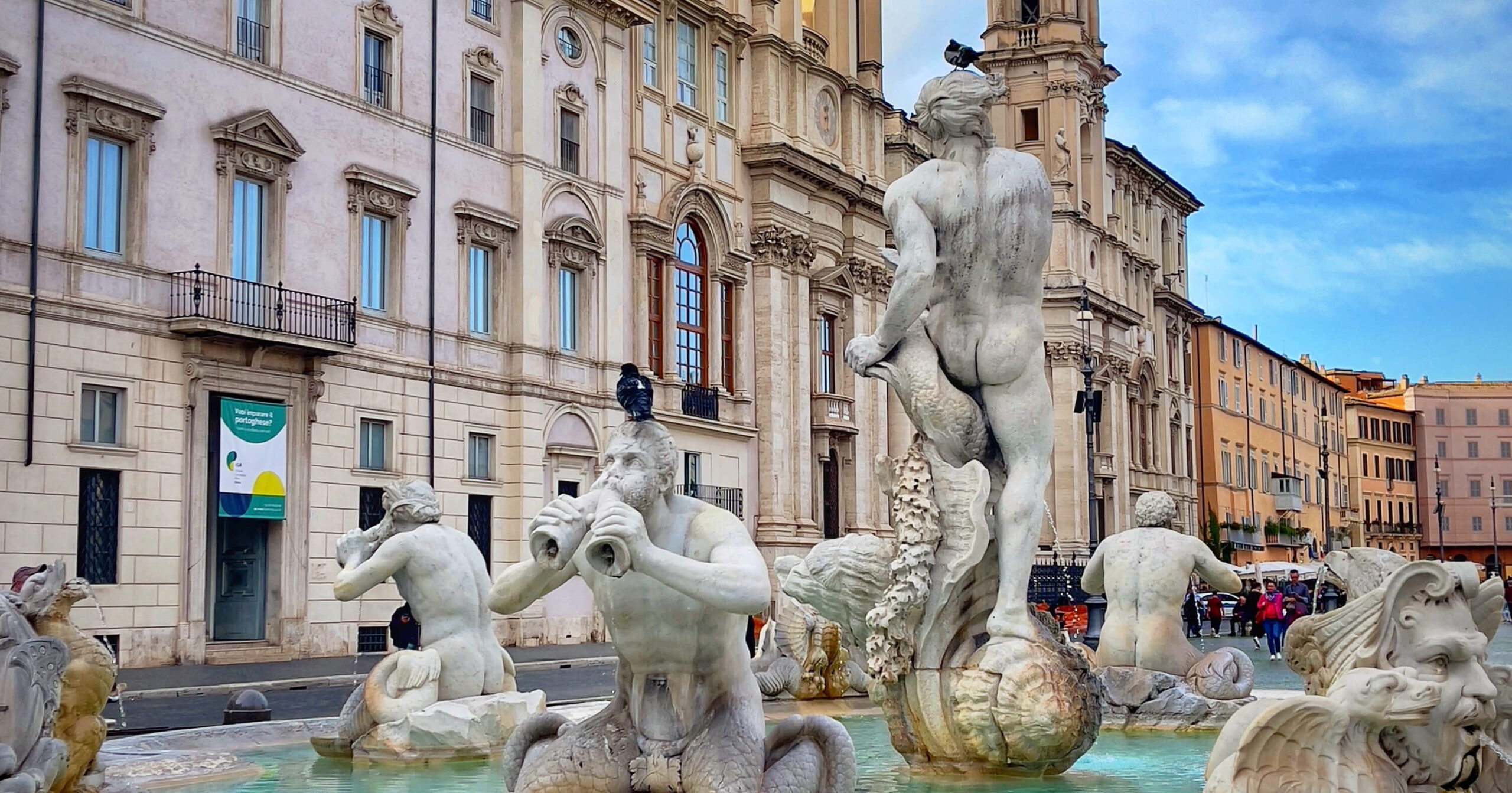
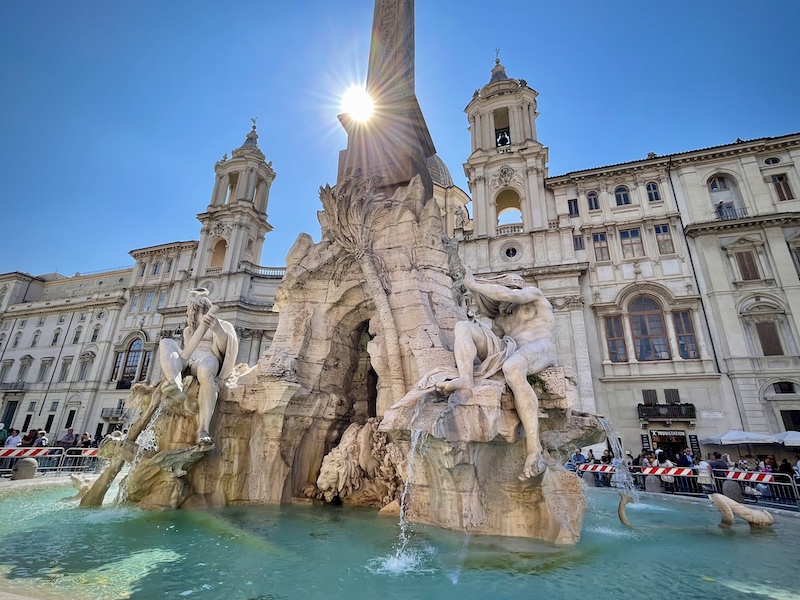
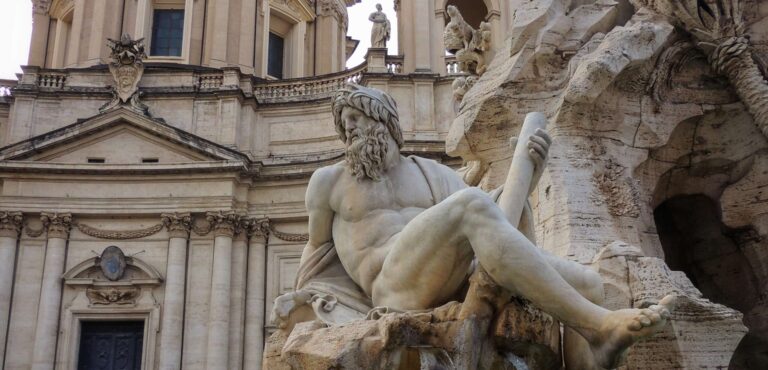
At the center stands Bernini’s Fountain of the Four Rivers, a theatrical composition in which four monumental figures represent the great rivers of the continents then known to Europeans. Your guide will unpack the imagery, the politics and the rivalry between the great artists of Baroque Rome – Bernini and Borromini foremost amongst them – while showing you how the piazza still carries the imprint of its ancient predecessor.

The Spanish Steps
Climb through one of Rome's most celebrated urban spaces
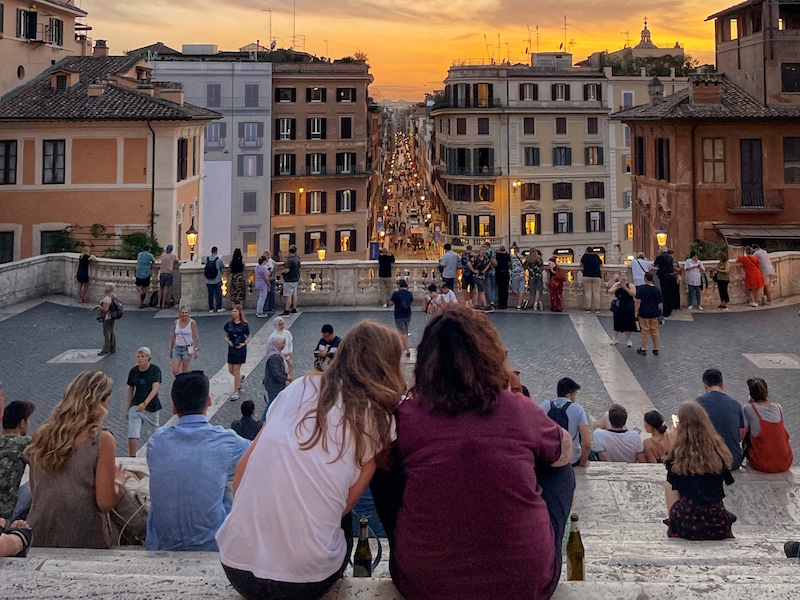
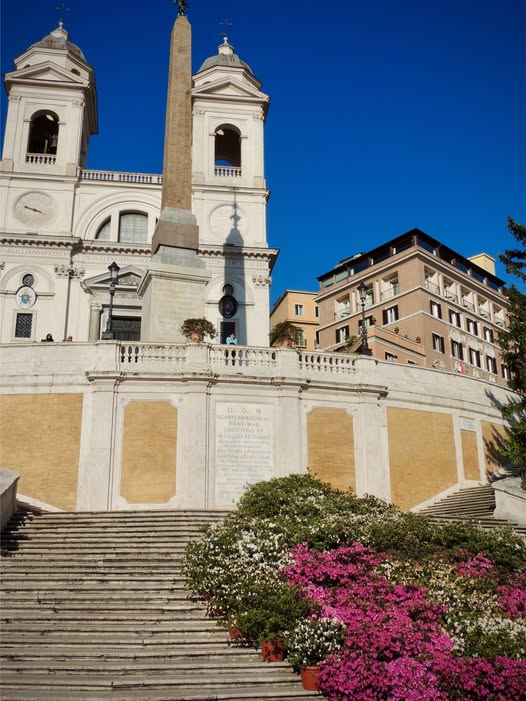
The final stretch takes you through the lively streets around Piazza di Spagna and the Spanish Steps, where Rome’s character changes again. Built in the eighteenth century to connect Piazza di Spagna with the church of Trinità dei Monti, the staircase became one of the city’s great meeting places. At its foot, Pietro Bernini’s Barcaccia fountain adds another layer to the theatrical urban landscape.
Along the way, your guide will point out the churches, palaces, artists’ haunts and details that are easy to miss when you’re simply moving between famous landmarks. This is the pleasure of exploring Rome on foot: the spaces between the monuments begin to matter as much as the monuments themselves.
By the end of the tour, you’ll have moved from the arena of the emperors through the political heart of ancient Rome and into the piazzas of the modern city. The centuries haven’t disappeared; they remain layered into Rome’s streets, fountains and buildings, waiting to be read.

Create Your Custom Journey
Our dedicated team is here to help you design the perfect trip. We’re happy to assist every step of the way.
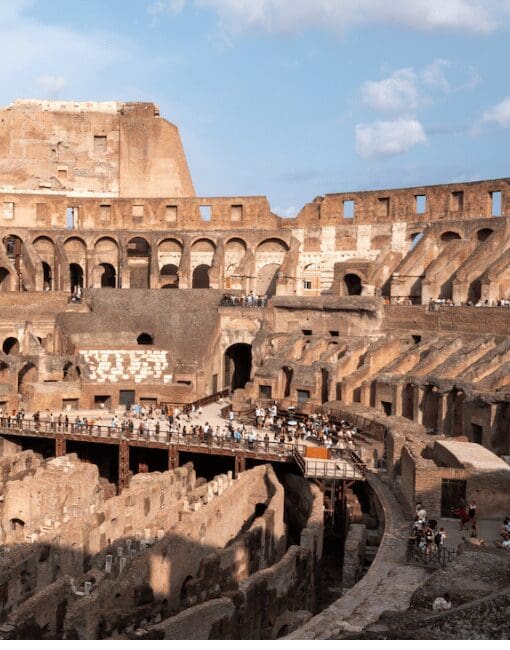
The Colosseum
The Colosseum, also known as the Flavian Amphitheatre, is an extraordinary structure built in the 1st century AD. It was capable of seating over 65,000 spectators and famously hosted gladiatorial combats, wild animal hunts, and public executions.
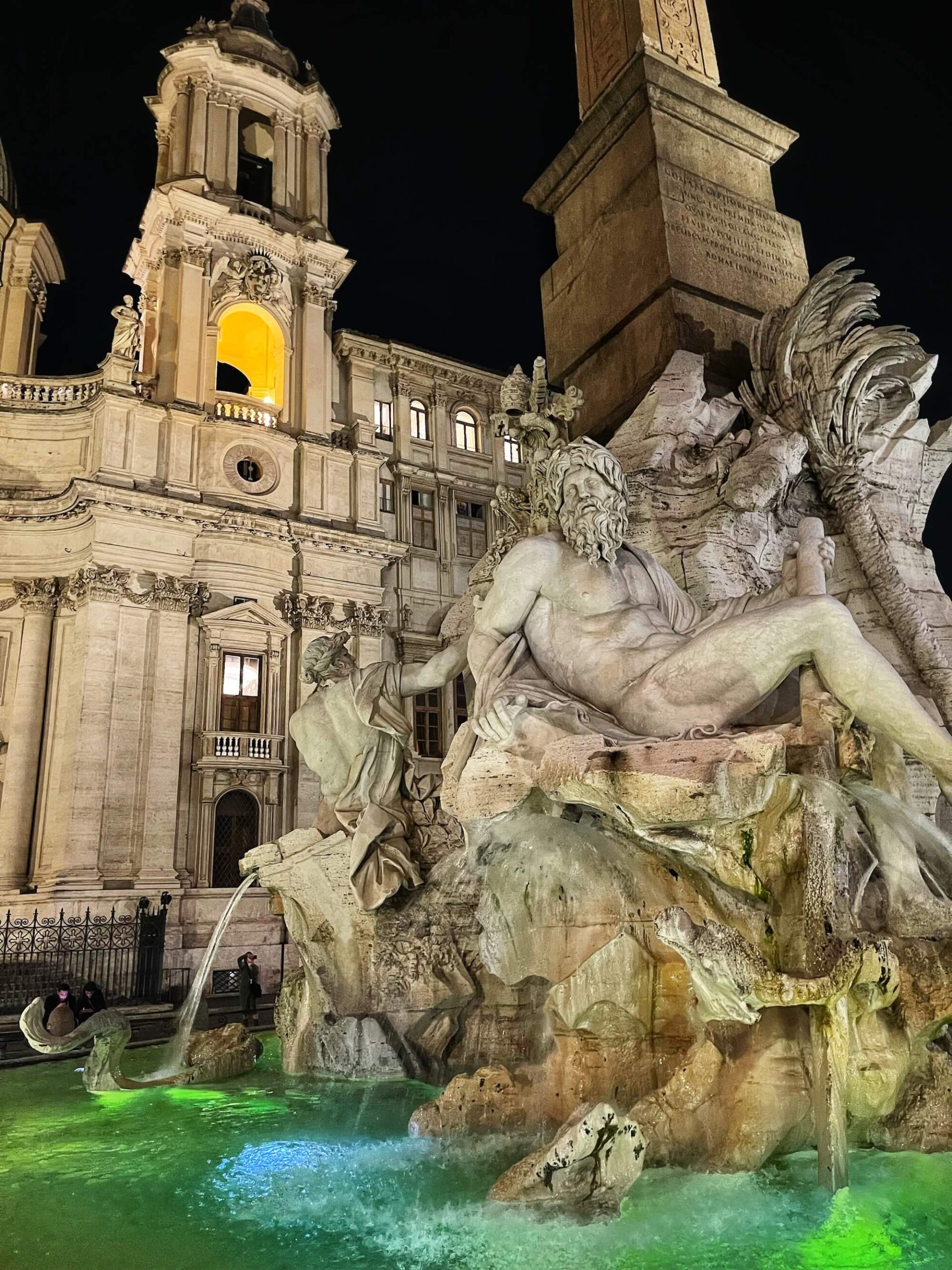
Piazza Navona
Built over an ancient racetrack, Piazza Navona remains one of Rome’s most captivating open spaces. Its trio of elegant fountains, anchored by Bernini’s spectacular Fountain of the Four Rivers, set the stage for lively cafés, street artists, and the timeless charm of Baroque Rome.
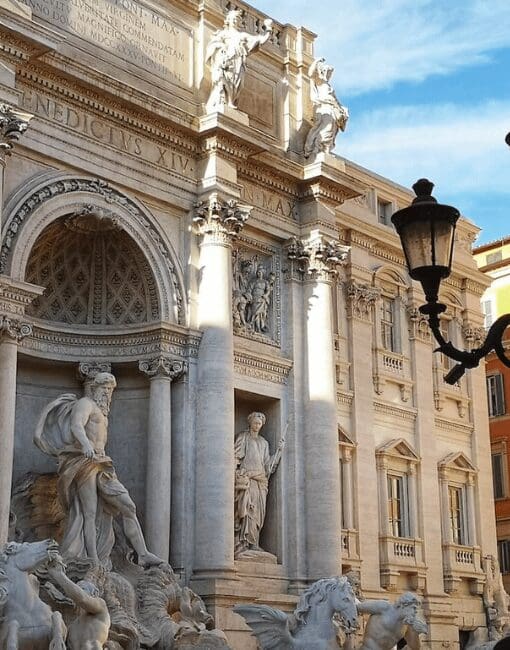
The Trevi Fountain
The Trevi Fountain is Rome at its most theatrical: a cascade of water, sculpted rock, and mythological figures bursting from a palace façade. According to legend, tossing a coin into its pool will guarantee your return to the Eternal City.
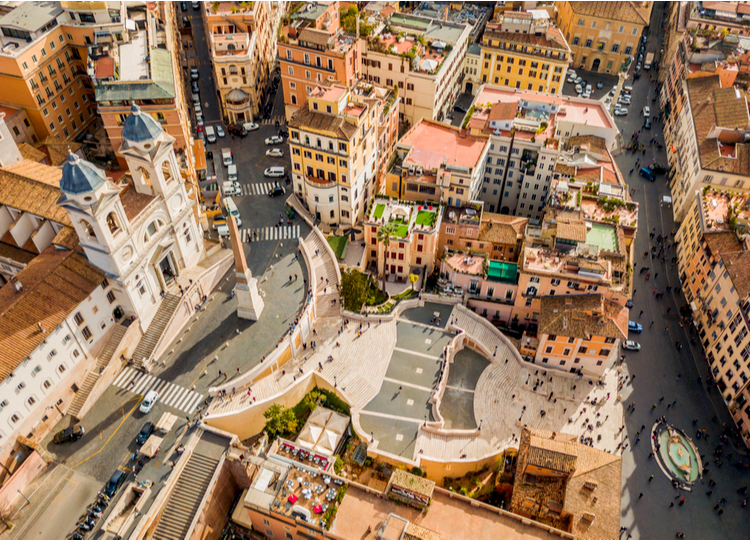
The Spanish Steps
One of Rome’s great gathering places, the Spanish Steps sweep elegantly from the Trinità dei Monti down to the bustling Piazza di Spagna. It's been a meeting point for artists, poets and the rest of us for centuries - the perfect place for a spot for people-watching!
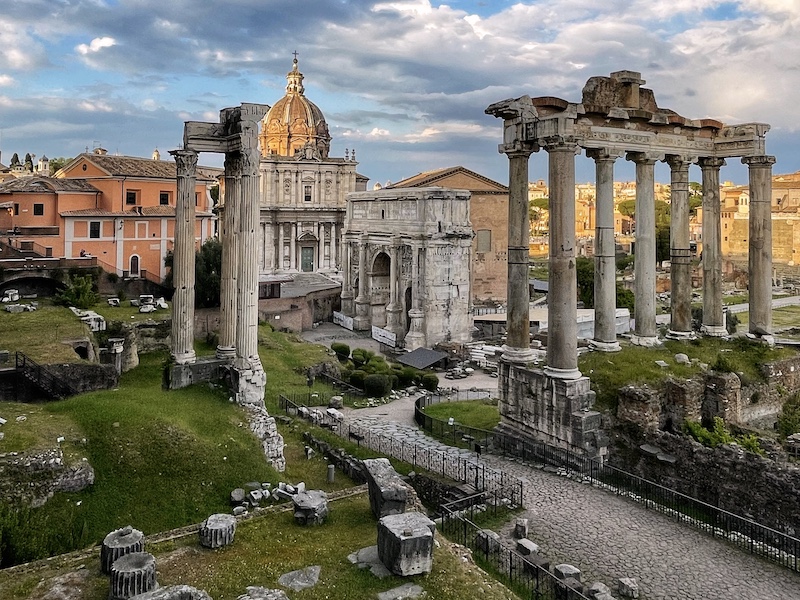
The Roman Forum
Once the bustling heart of ancient Rome, the Forum is a spellbinding landscape of temples, basilicas, and triumphal arches. Walking its ancient paving stones today brings you face to face with the characters who shaped antiquity. Spine tingling!
What Our Guests Are Saying
2 Reviews
Guests Reviews
3.5 out of 5 stars (based on 2 reviews)
September 23, 2024
Not a great private tour
our driver first dropped us off an hour early and then we had no where to wait and our guide could not find us. We then had a canadien grad student give us the tour. Would have been better with an italian. Overall we felt that we knew more than he did. He got a number of facts wrong. The sights themselves are amazing though. This tour company obviously just sub contracts out their drivers and guides so there is no consistency. Do not recommend. We had a tour the night before from a local company and they were fantastic.
February 18, 2024
We are making a photo album of our trip in rome. I want to say your tour guide emma was amazing. We enjoyed every minute with her. We also had a tour guide in barcelona who was amazing as well. We hope to return sometime and we will definitely use your service. Thank you
Piazzas of Rome Tour FAQ
Yes. The itinerary combines two sides of Rome that are often visited separately: the Colosseum and Roman Forum, which reveal the ancient city, and the historic center, where Renaissance and Baroque Rome transformed the streets and monuments around them. It is particularly well suited to first-time visitors who want a broader introduction than a Colosseum-only tour provides.
A private Ancient Rome tour focuses on the Colosseum, Roman Forum and Palatine Hill in approximately three hours. This five-hour experience adds a substantial guided walk through Rome’s historic center, including the Trevi Fountain, Piazza Navona and Spanish Steps, making it a broader introduction to the city.
No. This itinerary focuses on the Colosseum, Roman Forum and historic center rather than the Vatican Museums. Travelers who want to combine Ancient Rome, the Vatican and the historic center in a single day can consider our [Rome in a Day Private Tour].
This is a substantial walking tour, with time spent exploring the Colosseum and Roman Forum as well as walking between sights in the historic center. Ancient Rome includes uneven archaeological surfaces, while the Spanish Steps involve stairs. Comfortable walking shoes are recommended.
Yes. Because the tour is private, your guide can adapt the pace and storytelling to your group and give younger travelers plenty of opportunities to ask questions. The Colosseum and ancient Roman games also provide a particularly engaging starting point for introducing children to Rome’s history.
Other Tours You May Like…
Discover More