Ask any Roman where they’re most likely to head when they fancy taking a gita fuori porta (a day-trip out of town) on the weekend, and you’ll very probably hear numerous references to the Castelli Romani.
The Castelli are a series of charming hill towns dotted about the landscape of the Colli Albani, or Alban Hills, a short distance to the south of the Eternal city. This volcanic landscape has been occupied since antiquity, and was once the preserve of the Latini tribe before the burgeoning Roman civilisation made it’s inevitable mark on the area.
These days the region is home to a 10,000 hectare national park, two crater lakes and some lovely unspoiled towns where zero-kilometer local cuisine is king – most notably the mouthwatering must-try roast pork specialty porchetta. Be sure to wash it down with copious amounts of the local wine, produced here since antiquity thanks to the mineral-rich volcanic soils.
Easily reached from Rome in as little as half an hour by train, car or bus, here are seven of our favourite Castelli Romani towns.
Rome Tours
Choose Your Adventure!
1. Frascati
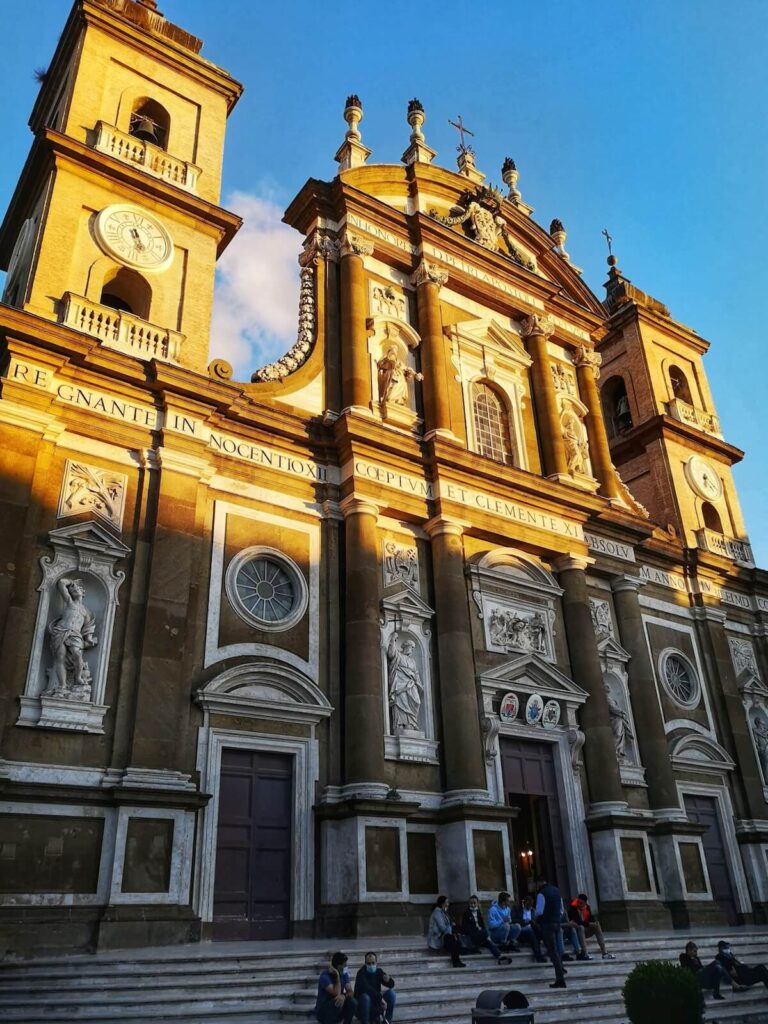

The largest and perhaps most impressive of the Castelli Romani, historic Frascati is dominated by the spectacular baroque Villa Aldobrandini, the grandiose 17th-century summer palace of Pope Clement VIII.
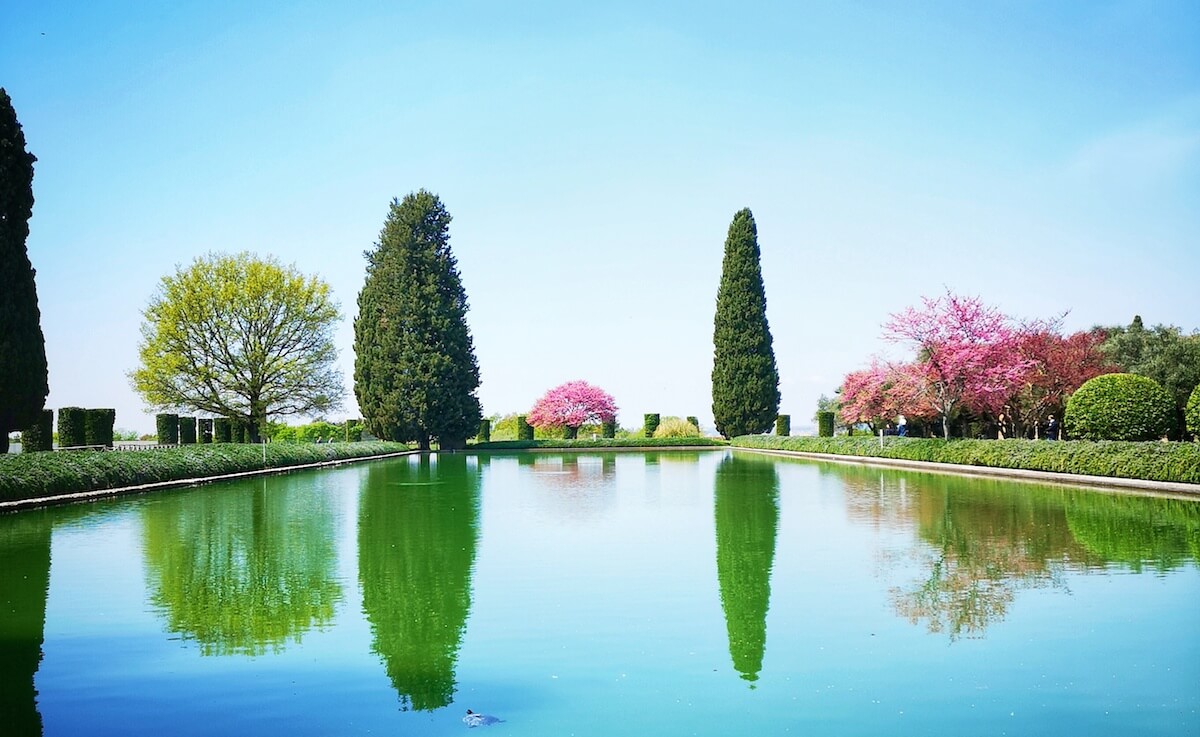
400 years later and Romans are still following the Pope’s lead, flocking to the elegant town in order to escape the capital city’s notorious summer heat. Villa Aldobrandini was designed by Giacomo della Porta and boasts impressive landscaped gardens which are occasionally open to the public, as well as a former stables (the Scuderie Aldobrandini) that now houses a local museum.
The real pleasure of Frascati, though, lies in aimlessly wandering through the town’s tangled lane-ways and lively squares on a lazy Sunday afternoon, living out the cherished Italian ideal of il bel far niente – the idle joy of doing nothing. For a little slice of culture along the way pop in to Girolamo Fontana’s striking Baroque cathedral, unlikely final resting place of the heart of 18th-century pretender to the English throne Bonnie Prince Charlie.
When hunger strikes, make your lazy way to Piazza del Mercato, where simple stalls dish out heaping piles of porchetta to hungry passersby. Order a few slices along with some good crusty bread and tangy pecorino before heading to a traditional fraschetta (wineshop) such as l’Osteria dell’Olmo to enjoy your haul alongside a litre or two of the local Frascati white wine (if you’re feeling lazy, don’t worry – host Remigio will be happy to provide some local antipasti if you arrive empty-handed).
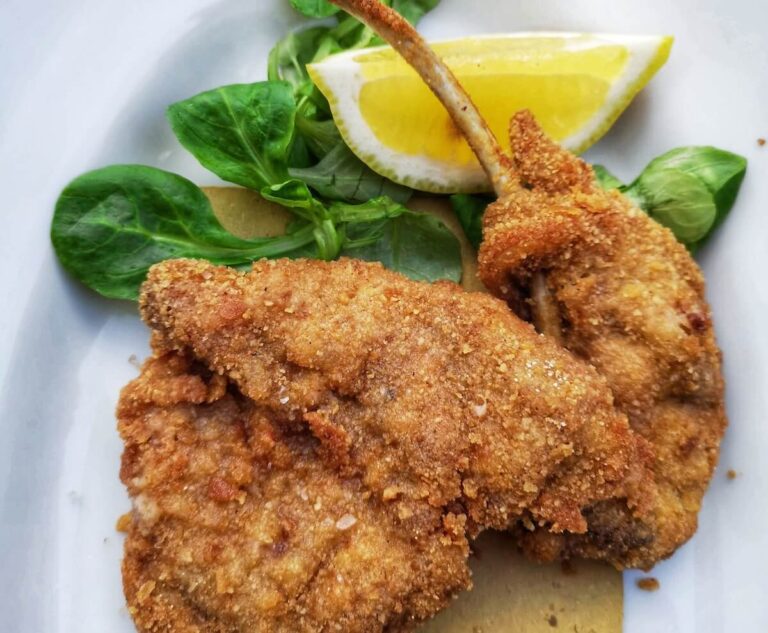
Those looking for something a bit more elaborate should head to Cantina Simonetti, a charming restaurant specialising in local cuisine and zero-kilometer ingredients like breaded grilled lamb. After lunch be sure to join the evening passeggiata, which with any luck will lead you to the bustling bars on Piazza San Rocco for an aperitivo before heading back to Rome.

Getting to Frascati
By train from Roma Termini on the FR4 line, journey time approximately 30–40 minutes, with frequent departures throughout the day. By bus: COTRAL services depart from Anagnina (Metro Line A). By car: take the Via Tuscolana (SS215) south from Rome, approximately 20km.

2. Castel Gandolfo
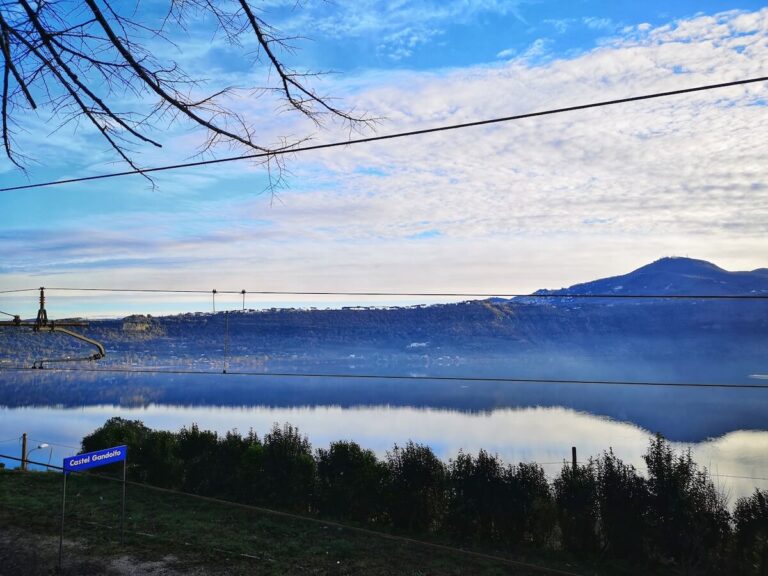
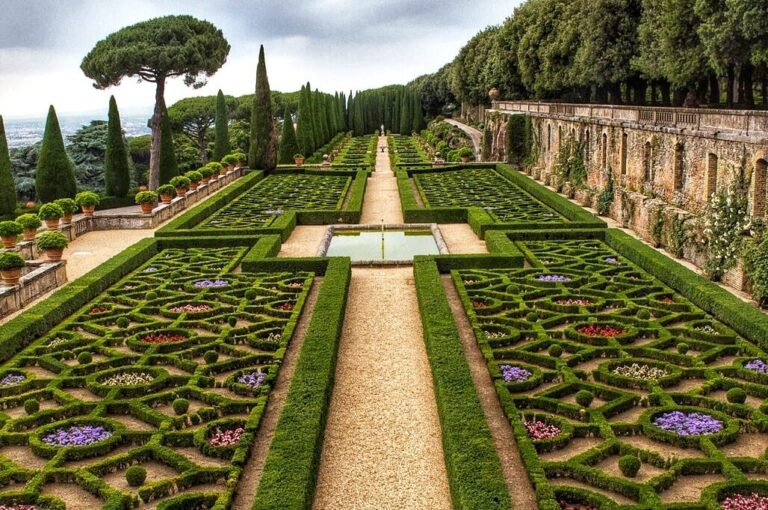
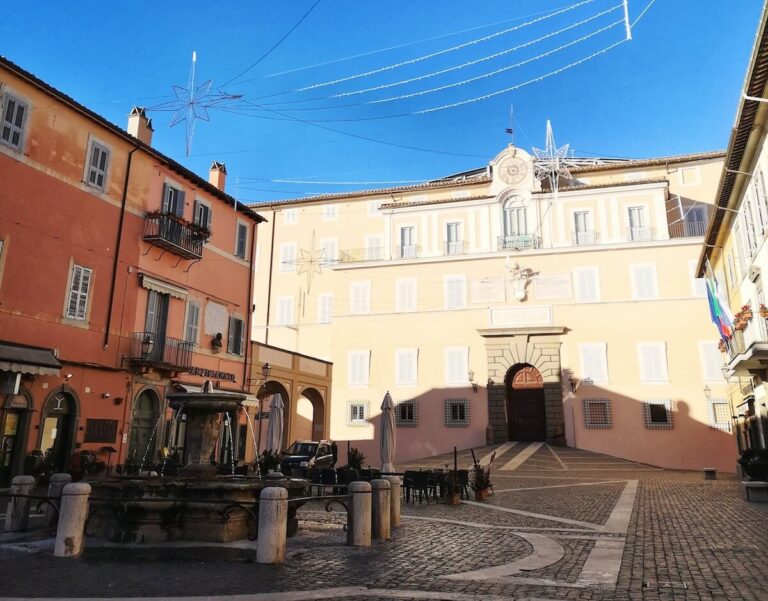
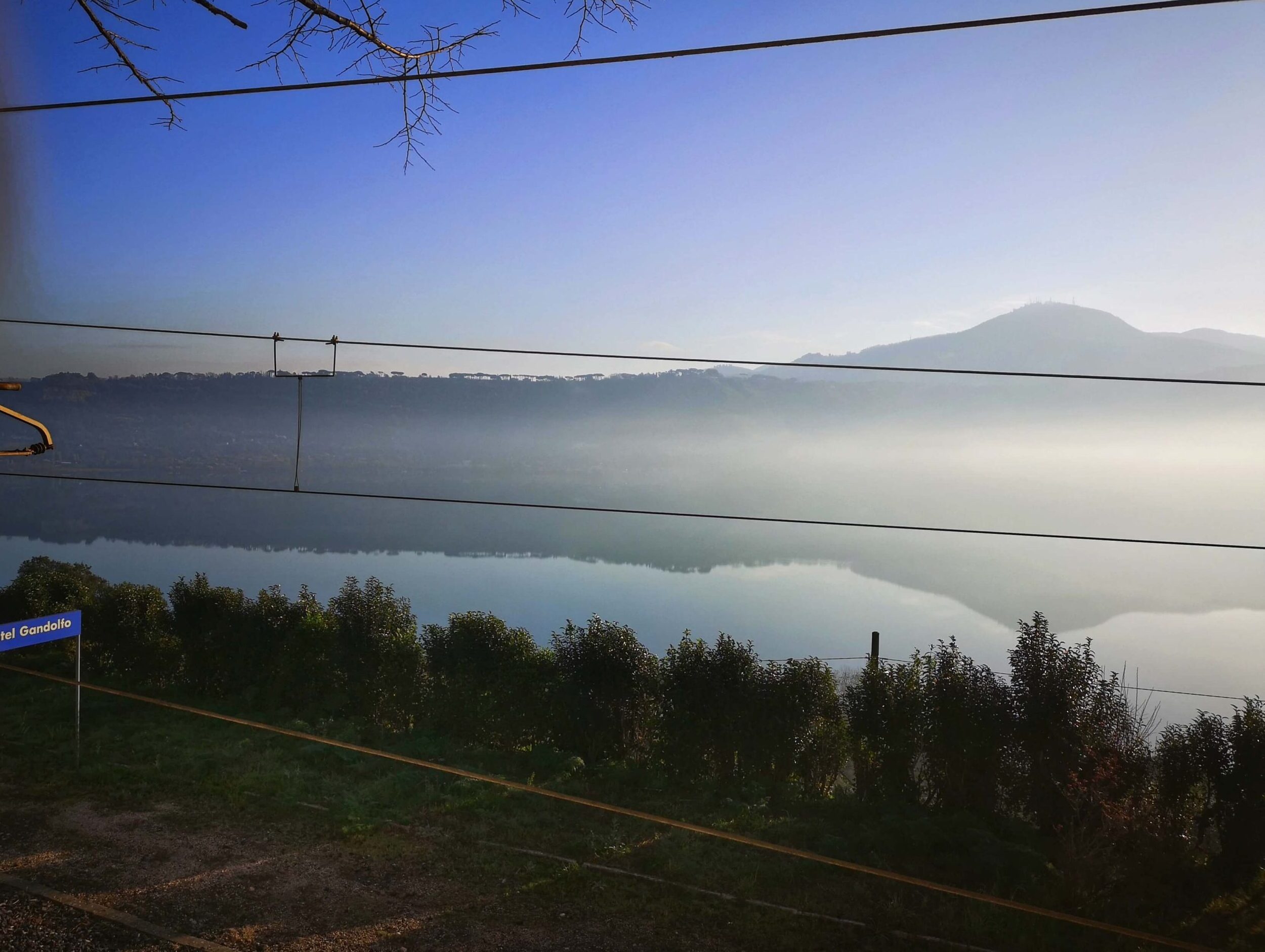
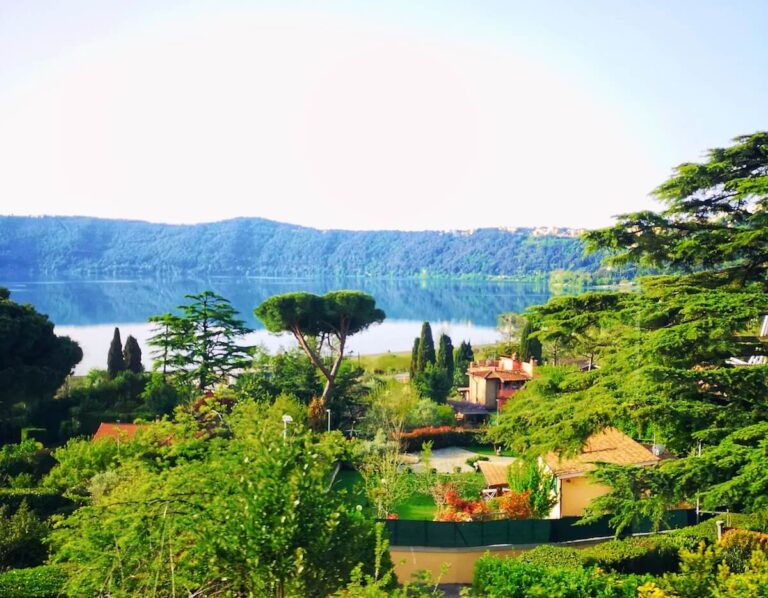
Perched picturesquely above the icy pure waters of the volcanic crater lake Lago Albani, tiny jewel-like Castel Gandolfo is best known for the magnificent Palazzo Apostolico, where for centuries the popes traditionally enjoyed their summer vacations.
Luxury-shunning Pope Francis bucked the trend, but the immaculately maintained gardens of Villa Barberini are open to the public and justly draw thousands of visitors each year.
Other highlights in Castel Gandolfo include the Bernini-designed cathedral and fountain located in the town’s main square, as well as numerous trails around the lake below the town offering plenty of good hiking opportunities for nature lovers.
If you’re planning on staying for lunch (and why not!) an array of tempting options line atmospheric Corso della Repubblica. Our favourite is Hosteria La Fraschetta di Padre in Figlio, where generous portions of local staples like cacio e pepe (cheese and pepper) pasta will keep you going for the ride back to Rome.
Getting to Castel Gandolfo
By train from Roma Termini on the FR4 line to Castel Gandolfo station (about 45 minutes), then a short uphill walk or taxi to the town centre. COTRAL buses also run directly from Anagnina (Metro Line A). By car: Via Appia Nuova (SS7) south from Rome, approximately 25km.
3. Ariccia

Spectacularly sited on an escarpment of tufa rock surrounded by oak forests, to reach Ariccia you need to cross the 300 metre long Ponte Monumentale, a testament to 19th century engineering that crosses the abyss 60 metres below on three levels of arches. The charming town’s central Piazza della Repubblica is once again home to two architectural masterpieces by Baroque artist Gianlorenzo Bernini – Palazzo Chigi and the Collegiata Maria SS. in Cielo, a church whose central plan is inspired by the Pantheon.
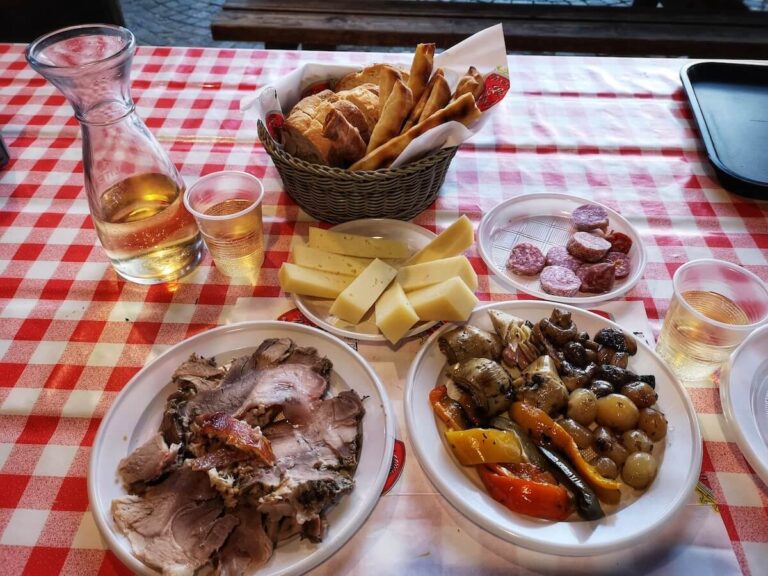
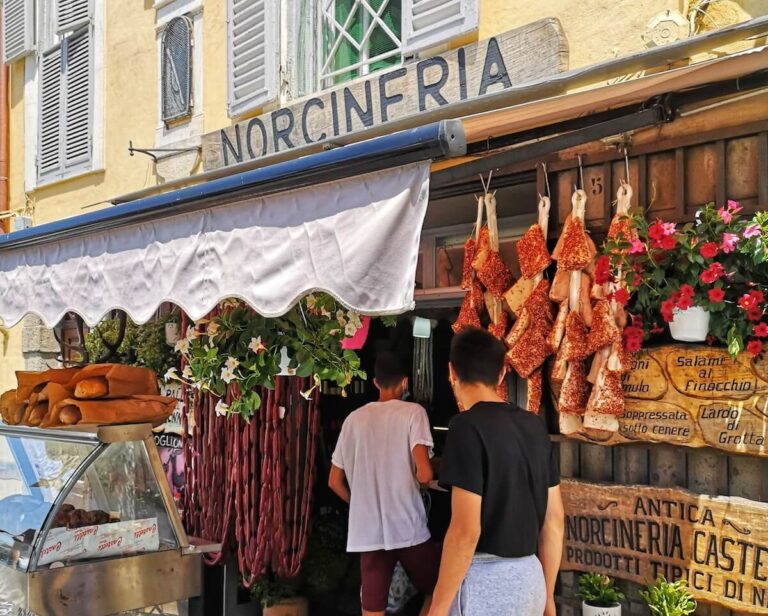
Ariccia’s claim to fame though, is as spiritual home to porchetta, the otherworldly roast pork that stands as culinary symbol of the Castelli. Order a few slices from Porchetta Diana Aricina or Porchetta Cioli on Piazza di Corte for an unbeatable on-the-go lunch, or follow the locals down winding Borgo San Rocco and take your pick of the brilliant no-frills eateries that line this atmospheric street.
Our favourite is Fraschetta Osteria Dar Vignarolo, where trestle tables scenically scattered beneath the viaduct of the Via Appia Nuova offer spectacular views across the countryside far below. Platters of local antipasti, porchetta, pasta and hearty meat dishes await.
Getting to Ariccia
By bus: COTRAL services from Roma Laurentina (Metro Line B) or from Albano Laziale (reachable by FR4 from Termini). By car: Via Appia Nuova (SS7) south, continuing past Albano Laziale, approximately 30km from Rome.
4. Marino
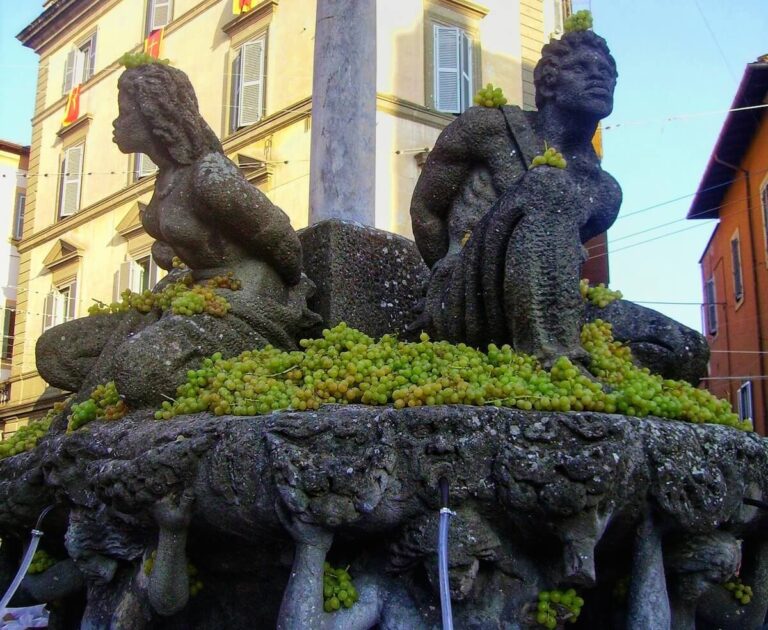
The Castelli Romani are widely known for their wine, and nowhere is this ancient oenological tradition more apparent than in the town of Marino. Each October the townsfolk gather to celebrate their famous Sagra dell’Uva (Festival of the Grape) – local producers set up shop in the cobbled streets of the town’s historic centre, where statues and fountains are festooned with great swaying bunches of grapes.
Best of all, for a glorious half hour at the height of the festivities, the town’s fountains run free not with water, but with wine. So important is viniculture to the local economy that over the centuries a miraculous 12th century effigy of the Virgin Mary housed in the town’s cathedral has frequently been called upon to ensure a decent grape harvest.
Even if you’re not in town for the festival, Marino’s historic centre is well worth a visit in its own right – the highlight is the Fontana dei Quattro Mori – the Fountain of the Four Moors – erected in the town back in the 17th century to celebrate the defeat of the Turks at Lepanto by local hero Marcantonio Colonna.
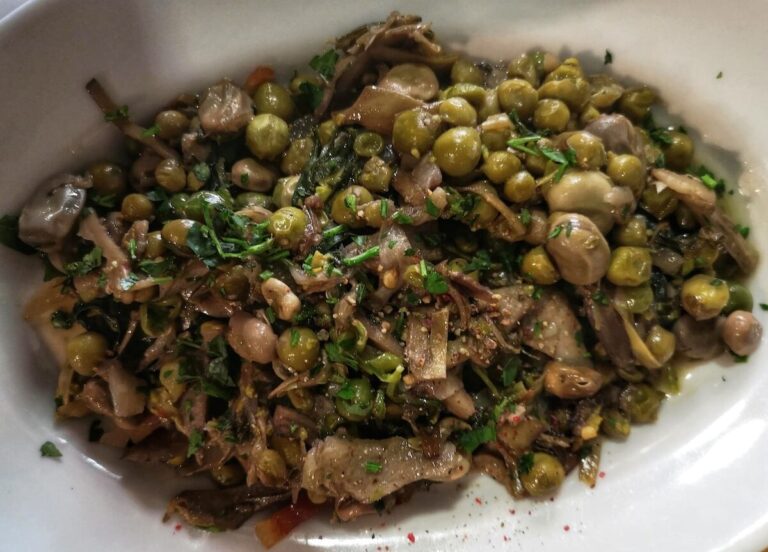
For lunch make a beeline for the charming courtyard garden of Al Cantuccio, where home-made pastas like pappardelle with wild boar ragù and strozzapretti with zucchini, cherry tomatoes and smoked provola as well as veggie delights like scarola with pine nuts and raisins are star turns.
Getting to Marino
By train from Roma Termini on the FR4 line to Marino-Ciampino station, then a short uphill walk or taxi. By car: Via Appia Nuova or Via dei Laghi, approximately 20km from Rome.
5. Nemi
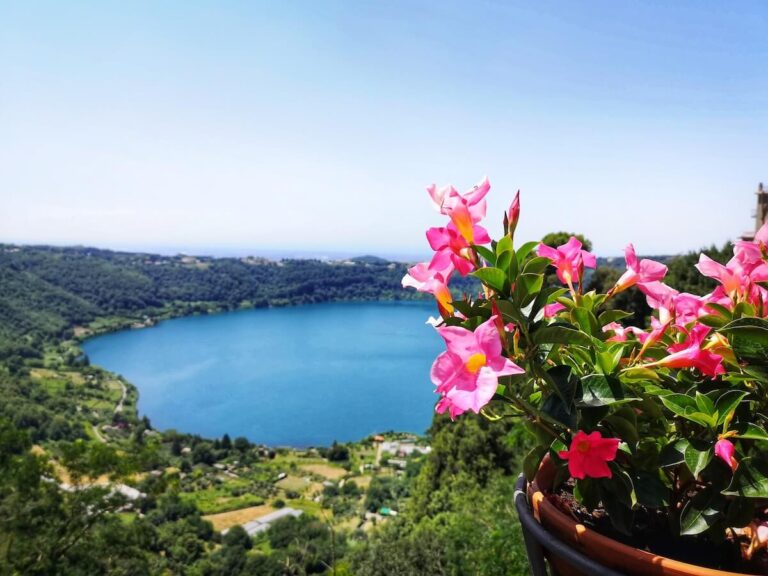
Boasting wonderful views over the Roman countryside from its perch high above the lake that shares its name, beautiful Nemi is one of the Castelli’s essential destinations. The tiny historic centre is a character-filled tangle of narrow streets unfolding around the imposing Palazzo Ruspoli and the adjacent piazza.
Beyond the spectacular panoramas, Nemi’s great local secret is its strawberries: smaller than your average fragola, these little gems are bursting with an intensity of flavour that their supermarket cousins can only dream of, and can be sampled at any of the shops and restaurants populating the village.
Each year a festival devoted to Nemi’s fragoline marks the highpoint of the season.
Not to be missed while you’re in the area is Nemi’s small but fascinating ships museum, where the remains of the extraordinary pleasure barges built by the Emperor Caligula and recovered from the depths of the lake are displayed alongside ancient sculpture and artefacts — a reminder that even this sleepy village has emperors in its past.
Getting to Nemi
By bus: COTRAL services connect Nemi from Velletri (reachable by FR4 from Termini) or from the Grottaferrata area. The connections are infrequent, making this one of the easier Castelli towns to visit by car. By car: Via dei Laghi from Rome, approximately 30km, with signposted turns for Nemi.
6. Grottaferrata
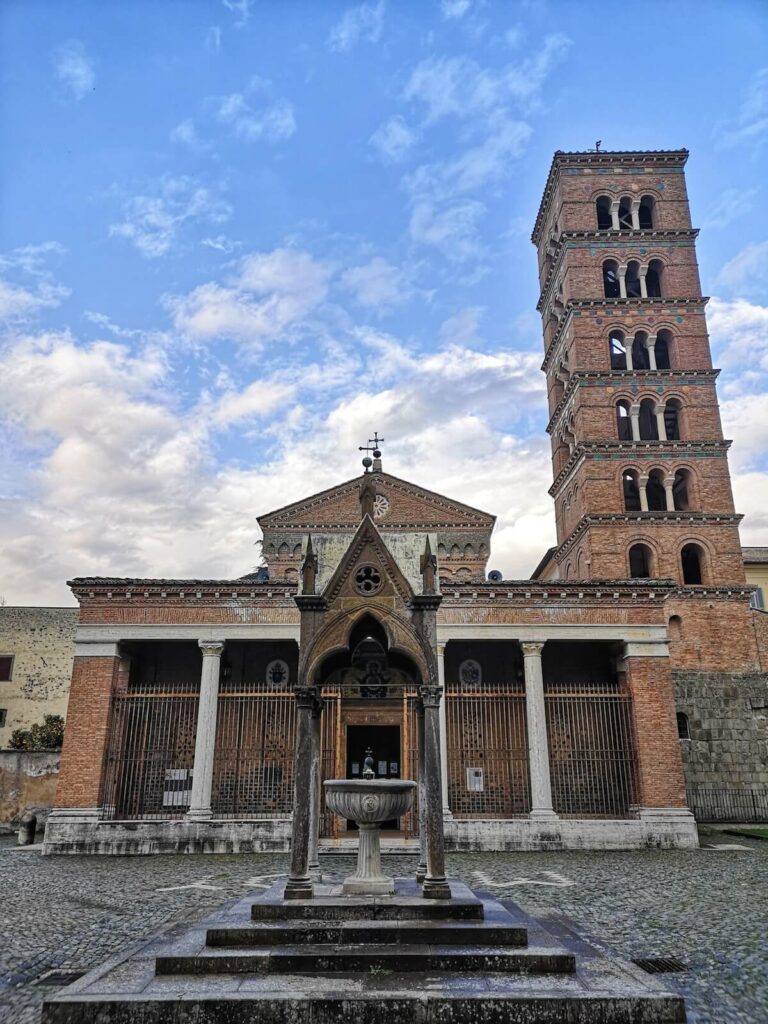
Grottaferrata is one of the least visited of all the Castelli by visitors, but thanks to its extraordinary medieval monastery of San Nilo it’s one of our favourite easy day-trips from Rome. The monastery was founded in 1004 AD by a charismatic wandering Calabrian monk named St. Nilus of Rossano. Remarkably, the exarchic abbey is the last monastery in Italy that still practices Byzantine Greek religious rites instead of the Latin ones.
This was surprisingly common in Lazio and southern Italy in the Middle Ages, but the abbey at Grottaferrata now feels like it’s from another world. Founded 50 years before the great Schism divided Christianity between East and West, the monks at San Nilo didn’t pick a side and still today practice a unique brand of Christianity that merges the two traditions.
The architecture matches the spiritual ambition: the beautiful courtyard and portico leading to the monastery was designed by the renowned Renaissance architect Antonio da Sangallo in the 15th century, whilst magnificent Baroque frescoes by Domenichino await in a chapel within. The adjacent monastic museum is also well worth a visit, featuring beautiful frescoes and ancient artefacts in deeply atmospheric surroundings.
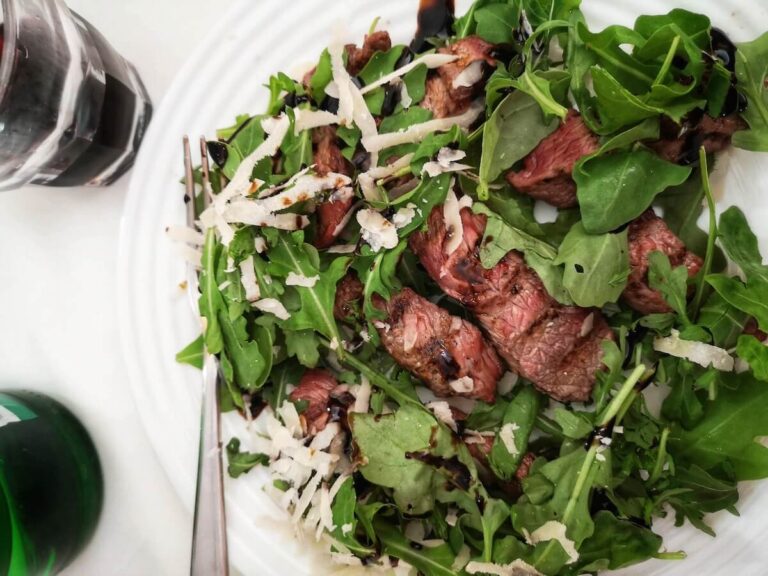
After a morning spent exploring the fabulous monastery, head to Al Buco for lunch – think ravioli stuffed with pumpkin and truffle, tagliata di manzo with porcini mushrooms and much more at unbeatable prices.
Getting to Grottaferrata
By bus: COTRAL services from Anagnina (Metro Line A), approximately 40 minutes. By train to Ciampino, then a short COTRAL bus connection. By car: Via Tuscolana (SS215) south from Rome, approximately 20km — this is one of the more accessible Castelli towns to reach by public transport.
7. Rocca di Papa
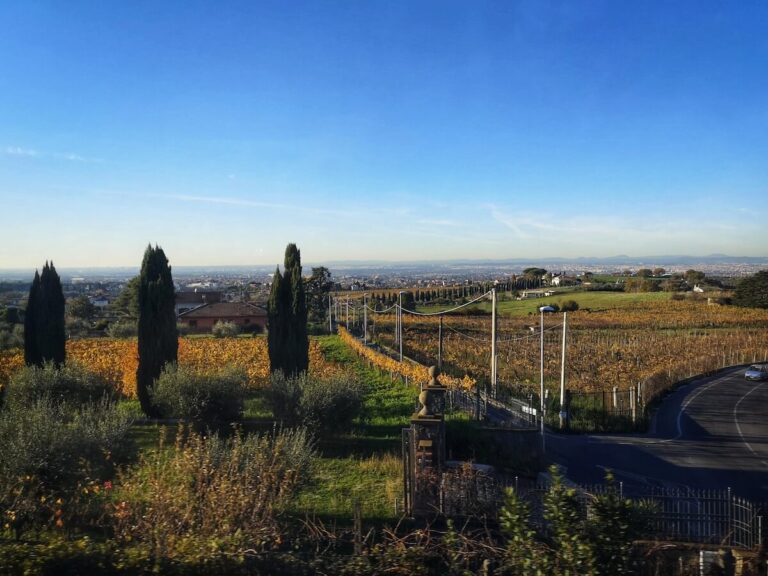
Soaring 680 metres above sea level, picturesque Rocca di Papa is visible for miles around thanks to its colourful dwellings clinging to the slopes of Monte Cavo. Rocca di Papa owes its name to the medieval papal fortress that dominates the town, whilst the town’s Duomo dell’Assunta contains some interesting artworks – including a gender-bending Christ.
But it’s the magnificent views over the entire region all the way to Rome and the distant sea beyond that make Rocca di Papa well worth a detour.
Make the climb up the ancient Via Sacra leading out of town, whose Roman basalt flagstones are still preserved even today, and you’ll reach the viewing point known as the Occhialone, where a spectacular panorama opens up before you with both Lago Albani and Lago di Nemi visible at once.
Getting to Rocca di Papa
By bus: COTRAL services connect from Frascati and from Anagnina (Metro Line A) via Grottaferrata; connections are less frequent than for other Castelli towns. By car: Via dei Laghi from Rome, approximately 30km — the most convenient option for this particular destination.
Getting Around the Castelli Romani
Practical Information
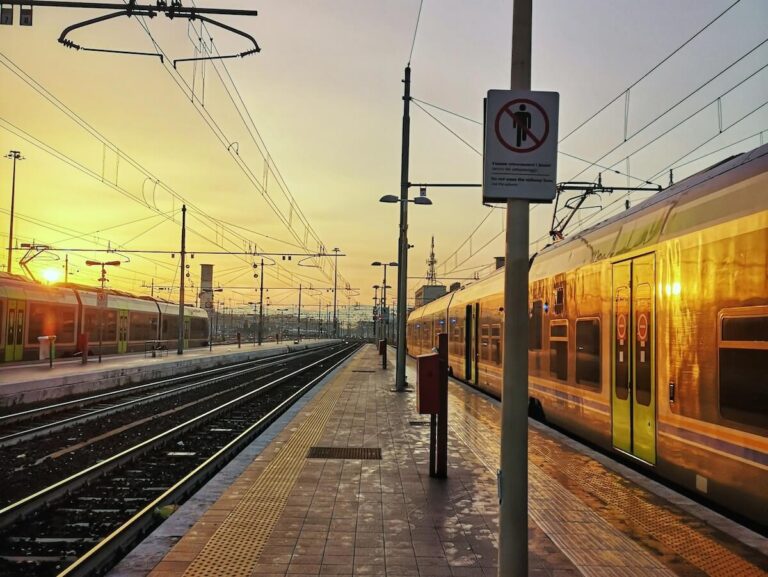
By train: The FR4 (Roma–Frascati/Albano–Velletri) commuter line from Roma Termini serves Frascati, Castel Gandolfo and Marino most directly. Journey times range from 30 to 50 minutes.
By COTRAL bus: COTRAL regional buses serve the entire area, with the most useful departure points being Anagnina (Metro Line A) and Roma Laurentina (Metro Line B). Bus connections to Ariccia, Grottaferrata, Nemi and Rocca di Papa are available from these hubs, though services can be infrequent — check timetables before travelling.
By car: The most flexible option if you want to visit multiple towns in a single day. The Via Appia Nuova (SS7), Via Tuscolana (SS215) and Via dei Laghi are the main arteries serving the different parts of the Castelli, and the roads are well signed. Parking is generally easy and often free in the towns themselves.
Tours: Through Eternity offers day-trip excursions to the Castelli Romani as part of its broader programme of tours to the Rome countryside. Get in touch for details.
Best time to visit: Spring and autumn are ideal — mild temperatures, the hillside scenery at its most beautiful, and (in autumn) the harvest festivals that are the social high point of the Castelli calendar. In August the towns are popular with Romans escaping the heat and can be crowded on peak summer weekends, but a good atmosphere is guaranteed.
Castelli Romani FAQ
What are the Castelli Romani?
The Castelli Romani (literally “Roman castles”) are a group of small hill towns in the Alban Hills southeast of Rome, spread across a volcanic landscape of crater lakes and dense oak forests. They take their collective name from the medieval fortifications that once dominated many of the towns.
How far are the Castelli Romani from Rome?
Most of the Castelli towns are between 15 and 30 kilometres from the centre of Rome, and can be reached in 30 to 60 minutes by train, bus or car.
What food is the Castelli Romani famous for?
Above all, porchetta — slow-roasted whole pig seasoned with garlic, rosemary and fennel, served with thick slices in crusty bread — is the defining dish of the Castelli. The area is also celebrated for its white wines (most famously Frascati DOC), its locally produced cheeses, and a rich seasonal vegetable tradition including wild mushrooms and the fragoline di Nemi strawberries.
Which Castelli Romani town is best for a first visit?
Frascati is the most accessible and offers the broadest combination of history, food and atmosphere. Castel Gandolfo is particularly beautiful for its lakeside setting. Ariccia is the best choice for those whose priority is eating well.
Can you visit the papal gardens at Castel Gandolfo?
Yes — Pope Francis opened the gardens of Villa Barberini at Castel Gandolfo to the public in 2014, and they can now be visited with a ticket. The Vatican Museums website handles bookings.
Dive Deeper into Rome