Make the most of your time in the Eternal City with this comprehensive private tour of Rome by car, seeing the main sights in comfort.
 Highlights

 Hidden Gems

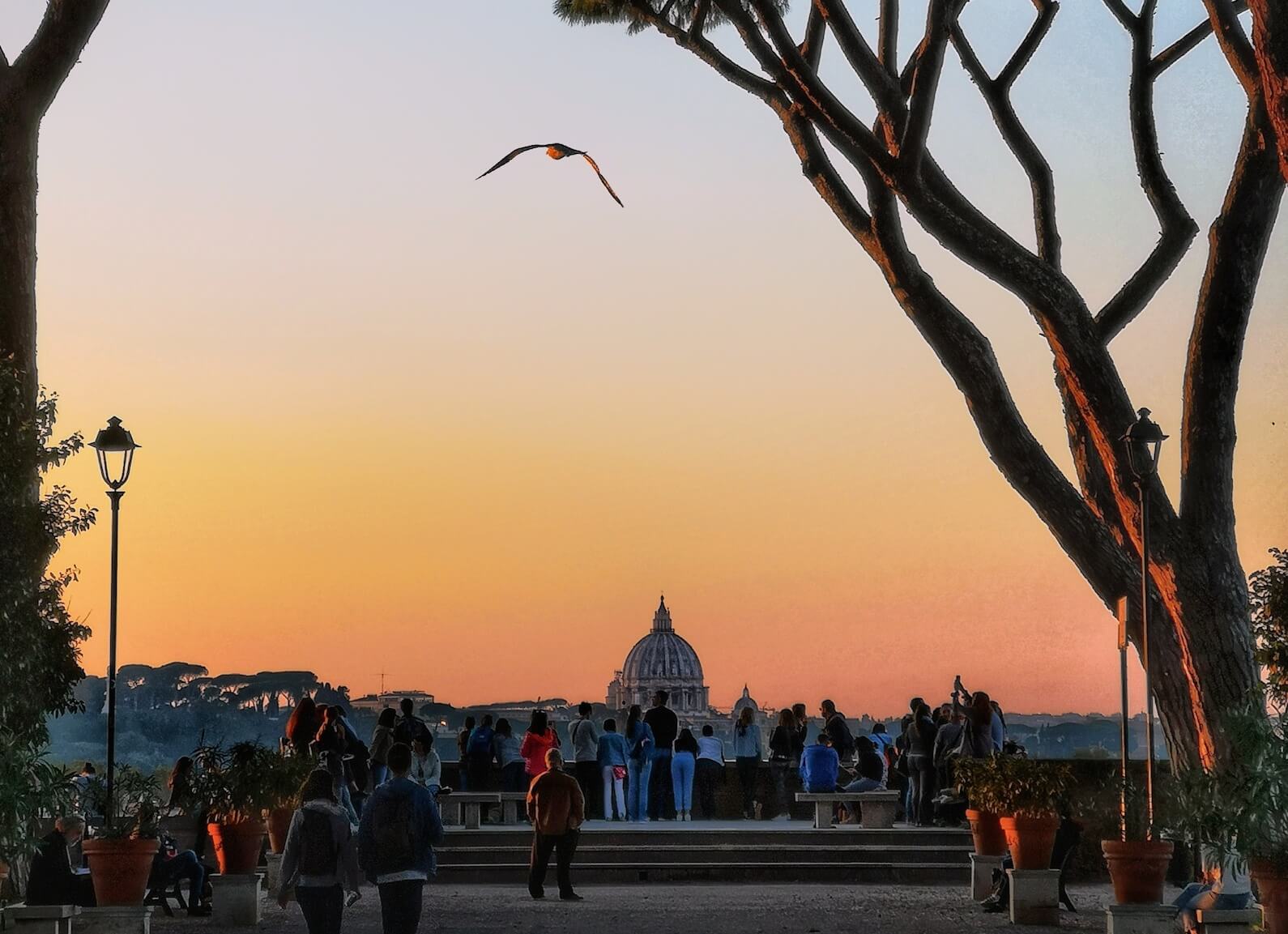
- Garden of Oranges
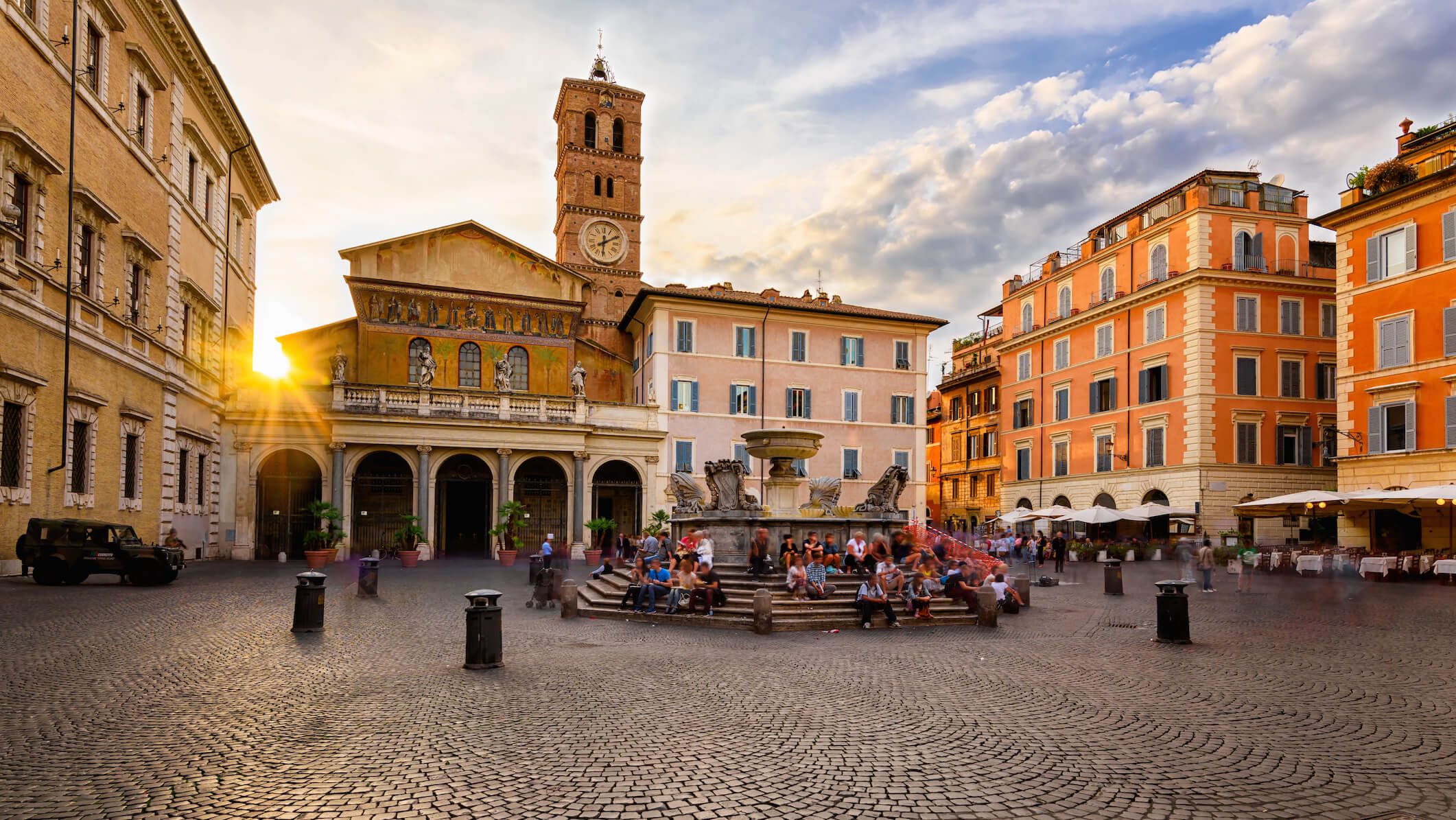
- Santa Maria in Trastevere
- Janiculum Hill
 Tour Includes

- Expert English-speaking private guide
- Private car and driver throughout your tour
- Visit to the Famous Seven Hills of Rome
 Create Your Custom Journey

Our dedicated team is here to help you design the perfect trip. We’re happy to assist every step of the way.
We’ve Got You Covered!

Can’t make your trip? Cancel up to 24 hours in advance for a full refund, minus any ticket costs.
ITINERARY
What To Expect On Your Tour
Capitoline Hill and the Heart of Ancient Rome
This 4 hour car tour gives you the unique possibility to explore some of the most enchanting areas of the city in a short period of time. In each place we’ll take the time necessary to soak up its beauty and to get an idea of the history, events and characters that left their mark on Rome over the centuries.
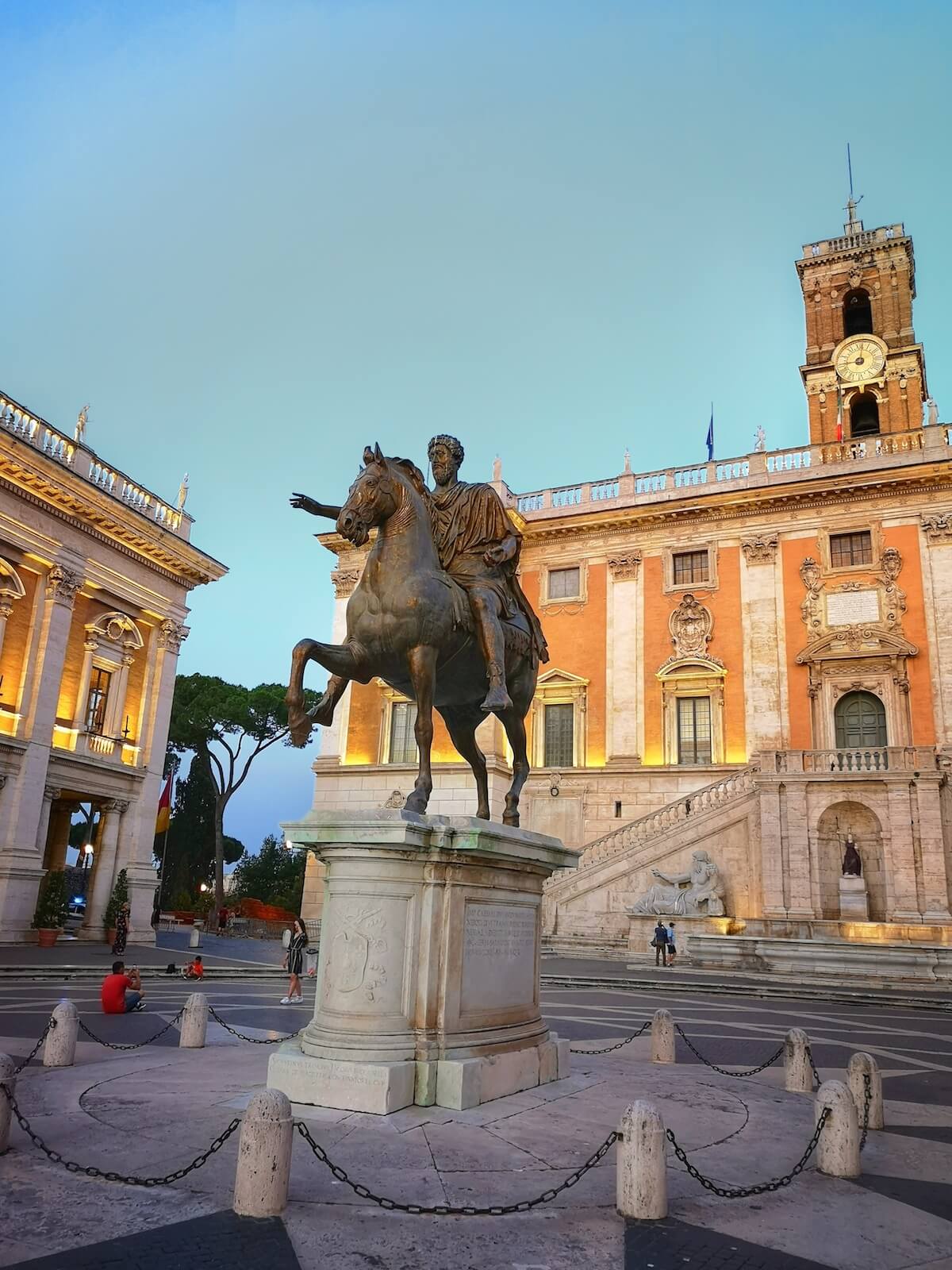
We will begin on the ancient Capitoline Hill. This jagged outcrop has served as the backdrop for battles, celebrations and legends since the city’s foundation some 2,750 years ago. Today, the hill is surmounted by historically overlapping buildings from various eras, and culminates in Michelangelo’s Piazza del Campidoglio, a masterpiece of Renaissance design characterized by splendid architecture and extraordinary harmony.
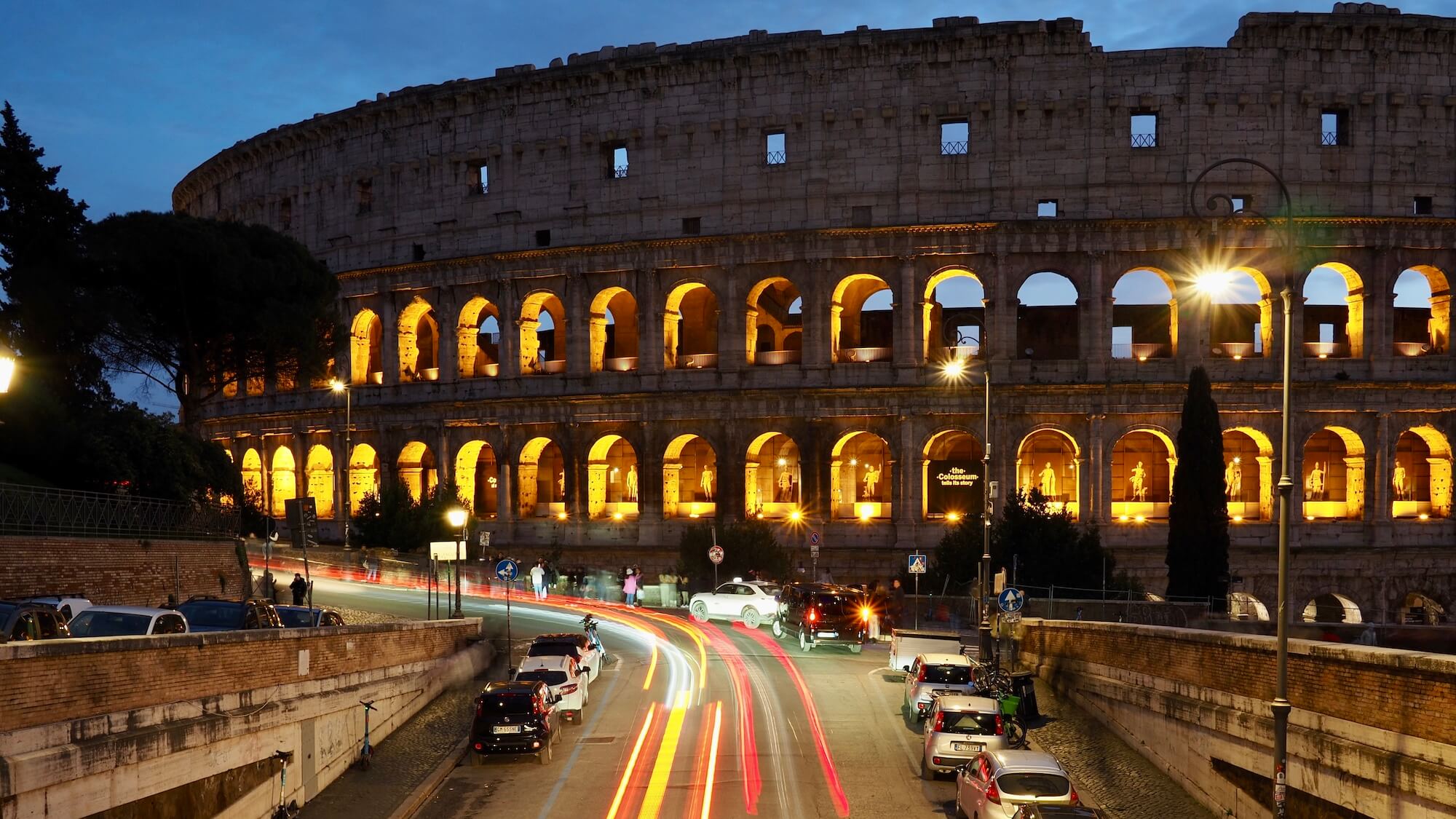
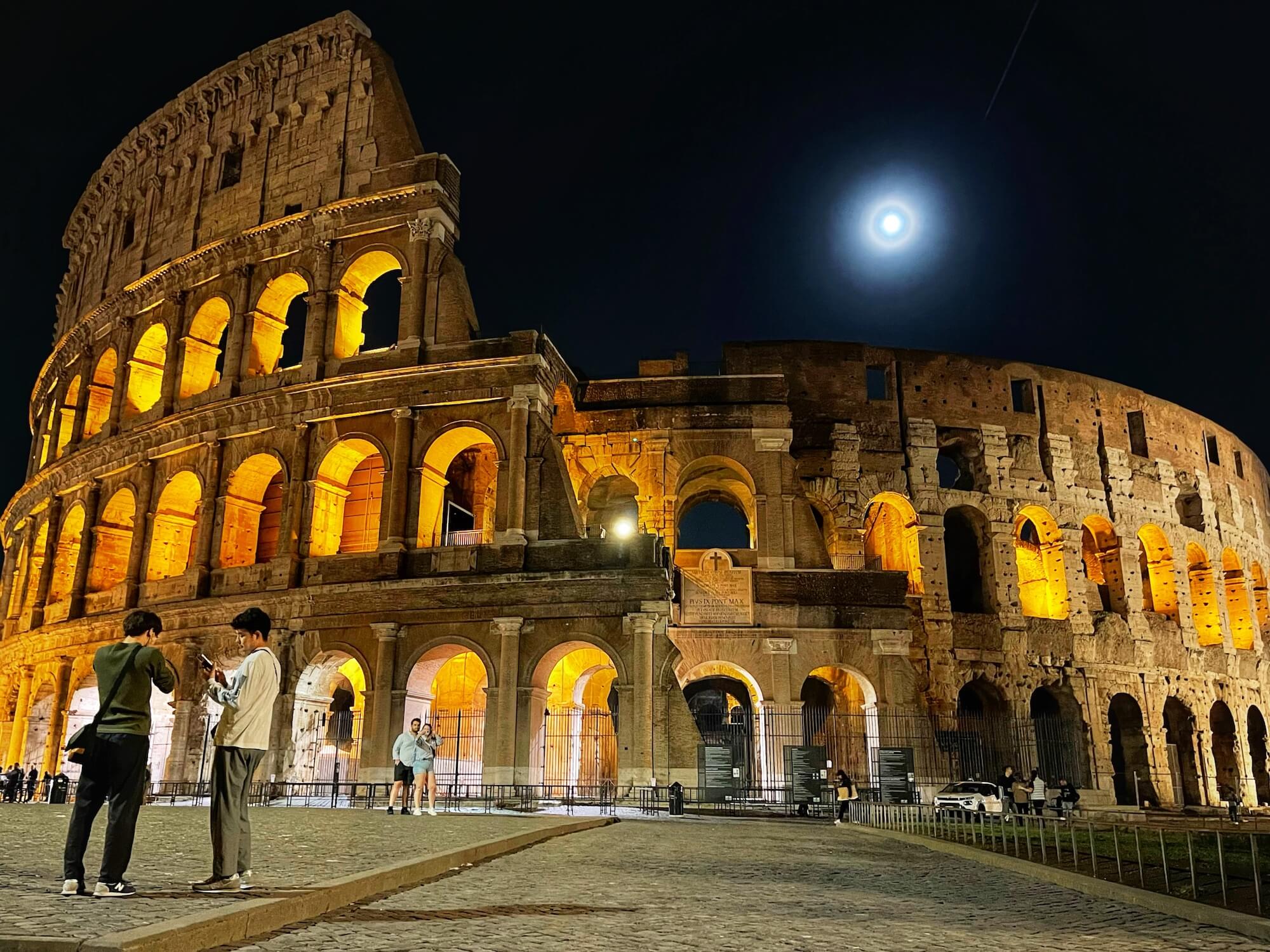
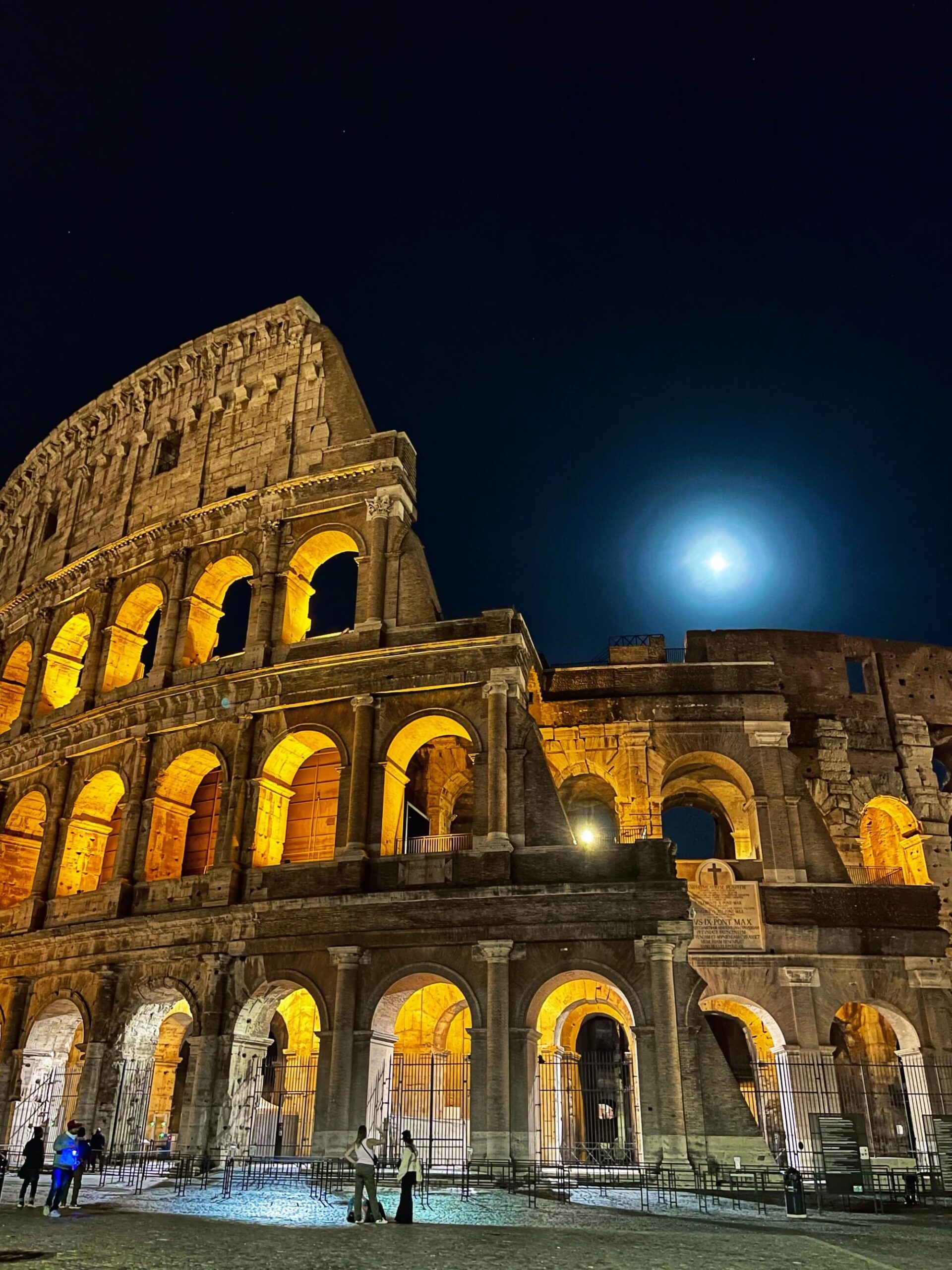
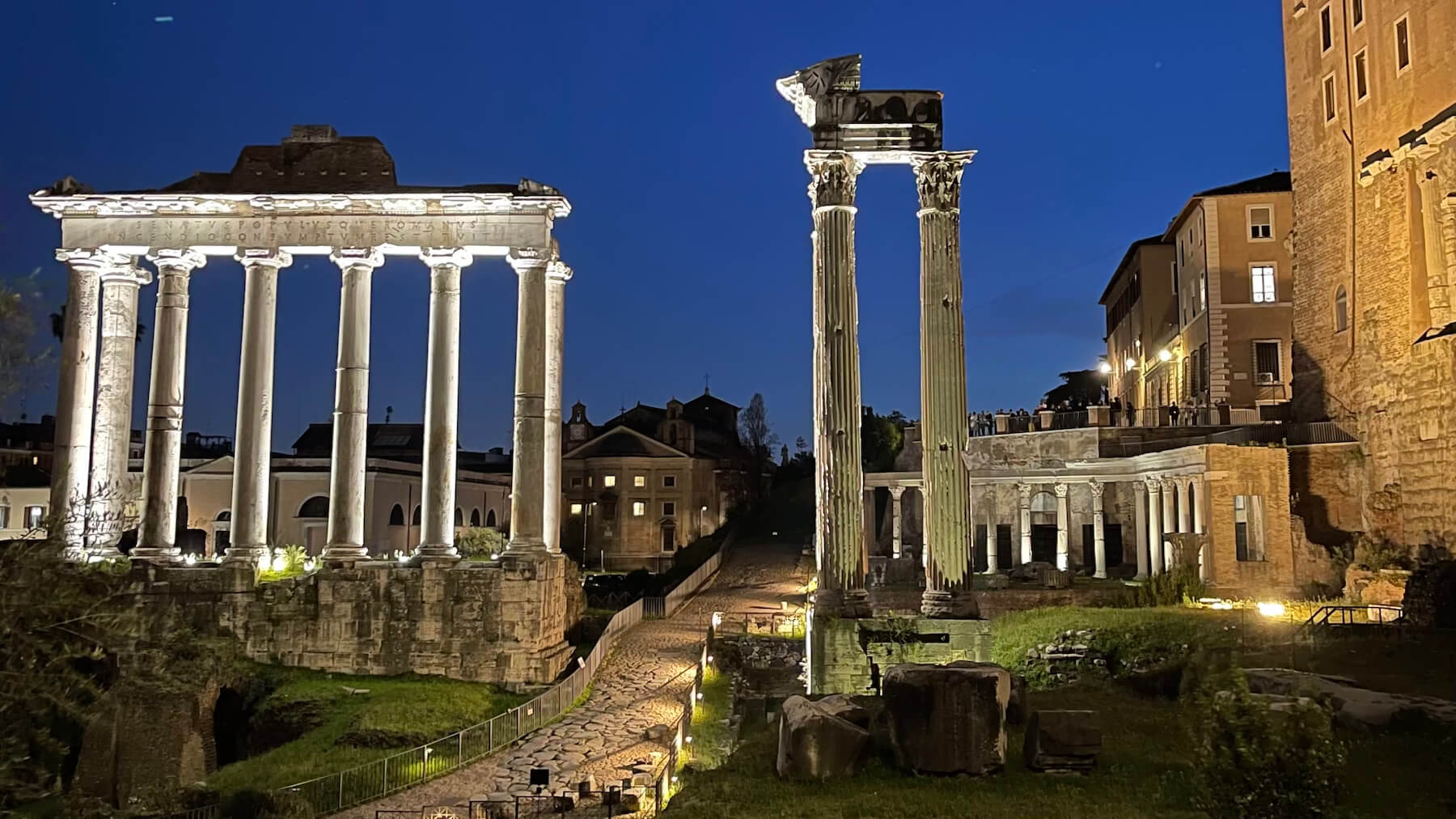
From atop the Capitoline Hill we will enjoy a spellbinding view of the valley of the Roman Forum, once the center of ancient Rome, with its amazing array of temples, basilicas, colonnades and roads . If you listen carefully, you can still hear the stirrings of crowds incited by Cicero, Julius Caesar, Marc Antony and the other great orators of the classical world. From there we will make our way to the Colosseum, an iconic and imposing monument that was built in just over 10 years at the height of the city’s wealth and power. Together we’ll learn about the construction techniques that made so remarkable an edifice possible, and uncover the history of the gladiators. Who were these men compelled to forge a precarious existence on the sands of the arena, and why did the games remain so popular for over three centuries? To answer these questions we will need to immerse ourselves in the unexpectedly complex society of ancient Rome, and the huge multicultural empire that animated it.


Piazzas, Fountains, and the Splendour of Rome
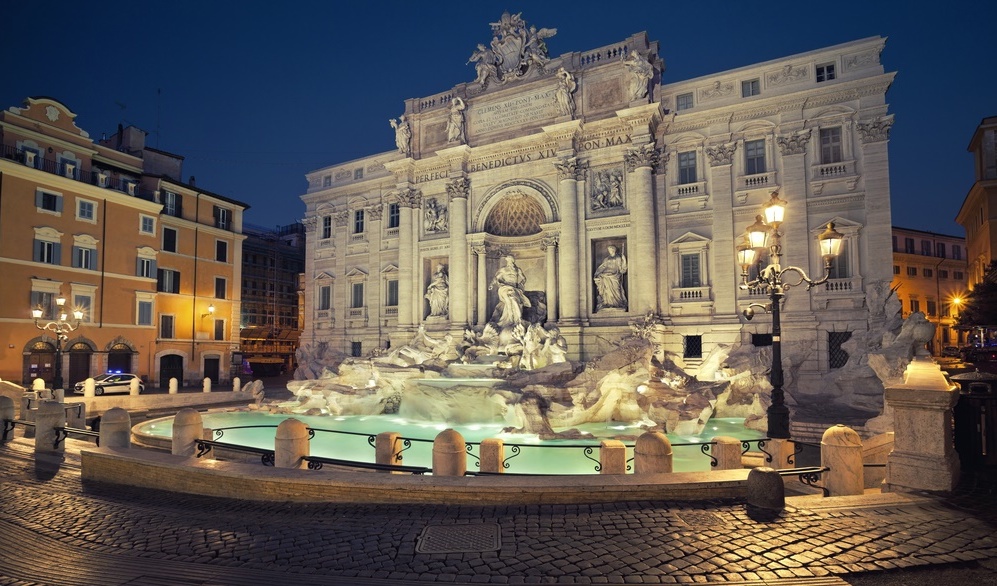
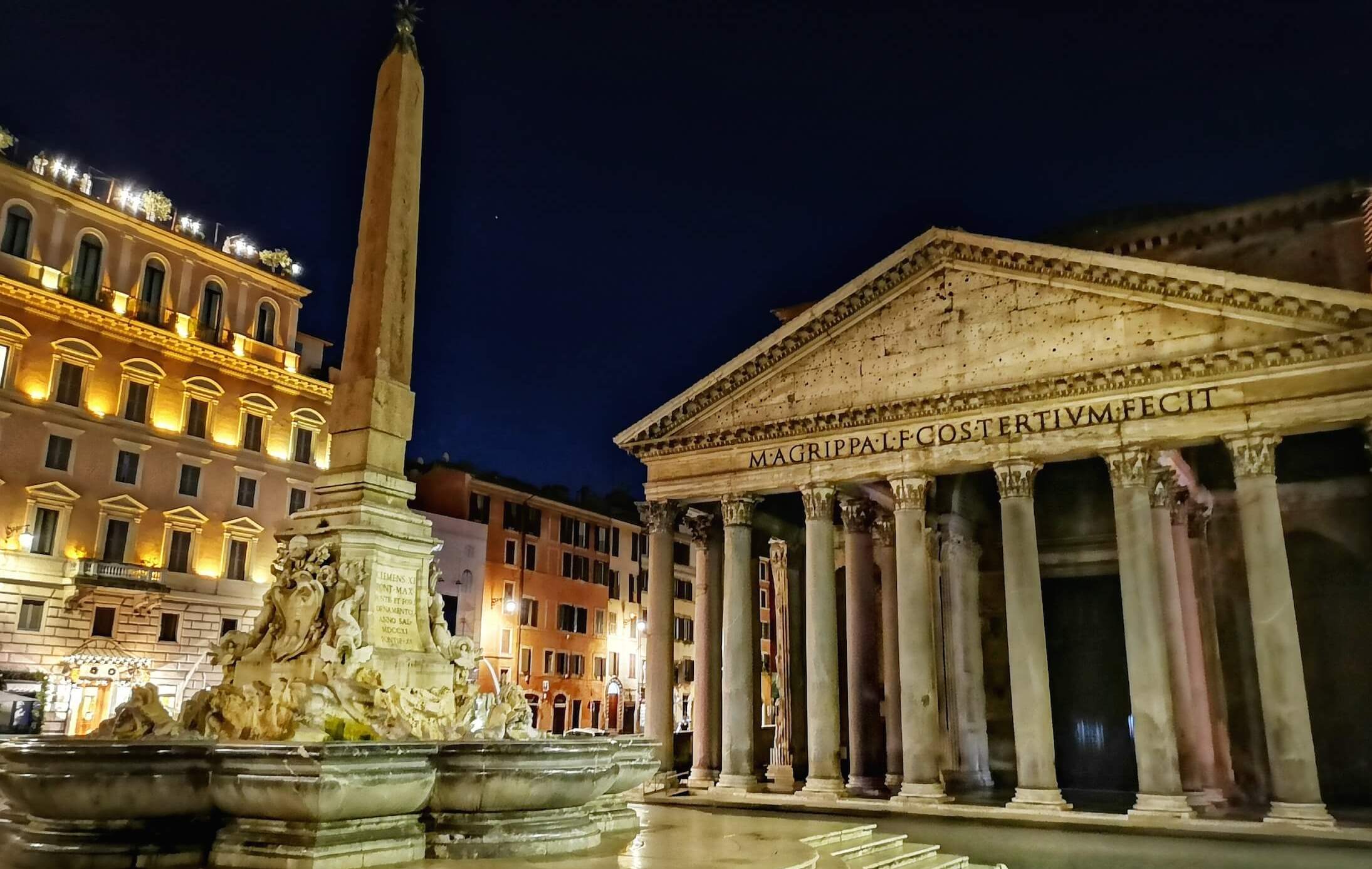
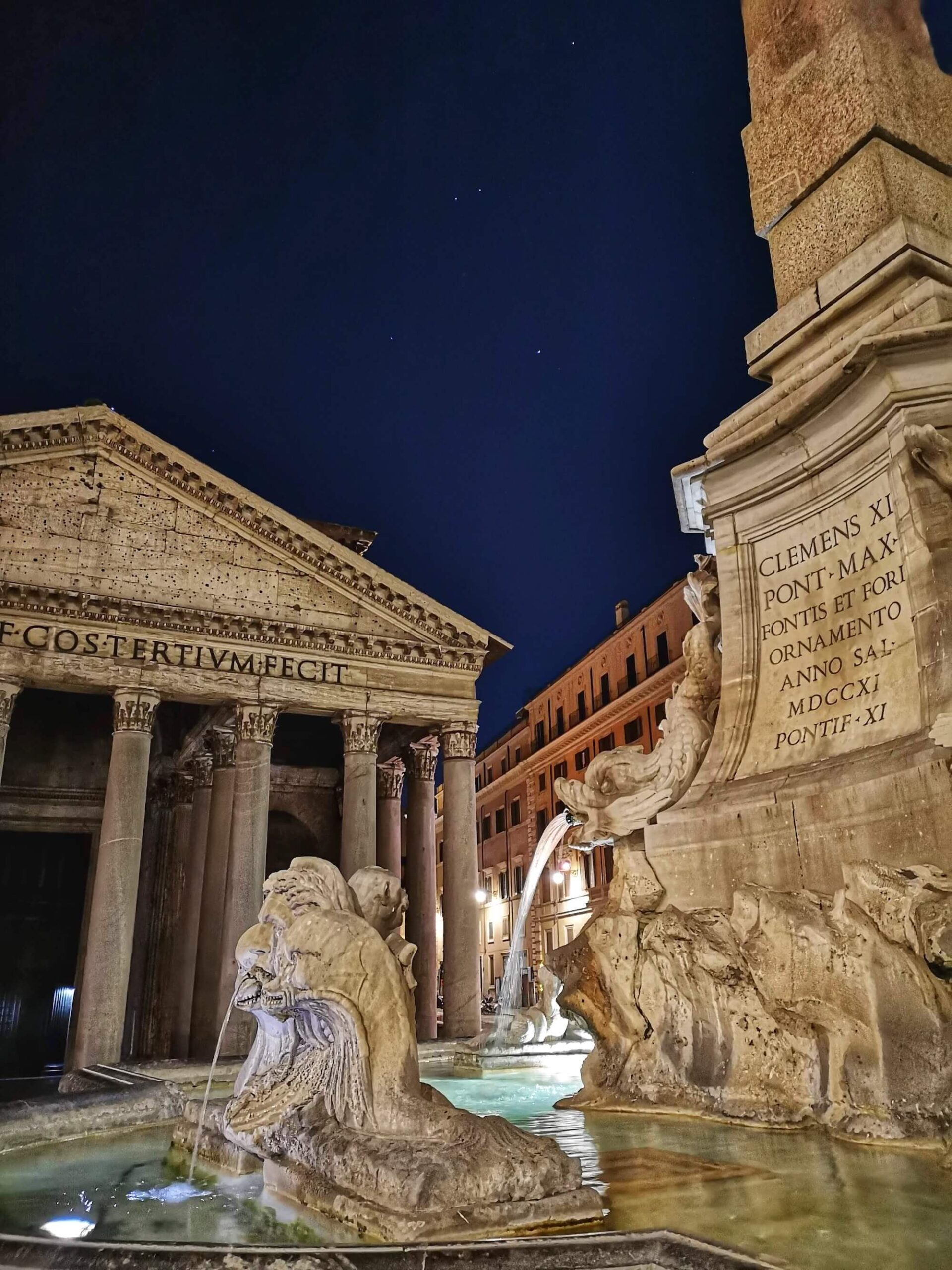
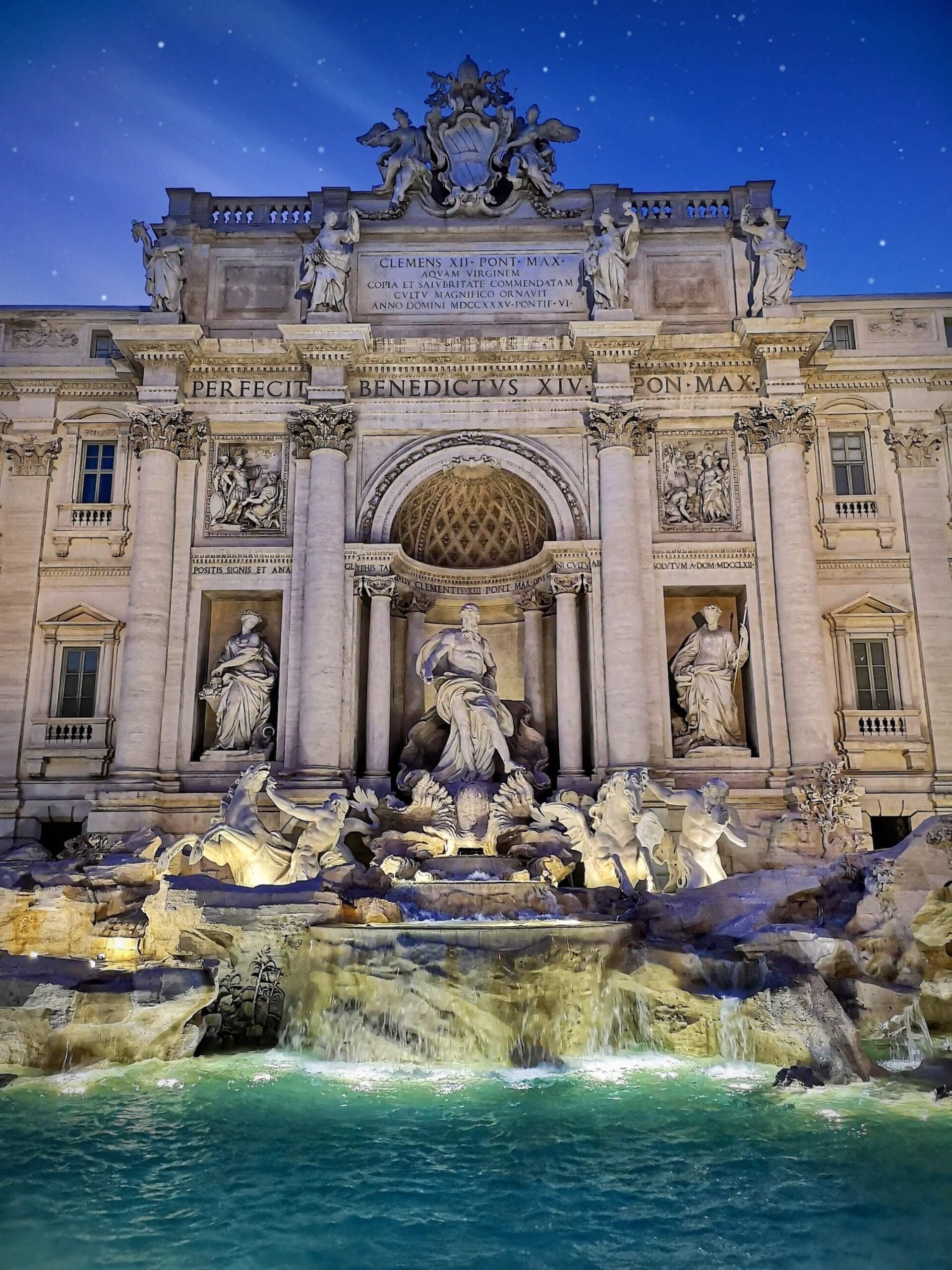
From here we will head to Piazza Venezia with its Monument to Victor Emmanuel which represents an important moment in our country’s modern history. The Trevi Fountain, symbol of the “dolce vita”, will bewitch you with its melodic play of water and the many stories and legends inscribed in its bas-reliefs. Then to the Pantheon whose beauty and awe inspiring dimensions symbolize the full extent of ancient Rome’s splendor. It was designed by Hadrian , an eclectic and visionary emperor who sought to give depth and harmony to the city and to a multi-ethnic empire with different and often conflicting cultures, traditions and languages . Rome was at the time a city living at the height of its grandeur, but all the while sowing the seeds of its own inexorable decline.
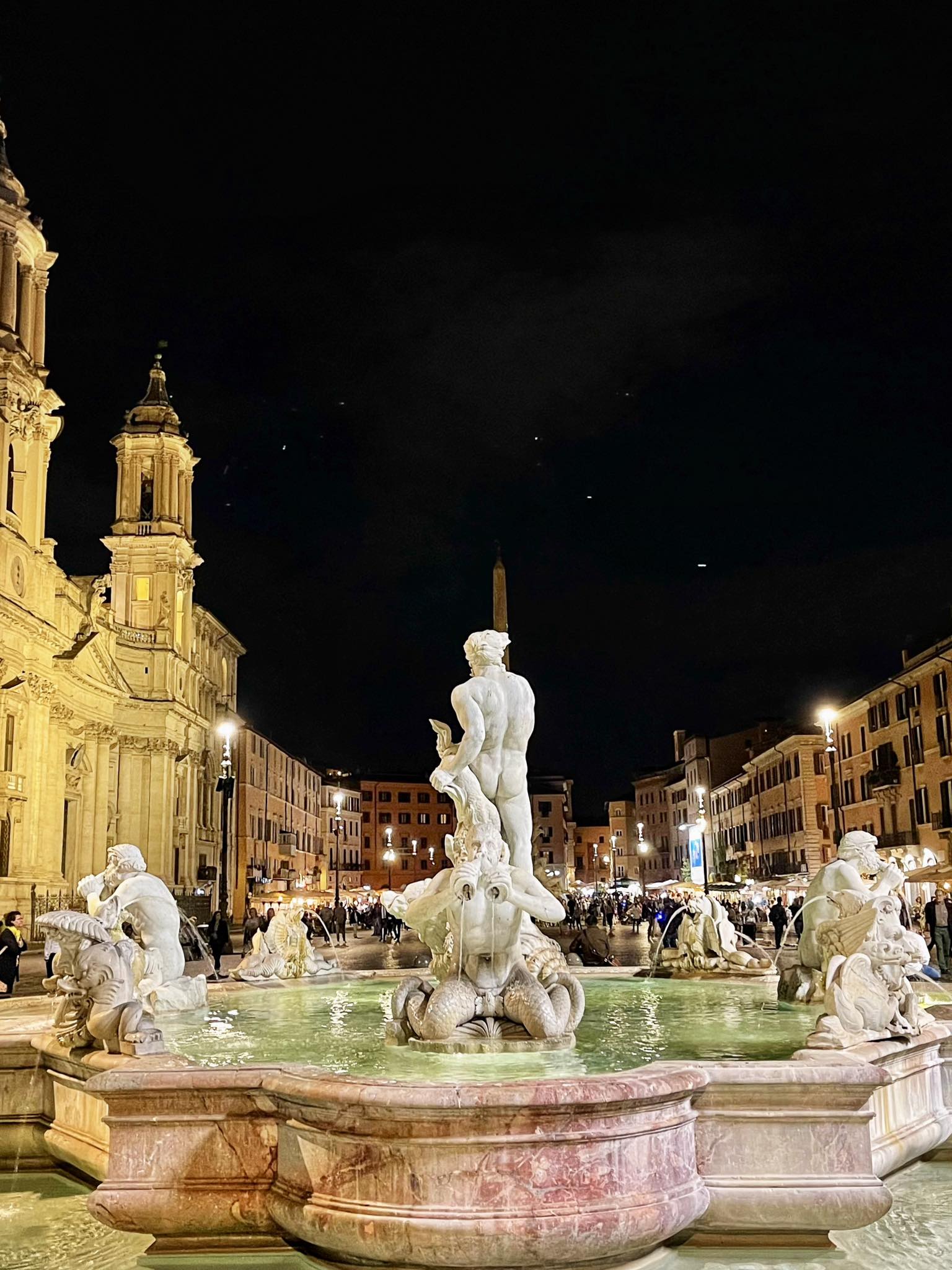
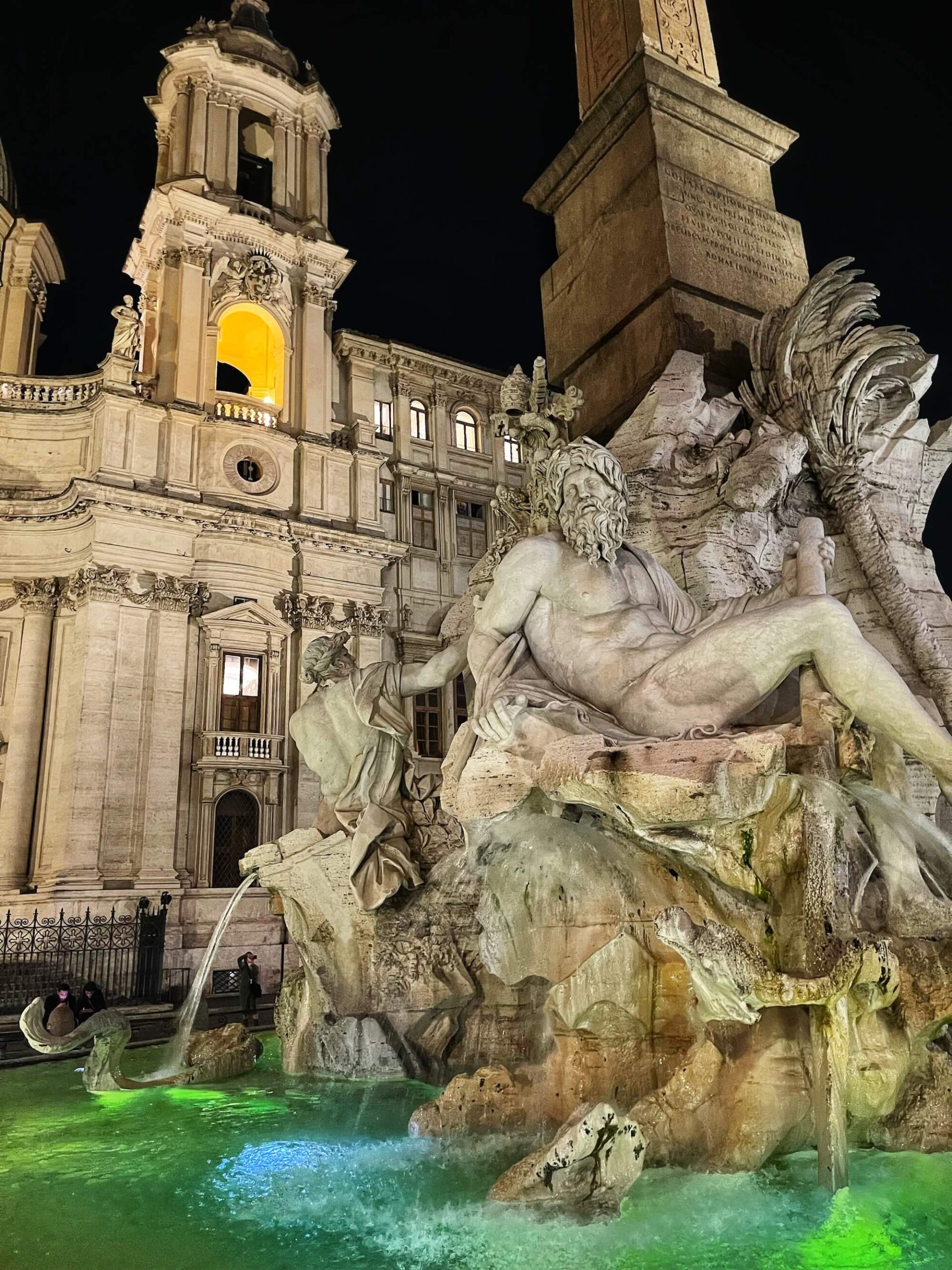
Piazza Navona will cast us into yet another time and city: the city of the popes and the heart of the Baroque; Bernini’s world of ingenious ideas; the raising, after centuries, of the ancient obelisks abandoned in Roman circuses; the Fountain of the Four Rivers; the Church of Saint Agnes and the legendary rivalry between Borromini and Bernini, the two great architects/sculptors of the Baroque.

Campo de’ Fiori to St. Peter’s: Faith, Conflict, and Continuity
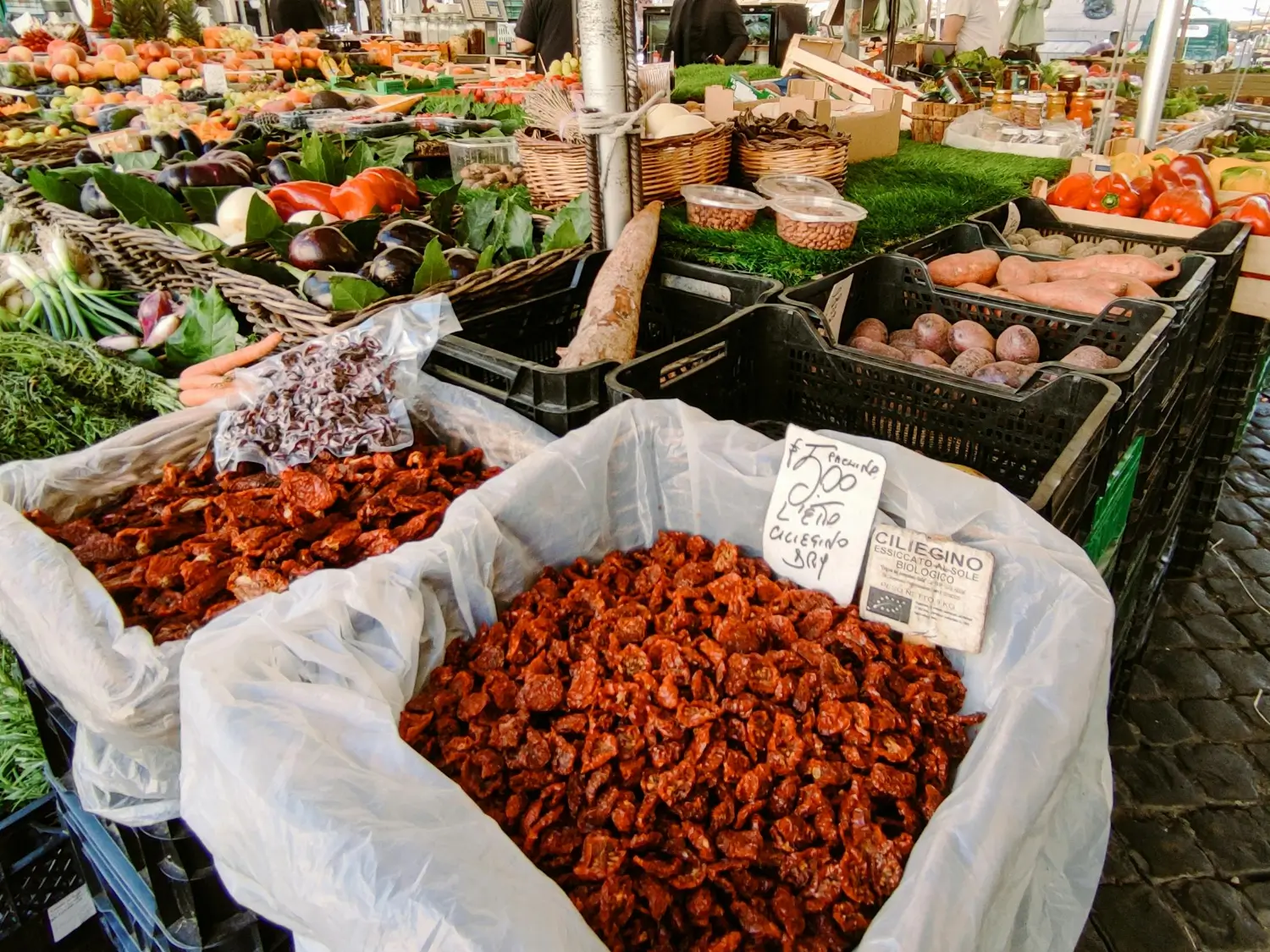
From there to Campo dei Fiori (Field of Flowers) where there exists, till this day, a small flower and fruit market. Here we will explore the contradictions of the Baroque age: Popes who patronized the arts while at the same time endorsing the ferocious trials of the Holy Inquisition. In 1600 Giordano Bruno, precursor to scientific research carried out by Galileo and Newton, was burnt alive in this very square for asserting the infinity of the universe.
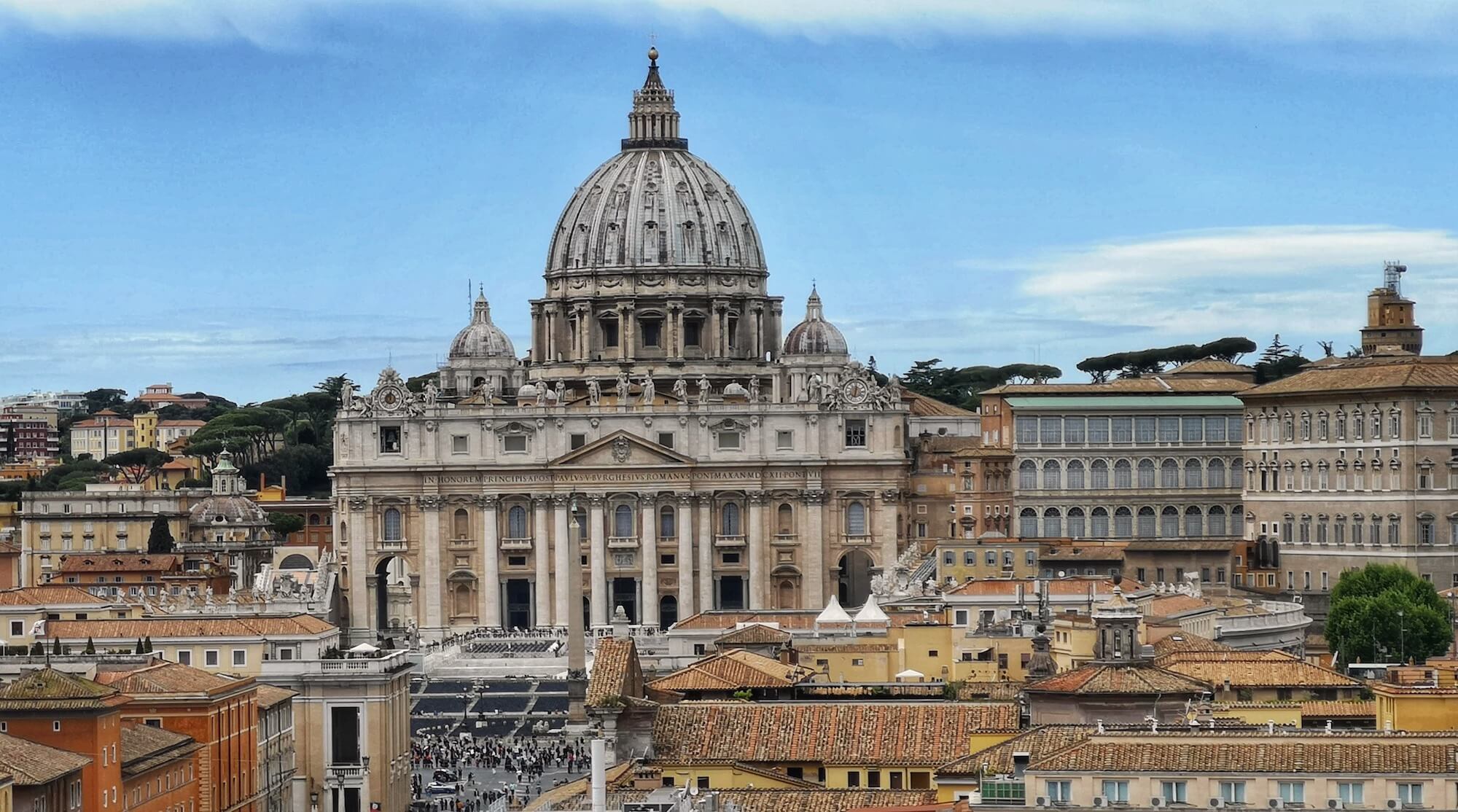
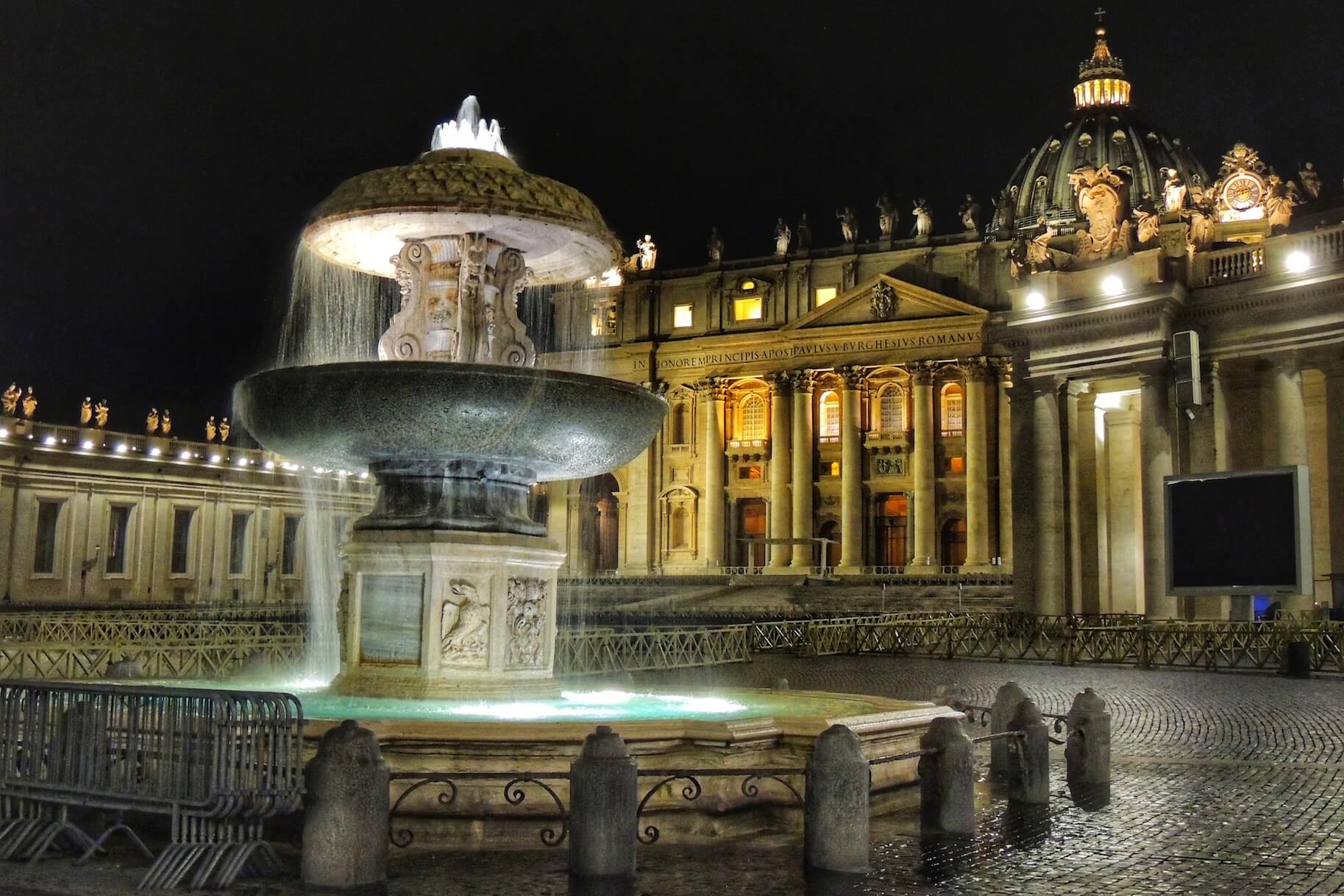
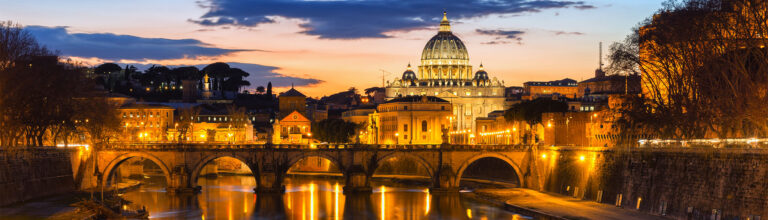
We will continue our journey onwards to splendid St. Peter’s Square, heart of Christianity and for centuries the destination of infinite pilgrimages. In 64 A.D. this area was the site of a circus used for horse racing. It was here around the same period that Saint Peter was crucified and buried during the cruel persecution instigated by Nero. And it is precisely around his tomb that the area came to acquire a new profile thanks to innumerable popes, architects and painters, and to the faithful millions who day after day contributed to its present day magnificence.
The first church rose in the 4th century AD and was consecrated in the very presence of the emperor Constantine. The second church, begun in the Renaissance, is a rich story of the artists, popes and wars that animated an entire century of construction which culminated in the raising of Michelangelo’s dome after a series of failed projects.

Janiculum, Trastevere, and the Aventine: Rome from Above
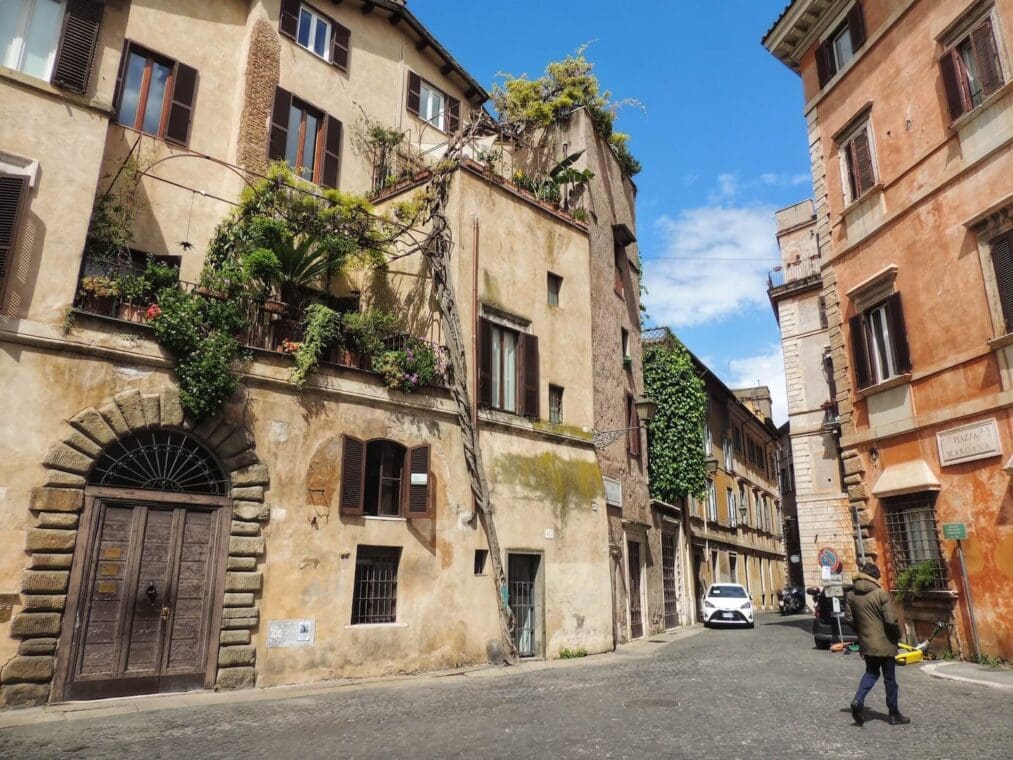
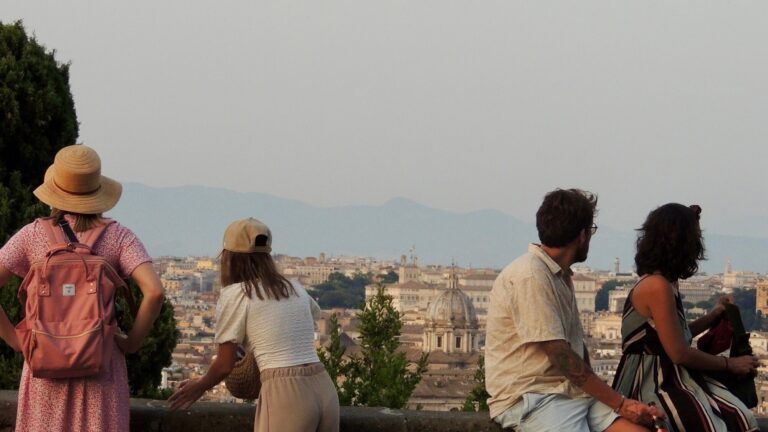
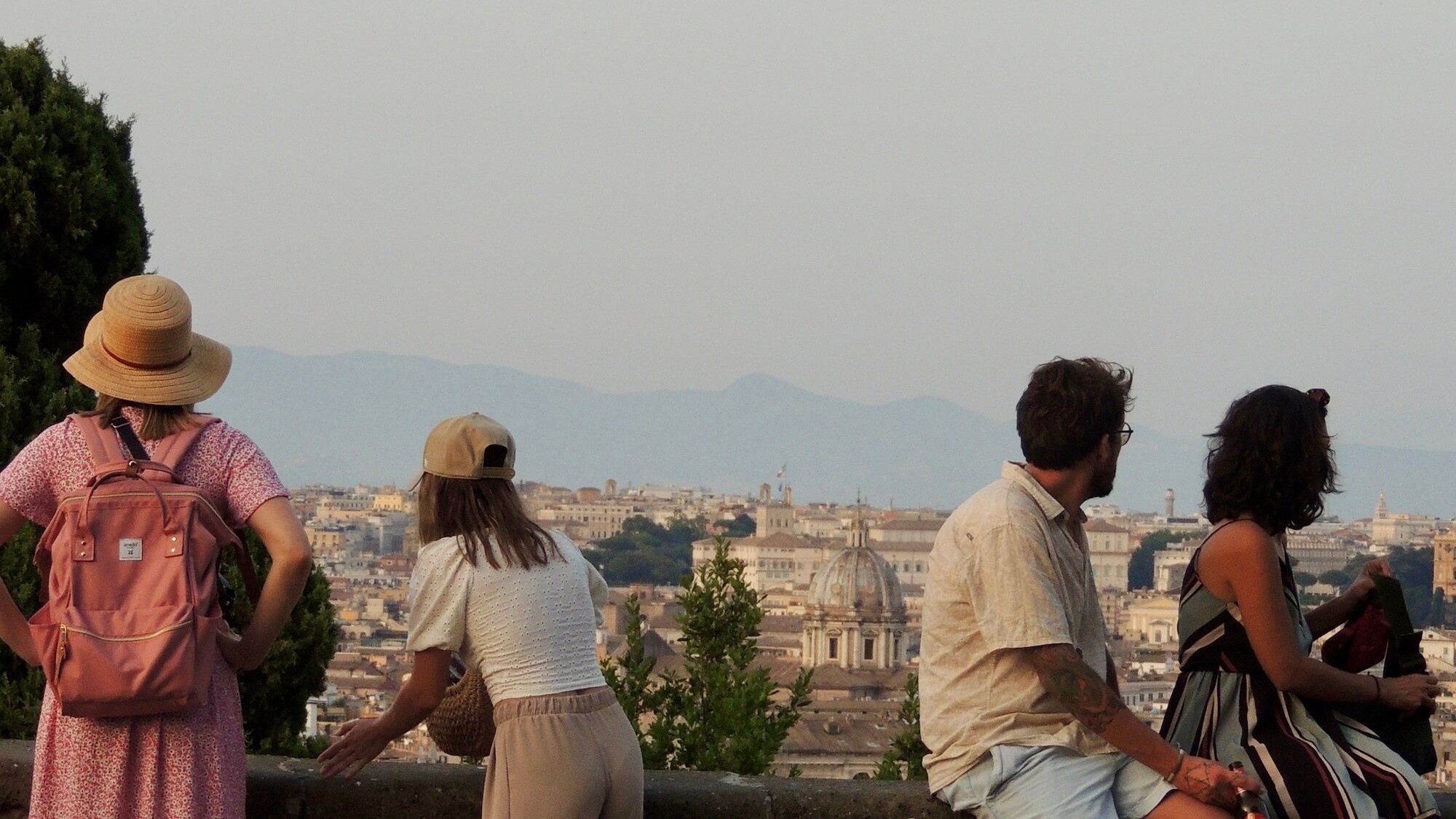
Then off to the Janiculum Hill located to the rear of the Vatican, from which we will admire a spectacular view of the entire city – a wonderment of river, trees, domes and sky. On the other side of the Janiculan Hill is the quarter of Trastevere, famous for its narrow, quaint cobble stoned streets, many restaurants, art galleries and the enchanting church of Santa Maria in Trastevere with its mosaics and rich history of medieval legends.
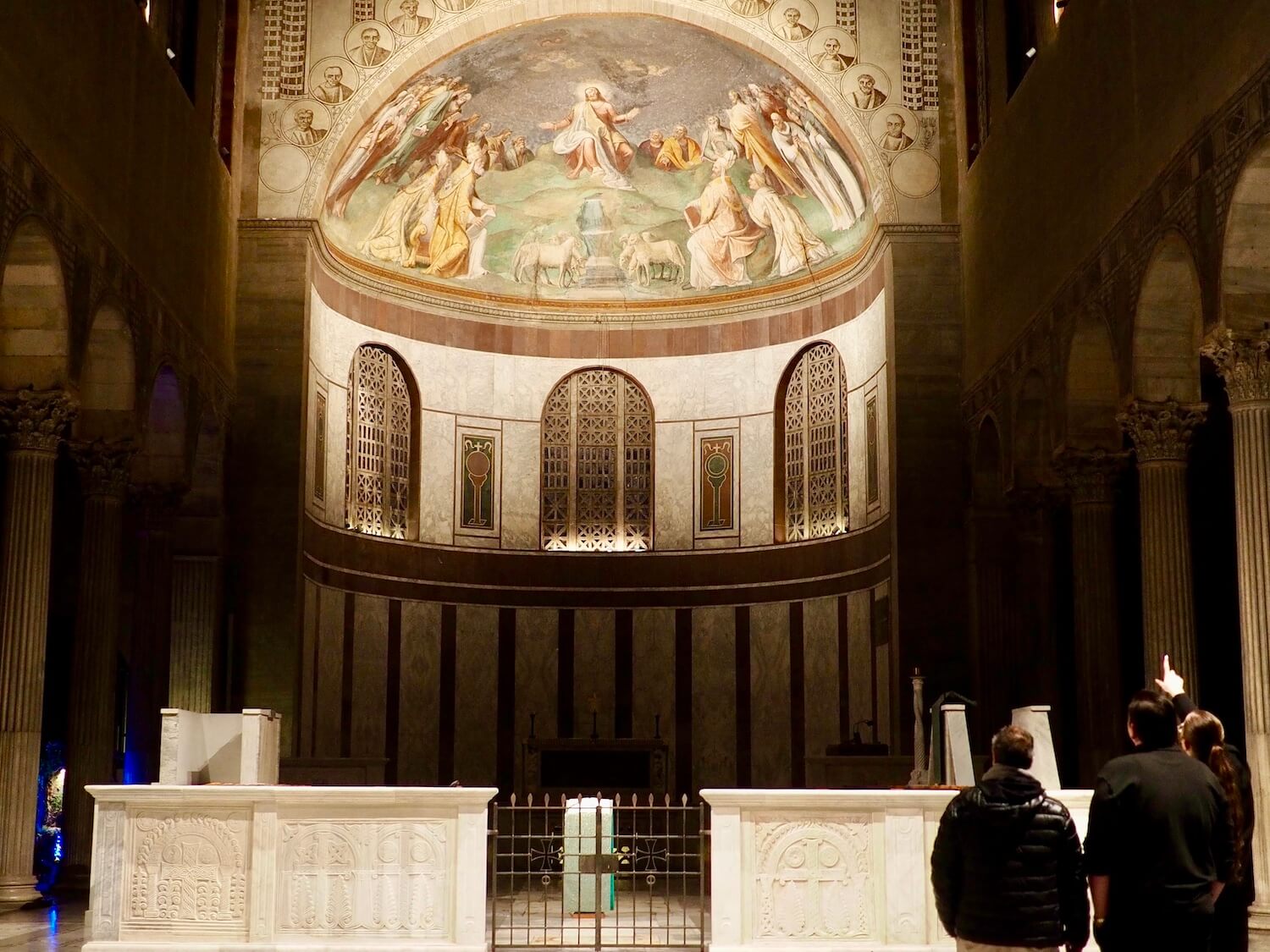
We will end our journey on the other bank of the river up on the Aventine Hill, a silent retreat lost in time located in the centre of the city. At the heart of this ancient location is the Christian church of Saint Sabina, which was constructed over a pre-existing Temple of Juno. Here lived, among others, Domenico Guzman, founder of the Dominican order, who brought with him from Spain an orange tree – the memory of which can be found in the adjacent cloister. And in the Garden of Oranges we can take in yet another breath of the infinite beauty of the city, which by now will feel closer, friendlier and richer from all the places and stories experienced.

Create Your Custom Journey
Our dedicated team is here to help you design the perfect trip. We’re happy to assist every step of the way.
What Our Guests Are Saying
Guests Reviews
Very knowledgeable guide
this was our first tour in rome and first with through eternity. Brandon was our guide, and he is extremely knowledgeable. It rained several times through the day, so it was fortuitous that we chose a car tour this day. We had him modify the tour because we were already going to the vatican and the colosseum on separate tours, so he took us to some little-known places, like out where the appian way still has the original paving stones.