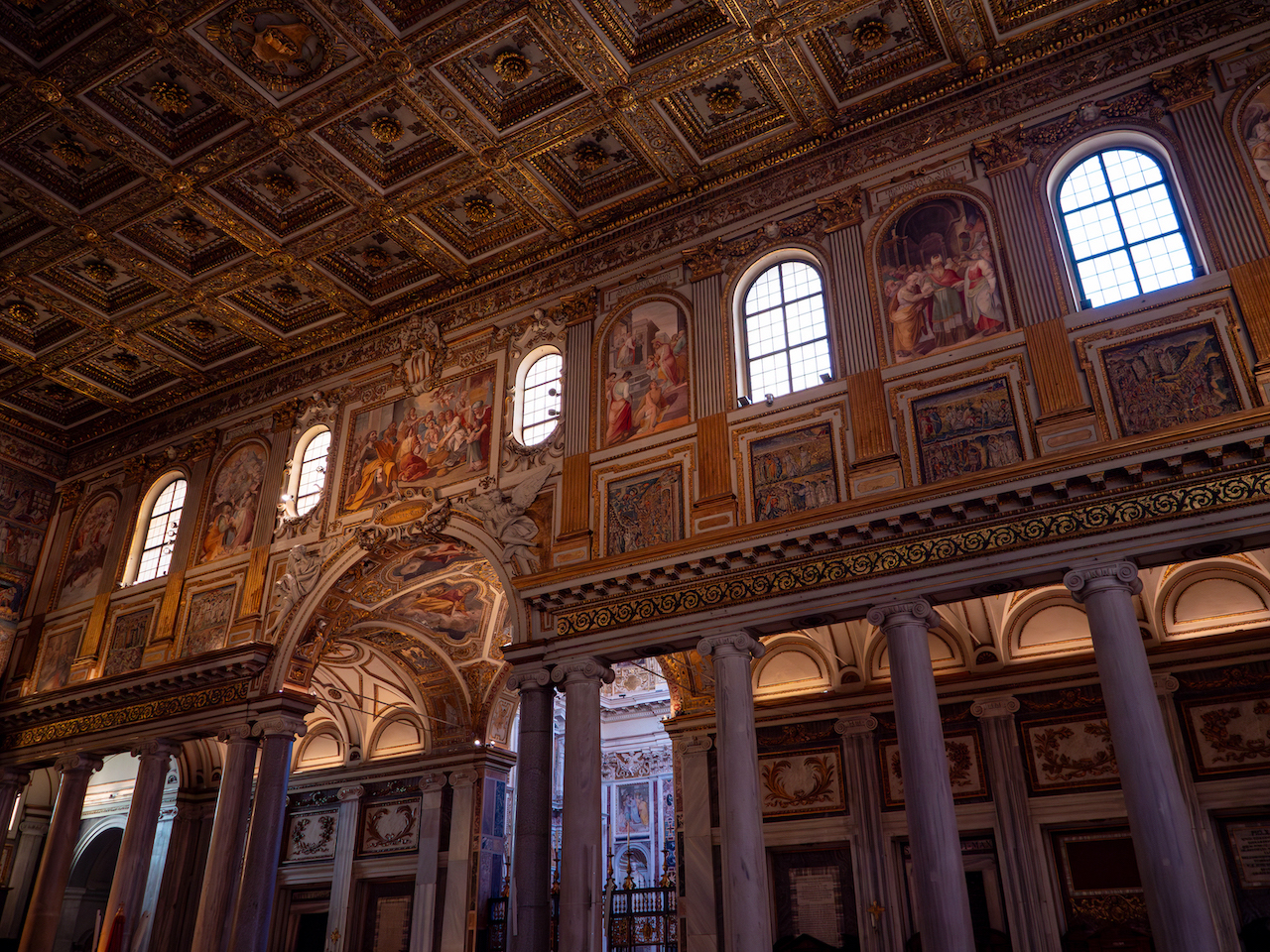
Santa Maria Maggiore has been thrust into the media spotlight in recent days as it has been revealed that this Basilica will become the final resting place of Pope Francis.
This is a major break from recent tradition. He will become the first pope since 1903 to be buried outside of St. Peter’s Basilica, following in the footsteps of Pope Leo XIII.
Francis has asked for a simple grave without decoration and no elaborate inscription, except for his papal name in Latin: Franciscus. According to the most recent reports, he will be interred in the left-hand nave of the Basilica, between the Pauline Chapel and Sforza Chapel, in a modest space formally used to store candelabra. The preparations are already underway, with wooden boards covering the area.
Rome Religious Tours
Visit the Basilica of Santa Maria Maggiore
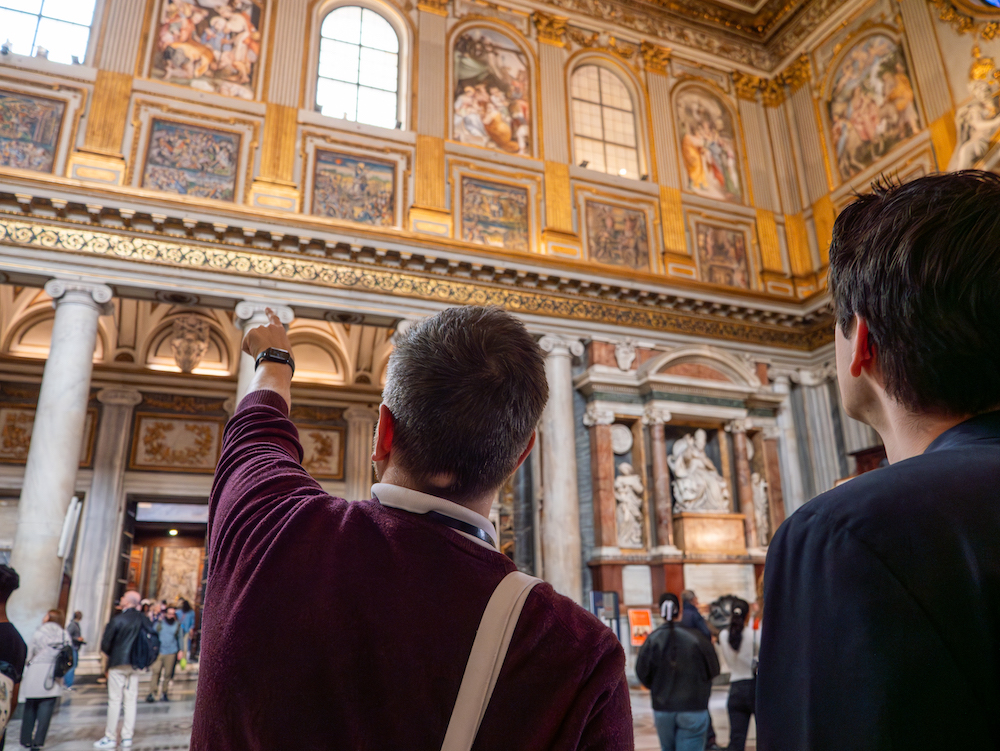

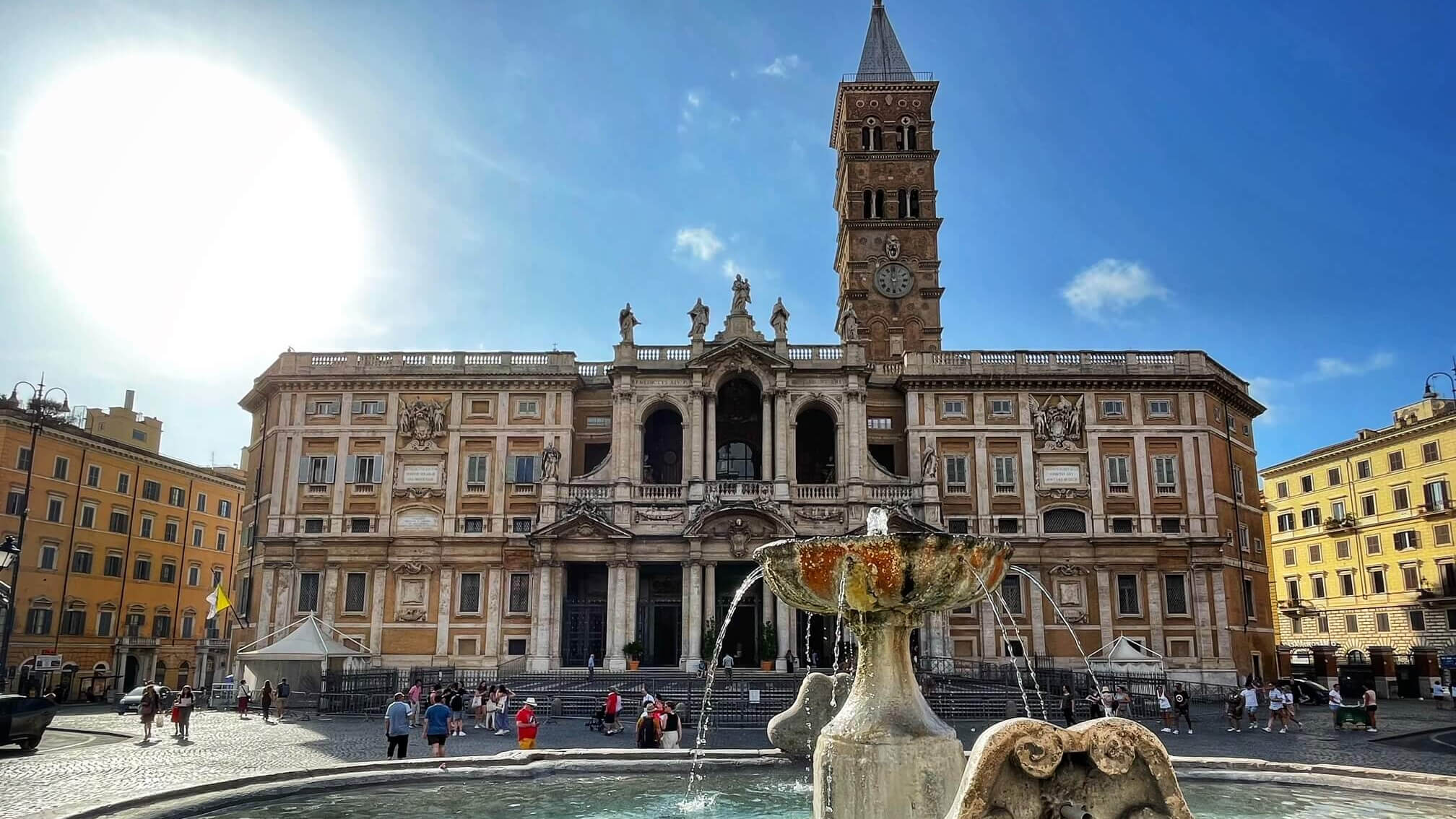
The Basilica of Santa Maria Maggiore sits perched on the highest of Rome’s seven hills, the Esquiline, near the main train station, a buzzing, multi-cultural part of the city.
It is the largest church dedicated to the Virgin Mary in Rome, is one of the four Papal Basilicas, and one of the Seven Pilgrimage Churches. The Basilica is also home to one of the Holy Doors, which are a focus of pilgrimage during the 2025 Jubilee year for visitors to the city.
Founded in AD 432, the year following the Council of Ephesus’s declaration that Mary is the Mother of God, Santa Maria Maggiore is one of the city’s most beloved places of worship. Despite some additions and interventions over the centuries, it retains the character of its early Christian interior with stunning original ancient mosaics.
Of the major Papal Basilicas, Santa Maria Maggiore often feels the most ‘real’ and less museum-like. There’s a vibrant local congregation here that visits daily, especially to pray at the sacred image of “Santa Maria di Salus Populi Romani“.


The sprawling so-called House of Diana is a fascinating example of a large, multi-storied apartment building (known as an insula ) for the middle classes that was common in the densely populated urban centers of antiquity. The House of Diana owes its name to a painting depicting the hunter goddess Diana found at the building’s entrance, and dates from around 150 AD.
The ground floor was given over to shops, whose wide entrances you can still see clearly today, whilst multiple staircases lead to the floors above. The first floor was reserved for the shopkeepers, who lived directly above their premises; spacious, well-heeled apartments on the next floor gave way to more modest lodgings as the building ascended.
The House of Diana is beautifully decorated with mosaic floors and frescoed walls, with depictions of complex geometries, foliage, Medusa heads, fish and birds recurring motifs. It’s a fascinating example of a complex, multi-functional residential building from antiquity that is centuries ahead of its time in its approach to urban design.

Santa Maria Maggiore is one of Rome’s four papal basilicas and hosts one of the city’s “Holy Doors.” These revered portals are a focus of pilgrimage for Catholics during Jubilee or Holy Years. During these special years, Catholics flock to the city to pass through the doors on pilgrimage. In between Holy Years, the doors are sealed and bricked up.

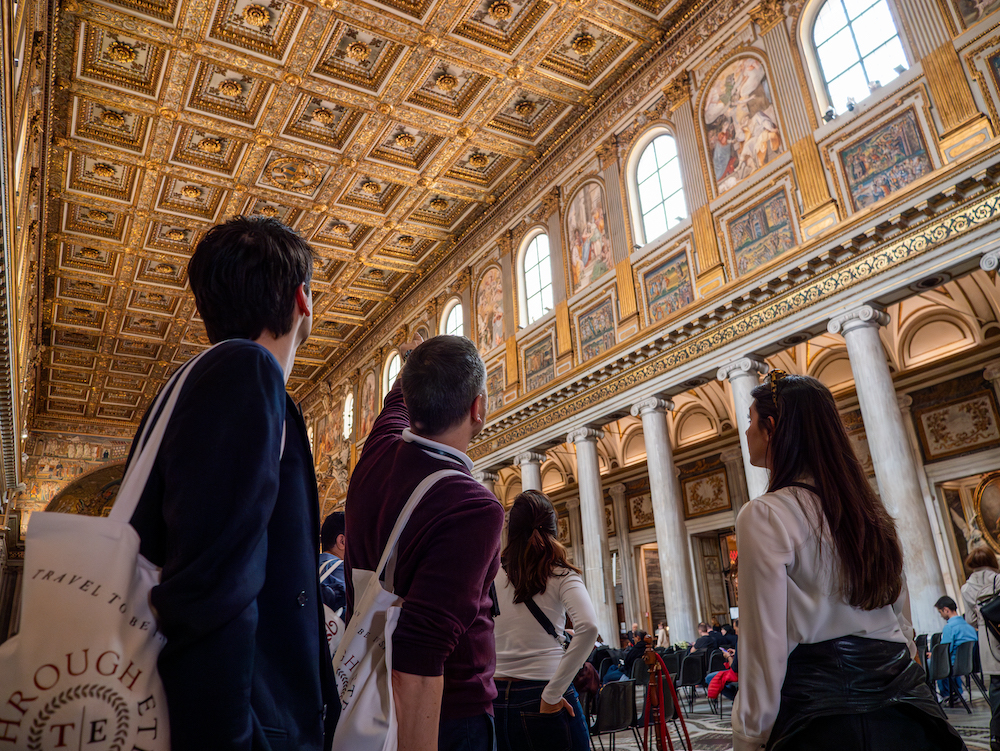
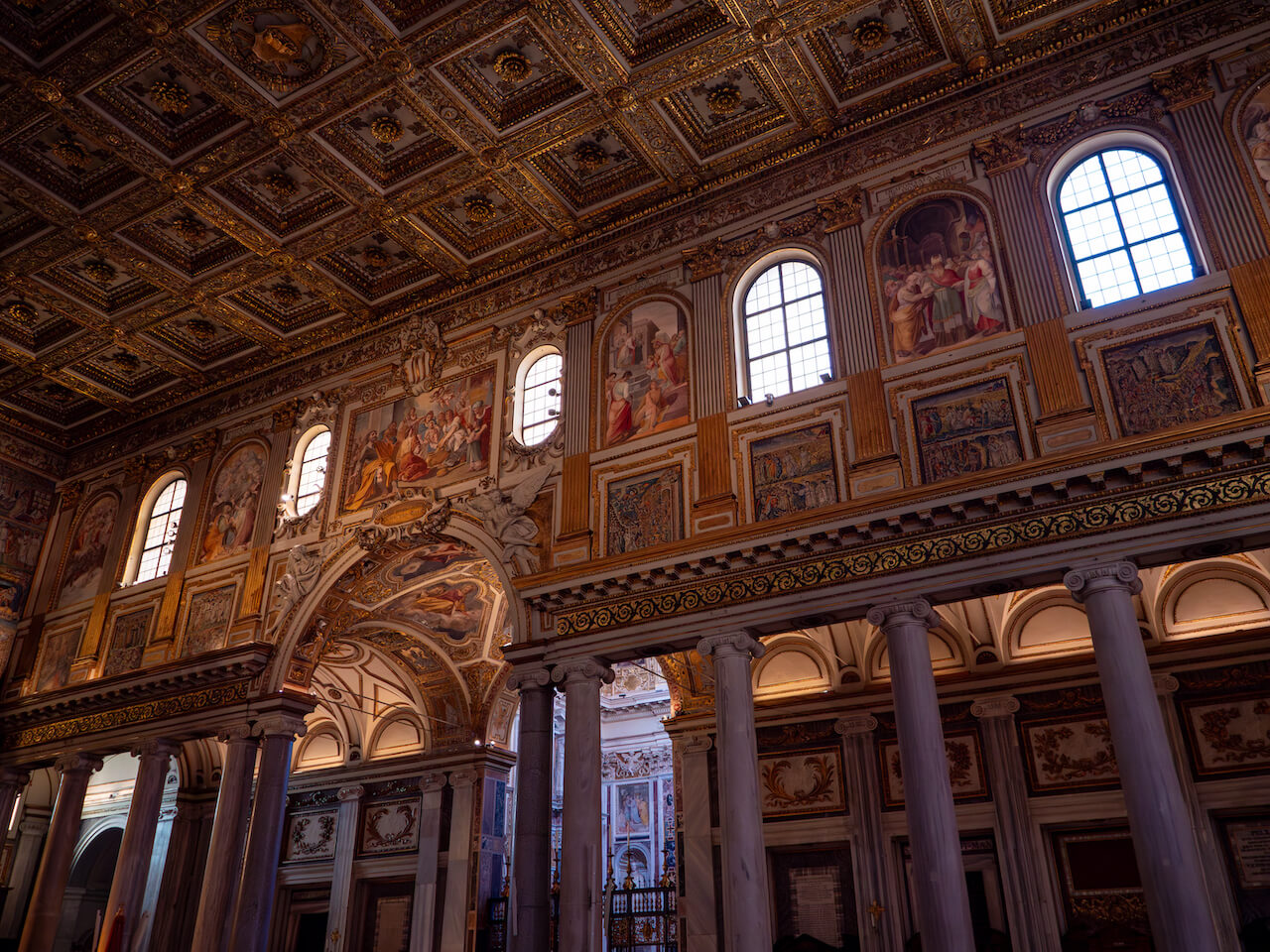
The stunning golden, wooden-coffered ceiling of the Basilica dates to the 15th century. Pope Alexander VI commissioned it from Antonio Sangallo the Elder. According to local legend, the spectacular gold leaf that adorns the ceiling is said to be the first gold to arrive from the New World.

Bernini is interred in this Basilica, which is unsurprising given that he is credited with two works within the church: the elegant spiral staircase in the sacristy and a refined bronze statue of Philip IV of Spain in the loggia at the entrance. Indeed, his workshop was located just behind this grand Marion church. These are little-known works by one of Rome’s most prolific Baroque artists.

Over the centuries, Santa Maria Maggiore has had many names. One was the ‘church of the Crib’ or Sancta Maria “ad Praesepem.” This is owing to one of the Basilica’s most significant relics: fragments of the crib, or manger of Christ. Today, in the confessio, under the Papal altar, you can find five pieces of sycamore wood encased in a sumptuous crystalline and silver reliquary commissioned by Pope Pius IX in the 19th century. It’s one of the most evocative spaces of the Basilica.

For many Romans, THE most precious object in Santa Maria Maggiore is the devotional image of the Virgin Mary of “health/salvation of the Roman People.” (Santa Maria di Salus Populi Romani). Today, it’s housed in the Pauline (Borghese) Chapel, a space of personal contemplation and worship. This image of the Virgin is said to have been painted from life by St. Luke. Indeed, historians date the icon anywhere from the 5th to the 13th century AD.
However, this painting’s significance dates back to the 6th century AD, the time of the Justinian Plague. With thousands of Romans suffering and dying, the Pope, Gregory the Great, asked that a sacred image be brought from Greece to Rome. They took the image on a three-day procession through the city, praying for salvation. During the procession, the Pope had a vision – the Archangel Michael appeared to him above the ancient mausoleum of the emperor Hadrian.
The Pope saw this as a sign. The archangel would slay the plague and bring it to an end. Indeed, the sickness crippling Rome started to come to an end. In honor of this miracle, the Pope converted Hadrian’s Mausoleum into Castel Sant’Angelo and gave the miraculous image of the Virgin a new home in Santa Maria Maggiore.
Even today, it’s a source of inspiration for locals who visit in search of help when their loved ones fall ill


The Vatican only recently opened the archaeological excavations under the Basilica to the public.
Archaeologists discovered the well-preserved remains of a Roman house in the 1960s. Any underground Roman ruins are always fascinating. However, this site includes amazing ancient frescoes depicting an ancient agrarian calendar (2nd Century AD) —the only one of its kind in Rome.
It’s a must-visit location, as yet undiscovered by the tourist hoards.

Sculpted in 1291 AD from Carrara marble, this singular, stunning Nativity scene was sculpted by Arnolfo di Cambio at the behest of Pope Nicholas IV. It’s a rare wonder of Medieval art and is considered the first Nativity in art history.

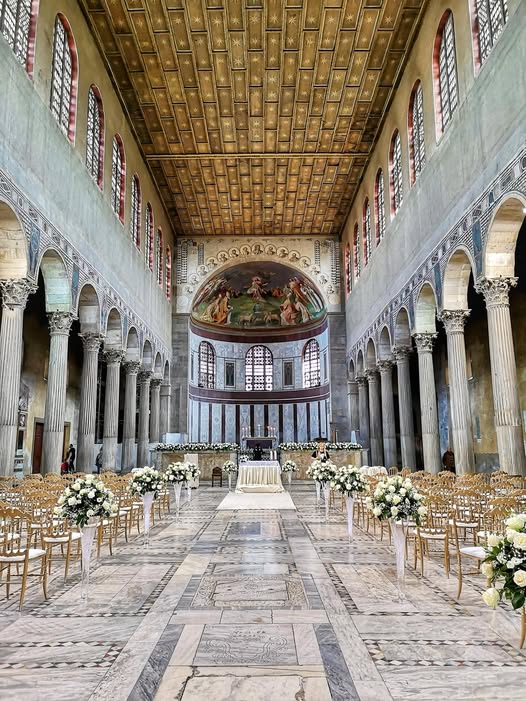
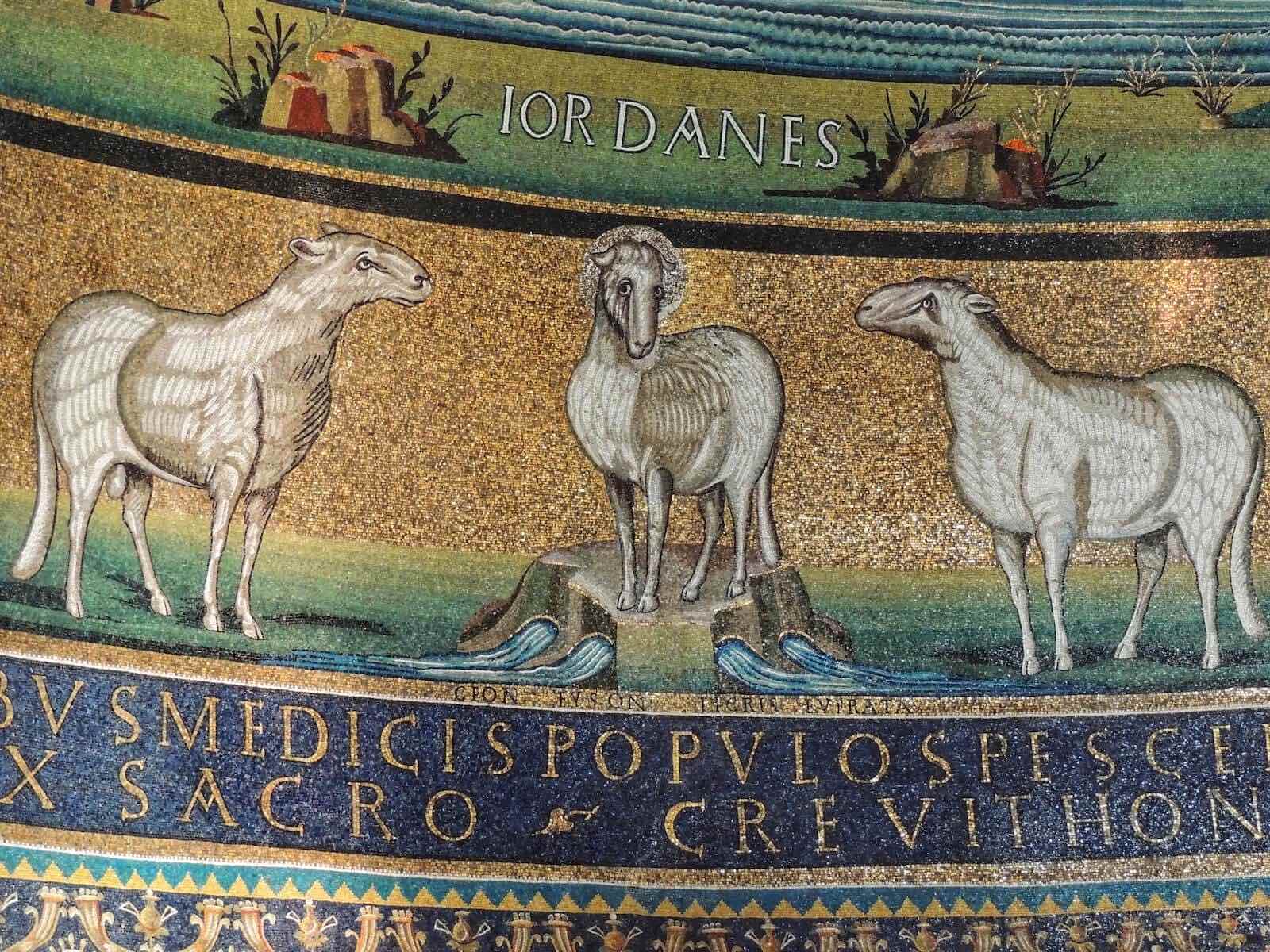
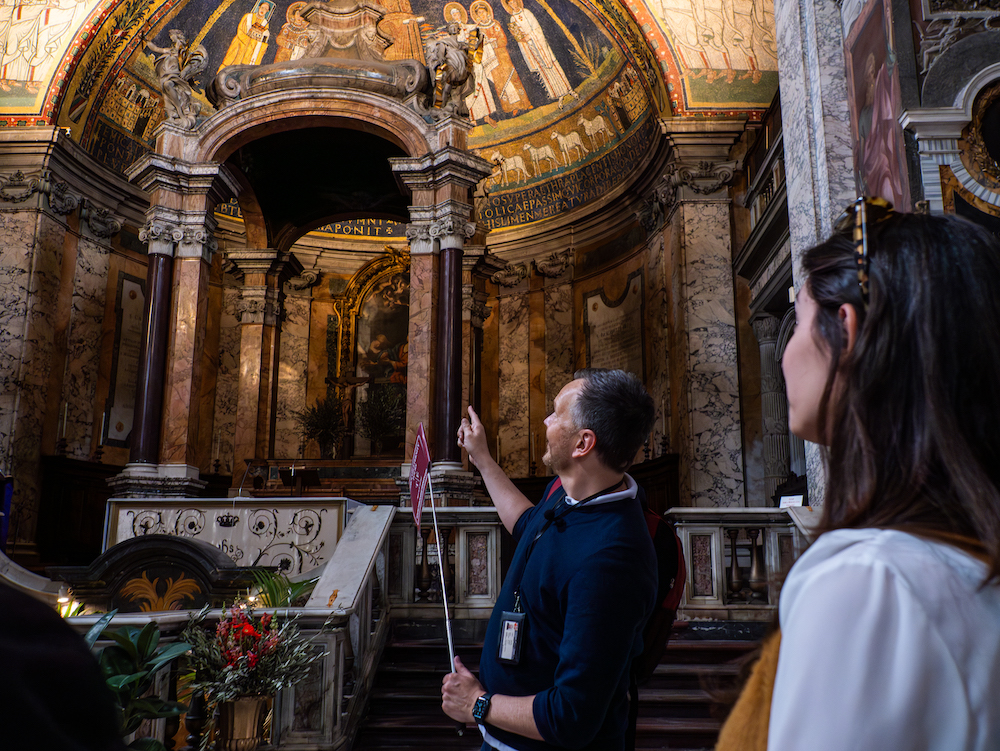
Santa Maria Maggiore is brimming with some of the city’s most spectacular mosaic cycles. The oldest are the mosaics in the nave and the triumphal arch behind the papal altar. They date to the 5th century AD and were commissioned by Pope Sixtus III.
He commissioned them after the Council of Ephesus in 431 AD, which proclaimed Mary as Theotokos (Mother of God)—a sticky theological subject at the time. These early images of the Virgin became a model for future representations of her.
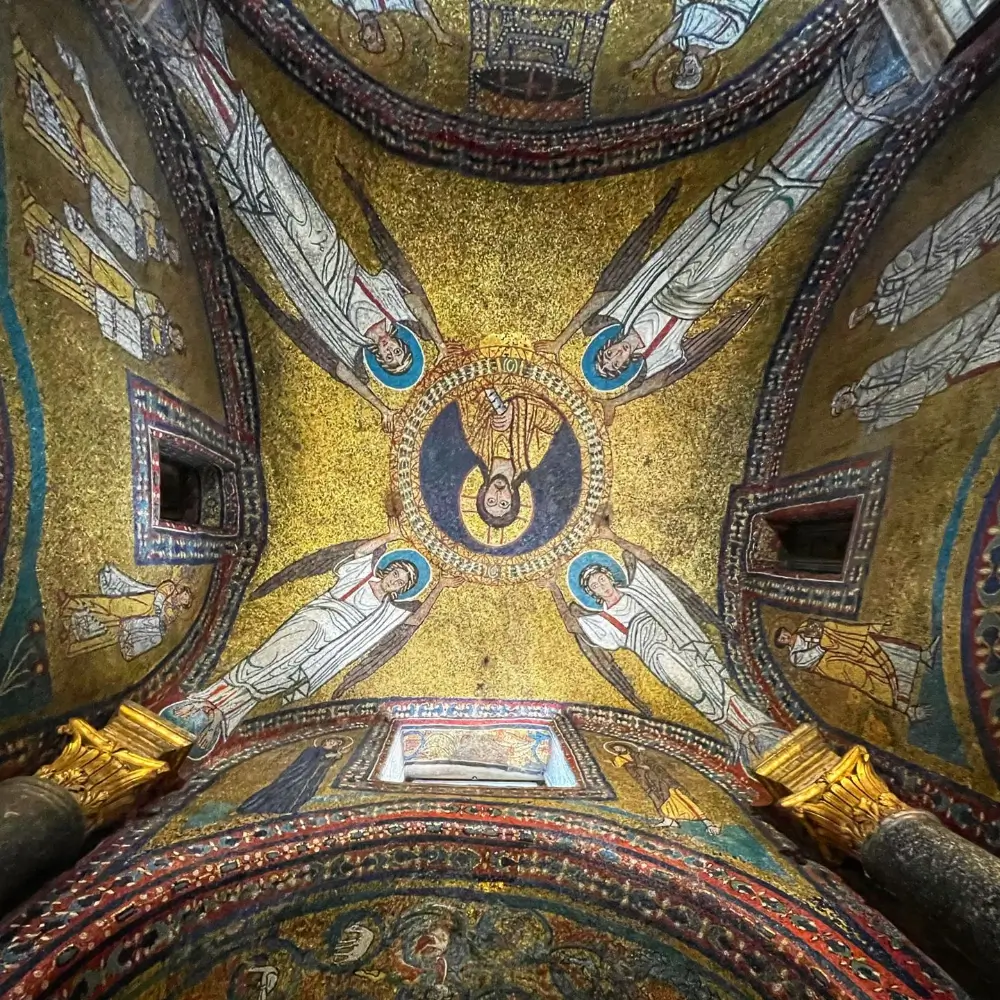
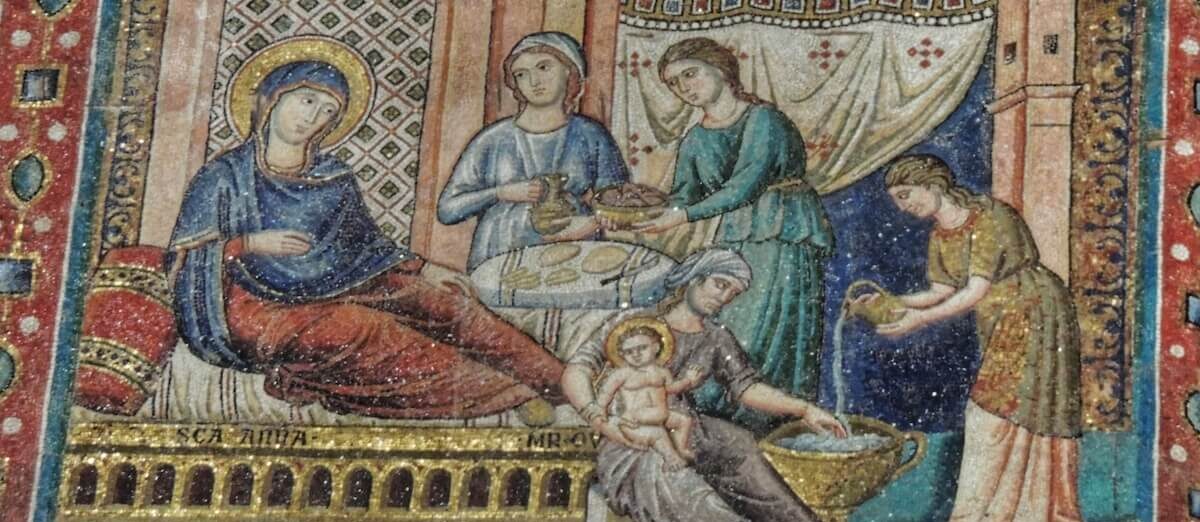
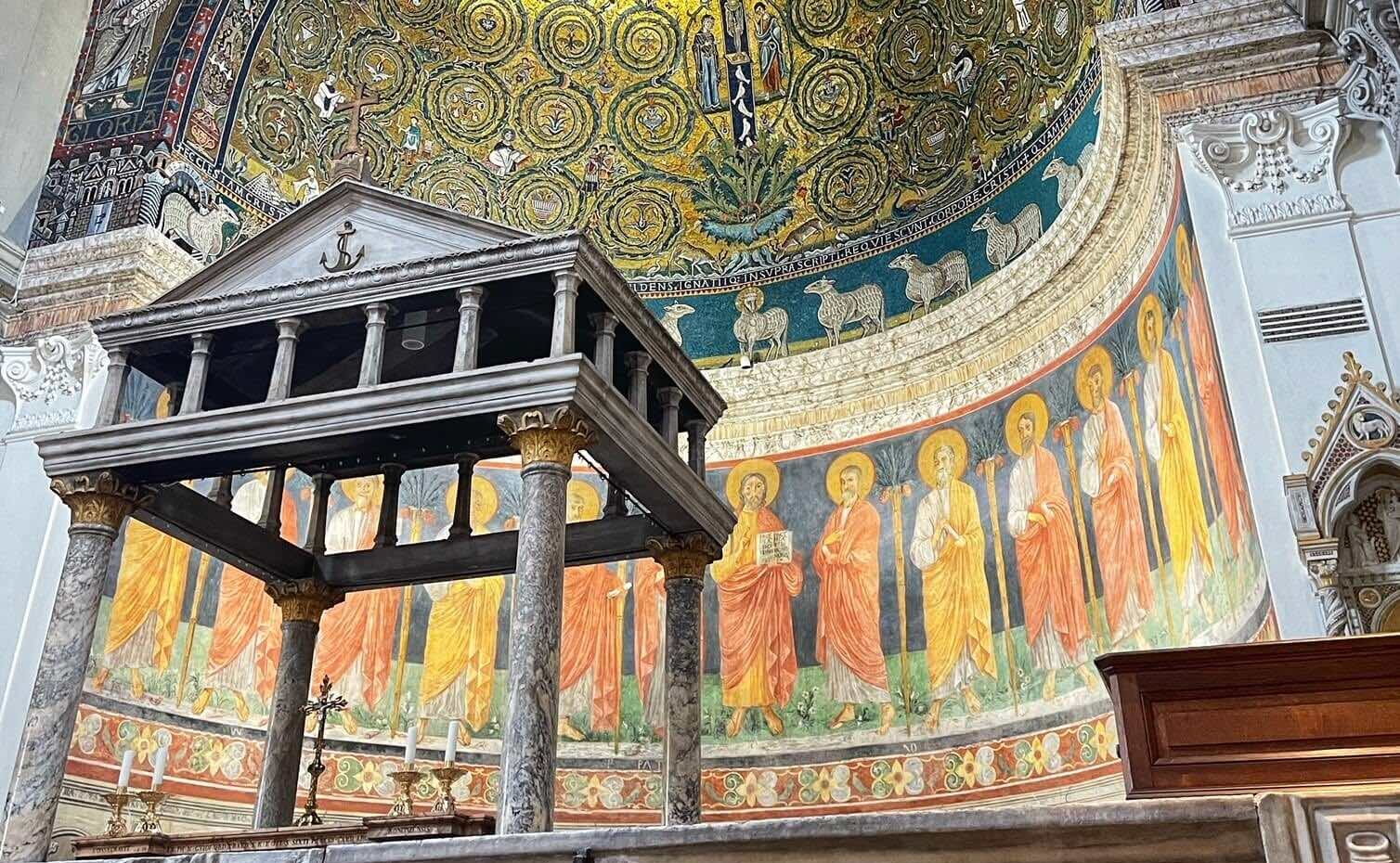
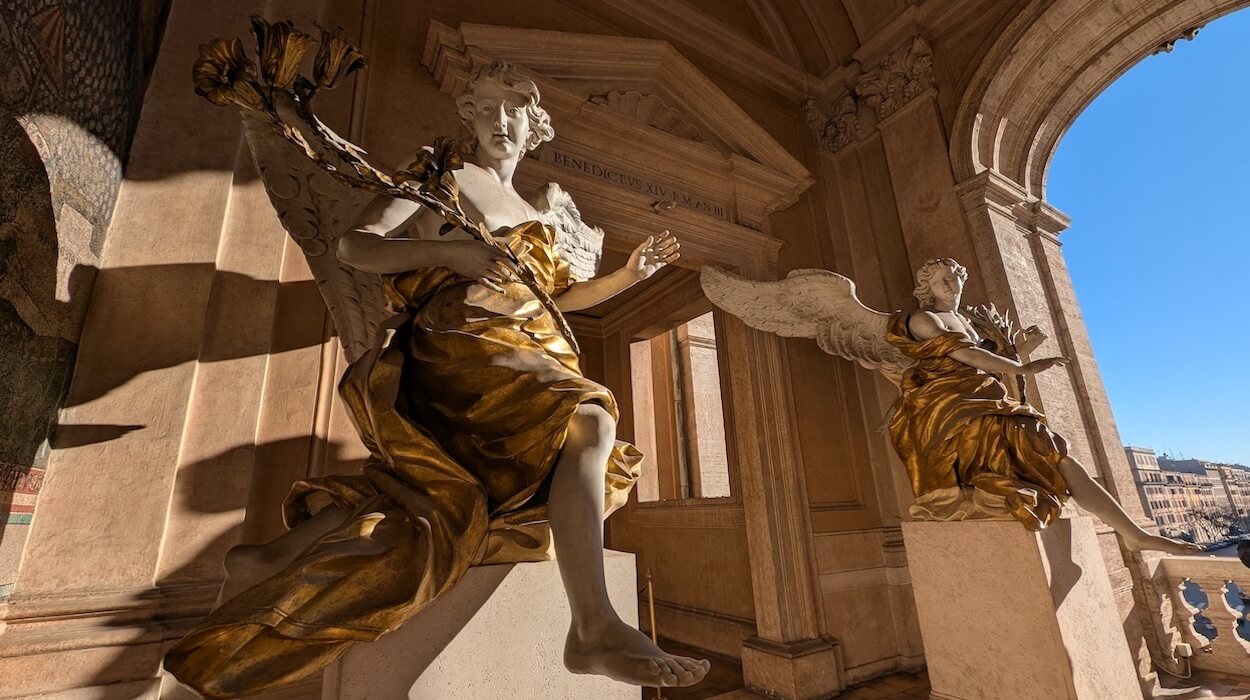
The mosaics in the apse and the Benediction Loggia date to the later Medieval period, c.1300. Especially beautiful are the mosaics in the loggia, which recount a miraculous summer snowfall that occurred on the future site of the church, and the experience of visiting the loggia is breathtaking. Also, on the loggia, you’ll find the original monumental angels that once adorned the “Baldacchino” of the Basilica.

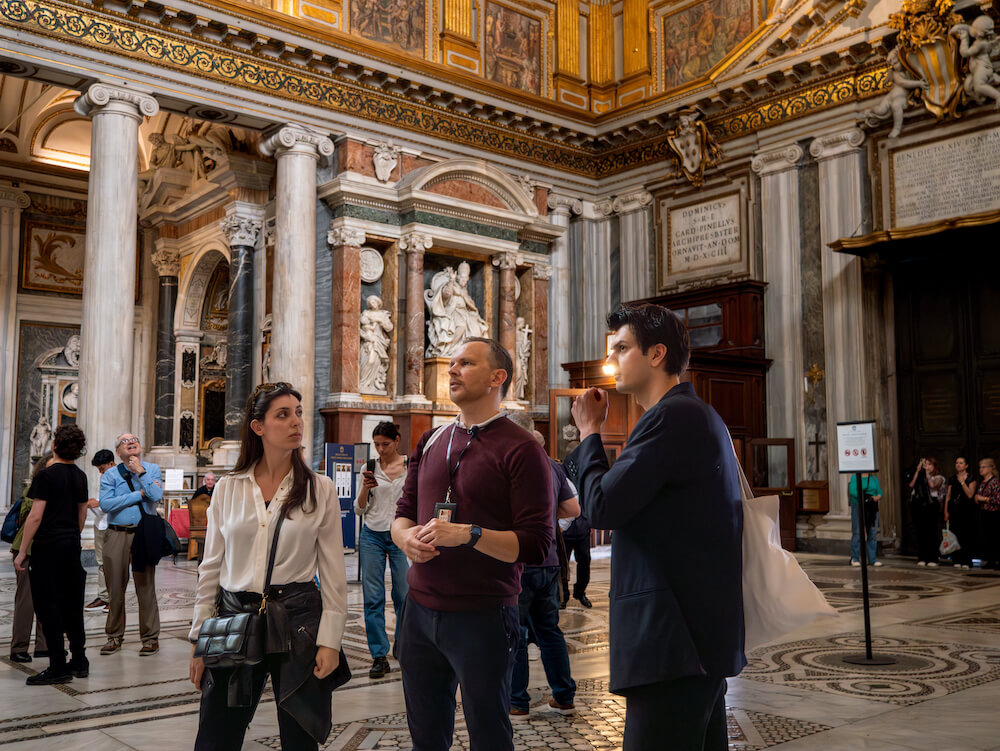
There’s no shortage of beautiful marble floors in Rome. However, only a few places can boast Cosmatesque floors. Think of them like intricate marble carpets. The floor of the central nave was laid in the 12th century AD. Many of these ancient floors were ripped up and replaced during the Renaissance, so its rare survival is special.

Did you know that there are two Sistine Chapels? They were commissioned by different popes at different times and in different places, of course. The Sistine Chapel in Santa Maria Maggiore was commissioned by Pope Sixtus V in the 16th century. It’s a small side chapel in a Greek cross shape, the work of Domenico Fontana. The opulent tabernacle dates to 1590.
For 25 years, Through Eternity have been organizing itineraries showcasing the best of Rome led by our resident expert guides. If you’re planning a visit to the Eternal City this year, be sure to get in touch to help plan your perfect trip!
Book Your Rome Experience