It happens every April, and it never loses its power to stop you in your tracks.
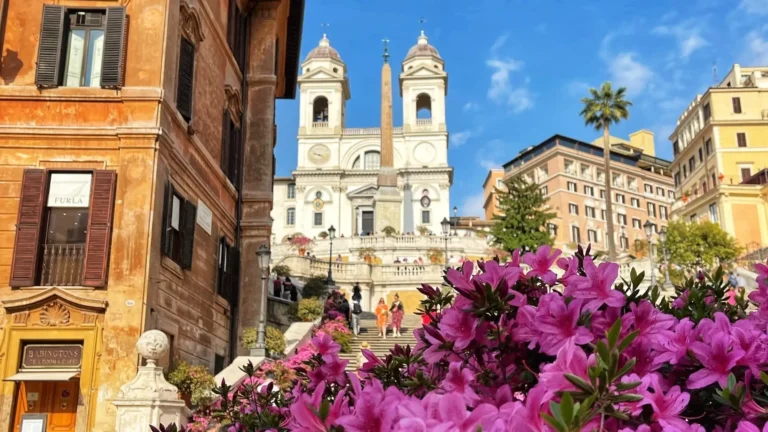
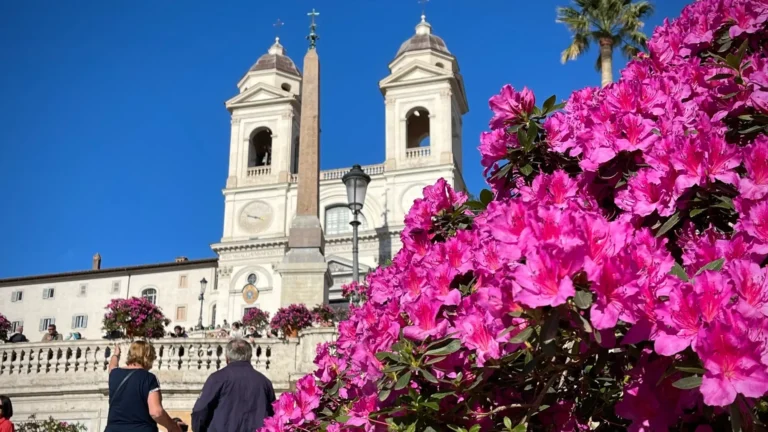
Overnight, Rome’s most iconic staircase is transformed. Where there were pale travertine steps, there are now 135 of them cascading with vivid pink, lilac and white blooms.
The azaleas on the Spanish Steps are one of the most purely joyful sights in the Eternal City — a reminder, if one were needed, that spring in Rome is something to be celebrated with extravagance.
The 2026 display was installed on 16 April and is expected to remain in place until at least mid-May, weather permitting. If you are in Rome now or planning to visit in the coming weeks, this is not something to miss.
Rome Tours
Explore the Eternal City
Rome’s municipal gardening team has for centuries been responsible for maintaining and beautifying the Eternal City’s public spaces, operating out of its headquarters in the grounds of the medieval monastery of San Sisto since the early 19th century.
In the 1930s, as part of a wider push to showcase the skills of the San Sisto nursery, an annual spring floral exhibition was established in the elegant park of Villa Aldobrandini near the Quirinal.
In 1952, the display found a more spectacular home. The decision was taken to move the annual showcase to the Spanish Steps — one of Rome’s most photographed and visited landmarks — and the azalea display has been a defining feature of spring in Rome ever since.
What started as a relatively modest horticultural event has grown into one of the city’s most beloved seasonal traditions, anticipated each year by Romans and visitors alike as a signal that the long grey months of winter are genuinely over.

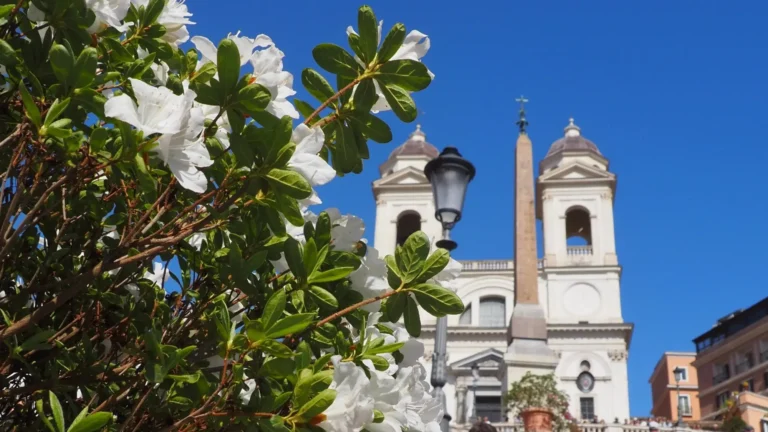
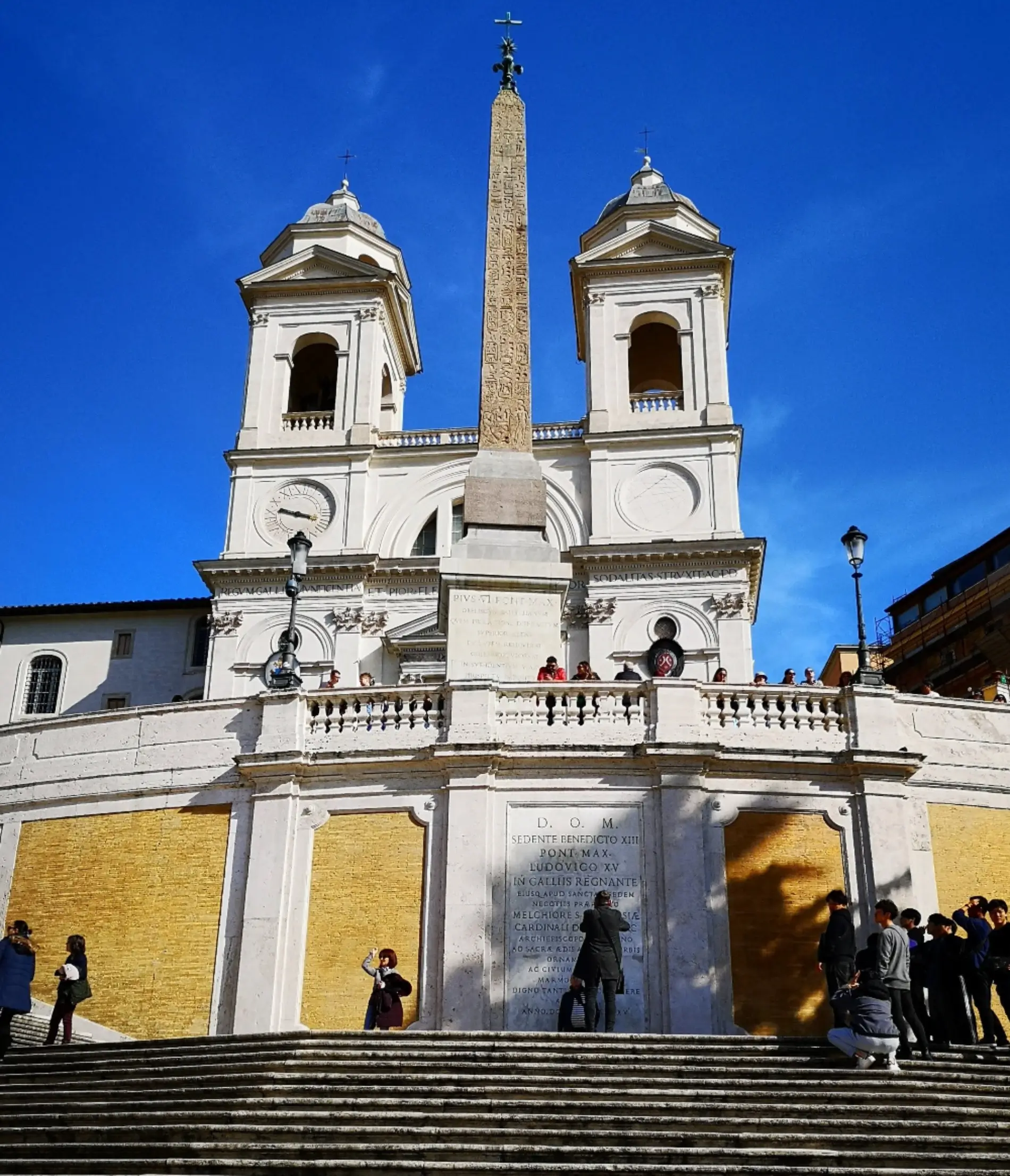
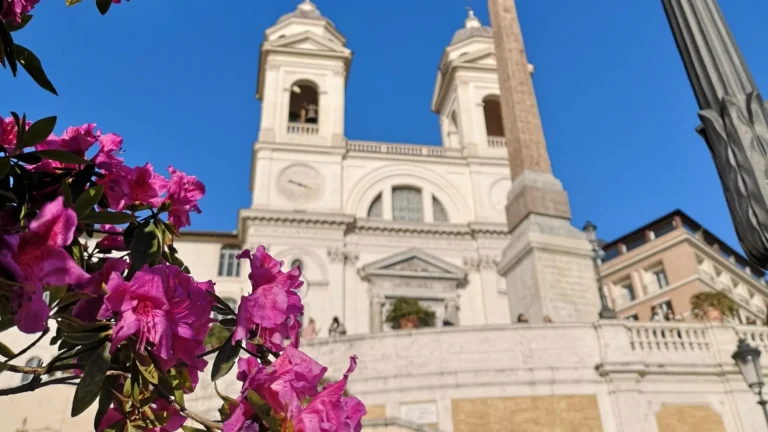
The display this year comprises 380 individual azalea plants arranged across the full breadth and height of the staircase, creating a flowing river of colour from the church of Santa Trinità dei Monti at the summit all the way down to the Fontana della Barcaccia in the piazza below.
Two distinct varieties are used: the Rhododendron indicum — originally native to Japan, and responsible for the vivid lilac-pink tones that dominate the display — and the Bianca di Piazza di Spagna, a white-flowering hybrid varietal that was developed specifically for this display and is particularly well adapted to the Roman climate.
The contrast between the two, and the interplay of pink and white as the eye travels up the staircase, is what gives the display its particular beauty.
The plants are carefully chosen and tended by the city’s gardeners to ensure they are at peak bloom for the display, and are removed gently and without damage when the show ends, to be returned to the nursery and nurtured for the following year.
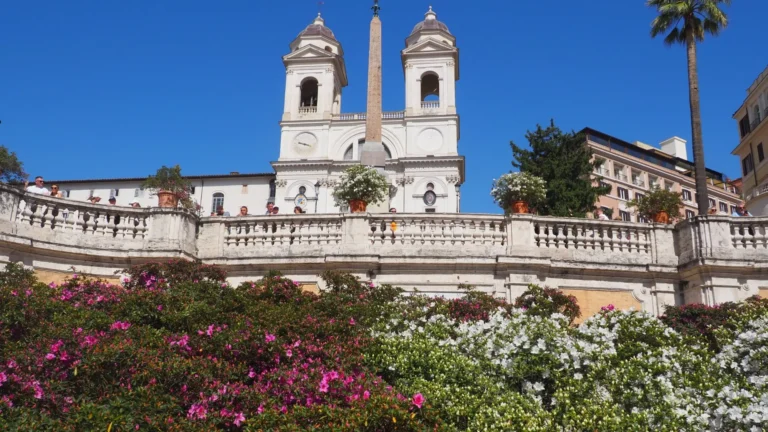
The precise timing of the display varies slightly from year to year depending on the spring temperatures and weather conditions, but the azaleas are generally in place and in full bloom from mid-April through to the second or third week of May. In 2026, the plants went up on 16 April and are expected to remain through at least mid-May.
The best time of day to appreciate the display is early morning — the Steps are quiet, the light is low and warm, and the colours of the azaleas are at their most vivid before the midday sun flattens them.
Arriving before 9:00 AM, in advance of the day’s tourist traffic, gives you the best chance of experiencing the display without crowds.
Early evening is also beautiful, when the light takes on a golden quality and the scent of the flowers is carried on the warm air coming up from the piazza below.
Note that visitors are no longer permitted to sit on the Spanish Steps, and fines apply for eating, drinking or sitting on the stairs. This rule applies during the azalea display as much as at any other time of year.
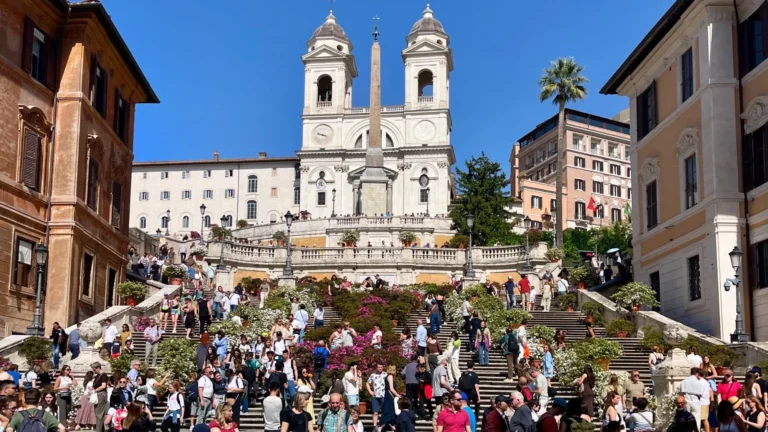
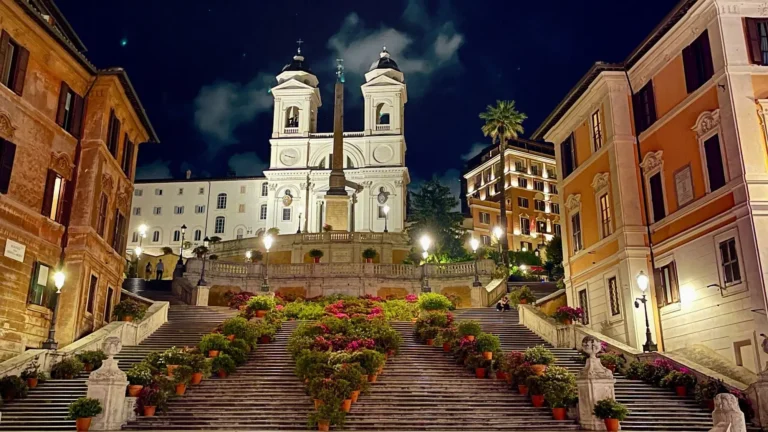
The Spanish Steps — La Scalinata della Trinità dei Monti — were designed by the Roman architect Francesco de Sanctis and completed in 1725, built to link the hilltop French church of Santa Trinità dei Monti with the busy Spanish-influenced quarter of the city below.
Their 135 steps cascade down the slope in elegant rippling curves, punctuated by broad terraced landings and framed by elegantly curved balustrades. The decorative lilies and eagles woven into the stonework reflect the delicate diplomatic balance of their origins: the lily for France, the eagle for Pope Innocent XIII who approved the project.
They have always been a gathering place. For most of their three centuries, the Steps were a meeting ground for artists, poets, layabouts and tourists alike: John Keats spent his last months in the house at the bottom, Goethe wandered through, and generations of Grand Tour travellers made them a compulsory stop.
Today they remain the social heart of a particular, unhurried Rome — the place where you sit (or, more accurately, stand, given the current rules) and watch the city pass by.
- Address: Piazza di Spagna, Rome
- Getting There: The Spanish Steps have their own metro station — Spagna, on Line A — right beneath the piazza. It is also easy to walk from the Trevi Fountain (about 10 minutes), the Pantheon (about 15 minutes), or the historic centre.
- Entry: The Steps and the piazza are free to visit at all times.
- Rules to Know: Sitting on the Steps is prohibited and subject to fines. Eating, drinking and picnicking on the stairs is likewise not permitted. Guards are stationed on the Steps and will ask you to move if you sit down.
- Accessibility: The Steps are not wheelchair accessible — there is no lift or ramp. The Piazza di Spagna at the base of the Steps is fully accessible by metro (the Spagna station has lifts).
- Tours: Through Eternity visits the Spanish Steps as part of its Introduction to Rome tours and Morning Introduction to Rome tour, with expert local guides who bring the history of the area to life.
The Spanish Steps sit at the heart of one of Rome’s most rewarding neighbourhoods for a morning or afternoon of exploration. Within a few minutes’ walk:
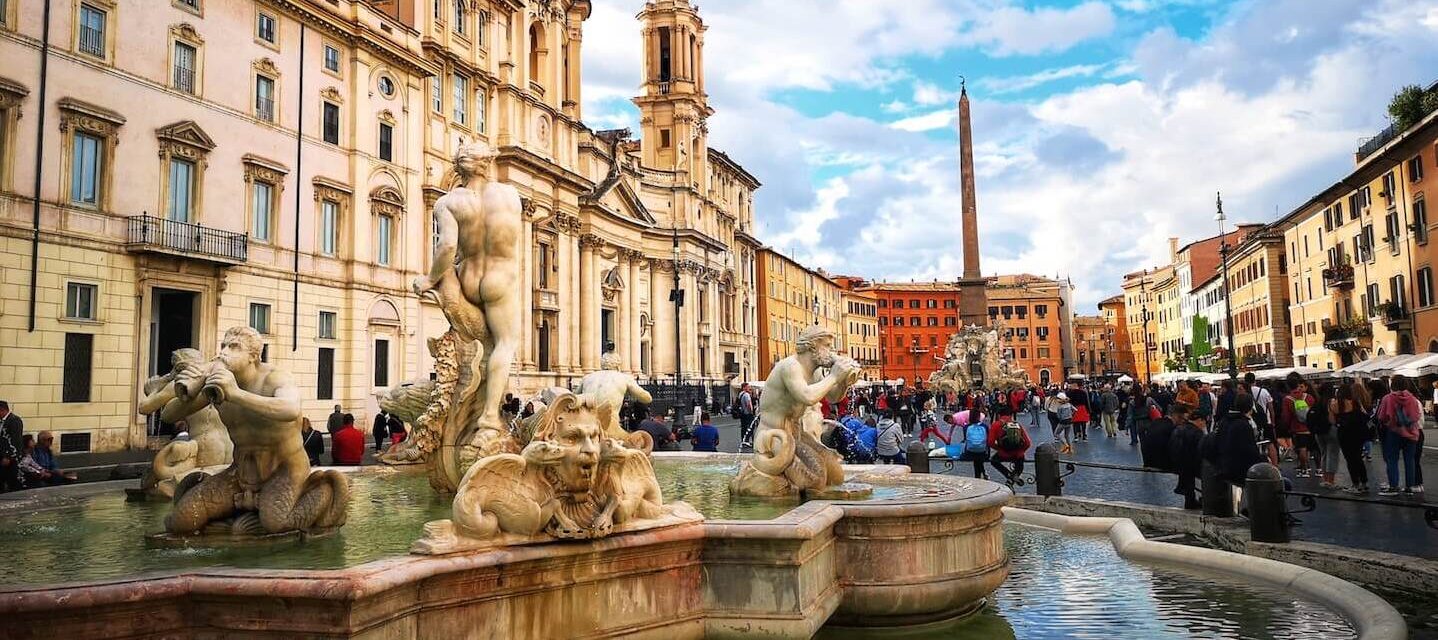
The Fontana della Barcaccia at the foot of the Steps — Pietro Bernini’s charmingly lopsided “Ugly Boat” fountain is one of the most beautiful in Rome, built to commemorate a legendary Tiber flood and to solve the problem of insufficient water pressure in this part of the city.
The Keats-Shelley Memorial House at Piazza di Spagna 26, where John Keats spent his last months and died of tuberculosis in 1821. A small, unexpectedly moving museum.
Via Condotti — Rome’s most glamorous shopping street, flanked by the flagship stores of the world’s great fashion houses.
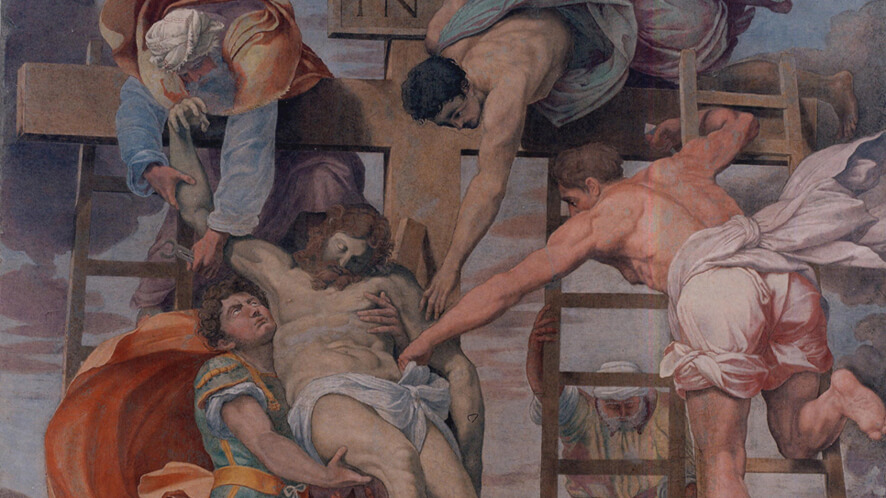
Santa Trinità dei Monti at the summit of the Steps — worth stepping inside for Daniele da Volterra’s extraordinary Descent from the Cross, one of the finest Mannerist paintings in Rome.
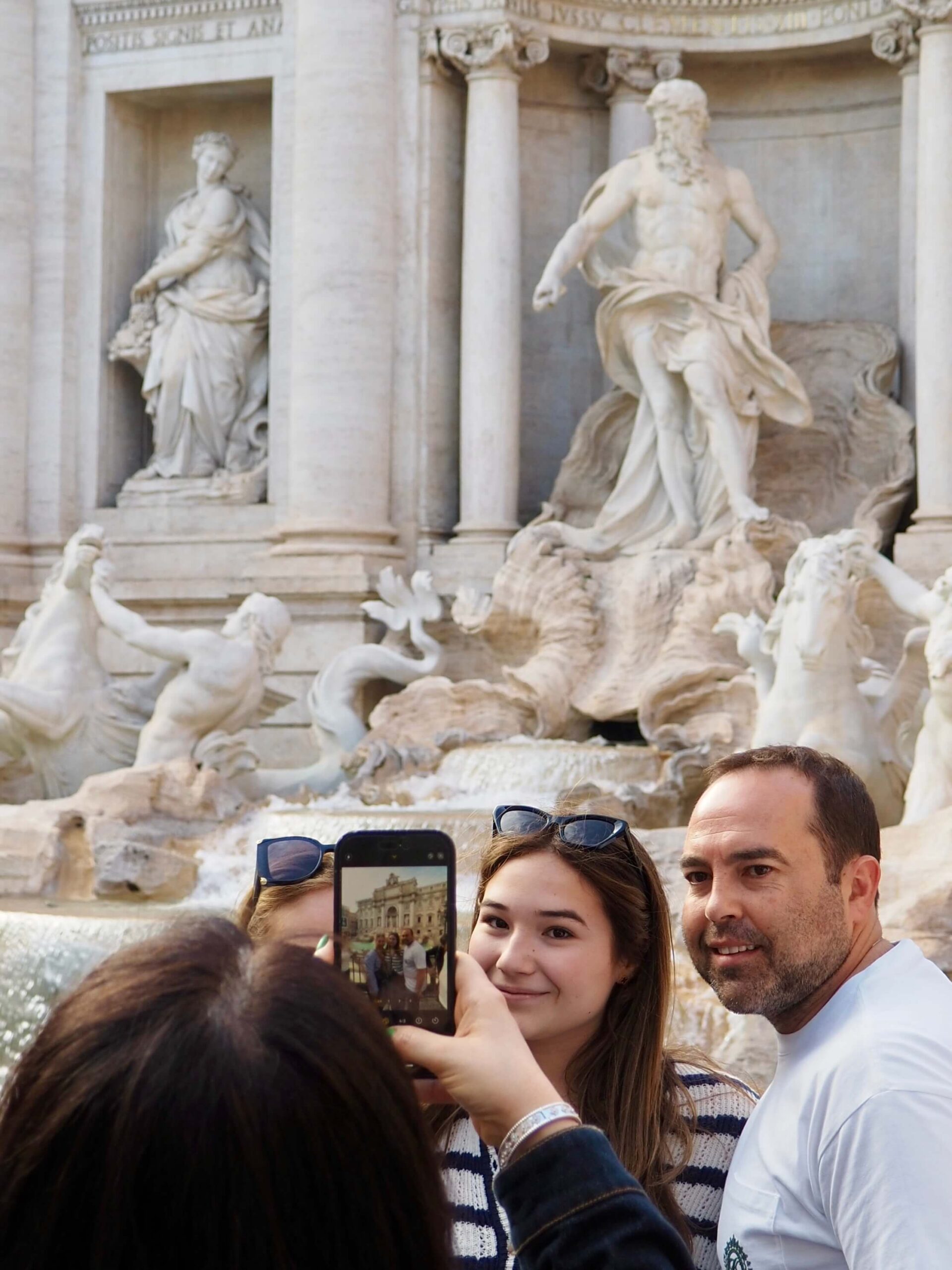
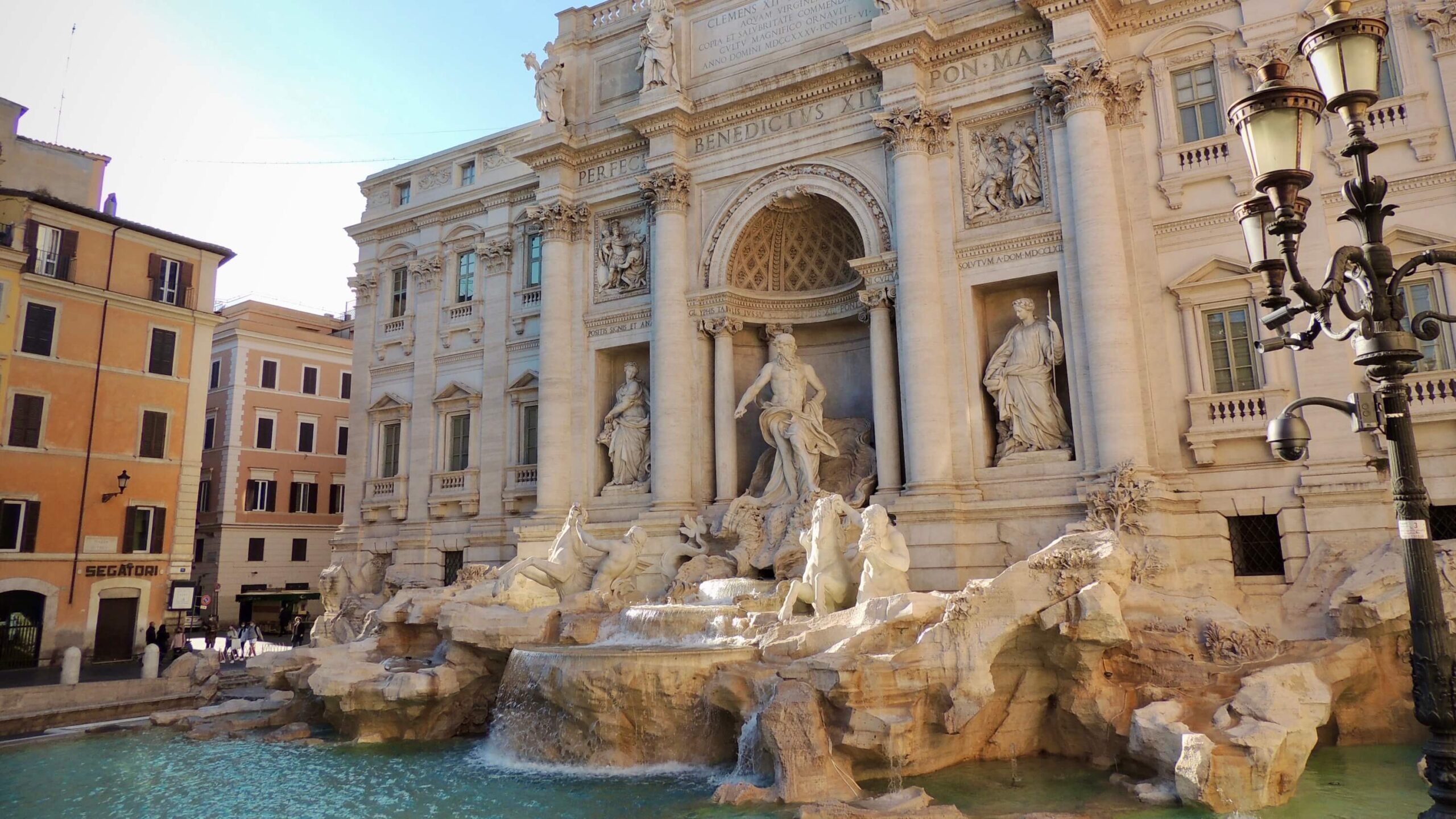
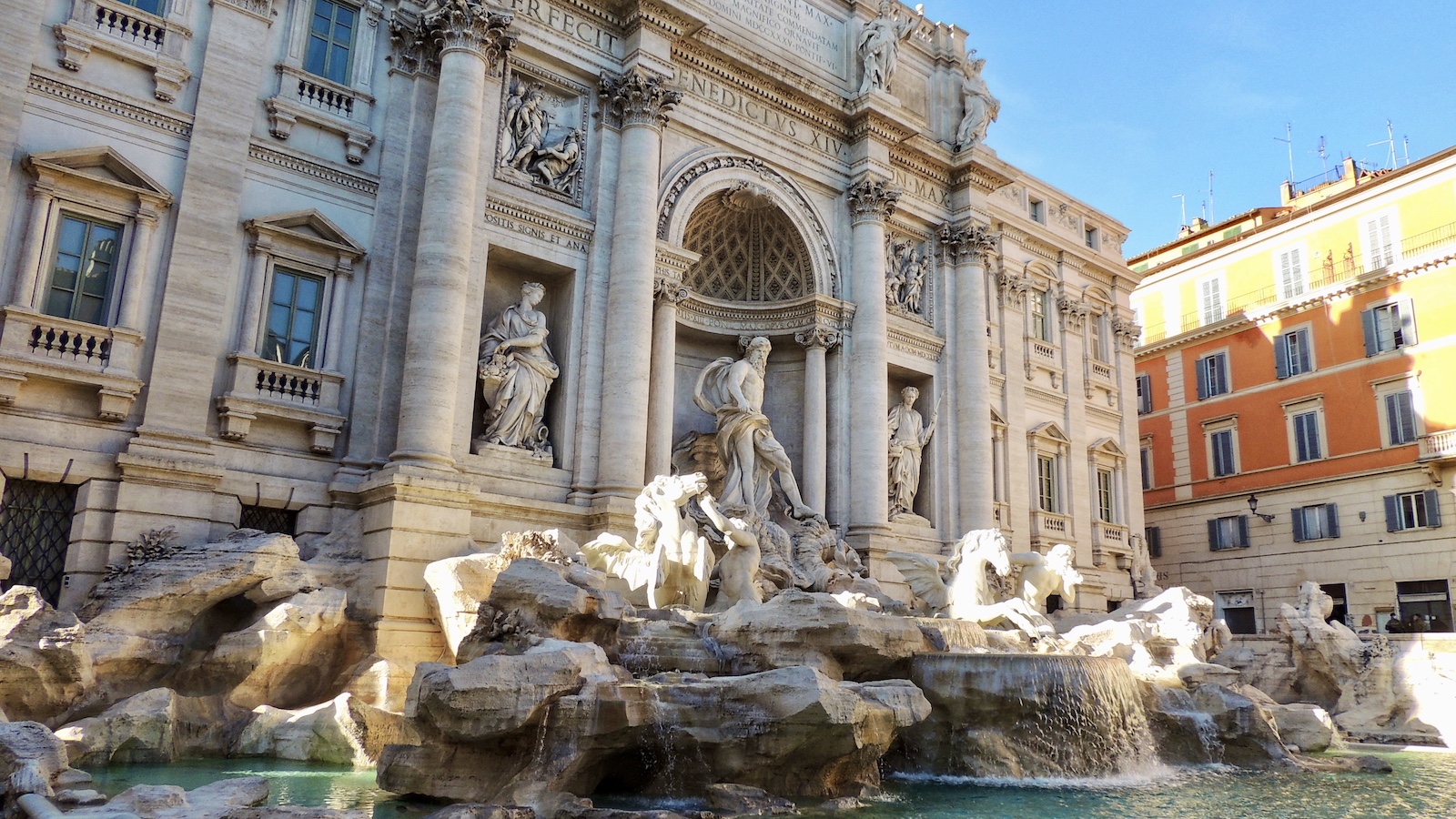
The Trevi Fountain, about 10 minutes’ walk to the south-east — Rome’s most spectacular Baroque monument, freshly restored and more beautiful than ever.
When do the azaleas go up on the Spanish Steps?
The display usually appears in mid-April and remains until mid-May. In 2026, the azaleas were installed on 16 April.
Are the azaleas free to see?
Yes — the Spanish Steps and Piazza di Spagna are free to access at all times. There is no charge to view the azalea display.
Can I sit on the Spanish Steps during the azalea display?
No. Sitting on the Steps is prohibited throughout the year, including during the azalea display. Fines apply if you don’t follow the directions of the local vigili.
How long do the azaleas last?
Typically from mid-April to mid-May — approximately four weeks, though the exact timing varies depending on temperatures and weather. The display is removed when the blooms begin to fade.
What variety of azaleas are used?
The display uses two varieties: the Rhododendron indicum (lilac-pink) and the Bianca di Piazza di Spagna (white), a hybrid developed specifically for this display.
Book Your Rome Experience