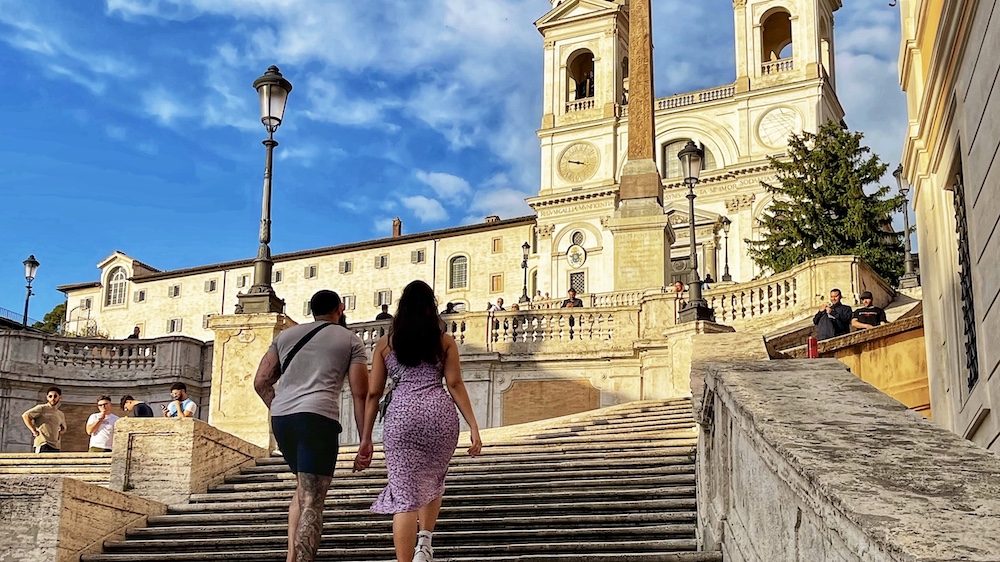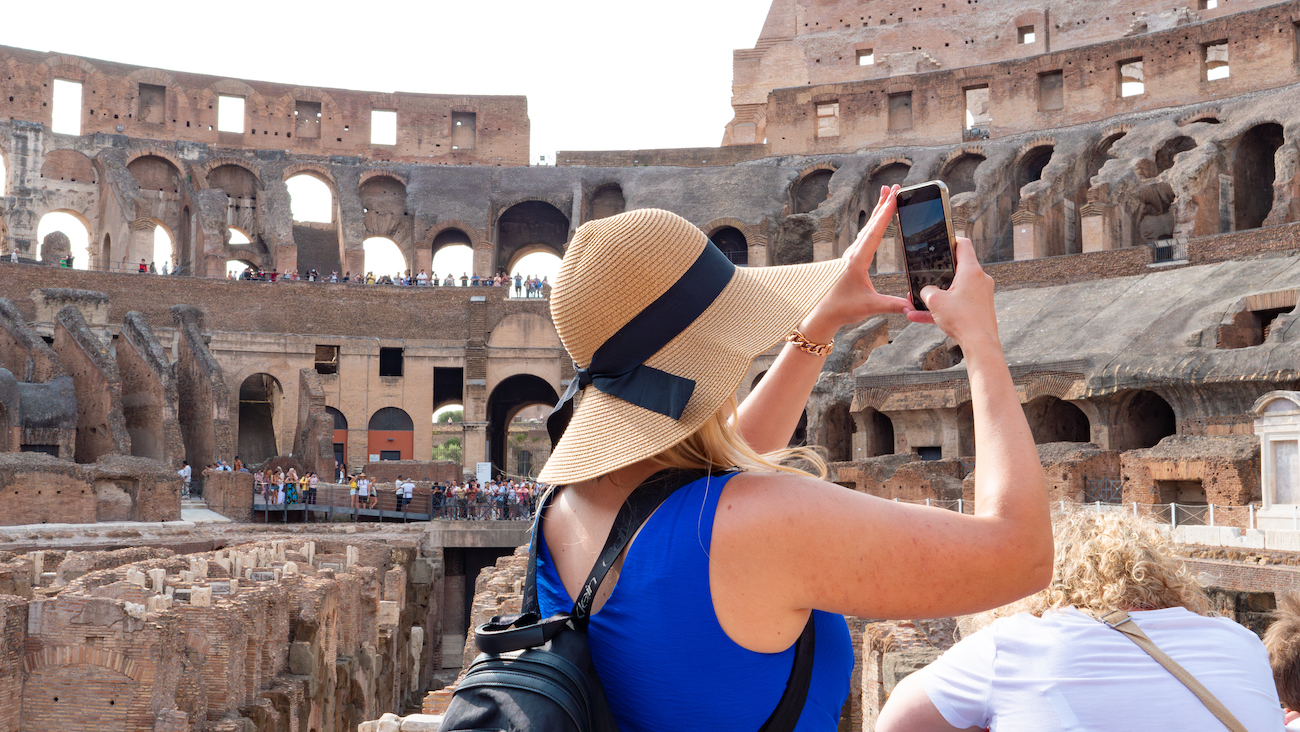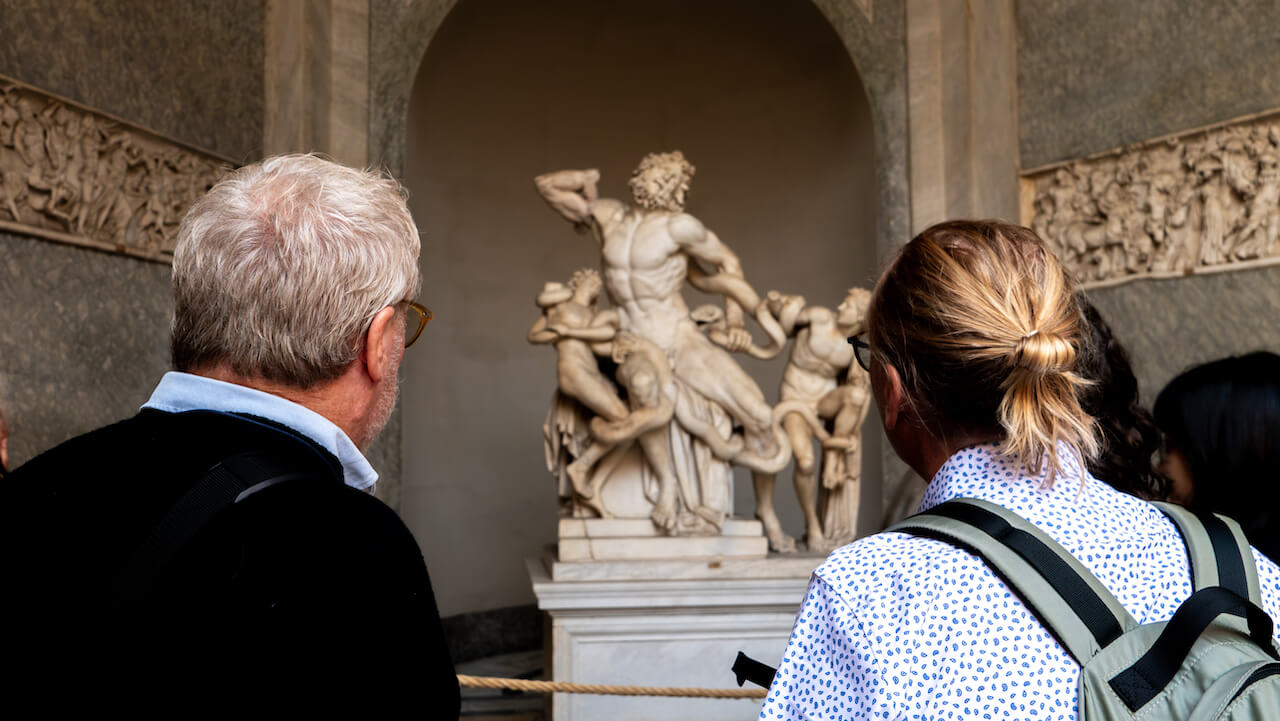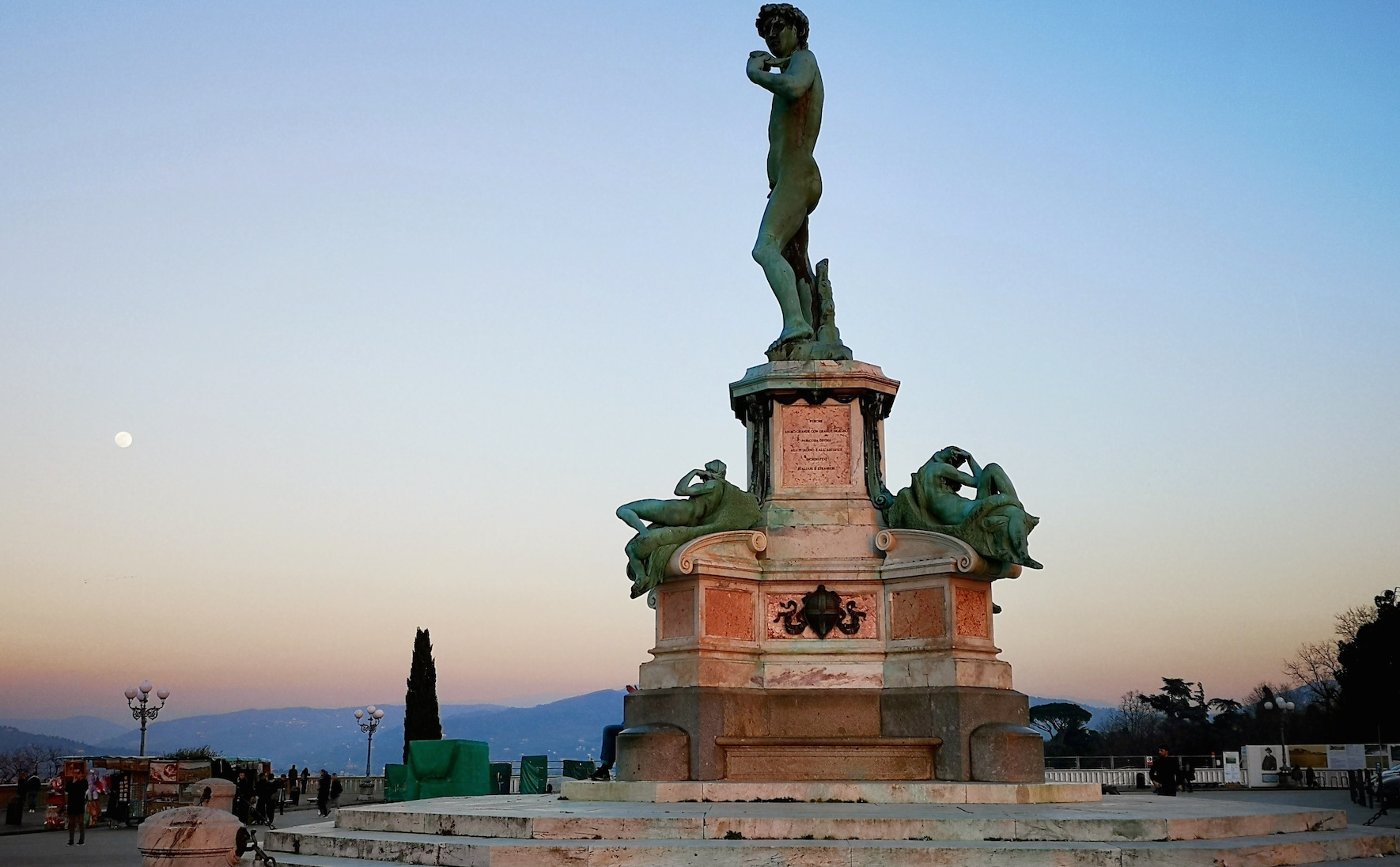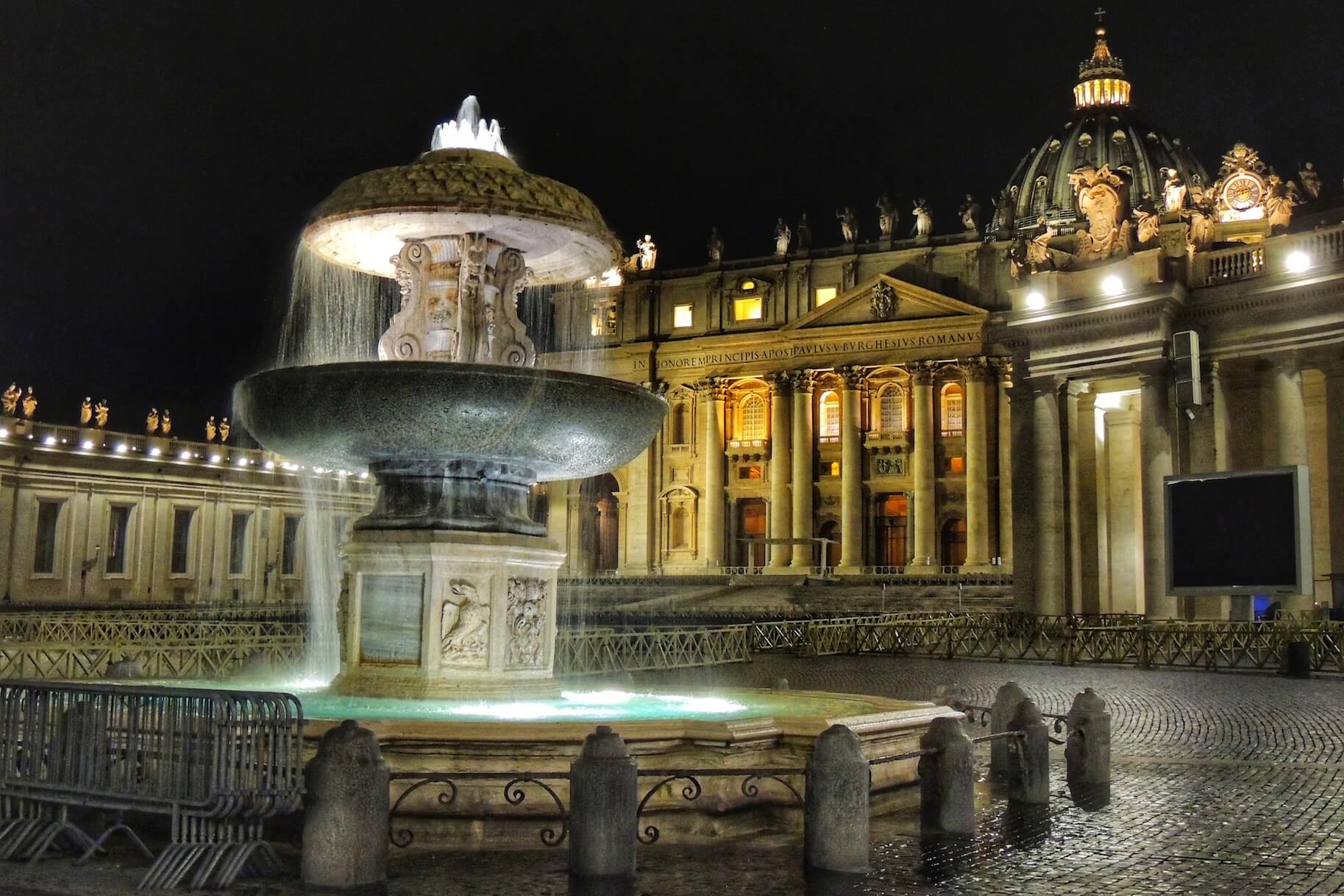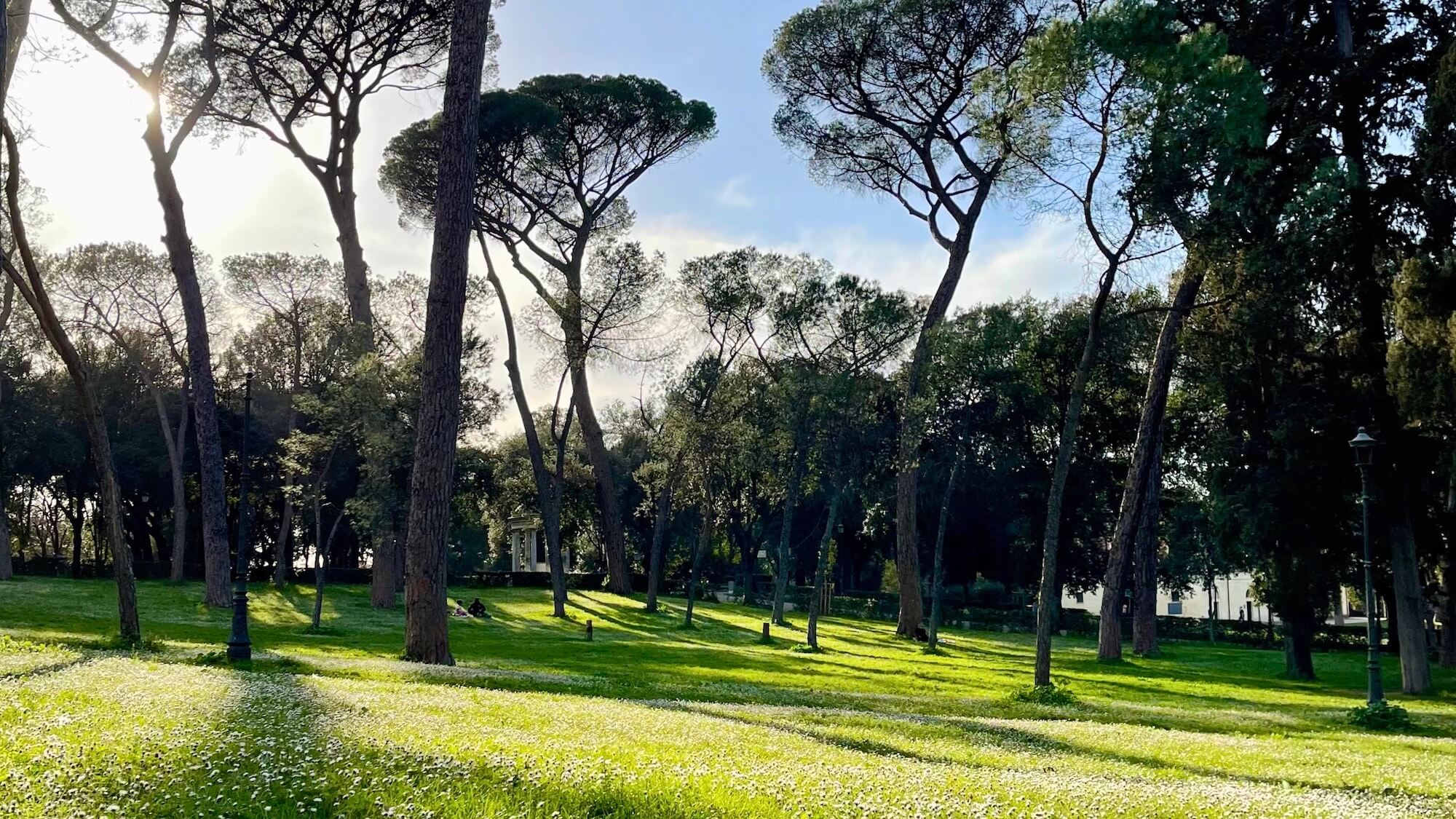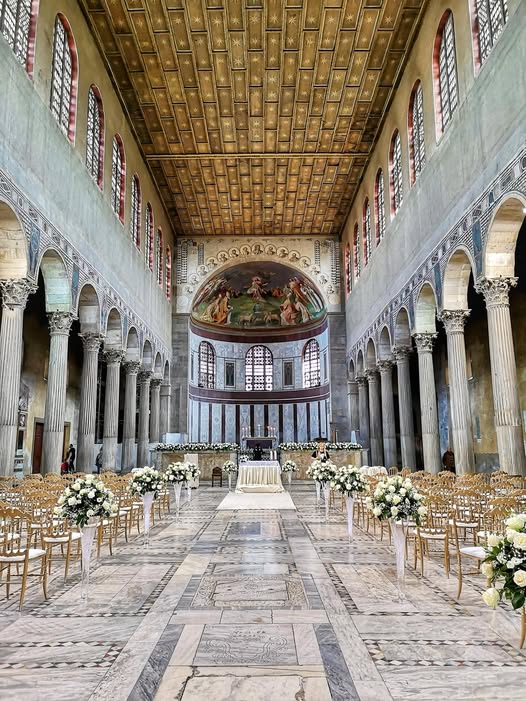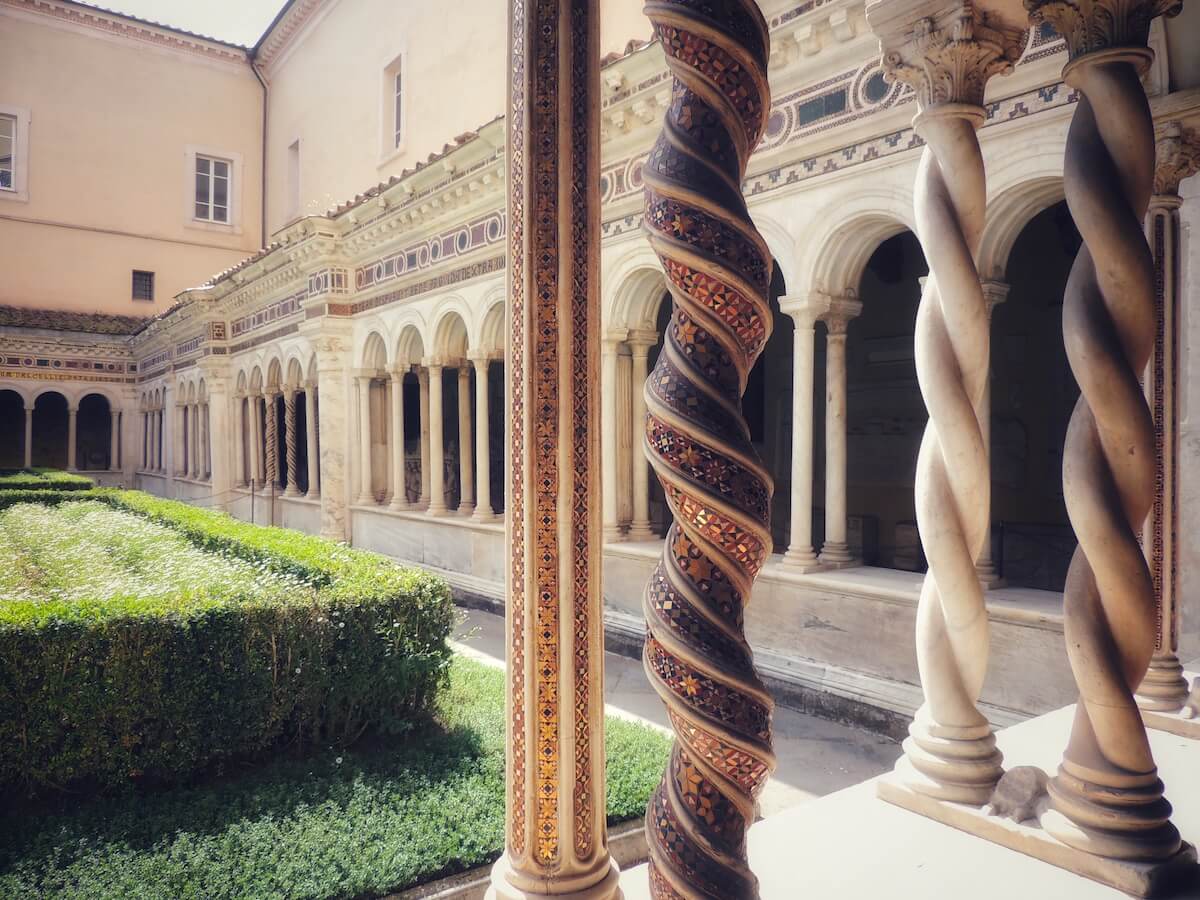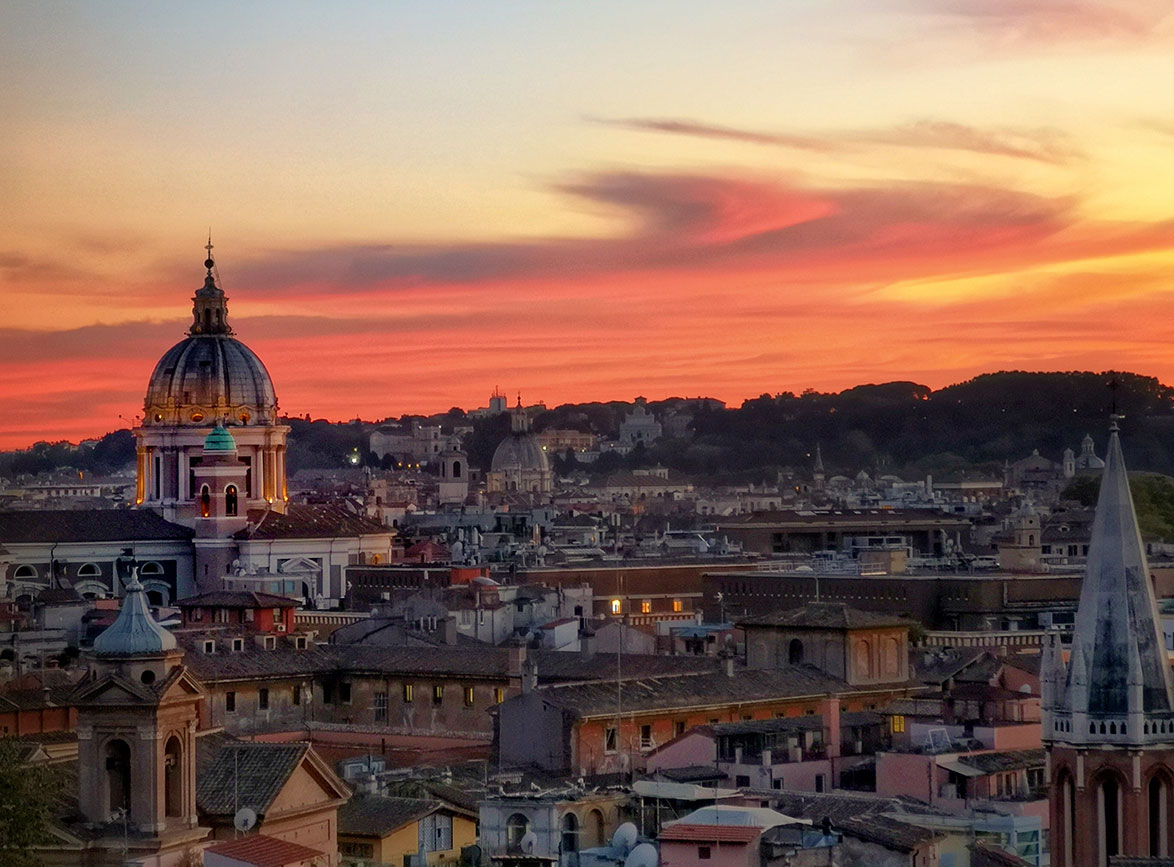
Rome at the golden hour.
The great Argentine writer Jorge Luis Borges once wrote that “no one can behold the Roman evening without growing dizzy.” He was right — and if you have not yet experienced Rome at the golden hour, you are missing what may be the city’s single most overwhelming sensory experience.
As the sun begins its slow descent to the west, the city’s extraordinary accumulation of domes, towers, monuments and palaces is transfigured: the warm terracotta and ochre of the buildings flush a deeper gold, the marble goes molten, the sky turns through impossible shades of apricot and crimson, and the city seems to breathe out a long sigh of accumulated centuries.
Rome is famously a city of hills, and that topography translates directly into an abundance of elevated viewpoints from which to drink the spectacle in.
But not all sunsets are equal — the quality of the view, the architecture that frames it, and the atmosphere of the spot itself all matter enormously.
Through Eternity’s guides have been leading our Rome at Twilight tour for well over a decade, and have seen a sunset or two. Here are eight personal favourites — from the grandly panoramic to the intimately theatrical.
Best Rome Tours
Explore the Eternal City!
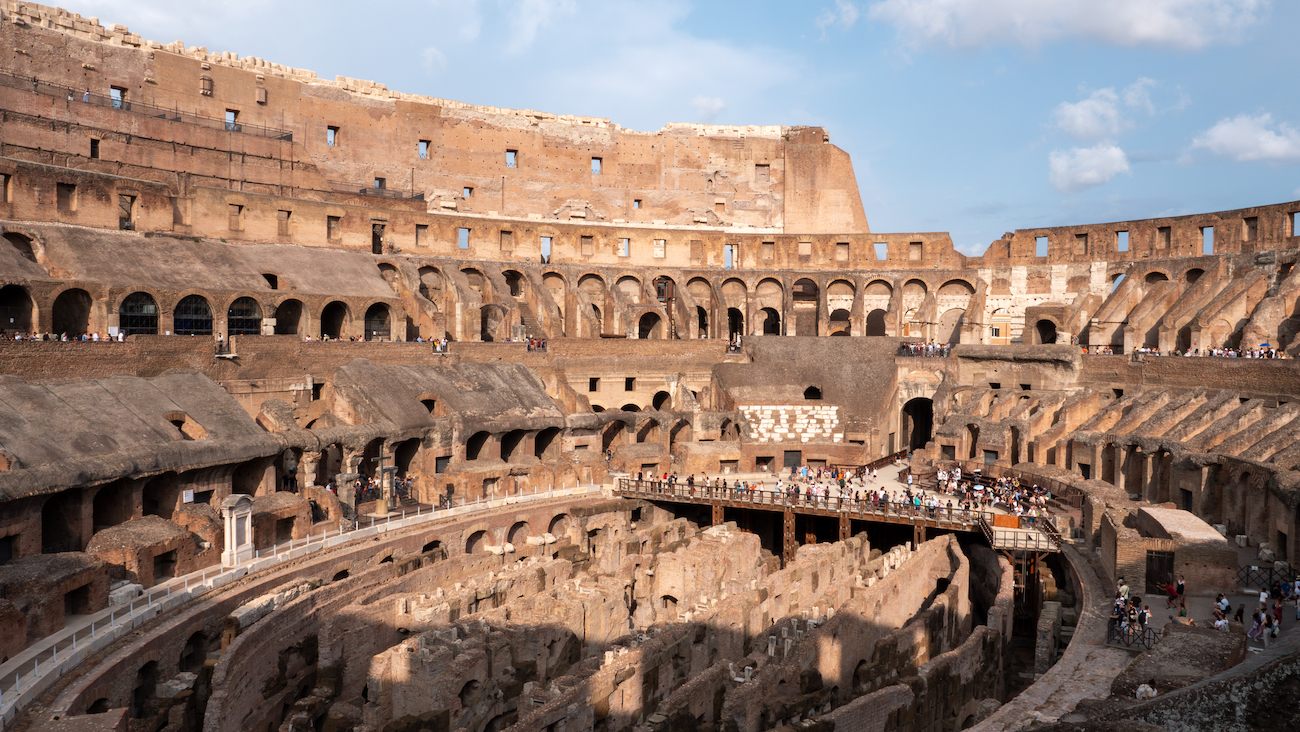
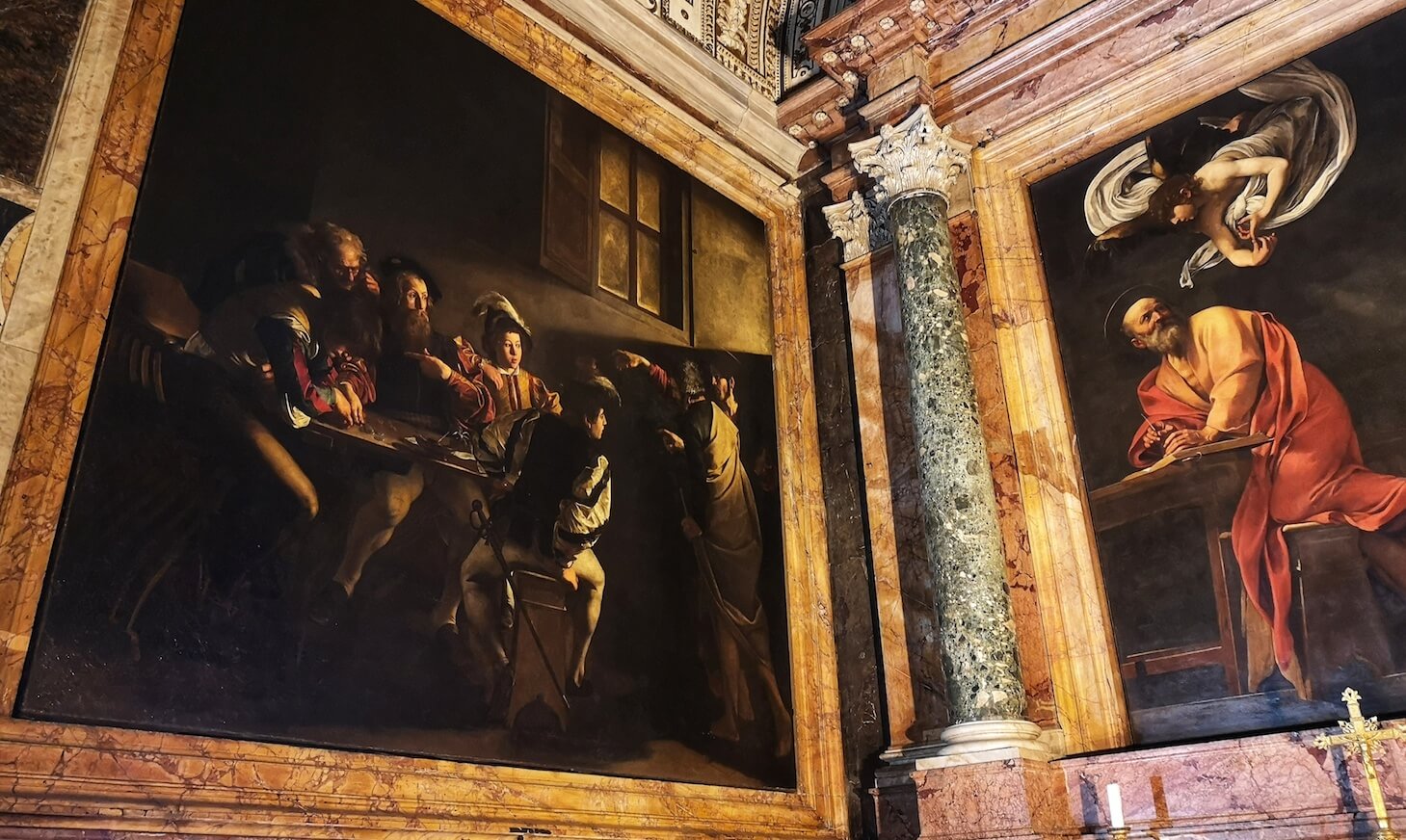
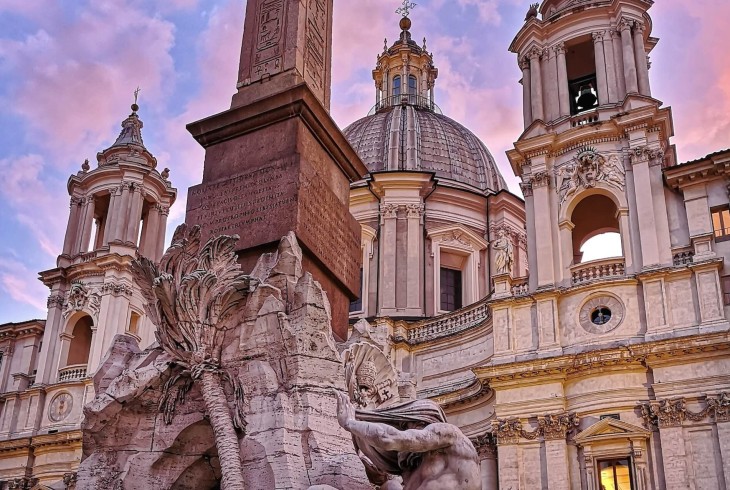
If there is one place in central Rome where you must watch the sunset, it is Piazza Navona. As dusk begins to thicken and the light takes on its most theatrical quality, this extraordinary space — an ancient racetrack that became Baroque Rome’s greatest public stage — becomes almost impossibly beautiful.
Bernini’s Fountain of the Four Rivers catches the last of the warm light and seems to glow from within; the dove at the obelisk’s tip is silhouetted against the deepening sky; and Borromini’s Sant’Agnese in Agone, already one of Rome’s most dramatic pieces of architecture, takes on an even greater gravity and mystery as the shadows deepen around it.
The piazza’s orientation means that the late afternoon light falls on the western facade of the buildings along its eastern edge, casting them in gold and salmon, while the fountain figures seem to acquire new life in the shifting illumination.
There is a reason our Rome Evening Walking Tour passes through Piazza Navona every single evening — it doesn’t matter if it is your first visit or your fiftieth. The piazza at sunset is unmissable.

How to Get There
Piazza Navona is central Rome’s true beating heart. Walk from the Pantheon (10 minutes east), Campo de’ Fiori (10 minutes south-west) or Castel Sant’Angelo (20 minutes north-west).
TWO
The Janiculum Hill
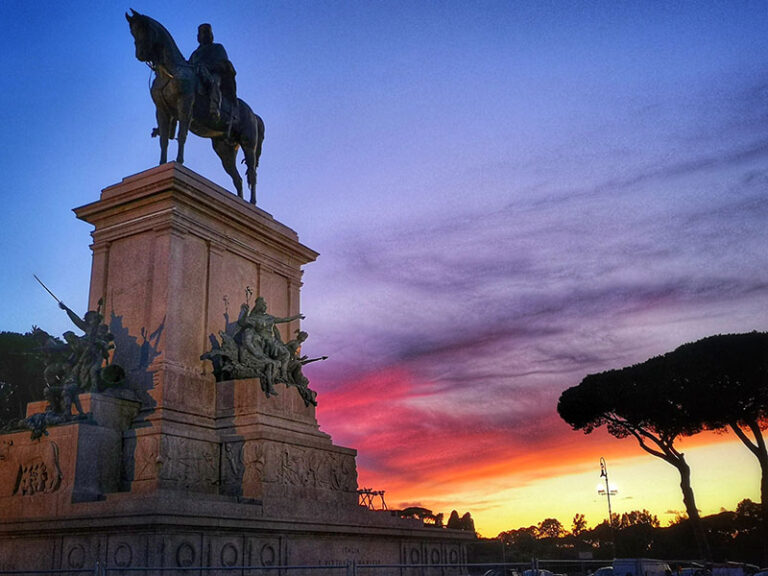
Ask any Roman where they go to watch the sunset, and the Gianicolo will feature near the top of almost every list. The Passeggiata del Gianicolo — the panoramic promenade that runs along the crest of the hill above Trastevere — offers a sweeping view over the entire city that is simply one of the best in Rome.
The monuments of the centro storico spill out below you all the way to St. Peter’s dome on the horizon to the north; in the evening light, the whole skyline turns gold, and the Vittoriano monument off in the distance seems haloed in fire.
The walk along the ridge passes a sculpture garden dedicated to Garibaldi’s volunteers who fought on this ground during the defence of the Roman Republic in 1849, a lighthouse gifted to the city by Italian expats in Argentina, and a cannon that fires at noon every day — a sonic landmark for Romans across the city.
At the southern end of the promenade, the magnificent Acqua Paola fountain awaits, its arches and marble gleaming in the last light.
How to Get There
To walk the entirety of the Gianicolo, climb up the Salita di Sant’Onofrio off Piazza della Rovere just to the southeast of Piazza San Pietro. Once you get to the top, simply follow the Passeggiata del Gianicolo all the way to its southern end, just over a kilometer away at the Acqua Paola fountain.
THREE
The Terrazza del Pincio
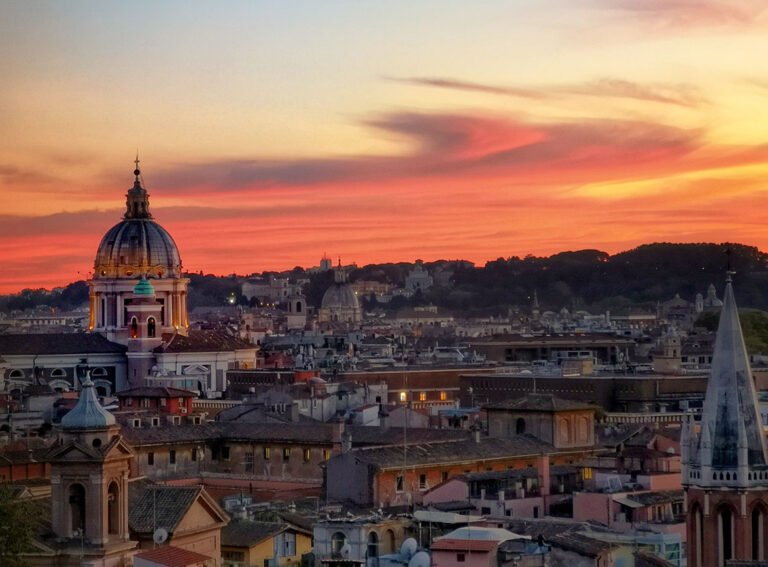
Across the city from the Gianicolo, the terrace of the Pincian hill is a worthy rival for Rome’s most spectacular sunset panorama. Spend an afternoon wandering through the pastoral charms of the Villa Borghese and admiring extraordinary artworks on a Borghese Gallery tour, then reach the Pincio terrace at its western edge to drink in the spectacle of Rome at the golden hour.
Here the view opens to the south and west over Piazza del Popolo directly below — the twin churches, the Egyptian obelisk, the elegant symmetry of Valadier’s Neoclassical piazza — and then across the city’s jumbled rooftops, domes and campanili, all the way to St. Peter’s dome riding the horizon. In the right light, this is one of the most painterly views in Europe.
If you’re in the mood to splurge, Linger for the aperitivo hour at the Casina Valadier, the elegant terrace restaurant at the edge of the park — expensive, certainly, but for the combination of view and occasion, worth it.
How to Get There
From within the Villa Borghese, follow signs to the Terrazza del Pincio. From central Rome, climb the ramp from Piazza del Popolo or the steps from the Spanish Steps.
FOUR
Monte Mario and the Zodiaco Viewpoint
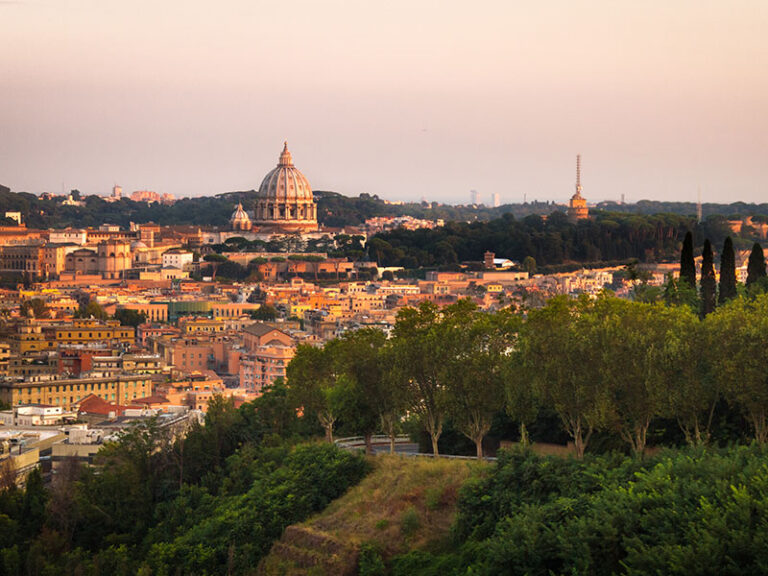
For a sunset that leaves the tourist routes entirely behind, pull on walking shoes and make for Monte Mario in the north-western outskirts of the city.
At 139 metres, Monte Mario is the highest hill in the Eternal City (although not a member of the canonical seven). The summit is home to Rome’s observatory on the former site of a 15th -century villa – think Rome’s answer to the Greenwich observatory in London.
Make it to the top of the steep cobbled path that snakes its way up the hillside just as dusk is falling, and be rewarded with one of the city’s most unforgettable views.
Locals know the panoramic viewing platform as Lo Zodiaco, after the iconic restaurant of the same name that greeted diners with one of Rome’s most spectacular tables since way back in the golden age of the 1950s Dolce Vita before its unfortunate closure during the Covid pandemic of 2020.
From here you can see all across the city, as far as the twinkling towns of the Castelli Romani to the south and the distant peaks of the Apennine mountains to the east. Bring your date here, drink in the view and see why the belvedere more than deserves its other moniker, Il Vicoletto degli Innamorati – the Lovers’ Path.
How to Get There
Take the A line of the Metro as far as Ottaviano, then change to the 32 bus for 4 stops. Get off at Viale Angelico/Maresciallo Giardino and walk about 5 minutes to the park entrance at the foot of the hill on Via Gomenizza.
FIVE
The Orange Garden (Giardino degli Aranci)
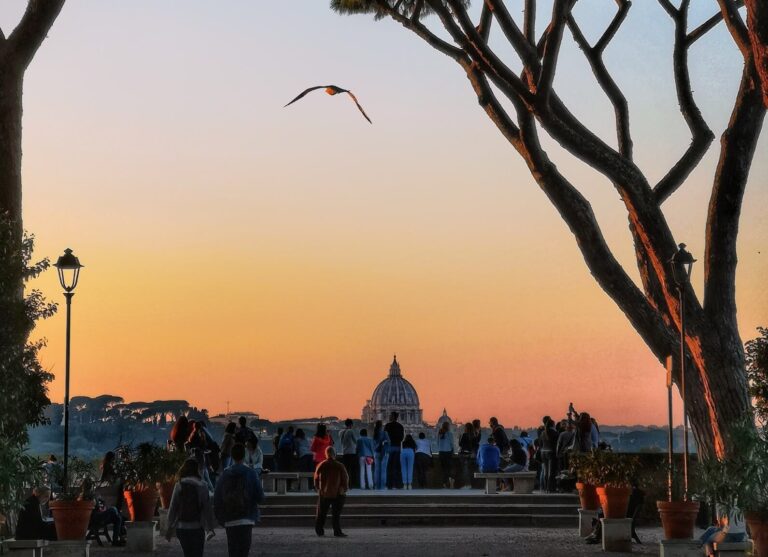
The sight of St. Peter’s basilica looming impossibly large in the distance from across the city framed by the boughs of soaring Roman pines is the stuff that dreams are made of.
And yet that’s exactly what lies in store in the Giardino degli Aranci atop Rome’s Aventine hill, a leafy park studded with fragrant orange trees in the shadow of the ancient church of Santa Sabina.
At sunset the already spectacular scene is transformed into something straight out of a fairy-tale, when the sky over the Tiber turns a vivid shade of orange to match the fruits hanging from the nearby trees.
If that’s not enough, take a stroll just a few meters down the road and you’ll come to the keyhole of the Knights of Malta , where the 18 th -century architect Giovanni Battista Piranesi created a spectacular tromp l’oeil illusion in which Michelangelo’s massive dome is perfectly framed in the borders of the tiny keyhole.
How to Get There
The Orange Garden is an easy walk from the Circus Maximus stop on the B line of the Metro. Alternatively, it’s a short hike up the Aventine hill from the Lungotevere just south of the Bocca della Verità.
SIX
Aqueduct Park (Parco degli Acquedotti)
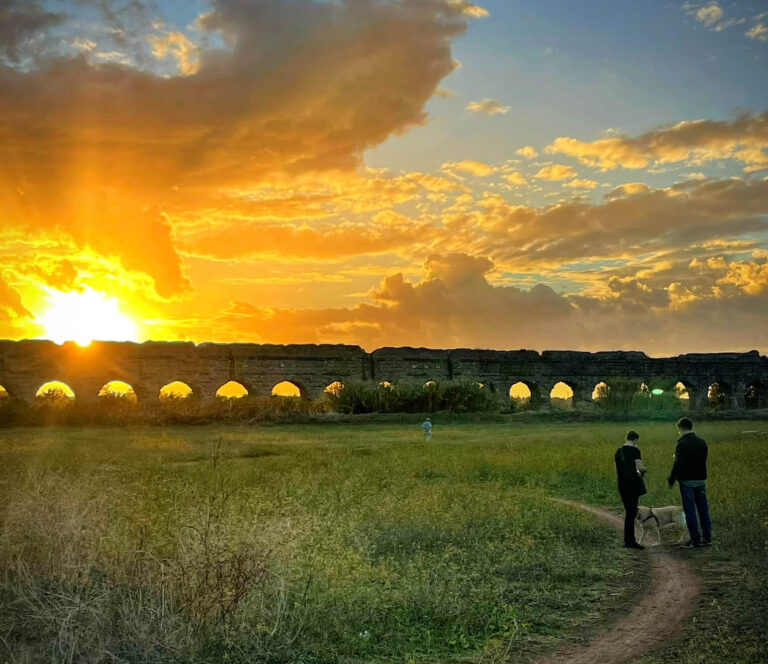
For a sunset pregnant with the memories of centuries past, head to the Parco degli Acquedotti in Rome’s southern outskirts.
As the name implies, this incredible park is home to the spectacularly intact remains of some of antiquity’s most awe-inspiring aqueducts; strolling through this idyllic landscape today is like stepping back in time to the Roman countryside as it was thousands of years ago.
As the sun makes its march westwards towards the horizon, spectacular shafts of light and color pierce the endless arches of the aqueducts, painting dramatic ensembles that seem more like the frenzied canvasses of a punch-drunk Impressionist than real life.
The effect is hallucinatory: shafts of orange and gold cutting through ancient stone, the pastoral landscape behind glowing, the silence broken only by birdsong and the distant hum of the city.
This is a Rome that most tourists never see — a place where the countryside of the ancient world and the modern city coexist, barely twenty minutes from the centre.
SEVEN
The Tiber at Ponte Umberto I
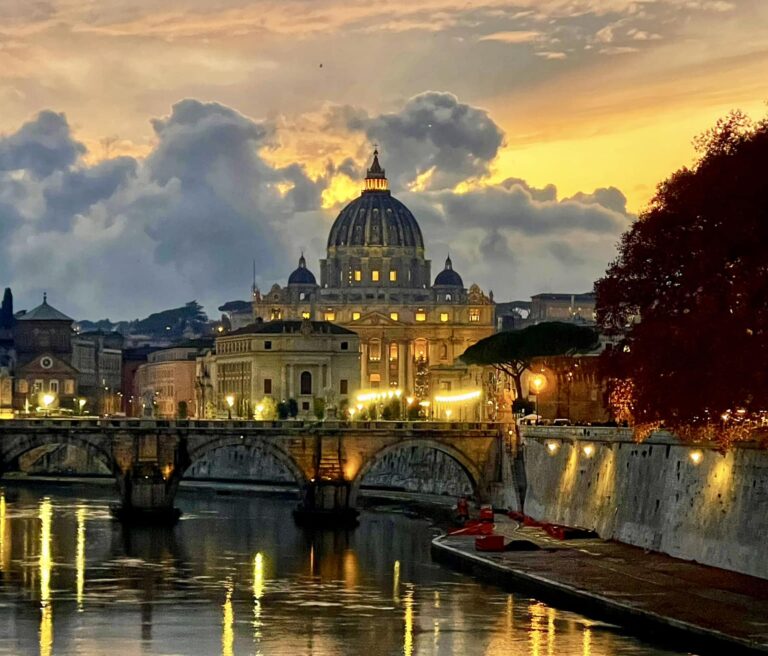
There are few sights in Rome as beautiful as the Tiber at twilight, when the colors of sunset reflect and glint off its glassy waters. Any of the bridges that span its stately flow would make for a great place to watch the sun go down, but our favorite is the Ponte Umberto I.
The bridge boasts one of the best views of the Vatican City and St. Peter’s basilica in the entire city, framed by the soaring trees that flank the river and the statue-lined Ponte Sant’Angelo. From here the clouds overhead always seem to take on dramatic patterns and crazy colors as they swirl over Michelangelo’s dome at sunset.
It is best experienced slowly, as a pause in an evening walk through the neighbourhood. Stay on the bridge as the light changes and the street lamps come on one by one, and you’ll understand why so many people have fallen in love with this city over the centuries.
How to Get There
Ponte Umberto is the bridge nearest to Piazza Navona, the next crossing along north of Ponte Sant’Angelo.
EIGHT
The Seafront at Ostia
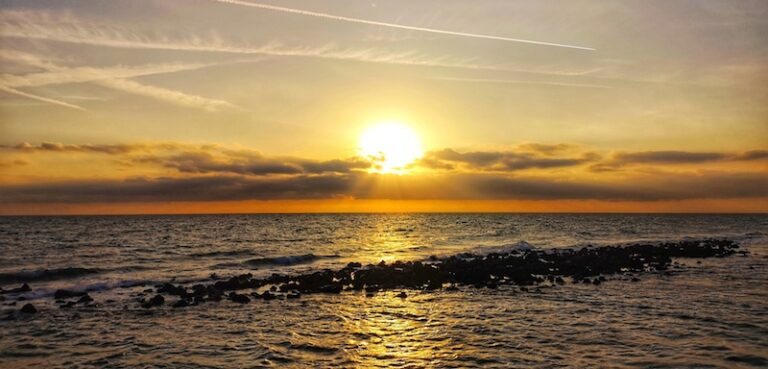
Rome might technically be a landlocked city, but during its heyday as the ancient world’s most important urban center it boasted its own port not far from the eastern city limits in Ostia Antica.
A visit to Rome’s ancient port is a must on any trip to Rome, and Through Eternity offer fascinating Ostia Antica tours led by expert archaeologists. These days the coastline has moved a few kilometers further to the east, but the seafront at Ostia’s modern town is easily reached via public transport from downtown Rome.
If you fancy gazing over the waters of the Mediterranean at sunset without straying far from the city, then this is where you need to go. From the jetty that spears into the sea in the center of town, the twilight view is pretty hard to beat as shafts of golden light split the clouds and illuminate the water below and contrails streak across the evening sky.
Order some fried seafood and cold white wine to take away from a nearby fish bar and enjoy a sunset that seems a world away from the urban hustle of Rome just 30 minutes inland.
How to Get There
From Rome’s Piramide station (on the B line of the Metro), change to the Ostia light rail line. You don’t have to get a new ticket as your metro ticket is valid for the Ostia line as well. Get off after about 30 minutes at Lido Centro, and aim for the Pontile di Ostia – about a 15-minute walk.

Frequently Asked Questions
What time is sunset in Rome?
Sunset times vary significantly by season. In midsummer (June–July) the sun sets around 8:30–9pm; in midwinter (December–January) it can be as early as 4:30pm. Check a local weather or time website for exact times on your visit dates.
What is the best viewpoint for a sunset panorama in Rome?
For the widest panoramic view of the whole city, the Gianicolo Hill and the Terrazza del Pincio are hard to beat. For atmosphere and architectural drama, Piazza Navona is unmatched.
Is the Orange Garden free?
Yes, the Giardino degli Aranci is a free public park open daily.
Which sunset spots are best for families?
Villa Borghese / Pincio Terrace and the Gianicolo Hill are both ideal for families, with plenty of space and flat terrain. The Orange Garden is smaller but very manageable with children. Monte Mario is a tough hike for small children or with a push chair.
Coming to Rome? Let us help you make the most of it – with expert-led tours, insider tips, and unforgettable experiences tailored to the season! For 25 years, Through Eternity have been organizing itineraries showcasing the best of Rome led by our resident expert guides. If you’re planning a visit to the Eternal City this year, be sure to get in touch to help plan your perfect trip.
Book Your Rome Experience