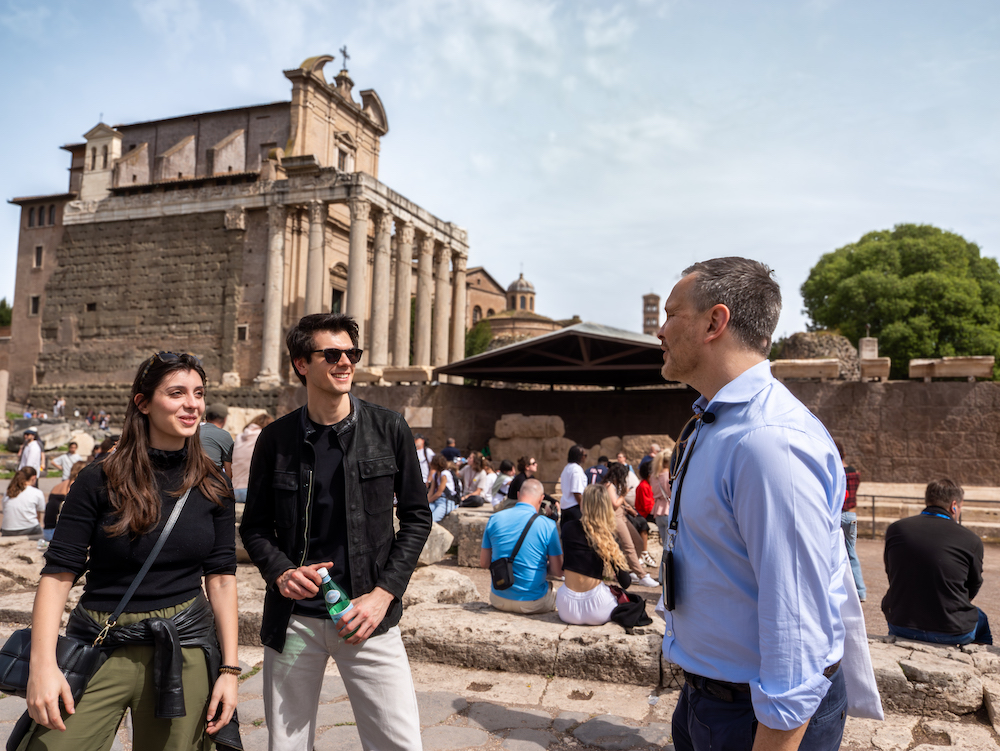

The tour lasts approximately three hours and covers the Colosseum, Roman Forum and Palatine Hill with a private expert guide. The itinerary is designed to cover all three sites while leaving time for explanation, questions and discussion along the way.
Step into the Colosseum and explore the Roman Forum and Palatine Hill with an expert private guide. Follow the stories of emperors, politicians, priests and ordinary Romans through the ruins they left behind.
 What to Look For

- How the Colosseum's games worked
- The Vestal Virgins' sacred world
- The Temple of Saturn
- The palaces of Rome's emperors
 Tour Includes

- Expert private guide
- Expedited Entry
- Tickets to the Colosseum, Forum and Palatine Hill
 Create Your Custom Journey

Our dedicated team is here to help you design the perfect trip. We’re happy to assist every step of the way.
We’ve Got You Covered!

Can’t make your trip? Cancel up to 24 hours in advance for a full refund, minus any ticket costs.

Tour Itinerary
What to Expect on Your Private Tour
Your tour connects the Colosseum, Roman Forum and Palatine Hill into a single story. Rather than treating each monument as a separate stop, your guide shows how spectacle, politics, religion and imperial power operated together at the center of ancient Rome. The precise order of the visit can vary according to entry arrangements, but all three sites form part of the experience.
The Colosseum
Enter Rome's great amphitheatre and discover how the games really worked
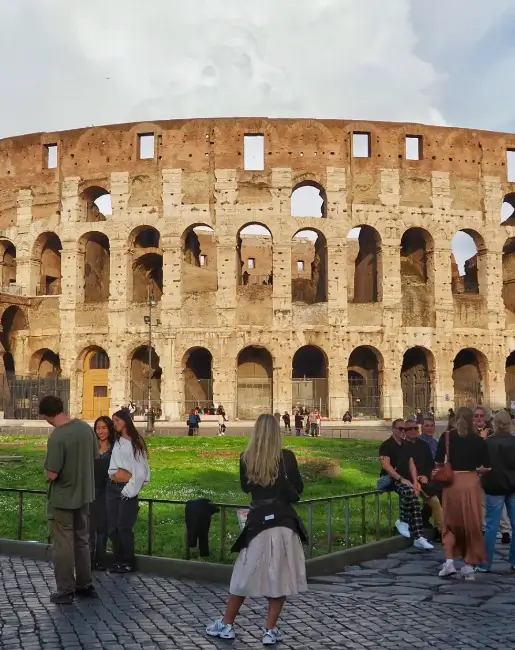
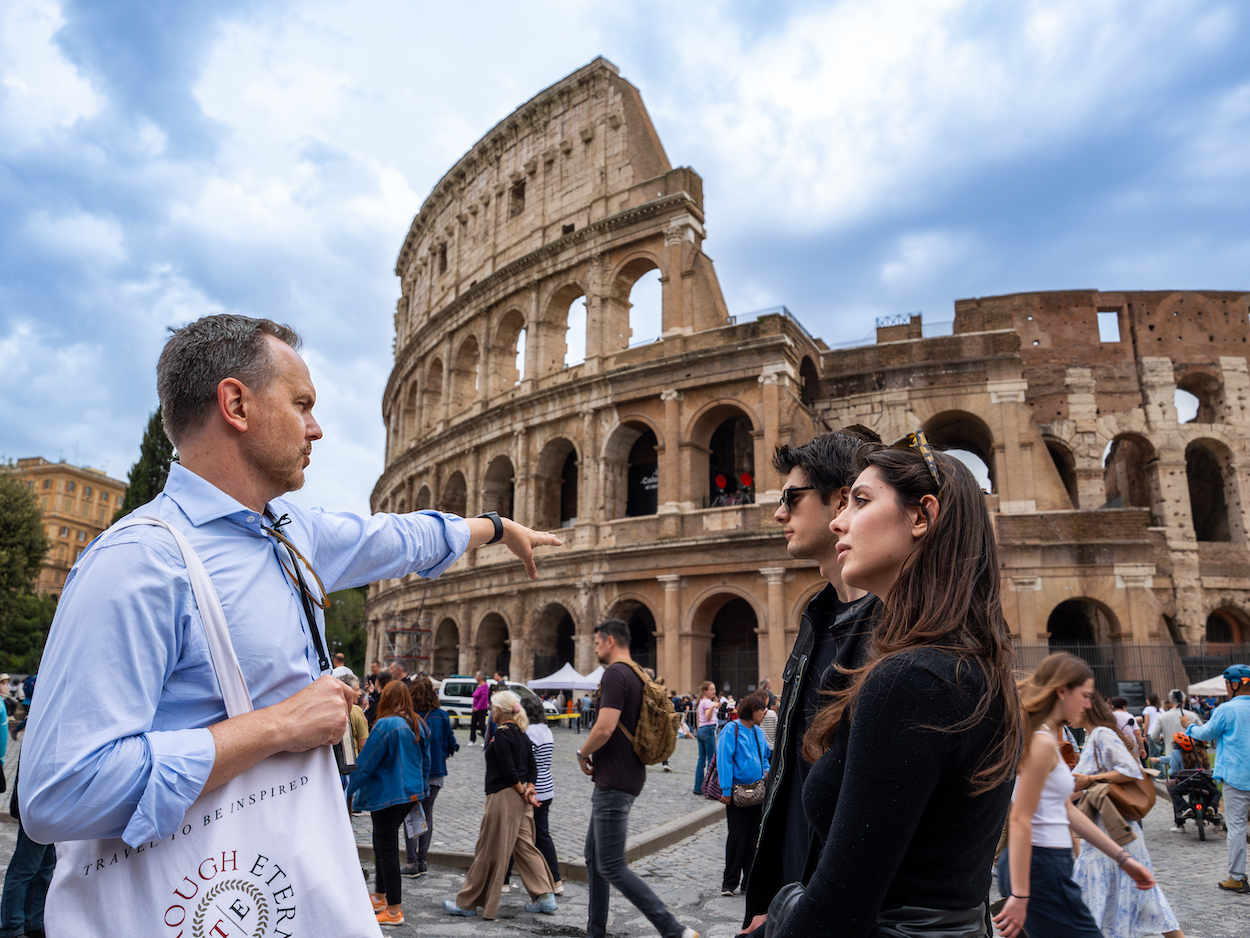
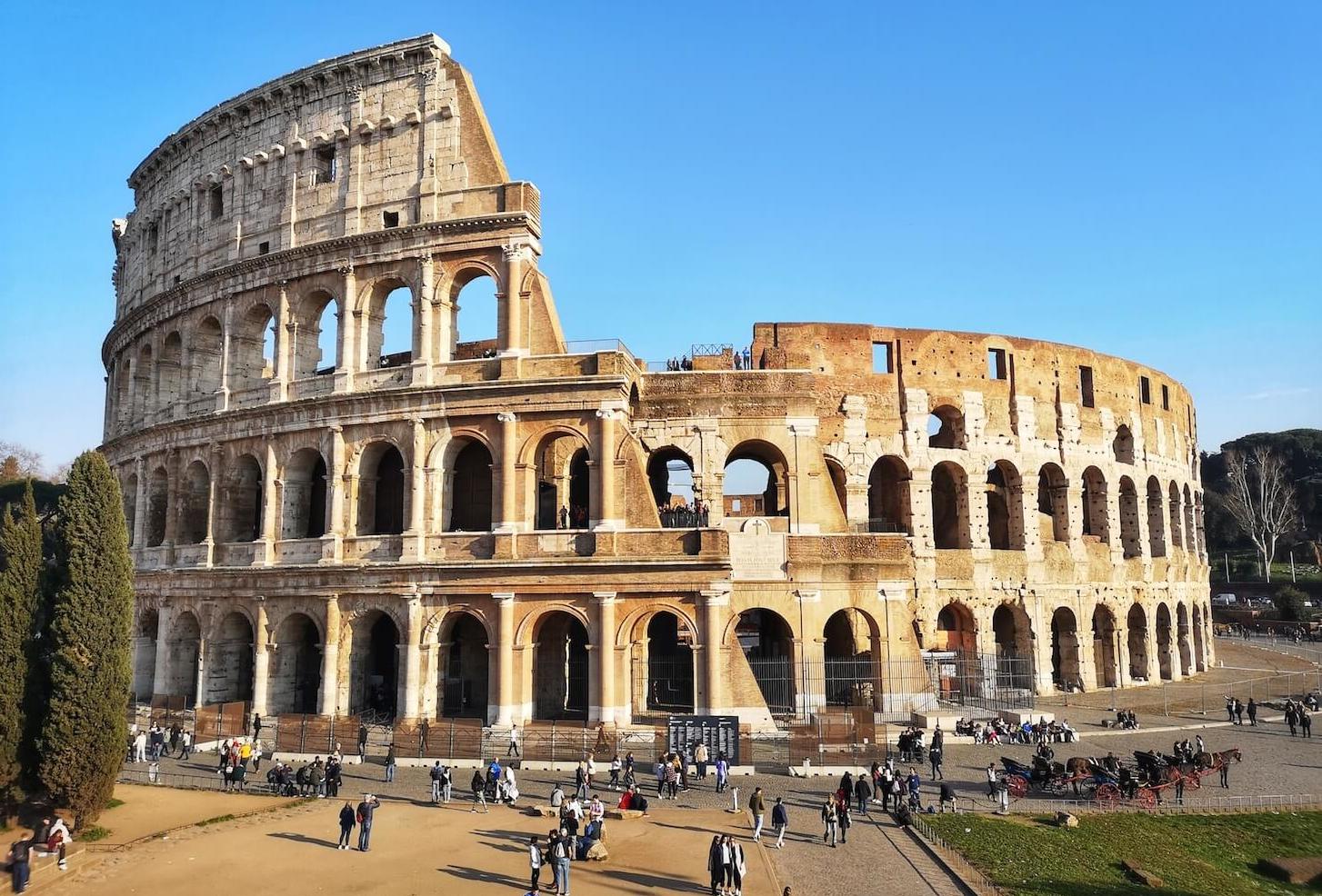
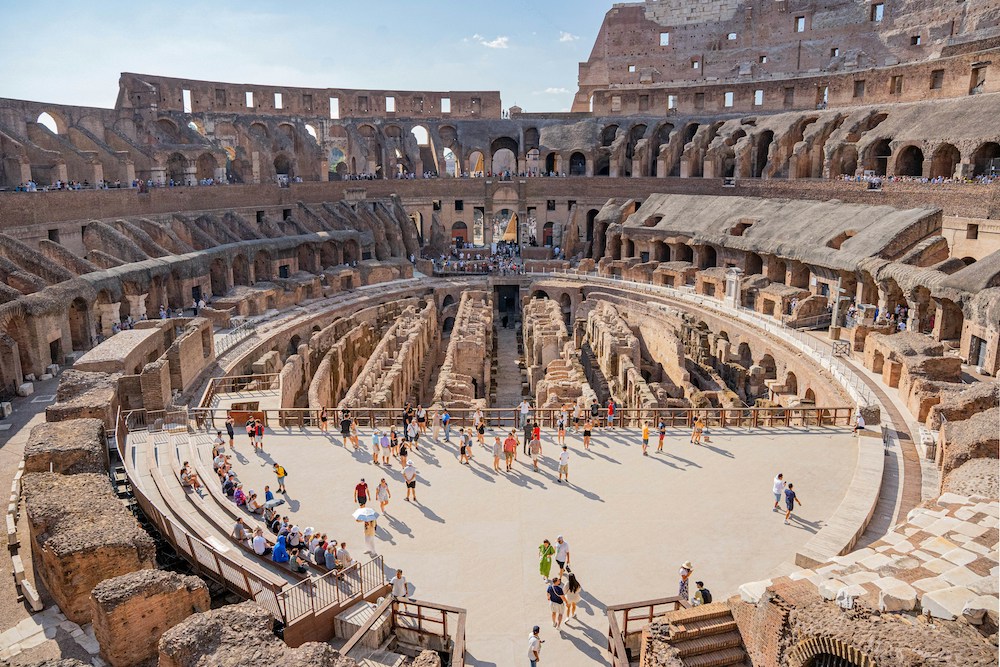
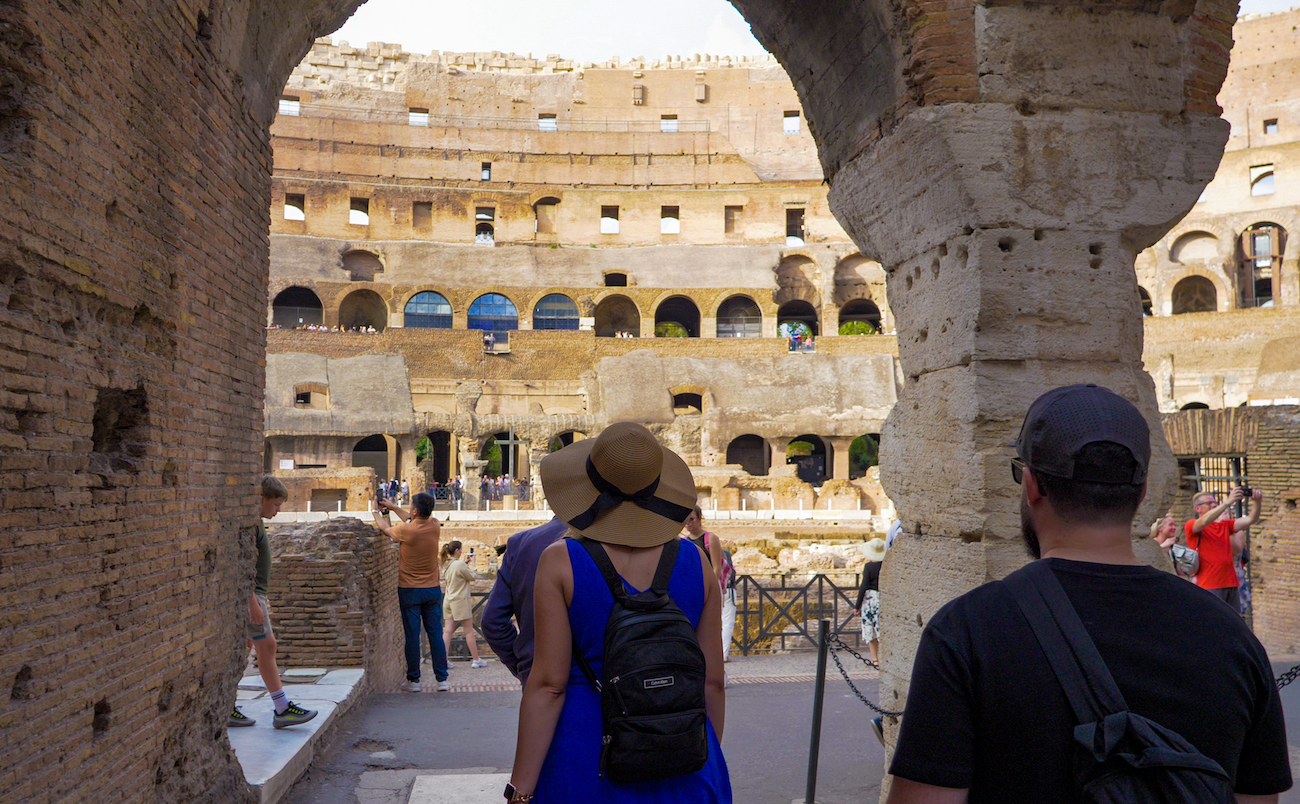
Begin at the Colosseum, also known as the Flavian Amphitheatre, and explore the monument that came to embody the Roman passion for public spectacle.
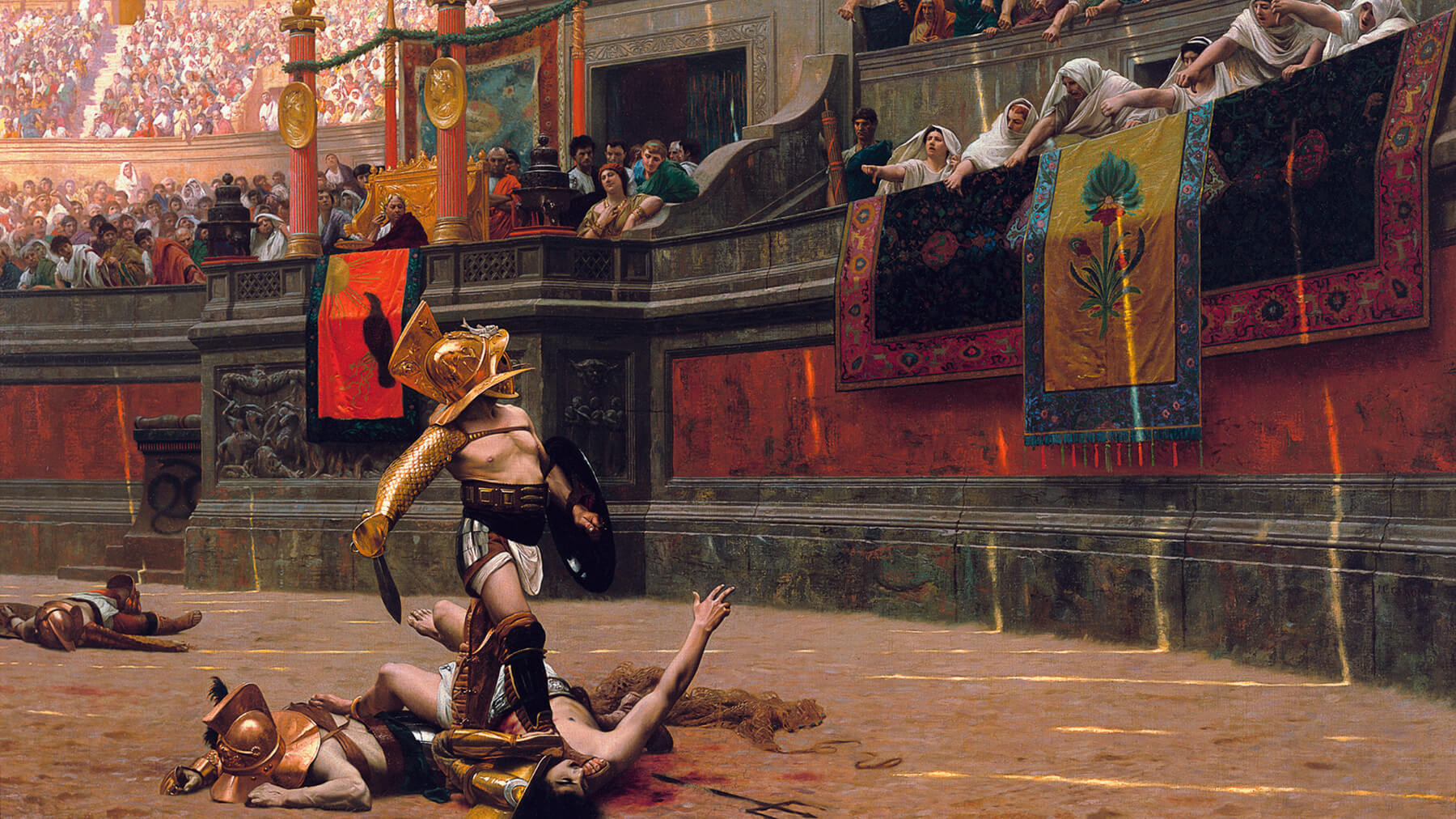
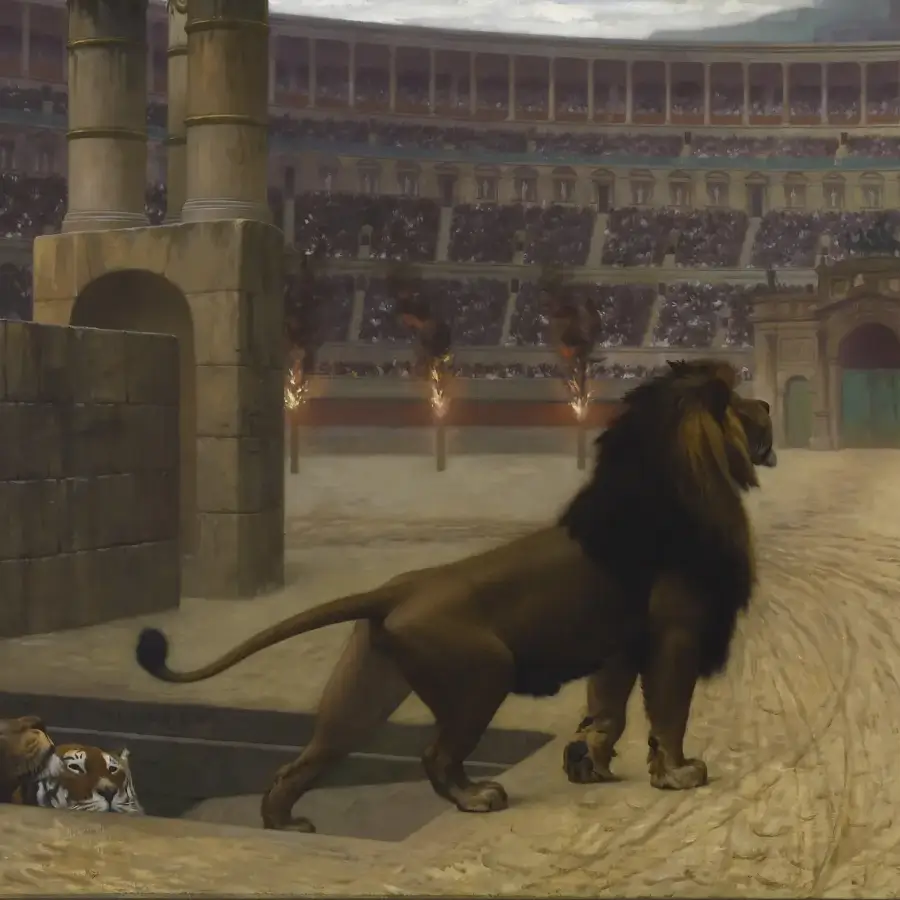
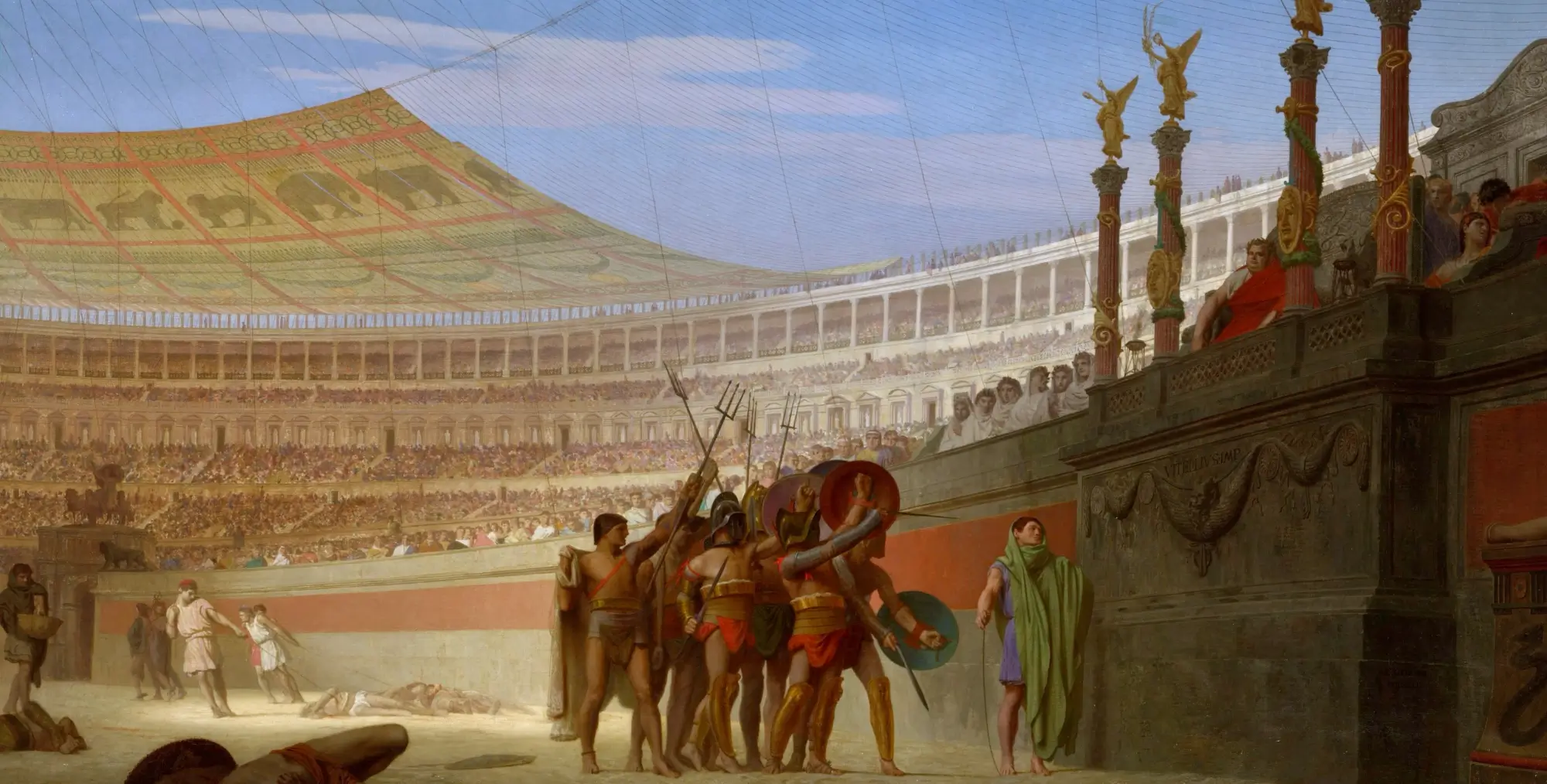
Inside, your guide will explain how the amphitheatre was conceived, built and operated, from its enormous seating capacity and carefully organized entrances to the complex backstage spaces beneath the arena. The games were designed as mass entertainment on a spectacular scale: gladiatorial combats, animal hunts and public executions formed part of programmes that could last for hours or even days.
The people who appeared in the arena had very different lives and backgrounds. Some gladiators were enslaved, others were volunteers who entered the profession for money or status, and a successful fighter could acquire real fame. Behind them stood an enormous workforce of attendants, animal handlers, stagehands and other laborers who made the spectacles possible.
Your guide will separate the popular legends from what we know about the ancient games, while showing you the architectural details that reveal how the building actually functioned. Rather than seeing the Colosseum simply as a monumental ruin, you’ll begin to understand it as one of the most sophisticated spaces ever built for public entertainment.


The Arch of Constantine
Read Rome's history in a monument built from the past
Outside the Colosseum, pause at the Arch of Constantine, erected in the early fourth century to commemorate Constantine’s victory over Maxentius. The monument is particularly revealing because much of its sculptural decoration was reused from earlier imperial monuments, allowing several different periods of Roman history to appear together on a single arch. Your guide will explain how triumphal monuments functioned as political statements, and how Constantine’s victory marked a turning point in an empire that was beginning to look very different from the Rome of the earlier emperors.

The Roman Forum
Walk through the political and religious heart of ancient Rome
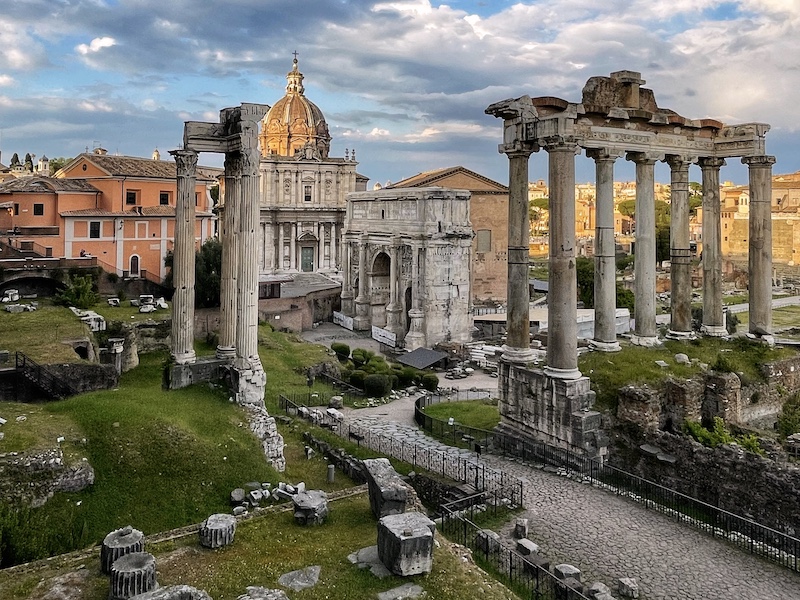
From the Colosseum, continue into the Roman Forum, the valley that became the center of Roman public life. Temples, basilicas, meeting places and monuments once crowded this space, and the surviving ruins still preserve the outlines of a city where politics, religion, commerce and ceremony were tightly intertwined.
Walk along the Via Sacra, the ancient processional road, and explore some of the Forum’s most important monuments. At the Temple of Saturn, learn about one of Rome’s oldest state cults and the public treasury associated with the temple. At the Temple of Caesar, hear the extraordinary story of Julius Caesar’s assassination, funeral and cremation and the political upheaval that followed. The Forum also brings Roman religion vividly into view. At the House of the Vestal Virgins, your guide will explain the extraordinary position these priestesses occupied in Roman society, from their duty to maintain the sacred fire to the privileges and restrictions that governed their lives.
As you move through the ruins, the famous names of Roman history become part of the landscape. This was the world of senators and generals, priests and politicians, but also of the thousands of people who worked, traded and worshipped in the heart of the city. The surviving fragments can make the Forum seem difficult to decipher at first. With your guide, the temples, roads and foundations begin to resolve into a functioning city, and the connections between its monuments become much easier to see.

The Palatine Hill
Climb above the Forum into the world of Rome's emperors
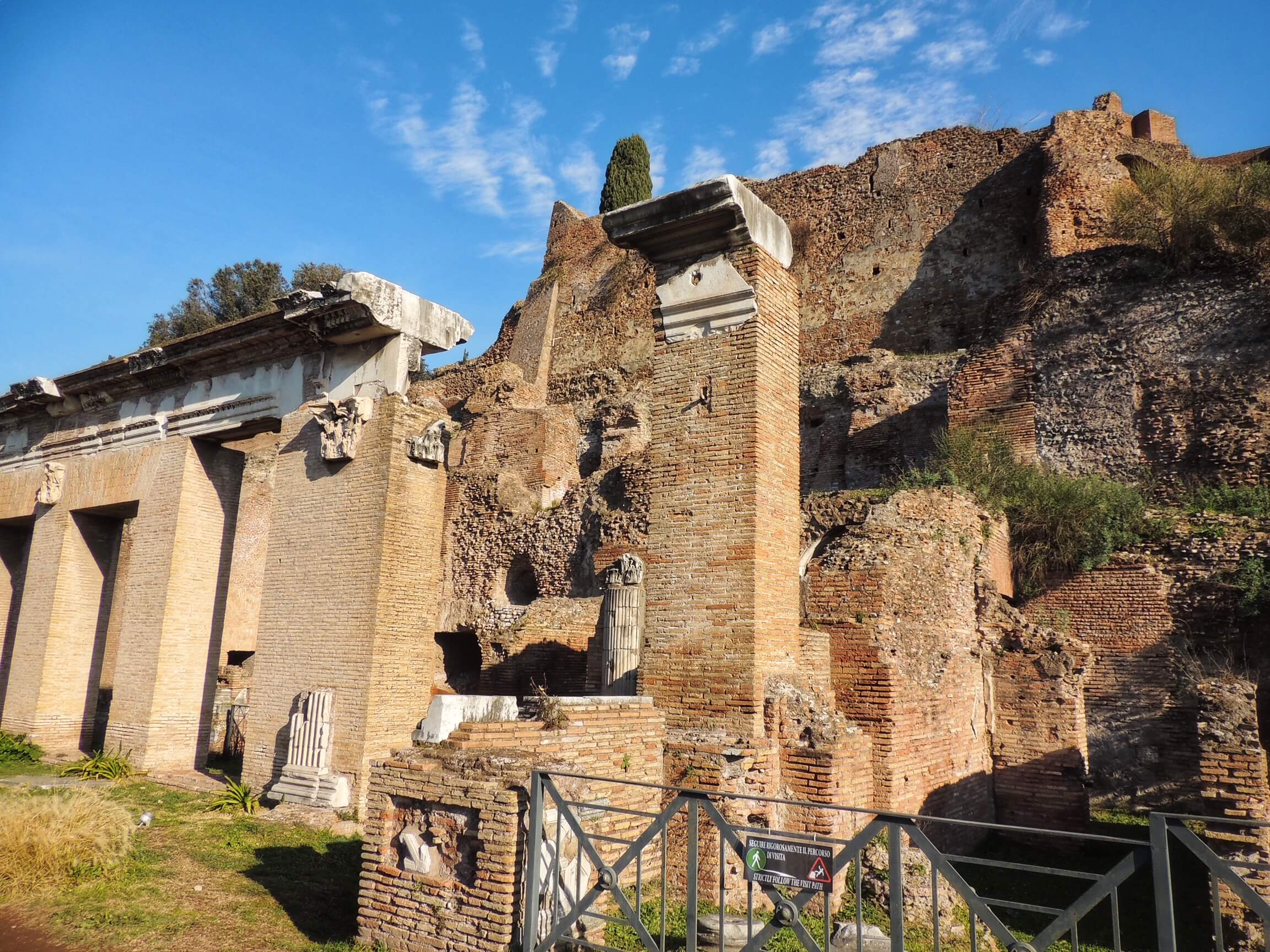
Your tour continues onto the Palatine Hill, where the story of ancient Rome moves from public life to the private and imperial world above the Forum. The hill was occupied from Rome’s earliest period and later became one of the city’s most desirable residential areas. Wealthy Roman families built elegant houses here before Augustus established his residence on the hill and later emperors transformed it on an enormous scale. The name itself eventually became associated with palatial residences in languages across Europe.
Explore the remains of the imperial palace complex, including the Domus Flavia and Domus Augustana, and imagine the scale of the residences built for rulers who controlled an empire stretching across the Mediterranean and far beyond. Your guide will explain how these enormous complexes combined ceremonial rooms, private apartments, gardens, fountains and spaces for imperial administration.
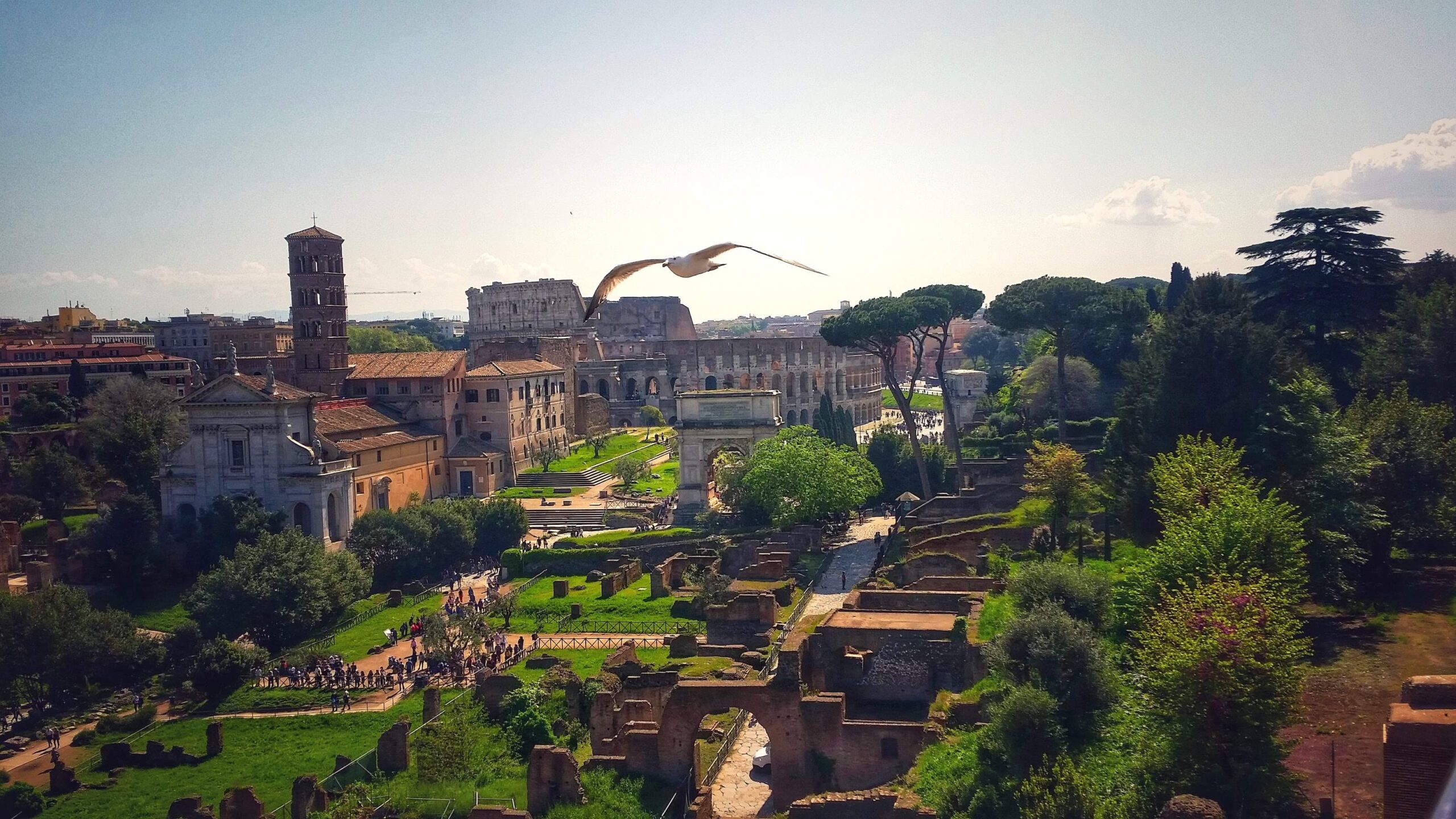
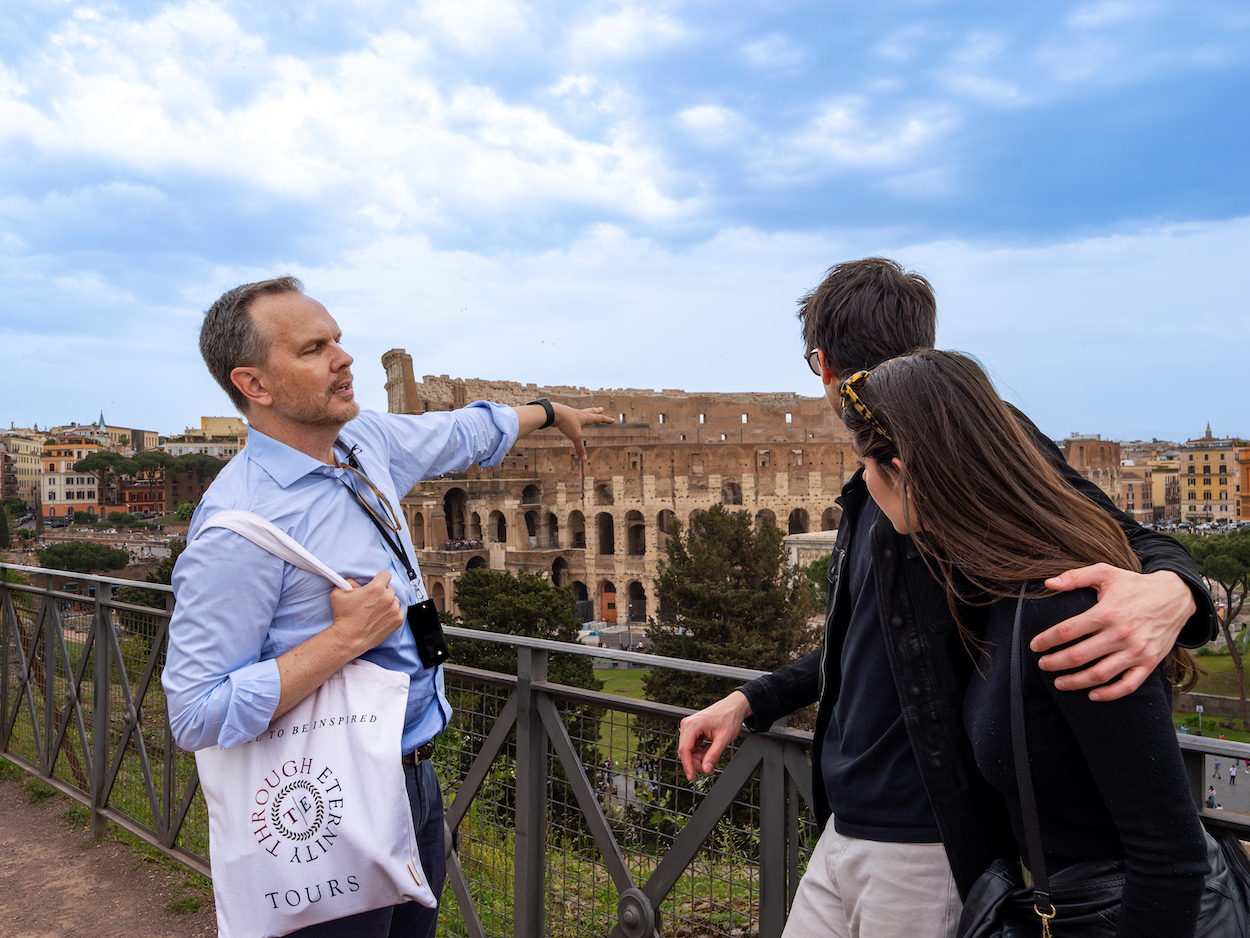
The Palatine also offers one of the great views in Rome. From the hill, the Colosseum, Roman Forum and Circus Maximus fall into a single landscape, making it possible to understand the ancient city spatially as well as historically. Here, the different parts of the tour finally come together. The Colosseum shows how emperors presented power to the masses; the Forum shows where the machinery of public life operated; the Palatine reveals where that power was concentrated at the top.

A Private Guide Makes the Difference
See the ruins with someone who knows how to read them
Ancient Rome is one of those places where seeing more does not necessarily mean understanding more. Columns lie beside broken walls, buildings have disappeared almost completely, and the names of emperors and gods can blur together after a few hours.
With a private guide, the pace and focus are yours. Your guide can spend more time on the subjects that interest you, answer questions as they arise and help turn a huge archaeological complex into a coherent picture of Roman life. Whether you’re fascinated by gladiators, political history, architecture, mythology or daily life, the itinerary can be shaped around what you want to understand.
At the end of three hours, you’ll have explored the Colosseum, Roman Forum and Palatine Hill, but more importantly, you’ll understand how they fit together as the physical and political heart of ancient Rome.

Create Your Custom Journey
Our dedicated team is here to help you design the perfect trip. We’re happy to assist every step of the way.
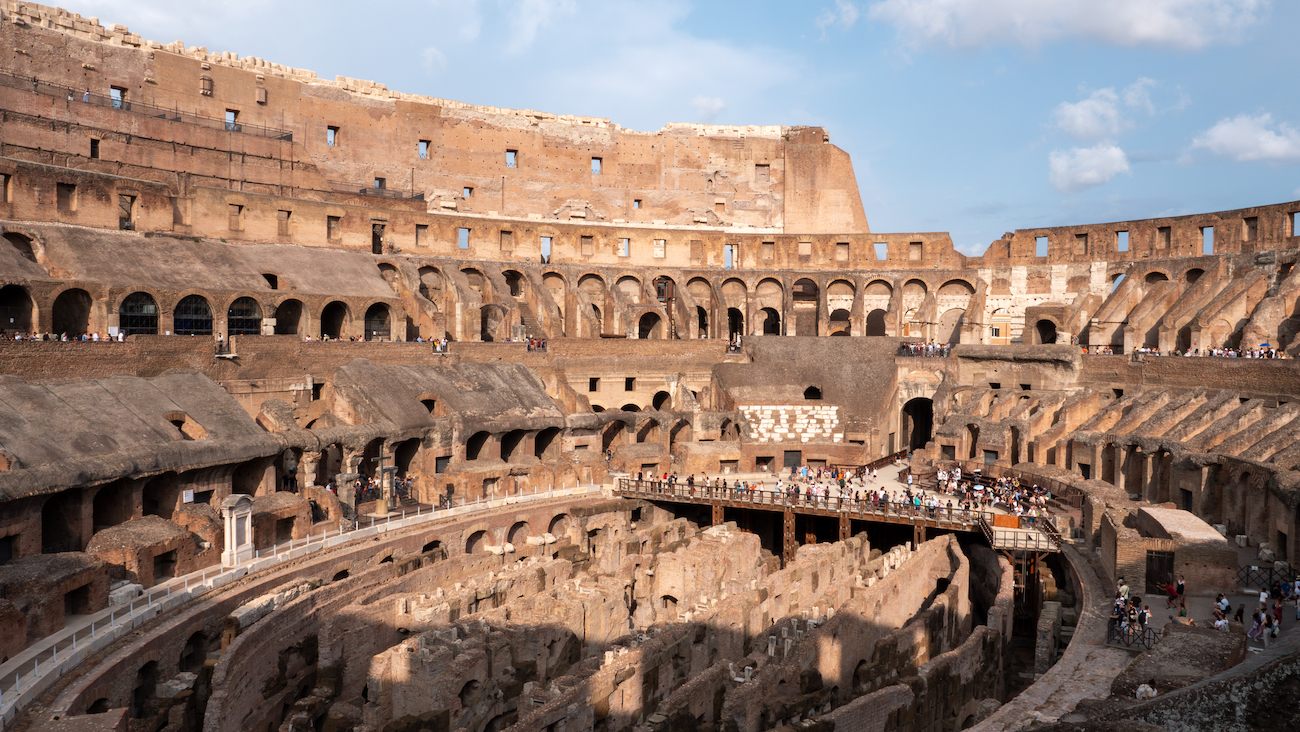
The Colosseum, also known as the Flavian Amphitheatre, is an extraordinary structure built in the 1st century AD. It was capable of seating over 65,000 spectators and famously hosted gladiatorial combats, wild animal hunts, and public executions.
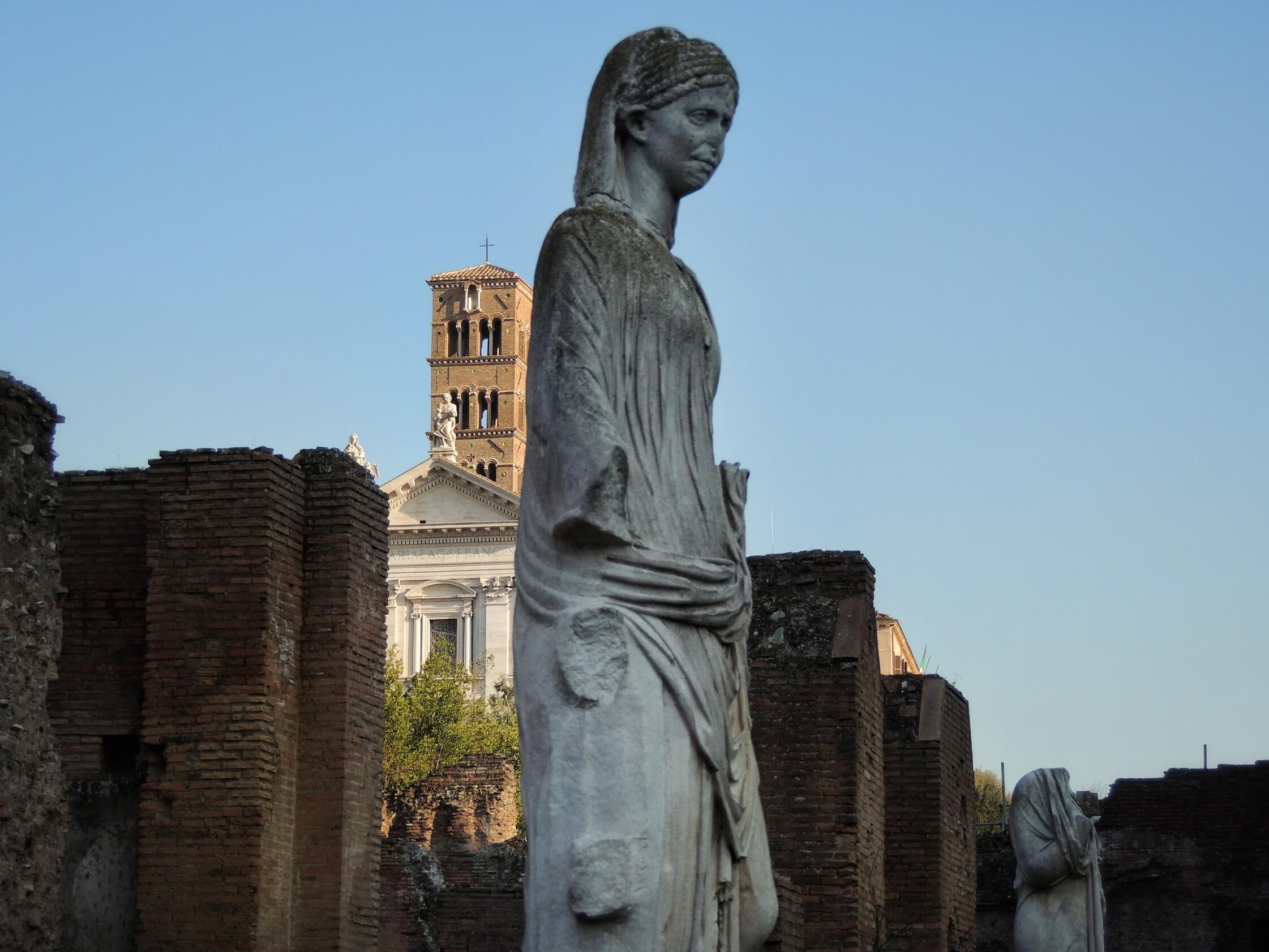
Home to the priestesses who kept Rome’s sacred flame burning, this residence in the Forum once held beautiful gardens, statues, and pools.
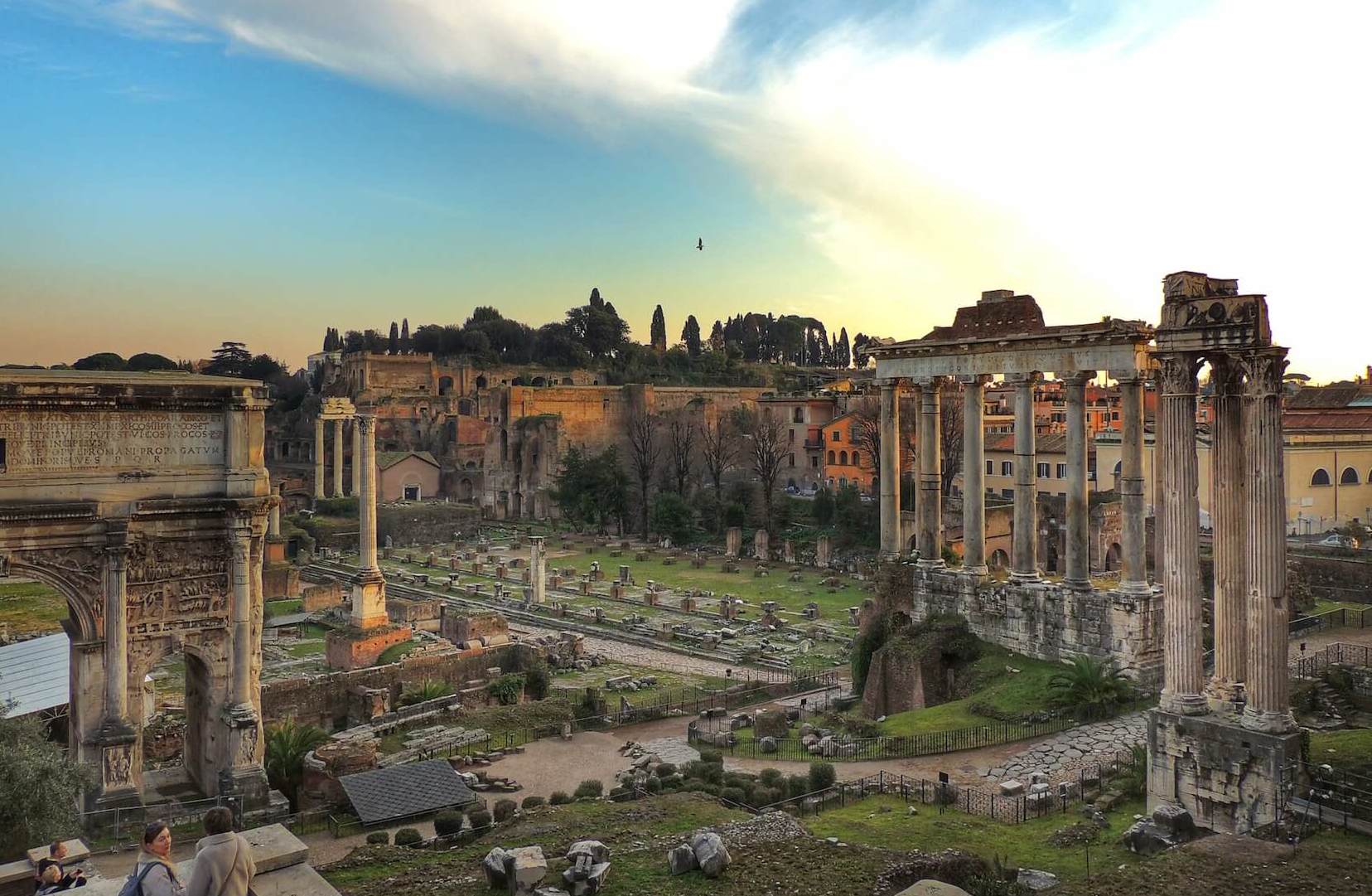
Famous for its towering columns, this ancient temple honoured Saturn and doubled as Rome’s treasury, holding the wealth of an empire.
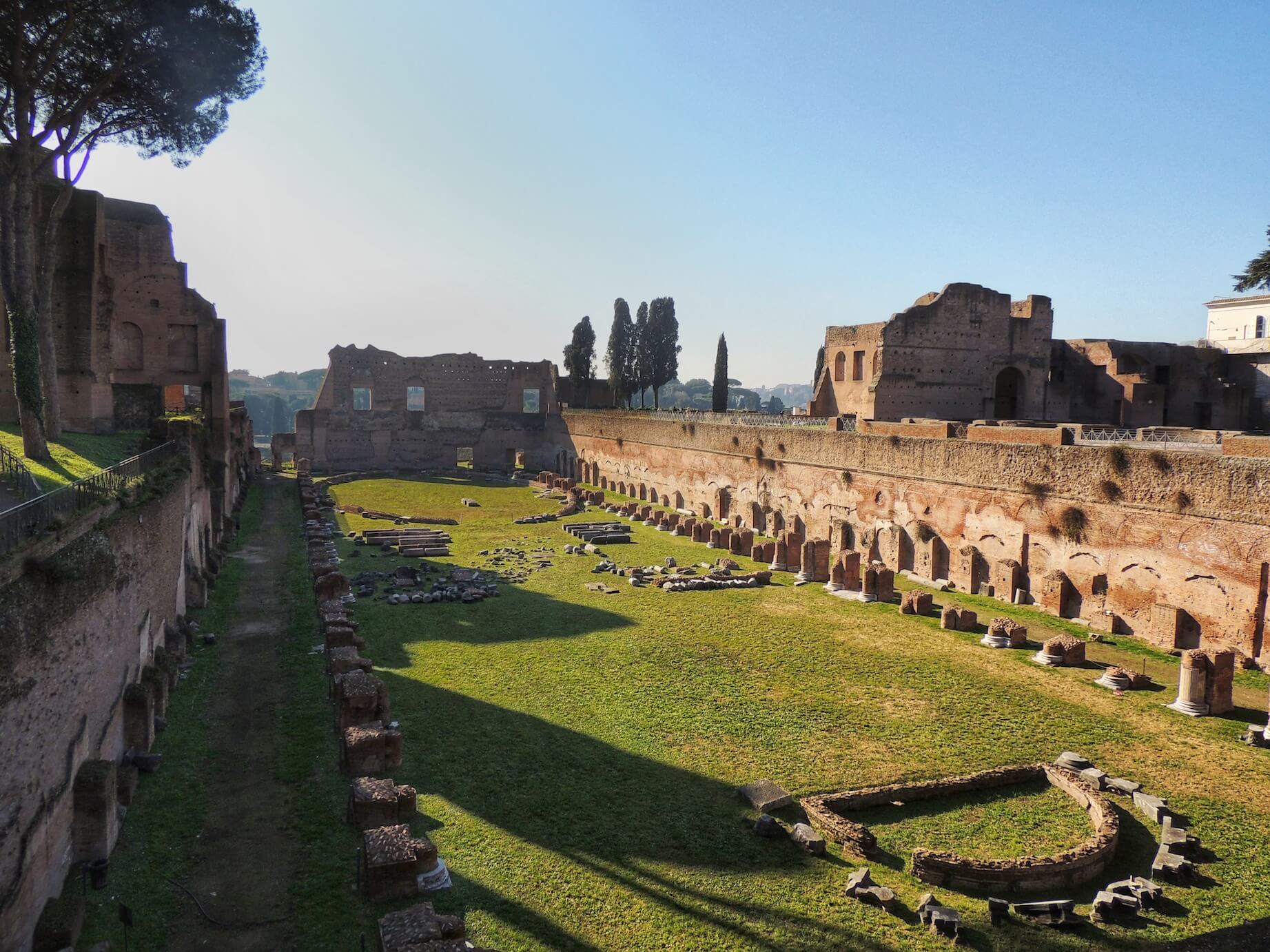
This vast palace on the Palatine Hill, with its own private racetrack, illustrates the grandeur of the emperors’ residences and offers spectacular views over the Circus Maximus.
What Our Guests Are Saying
No reviews are currently associated with this tour.
Private Colosseum Tour FAQ
No. This is our essential private Colosseum experience, covering the main Colosseum visit together with the Roman Forum and Palatine Hill. Arena Floor access is available on our dedicated [Colosseum Arena Floor Private Tour].
Your private expert guide, expedited entry to the Colosseum, Roman Forum and Palatine Hill, and headsets for groups of six or more are included. The tour is exclusively for your group rather than shared with other visitors.
Yes. A private tour allows your guide to adapt the pace and storytelling to your group, making it easier to keep younger travelers engaged and to spend more time on the parts of ancient Rome that interest them. The Colosseum, Roman Forum and Palatine Hill involve substantial walking on uneven archaeological terrain, so comfortable footwear is recommended.
The itinerary covers the Colosseum, Roman Forum and Palatine Hill, but because the experience is private, your guide can adjust the emphasis according to your interests and questions. Let us know what you’re most interested in when booking, and we can help you choose the most suitable experience.
Other Tours You May Like…
Private
Discover More