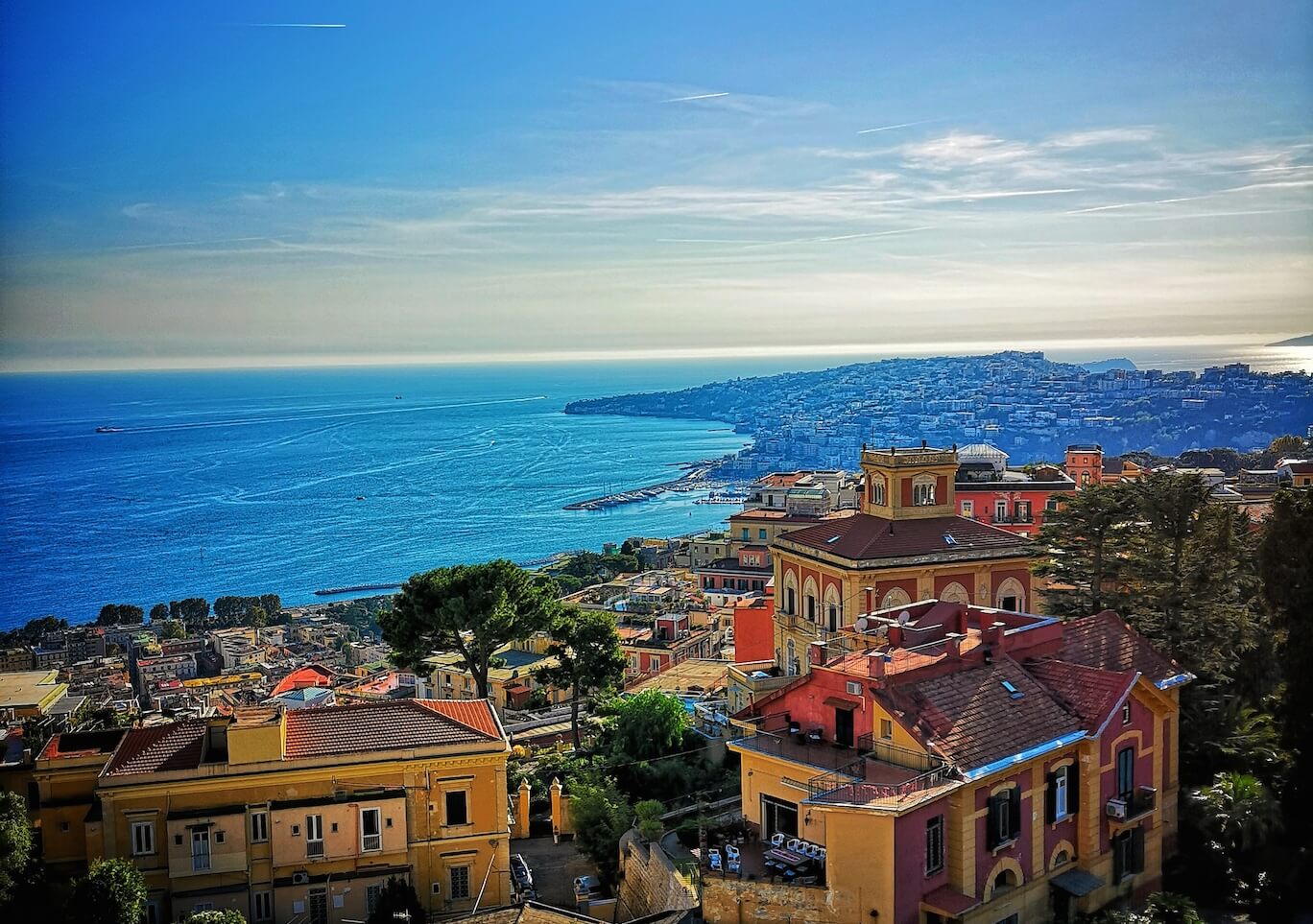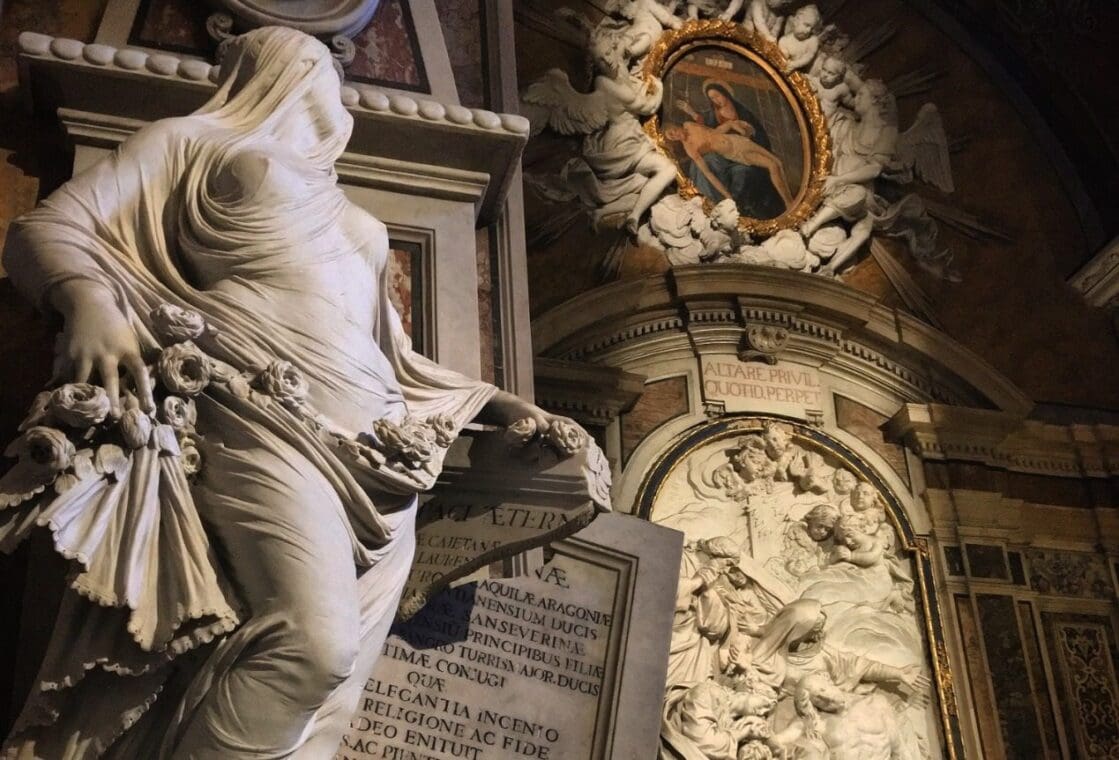
Hidden away in the beguiling jumble of streets that forms the beating heart of Naples' historic centre, the Cappella San Severo is a wonderful showcase of everything that makes the city so fascinating.
Part temple to the richness of contemporary art, part anatomical museum and part didactic lesson in enlightenment thinking, the chapel was the obsession of one of Naples’ most intriguing characters, the 7th Prince of Sansevero.
A renowned inventor and philosopher, when Raimondo inherited the chapel it was no more than a conventional family shrine, a place for prayer and burial. Wishing to create somewhere that would ensure his lasting legacy, the prince initiated a complete overhaul and today the Cappella exists as a defining statement of the various strands of his prolific intellect.
Naples Tours
Explore the Secrets of the Parthenopean City
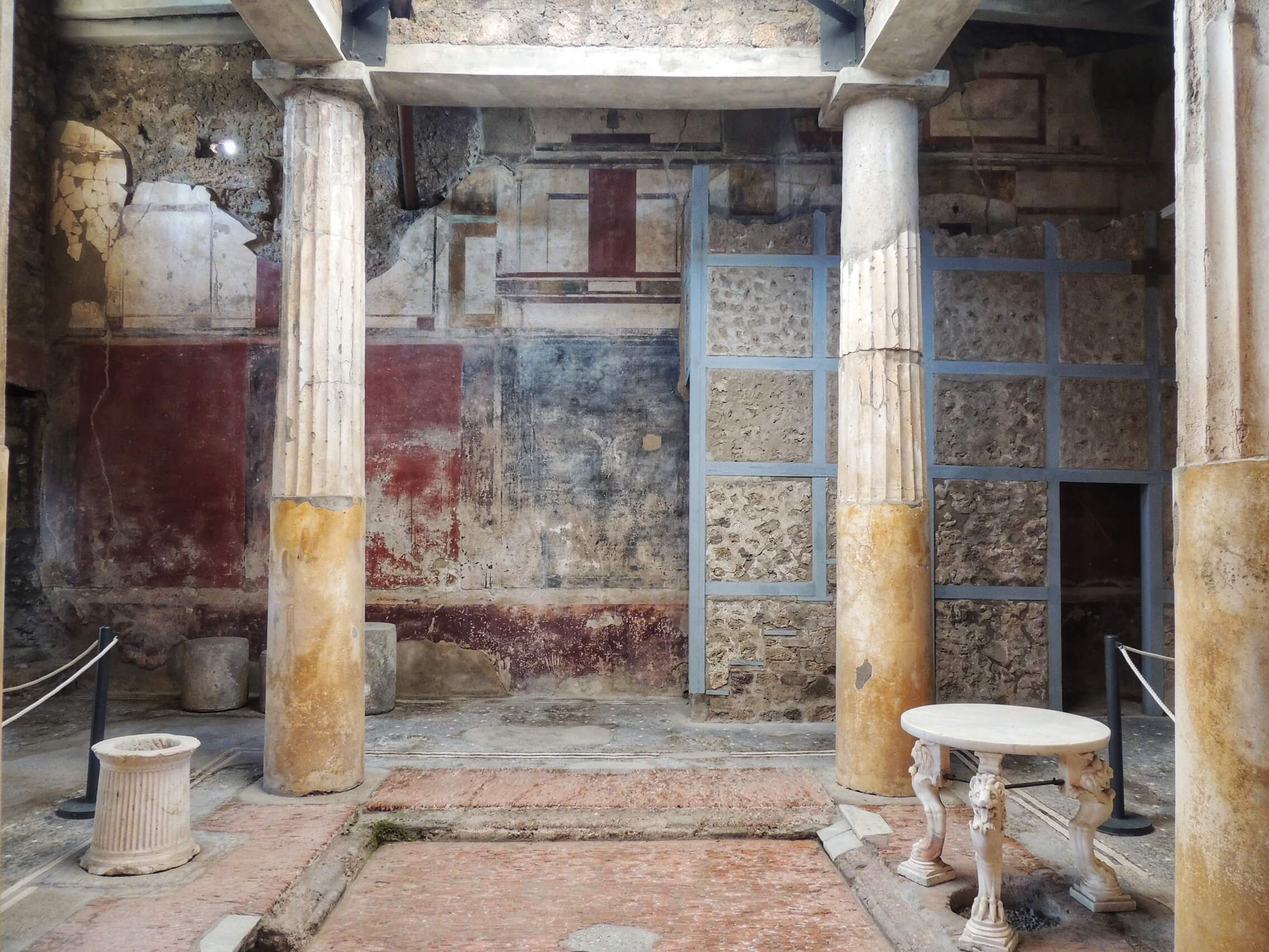
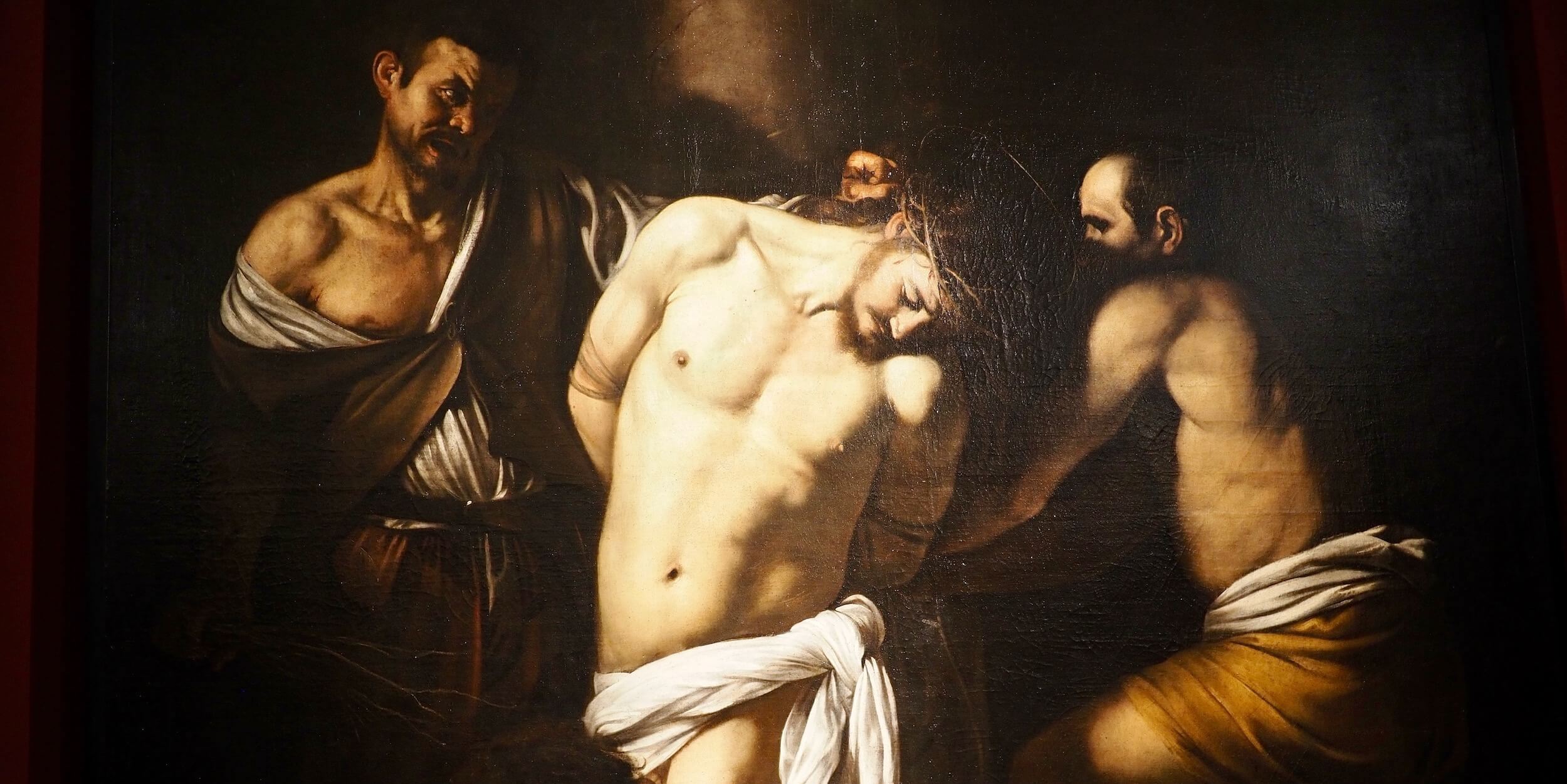
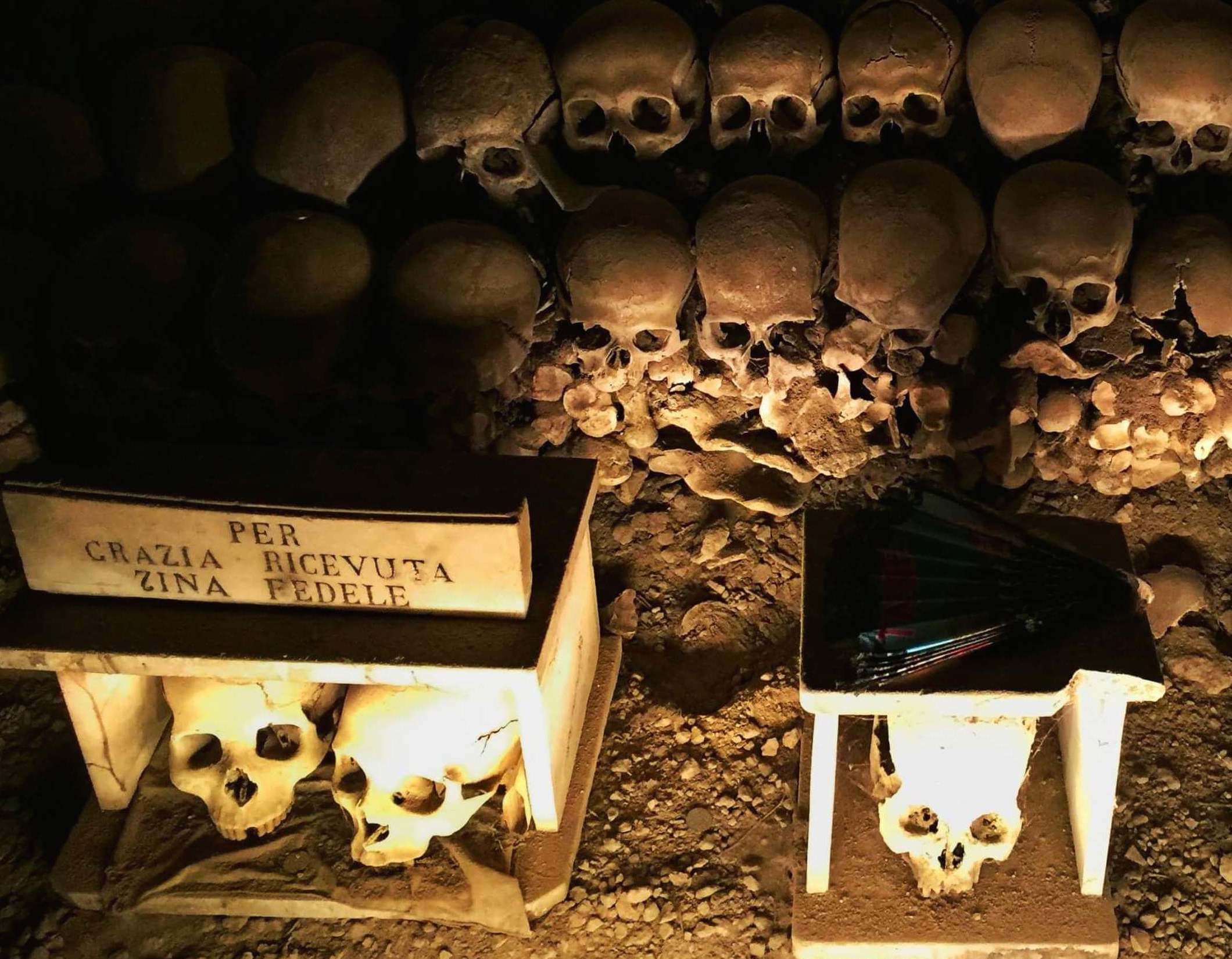
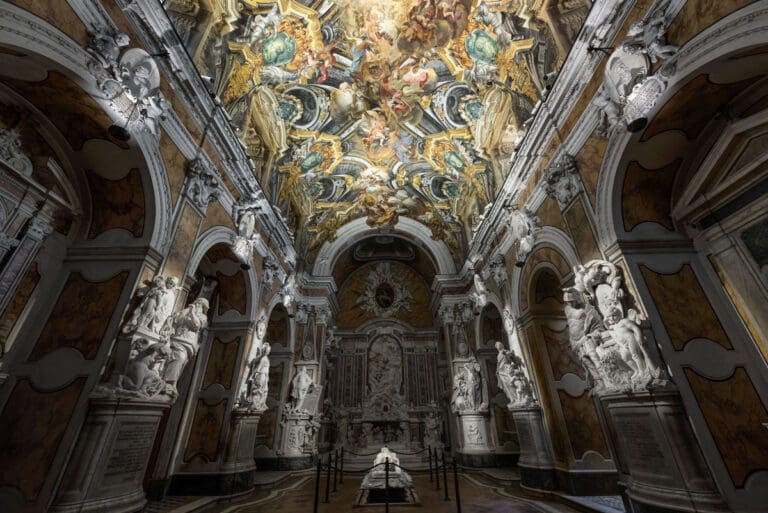
Sculptures fill every gap and recess of the chapel’s walls, each a complex exploration into the nature of knowledge itself. The elaborate and learned iconographic scheme was wholly conceived of and designed by the prince, and sketches out his understanding of the path the rational mind must take towards enlightenment. But there was far more to Raimondo than abstract philosophical ruminations.
Descend into the darkness of an underground chamber beneath the chapel, and the controversial nature of the Prince’s explorations into the natural world are brought vividly to the fore. Raimondo’s engagement with the nascent modern sciences on the one hand and his very contemporary fascination with the exciting possibilities of alchemy on the other form the backdrop to the extraordinary sight of two human skeletons, whose circulatory systems have been preserved in livid reds and blues with remarkable and disquieting accuracy.
These “anatomical machines” were the subject of wild rumours in 18th century Naples. Raimondo jealously guarded the methods he used to obtain such astounding results. At a time when the relationship between science and magic was a highly ambiguous one, this veil of secrecy naturally led to speculation that his projects were far from wholesome. According to popular legend, Raimondo had injected molten metal into the veins of his still living specimens to preserve for all time their living anatomy. Modern scientific analysis has finally discredited the gruesome theory – the hyper-realistic veins and arteries are nothing more than silk, wire and beeswax. Nonetheless, Raimondo did little to quell such gossip, apparently content to maintain his quasi-mystic status in the minds of his contemporaries.

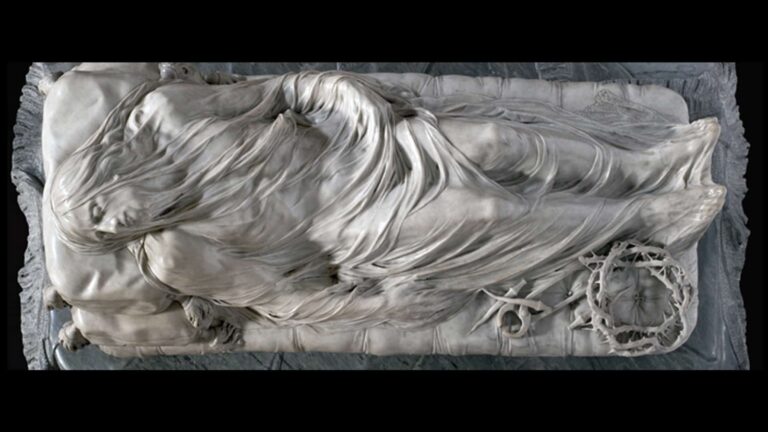
Returning to the light of the chapel above, it is fitting to end with the Cappella’s most enduring masterpiece. Dominating the chapel is the magisterial Veiled Christ, a plane of marble seemingly caught in a perpetual wind in the otherwise absolute calm of the chapel. Conjured from a single marble block by Giuseppe Sanmartino in 1753, the almost diaphanous stone veil that covers Christ from head to foot compels us to look more closely, to search for the body obscured underneath.
What we discover is a lifeless corpse carved with almost unbearable attention to detail, each tormented vein and bone rendered with a minute and aching delicacy. The shroud is paradoxically both a barrier distancing the viewer from the truth of Christ’s suffering and also an encouragement to engage more closely with it.
This subtle play on the nature of knowledge and revelation could hardly be a more apt summation of the Prince and his intellectual legacy. Knowledge, whether theological or philosophical, is not necessarily something that comes easily. Nevertheless, the road to enlightenment is reflected all around us. Shrouded, perhaps, in a veil that masks it, but ever attainable to the seeking and penetrating mind, to minds like that of the Sansevero Prince.
Visit Naples