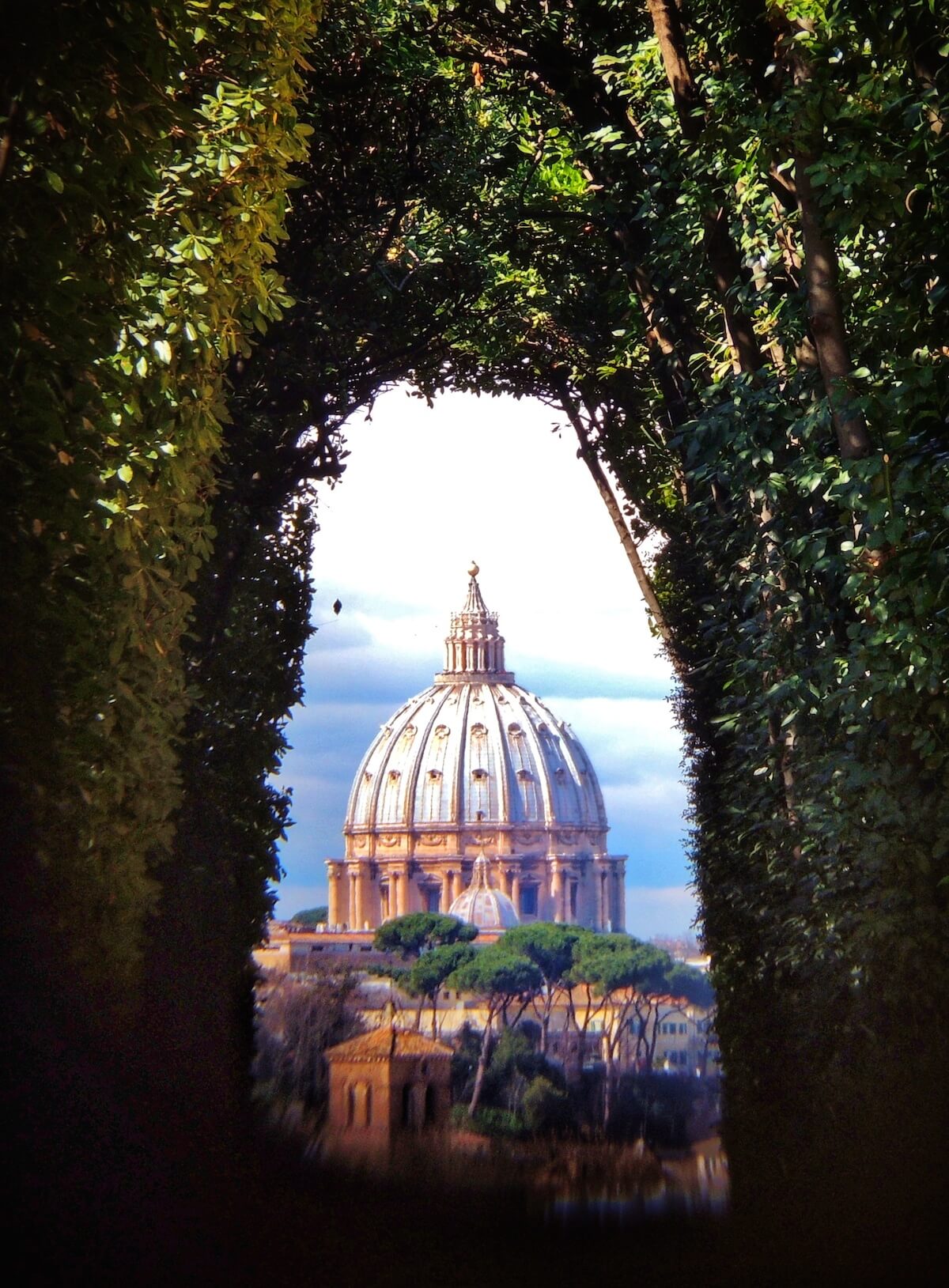
The Knights of Malta keyhole is a small opening in a green door atop Rome’s Aventine Hill, framed to show the dome of St. Peter’s floating above a garden path. The same glance lines up three sovereign territories: the Order of Malta, Italy, and the Vatican. It costs nothing to look, and since the door opens onto a public piazza, the view is there at any hour.
Rome rewards the curious. Its greatest treasures are not always announced in museums or papal basilicas; sometimes they are hidden in plain sight, behind a plain green door on a sleepy hilltop piazza. Climb the Aventine Hill to the entrance of the Villa Magistrale of the Knights of Malta, press one eye to the keyhole set into the monumental door, and prepare to be astonished.
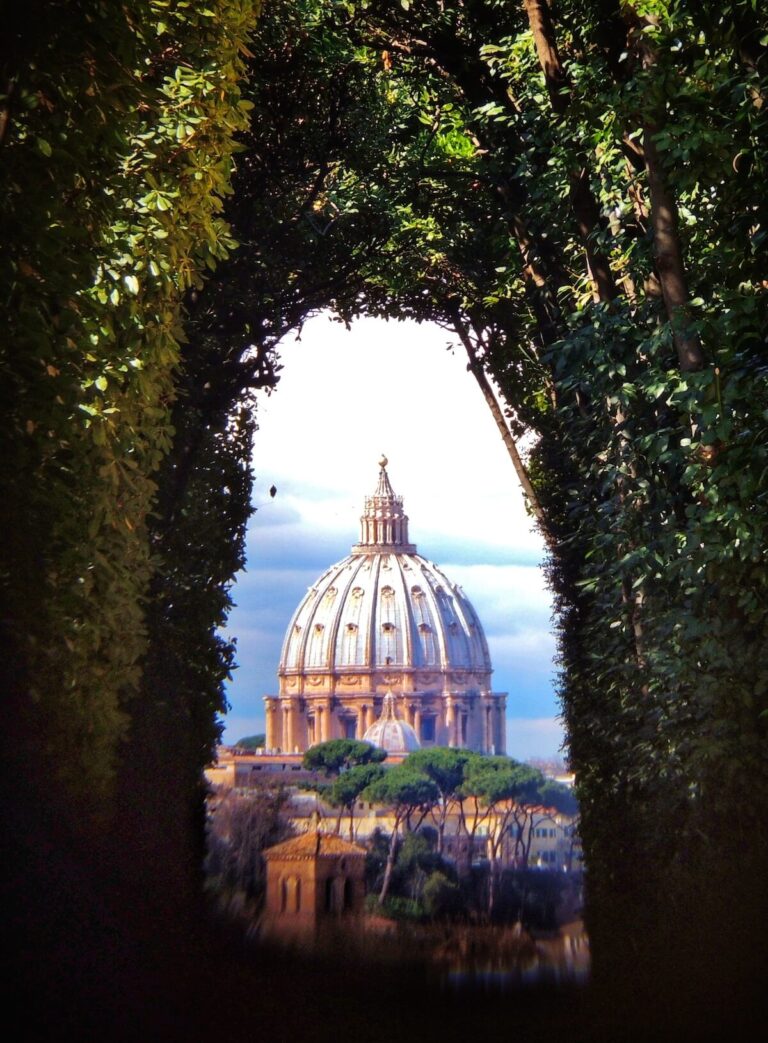
Framed at the far end of a long tunnel of clipped hedgerow, Michelangelo’s dome of St. Peter’s appears to float impossibly close, as though conjured there by some trick of time and space. It is one of the most quietly theatrical views in all of Europe, and almost nobody who experiences it forgets it.
The view has another dimension that is easy to miss. As you squint through that keyhole, you are looking simultaneously at three separate sovereign territories: the garden of the Knights of Malta (whose estate here enjoys extraterritorial status under international law, making it technically Maltese soil), Italy, and the Vatican — all visible in a single glance without moving an inch. Only Rome could offer a thing like that.
Rome Tours
Explore a Hidden Side of The Eternal City
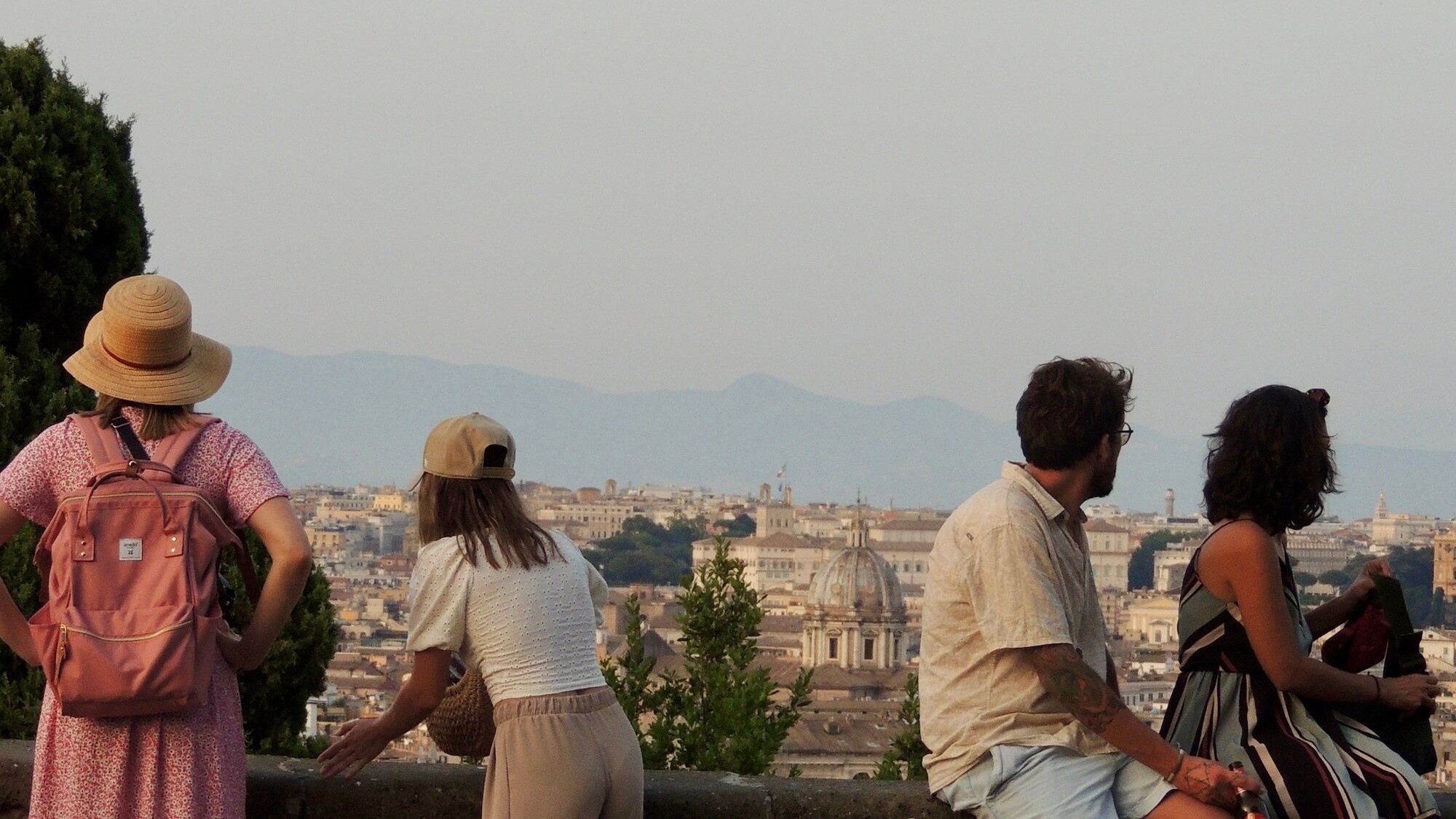
The Aventine Hill & A Secret View
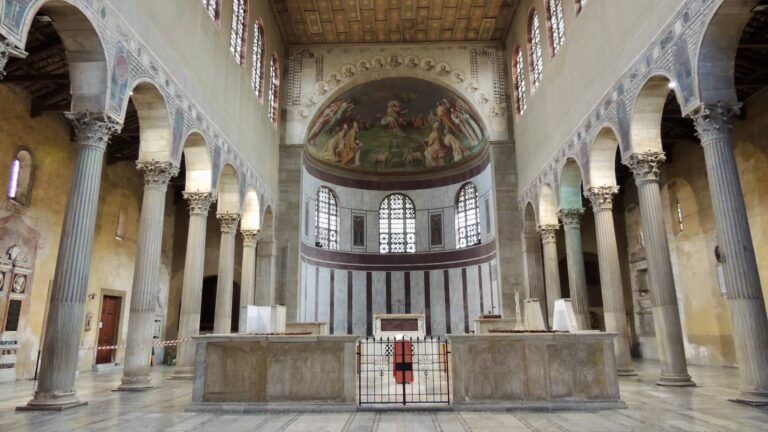
The Aventine is one of Rome’s original seven hills, and one of the most rewarding for the visitor who is willing to leave the tourist trail behind. The steep climb from the Circus Maximus leads past the exquisite early-Christian church of Santa Sabina — one of the oldest in Rome, its fifth-century carved wooden doors containing what is believed to be the earliest known depiction of the Crucifixion anywhere in the world — and the Garden of Oranges, beloved by Romans for its unbeatable views over the city at sunset. Continue along the narrow road as it makes its way toward the top of the hill, and you arrive at the elegant Piazza dei Cavalieri di Malta.
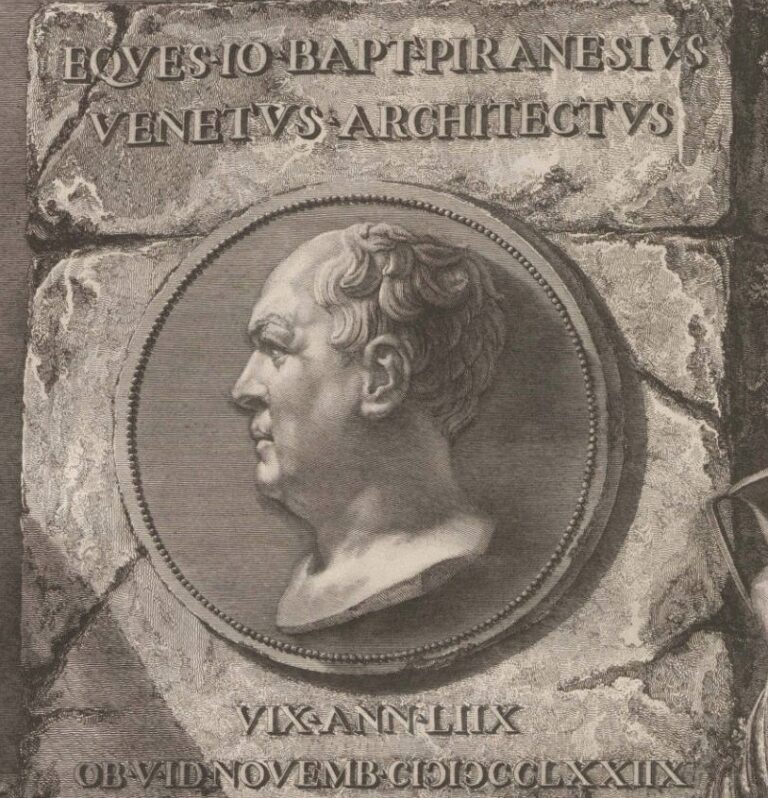
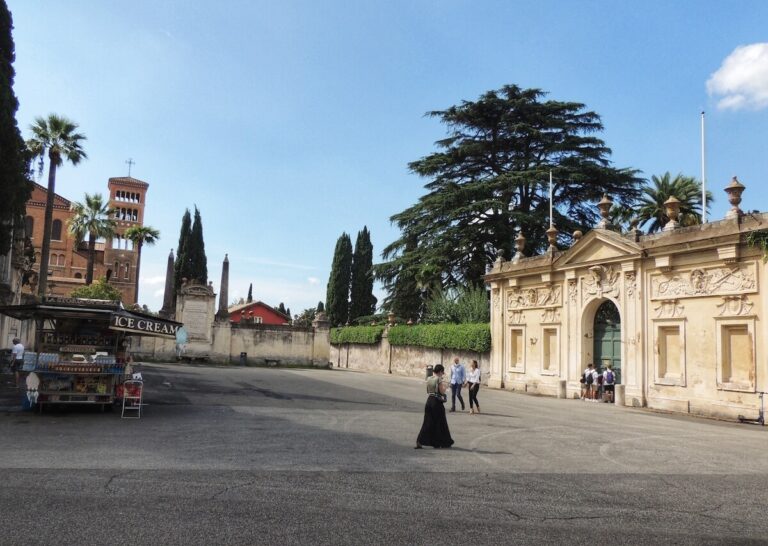
It is a peculiarly quiet and self-contained corner of the city, enclosed by walls decorated with classical motifs, heraldic shields, weapons, and ceremonial obelisks. This unusual piazza — considered the only major urban design work executed by the great Venetian architect and engraver Giovanni Battista Piranesi — was laid out in 1765 and is rich in esoteric symbolism. Piranesi built it around an ancient legend that compared the Aventine Hill to a sacred ship poised to sail toward the heavens: the obelisks on the walls represent masts, the manicured hedgerows beyond the door are the ship’s rigging, and the church within serves as the vessel’s deck.

The Priory of the Knights of Malta
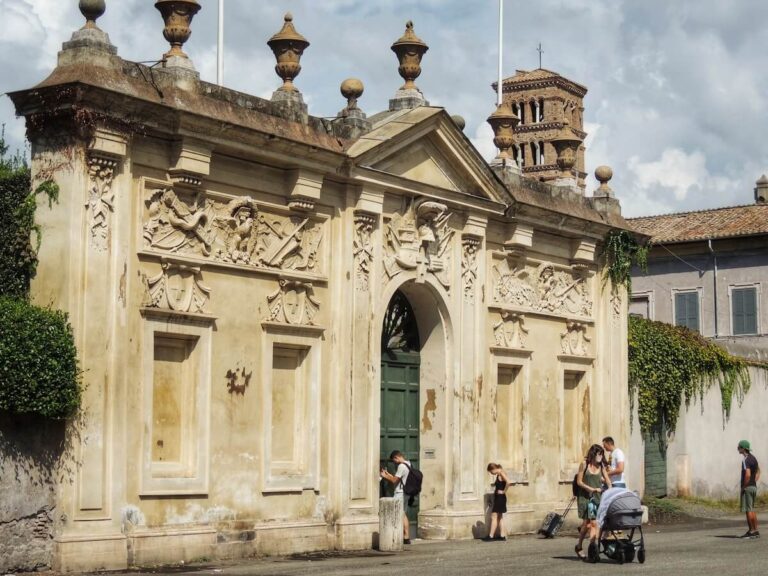
Before the Knights of Malta set up their Roman headquarters here, the scenic hilltop had a long and eventful history. The first fortified structure on the site belonged to Alberic II, who ruled Rome as prince from 932 to 954 and was one of the most powerful political figures of his day.
After his death, the property passed to the great Benedictine reformer Odo of Cluny, and later — given the strategic hilltop location — to the Knights Templar, who held it until their brutal suppression by Pope Clement V in 1312.
As heirs to much of the Templar legacy and spiritual rivals of the now-defunct order, it was natural that the Knights Hospitaller — the crusading order founded in Jerusalem in the eleventh century, and known today as the Knights of Malta — would eventually find their way to the Aventine.
They have had a priory here since the fourteenth century, and the Villa Magistrale remains their headquarters in Rome to this day, with full diplomatic status as a sovereign entity under international law.
For a brief and tumultuous moment in 1608, the roster of knights included one Michelangelo Merisi da Caravaggio — admitted in July of that year, expelled in disgrace by December, after being imprisoned for violently wounding a senior knight in a brawl. The Order of Malta’s roll-call contains many distinguished names; few tenures were more colorful, or more briefly held, than his.
Through the Keyhole
The Villa’s present appearance is owed primarily to Piranesi, who undertook a comprehensive redesign of the entire complex in the second half of the eighteenth century, commissioned by Cardinal Giambattista Rezzonico, nephew of Pope Clement XIII.
Piranesi was by this point internationally famous as the engraver of Rome’s monuments and ruins, his atmospheric prints circulating across Europe in the portfolios of every Grand Tour traveler.
Yet despite his extraordinary reputation, he completed very few actual buildings as an architect; the neo-classical church of Santa Maria del Priorato, contained within the Villa complex, is his only large-scale architectural work. He died in Rome in 1778 and was buried within the church he built — one of the more fitting epitaphs in architectural history.
Flanking the entrance to the Villa from the adjacent piazza is an elaborate gateway decorated with classical and heraldic motifs. Set into this screen is the famous green door, its brass keyhole seemingly unremarkable until you put your eye to it.
The alignment you discover — St. Peter’s dome floating in perfect symmetry at the end of the garden’s central avenue, framed by two rows of precisely clipped laurel — is generally attributed to Piranesi’s deliberate design, though some have argued the effect is a happy accident, discovered rather than planned.Either way, whether the result of genius or good fortune, the view through the keyhole is extraordinary: the distant cupola appears to float impossibly close, a monument at once familiar and transformed. No photograph does it justice.
Two things are worth separating here. Looking through the keyhole costs nothing and needs no arrangement at all: the door faces a public piazza, and the queue on a given morning is short and moves quickly. Entering the Villa Magistrale and walking the garden itself is a different visit entirely, arranged by appointment through the Sovereign Order of Malta and generally limited to Friday mornings.
 Visiting Secret Rome

The keyhole is one of dozens of such quietly extraordinary moments tucked into Rome’s back streets and hilltops, and a good guide is what strings them together into a single walk. Our Rome Off the Beaten Path Tour traces a similar seam of hidden Rome in small, private groups, while our Hidden Rome Private Tour climbs the Aventine itself and stops at this very keyhole along the way.
How to Visit the Knights of Malta Keyhole
The famous Knight of Malta keyhole is set into the green door of the Villa Magistrale on Piazza dei Cavalieri di Malta, at the top of the Aventine Hill. Looking through the small opening is free, with no ticket or reservation required. The piazza is a public square, and the entrance can be reached at any time of day. The villa and garden beyond the door are different: they belong to the Sovereign Order of Malta and are accessible only by appointment on limited occasions.
Getting There and When to Go
The simplest route to the Aventine Hill is Metro Line B to Circo Massimo, followed by a 10- to 15-minute walk uphill. The route passes the Circus Maximus and the Orange Garden before reaching the entrance to Piazza dei Cavalieri di Malta. Buses along Via del Circo Massimo and Via di Santa Sabina can shorten the walk, but the final stretch to the piazza is on foot.
The Malta keyhole door has no opening hours of its own. It stands in a public square, so the views are available throughout the day and into the evening. Early morning is the best time to avoid the longest queues, while the softer light makes the dome of St. Peter’s particularly clear. At sunset, the scene is more dramatic but the wait is usually longer.
Seeing the Villa Magistrale Gardens
Looking through the Knights Malta keyhole door and entering the garden beyond it are two separate experiences. The famous opening gives you a view towards St. Peter’s, with the dome framed neatly at the end of a long avenue. The scene is unusual because the view takes in both Italy and the Vatican from a single point on the Aventine.
The Villa Magistrale itself is the institutional headquarters of the Sovereign Order of Malta. Public access is limited, with guided visits generally offered on Friday mornings by prior appointment through the Order. Places are small in number, so anyone hoping to walk through the garden rather than simply look through the knight of Malta keyhole should arrange a visit well in advance.
For most visitors, however, there is no need to go further. The essential view is right there at the door: a small opening, a carefully framed dome, and one of Rome’s most distinctive views.
Knights of Malta Keyhole FAQs
What do you see through the Knights of Malta keyhole?
Looking through the Malta keyhole, you see St. Peter’s dome at the end of a long garden avenue, neatly framed by the hedges and entrance to the property. The alignment creates the illusion that the dome is much closer than it really is. The view extends towards the Vatican across the rooftops of Rome.
Where is the Knights of Malta keyhole in Rome?
The Knight of Malta keyhole is on Piazza dei Cavalieri di Malta, at the top of the Aventine Hill. It is set into the green entrance door of the Villa Magistrale, the Roman headquarters of the Sovereign Order of Malta. The famous view can be seen without entering the property itself.
Is the Knights of Malta keyhole free to visit?
Yes, looking through the keyhole is free of charge, as it is located on a public piazza. There is no ticket or reservation for the keyhole itself, although you may have to wait briefly during busy periods. Access to the villa and garden is separate and requires an appointment.
What is the best time of day to visit the keyhole?
Early morning is generally the best time to visit, when the piazza is quieter and queues are shorter. The keyhole is accessible throughout the day and does not have its own opening hours. For warmer light on the dome, late afternoon can be particularly attractive, although this is also when more visitors tend to arrive.
Why is the view through the keyhole so precisely aligned?
The view was deliberately designed around the garden’s central axis, which draws the eye towards St. Peter’s dome. The arrangement is often associated with Piranesi, who worked on the property in the eighteenth century, although the exact history of the sightline is less certain than the legend suggests. The result is an unusually effective visual trick, enhanced by the extraterritorial status of the property and its position between Rome and the Vatican.

Rome Tours
Discover the Magic of the Eternal City