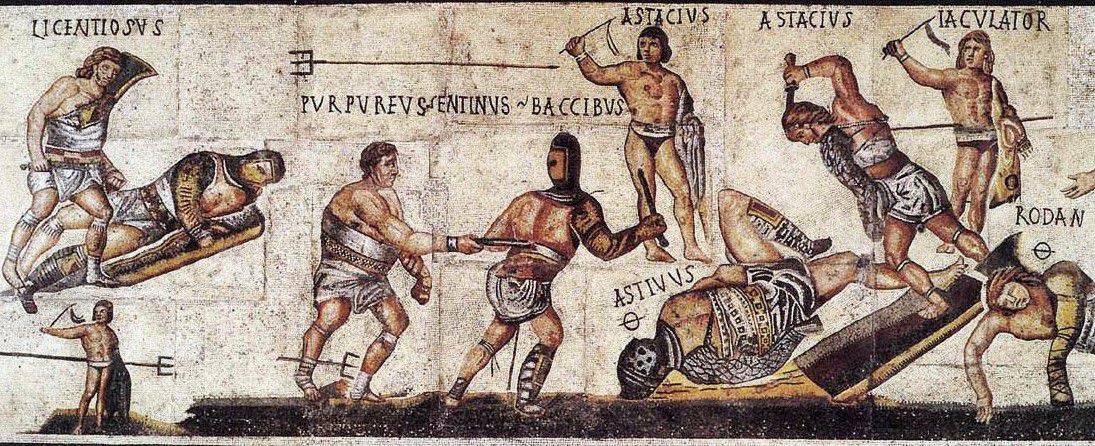
Almost twenty-five years ago, when I first lived in Rome, I gave myself a freelance writing assignment that seemed to write itself: gladiator school.
I spent two months training twice a week, learning highly choreographed fight sequences that we later performed for crowds around the city.
In the ancient amphitheater at Sutri, just north of Rome, I once staged my own death in front of around a thousand people — while prone on the sand, desperately trying to pull a one-size-fits-all tunic over my underwear.
I read widely about gladiators, too, particularly Daniel Mannix’s vivid and engrossing 1958 book Those About to Die — later republished as The Way of the Gladiator — which conjures the world of the Roman arena with extraordinary immediacy.
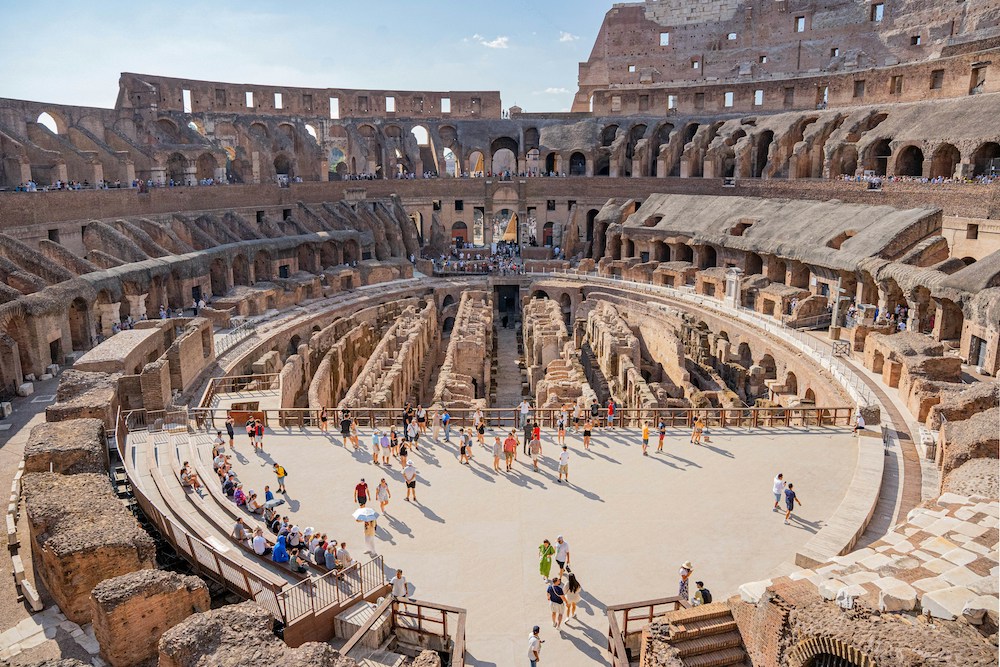
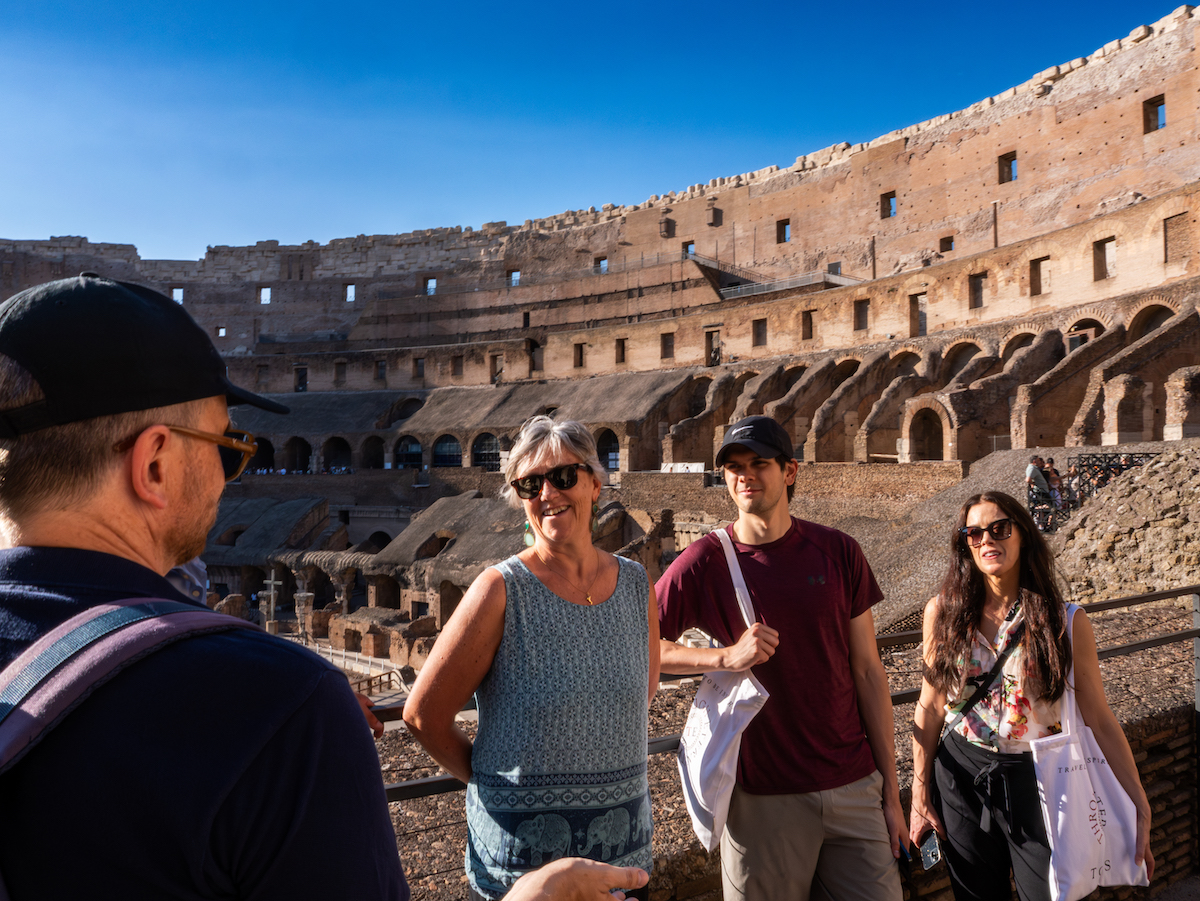
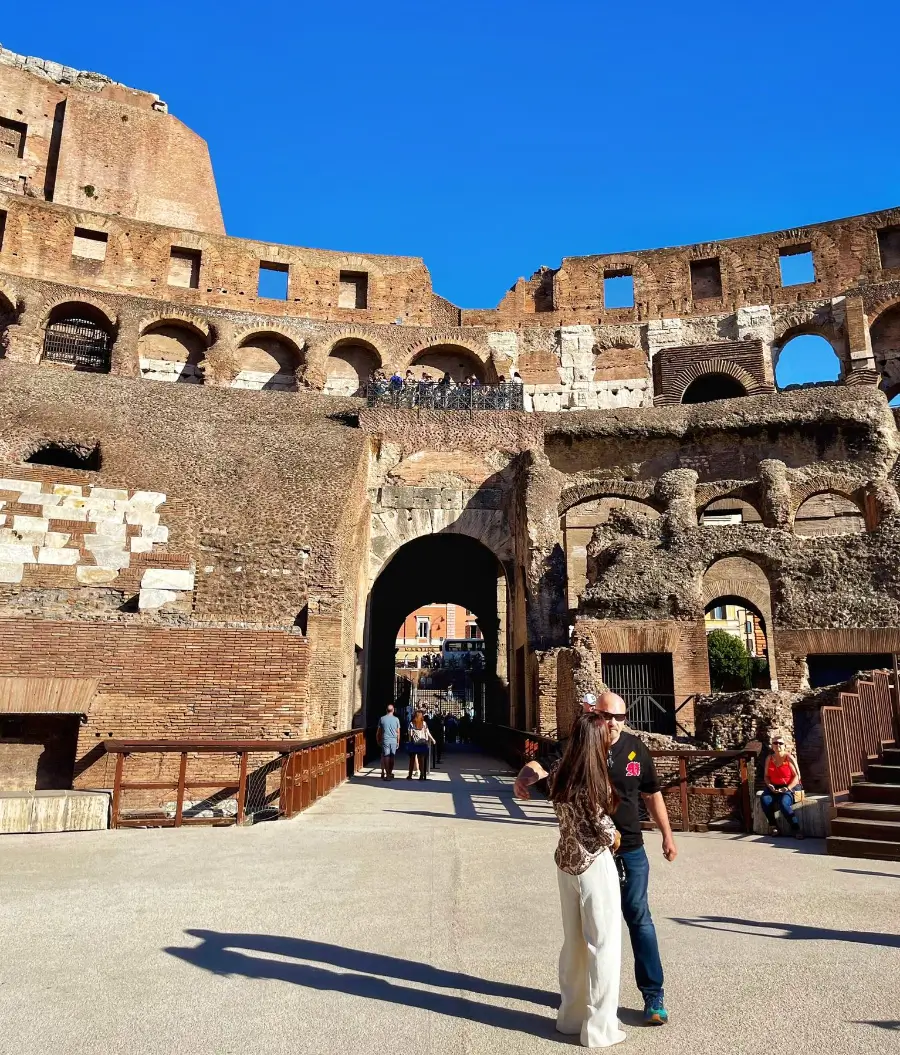
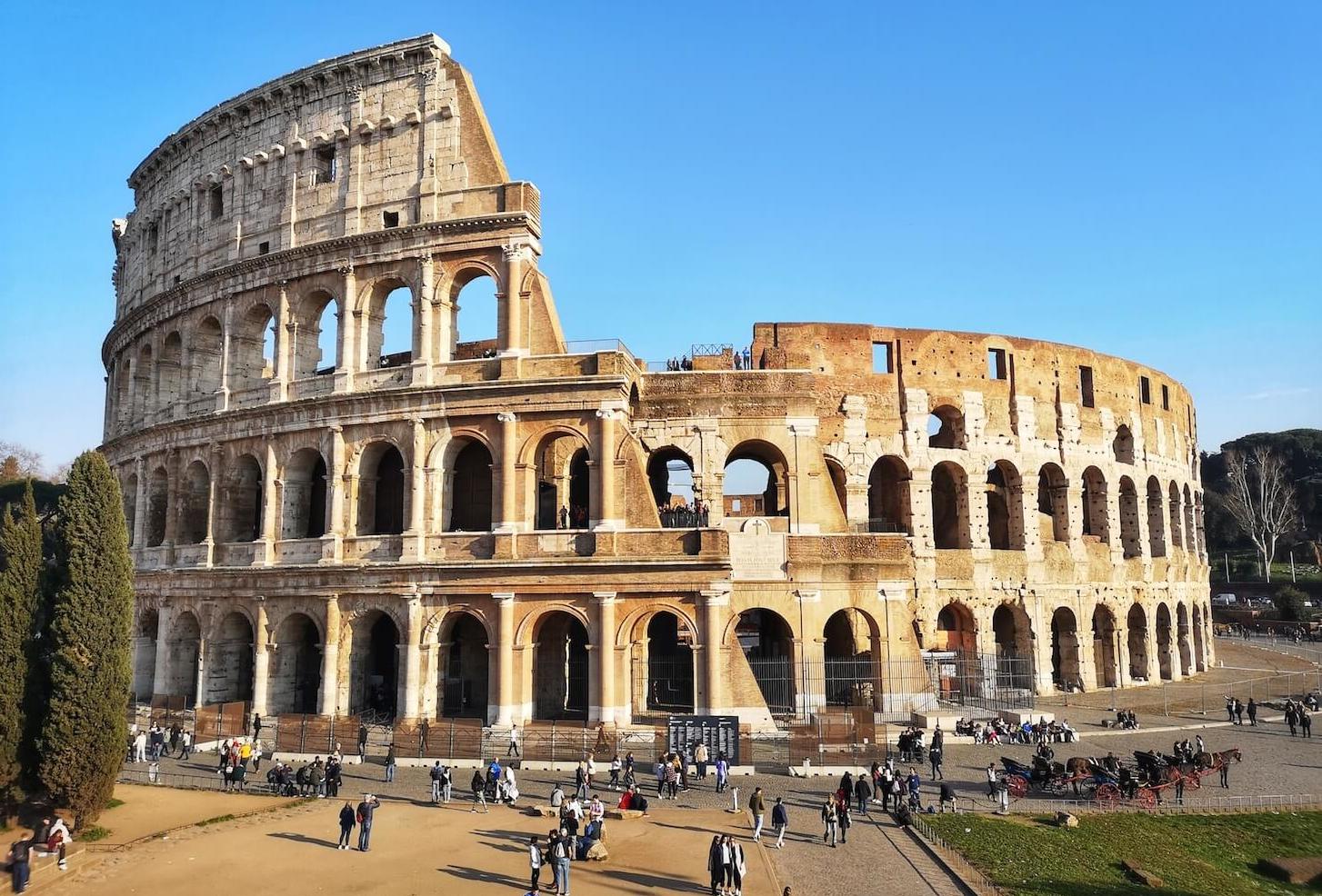
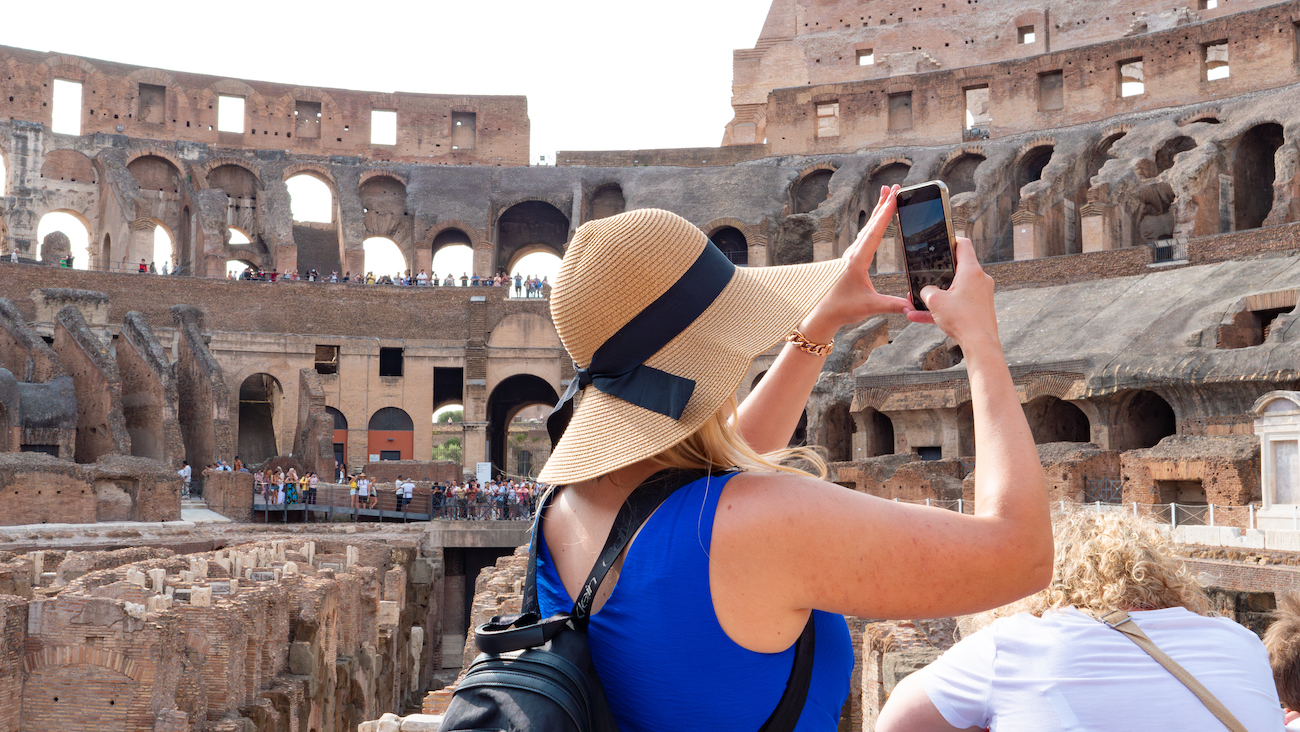
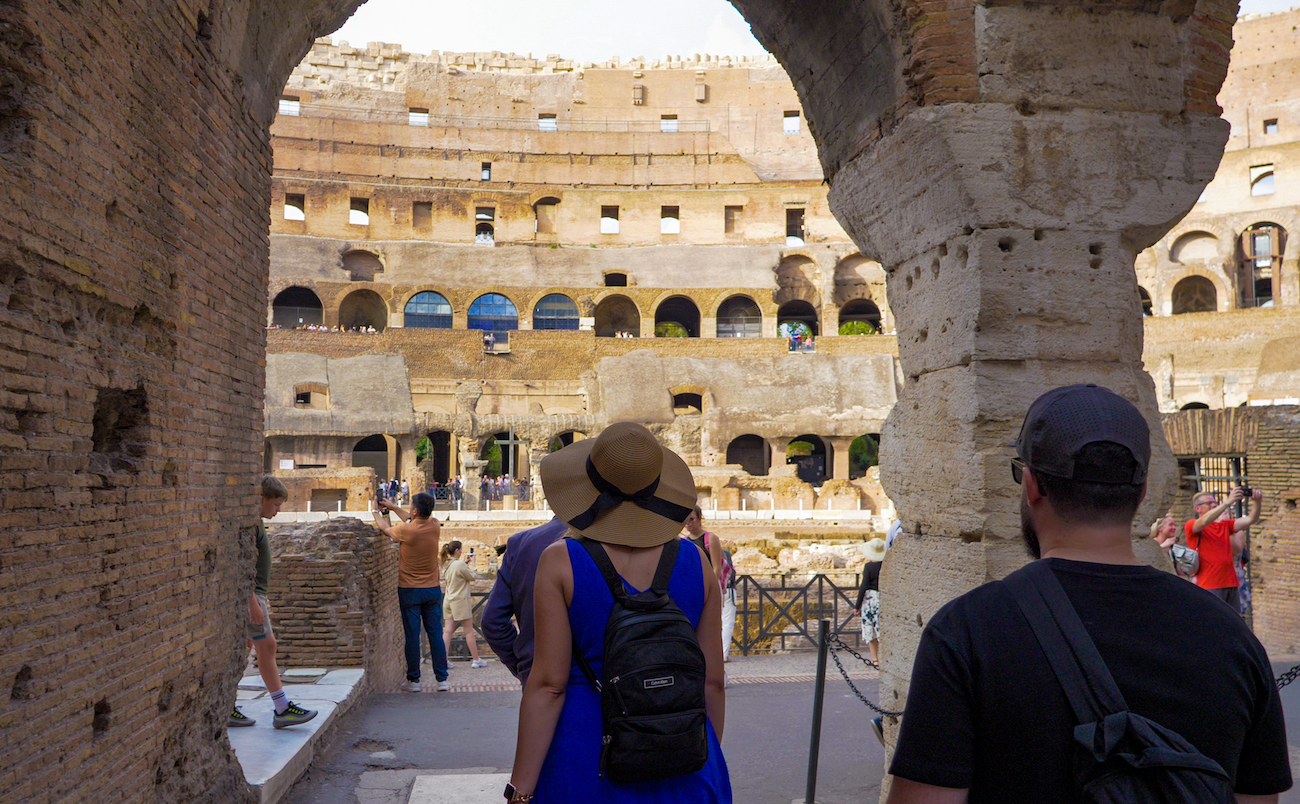
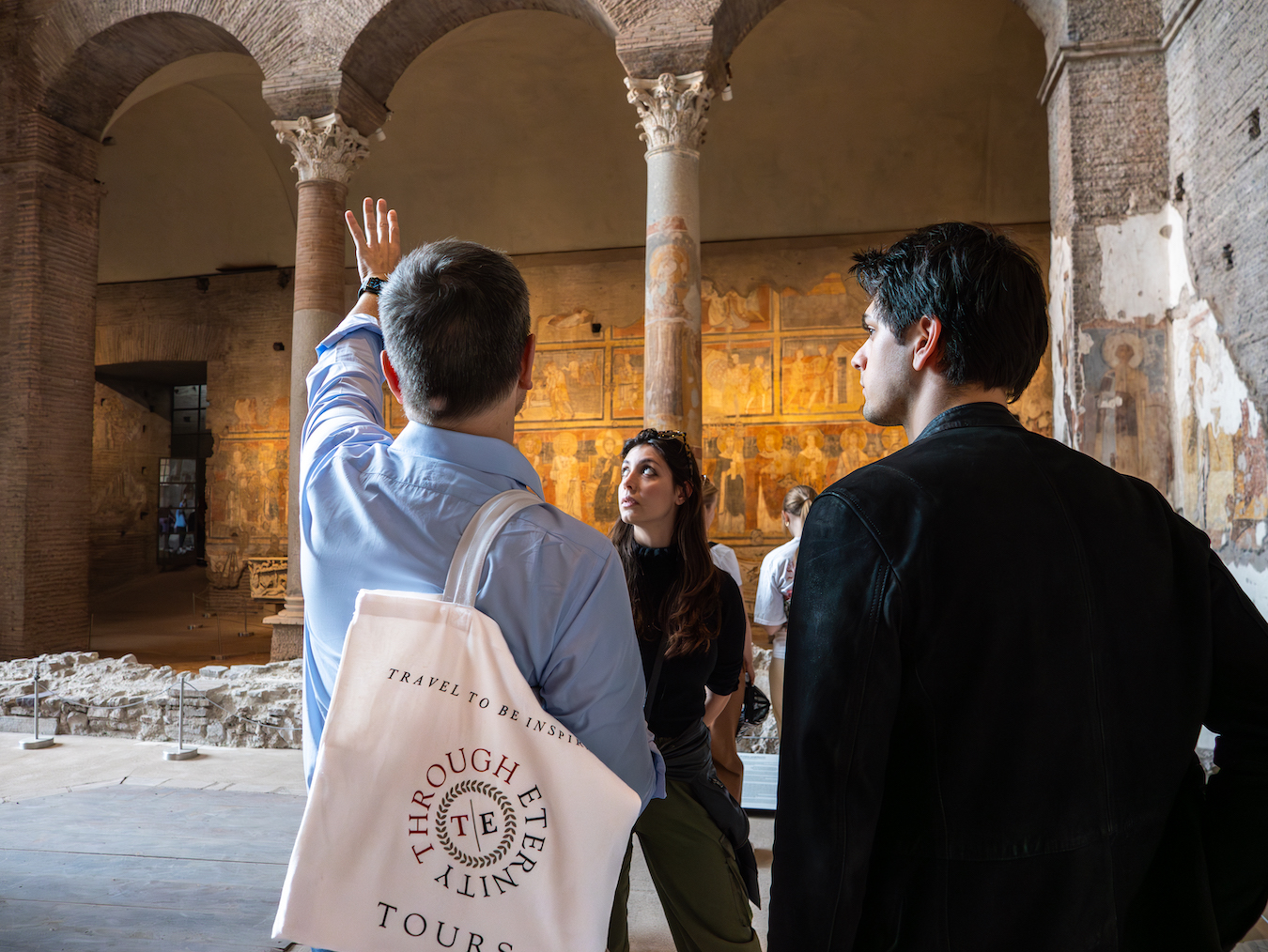
But the most instructive few hours I spent on the subject were on a Through Eternity tour of the Colosseum, during which our guide dismantled, one by one, almost everything the movies had taught me.
Forget Gladiator — a stirring film, but not a history lesson. The reality of the games was far stranger, far more politically calculated, and in some ways far more brutal than anything Hollywood has shown us.
Here are seven of the most common myths, set straight.
Colosseum Tours
Find Your Perfect Ancient City Itinerary
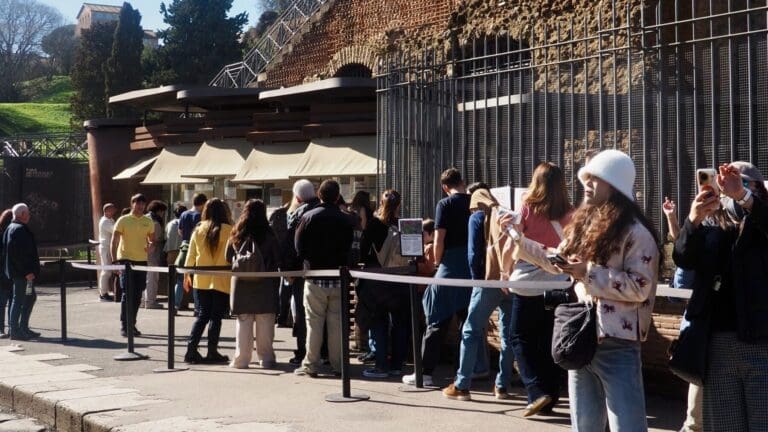
In fact, admission was entirely free.
Ancient Rome was a city of staggering inequality. Estimates suggest that somewhere between a quarter and a third of the population of Rome itself were enslaved — and the vast majority of free citizens had very little by the way of resources either.
The emperors and senators who put on the games understood this perfectly well. “How do you stop people from revolting?” our guide asked. “You feed them. You entertain them. You make them feel like participants in something magnificent — even if they own nothing.”
‘Bread and circuses,’ as the poet Juvenal observed, with a satirist’s contempt.
The games were paid for by an editor — usually the reigning emperor — who sponsored them as an act of public generosity. Entry was free for all.
Romans would collect a token, often carved from bone or terracotta, bearing the number of the arch through which they should enter and the tier where they would sit; seating was strictly arranged by social class, with senators at the front and women in the upper tiers.
The more spectacular the event, the more political capital it earned the sponsor. Some emperors sweetened the deal further by holding raffles during the games, scattering wooden balls into the crowd with prizes written on them — which could be anything from a joint of meat from an animal killed that day to a sum of money or even the title to an apartment.
The scramble for these balls sometimes produced its own impromptu wrestling matches in the stands.

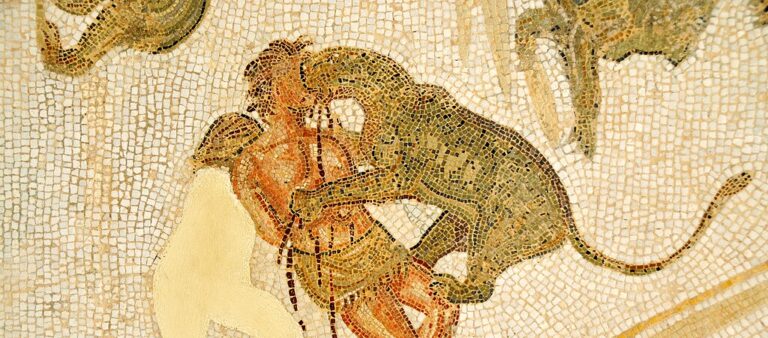
This is perhaps the most widespread misunderstanding of all. A day at the Colosseum was a full programme of spectacle — the gladiatorial fights, which most people picture, came last.
The day typically began with the venatio (animal hunts), in which trained hunters called venatores pursued and killed exotic animals shipped from across the empire: lions, leopards, bears, crocodiles, hippos, rhinoceroses, ostriches and more.
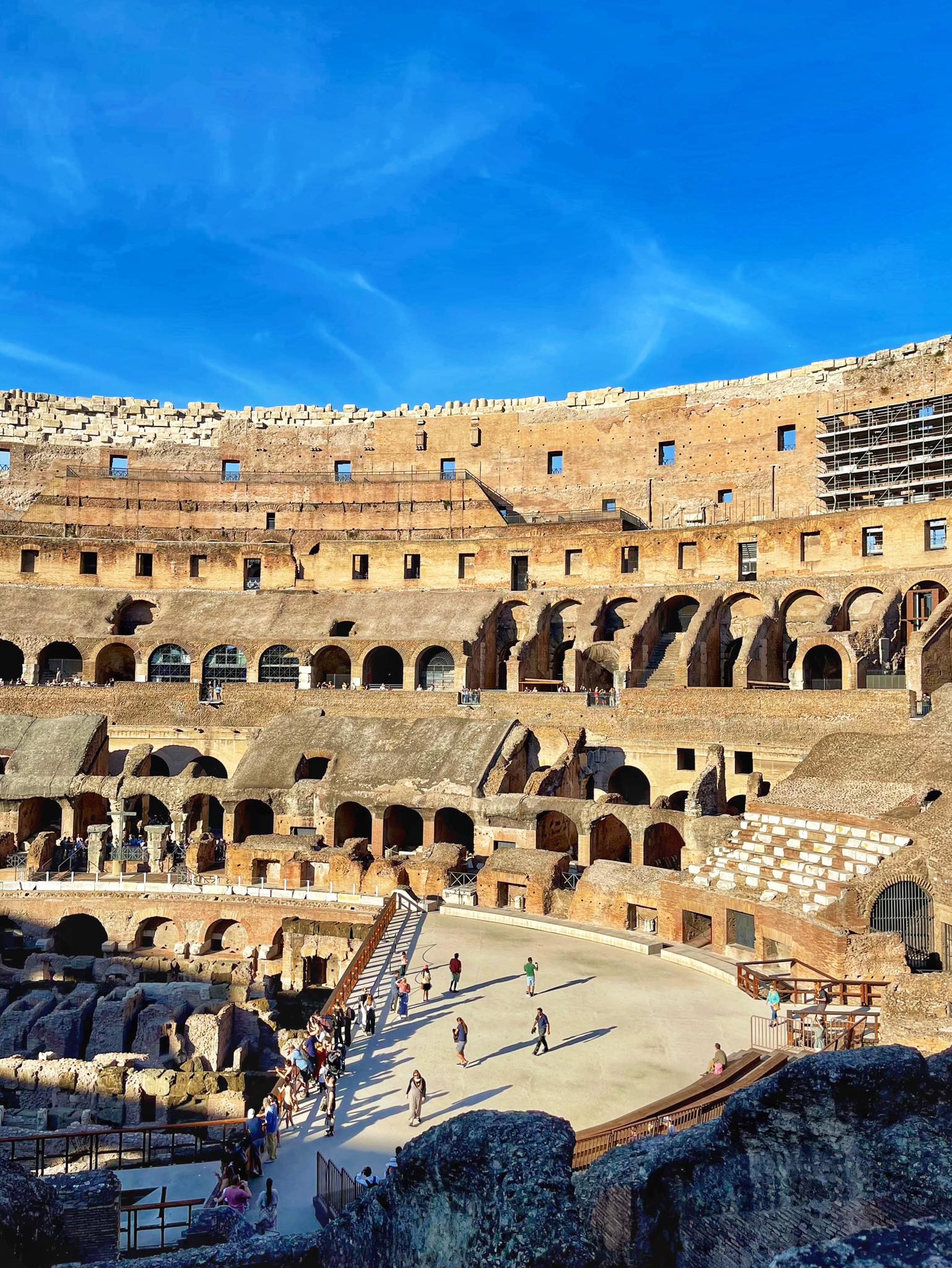
The Roman army’s reach was essentially the games’ supply chain. The animals entered the arena from a network of cages and passageways beneath the floor, propelled upward through trapdoors; the elephants, too large for the underground machinery, used a dedicated entrance at ground level.
The midday interval brought perhaps the most unsettling part of the programme: the ludi meridiani, the noon games. Condemned criminals were brought into the arena unarmed and made to participate in staged reenactments of Greek and Roman myths, played out with live animals.
The myth of Prometheus, whose liver was torn out daily by an eagle as punishment for stealing fire from the gods, was apparently a popular choice. The ancient philosopher Seneca attended one of these midday sessions and left deeply disturbed: “at midday,” he wrote, “they exposed men, with no covering, to the spectators, and every bout ended in death by the sword or fire.”
This was not entertainment in any sense we would recognise — it was public execution dressed as theatre.
The gladiatorial combats themselves took place in the afternoon, when the crowd had been warmed up by hours of spectacle and the floor had been resanded. They were, in relative terms, the most regulated and in some ways the most humane part of the day.
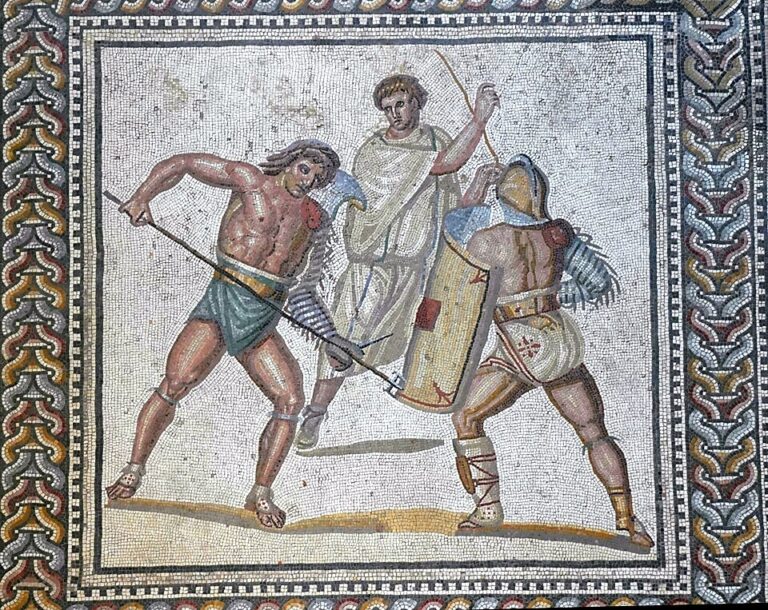
The gladiatorial bout was, at its heart, a commercial enterprise — and killing your most valuable asset is bad business.
Successful gladiators were stars. They had fan clubs, received quality food, medical care, and massage. Their images were painted on walls, stamped onto oil lamps, scratched into graffiti by admirers.
Their lanista (manager or trainer) had invested substantially in their training, upkeep, and reputation. A badly injured or dead gladiator was a financial loss. Some surviving inscriptions list gladiators’ records: one reads ten wins and three defeats — obviously impossible if every bout were necessarily fatal.
When a gladiator was beaten and lay helpless on the sand, the victor would look to the editor — the games’ sponsor — for the signal. The crowd would make its wishes loudly known, shouting “Mitte!” (let him go) or “Iugula!” (cut his throat).
If the crowd had warmed to a fighter over the course of the day, they often called for mercy — not out of squeamishness, but because they wanted to see him again. The editor took the crowd’s mood into account before signalling. Death was a possibility, not a guarantee, and many gladiators fought across seasons-long careers.
That said, a condemned criminal forced into the arena at midday had no such protection. The rules that governed trained gladiators simply did not apply to the noxii — those sent to die.
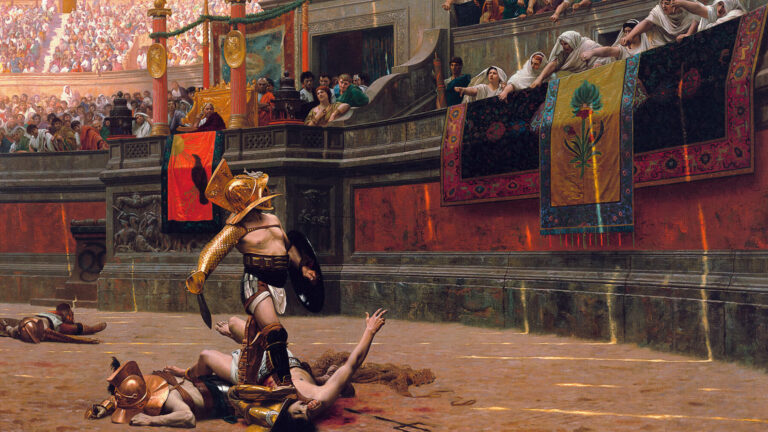
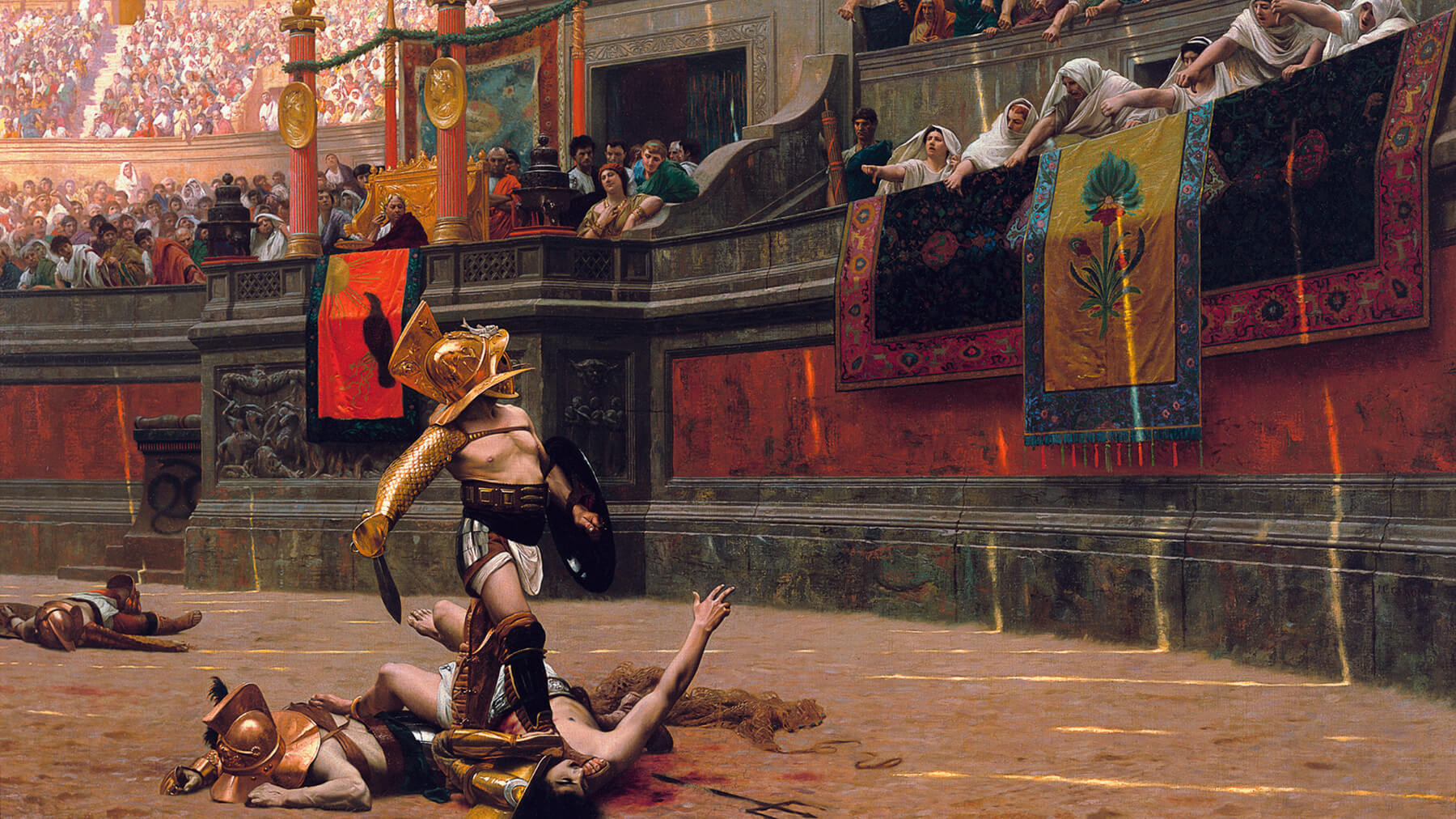
This is perhaps the most persistently repeated myth about the gladiatorial games, and it rests almost entirely on a single painting.
In 1872, the French academic painter Jean-Léon Gérôme completed Pollice Verso — a dramatically lit canvas depicting Vestal Virgins in the Colosseum, thumbs pointing earthward, condemning a fallen gladiator to death.
The painting was an immediate sensation. It toured New York, inspired a generation of popular history, and — decades later — was reportedly the image that first convinced Ridley Scott to make Gladiator. But Gérôme’s scholarship was shaky, and the painting sparked fierce debate almost from the day it was unveiled.
The Latin phrase pollice verso simply means “with a turned thumb” — it says nothing about which direction. Ancient texts confirm that thumb gestures were used in the arena, but are frustratingly vague about what they looked like.
The most rigorous modern analysis, by the classicist Anthony Corbeill, concludes that the two signals were probably the reverse of what Gérôme depicted. Pressing the thumb down into the closed fist — hiding it — most likely signalled mercy and the sheathing of the sword.
Extending the thumb upward (the infesto pollice, or “hostile thumb”) was the signal for death, the gesture mimicking a sword thrust. The ancient writers Juvenal and Prudentius both describe a turning or extending of the thumb as the signal to kill, which aligns with Corbeill’s reading.

The marketing of a gladiatorial event was sophisticated and began weeks in advance. Publicity featured the names of fighters, their records, and any special attractions.
An organiser who had promised the crowd a bout between two famous gladiators could not afford to have one of them maimed in training before the show.
So the schools trained their fighters with wooden weapons — heavy practice swords (rudis) and wooden shields, deliberately heavier than their combat counterparts, which built strength without risk of serious injury.
The regime was brutal in other respects — gladiatorial training was notoriously hard — but blades were for the arena, not the ludus.
There was another reason for the precaution. Some gladiators, particularly those who had been sentenced to fight rather than choosing to do so, would rather die on their own terms than provide entertainment to a Roman crowd.
Their trainers, aware of this, kept weapons under close guard. A gladiator who arrived in the Colosseum alive and uninjured was worth far more than one who had settled the question early.
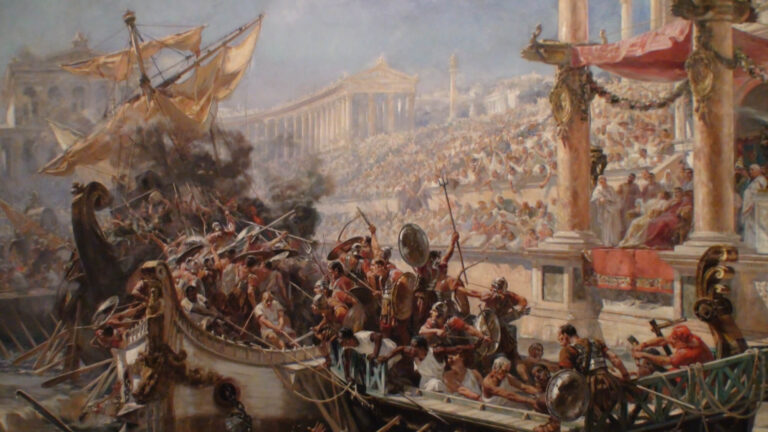
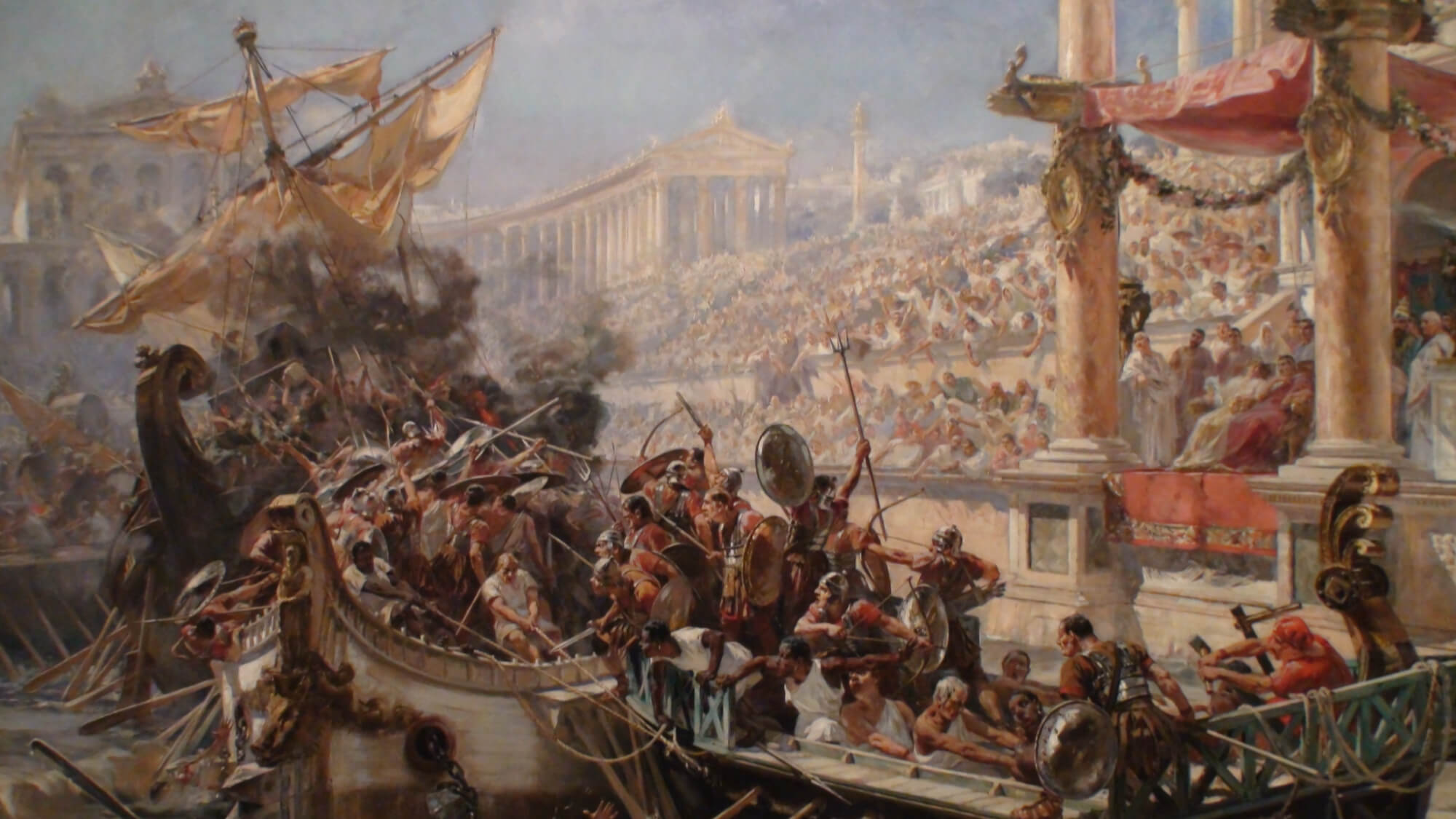
You’ll find plenty of online sources claiming that mock sea battles, or naumachiae, never happened in the Colosseum. They did. Just not for long.
At the inaugural games in 80 AD, the Emperor Titus reportedly flooded the arena itself for a naval spectacle, staging a reenactment of the battle between Athens and Corinth. The historian Cassius Dio describes horses and bulls being brought in to perform in the water, and ships carrying fighters who “engaged in a sea-fight there.”
The poet Martial, who appears to have attended the opening games in person, described an audience left speechless by a watery scene where, moments before, there had been dry land.
How was this possible? Before the construction of the underground hypogeum — the network of tunnels, cages, and mechanical lifts beneath the arena floor — the Colosseum sat in a natural depression fed by the same aqueduct branch that had once supplied the lake of Nero’s nearby Golden House.
Engineers believe the arena could have been waterproofed and flooded to a depth of around 1.5 metres, sufficient to float the shallow-drafted vessels used. True, these crafts weren’t the great triremes that featured in a spectacle arranged by Caesar in 46 BC on a specially-dug artificial lake, but instead purpose-built replicas at reduced scale. Nonetheless, they were real ships, with real combatants, on real water.
The era of Colosseum naumachiae ended almost as soon as it began. When the Emperor Domitian completed the hypogeum in the late 80s and 90s AD, flooding the arena became permanently impossible.
For large-scale mock naval battles, Rome continued to use dedicated artificial basins, including the Naumachia Augusti on the right bank of the Tiber, built by Augustus in 2 BC and used for centuries.
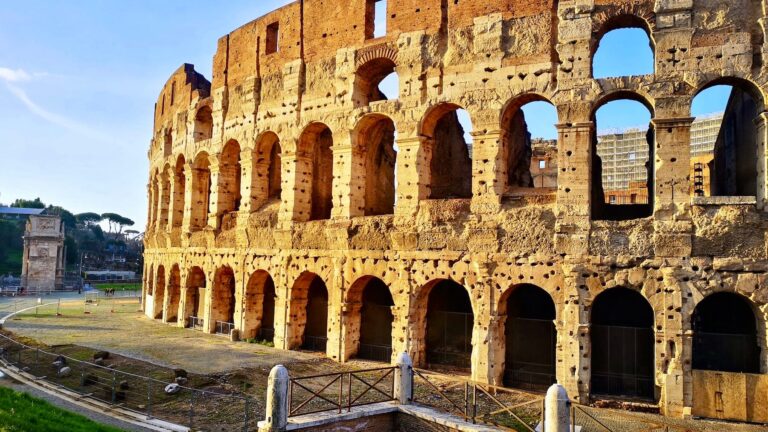
Gladiatorial combat was formally and finally banned by the Emperor Honorius in 404 AD — its end prompted, according to the church historian Theodoret, by the martyrdom of a Christian monk named Telemachus, who jumped into the arena to stop a bout and was stoned to death by the crowd.
Animal hunts (venationes) proved more tenacious; documented instances continue beyond 536 AD, more than a century after the gladiatorial games had ceased.
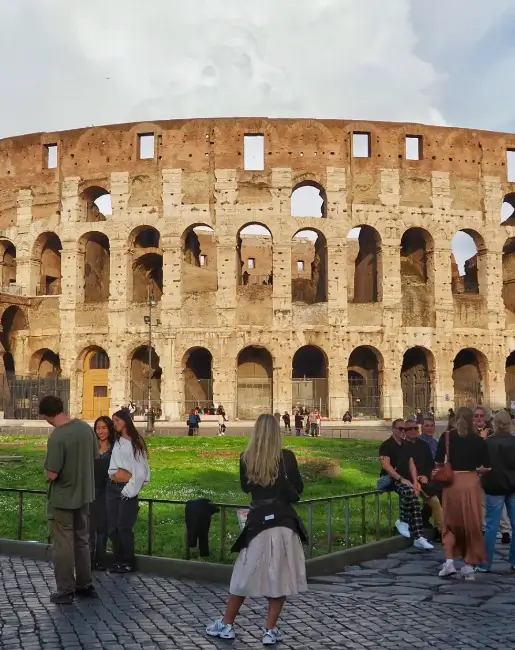
But even after the last animal was killed in the arena, the Colosseum carried on as a living structure — transformed, adapted, and repeatedly repurposed across the centuries. As the Western Roman Empire collapsed and Rome itself shrank from a city of a million to, at its medieval nadir, something closer to twenty thousand, the building became part of the city’s fabric in ways its architects never imagined.
By the early Middle Ages, squatters had moved into the vaulted arcades around the lower levels. In the twelfth century the powerful Frangipane family — one of Rome’s great baronial dynasties — converted it into a fortress, stabling cavalry inside its ancient walls.
In the sixteenth century, Pope Sixtus V drew up plans to turn it into a wool factory, a scheme that came to nothing only because he died before it could be built. Later popes stripped its travertine blocks by the cartload to supply marble for St Peter’s, Palazzo Venezia, and other construction projects across the city.
By the eighteenth century, so much soil and debris had accumulated on the arena floor that a rich and unexpected ecosystem had taken root. An Italian botanist in the early nineteenth century catalogued the plant life and found hundreds of distinct species thriving in the ruins; many were exotic seeds carried to Rome in the dung of animals imported from across Africa and the Mediterranean.
In 1855, the British botanist Richard Deakin published The Flora of the Colosseum of Rome, identifying 420 species within the building — a book that became fashionable reading among Grand Tour travellers. The amphitheatre where tens of thousands had once died was now a nature reserve.
Colosseum Tours
Visit the Ancient Amphitheatre