If you have ever visited Italy during the Easter period, then you’ll know that there are a bewildering array of seasonal cakes and pastries on offer to render the holiday even sweeter. Each region has its own special recipes that no family can bear to be without when Easter rolls around. In Liguria you’ll see a savoury vegetarian tart called a Torta Pasqualina everywhere you go, whilst the Marche region has its pizza di formaggio; Sicily, meanwhile, is famous for cassata, a super-sweet confection of pan di spagna, ricotta cream and candied fruits.
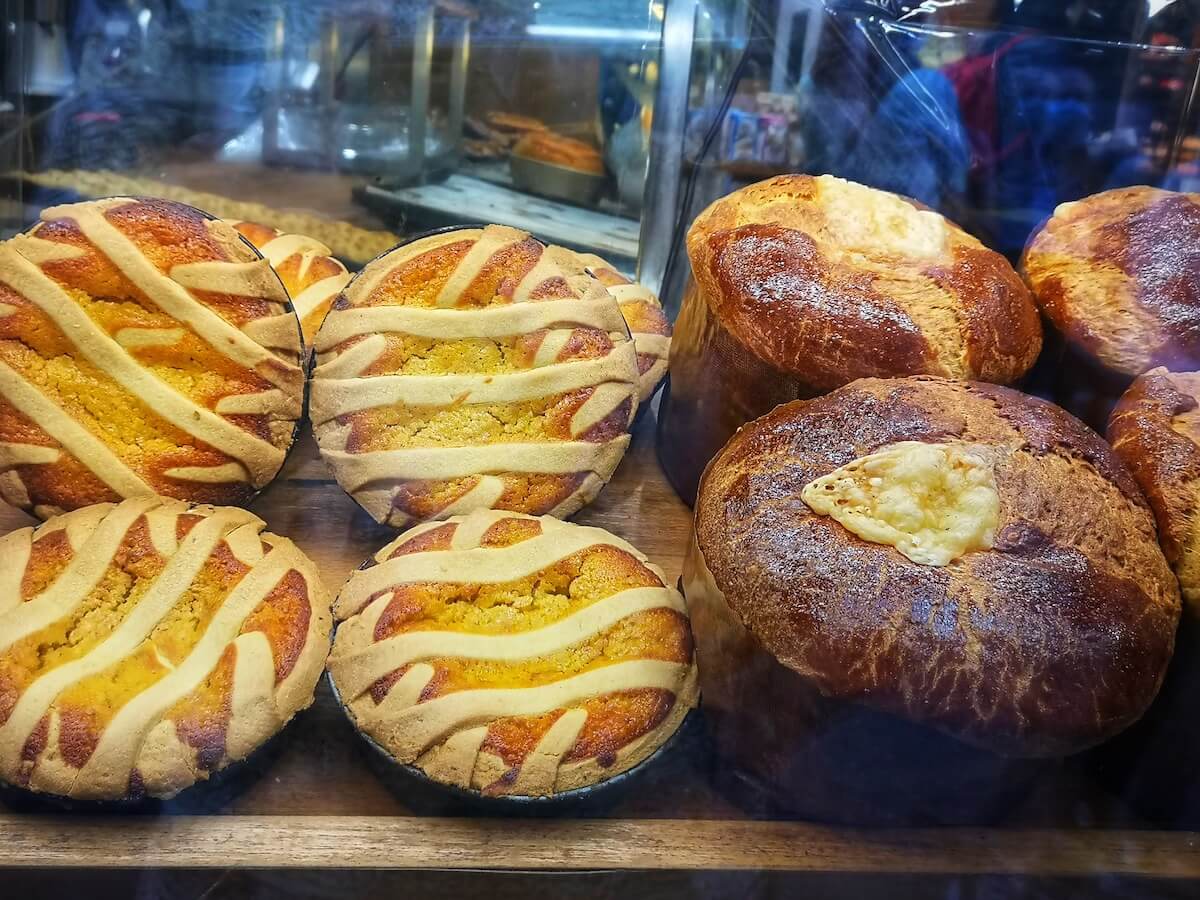
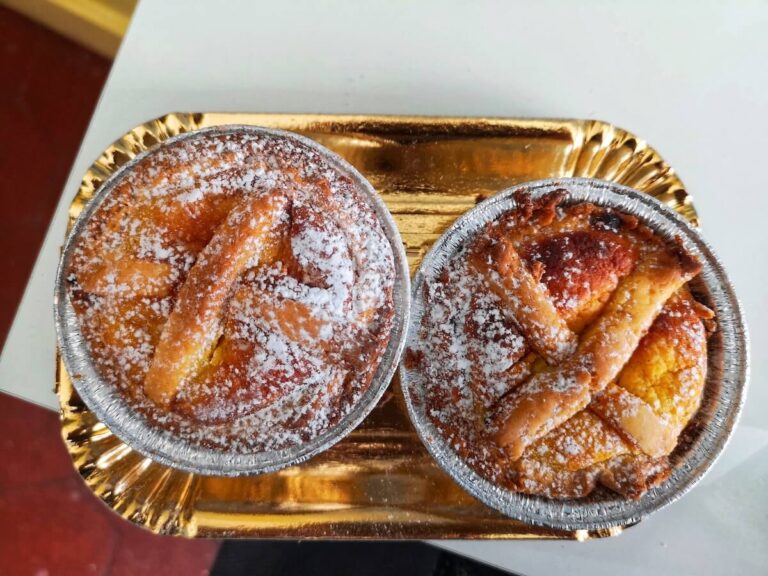
In the great and beguiling southern city of Naples, however, the undisputed queen of Easter treats is pastiera, a unique pastry with a fascinating history. Thanks to its unusual combination of ingredients, which includes eggs, wheat berries softened in milk (known as grano cotto in Italian), orange blossom water, ricotta and candied cedar all encased in a latticed pastry shell, pastiera tastes like no other dessert you’ve ever tried.
Nothing heralds the coming of Easter more evocatively than the heady smell of freshly baked pastiera wafting through the dense network of streets and piazzas in downtown Naples, and for locals it’s an absolutely vital part of Easter celebrations. Read on to discover the story of this Easter classic, and find out why you have to try it for yourself.
Naples Tours
Explore the Great Southern City
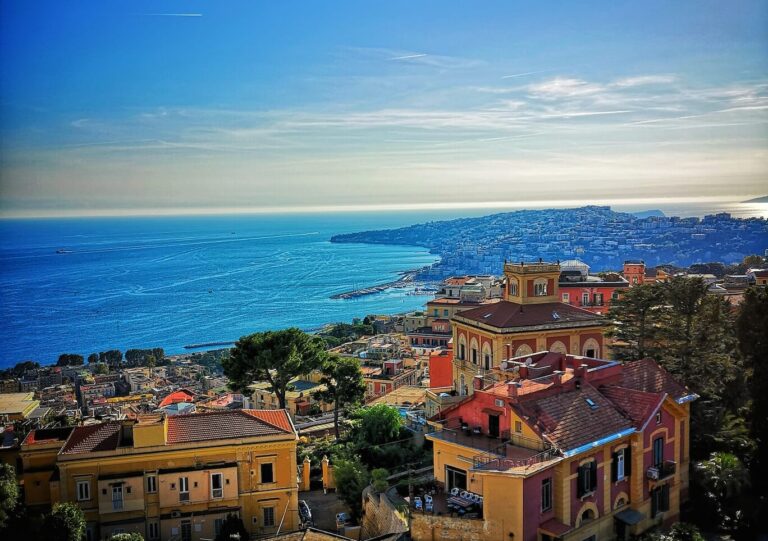
Of the many origin stories that seek to explain how pastiera came to be, the most suggestive gives a starring role to the mermaid Partenope, an amiable siren whose special affinity with Naples has conferred upon the metropolis the nickname the Parthenopean City.
Each spring Parthenope would swim to the shore of the Gulf of Naples and leave the city’s denizens spellbound by her enchanting song. The folk-tale describes how the people of Naples wished to show their appreciation for her beguiling music, and so decided to present to her seven symbolically resonant gifts.
Delivered by seven of the city’s fairest maidens, each of the gifts related to Naples’ privileged position as a prosperous city protected by the mermaid’s good graces: flour as a marker of wealth, ricotta as a symbol of abundance, eggs representing fertility, wheat softened in milk the harmony between the animal and vegetable kingdoms, sugar to celebrate Parthenope’s sweet music, spices to represent kinship amongst people from across the world, and orange blossoms as a fragrant symbol of Campania, where the citrus grows in great abundance.
Delighted with this homage, Parthenope carried the gifts upward to the realm of the gods, who combined the Neapolitan gifts into a pie crisscrossed with seven strips of pastry – one for each of the gifts bestowed upon the mermaid or, according to another tradition, one for each of the seven major streets that criss-cross the ancient city centre.

A variant on the legend instead maintains that the gifts were left on a local beach by the worried wives of a fleet of Neapolitan fisherman who had been lost at sea as an offering to the gods in return for their safe return home. The spirits of the Mediterranean listened to their entreaties, safely depositing the men back on shore.
Meanwhile, the wives’ offerings had transformed as if by magic into a cake topped with a pastry lattice that took on the form of the fishermen’s nets.
Other folk-etymologies trace the distinctive form and ingredients of pastiera to antiquity, linking the cake to the priestesses of the spring goddess Ceres, who celebrated winter’s demise with a cake made from grains of wheat, a traditional symbol of prosperity and fertility that sprout in the Spring. Yet others claim that pastiera derives from the focaccias that early-Christian communities would bake as part of baptism ceremonies over the Easter period.
Moving beyond the legends, the real story of the evolution of pastiera is a tale that speaks to spirituality, female industry and savvy business sense in early-modern Naples. The first known reference to the pastry is found in a 1693 Neapolitan cookbook called Lo scalco alla Moderna, although the version described by chef Antonio Latini is quite different to the dessert we know today.
Latini’s version was a much richer affair, and combined sweet and savoury elements in a manner rather alien to the modern Italian palette: mixed with the cooked grains and ricotta is a liberal dose of parmesan cheese alongside pistachios, marzipan and rose water in place of orange blossom water.
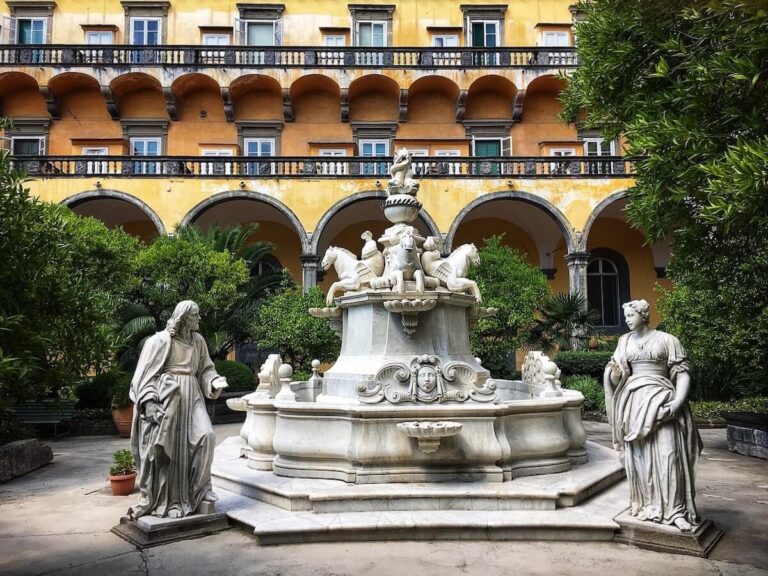
The 17th-century recipe was adapted and popularised by a somewhat unexpected source: the cloistered nuns of the convent of San Gregorio Armeno in downtown Naples.
Unable to leave their convent as a result of their vows of religious solitude, the Benedictine nuns had ample time to become highly skilled in a wide variety of crafts – amongst them cooking. Renowned for their abilities as pastry chefs, the nuns prepared pastiera at Easter according to their own special recipe, and the convent pastries soon became a must-have delicacy on the festive tables of wealthy families across the city.
One story recounts that the San Gregorio Armeno pastiera was so special that the morose Queen Maria Teresa of Austria, the wife of the Bourbon king Ferdinand II who was known to her subjects as ‘the queen who never smiled,’ giggled with delight when she first tasted the nuns’ confection.
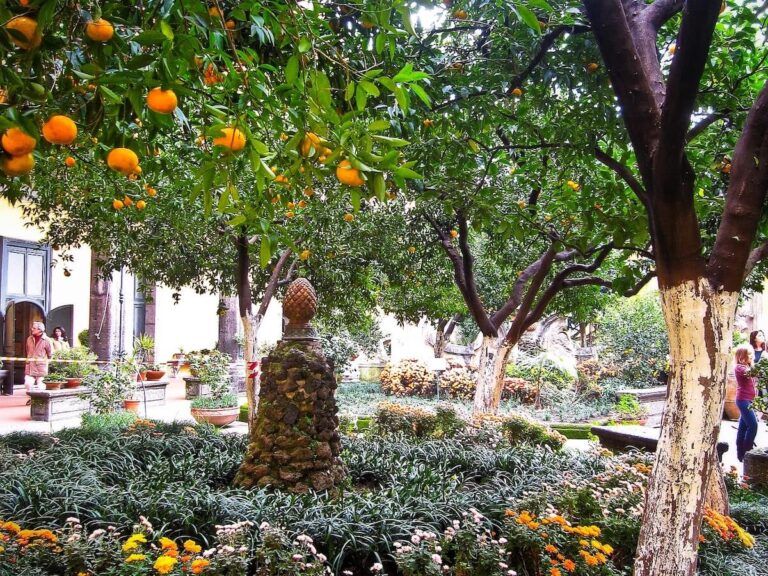
As the outside world was never privy to the secretive goings on behind the convent walls, various rumours grew up to explain the secret of the nuns’ success: according to one, the women would knead the pastry dough by laying it flat on the stone seats of their cloister garden before rhythmically wiggling their rear ends over it until it reached the desired consistency and elasticity.
Salacious rumours aside, for the nuns the ingredients they used to make their pastiera had symbolic significance just like in the legend of Parthenope, only this time filtered through a Christian prism that made the pastry an appropriate metaphor for the miracle of Christ’s Resurrection: the grains symbolised the fertility of a world blessed with the good news of salvation, whilst eggs represented Christ’s rebirth into eternal life.
The exotic spices like Lebanese cedar, Sri Lankan cinnamon and Mexican vanilla that gave their pastiera extra kick spoke to their hopes of the entire world’s conversion to Christianity. The orange blossoms, meanwhile, tied the recipe to the nun’s own monastery, whose cloister garden bloomed with fragrant orange trees every Spring.
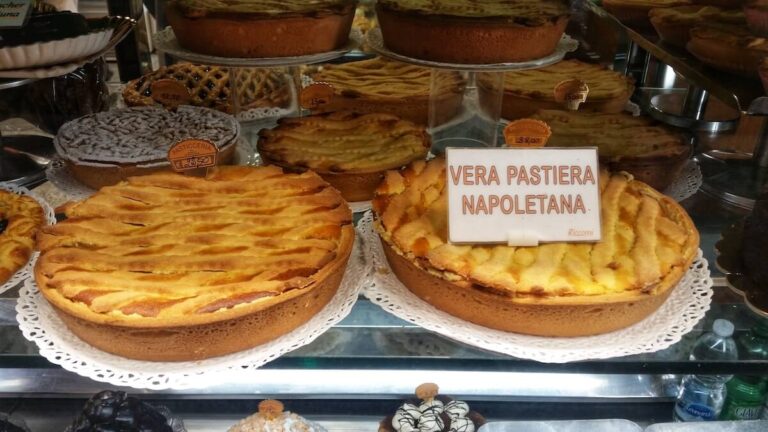
You’ll be able to find excellent interpretations of pastiera in every Neapolitan bakery and pastry shop (and these days also much further afield), and you can’t go wrong sampling it in any of the city’s historic pasticcerie – try Scaturchio in the shadow of San Domenico Maggiore. On nearby Via Benedetto Croce, La Pastiera Napoletana is dedicated entirely to the Easter specialty in all its forms. If you’re willing to head further afield, then Pasticceria Santaniello in Nola, just outside the city, is a good bet – last year it was voted the best pastry shop in Naples.
Plan Your Naples Visit Today!