So, you’ve finally touched down in Rome.
Your sightseeing itinerary has been planned like a military campaign, with every ‘I’ dotted and every ‘T’ crossed. But there’s still a vital missing piece to the puzzle: where are you going to eat when you get here? After all, discovering great Roman food is just as essential to the experience of the Eternal City as visiting its monuments.
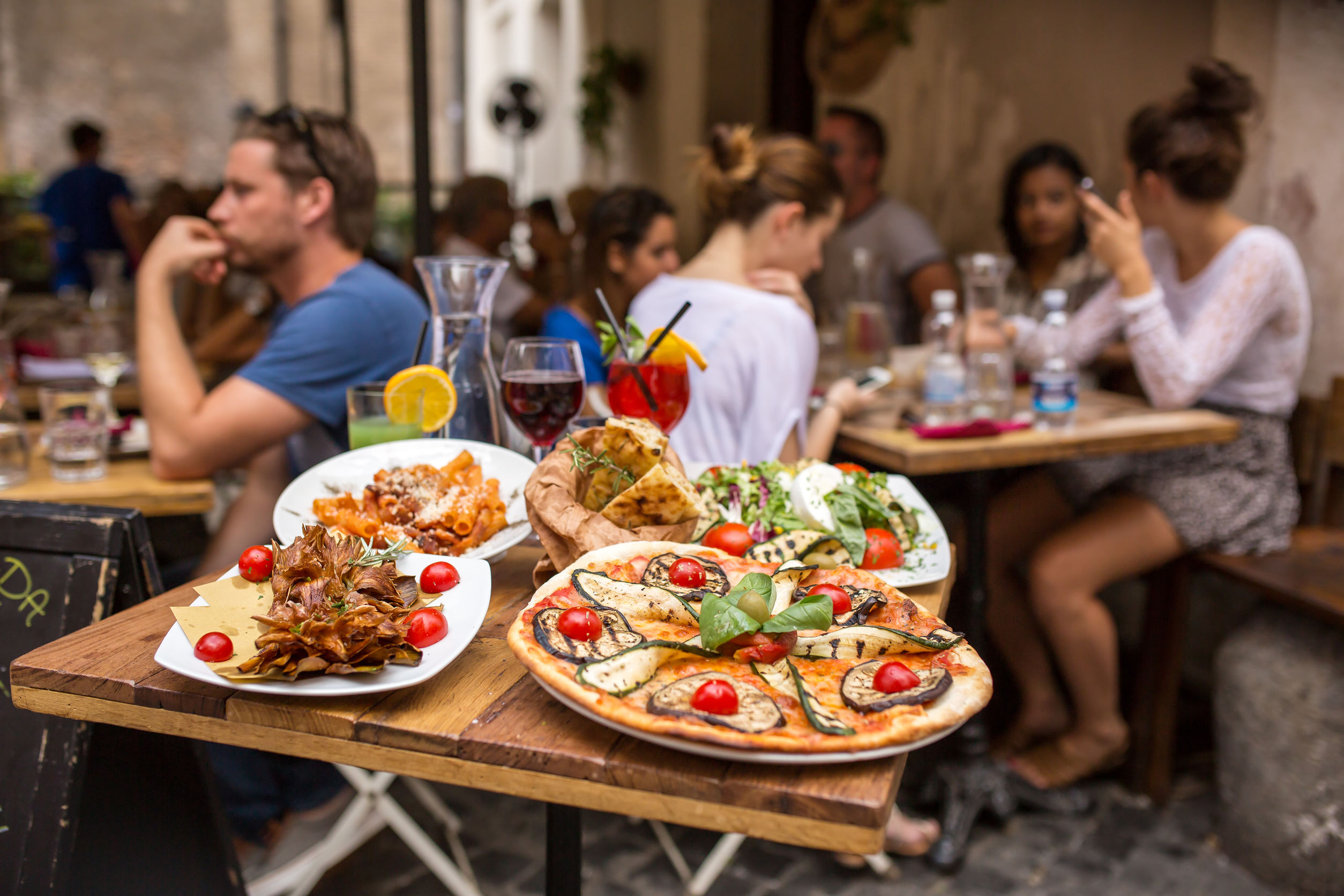
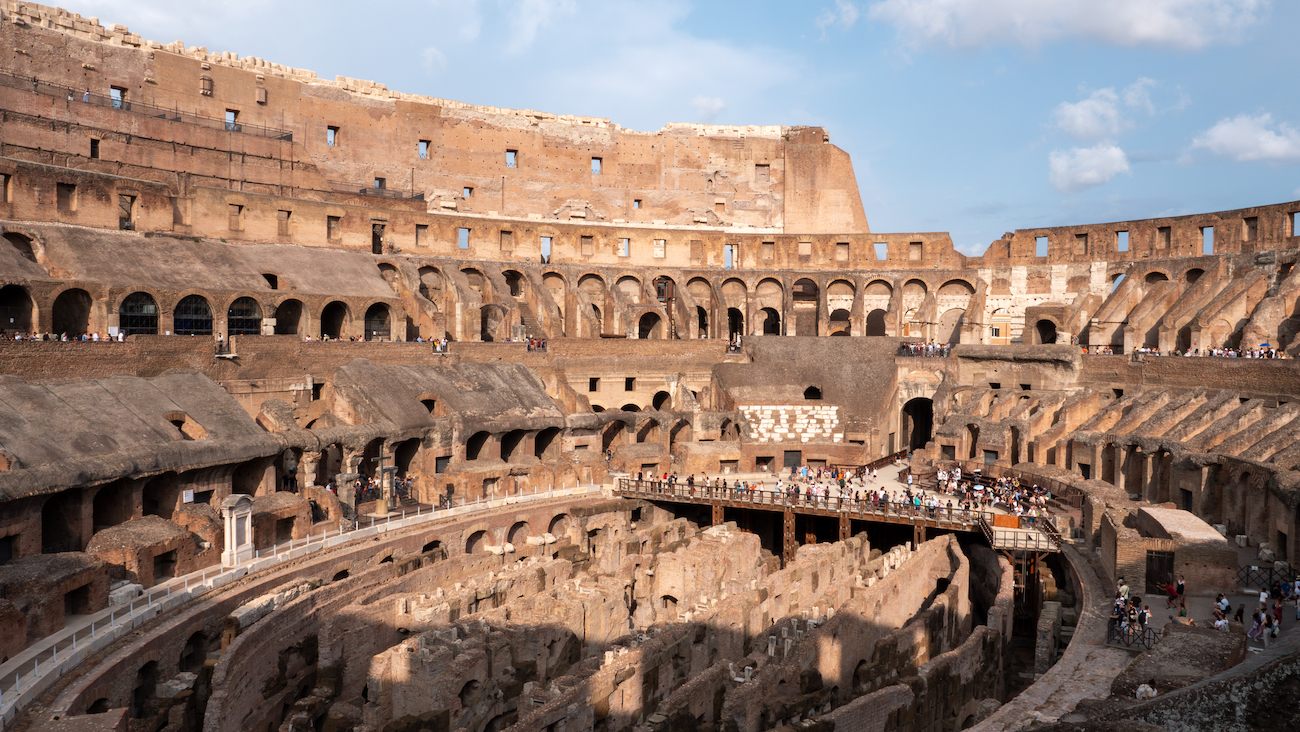
A trip to Rome inevitably involves A LOT of walking, and you can be pretty sure that hunger will stalk your footsteps as morning turns to afternoon and evening turns to night. Don’t worry though: all those calories you’ll be burning as you explore the ancient ruins of the Colosseum or the Vatican Museums offer the perfect excuse to get stuck in to the most delicious dishes of Rome’s august cuisine, guilt-free. What are the highlights of the Eternal City’s gastronomic scene that you need to try?
Forget fancy cheffy fare – Roman food culture is firmly anchored in the tradition of cucina povera, poor people’s cooking that magically transforms humble ingredients into works of gastronomic art. From rich pastas to hearty stews and traditional offal, from foraged local vegetables to delectable desserts, read on to find out what to do and where to go when hunger hits in Rome.
Rome Food Tours
Taste the Best of the Eternal City
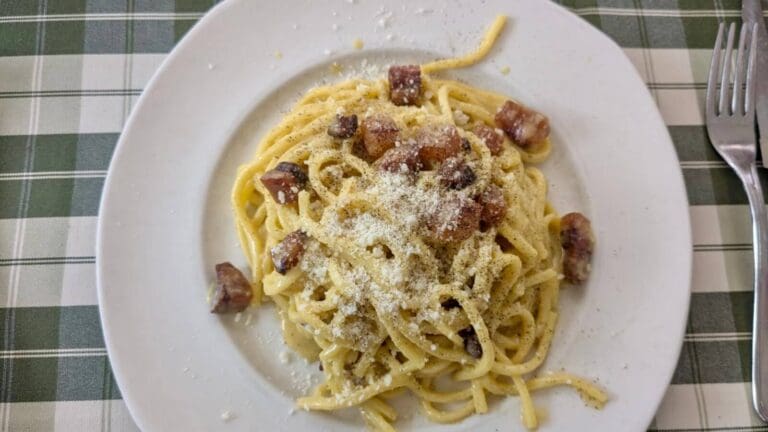
The undisputed king of Roman food, pasta alla Carbonara inspires a devotion amongst inhabitants of the Eternal City verging on obsession. Unlike the classics of French cuisine that require the combined skills of a squadron of Michelin-starred chefs and the patience of the Biblical Job to bring to fruition, carbonara couldn’t be simpler (or quicker) to make. Fatty guanciale (cured pork jowl) is fried until it renders its fat; in a separate bowl, beat together egg yolks and lashings of pecorino cheese, together with liberal grindings of black pepper.
Combine the lot with just cooked pasta drained and taken off the heat (spaghetti, tonnarelli or rigatoni work best). Do it correctly and everything emulsifies into a heavenly creamy sauce that coats the pasta in silken perfection. But like all of life’s simplest pleasures, carbonara is also worryingly easy to get wrong. Too much heat and the eggs will scramble; mistime things and the guanciale will lose its crunch; botch the egg/cheese ratio and the sauce will be too wet or too dry.
And woe betide you if you make unsanctioned changes to the recipe by adding cream to the sauce, or any of the other monstrous errors from around the world that regularly leave Romans frothing with rage on social media.
Surprisingly, the origins of the recipe for carbonara is shrouded in mystery, and sure citations only date back as far as the 1940s. Some maintain it was the standard fare cooked up by carbonari, charcoal burners who whipped up the hearty dish on their journeys deep into the forests of Lazio. A more entertaining theory controversially holds that carbonara’s unusual combination of ingredients owes its existence to the contents of the ration packs carried by American soldiers stationed in Rome during World War II.
Desperate for a taste of home, a particularly creative GI added his rations of powdered egg, bacon and cheese to a plain plate of pasta in the army canteen to liven things up. The combo caught on, local chefs refined the ingredients and the method, and the rest is history. Nobody knows the true story, but one thing is for certain – if you want to taste carbonara at its best, you have to try it in Rome.
Where to Try it: Giulio Passami l’Olio, Via di Monte Giordano, 28.

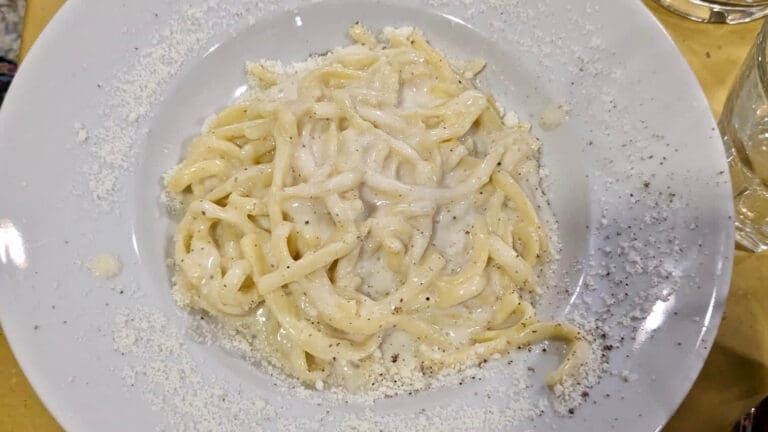
When it comes to Roman primi, carbonara isn’t the only game in town. Cacio e Pepe is one of the region’s oldest dishes, an incredibly simple combination of pasta (ideally thick and fresh egg tonnarelli), aged pecorino sheep cheese and lashings of black pepper. According to tradition, shepherds carried these non-perishable ingredients with them on their arduous journeys deep into the Lazio countryside with their fleecy flocks – sheep’s cheese was just about the only ingredient they could reliably call upon, welcome by-product of their profession.
When hunger hit in the wilderness, the humble herdsmen would cook up the pasta on a campfire, mix in the cheese and black pepper and voila – a Roman classic was born. These days it’s more convenient to get your cacio e pepe fix at a traditional Roman trattoria rather than charting a course for the distant mountains, but when it arrives close your eyes and dream of the long lost days of the shepherds.
Where to Try it: Felice a Testaccio Felice, Via Mastro Giorgio, 29.
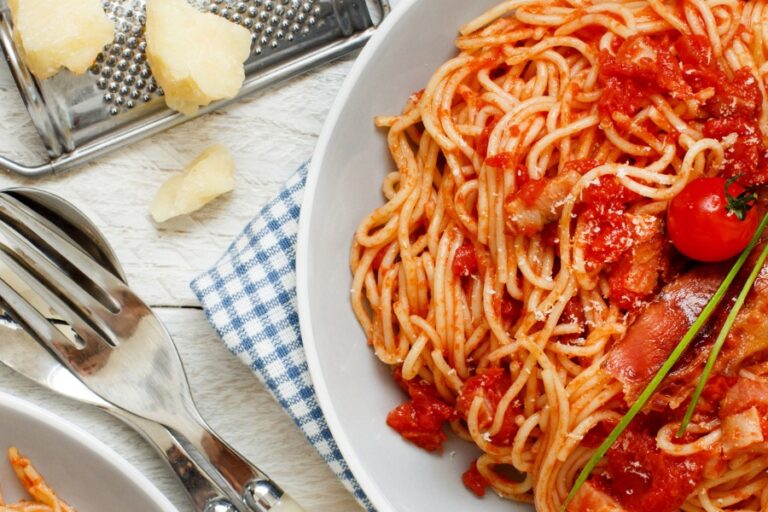
The third king of Roman pasta dishes, bucatini all’Amatriciana is for the tomato lovers. A rich combination of deeply flavourful slow-cooked tomatoes, fatty and salty-sweet guanciale, a splash or two of white wine, a hint of chilli and generous shavings of pecorino cheese, amatriciana is cucina povera at its best. Amatriciana was also originally dreamed up by shepherds on their wanderings through the mountains of Lazio during the summer months with their flocks. But as this was long before tomatoes arrived on Mediterranean shores, the sauce was originally in bianco (white). The shepherds had no shortage of pecorino made from the milk of their sheep, and cured guanciale was a good traveller too.
A few dried red chillies, some lard and a flagon of rustic white wine also accompanied the herdsmen on their journey, and each played their part in the evolution of a Roman classic. Keep your eyes out for amatriciana’s delicious tomato-free ancestor, these days known as Gricia after the town of Grisciano, near Amatrice.
As the centuries wore on and tomatoes made their triumphant debut into Italian cooking, amatriciana was transformed into the savoury flavour-bomb you’ll find in almost every Roman restaurant today. If you want to be authentic about things then amatriciana needs to be served with bucatini – literally meaning ‘pierced,’ this long fat pasta has a hole running down the middle that collects the sauce.
But we can’t talk about Amatriciana without ending on a sad note. On August 24 2016, disaster struck the beautiful and historic town clinging to the hills of central Lazio that gives the dish its name. The disaster came in the form of a 6.2 magnitude earthquake that brutally flattened the village (along with nearby Grisciano), tragically killing at a stroke 295 inhabitants and reducing its buildings to rubble.
Rebuilding has been a slow and difficult process, but goodwill from across Italy came pouring in to the town gratefully known for its massive culinary contribution – under a campaign launched by food blogger Paolo Campana, restaurateurs from Italy and around the world donated €2 to the relief and rebuilding efforts for every plate of amatriciana that they sold, raising over half a million euros.
Where to Try Amatriciana: Da Armando al Pantheon, Salita dei Crescenzi, 31.
There’s no denying it: these days tripe gets a bad rap. In the English speaking world it’s often considered the sort of foul foodstuff relished by our grandparents and now happily consigned to the dustbin of history. But continental Europeans have a very different take on things, and Italians still tuck into tripe in all its forms with cheery gusto.
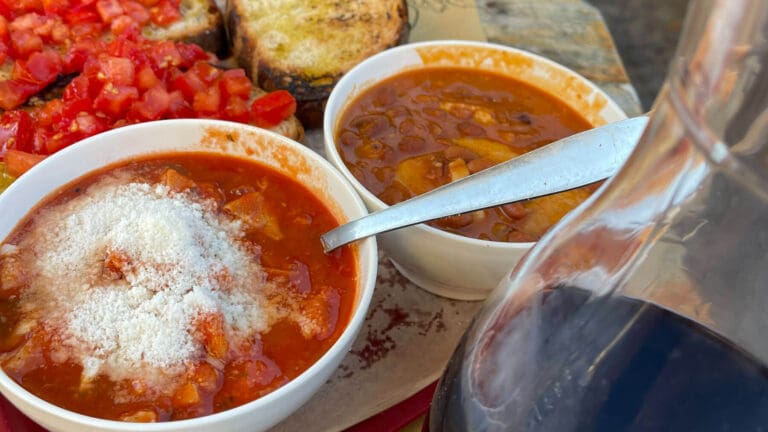
If you’re not the squeamish type and the idea of chowing down on the lining of a cow’s stomach doesn’t bother you, then be sure to give trippa alla Romana a shot when in Rome – we promise it’s actually delicious! The Roman version is simmered in a rich tomato sauce spiked with mint (to be truly authentic this should be the local mentuccia, or pennyroyal) and enriched with generous sprinklings of pecorino – the final flavour is surprisingly mild and delicate.
Trippa alla Romana has a fascinating history too, constituting one of the main dishes of Rome’s quinto quarto culinary tradition. Quinto quarto literally means the fifth quarter – the interior of butchered animals that remained unclaimed after the most prized cuts had portioned off to the city’s upper and middle classes. These odds and ends were then flogged off for a pittance to the urban poor or even handed over to the slaughterhouse workers as payment in kind. But necessity is the mother of invention, and a rich food tradition was forged from the unloved organs and innards. These days though tripe isn’t just the preserve of the city’s urban poor, and is served in restaurants across the city.
Where to Try it: Tanto pè Magnà, Via Giustino de Jacobis, 9,
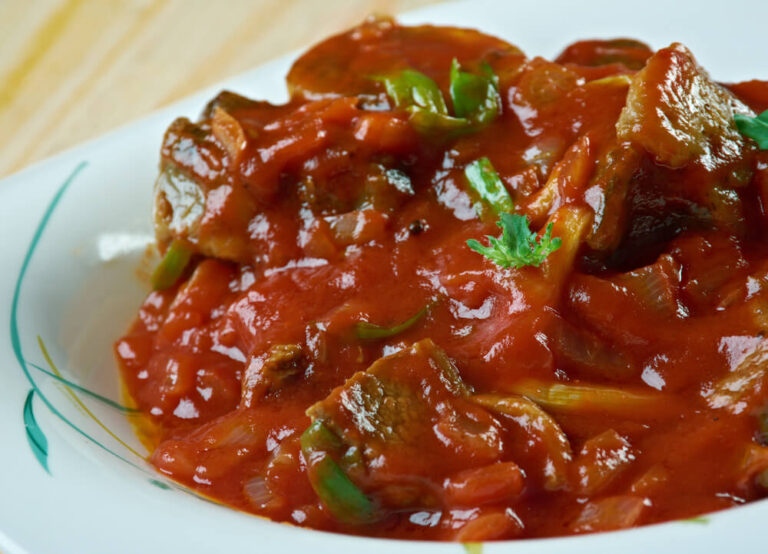
Another example of Roman cuisine’s mend and make do magic, Coda alla Vaccinara is also a quinto quarto dish born from slaughterhouse necessity. Oxtail is simmered in tomatoes, wine, onions, carrots, copious amounts of celery and occasionally raisins and pine nuts for at least 4-5 hours until the meat begins to fall from the bone. It takes endless patience and plenty of skill to transform the tough tail into a meltingly tender meat stew, but the incredibly hearty and flavourful results are worth it. In deference to the dish’s humble origins, you can’t stand on ceremony here – the tastiest meat and juices are close to the bones, and you need to suck them clean if you want to do things the Roman way.
To get a feel for the history of this dish, head to the site of the now disused slaughterhouse in Rome’s Testaccio district, known as the Ex-Mattatoio. Dwarfed by a surreal ancient hill of discarded terracotta amphorae, these days the slaughterhouse is host to contemporary art exhibitions. But the 19th-century industrial infrastructure remains intact – meat hooks and metal stalls provide memories of those distant days when the impoverished abattoir workers transformed an unwanted by-product into what would become one of Rome’s most iconic dishes.
A word about the vaccinari who give the recipe its name: they were about as low on the abattoir pecking order as you could get, tasked with skinning the piles of animal carcasses that filled the Eternal City’s slaughterhouse each day. Their paltry remuneration? The least prized parts of the carcasses for which there was no market demand – including massive bony oxtails. Tuck into a plate of Coda alla Vaccinara in a traditional trattoria in Testaccio, and spare a thought for the ghosts of skinners past.
Where to Try it: Flavio al Velavevodetto
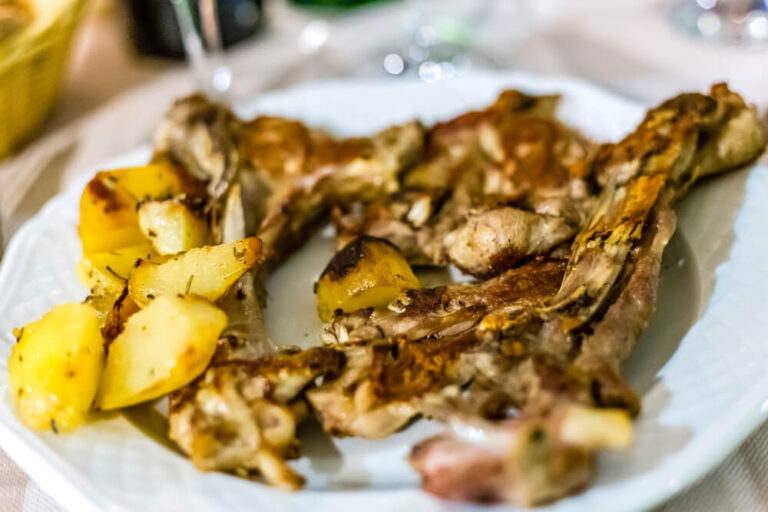
All across the Christian and Jewish world, lamb graces the tables of families every Spring for the festivals of Easter and Passover. Rome is no exception: When the city dwellers flee to the countryside and fire up their barbecues on Pasquetta (Easter Monday), abbacchio allo scottadito is usually top of the menu. Abbacchio refers to a young lamb that has not yet been weaned from its mother’s milk, and is highly prized for its delicate flavour. Cutlets are marinated in garlic, rosemary and olive oil, tossed onto a flaming barbecue and grilled until charred.
You’ll also see the dish being offered on restaurant menus across the Eternal City during the Spring and beyond. Scottadito literally means ‘burned finger,’ and the name gives you a clue as to what you are in for. Muster your courage and grab the bone whilst it’s still fiercely hot; savour the delicious flavour, and nurse your scalded fingers like a true Romano.
Where to Try it: Trattoria Da Cesare al Casaletto.
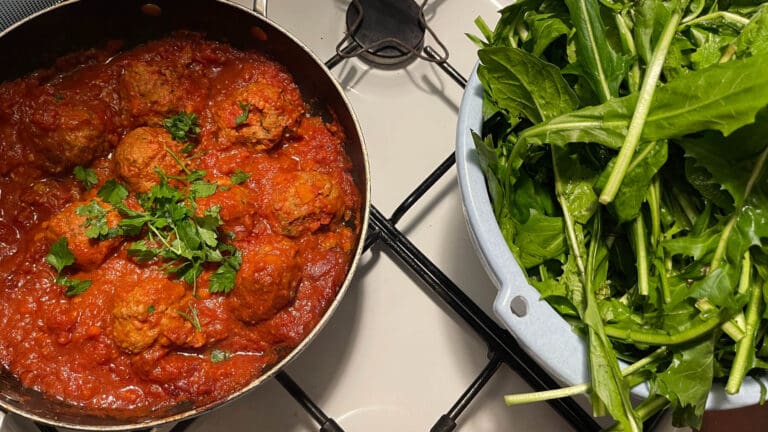
If there’s one dish that perfectly captures the spirit of Roman home cooking, it might just be polpette alla romana. These humble meatballs are a classic example of cucina povera – the ingenious tradition of transforming simple, leftover ingredients into something deeply satisfying.
Traditionally, Roman polpette were made using scraps of boiled meat left over from a pot of yesterday’s bollito (boiled meat), mixed with eggs, grated pecorino, parsley and softened bread. The mixture is shaped into balls and either fried until golden or gently simmered in a rich tomato sauce. The result is irresistibly comforting: crisp on the outside, tender and savory within.
A distinguishing factor is of Roman meaetballs is their size: often almost as large as a baseball, just a couple of these makes up a hearty meal. And no, they aren’t ever served over pasta! Instead you’ll find them in the secondo section of the menu, traditionally eaten alongside roast potatoes and a green vegetable like cicoria or brocoletti.
Where to Try it: Da Tonino.
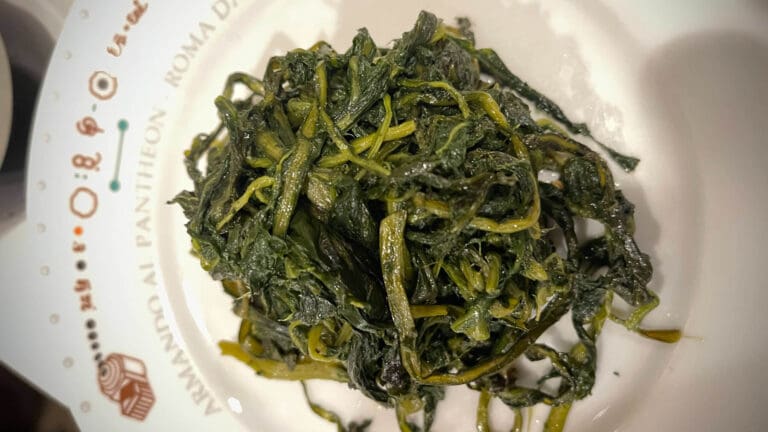
Whilst it’s true that Romans love nothing more than hearty plates of pasta and heavy stews, you might be surprised that the local fare is also extremely strong on vegetables. Its rare to see a Roman settle down to a meal at home or in a restaurant without ordering a plate or two of greens. Okay so we’re not exactly talking a low-calorie option here – these dishes often have enough olive oil in them to drown an elephant, but don’t let that put you off.
Our favourite Roman green vegetable dish is cicoria ripassata: often mistranslated into English as cicory (also known as endive, or indivia in Italian), cicoria is actually a green weed-like leaf from the dandelion family. In fact, in the United States Italian-American families have been picking and cooking dandelions in the Roman style for decades, often much to the confusion of their neighbours!
In Rome, nobody will confuse these eye-wateringly bitter leaves with a pesky weed however. Here they come served boiled and then subsequently fried in hot oil with garlic and chilli, and you’ll find them in the contorni section of almost every Roman restaurant menu. If you want a lighter option, you might want to order cicoria all’agro instead – boiled and topped with lemon and a little olive oil. Either way, the bitter flavour provides the perfect complement to rich meat dishes, so do like the Romans and order up a plate – squisito!
Where to Try it: Any traditional Roman restaurant will do!
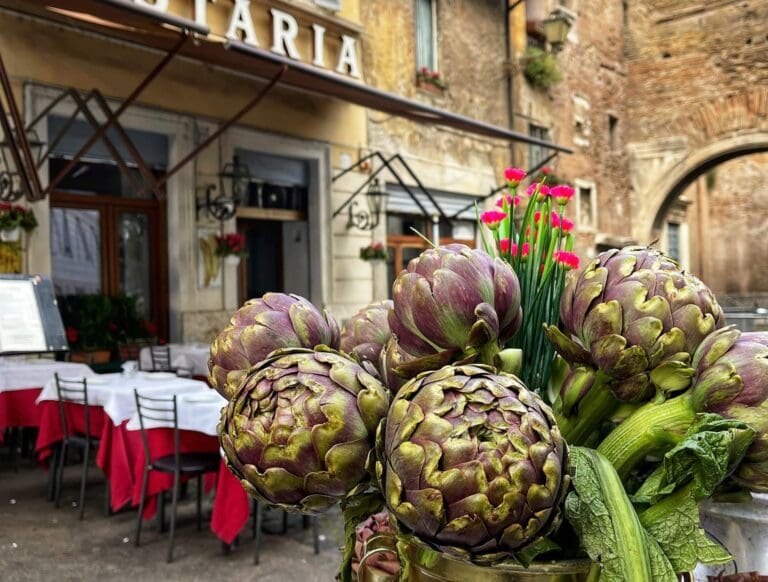
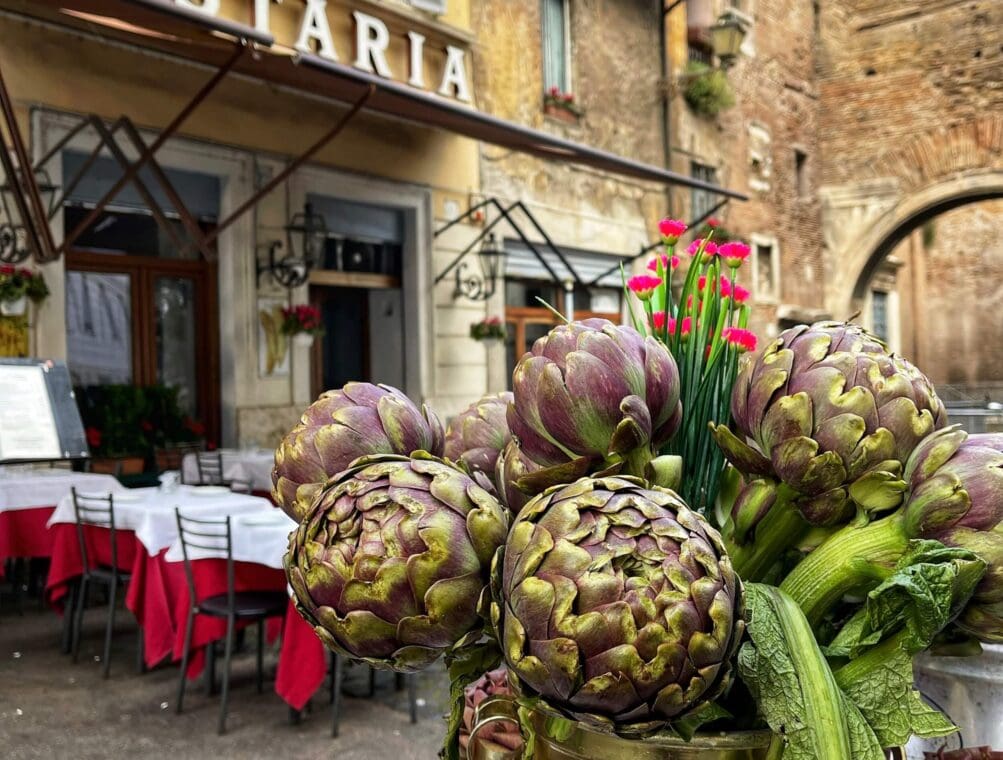
If you come to Rome in the Springtime, then you need to put artichokes right to the top of your must-try list. These beautiful globe thistles don’t look particularly edible to the untrained eye – but in Rome the weirdly addictive metallic flavour of artichoke is a perennial favourite. Trimming the prickly blighters is a tricky business, and watching Roman greengrocers expertly go about the task is an almost hypnotic experience. The most prized varietal is the regal and large carciofo Romanesco that’s only in season during the Spring, and in Rome they come served in one of two ways.
The first style is known as carciofi alla Romana – artichokes are split open and filled with mint, garlic and parsley before being gently steamed in a concoction of olive oil, white wine and water. The liquid evaporates, leaving behind tender artichokes infused with the cooking liquor’s delicate flavour. Served whole, a carciofo alla Romana is an impressive sight – eat it delicately with your fingers, pulling off one fragrant leaf at a time.
The second style is carciofi alla giudea – Jewish style artichokes synonymous with Rome’s historic Ghetto. After being carefully trimmed, the artichoke is flattened so that its leaves open outwards like a flower and then deep fried whole – when the vegetable emerges from the hot oil it is deliciously crispy and pleasingly soft at the same time. Deciding which style to order is a mug’s game, so just get a plate of both!
Where to Try Carciofi alla Romana: Trattoria Vecchia Roma, Esquilino
Where to Try Carciofi alla Giudea: Ristorante Piperno, Jewish Ghetto
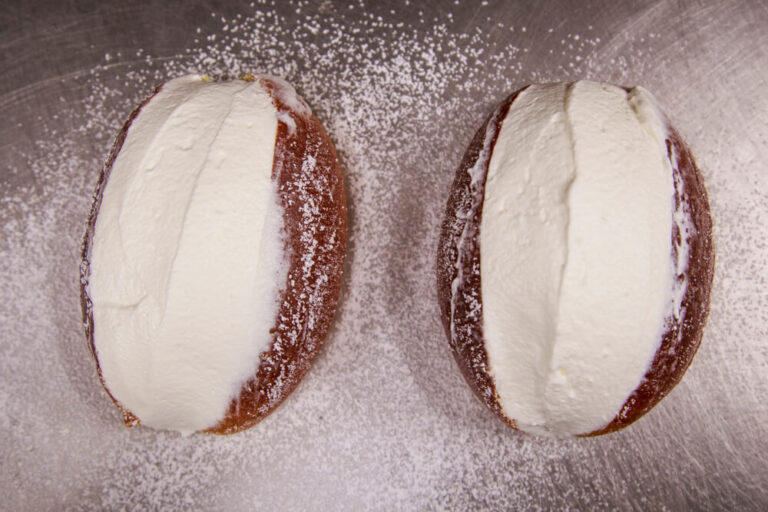
But if you’re in search of a sweet treat that is Roman to its core, then you should seek out maritozzi – massive leavened sweet buns freshly stuffed with lightly sweetened whipped cream and often enriched with pine nuts, raisins and candied orange peel. This kind of stuffed bun has a noble heritage stretching all the way back to ancient Rome, but the name maritozzo recalls a more recent tradition of young men gifting their beloved these sweet treats on the first Friday of March (a forerunner to St Valentine’s Day) decorated with sugared hearts and concealing a ring hidden inside.
Maritozzi were also the only sweet foodstuffs that could be consumed in Rome during the privations of Lent from the medieval period up to the 19th century. And if you find yourself in the Eternal City on the first Saturday in December, you’re in luck – this is Maritozzo Day, when you can embark on an itinerary of the city’s most famous pasticcerie to taste these moreish delights at their best.
Where to try it: Pasticceria Regoli, Esquilino.
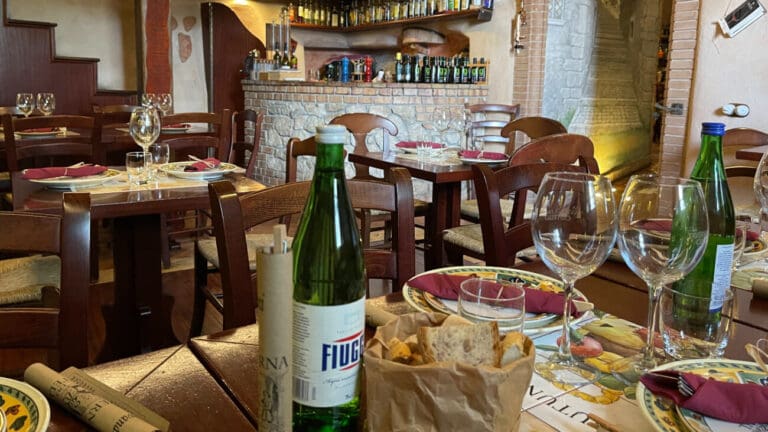
Reducing the rich tapestry of Roman cuisine to 10 dishes is an impossible task, and limitations of space meant we’ve barely scratched the surface of the manifold delights of Rome’s food culture.
It was a wrench to leave out dishes such as the offal classics pajata and animelle (sweetbreads), meat staples such as pollo con peperoni, vegetable dishes such as agretti alla Romana and puntarelle con acciughe as well as street food delights like supplì al telefono, mozzarella in carozza or even the recently invented panino-pizza hybrid trapizzino.
There’s a whole world of foodie delights out there, and the only way to get to grips with it is to come and try it for yourself!
What is traditional Roman food?
Traditional Roman food is rooted in the city’s long culinary history and its working-class traditions. Roman cuisine tends to focus on simple ingredients prepared with bold flavors, often featuring pasta, cured meats, pecorino cheese, vegetables, and olive oil. Many classic dishes developed from the cooking of shepherds, market workers, and trattoria kitchens, creating a cuisine that is hearty, flavorful, and deeply tied to local culture.
What is the most famous dish in Rome?
One of the most famous Roman dishes is carbonara, the creamy pasta made with eggs, pecorino romano cheese, guanciale, and black pepper. Other iconic Roman classics include cacio e pepe, amatriciana, and gricia—four pasta dishes often considered the pillars of Roman cuisine.
Where can you eat traditional Roman food?
You’ll find traditional Roman food throughout the city, particularly in historic neighborhoods such as Trastevere, Testaccio, and the area around Campo de’ Fiori. If you take a trip out to the suburban areas where most Romans live like San Lorenzo, Tor Pignattara, Pigneto or Monteverde, you’ll be practically guaranteed to eat well.
What are the four classic Roman pastas?
Rome is famous for four iconic pasta dishes: cacio e pepe, carbonara, amatriciana, and gricia. These recipes share a common foundation of simple ingredients such as pecorino cheese, guanciale, and black pepper, but each has its own distinctive character and history. Read our guide to Rome’s classic pasta dishes here.
Is Roman food different from Italian food?
Yes. While Roman cuisine is part of Italian cooking, like other regional cuisines on the peninsula it has a distinctive identity all its own, based around a specific range of ingredients. Some of the most essential ingredients in Roman cooking include guanciale, pecorino, oxtail and offal like tripe, sweetbreads, and coratella.
Rome Food Tours
Taste the Best of the Eternal City