For over a thousand years, six women kept Rome alive. That, at least, was the belief: that the sacred flame burning in the round Temple of Vesta in the Roman Forum was not merely a religious symbol but an existential necessity, and that as long as the Vestals tended it, the city would endure.
They held more legal power than almost any other woman in the ancient world, commanded the kind of public deference normally reserved for Rome’s highest magistrates, and could even save a condemned man’s life through nothing more than a chance encounter on the street. They were also sworn to thirty years of celibacy from the age of six, under penalty of being buried alive.
The Vestal Virgins are one of antiquity’s great contradictions. This is the remarkable story of the women who guarded the eternal flame of Rome.
Roman Forum Tours
Lean about the Vestals on a Roman Forum Tour
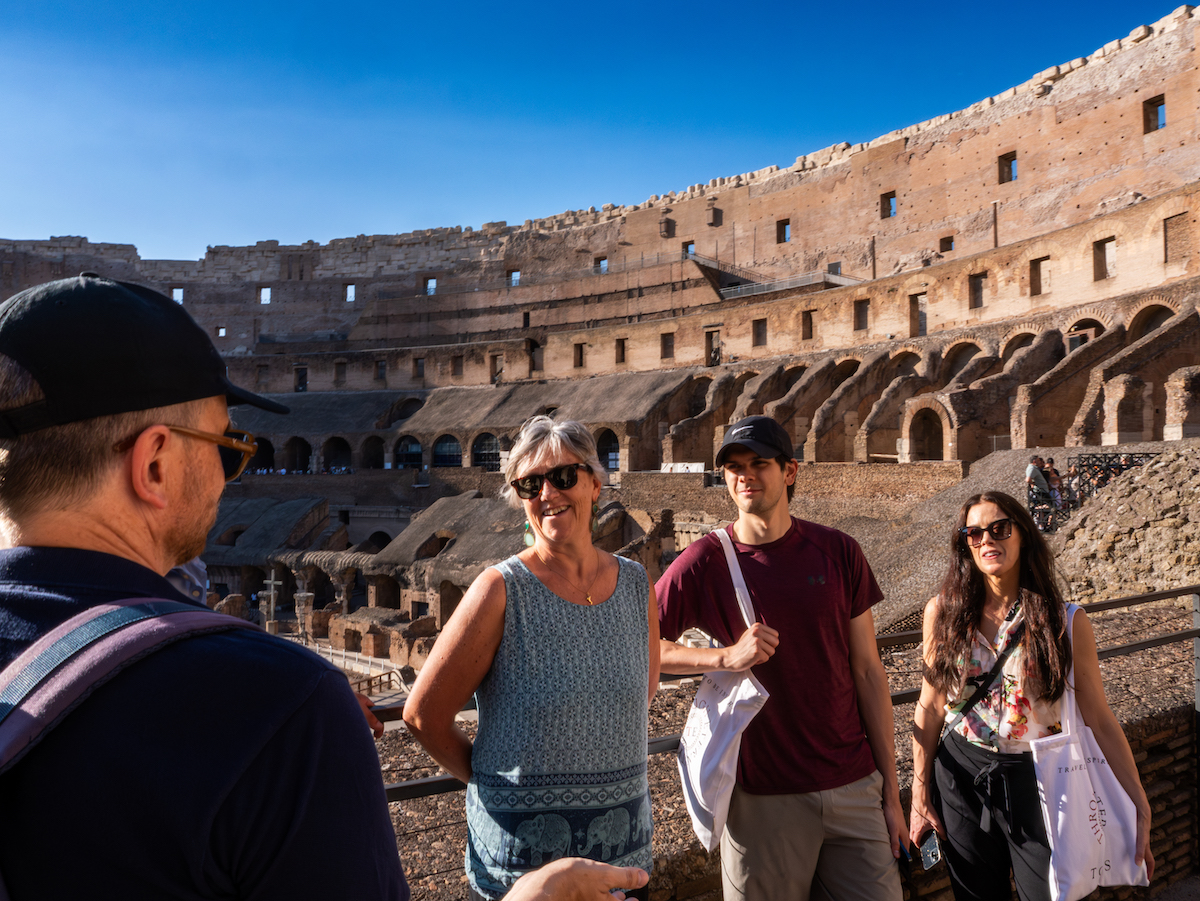

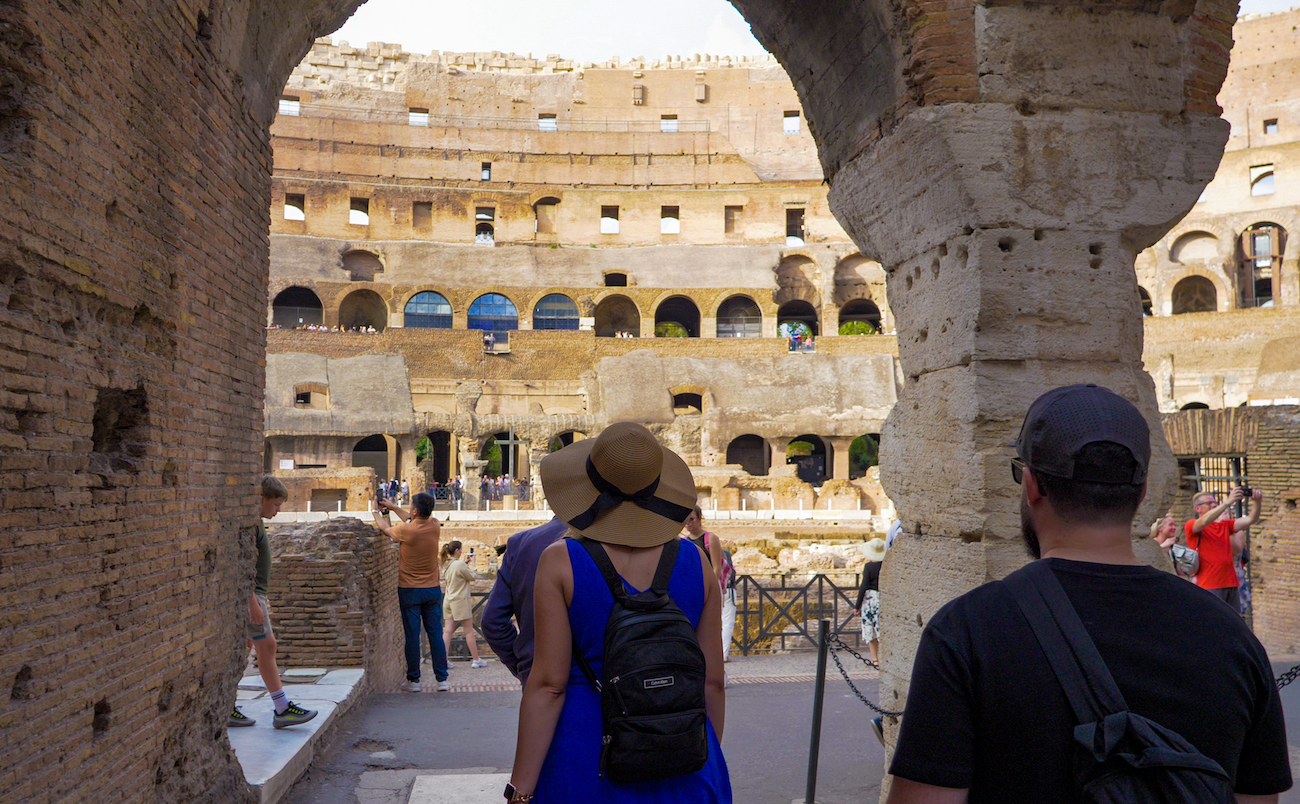
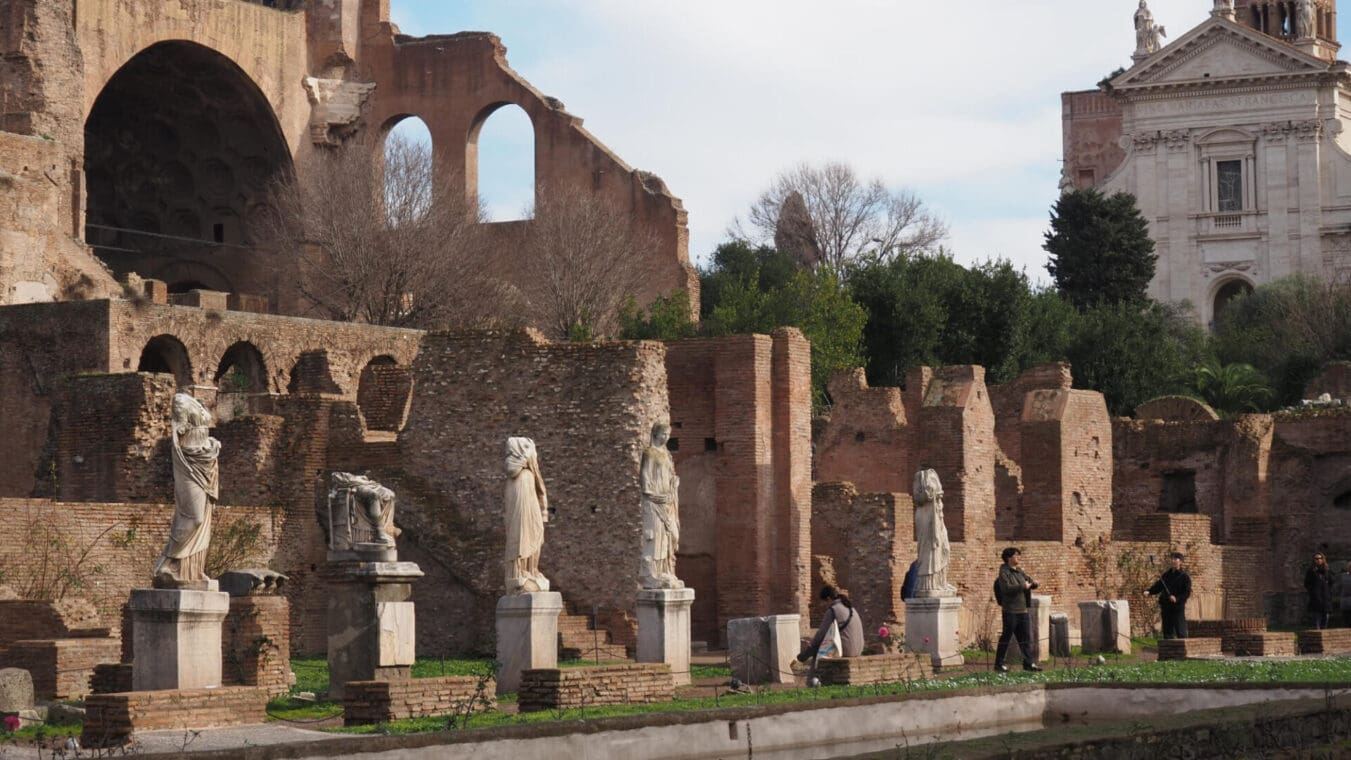
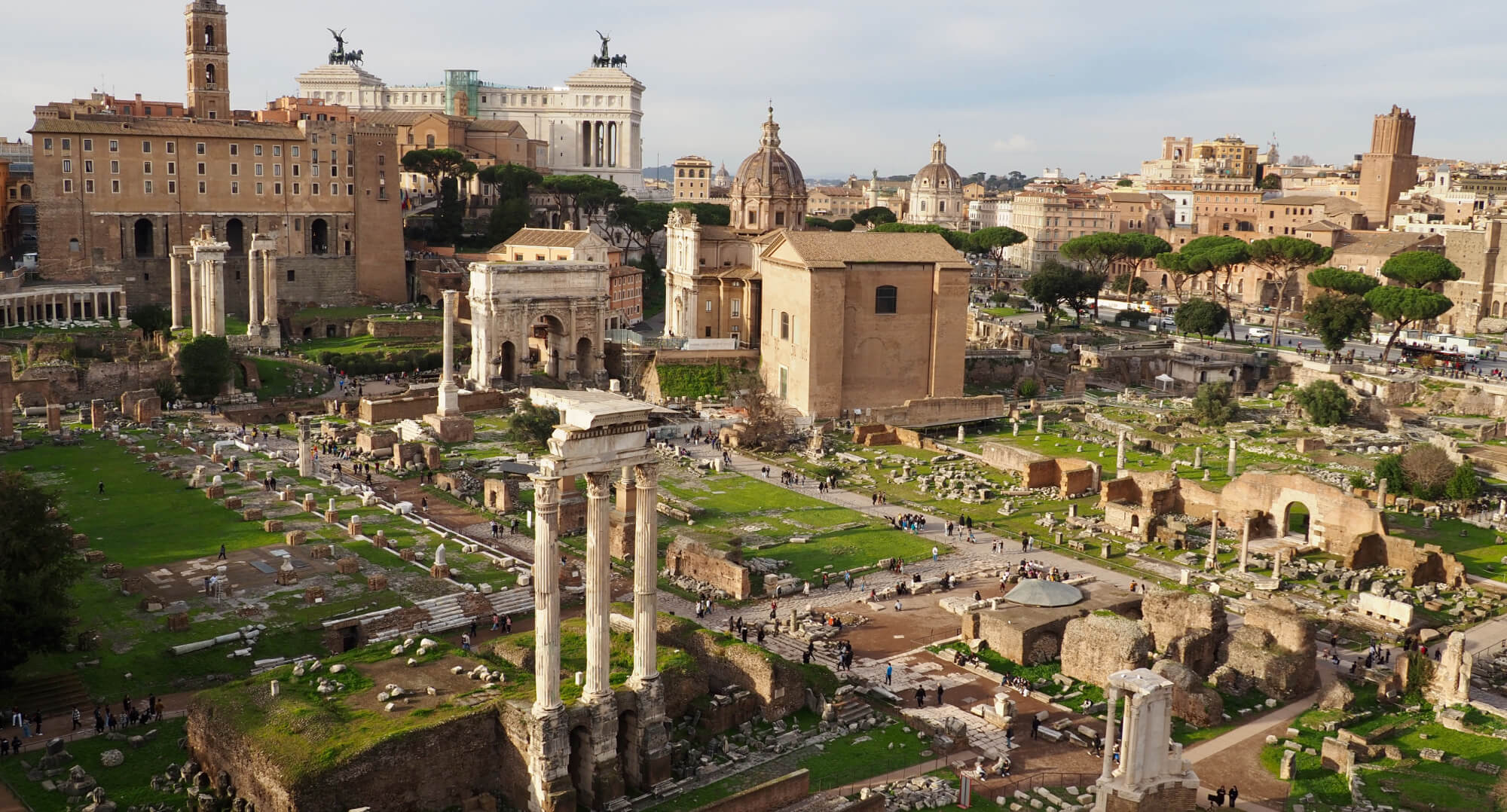
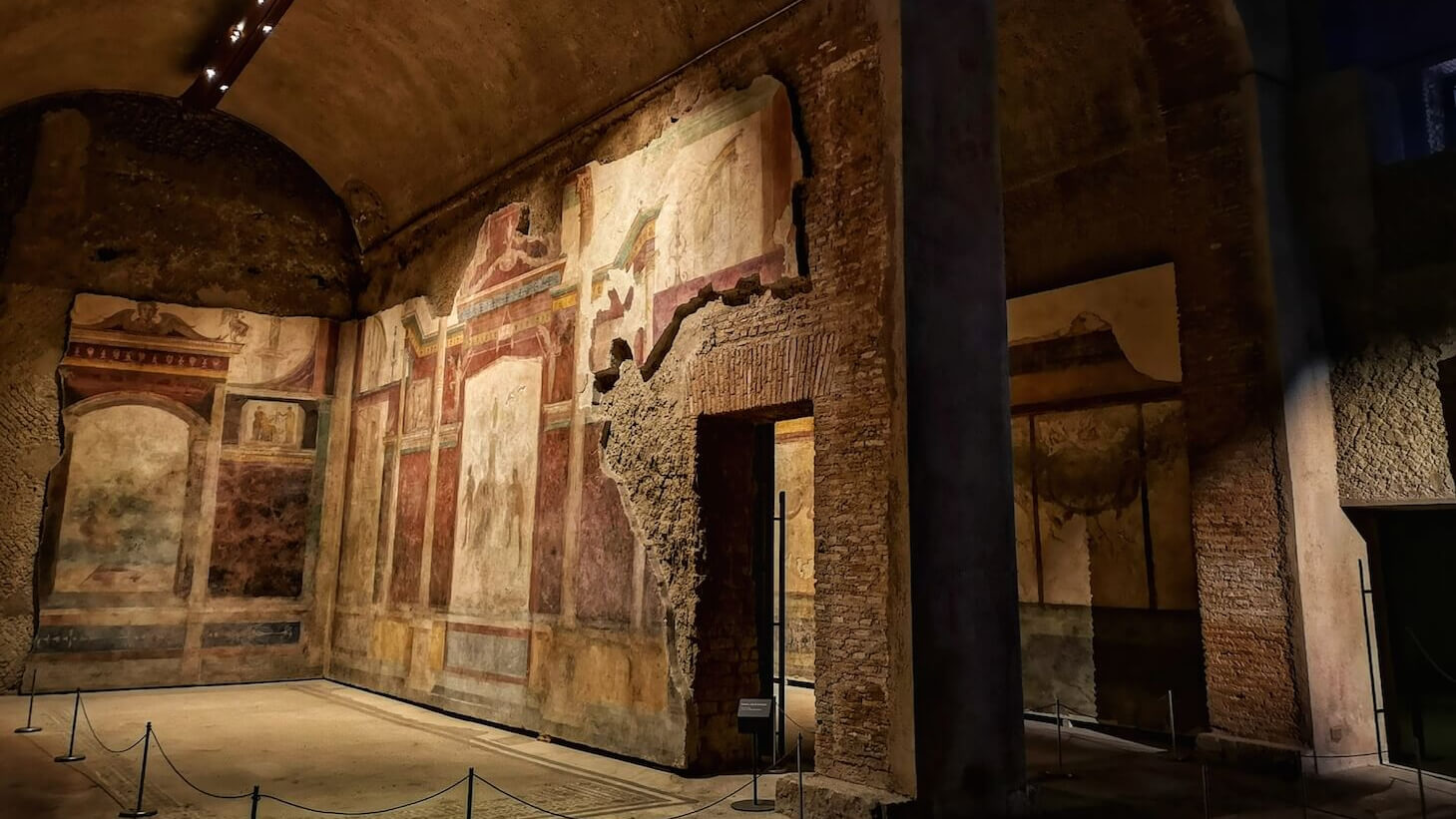
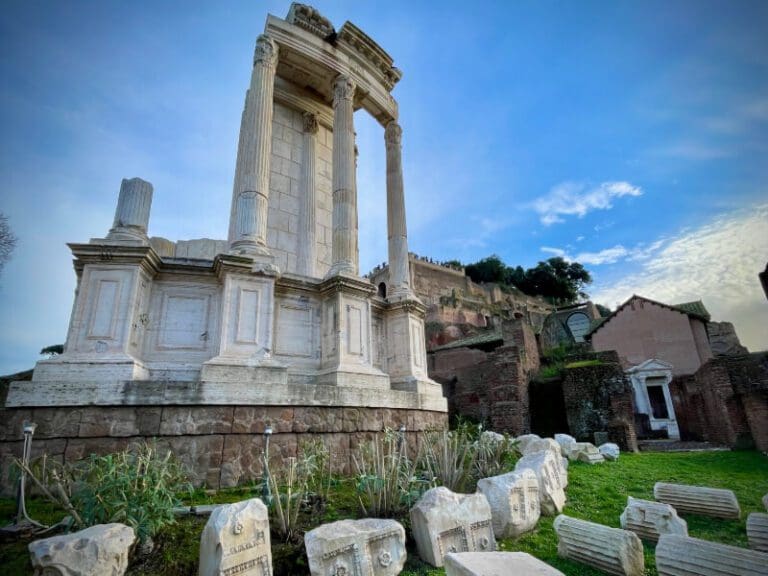
The Temple of Vesta still stands at the eastern edge of the Roman Forum — a graceful circle of columns, partially reconstructed, that gives little away about what it once contained or what it once meant. Inside burned a flame that was never allowed to go out, tended day and night by the six priestesses of Vesta who lived together in the long courtyard house directly behind the temple. You can visit the temple and learn all about the lives of the Vestal Virgins on our Private Colosseum Tour with Ancient Rome.
Vesta was the goddess of the hearth, and in Rome’s understanding of the world, the city’s own hearth was her flame. As long as it burned, Rome was safe. This was something that was taken very seriously indeed: when the fire was accidentally extinguished (and this did occasionally happen) the event was treated as a state emergency, requiring ritual expiation before Rome could consider itself secure again.
The women entrusted with this responsibility were selected in childhood, served for three decades, and occupied a social position that had no real equivalent anywhere else in the ancient world: simultaneously revered and constrained, extraordinarily powerful but without certain freedoms most people would consider basic.
As children they would have had little understanding of the enormous commitment they were making, beginning a life of extreme contrasts and contradictions that could end in comfortable retirement or cruelly premature death.

How Were the Vestal Virgins Chosen?
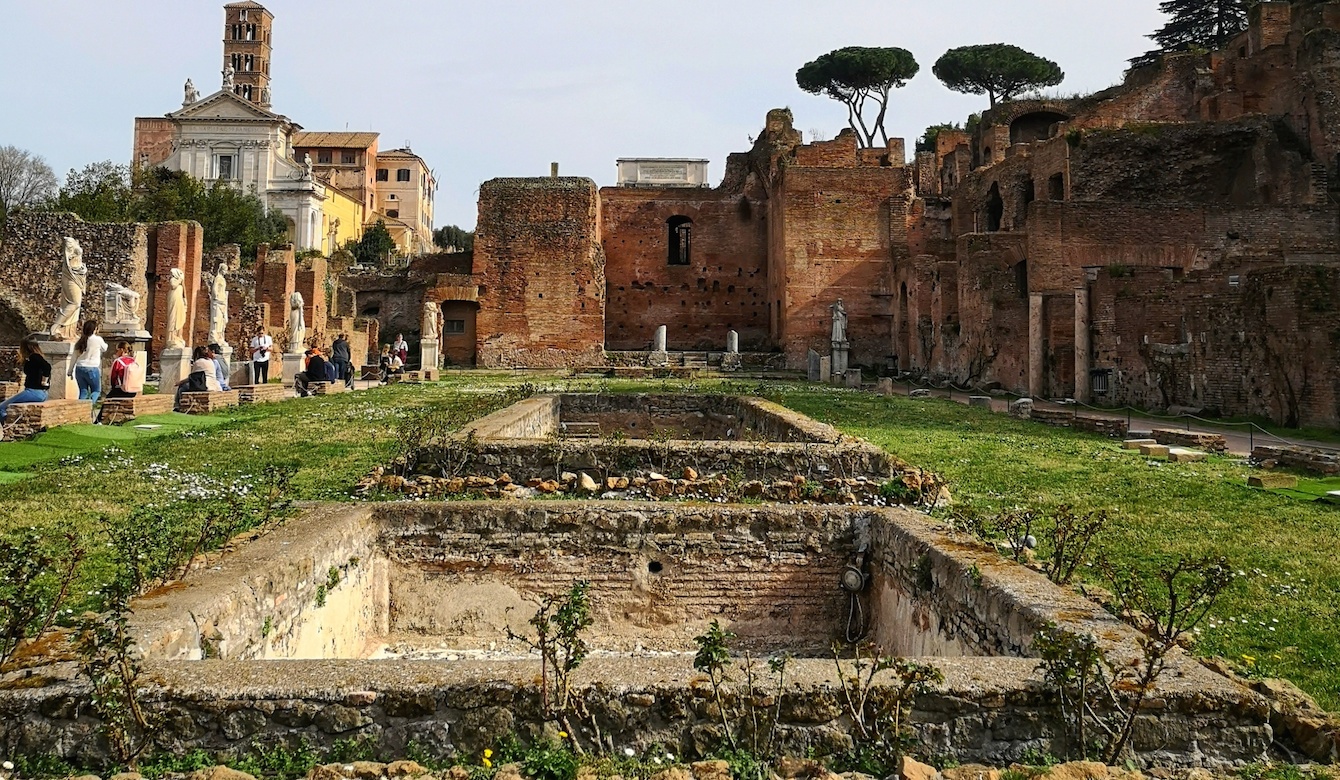
Not every Roman girl could become a Vestal. Candidates had to be of patrician birth, with both parents still living, and free of any physical or speech defect — flaws that, by Roman thinking, would compromise the order’s purity.
From a shortlist of eligible girls aged six to ten, the pontifex maximus made the final choice, drawing lots when too many candidates met the criteria. The selected girl then underwent the captio, or “taking”: a ritual in which the pontifex maximus took her by the hand and formally removed her from her father’s legal authority, transferring her into the priesthood’s care.
Initiation followed immediately. Her hair was cut and hung on an ancient lotus tree said to grow within the sacred grove, and she was dressed in the white vittae and suffibulum that marked her, from that moment, as Vesta’s own.
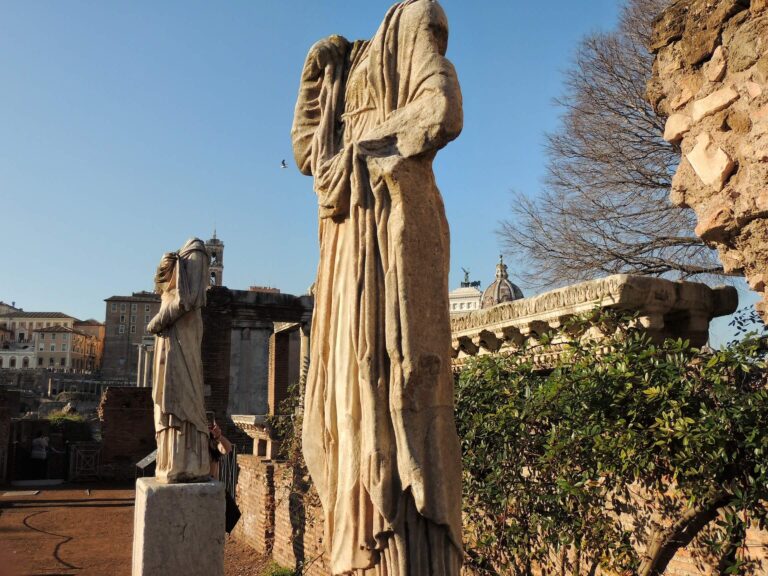
Vestal Virgins were granted privileges that would have been unimaginable for other women in Ancient Rome.
The most fundamental was legal independence. Roman women were ordinarily subject to male guardianship (tutela), at least in law, for many important legal transactions. Vestal Virgins were exempt. They were sui iuris (legally autonomous) which meant they could own property outright, draw up their own wills, and appear as witnesses in legal proceedings without taking an oath: their word was considered, by definition, beyond reproach. In a society where women’s legal capacity was routinely subordinated to the nearest male relative, this was an extraordinary exception.
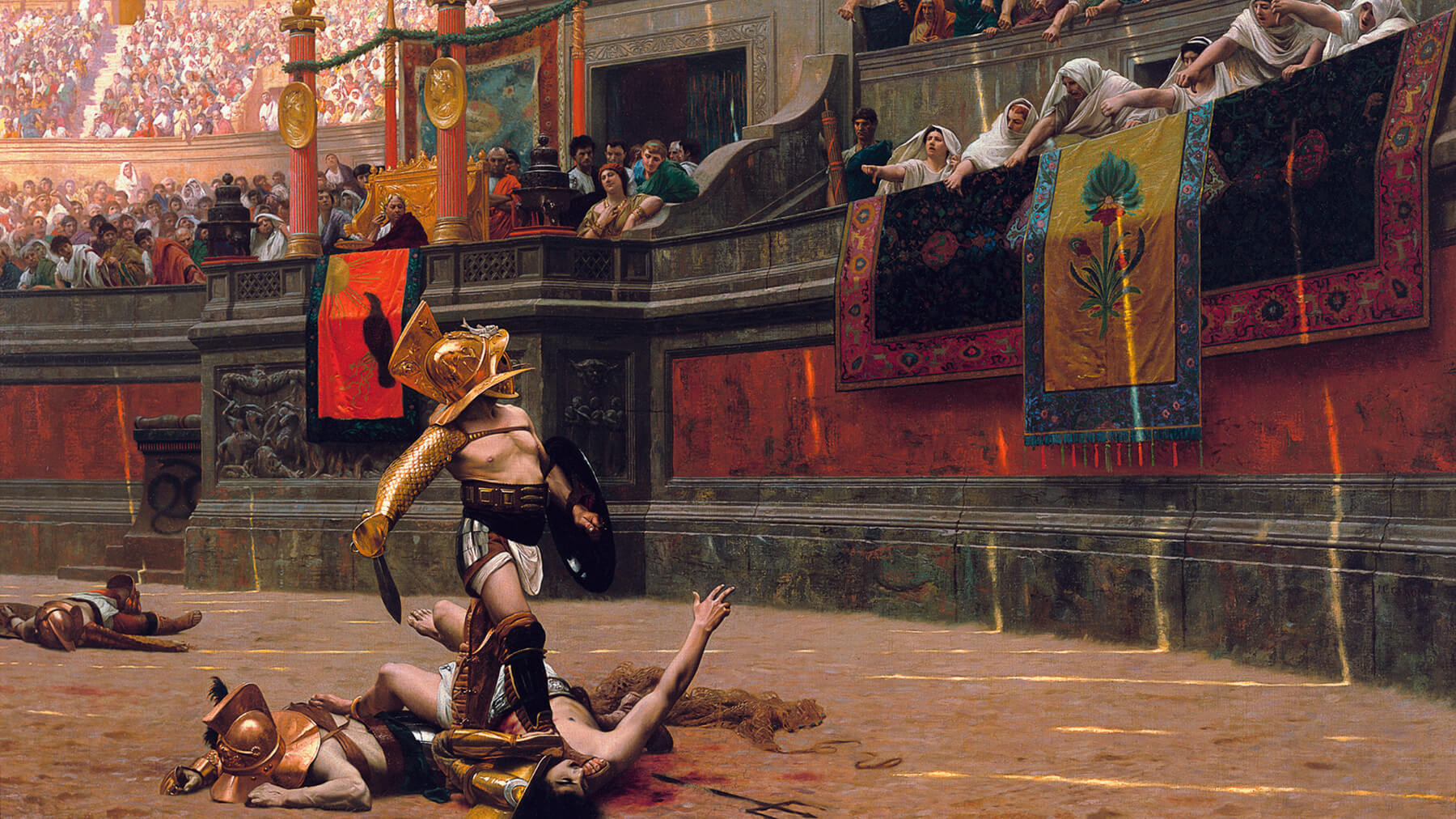
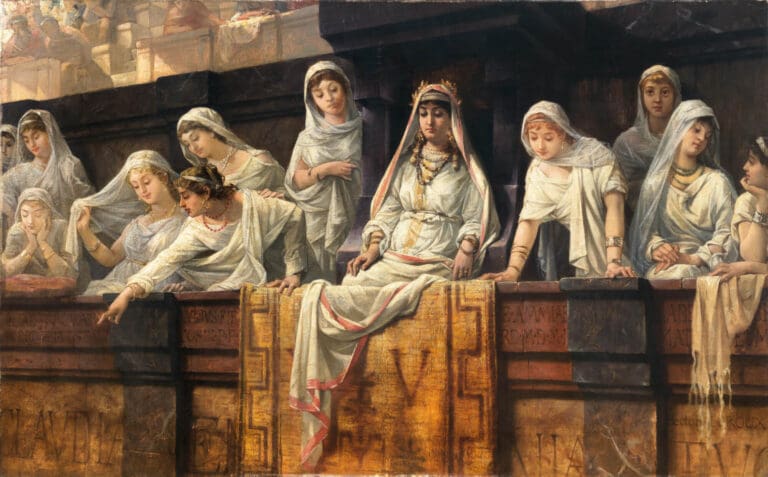
Their physical presence carried weight in the world too. Vestals were escorted by a lictor — the same armed attendant that accompanied magistrates and consuls — and anyone who jostled or physically impeded a Vestal in the street could be put to death. Their litters had right of way in the city. At the public games in the Colosseum they held reserved seats in the front row, facing the arena rather than positioned in the tiered seating where other women were required to sit at the back.
Most remarkable of all was the power of intercession. A condemned prisoner who happened to meet a Vestal by chance on the way to execution could receive a reprieve on the spot, provided the Vestal declared the encounter had been accidental.
The Vestals also intervened in weightier political matters when they chose to. They were among the influential figures who interceded with Sulla on behalf of the young Julius Caesar after he refused to divorce Cornelia, helping to secure the pardon that saved the life of the man who would later transform the Roman Republic.
The privileges of Vestal life came attached to obligations that were correspondingly serious.
The primary duty was the one most people know: maintaining the sacred flame in the circular Temple of Vesta, which burned continuously in the center of the Forum and was believed to be directly linked to Rome’s survival. Rome’s conception of its own continued existence was closely tied to the fire’s continuity.
If the flame went out, it was taken as an omen of catastrophe. The Vestal responsible for such a serious oversight was stripped and flogged by the Pontifex Maximus before the fire was ritually rekindled by the friction of wood from a sacred tree. The flame was only deliberately extinguished once a year, on the first of March. This was the date of the old Roman new year; after being extinguished, it was lit again from scratch in the ancient fashion.
Beyond the fire, the Vestals held a range of ritual responsibilities that touched almost every aspect of Roman public religion. They prepared the mola salsa, the sacred salted grain cakes used in all public sacrifices throughout the year, from grain harvested by their own hands and processed according to an ancient method.
They also collected water for ritual use from designated sacred springs — the water could not touch the ground during transit, which in practice meant considerable logistical care — and they prepared ritual purifying substances used in the calendar of Roman festivals.
Equally importantly, the Vestal Virgins were the guardians of Rome’s most important documents and sacred objects. Wills, treaties, and state documents were entrusted to their keeping. Some ancient sources recount that they were responsible for the will of Julius Caesar himself. The Vestals were also said to guard the Palladium, the ancient statue of Athena supposedly brought from Troy by Aeneas which was widely considered a powerful thaumaturgic token of Rome’s safety. No one outside the order ever saw it, further attesting to their exalted status.
The full term of service ran thirty years: ten as a novice learning the duties, ten as a practitioner, ten as a teacher of the next cohort. At the end, a Vestal was free to leave, accept her pension, and marry if she chose. Most didn’t.
Vows of Chastity & the Punishment of Being Buried Alive
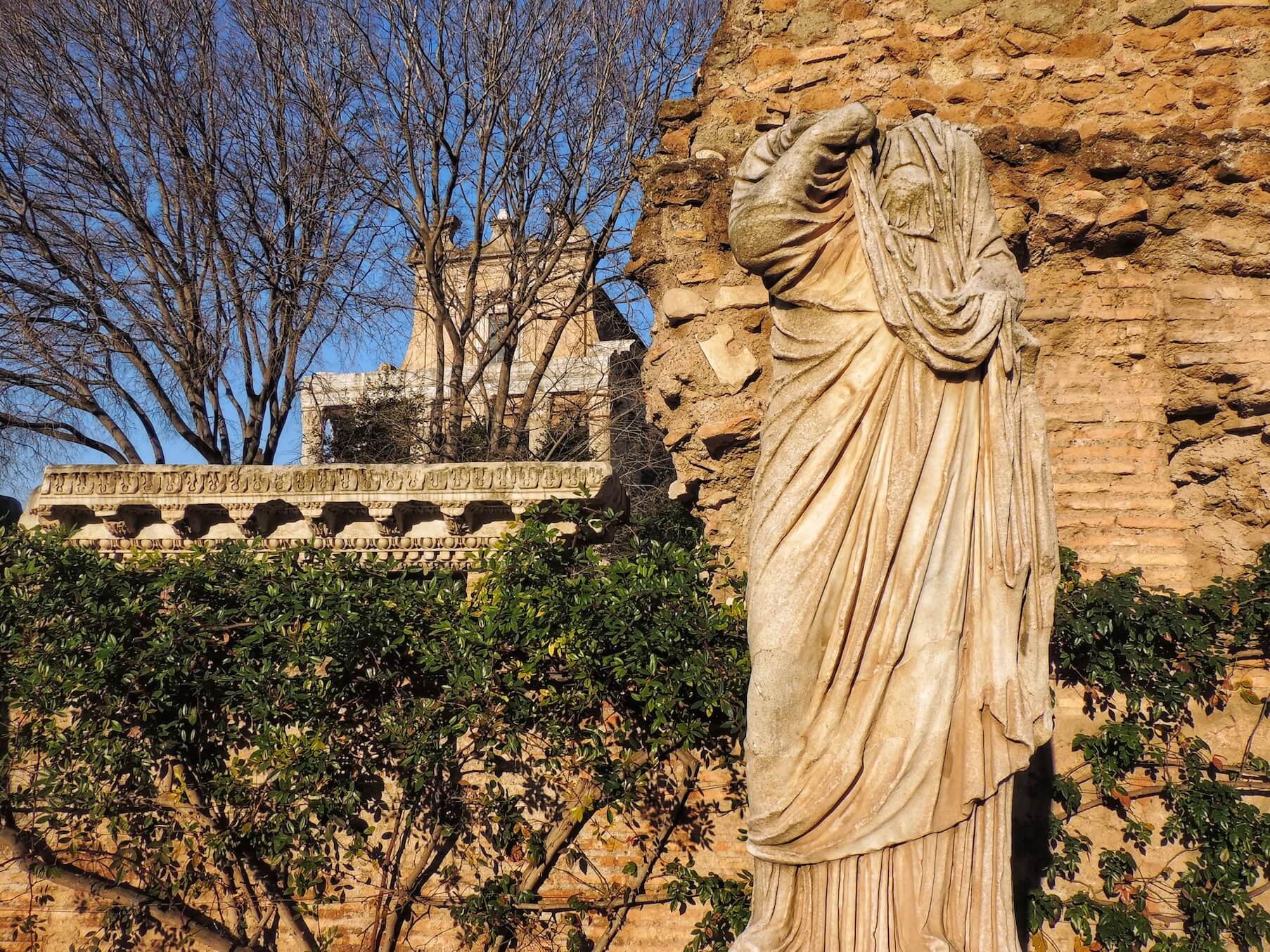
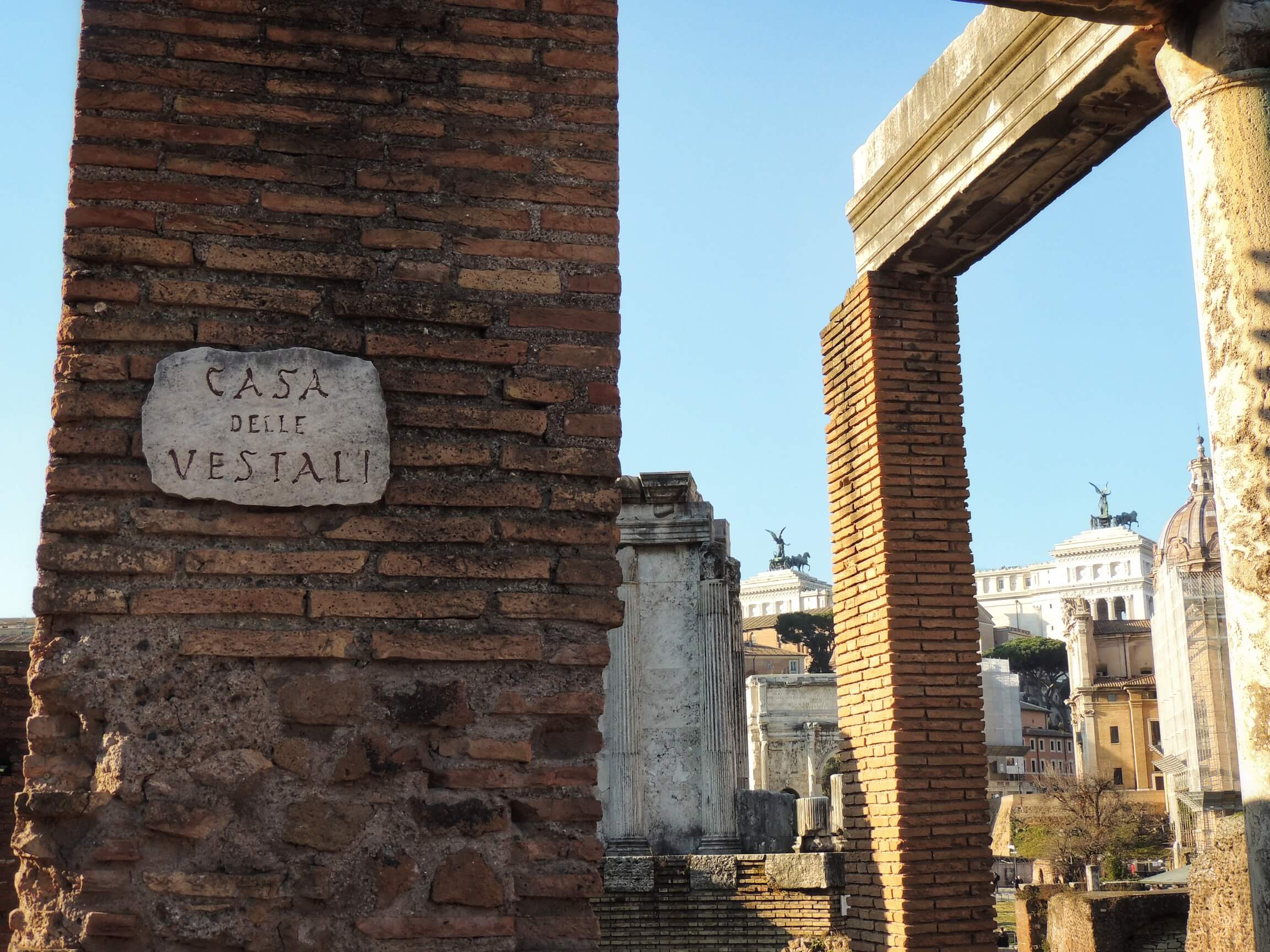
As their name suggests, virginity was integral to the Vestals’ identity. Their vow of chastity was not a private matter, and a Vestal who broke it didn’t merely commit a personal transgression: she committed incestum, a religiously charged term that encompassed both sexual violation and the ritual pollution believed to follow from it. Because the health of the Roman state was understood to depend on the Vestals’ purity, any breach was effectively an act of treason against Rome itself, an offence against the pax deorum, the peace between the gods and the city that guaranteed Rome’s continued survival. The punishment was calibrated accordingly.
Under the original law attributed to King Numa Pompilius, the founder of the Vestal order, the penalty for incestum was stoning to death. It was Tarquinius Priscus, Rome’s fifth king, who devised a far more elaborate solution to the theological problem the punishment created: no one was permitted to spill the blood of a consecrated priestess of Vesta, since to do so would compound the pollution rather than expiate it.
Live burial technically solved this. The condemned woman was not executed; she was simply enclosed in an underground chamber with enough food and oil to last a few days, at which point she would perish of her own accord. The blood-shedding prohibition was satisfied. Rome’s hands were clean, in the narrowest possible sense.
The ceremony of condemnation and grim procession is described in detail in William Smith’s Dictionary of Greek and Roman Antiquities (1875), drawing on Dionysius of Halicarnassus and Plutarch:
When condemned by the college of pontifices, she was stripped of her vittae and other badges of office, was scourged, was attired like a corpse, placed in a close litter, and borne through the forum attended by her weeping kindred, with all the ceremonies of a real funeral, to a rising ground called the Campus Sceleratus, just within the city walls, close to the Colline gate. There a small vault underground had been previously prepared, containing a couch, a lamp, and a table with a little food. The pontifex maximus, having lifted up his hands to heaven and uttered a secret prayer, opened the litter, led forth the culprit, and placing her on the steps of the ladder which gave access to the subterranean cell, delivered her over to the common executioner and his assistants, who conducted her down, drew up the ladder, and having filled the pit with earth until the surface was level with the surrounding ground, left her to perish deprived of all the tributes of respect usually paid to the spirits of the departed.
In practice, the punishment appears to have been carried out on no more than a handful of occasions across the entire history of the order — though accusations were raised more frequently, often when Rome needed someone to blame for military disaster.
After the catastrophic defeat at Cannae in 216 BC, two Vestals, Opimia and Floronia, were convicted of incestum; one was buried alive, the other took her own life before the sentence could be carried out.
A cluster of prosecutions in 114–113 BC, following further military reverses, resulted in three Vestals condemned simultaneously. The pattern is hard to miss: after military disasters, Romans often searched for signs that the gods had been offended, and the conduct of the Vestals inevitably came under scrutiny.
Famous Vestal Virgins: Tuccia & Postumia
Although accusations of incestum could have fatal consequences, not every Vestal brought to trial was found guilty. Ancient authors preserve a handful of stories about priestesses who escaped condemnation, revealing just how closely the Vestals’ private conduct was scrutinised—and how easily reputation alone could become a matter of state concern.
One of the most famous was Tuccia, who was accused of violating her vow of chastity. According to legend, she appealed directly to Vesta for vindication and was instructed to carry water from the Tiber in a sieve. The impossible feat was accepted as proof of her innocence, and the charges were dismissed. Whether historical or not, the story became one of Rome’s favourite examples of divine justice.
Postumia’s case was less miraculous but equally revealing. Livy tells us that suspicion fell on her not because of any evidence of wrongdoing, but because she dressed too elegantly and possessed what he regarded as an excessively lively wit. She was ultimately acquitted, though not without a stern warning from the Pontifex Maximus “to dress in future with more regard to sanctity and less to elegance.” It was a reminder that a Vestal’s reputation depended not only on her conduct but on appearing above suspicion at all times.
Life After Service
After thirty years—ten as a novice, ten as a practitioner, and ten as a senior teaching the next generation—a Vestal was free to leave the order, receive a state pension, and, if she wished, marry. Few chose to.
Plutarch offers a characteristically unsentimental explanation. By the time a Vestal completed her service, she was in her mid-to-late thirties at the youngest, in a society where elite women often married in their teens. The pool of prospective husbands was therefore limited.
Those who did marry, he observes, acquired an unfortunate reputation. Whether through coincidence or superstition, former Vestals who left the order were said to regret the decision and to suffer unhappy marriages, a belief that likely discouraged others from following their example:
Then, the thirty years being now passed, any one who wishes has liberty to marry and adopt a different mode of life, after laying down her sacred office. We are told, however, that few have welcomed the indulgence, and that those who did so were not happy, but were a prey to repentance and dejection for the rest of their lives, thereby inspiring the rest with superstitious fears, so that until old age and death they remained steadfast in their virginity.
There may also have been more practical reasons to remain single. After three decades managing her own affairs, controlling property, and moving through Roman public life with a degree of independence almost unmatched among Roman women, a retired Vestal may simply have seen little reason to exchange that life for the expectations of marriage.
Those who remained unmarried retained their social standing, their financial independence, and the quiet dignity of a life unlike any other in Rome.
The End of the Vestal Order
The Vestal order did not end abruptly so much as it was slowly starved. As Christianity became the empire’s dominant faith, Emperor Gratian withdrew the Vestals’ state funding and confiscated their revenues around 382 AD, a financial blow the senator Symmachus pleaded unsuccessfully to reverse, famously rebuffed by Bishop Ambrose of Milan.
Nine years later, in 391 AD, Emperor Theodosius I banned public pagan worship outright across the empire, closing temples and outlawing the sacrifices and traditional religions that had defined Roman life for well over a millennium.
Around 394 AD, the sacred flame of Vesta was extinguished and the cult formally disbanded, bringing more than a thousand years of unbroken tradition to a close. Among the last known chief Vestals was Coelia Concordia, attested in a surviving inscription (CIL VI.2145) erected in 385 AD; she is said to have converted to Christianity before she died roughly a decade later.
What was lost when the fire finally went out was not merely a cult, but a particular Roman conviction: that the safety of the state itself depended on the unbroken devotion of a handful of women tending a flame that had, by tradition, never died since the city’s founding.
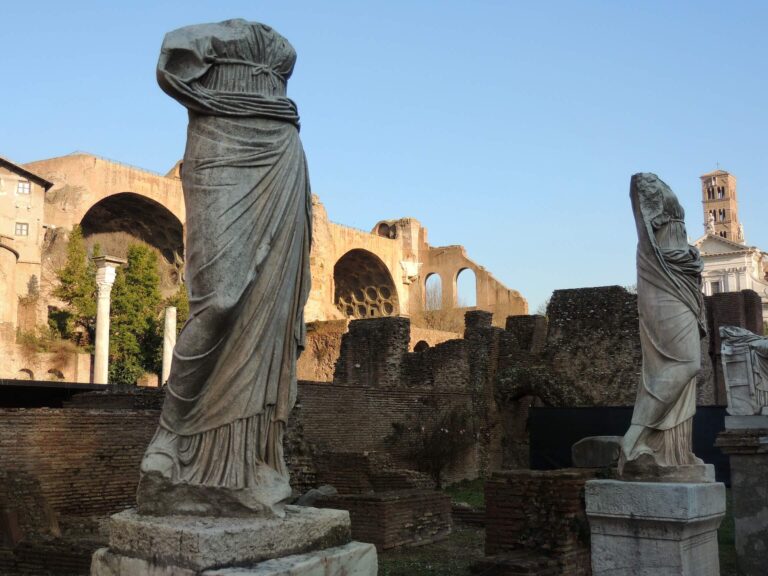
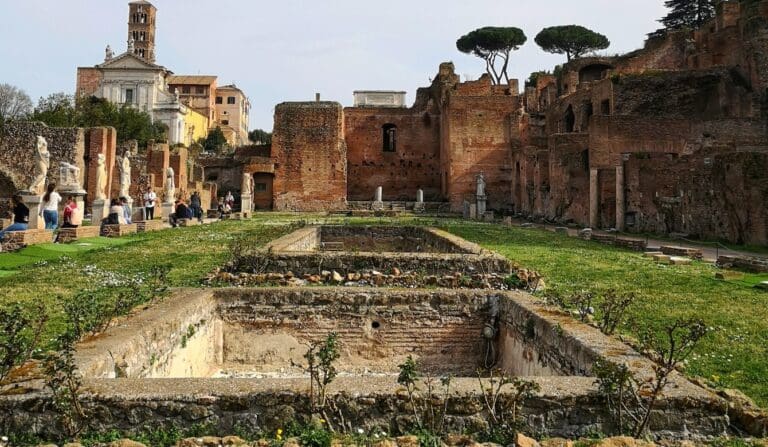
The House of the Vestal Virgins and the round Temple of Vesta sit side by side along the Via Sacra, the ancient processional road that cuts through the heart of the Roman Forum — easily reached on the same ticket that covers the Forum and the Colosseum, since all three sites share a single combined entrance.
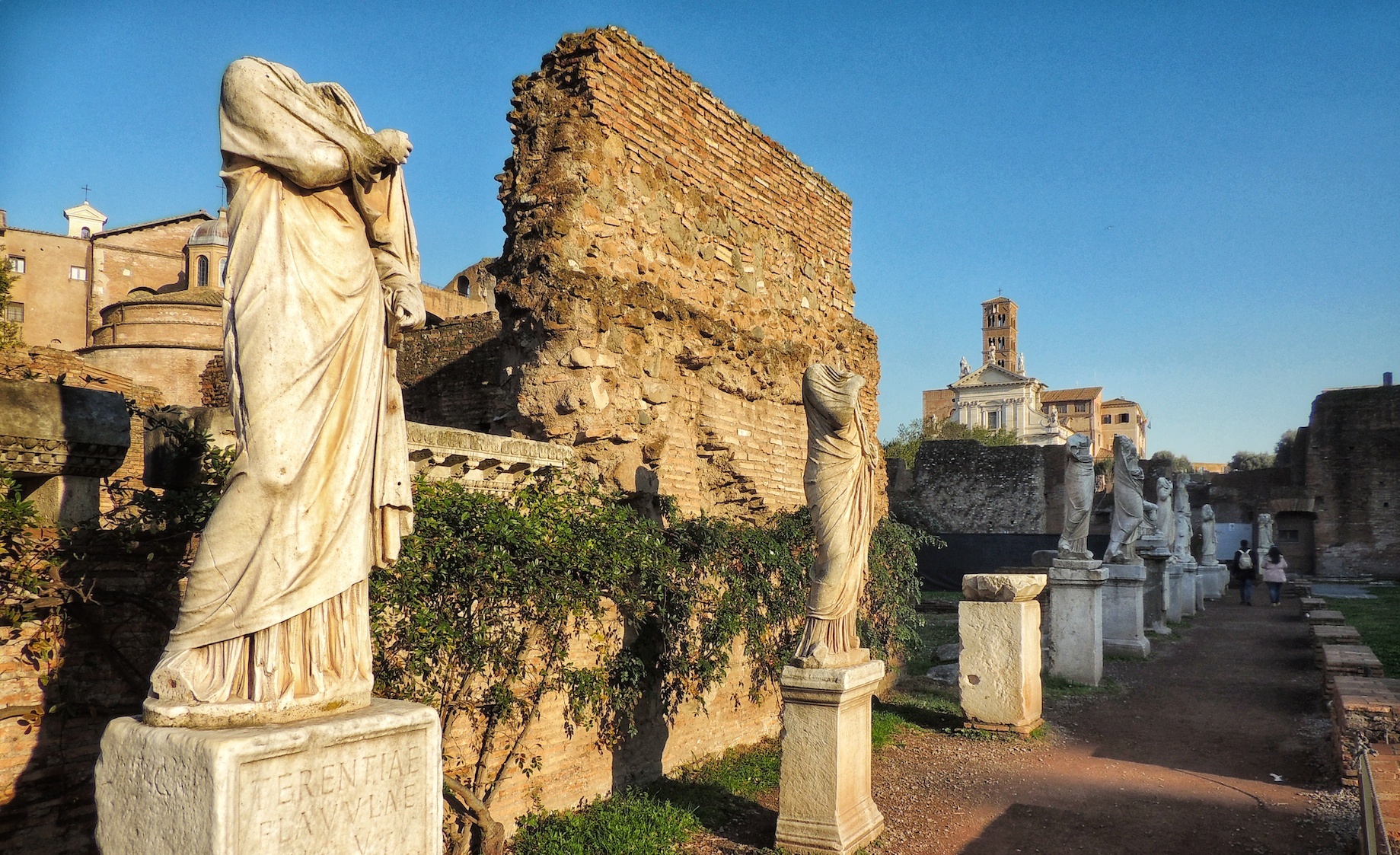
Look for the long central courtyard, lined with statue bases honoring the order’s chief Vestals across the centuries, several still bearing their names; at its center, a quiet rectangular pool once reflected the sky above the priestesses’ private quarters.
The ruins themselves are evocative, but they come alive with the right context. On our Roman Forum tour, an expert art historian or archaeologist walks you through the House and Temple in a small group of 12 or fewer, or fully privately if you prefer, explaining exactly what you’re looking at and why it mattered enough to survive nearly two thousand years.
Booking directly with the operator who designed and leads the experience — rather than through a third-party marketplace — means your guide is accountable to you, not a platform taking a cut, and that the experience is the same high standard every time.
Who were the Vestal Virgins?
The Vestal Virgins were priestesses dedicated to the goddess Vesta, guardian of Rome’s sacred hearth. Chosen as young girls from elite Roman families, they served for thirty years in the Temple of Vesta in the Roman Forum. Their most important duty was tending the eternal flame, which symbolized the safety and continuity of the Roman state.
What would happen if a Vestal Virgin broke her vow?
Vestal Virgins swore a strict vow of chastity during their service. Breaking this vow was considered a grave religious crime believed to endanger Rome itself. Because their bodies were sacred and could not be executed directly, the punishment was burial alive in an underground chamber outside the city walls—a ritual intended to avoid spilling their blood.
Where is the Temple of Vesta?
The Temple of Vesta stood in the Roman Forum, near the House of the Vestal Virgins. Today visitors can still see its circular foundations and the surrounding ruins, located along the Via Sacra between the Regia and the Temple of Castor and Pollux.
Did the Vestal Virgins have special privileges?
Yes. Although bound by strict rules, the Vestals held unusual status in Roman society. They could own property, make wills, and travel through the city with attendants – rights rarely granted to women in ancient Rome. They were also honored at public events and could even grant pardons to condemned prisoners if they encountered them by chance.
How long did a Vestal Virgin serve?
Service as a Vestal Virgin lasted thirty years: ten years of training, ten years performing the full duties of the priesthood, and ten years instructing younger priestesses. After completing their service, they were free to marry, though many chose to remain within the priestly household.
Why Were the Vestal Virgins Buried Alive?
A Vestal found guilty of incestum — breaking her thirty-year vow of chastity — couldn’t be executed by ordinary means, since shedding the blood of a priestess consecrated to Vesta was considered sacrilege. Instead, she was sealed alive in an underground chamber in the Campus Sceleratus outside the city walls, left with a small ration of food, and abandoned there until she died.
When Did the Vestal Virgins End?
The order was effectively ended in 391 AD, when Emperor Theodosius I banned public pagan worship across the empire. The sacred flame was formally extinguished and the priesthood disbanded around 394 AD, closing a chapter of Roman religious life that had run, by tradition, for more than a thousand years.
Can You Visit the House of the Vestal Virgins?
Yes. The House of the Vestal Virgins sits along the Via Sacra in the Roman Forum and is included on the standard combined Forum and Colosseum ticket. Visiting with an expert guide makes the difference — a knowledgeable archaeologist or art historian can point out the statue bases, the central pool, and the layout of the priestesses’ quarters that are easy to walk straight past otherwise.
Our Ancient Rome tours reveal more secrets as does the the House of the Vestal Virgins tour. You don’t have to commit to thirty years of chastity to walk through its hallways, but with our experts, you will feel as though you’ve been transported back in time, to the age of emperors, gladiators and Vestals.