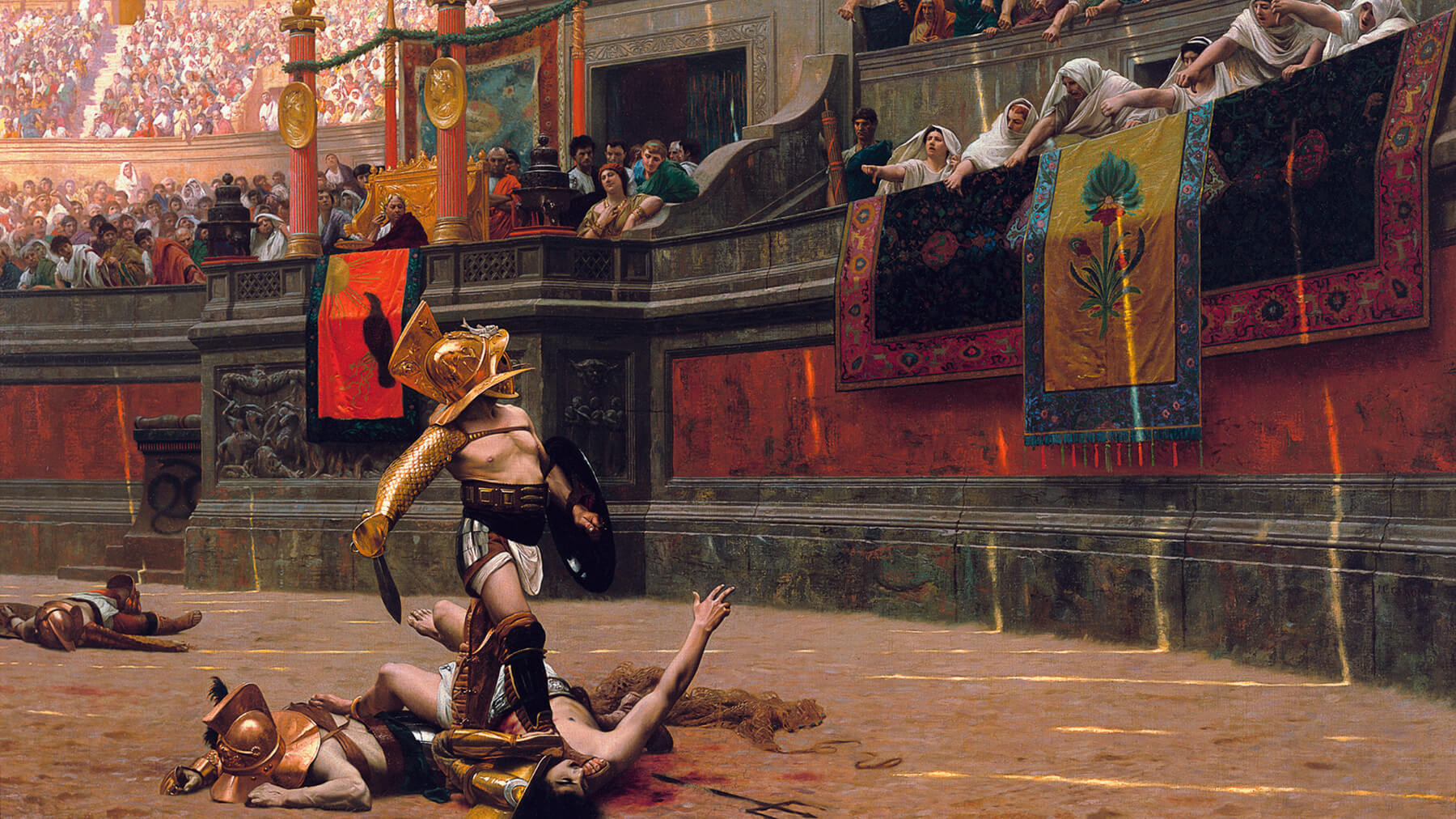
In Ridley Scott's Gladiator II, Paul Mescal straps on his leather sandals and sexy cuirass as he tears a course through ancient Rome in an attempt to win his freedom.
Amongst the deadly obstacles he has to overcome is a truly spectacular sea battle that takes place in the flooded arena of the Colosseum in wixh warships manoeuvre around the arena as sharks circle the combatants.
It looks amazing, but is this just a flight of Hollywood fancy or did such events actually happen in the ancient amphitheater? The sharks can be dismissed as creative licence. The flooded arena, however, is not an invention of the silver screen.
Mock naval battles known as naumachiae did form part of the entertainment at the Roman games. On at least a handful of occasions, they appear to have taken place in the Colosseum itself, which was flooded with water for the purpose via an elaborate system of sluices, channels and aqueducts.
Join us as we investigate the truth behind the fiction.
Ancient Rome Tours
Explore the Colosseum
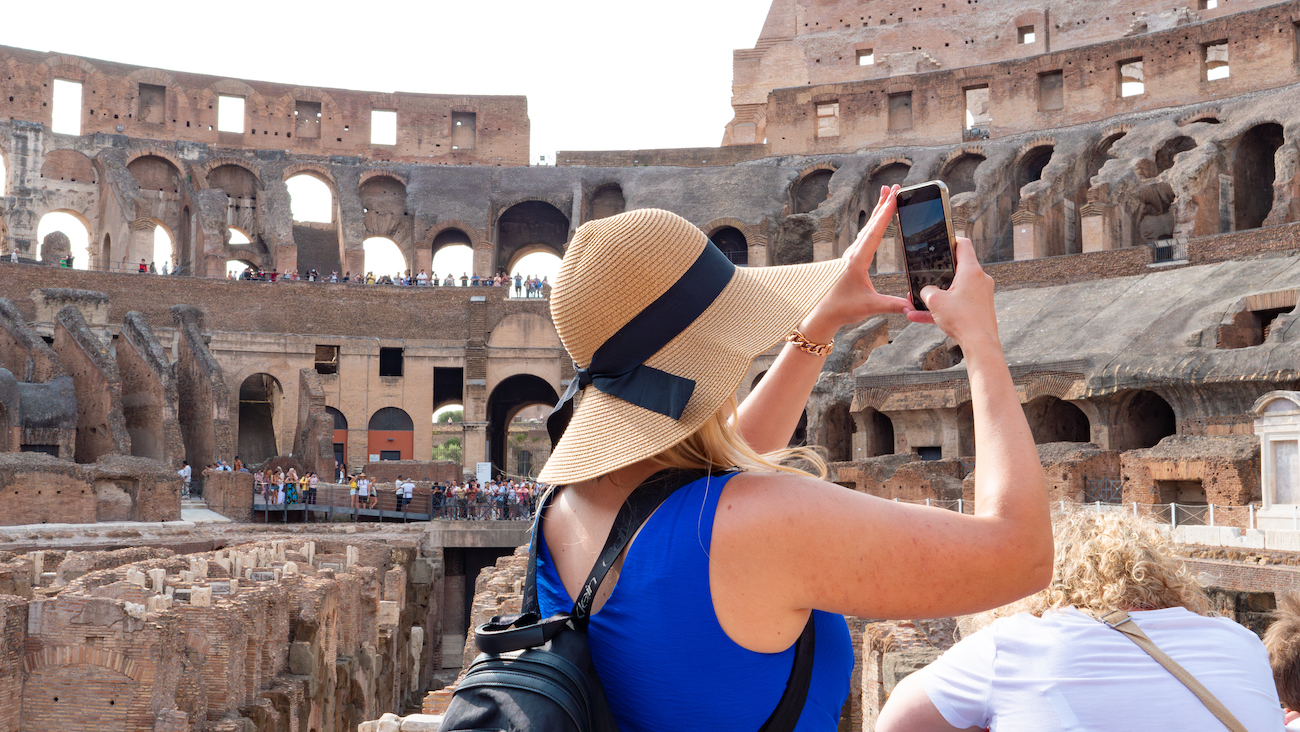
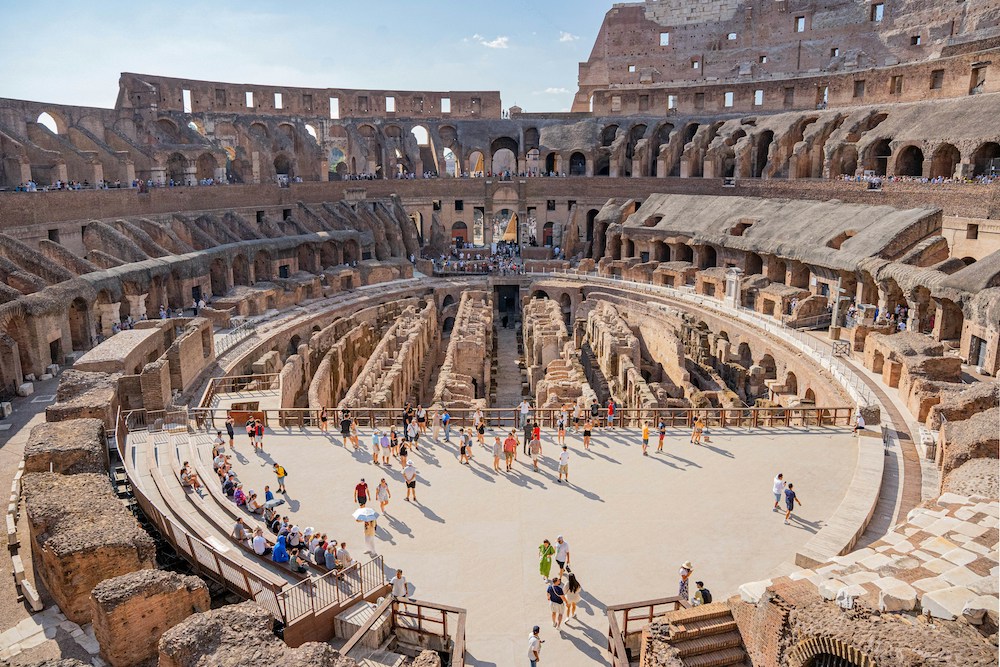
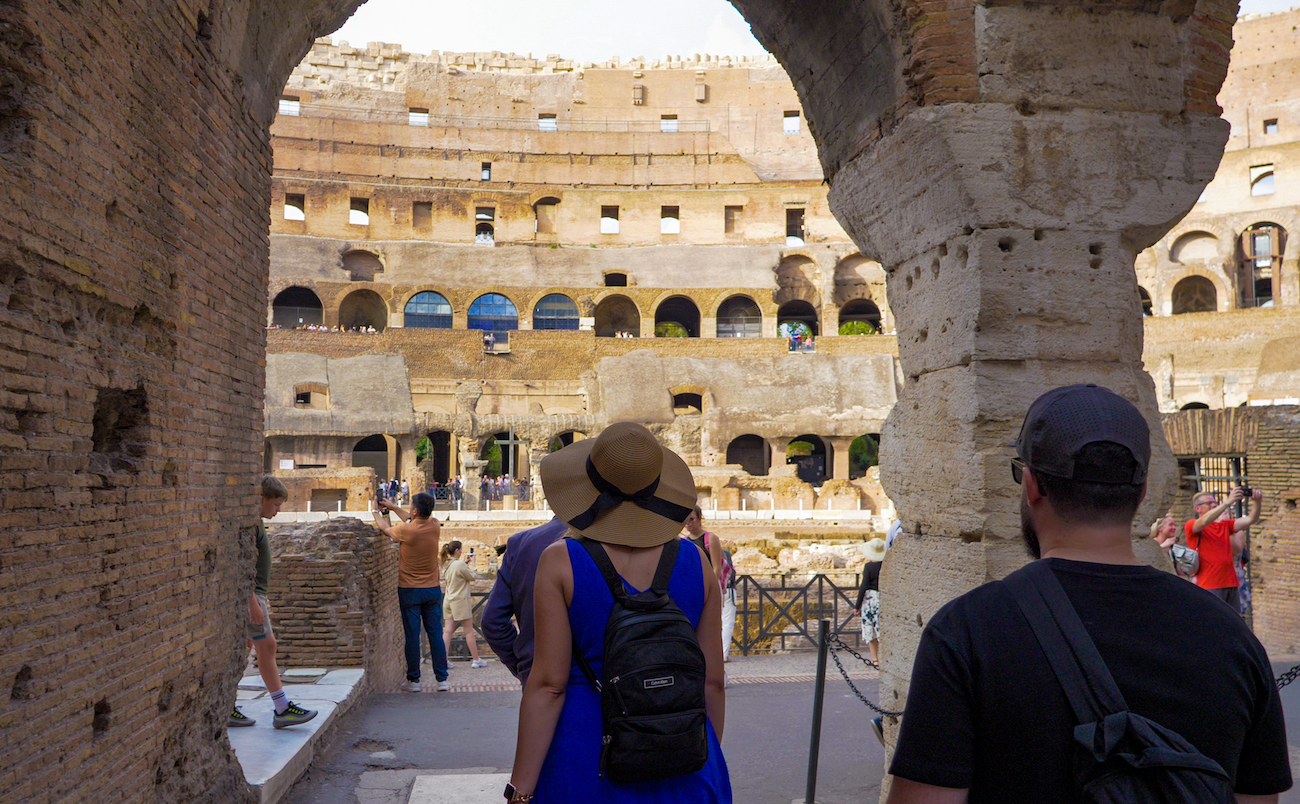
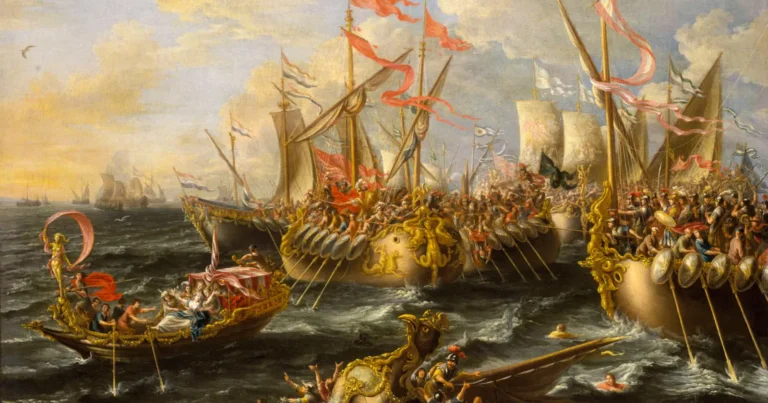
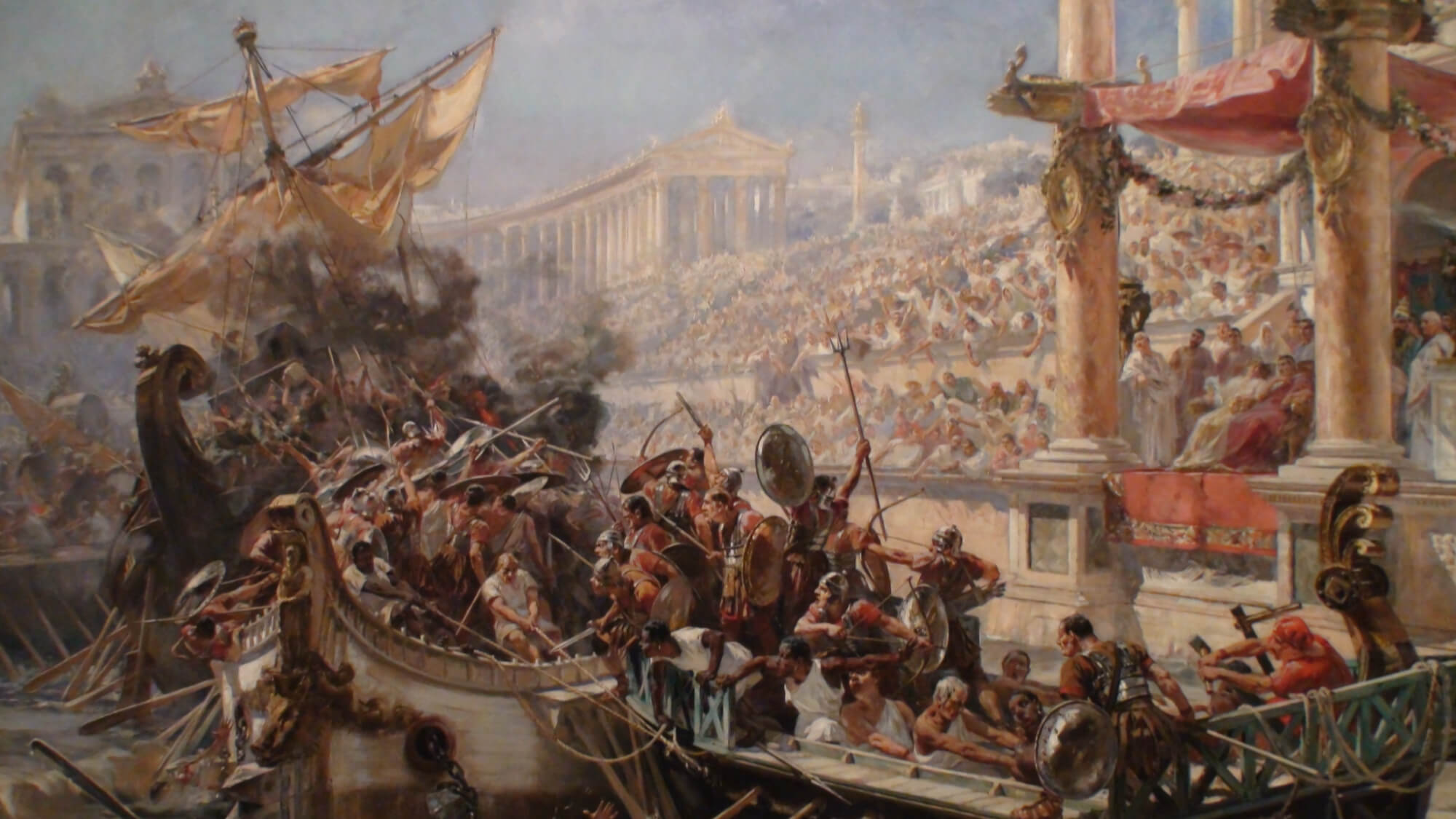
The word naumachia (from the Greek naus, ship, and mache, battle) referred both to the spectacle itself and, later, to the dedicated basins built specifically to stage it. At its simplest, a naumachia was a reenactment of a famous naval battle, performed by men in replica warships on a body of water, for the entertainment of a live audience.
The performers were not volunteers. Naumacharii — the participants in these spectacles — were almost exclusively prisoners of war, condemned criminals, or slaves. They were provided with ships and weapons, dressed in the uniforms of the opposing historical forces they were required to represent, and sent to fight in earnest: the battles were real, the casualties genuine, and the survivors fortunate. Ancient sources record occasional promises of mercy for men who fought with particular vigour but this was rare.
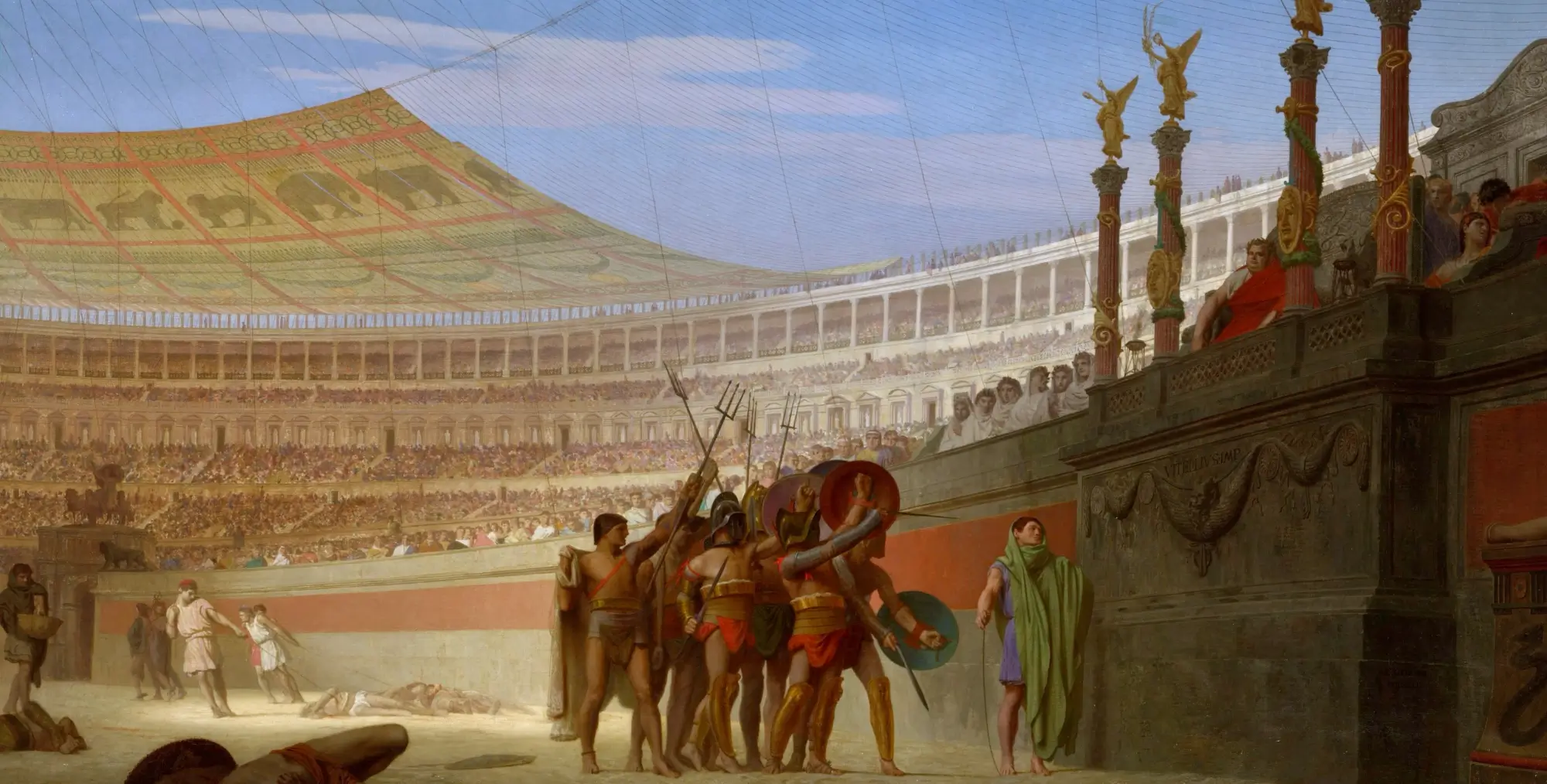
One famous account — Suetonius’s description of Claudius’s Lake Fucinus naumachia — records the condemned men saluting the emperor with the words morituri te salutant (“those who are about to die salute you”). This phrase, so firmly lodged in popular imagination as the standard gladiatorial salutation, is only reliably attested in this single source, at this single event.
It was not a regular feature of the gladiatorial games, and gives a good indication of the desperate odds facing the unwilling participants of naumachiae.

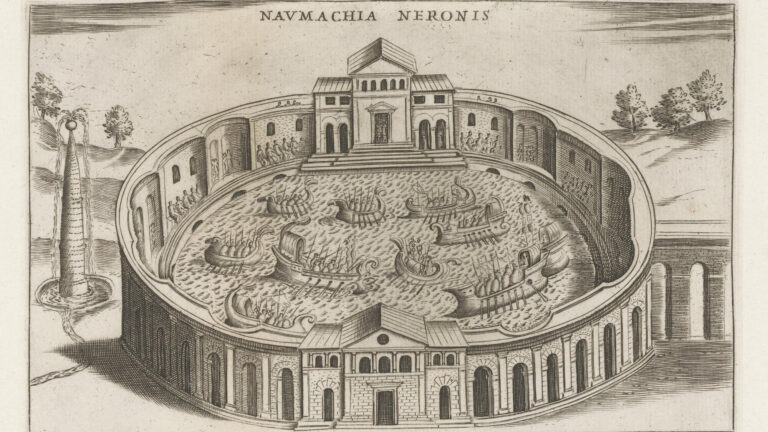
The first recorded naumachia in Roman history was staged by Julius Caesar in 46 BC, to celebrate his triumphs over Gaul, Egypt, Pontus and Numidia.
Caesar had a massive artificial lake excavated on the Campus Martius and filled with water; the spectacle, which recreated a conflict between Egyptian and Tyrian forces, involved thousands of men in genuine warships and attracted enormous crowds from across the empire. Ancient sources record that the crush was so severe that several spectators were killed.
The logistical and financial challenges of Caesar’s naumachia were considerable: excavating, filling and then draining a temporary lake, constructing and crewing genuine warships, managing an audience of tens of thousands were all no mean feats, and the event remained exceptional for the scale of its ambition.
Augustus, Caesar’s adopted son and successor, staged his own nautical spectacle in 2 BC in a dedicated permanent basin known as the Stagnum Augustae, which measured 536 by 357 metres and required a specially constructed aqueduct to fill it. The battle reenacted the historical conflict between Athens and Persia, and involved 30 ships and 3,000 combatants. The basin remained in use for at least the next century.
The most spectacular single naumachia in Roman history was staged by Claudius in 52 AD to celebrate the completion of a drainage tunnel for Lake Fucinus in central Italy — an engineering project that required 30,000 workers labouring around the clock for eleven years.
Claudius celebrated its completion by staging a battle on the lake before it was drained, involving 100 ships and approximately 19,000 condemned men representing the Sicilian and Rhodian fleets. Praetorian guards on rafts surrounded the lake to prevent escape.
The scale of this event, which was the closest ancient Rome came to genuine naval warfare as spectacle, has never been surpassed in the historical record.
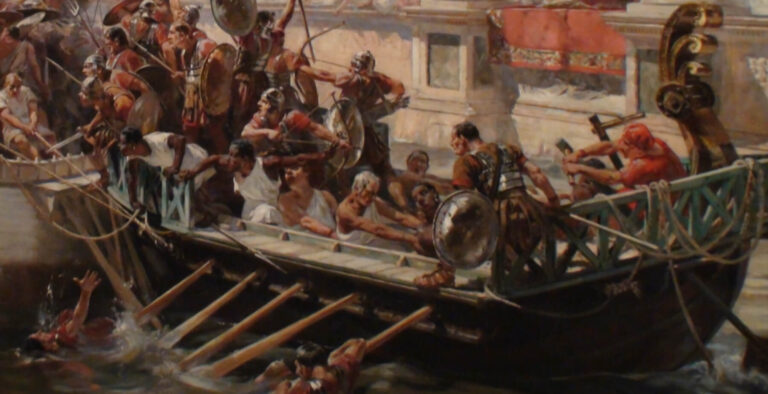
When the Colosseum was inaugurated in 80–81 AD under the Emperor Titus, the celebrations included not just gladiatorial combat and animal hunts but also a naumachia.
The ancient sources are slightly ambiguous about the precise location: the historian Suetonius seems to imply that the battle — a reenactment of a conflict between Athens and Syracuse — took place in Augustus’s older basin, which was still operational.
But the historian Cassius Dio, writing slightly later, explicitly states that a second naumachia, representing the battle between Corcyra and Corinth, took place in the Colosseum itself, its arena flooded with water to a sufficient depth to float ships.
Martial, who was present for the inaugural games and left a vivid if poetically exaggerated account of them, captures the shock of the spectacle: “If you are a newly arrived spectator from distant lands, don’t let the goddess of naval warfare deceive you with these ships, or the water that’s like the waves of the sea — here, a moment ago, was dry land.”
The Emperor Domitian, who succeeded Titus and completed the Colosseum’s underground infrastructure in the 80s and 90s AD, apparently staged at least one further naumachia in the arena.
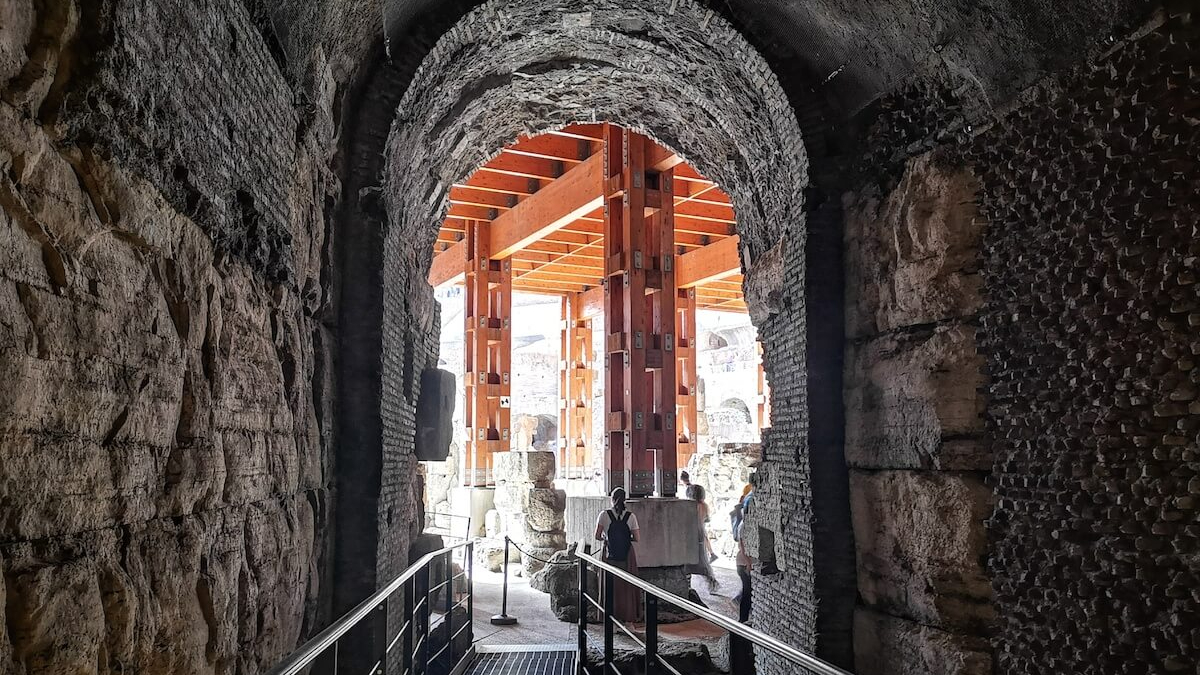
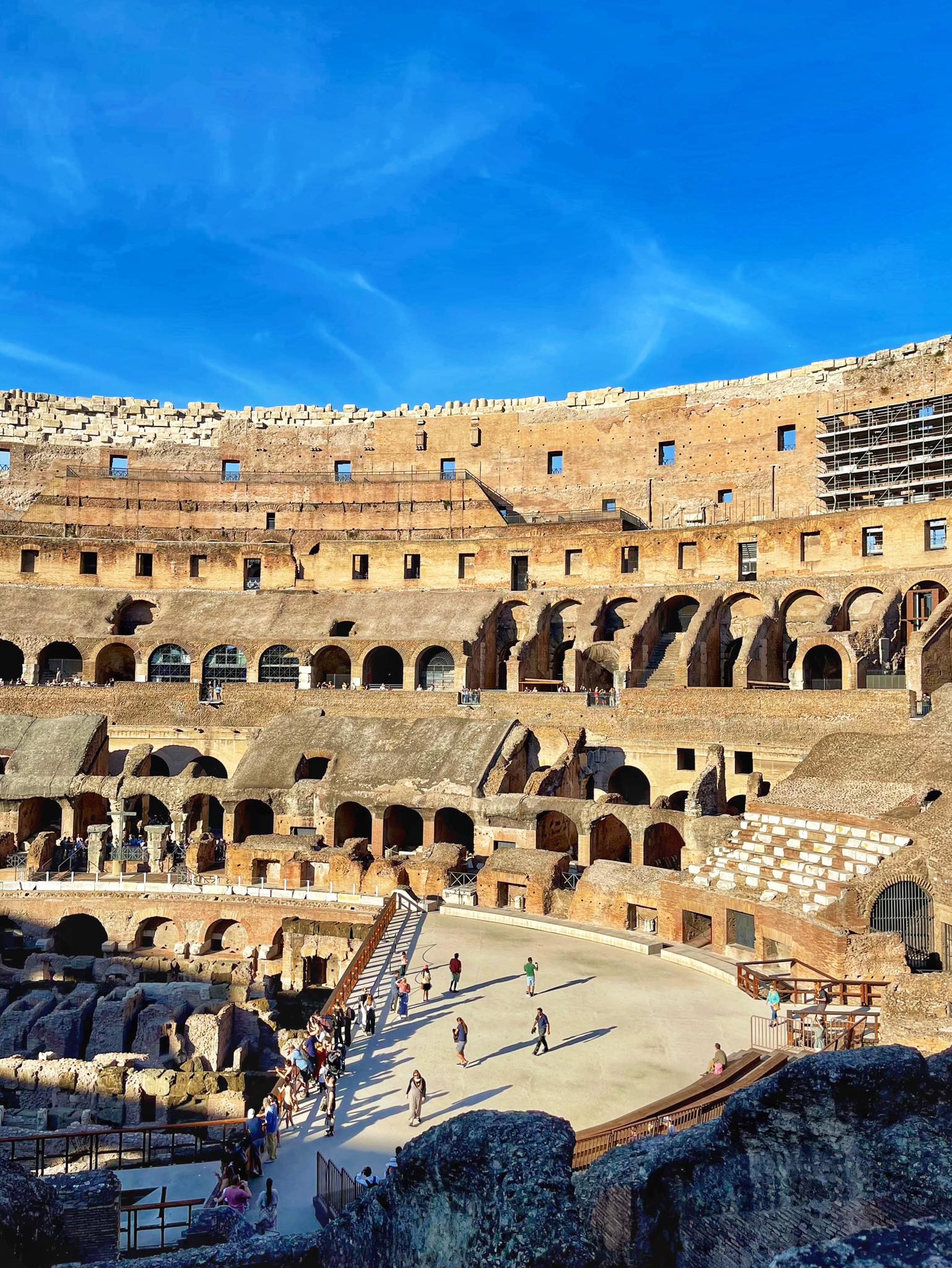
But Domitian also constructed the elaborate network of rooms, corridors and machinery beneath the arena floor that we know as the hypogeum; once this was in place, flooding the arena became impossible.
The subterranean structure that enabled the most sophisticated effects of the gladiatorial games simultaneously brought the era of Colosseum naumachiae to a close. Ancient sources record no further naval spectacles in the building after the completion of the Colosseum’s underground.
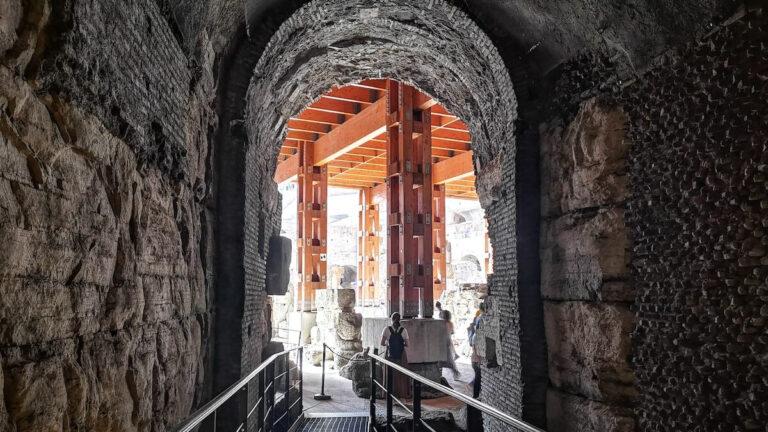
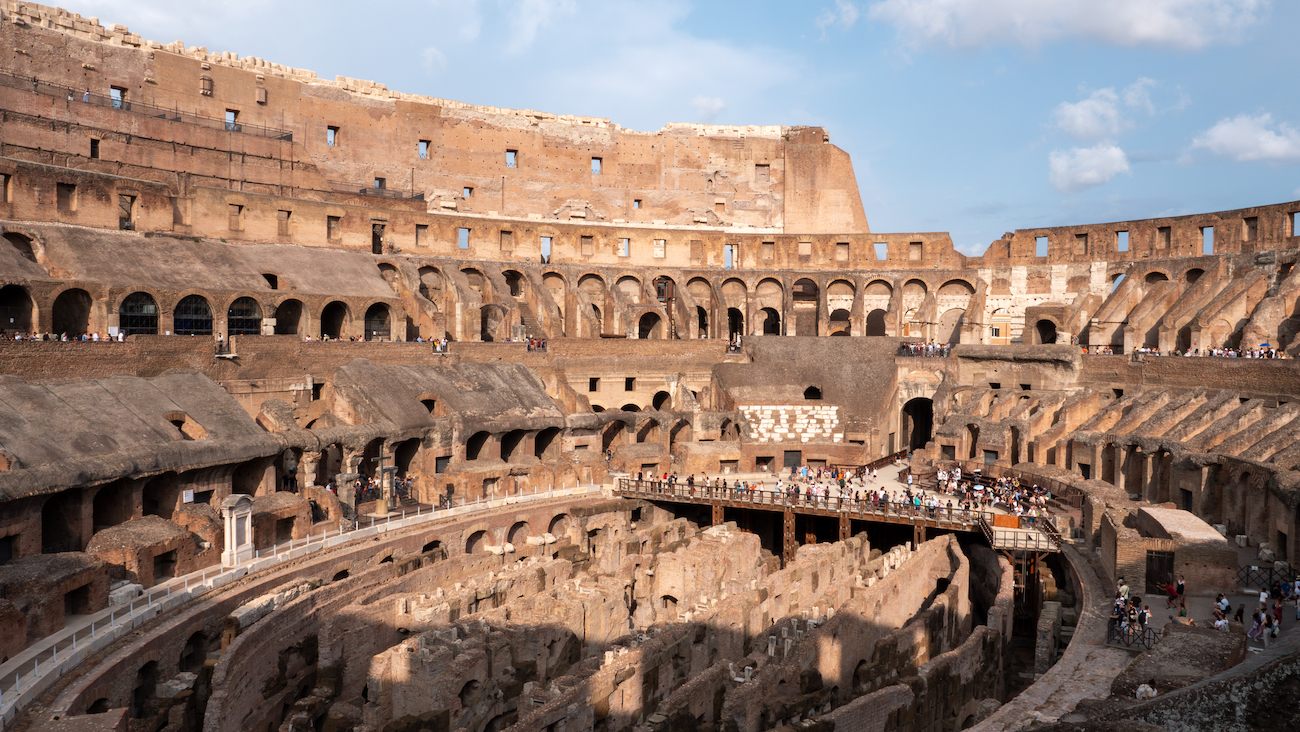
The technical question of how the Colosseum was flooded has been vigorously debated. The building was supplied with water via a branch of the Aqua Claudia aqueduct — the same water system that had fed Nero’s artificial lake on the same site before the Colosseum was built.
Current scholarly thinking suggests that before the underground hypogeum was fully excavated, the arena floor could plausibly have been waterproofed and filled to a depth of approximately 1.5 metres — sufficient to float the shallow-drafted vessels used in these spectacles. The volume of water required would have been around 5,500 cubic metres, which the existing aqueduct infrastructure could have supplied over a matter of days.
We must, however, take Martial’s claims that the Colosseum could be flooded and drained quickly enough to allow for nautical and dry-land spectacles to take place rapidly one after the other with a pinch of salt. Regardless of the extraordinary hydraulic abilities of ancient Roman engineers, the technology required to guarantee an adequate water pressure to flood the arena to an adequate depth in such a short time and drain it just as quickly didn’t exist.
Latest estimates suggest that the Colosseum could feasibly have been flooded in a matter of hours rather than minutes – certainly impressive, but not quick enough to facilitate the blink-and-you’ll miss it transformation described by Martial.
Of course, as the programme of the games lasted all day this wasn’t necessarily a fatal problem. Alternatively, non-water based events could have taken place on a temporary wooden platform built over the already flooded basin of the amphitheater, allowing for a freer mix of land and sea based combat.
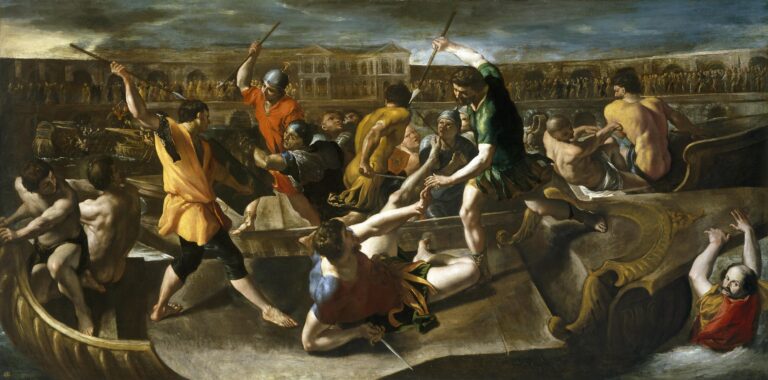
Whilst we know the naumachiae really took place, we know very little for certain about how they actually functioned. Some scholars maintain that the battles were more like elaborate plays with sophisticated props, but given the detailed accounts in ancient sources that list the numbers of combatants and casualties, most historians believe that the Romans really did pit actual fleets against each other in miniature ships.
Although the naumachiae weren’t real military conflicts, they were certainly plenty bloody. It seems that these were in fact amongst the most brutal and deadly events that ancient Roman entertainment could offer.
Unlike the highly motivated and professional gladiators – for whom survival and eventual freedom was a real possibility, and whose battles weren’t necessarily to the death – the amateur participants of the naumachiae were typically prisoners of war or other undesirables already condemned to die. Their only chance of short-term survival was to fight their way out.
As full-sized Greek and Roman warships measured upwards of 35 meters in length, the 75-meter-long Colosseum could have only accommodated scaled-down versions of history’s galleys and triremes. Given the small dimensions of the arena and the sheer number of miniature ships and soldiers involved, it seems likely that the sea-battles in the Colosseum would have been chaotic and bloody free-for-alls, far from the organized tactical refinement of real naval encounters.
Whether the combats were rigged to ensure that the battle aligned with historical reality is unknown, although this seems unlikely as Cassius Dio asserts that in one of the Colosseum’s battles Athens managed to defeat Syracuse – flipping the script of historical record.
Animals trained to perform in water were also introduced during the Colosseum naumachiae: Cassius Dio records that Titus brought in horses and bulls that had been trained to “behave in the liquid element just as on land,” presumably to add variety and spectacle to what might otherwise have been a relatively static naval display.
Bizarre enough, but still quite a way from Ridley Scott’s sharks scudding through the waters of the arena.
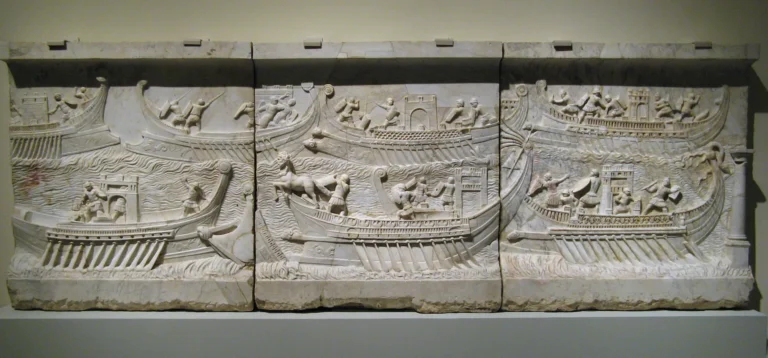
The golden age of the naumachia — roughly from Caesar in 46 BC to Domitian in the late 1st century AD — was relatively brief. The events were spectacularly expensive, requiring purpose-built infrastructure, thousands of condemned men and a staggering logistical operation. They were therefore staged only to mark events of the greatest political significance: triumphs, inaugurations, centenaries.
As the 2nd and 3rd centuries progressed, the naumachiae became smaller in scale and less frequent, reflecting a growing difficulty in staging spectacles that required such extraordinary resources. The last reliably attested naumachiae date to the 3rd century; by the time the gladiatorial games themselves were drawing to a close in the 5th century, the mock naval battle had long since passed from the Roman entertainment repertoire.
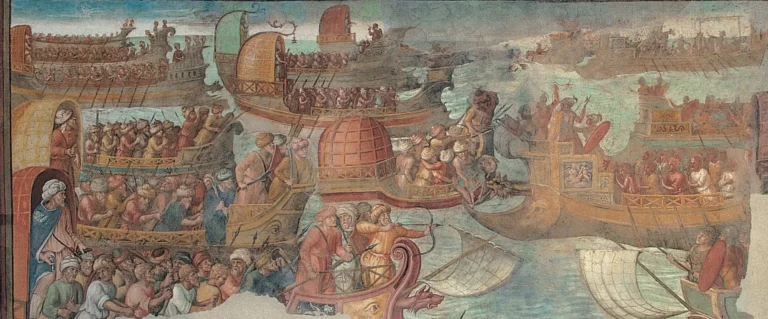
What survives is not the spectacle itself but the word. Naumachia entered European languages as a term for any elaborate mock naval battle — including, somewhat improbably, the model naval engagements staged on ornamental lakes in 18th-century English country parks, and the water jousting contests that are still practised in several towns in southern France and Catalonia today.
Did sea battles really happen in the Colosseum?
The evidence suggests they did, but only briefly and in a limited form. Ancient sources including Cassius Dio and Martial record naumachiae in the Colosseum during the inaugural games under Titus in 80–81 AD, and possibly under Domitian shortly after. Once Domitian completed the underground hypogeum in the late 1st century, flooding the arena was no longer possible and no further naumachiae in the Colosseum are recorded.
How was the Colosseum flooded?
Scholars believe the arena was waterproofed and filled via a branch of the Aqua Claudia aqueduct — the same water system that had fed Nero’s artificial lake on the same site. The water depth required would have been approximately 1.5 metres, sufficient to float the shallow-drafted replica vessels used in the spectacle. The exact mechanism has not survived in the archaeological record.
Who fought in the naumachiae?
Almost exclusively condemned criminals, prisoners of war and slaves — collectively called naumacharii. They were armed, equipped in the uniforms of the historical forces they were required to represent, and expected to fight in earnest. The events were essentially mass judicial executions staged as theatrical spectacle. Survivors were sometimes granted their lives, but this was an exception rather than the rule.
Did the Romans shout “morituri te salutant” at the games?
This famous phrase — “those who are about to die salute you” — is only reliably attested once in ancient sources, at Claudius’s Lake Fucinus naumachia in 52 AD, as recorded by Suetonius. It does not appear to have been a regular formula at the gladiatorial games, and scholars are generally sceptical that it was ever used in that context.
What was the largest naumachia ever staged?
The naumachia staged by Claudius on Lake Fucinus in 52 AD, involving approximately 100 ships and 19,000 condemned men. This was a genuine large-scale military operation conducted on natural water rather than an artificial arena, and its scale has never been credibly matched by any other ancient source.
Ancient CityTours
Explore the Colosseum!