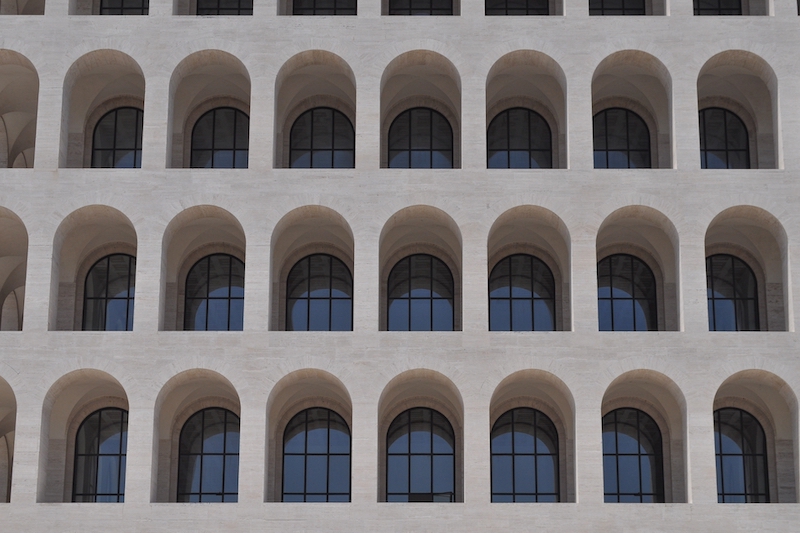
The Best Colosseum Tours with Through Eternity
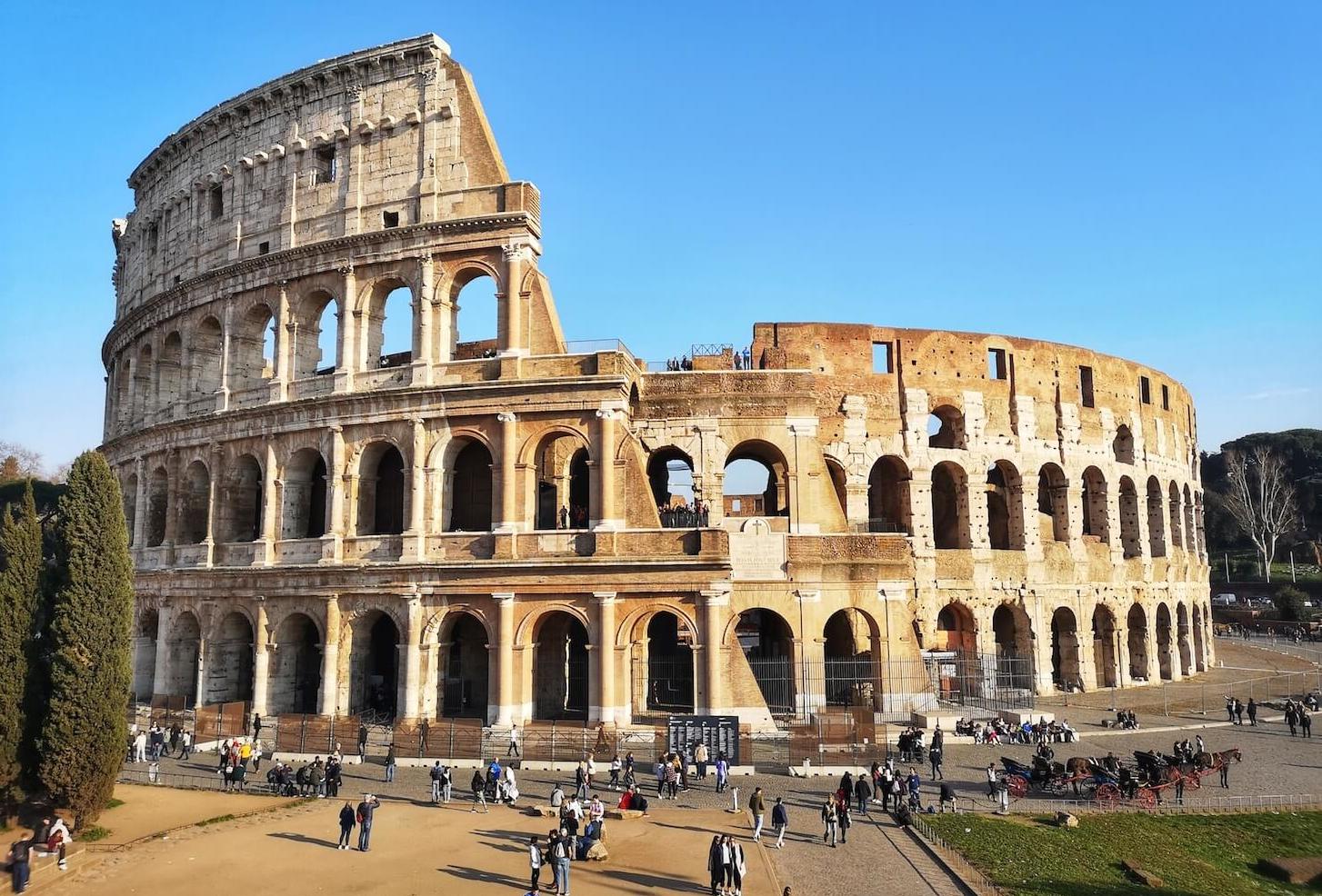
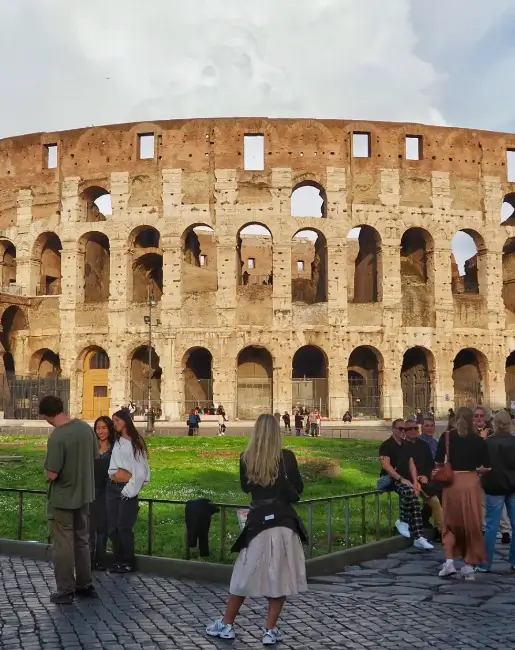
Through Eternity’s Colosseum tours bring the ancient world to life through expert-guided visits to Rome’s most iconic monument. Whether you’re exploring the amphitheatre itself, descending into the underground hypogeum, or combining the Colosseum with the Roman Forum and Palatine Hill, our tours are designed to help you understand not just what you’re seeing, but why it mattered.
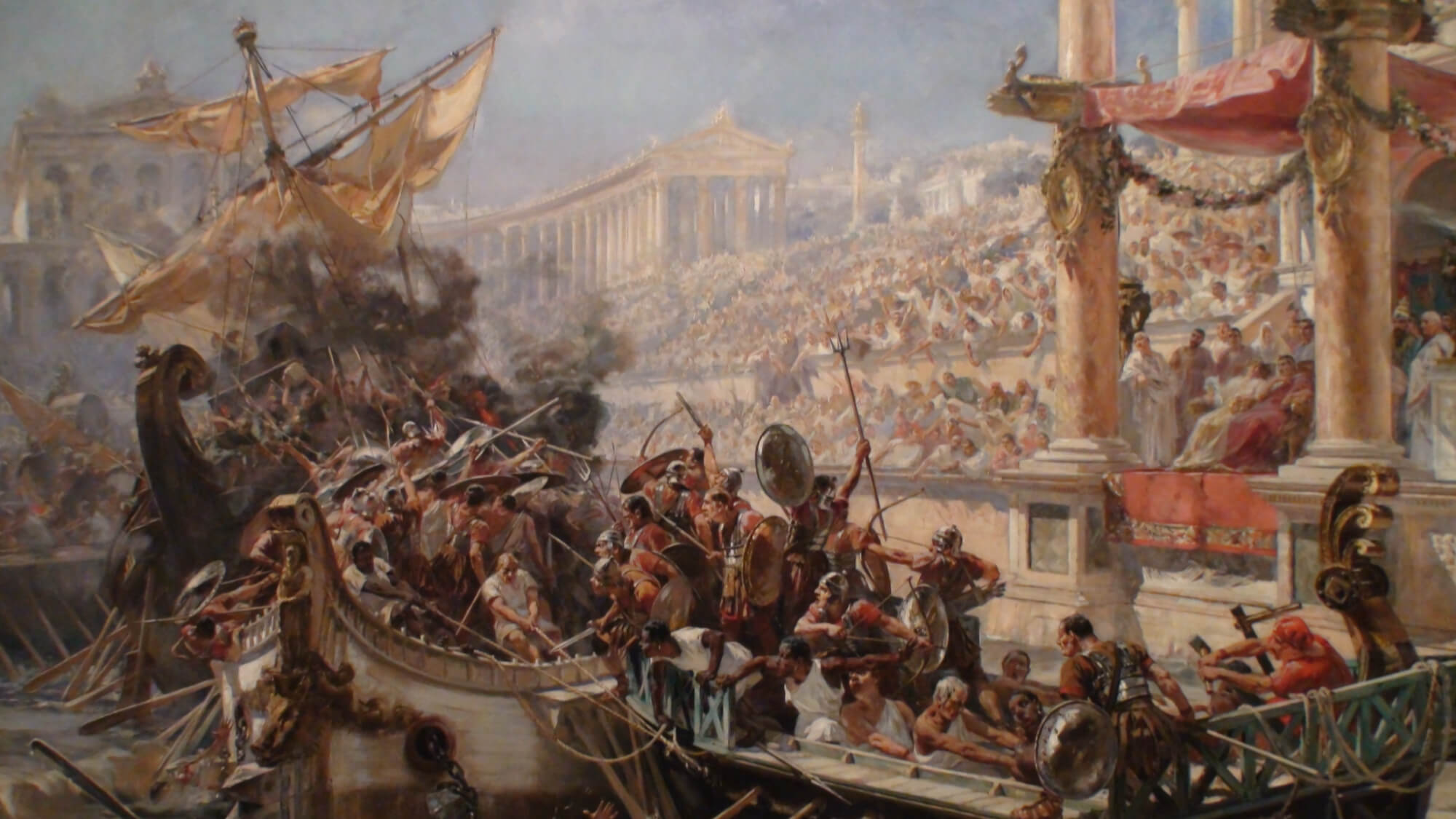
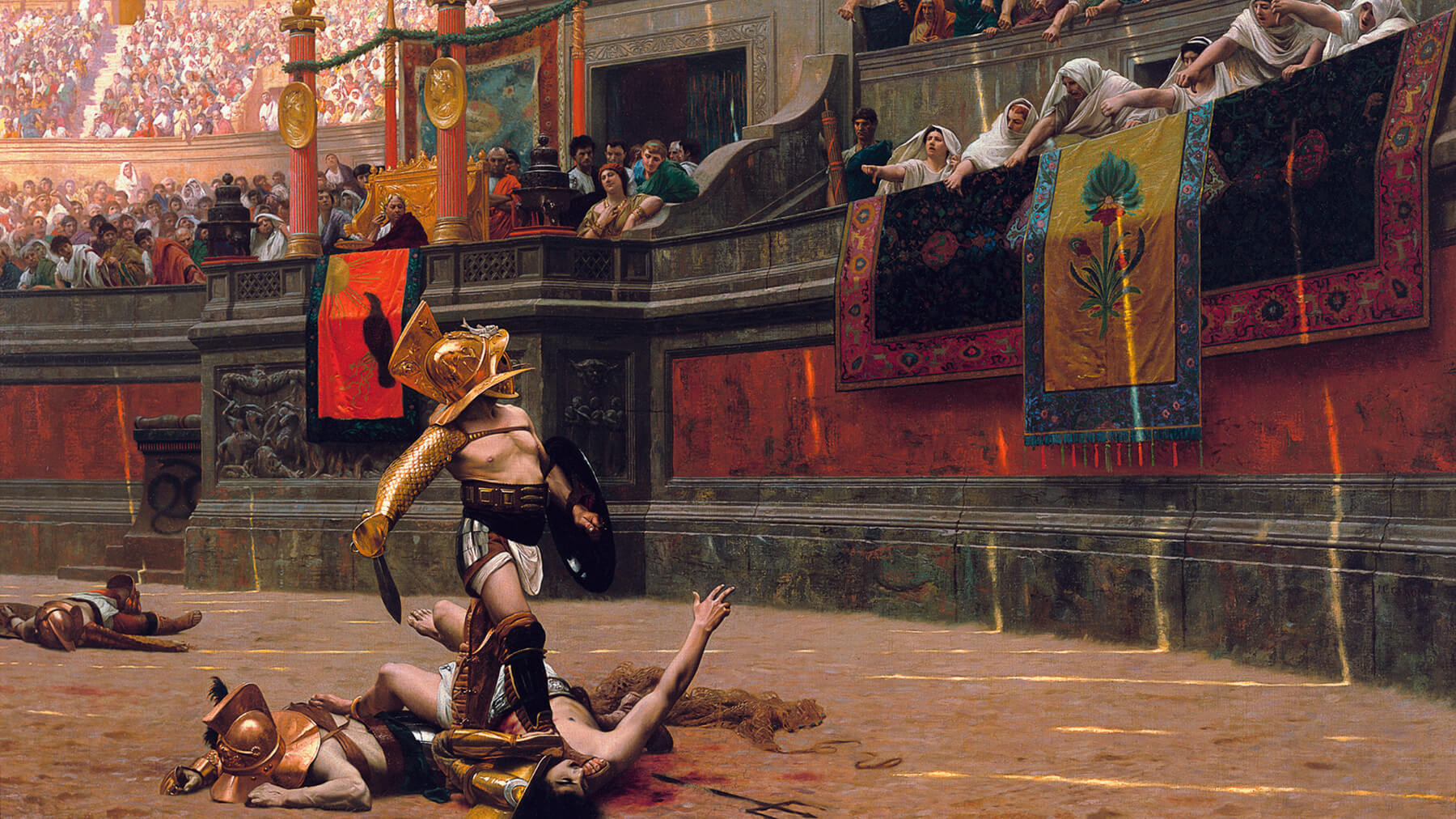
We believe that a great guide is the difference between seeing a ruin and understanding a civilization: led by expert art historians and archaeologists, you’ll discover how the Flavian Amphitheater was an engineering marvel, a political instrument, and a mirror of Roman society all at once. Colosseum tours with Through Eternity take you past the entrance queue and straight into the spaces where gladiators fought, where wild animals were released through trap doors, and where the political theater of ancient Rome played out before 50,000 spectators.
Skip-the-line, reserved-entry access is included on every tour, so your time goes into exploring the ancient world rather than the queue outside it. Whether you’re looking for a small group introduction to Ancient Rome, a private tour tailored to your interests, or an exclusive underground experience, Through Eternity offers a range of ways to explore the Colosseum, Roman Forum, and Palatine Hill with expert guidance.

Types of Colosseum Tours We Offer
Through Eternity offers Colosseum tours across several formats — small group, private, and exclusive VIP access — so you can choose the experience that best matches your interests, your group, and how deep you want to go.
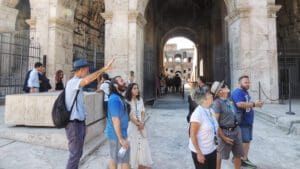
Small Group Tours
Our small group Colosseum tours are capped at 12 guests, combining expert commentary, reserved entry, and a more personal atmosphere than large coach tours. Many include access to the arena floor as well as the Roman Forum and Palatine Hill.
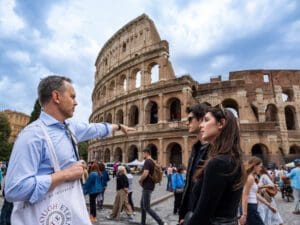
Private Colosseum Tours
A private Colosseum tour means a dedicated guide for your group alone, the freedom to move at your own pace, and the flexibility to focus on the parts of Ancient Rome that interest you most. Perfect for families, we think it's the best way to get the most out of your visit.
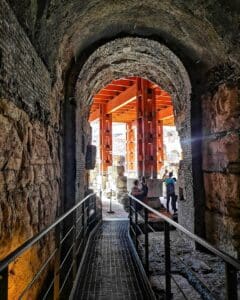
VIP Experiences
For visitors looking to go beyond the standard route, our exclusive Colosseum experiences include access to areas that require special reservations, including the underground hypogeum. Availability is limited and advance booking is strongly recommended.
Our Most Popular Small Group Colosseum Tours
Colosseum with Arena Floor Small Group Tour
Through Eternity’s flagship Colosseum experience, combining arena floor access, expert-guided commentary on the gladiatorial games and imperial politics, and a continuation to the Roman Forum and Palatine Hill — all with skip-the-line entry and a group capped at 12.
Ultimate Colosseum Small Group Tour
A comprehensive introduction to the ancient city, taking in the Colosseum, the Roman Forum, and the Palatine Hill in a single guided itinerary. Ideal for first-time visitors who want the full sweep of Rome’s ancient history in one well-organized, unhurried experience.
Our Most Popular Private Colosseum Tours
Colosseum Arena Floor Private Tour
An exclusive private visit to the Colosseum with dedicated access to the arena floor — the stage where gladiators fought and emperors watched — led by an expert guide entirely dedicated to your group, at your pace.
Rome in a Day: Colosseum, Vatican Museums & Sistine Chapel
For those who want to cover Rome’s two greatest sites in a single day: a private tour combining the Colosseum and Roman Forum in the morning with the Vatican Museums and Sistine Chapel in the afternoon, with car service between sites and skip-the-line access throughout.
Colosseum Underground Private Tour
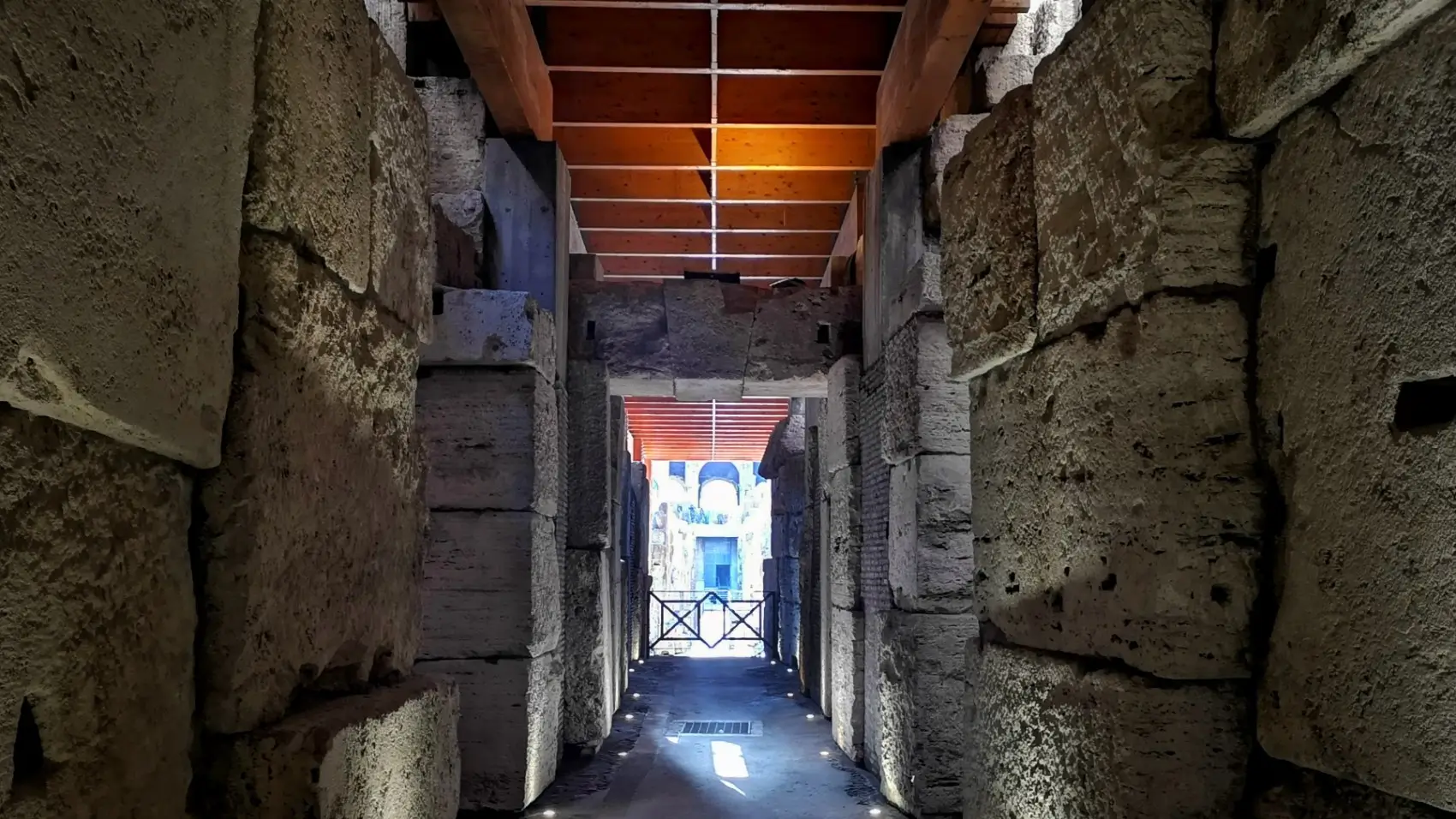
A private descent into the hypogeum, the subterranean level beneath the arena floor that most visitors never see, where animals were caged, gladiators waited, and the mechanical genius that powered the spectacle was hidden from the crowd above.
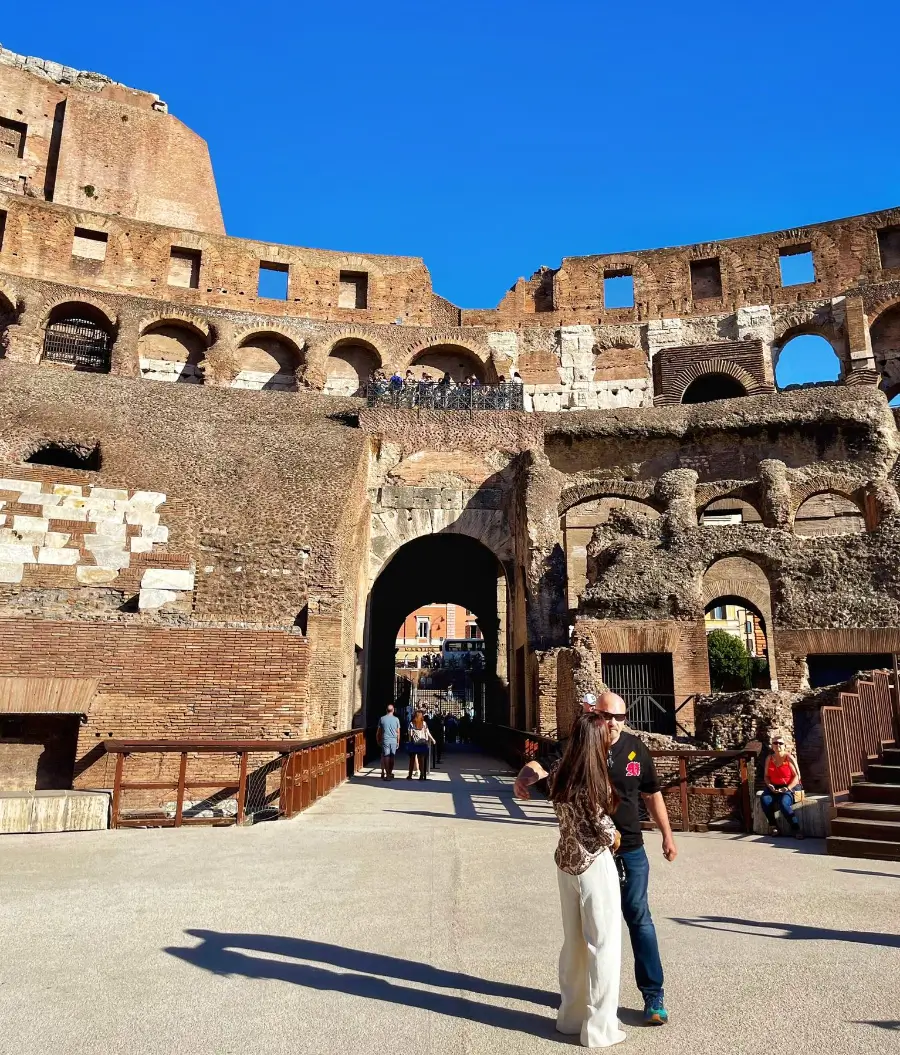
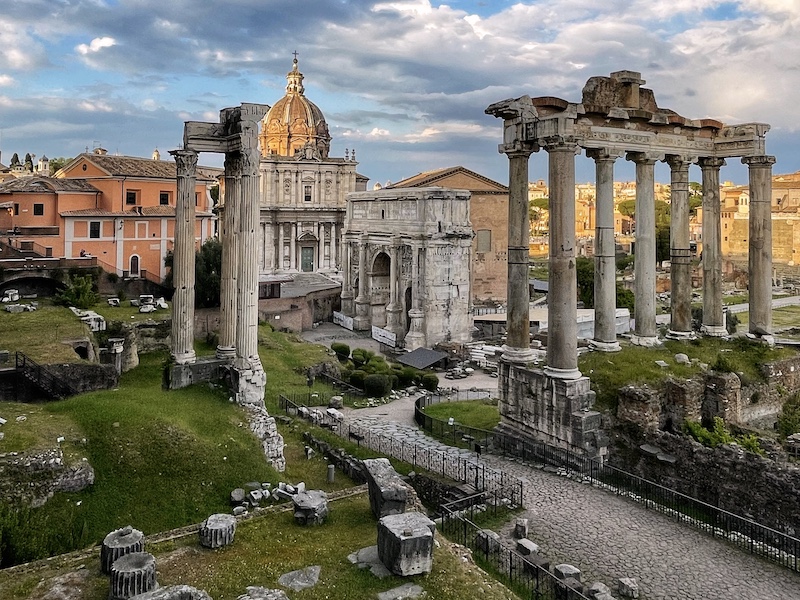
What to See on a Colosseum Tour
Planning Your Colosseum Visit
Opening Hours and Best Times to Visit the Colosseum
The Colosseum is open throughout the year, with opening times varying by season. Morning visits often offer cooler temperatures and softer light, particularly during the summer months, while afternoon tours can be a convenient option for visitors combining the Colosseum with other sites in Rome. Whatever time you visit, booking in advance is strongly recommended, especially during busy periods.
Security, Entry, and What to Bring
All bags pass through security at the Colosseum entrance. Large backpacks and luggage are not permitted inside, so plan your day accordingly. Sun protection and water are essential in summer — the monument offers very little shade on the tiers — and comfortable walking shoes make a real difference across the Colosseum, the Forum, and the uneven flagstones of the Palatine Hill. Our guides meet you at a specific meeting point near the site with a photo and clear instructions confirmed at the time of booking, so you’ll never be left wondering where to go.
Accessibility at the Colosseum
The Colosseum has made significant improvements to accessibility in recent years, with elevators providing access to many areas of the monument. However, some sections, particularly special access areas such as the Underground or the upper levels, may involve stairs or have limited accessibility. If you have mobility concerns, it’s always worth checking the specific details of your chosen tour before booking.
Visiting the Colosseum with Children
The Colosseum is one of Rome’s most memorable attractions for families, with gladiator stories, wild animal spectacles, and dramatic engineering capturing the imagination of younger visitors. While the archaeological park involves a fair amount of walking, guided tours help keep the experience engaging by bringing the ancient arena vividly to life.
Why Book a Colosseum Tour with Through Eternity?
25+ Years of Tour Experience
Through Eternity has been leading tours in Rome since 1999. More than 25 years of experience means carefully crafted itineraries, expert guides, and a deep understanding of how to help visitors make the most of one of the world’s most important archaeological sites.
Expert Historian Guides
Our Colosseum guides are art historians and archaeologists with deep specialist knowledge of Roman history, architecture, and the gladiatorial games. What sets them apart from a tour guide reading from a script is the same thing that sets any real expert apart: the ability to answer the question you didn’t know you were going to ask, and to make a two-thousand-year-old building feel urgent and alive.
Skip-the-Line Entry Included
All of our Colosseum tours include reserved entry tickets, helping minimize waiting times and removing the stress of securing admission independently. Please note that all visitors must still pass through mandatory security screening before entering the monument, but this line moves quickly. It’s a small price to pay for protecting this extraordinary place.
Private and Custom Tour Options
If none of our set itineraries quite fit, we’ll build one that does. Private Colosseum tours can be extended to include the underground hypogeum,the extra SUPER sites at the Roman Forum and Palatine Hill, or niche ancient sites across Rome that interest you but that don’t feature on standard itineraries. Tell us how long you have and what you want to see, and we’ll design the tour around it.
Colosseum Tours FAQ
What is the best Colosseum tour for first-time visitors?
For a first visit, our Ultimate Colosseum tour covers the essential experience including expert commentary on the gladiatorial games and the building’s history as well as visiting the Roman Forum and Palatine Hill in a small group of 12 or fewer. If you’d prefer to have a guide entirely to yourself, the Private Colosseum Arena Floor Tour covers the same ground with maximum flexibility. Our Arena Floor itinerary meanwhile offers a valuable addition to the experience if you want to see what the gladiators saw.
How much do Colosseum tours cost?
The cost of a Colosseum tour depends on the itinerary, group size, and level of access included. Small group tours are generally the most economical option, while private and exclusive experiences offer greater flexibility and access to restricted areas. Current pricing is always available on the individual tour page.
Do Colosseum tours include the arena floor?
Many of our most popular Colosseum tours include arena floor access, but not all itineraries do. If stepping onto the arena floor is important to you, be sure to check the tour description before booking. Tours that include arena floor access clearly state this in the itinerary.
Do Colosseum tours include the Roman Forum and Palatine Hill?
Yes. Our standard Colosseum guided tours continue from the amphitheatre to the Roman Forum and Palatine Hill on the same combined ticket. The three sites together — Colosseum, Forum, and Palatine Hill — make up the full ancient Rome experience, and our guides cover all three as part of a single, continuous tour.
Is the Colosseum Underground included in a standard tour?
No. The underground hypogeum requires a separate reserved-entry ticket and is covered on our dedicated Colosseum Underground Tour rather than the standard guided tour. If underground access is important to you, book the underground tour specifically. Underground tickets are strictly limited and often become unavailable well in advance, particularly during peak travel periods.
What is the cancellation policy for Colosseum tours?
Through Eternity tours typically include free cancellation up to 24 hours before the tour date, minus any costs already incurred for advance tickets. Cancellation terms are subject to change, so check the individual tour page for the full up-to-date conditions that apply.
If you don’t see your question here, our customer care team is happy to help by phone, email, or live chat.
 Create Your Custom Journey

Our dedicated team is here to help you design the perfect trip. We’re happy to assist every step of the way.
How to Book a Colosseum Tour
Booking your Colosseum tour takes just a few clicks. Choose the experience that best suits your interests, secure your place online, and we’ll take care of the logistics. Meeting point details, ticket information, and practical instructions are provided before your tour, so you can focus on enjoying one of Rome’s most extraordinary sites.

Our Live Chat
Need further assistance or have specific requests? Our live chat feature is available for instant support.

Our Dedicated Expert Team
Alternatively, our dedicated native-English customer care team is here to assist you throughout the day. Call us at +1-800-267-7581 or fill out the contact form for any inquiries.

A Worry-Free Booking Experience
Book your Colosseum tour directly with Through Eternity - your payment goes to the people who designed and led the experience, not a marketplace middleman.